














Close
Digital Health & Ai Innovation summit 2026
Medical Taiwan 2026

Why Oral Health Care Is More Vital Now Than Ever

Most people are aware that they need to brush their teeth at least twice daily. Some will also add flossing to their daily routine. Nevertheless, there are many who do not prioritize their oral health.

Brushing and flossing your teeth play a small but important part in your overall oral health regimen. Still, this may not be enough in the long run.

Caring for your oral hygiene and health is monumental. Hereโ€™s why:

A Reflection Of Your Overall Health

In the world of health and fitness, the mention of oral health care is often sidelined. Yet, there is a growing amount of evidence that links oral health to a personโ€™s overall well-being.

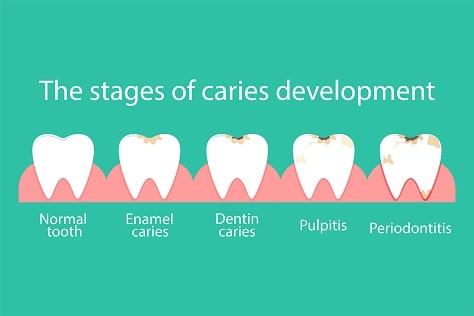
This shouldnโ€™t come as a surprise. Your mouth is an ecosystem where the bacteria thrive. In small quantities, these microorganisms are there to help with food digestion. However, with poor oral hygiene, bad bacteria can quickly grow and lead to infections and diseases.

In fact, the Canadian Dental Association has found out that seven out of ten Canadians develop gum disease at some point in their lives. Oral diseases like gum disease (periodontitis) are thought to contribute to critical illnesses like coronary heart disease, diabetes, and osteoporosis.

High sugary food encourages the growth of acid-producing bacteria. An excessive amount of acid found in the mouth may cause the gum to be inflamed, cause cavities, and put you at the risk of losing your teeth. Frequent brushing and flossing of teeth can help reduce this acid-forming bacteria from growing.

When left unattended, plaque will eventually develop around your gumline. This will harden and separate your gum from your teeth, increasing the possibility of infections. A sign that can help you to identify whether you have inflamed gums that bleed while brushing or flossing.

However, plaques cannot be fully removed by brushing and flossing. This can easily be remedied with regular scaling done by your local dentist. If you live in the western region of Ontario, you can visit a Waterloo dentist for help.
The Correlations between Oral and General Health

The overall well-being of an individual can be broken into two main categories: physical and mental-emotional health.

1. Physical Health

More studies still need to be made pertaining to the correlations between oral and general health. Nevertheless, current research has found many oral diseases that portray the same common risk factors as critical illness.

The mouth is also the start of the digestive system. When bacteria are allowed to grow and thrive, infections that occur in your mouth may travel into your digestive system and bloodstream. This may result in illnesses like Endocarditis and Cardiovascular disease where the arteries could be clogged due to oral bacteria.

On the other hand, diseases such as diabetes and HIV/AIDS will, in turn, affect your oral health. Due to the nature of these diseases, they lower down the bodyโ€™s immune system. This will increase the chances of mouth infections.

Studies have shown that diabetic patients with gum disease have difficulties in controlling their blood sugar levels. Going for regular dental services can help in improving diabetic conditions.

2. Mental-Emotional Health

Thereโ€™s a greater correlation between mental-emotional health and oral health than most people would think. Conditions like anxiety and depression can affect eating and living habits.

To cope with their situations, some people suffering from mental disorders might succumb to eating or drinking a high quantity of sugary foods. On the adverse side, some might have a loss of appetite, which leads to malnutrition. Both situations greatly impact dental health, such as the risk of tooth decay and cavities.

Consumption of substances like smoking, drinking alcohol, and drug abuse is also another coping mechanism that people may adopt. The long-term effect of consuming these vices may lead to gum disease or even oral cancer.

Steps to Improve Your Oral Well-Being

To decrease the chances of infections and diseases, having a consistent oral care routine is important.

1. Floss first before you brush your teeth.
2. Make sure you brush your teeth daily for at least two minutes, twice a day.
3. Use a soft-bristle toothbrush as this will be gentle to your gum.
4. Use fluoride-based toothpaste as it can help to strengthen your teeth.
5. Schedule a regular visit to your local dentistry for checkups and cleanings.
6. Consume a healthy diet low in sugar.
7. If possible, try to limit the consumption of tobacco and alcohol.

Conclusion

Your oral health is equally as important as your overall health. Itโ€™s imperative that you take good care of it from the start. Severe dental problems can be costly to fix. So, be sure to visit your local dentist for a periodic checkup. This will yield a higher return in the long run.


Is TRT Safe? Why More Men Are Going Into Temecula TRT Clinics

Is TRT Safe? Why More Men Are Going Into Temecula TRT Clinics

Low testosterone or colloquially referred to as “Low T” in males has become fairly prevalent. A lot of men all around the US and the rest of the globe have been prescribed testosterone which is administered either through injection, gel, or skin patch so to reclaim their health and vigor. While testosterone replacement treatment (TRT) has several advantages and benefits, is it safe for men? This article will help you understand the nature of low testosterone levels as well as why more men have been taking TRT, and if there are safety risks that are associated with TRT that you should be made aware of. You may learn more about Low T by contacting the nearest Temecula TRT office to schedule a free consultation.

Knowing Low T and Its Causes

Testosterone is what distinguishes a male from a woman. In humans, it is the main androgenic steroid, indicating that it stimulates the formation of male sexual traits. Due to testosterone’s anabolic characteristics, it also performs a variety of other physiological roles.

Without an appropriate supply of testosterone, even apparently routine everyday tasks may become a burden. Little man enjoys the sensation of getting out of bed with no energy or drive to do anything constructive. While the odd “lazy day” might provide a welcome break from the daily grind, when it becomes normal, something is wrong.

Low T can occur for a variety of causes, many of which are subtle. For example, insufficient sleep and persistent stress are two frequent variables that contribute to testosterone decline in guys. Similarly, heavy alcohol use and obesity might result in testosterone deficiency.

As you can see, your testosterone levels are influenced by lifestyle variables. This is not to suggest that low T cannot occur as a result of causes beyond your control, such as a pituitary dysfunction or a testicular injury.

It’s critical to remember that evaluating whether or not TRT is safe for a guy requires the assistance of a qualified physician and laboratory testing. If you have low T as a result of lifestyle issues such as a poor diet, insufficient sleep, or a poor diet, you should take proactive measures to address these before turning to TRT.

Indications That You Have Low Testosterone

Males were less knowledgeable about testosterone in previous decades as many were unaware that their severe symptoms may be caused by low T.

Due to recent advancements in our comprehension of low T and its prevalence, both endocrinologists, as well as pharmaceutical firms, have taken a more aggressive approach to direct-to-consumer marketing. Men have become more aware that if they are having particular symptoms, they should get their testosterone levels tested. Men over the age of 30 should get their testosterone levels tested, as evidence indicates that testosterone levels begin to drop around this age.

While you may display many (or even all) of these symptoms, it is critical to confirm your diagnosis of hypothyroidism with proper blood testing. As discussed later in this post, TRT is the safest option if you really have low T. Depression, for example, is a symptom of several mental illnesses. If TRT is used to treat a mental illness, the outcome will be negative.

If you are one who feels like you are suffering from low testosterone, making an appointment with your nearest Temecula TRT clinic is highly recommended. One of their qualified physicians can place the necessary laboratory tests on your behalf. If you do have low testosterone, they will surely walk you through the process of restoring it to normal levels.

Are the Number of Men With Low T On the Rise?

Although modern medicine, as well as a scientific study, have improved our understanding of how the human endocrine system works, the cause of the surge in low T diagnoses remains unknown. According to certain studies, low T is becoming increasingly prevalent nowadays as a result of many men’s sedentary lifestyles and disregard for good eating choices.

Additionally, exposure to man-made chemicals, such as xenoestrogens present in a variety of personal care items and environmental pollutants, has been hypothesized to alter the human endocrine system.

Of course, we cannot rule out the possibility that men are simply extra proactive concerning their health these days, as well as more aware of the critical role testosterone plays in their well-being. This is largely due to the proliferation of male health clinics around the country and the growth of social media, which enables physicians and pharmaceutical firms to engage with customers on a more personal level than ever before.

Low T has apparently seemed to be an epidemic for a long period of time; we are simply more aggressive in addressing it today.

What Could Beย the Potential Effects of TRT?

Men with low testosterone frequently express worries about testosterone therapy. Is TRT long-term safe? What are the possible health concerns associated with TRT?

A small percentage of guys who begin testosterone replacement therapy will have some early adverse effects, including oily skin, acne, breast enlargement or irritation, and night sweats and these symptoms often resolve as TRT advances.

There seems to be a small increase in the risk of metabolic problems such as hypertension cholesterol for elderly men who are taking long-term TRT. Routine blood tests and medication changes can assist in avoiding these complications. Periodic lab work involving TRT patients is required TRT doctors to verify metabolic as well as cardiovascular biomarkers are within normal limits, therefore minimizing any potential health concerns.

Ironically, the health hazards associated with failing to treat low T are likely to be more lethal than TRT itself. Males with low testosterone levels appear to have a shorter life that is, at a greater risk of all-cause death than those with testosterone levels inside the healthy range, according to longitudinal data.

Many men discover that the benefits of hormone replacement treatment and medicines โ€“ such as the bioidentical hormones recommended by specialists at your trusted Temecula TRT clinic which far exceed the possible disadvantages.

Finally, TRT should be decided collaboratively with your physician. Be suspicious of doctors and specialists that give TRT without first verifying the diagnosis with appropriate blood tests and possibly medical imaging, if necessary.

5 Long-Term Injuries Of A Slip And Fall Accident

So, youโ€™re going about your day the same way you always do when suddenly your foot unexpectedly trips over something and you take a tumble to the ground? Itโ€™s okay, everyone experiences the accidental slip and fall at some point in their lives.

Most people would get back up and laugh it off, maybe dust their pants, and then continue with their day as usual. The accidental fall is often brushed off and survived with little more than a bruise that heals after a few days. But a minor bruise is not always the only injury sustained in a slip and fall accident.

Invisible and unnoticed long-term injuries can happen from slip and fall accidents. These have the potential to develop into unpleasant or even serious medical issues in the future, but they can be prevented if detected early enough.

If you or someone you know had a recent slip and fall accident, itโ€™s advisable to look out for signs of any long-term injuries that couldโ€™ve occurred. These are five of the worst long-term injuries you should watch out for.

  1. Head Injuries

Did your fall end with you taking a blow to the head? If thatโ€™s not the case you still might find yourself experiencing dizziness or headaches for some time, even several days after a slip and fall accident.

From slight concussions to serious brain trauma, head and brain injuries should always receive urgent medical care. Telltale signs to look out for include any form of swelling or bleeding anywhere on your head. Even a brief moment of unconsciousness is a sign that you should seek medical attention from a licensed practitioner.

Head injuries are serious medical cases that can result in serious injuries and life consequences. Care for such injuries can also prove costly. If your slip and fall head injury occurred in unsafe conditions in an environment that shouldโ€™ve been monitored, such as a workplace, you may want to seek legal advice, especially if you need to seek brain injury compensation.

  1. Soft Tissue Injuries

Soft tissue injuries refer to tendon and ligament injuries, which commonly occur in wrist and ankle sprains. These types of injuries generally restrict your mobility and can become too painful if you cannot help moving the affected area.

Mild soft tissue injuries can sometimes be treated at home and heal without issues that may require a visit to a doctor. Measures can be taken to reduce the pain, but if you experience any severe or increasing pain in a soft tissue injury, itโ€™d be best to get immediate medical attention. Untreated soft tissue injuries have the potential to grow into serious problems and might develop into chronic pains that persist for years.

  1. Spinal Cord Injuries

Like brain injuries, spinal cord injuries are commonly caused by slip and fall accidents. Theyโ€™re also some of the most serious and lifestyle-threatening injuries one can endure.

The spinal cord is like the shell of the bodyโ€™s nervous system. Itโ€™s the central path that all nerves in your body travel through. Injury and trauma to the spinal cord can damage the nervous system and result in compromised mobility, loss of certain senses, and improper bodily function.

Fortunately, there are ways to treat spinal cord injuries. You may be interested in reading more about different spinal cord injuries and treatments.

  1. Broken Bones

Slip and fall accidents can give you a broken or fractured bone. However, mild bone breaks and fractures sometimes get misdiagnosed or mistaken for mild pain or bruising.

Common symptoms of a mild fracture include discoloration of the skin, pain, and tenderness to the touch. Bleeding, swelling, and immobility are more serious signs that should not be ignored! More extensive bone fractures will require immediate surgery to fix can be accompanied by soft tissue injuries that might require therapy.

  1. Open And Bleeding Wounds

Examples are cuts, grazes, and abrasions. Open wounds might require stitches but are usually able to heal relatively quickly and rarely will classify as a long-term injury. However, open wounds resulting from a slip and fall accident are often signs of an underlying injury that may result in long-term complications, including some of the injuries listed above.

If youโ€™ve experienced any open wounds from a slip and fall, consider that if a fall could cause a cut, it could also cause impact trauma to connected areas. Pain from any underlying injuries might be taken as pain spreading from the open wound, so carefully monitor your symptoms, and if you feel you need to visit a doctor, do it immediately.

Conclusion

Sometimes an injury is clear, other times not so much. A slip and fall accident arenโ€™t always as innocent as it may first seem to be. Brushing this type of accident aside without paying attention to any side effects that you may have suffered can become a mistake that youโ€™ll never realize youโ€™ve made. As you can see, these falls can be the root cause of many potential long-term injuries that affect your life in the long run.

Knowing when to seek medical help is simply a matter of educating yourself on the potential repercussions of slip and fall accidents. The ability to identify when an accident requires the eye of a medical professional can save you or someone else from experiencing future troubles!

Clinical AI can’t afford to be a square peg in a round hole

Clinical AI can't afford to be a square peg in a round hole

Hardly a day goes by without a story coming to light about promising new research into the application of artificial intelligence (AI) for medical diagnosis or treatment.

Image-based detection for COVID-19, early-stage lung cancer detection, a machine learning algorithm to find epigenetic markers for schizophrenia, algorithms to better understand the distribution of chronic pain โ€“ these are a just few stories that have arrived in my inbox.

I can almost feel the excitement of researchers as they imagine how AI-driven solutions based on their breakthrough research will be put into action to deliver better patient outcomes by healthcare providers around the world.

Without trying dampen these incredibly intelligent innovatorsโ€™ enthusiasm, there are some barriers to the adoption and commercialisation of AI-powered solutions. Some of the biggest are to integrate them and exchange data securely with existing health technology systems, and ultimately to get them into the hands of clinicians who can trust and rely on them.

Interoperability โ€“ or exchanging data between applications and systems in a completely unambiguous way โ€“ is fundamental to digital healthcare technology. Whether it comes to caring for patients or analysing the evidence for new medical treatments, new solutions cannot exist in isolation.

The efficacy of AI-driven solutions must also be demonstrable to healthcare providers based on the data they hold about their patients, or that government agencies hold in relation to their populations. And to be useful, solutions must integrate with the systems and workflows that clinicians use every day.

Interoperability a major hurdle for AI solutions

AI may give a new healthcare solution cutting-edge capabilities, but it is unlikely to progress beyond a proof of concept unless it is built on a foundation of interoperability. To bring new AI-powered solution to market, solutions developers need to work with a range of healthcare data standards and the applications that use them.

The UK National Health Service (NHS), for example, has mandated the use of HL7ยฎ V2 and HL7 FHIRยฎ to simplify and enable interoperability with new solutions and their governance. Healthcare solutions providers must support these standards if they want to be adopted by the NHS or interact with its existing systems. While not necessarily mandated, these and other data standards are also widely used by healthcare providers around the world, including those in the Asia Pacific region.

Companies developing AI solutions need to consider questions of scalability and interoperability early on in the development process. They should have a strategy for how their solutions fit into and interact with the data infrastructures of the healthcare providers they want to work with. And they should plan for success and consider how their solutions can be scaled quickly to meet the needs of a global market.

Developers donโ€™t know what they donโ€™t know

Despite their ability to innovate, however, solutions developers donโ€™t always know what they donโ€™t know. Many lack an understanding of interoperability requirements, or lack the skills or technology solutions to implement them. Start-up companies in particular should be aware that they cannot easily anticipate what data infrastructures they will be required to align with, or how quickly the volume and velocity of data they will have to handle will grow.

The easiest way to align with the different data infrastructures employed by healthcare providers in different markets is to implement a healthcare data platform strategy. This should allow developers to utilise comprehensive healthcare interoperability capabilities with their solutions as required and scale up to meet the demands placed upon them.

We are working with one company, Cognetivity, that has embraced a data platform approach. Cognetivity has a developed an AI-powered test to detect dementia years before it would otherwise become noticeable. The test leverages the โ€˜food or fearโ€™ response which human beings have developed about animals. Patients are shown images of animals and an AI engine measures the accuracy and speed of responses and analyses the data to assess the patientโ€™s risk of Alzheimerโ€™s.

Because its solution is based on a data platform, Cognetivity has been able to rapidly integrate with existing healthcare systems at the NHS in the UK. In the early stages of adoption, this has allowed it to analyse existing demographic data to identify which patient cohorts would benefit most from being tested. It also expects to integrate with existing patient histories to perform more detailed analysis in the future.

Benefits of a data platform approach

Within a short space of time, Cognetivity has been able to work with ten NHS trusts on research projects and implement commercial solutions at two of them. Given that Alzheimerโ€™s affects more than 50 million people worldwide, the potential need to scale the solution is enormous. Within the United States alone, the US Alzheimerโ€™s Association estimates that more than $7 trillion could be saved through earlier clinical interventions.

In Australia, New Zealand, and increasingly across Asia Pacific, we are starting to see healthcare providers implementing their own data platforms to take advantage of the next wave of AI-powered solutions.

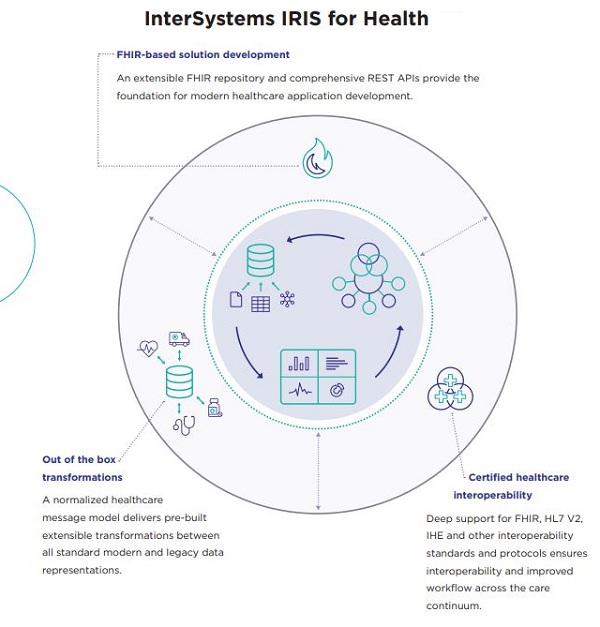
One of our customers, a group of hospitals and clinics in regional Australia, is using InterSystems IRIS for Healthโ„ข to make all healthcare data within their different facilities available for artificial intelligence & machine learning (AI/ML), business intelligence (BI) and clinical intelligence in real time. By embracing digital innovation, the organisations plan to improve clinical outcomes and patient experience, and optimise the use of resources.

While this makes it much easier to adopt innovative new solutions, developers cannot assume that providers will have their own healthcare data platform. Regardless of how innovative or beneficial new AI-driven solutions are, if healthcare providers have to do the heavy lifting of data integration, adoption will be limited.

And that would mean some very disappointed AI mavericks, not to mention poorer clinical outcomes for millions of patients who could miss out on the application of their breakthrough research.

Motorcycle Accident 101: Why Should You Hire a Motorcycle Attorney Right After an Accident?

Been Involved In A Motorcycle Accident? Here Are The Top Ways To Protect Your Rights

Motorcycles are no match for the much larger vehicles that are on the road at any given time. Unfortunately, motorcycle riders have very little protection between themselves and the road or other vehicles. When an accident occurs, a rider can become gravely injured. If someone suffers serious injuries in a motorcycle accident, they have the right to hold the at-fault driver responsible for their injuries and damages. One of the most important steps an injured biker can take is to hire a personal injury lawyer to help them with their claim.

Motorcycle Accidents Can Be Deadly

Although riding a motorcycle on the open road offers a level of freedom that cannot be experienced in other vehicles, there are great dangers. Those who have become injured in a motorcycle accident should consider contacting Zanes Law for a consultation appointment. A consultation appointment with a lawyer allows an injured party to learn about their rights and the steps they can take to receive fair compensation for their injuries and damage.

Important Reasons for Hiring an Attorney Immediately After a Motorcycle Accident

Those who have recently been involved in a motorcycle accident need to be aware of their rights as injured victims. Individuals also need to know how an attorney can help them pursue the at-fault driver and their insurance company. The following offers some concrete reasons that should prompt an injured rider to seek immediate legal help for their motorcycle accident claim.

  1. An Attorney Will Help a Victim Understand If They Are Owed Compensation

Accidents of any kind can be stressful. When someone is injured in a motorcycle accident, they often face devastating injuries and may not know if they are owed compensation or how much they should expect to recover. An attorney will help their client understand what they are owed.

  1. Attorneys Explain the Process of Filing an Accident Claim

Filing a claim is not always an easy process. Many injured victims do not know the steps requred to file their claim with the insurance company or in court. An attorney will explain this process in great detail so individuals will be prepared.

  1. An Attorney Answers Questions

Injured victims often have a lot of unanswered questions after their motorcycle accident. They want to know who will be held responsible and what their claim is worth. Getting answers to these important questions is highly valuable.

  1. Attorneys Gather Case Facts

Getting all the facts about a case is essential before making any decisions. After an injured victim has agreed to work with an attorney, the attorney will begin immediately investigating the accident and gathering important information.

  1. Attorneys Negotiate With the Insurance Company

Dealing with insurance companies can be highly stressful. Insurance adjusters are notorious for presenting lowball offers. Attorneys offer strong negotiation skills to hold the insurance company and the at-fault driver responsible. An attorney will work to settle fairly. If a fair settlement cannot be reached, the attorney will prepare for court.

Schedule a Consultation Appointment Today

Injured motorcycle accident victims should not wait to seek legal help. Time is ticking on the statute of limitations clock, which limits the time a victim has to file a claim. Getting help from an attorney offers great peace of mind and the knowledge a person needs for making the right decisions in the claims process. Scheduling a consultation appointment right away is advised.

How Much Weight Can You Lose with Liposuction

How Much Weight Can You Lose with Liposuction

Do you have specific areas on your body where you have excess fat and/or skin? Are those areas a constant source of insecurity for you? Have you tried to lose weight and target those areas and still arenโ€™t getting the results you were after? These are all common complaints people have and it can be very frustrating to feel like youโ€™re doing everything right yet the scale wonโ€™t budge. For this reason, you may now be considering liposuction to help you get rid of that stubborn weight. But is that an effective plan? Exactly how much weight can you lose thanks to liposuction?

To answer that question, we need to take a look at who the ideal candidate is, what the procedure entails, and what you can expect from the results.

Whatโ€™s the Typical Amount of Weight Loss without Liposuction?

To appreciate the results that liposuction can offer, itโ€™s important to identify what is considered a typical amount of weight loss without the assistance of liposuction.

Doctors tend to agree that the healthy and realistic amount to aim for is 1-2 pounds per week. So if you have 20-30 pounds to lose you can do the math and you see it will take a substantial amount of time. You can increase the weight loss and the speed, but that will take a lot of effort and dedication on your part and it may not be the healthiest way to go about things. This amount of weight loss is seen as more sustainable too, meaning the results will continue.

As for how to lose 1-2 pounds a week, expect to make several lifestyle changes that focus on healthy eating and regular daily exercise.

Whatโ€™s the Typical Amount of Weight Loss with Liposuction?

On the flip side, what does weight loss look like when you have liposuction done? It will be based on how much fat is removed during the process and that tends to be a maximum of 4000-5000cc worth of fat. That will translate to 20-30 pounds lost on the extreme end of the scale, but this isnโ€™t typical at all. The key is keeping that weight loss, which will still mean lifestyle changes in the long run, just like mentioned above. That includes a healthy well-balanced diet as well as regular exercise.

With liposuction, youโ€™ll also need to be patient with the results. In the immediate days following the procedure, there is bound to be swelling so it wonโ€™t be a true indication of what to expect. In general, it takes quite a few weeks for all the swelling and bruising to go down, at which point you can get a more accurate reading in terms of your weight.

There may also be limits set on how much body fat can be removed in each procedure, so that can limit your results. It’s all about maintaining a safe environment for the patient.

It Shouldn’t Be Seen as a Weight Loss Solution

Did you know that most experts will agree that liposuction shouldn’t be seen as a weight-loss treatment? It shouldnโ€™t be a personโ€™s first instinct to have liposuction to slim down. The procedure is focused on overall volume loss. This may not be as noticeable on the scale, but it will be very

noticeable in how you look. It will change the contours of your body, giving you a slimmed down more toned physique.

Look at Liposuction as a Fresh Slate

So rather than seeing liposuction strictly as a weight-loss tool, it’s wise to see it as a chance at a fresh slate. It will provide you with a more slender-looking physique but then it’s up to you to maintain it. The idea is that you are so inspired by the results that you want to do what’s necessary to keep it up. That doesnโ€™t mean you embrace crash diets, it means you make personal health and well-being your priority.

Who Is the Ideal Candidate for Liposuction?

Curious to know if you’re the right kind of candidate for liposuction? These are the people that are typically best suited for the procedure:

  • Those who are in good health (physically)
  • Those with good skin quality
  • Those will cellulite
  • Those with loose or sagging skin
  • Those who will embrace a healthier lifestyle moving forward
  • Those with excessive belly fat
  • Both men and women make good candidates
  • Seniors are not ideal for the procedure

The best way to tell if youโ€™re a good candidate is to speak to the doctor who will be performing the procedure. They will provide personalized advice.

Get Noticeable Results from Liposuction

So while liposuction may not be the weight loss secret you had hoped for, it can certainly transform your body in a very positive way if youโ€™re the right kind of candidate.

4 Ways To Increase Patient Satisfaction

2- 4 Ways To Increase Patient Satisfaction

Hospitals and healthcare systems can implement a variety of tactics to increase patient satisfaction. Strategies that involve support staff like environmental services associates, patient transporters, patient sitters, and nurses can have a huge impact. Here are 4  effective ways that your hospital can increase patient satisfaction.

  1. Standardize Cleaning Procedures

Leaders at hospitals and healthcare systems wondering how to increase patient satisfaction can start with a thorough assessment of cleaning procedures. Cleanliness in any healthcare setting is essential to keeping patients safe, but also standardizing those cleaning procedures ensures that the hospital maintains high-quality standards.

Patients know clean when they see it, and a negative perception of the cleanliness of their room can have a huge impact on a patient’s likelihood to recommend a hospital. Teamwork between environmental service support staff and clinical staff helps boost patient perception, as patients understand a lack of coordination can negatively impact their safety and quality of care.

  1. Optimize Patient Flow

Optimizing how patients move in, around, and out of the hospital also impacts patient satisfaction. Patient transporters represent one way to maximize efficiency when considering patient flow.

Patient transporters come in contact with patients at multiple points during their hospital stay. Transporters are one of the first staff a patient meets and their responsible for moving patients safely around the hospital. Every time a patient interacts with a transporter is an opportunity to improve that patient’s satisfaction with their experience.

At the same time, delays in patient transportation can increase wait times, which can significantly harm a patient’s overall satisfaction with their experience. Delays in transportation harm the ability of clinical staff to care for their patients efficiently. By optimizing patient flow, hospitals can enjoy more on-time surgery starts and better support care delivery, all of which plays into patient satisfaction.

  1. Have Dedicated Staff To Support High-Risk Patients

High-risk patients require increased support. Patient sitters are trained professional and they create stable and safe environments for high-risk patients. Patient sitters can increase patient satisfaction by:

  • Providing immediate response when de-escalation is needed, supporting patients in distress.
  • Enhancing the patient experience through increased engagement.
  • Improving overall patient safety.
  1. Invest in Nursing Staff

Providing nurses with additional resources so they can better understand and address patient needs empowers these essential staff members to do their jobs better and increase patient satisfaction. Nurses who can better communicate with physicians, the patient’s care team, and support staff are in a better position to build trust and foster positive experiences for patients and their families.

Nurses should be trained to ask for feedback from patients, then incorporate what matters to those patients into their care plan. Training should also empower nurses to work as a team with other nurses to deliver a unified approach. Hospitals and healthcare systems should strive to staff enough nurses at all times so nurses don’t feel pressure to quickly move between patients.

Hospitals and healthcare systems searching for ways to increase patient satisfaction have a variety of strategies to use. Implementing these practices can boost a patient’s assessment of their overall experience in a healthcare setting.

Top 4 Safety Tips For Buying Medicines Online

Top 4 Safety Tips For Buying Medicines Online

The convenience of purchasing medicine online may bring you more harm than benefit if youโ€™re not cautious. Consumers are exposed to a myriad of unknown or suspicious sellers in the internet. When purchasing medicines online, itโ€™s always wise to take precautions. Some websites sell products that havenโ€™t been authorized by the FDA. This indicates they haven’t been thoroughly tested for safety and efficacy. Other websites may not adhere to recognized consumer-protection procedures. Some websites, for example, merely need you to fill out a questionnaire before obtaining prescription medications. They usually don’t involve the advice of a healthcare provider.

Purchasing medicine from sites like these might jeopardize your health. You may receive medication thatโ€™s incompatible with other medications or goods you use. Alternatively, the medication you purchase may be contaminated, counterfeit, or expired. For this reason, it pays to be cautious and purchase from reliable sites like Canada Drugs Direct and others.

Here are some safety tips before purchasing medication online:

  1. Consult Your Doctor

Your first step should be to properly understand what your body requires. To do this, consult your doctor for a professional and accurate diagnosis and treatment suggestions, especially if you have a persistent or serious medical condition. Purchasing medications on your own to cure such illnesses instead of seeking professional help might worsen the condition. If seeking a doctor isnโ€™t necessary, you may also ask a pharmacist for further information about the medications or drugs.

The amount or dosage to be taken is also critical. Consult a doctor or pharmacist for proper dose guidelines rather than relying solely on information from a website. In addition, taking different medicines at the same time is also dangerous. This is something you should consult with a doctor or pharmacist to determine whether and how various items or drugs interact with one another as well as what to do if you experience some side effects.

As you can see, addressing your health requirements early and properly by making wise healthcare decisions can save your life while also preventing pain, discomfort, and financial loss in the long run.

  1. Avoid Suspiciously Affordable Medications

Taking medications or remedies from unreliable sources into your body always carries some danger because you never know what you’re getting. Play safe by avoiding unverified internet sellers whose products are suspiciously affordable.

Some of these sellers may not reveal if their products come from reliable manufacturers. Products offered on such internet platforms are more likely to be bogus or of poor quality, which can have major consequences for your health. Because of the undisclosed medical contents in these items, several individuals have died after consuming health products acquired from questionable sources. Other severe side effects such as hallucination and unconsciousness may also occur when you take such products.

Always be cautious of any website or merchant that offers to sell you cheap and affordable medication because you never know what they’re made of.

  1. Don’t Get Lured By Made-Up Claims

Be cautious of medical items that claim fast and amazing results. They may include undisclosed strong pharmaceutical substances that offer immediate results, but these drugs can have dangerous negative effects.

Claims like ‘100% safe’ and ‘risk-free’ can be indicators of questionable products. Personal testimonies and other claims are often used to conceal the notion that the product provides very few or no advantages. Blog posts and personal testimonies arenโ€™t reliable sources. They may simply be made up, or individuals might be paid to endorse a product. Recommendations from friends and relatives may be helpful, but keep in mind that they canโ€™t guarantee your safety or health. Remember to always consult a physician or a pharmacist.

  1. Always Turn To Verified Sellers

The main reason to shop from well-known stores, whether online or in person, is the information of where their items originate from. Verified shops are responsible for the items they offer to some extent, and they can connect you with their suppliers and manufacturers if necessary. If you buy something online from an unknown seller, you might not be able to seek a refund or claim for damages if something goes wrong. This includes receiving expired goods, badly constructed products, or broken items.

Final Thoughts

Purchasing medication via the internet might be more convenient and less expensive. Theyโ€™ll be delivered right to your front door as well. However, youโ€™re exposed to a myriad of unknown or suspicious sellers, and you must be aware of the dangers of shopping online, including fraud, unreliable products, false claims, and a lack of consumer information. For this reason, you must keep these safety tips in mind while purchasing medications online.

How Data Can Improve Hospital Efficiency and Safety in the Post-COVID World

Prospero Health Partners With GrandPad to Improve Access to Care for Vulnerable Seniors During COVID-19 Surge

Increasing efficiency will be key to maintaining patient safety and satisfaction in the coming years.

In fact, hospitals that are unable to effectively increase efficiency will likely fall behind because it will be next to impossible for healthcare systems to meet quality performance indicators with pre-pandemic practices. Disruptions related to the COVID-19 pandemic have exacerbated staffing shortages even as demand for care increases. Hospitals that fail to find a way to do more with less are unlikely to survive in the post-COVID world.

At any given moment, in any hospital, dozens (if not hundreds) of people are on the move, responding to ever-evolving patient needs. Healthcare providers continually adapt their actions to fluctuating circumstances. Their motion and movements are grounded in professional knowledge and experience, and influenced by policy, proximity, and intuition. In-the-moment, providers donโ€™t always choose the most efficient or effective action.

How could they? Frontline personnel, middle managers, and even hospital administrators rarely have access to big-picture data that could help them more efficiently deliver care.

Hospitals that plan to thrive in the next decade and beyond are investing in data collection and analysis systems that monitor the movement and actions of healthcare personnel. The resulting data sets reveal multiple opportunities to improve hospital efficiency and patient safety.

Increased efficiency will be necessary to offset staffing shortages & maintain patient safety
Within five years, the United States will be short nearly 3.2 million nursing assistants, medical assistants, and home health aides, according to Mercerโ€™s 2021 External Healthcare Labor Market Analysis. More than 900,000 nurses are expected to leave the profession, and by 2034, more than 20,000 primary care physician positions may be vacant, according to data published in June 2021 by the Association of American Medical Colleges (AAMC).

Right now, hospitals and healthcare systems are muddling through as best they can. According to an article published in September by the AAMC, โ€œdoctors are stepping up for duties normally done by nurses and medical assistantsโ€ at some hospitals experiencing โ€œunprecedentedโ€ nursing vacancies.

Unfortunately, overwhelmed healthcare workers do not always provide optimal care. Hand hygiene, for instance, tends to decline as providersโ€™ workloads increase. A 2013 study examining healthcare providers’ hand hygiene performance in five intensive care units in Saudi Arabia found that providers only washed or sanitized their hands about 4 out of 10 times when hand hygiene was necessary. The researchers concluded that โ€œthe demanding ICU setting was an important factor associated with noncompliance.โ€

A study described in a 2015 issue of The Joint Commission Journal on Quality and Patient Safety noted that โ€œtoo busyโ€ was one of the 24 most commonly cited reasons healthcare workers didnโ€™t comply with hand hygiene protocols.

It is simply not feasible to expect overextended healthcare providers to consistently maintain a high level of performance. An innovative study published in The Wharton School Research Paper No. 56 examined the impact of time at work and time off from work on rule compliance, using hand hygiene as a metric. The researchers discovered that hand hygiene performance declined significantly as work intensity increased โ€“ and rebounded to desired levels when healthcare providers had adequate time off and were not overwhelmed at work.

Workflow analytics reveal problems & expose opportunities
Understanding your existing clinical workflow โ€œprovides a baseline to redesign systems and develop better processes,โ€ according to Organization Workflow and Its Impact on Work Quality (Chapter 31), in Patient Safety & Quality: An Evidence-Based Handbook for Nurses.

Electronic hand hygiene systems that record healthcare providersโ€™ visits to patient rooms (as well as hand hygiene performance) can uncover potentially problematic workflow practices โ€“ and suggest efficient alternatives. One hospital, for instance, noticed that hand hygiene performance dropped drastically on Monday mornings as nurses hustled patients in and out of rooms for imaging tests and medical procedures. When hospital administrators noticed this pattern, they worked with hospital leaders, including physicians, to modify the clinical workflow. Collectively, they decided to schedule patient tests and procedures throughout the day on Monday, rather than concentrating these interventions in the morning hours.

Though results for some patients now come in later in the day, hand hygiene rates are up, and nurses and other clinical staff are more relaxed and able to address patient issues as they arise. Altering the clinical workflow was a net gain for patient safety and patient and provider satisfaction. Data was key to this alteration.

Another hospital noticed that staff members were frequently in and out of rooms as they provided central line care. The hospital had a team dedicated to central line care โ€“ an intervention intended to decrease central-line associated bloodstream infections (CLABSIs) — but learned that many of the highly-trained providers were missing hand hygiene opportunities as they repeatedly entered and exited rooms.

Further investigation revealed the underlying cause: The teamโ€™s supply cart was too large to fit through most doorways, so staff left the cart in the hall and returned to it each time they needed supplies. Once aware of this workflow inefficiency, hospital leaders tweaked policy and practice to maintain a stash of supplies at patientsโ€™ bedsides. Central line team members were then able to complete their work more efficiently and safely.

Using data to reduce nurse burnout, decrease fall risk & increase patient satisfaction
Research has consistently shown that hourly nurse rounding can decrease fall risk and increase patient satisfaction. But asking nurses on the edge of burnout to visit each patientโ€™s bedside once an hour may seem like a bad idea โ€“ and it probably is unless you also take deliberate action to help nurses effectively meet the many demands on their time.

Start by gathering data about existing clinical workflows. This data can reveal unusual patterns of activity, creating opportunities to proactively address inefficiencies. Streamlining workflows decreases staff stress and allows frontline providers to focus their time and energy on direct patient care. With data, management can determine which clinicians have higher than average workloads and deliver targeted staffing support, which can improve nurse morale and retention.

Redesigning clinical workflows to prioritize hourly rounding enables healthcare providers to manage patient needs in a systematic manner thatโ€™s been proven to reduce fall risk. Real-time predictive analytics facilitate identification of potential risks, so staff can intervene before falls occur.

Reliable data helps hospital leaders and frontline providers provide the right care at the right time. Staff frustration is minimized; patient satisfaction is maximized and clinical outcomes optimized. Clinical workflow data can improve both efficiency and safety.

Keto And Gut Health: 3 Things To Know

Keto And Gut Health: 3 Things To Know

Although presented as a method for weight loss, what most people donโ€™t realize are the various other health benefits that the keto diet focuses onโ€”notable areas of study span from metabolism control to a possible increase in brain function.

Any feasible benefit is always a cause for celebration, but studies focusing on the ketogenic diet in relation to gut health are the ones to look out for. While still in its early stages and subject to further reviews, the possibility of creating a positive domino effect on the entire body is another reason manyย are ย  to try it out for the first time.

So, whether you doubt the effectiveness of undertaking the diet yourself or wish to learn more about how keto affects your health, here are three things to understand about the ketogenic diet:

  1. It Introduces Healthy Alternatives Into Your Diet

What recent studies try to elaborate on is the correlation between the food youย The diet focuses on the intake of good fats while consuming as few carbohydrates as possible. This kicks off the production of ketone bodies that instigate the metabolic process that gives its namesake.

In order to get the most benefits from the diet, strict adherence to dietary restrictions is key. But while you might bemoan the thought of all the different meals you deprive yourself of, the focus on avoiding processed foods and refined sugars can help in more ways than one. Food items listed under these categories are commonly linked to heart disease, obesity, and cancer.

Moreover, the rise in demand for healthier alternatives has changed the way business owners approach their customers. The increase of niche ย  and food delivery services has made things like keto meal delivery in Toronto a common search term.

Some examples of food you can expect to become familiar with while on a keto diet include:

  • Cheese โ€“ contains low carb content while being high in fat
  • Seafood โ€“ packed full of vitamins and minerals while remaining carb-free
  • Berries โ€“ rare examples of fruits that are low in carbohydrates yet high in fiber
  • Eggs โ€“ very healthy and good at making you feel full longer
  • Dark Chocolate – delicious and full of antioxidants
  • Kimchi โ€“ the fermentation process increases the yield of healthy bacteria, which aids in gut health
  1. It May Help In Reducing Inflammation

As your body adjusts to the changes in your diet, so too does your immune system. Recent studies find that following the keto diet may increase the bodyโ€™s response to inflammation, especially along the digestive tract.

Inflammation is the bodyโ€™s way of reacting to infection, irritation, and tissue damage. But should a problem fail to get corrected, healthy tissue is attacked, and the inflammation becomes chronic.

Untreated symptoms can quickly escalate into Crohnโ€™s disease and ulcerative colitis. Managing these diseases can become increasingly difficult as the constant bouts of severe abdominal pain and constipation ravage the gut.

But a body undergoing ketosis is said to be somewhat more resistant to pain and inflammation. Instead of using sugar, fats are instead used as energy. Excess sugar in the body is a known cause of inflammation due to the creation of free radicals.

So, by following the diet, it is believed to tackle two key points. You avoid taking in too many carbohydrates and avoid refined sugar, which lessens the production of free radicals. All of which reduce inflammation and contribute to a healthier gut.

  1. It May Help Against The Formation Of Cancer Cells.

Another way in which the keto diet affects gut health may be in the protection against certain types of cancer. Colorectal cancer or colon cancer forms around the lining of the colon or rectum and is considered the second most common cancer affecting adults,

Cancer cells are known to use glucose or blood sugar in order to grow and spread rapidly throughout the body. Researchers are studying to further reinforce findings that suggest that practices like the ketogenic diet deprive cancer cells of essential resources and hopefully slow down their growth or even kill them off entirely.

People following this diet are theorized to have better chances of preventing the formation of polyps in their digestive system. The added protection of a healthy gut lining and decreased carbohydrate intake is a powerful combination. While these findings are yet to produce definitive answers for other forms of cancer, they are a promising start as to what the future holds.

Conclusionย 

While more testing may need to be done in order to proclaim a cure-all solution when it comes to gut health, the amount of positive data linking the keto diet and gut health is nothing to scoff at. One size may not fit all, but with regular consultations with your doctor and some moderation, going on a keto diet might prove to be good for you in the long run.

Translate ยป