








Close
Digital Health & Ai Innovation summit 2026
Medical Taiwan 2026

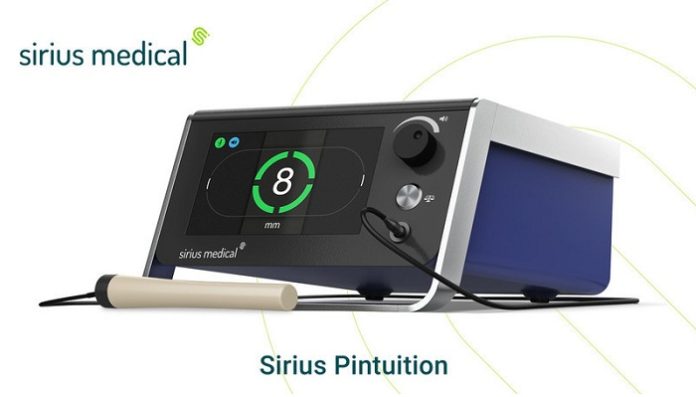
Sirius Medical reveals Pintuition system with GPSDetect for precise navigation in oncology surgery

Sirius Medical reveals Pintuition system with GPSDetect for precise navigation in oncology surgery

Sirius Medical, a leader in tumor localization technology, introduces the latest version of the Sirius Pintuition® system powered by a state-of-the-art navigation software, GPSDetect™. The advanced software provides real-time, directional guidance using audio and visual feedback for unmatched precision to locate tumors, enabling surgeons to navigate to the tumor more easily and precisely. The Pintuition platform with GPSDetect™ will be revealed at the upcoming 40th European Society of Surgical Oncology (ESSO) Conference in Lisbon, Portugal.

“Our latest GPSDetect™ software uses our unique multi-sensor technology to provide surgeons unmatched guidance and accuracy as never seen before”, says Bram Schemers, CEO Sirius Medical. “Pintuition is highly intuitive and our unique TargetLOC™ feature provides additional visual feedback to the operator when the probe is perfectly aligned above the seed”.

The Sirius Pintuition system is a state-of-the-art navigation technology for the treatment of non-palpable breast cancer and other soft tissue tumor types. The new system, enhanced by GPSDetect™ and TargetLOC™, delivers a better alternative to surgeons by offering an easy-to-use and reusable detection system that needs only a single calibration per procedure, is highly robust, and cannot be de-activated or lose its signal. Surgeons, radiologists, and staff can easily learn the technology, and it replaces current localization procedures without additional adoption investments.

The software has been developed in close collaboration with surgical oncology teams from international breast services.

“We are pleased with the advantages GPSDetect™ software brings us”, says breast surgical oncologist Irma den Hoed of ETZ hospital in Tilburg, the Netherlands. “Having both visual and audio directional feedback provides perfect navigation towards the tumor and allows me to perform an optimal oncoplastic lumpectomy while significantly improving and simplifying the surgical procedure”.

“We are pleased to use Sirius Pintuition with GPSDetect™ for targeted soft tissue surgery”, says breast surgical oncologist Isabel Rubio, Breast unit Clinica Universidad de Navarra, Madrid Spain. “The updated software improves the localization in breast cancer surgery so greatly that it is easier and more accurate to use. We look forward to continue working together with Sirius Medical to train more surgical oncologist on Localization Techniques for Guided Breast Cancer Surgery”.

“We have used Sirius Pintuition, that shows a precise and directional navigation towards small, non-palpable lesions. It’s really competitive with other technologies supporting surgeons during breast cancer conserving surgery” says surgical oncologist Riccardo Giovanazzi, Head Breast Cancer Surgery and Director Breast Unit San Gerardo Hospital, Monza, Italy.

“Sirius Medical have demonstrated that they are an innovative company by rapidly adapting to surgical feedback and producing GPSDetect™, which has the promise of providing both distance and navigational guidance for seed localization within the breast and axilla. The iBRA-NET team looks forward to working with them to evaluate this technology. “, says Mr Edward St John, Innovation Group Chair for iBRA-NET and Consultant Oncoplastic Breast Surgeon at Portsmouth Hospitals University NHS Trust, UK.

“We are proud to offer a technology that is designed by physicians for physicians, and we are excited about co-creating the future direction of cancer surgery.” says Jan Willem Beijer, Chief Commercial Officer at Sirius Medical. “We’re very pleased that Sirius Pintuition is helping more physicians precisely and efficiently remove early-stage tumors and provide optimal care for their breast cancer patients”.

Sirius Medical is expanding rapidly, recently Sirius Medical achieved the milestone of performing over 1,000 procedures for the treatment of non-palpable breast cancers.

Sirius Medical is passionate about developing better solutions for cancer patients while making healthcare more affordable.

The Sirius Pintuition system is CE marked and is currently commercially available in Western Europe. The company received FDA clearance earlier this year and the product is now also available to US customers.

Hologic Announces European Launch of Genius Digital Diagnostics System for Cervical Cancer Screening

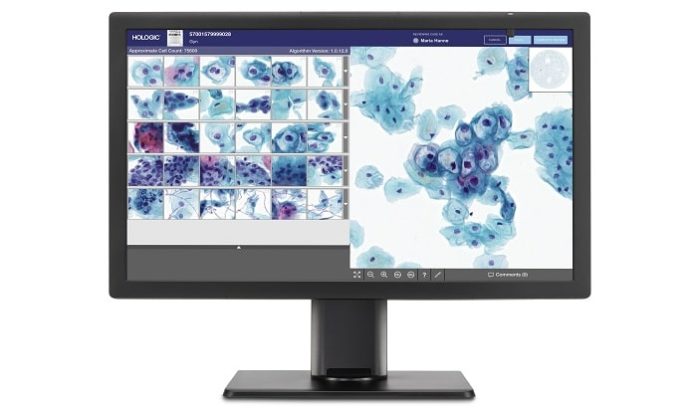
Hologic, Inc. announced that its new Genius Digital Diagnostics System is now commercially available in Europe. The Genius Digital Diagnostics System is the next generation of cervical cancer screening that combines deep learning-based artificial intelligence (AI) with advanced volumetric imaging technology to help identify pre-cancerous lesions and cervical cancer cells in women. It was developed to provide actionable insights, and improve workflow and lab efficiency, all with one goal in mind – to eradicate cervical cancer.

With the Genius Digital Diagnostics System, cutting-edge image analysis thoroughly interrogates every cell on a ThinPrep® Pap test image to curate a single view of the most clinically relevant objects. The new algorithm – GeniusTM Cervical AI – narrows tens of thousands of cells down to an AI-generated gallery, which arms healthcare providers with the critical information they need to guide earlier detection and better treatment decisions for the patients in their care.

“We strive to develop innovative solutions that meet our customers’ needs. We are delighted in the overwhelming positive feedback from the customers who have been the first in the world to use this technology,” said Andrew Pieprzyk, vice president, Strategic Development Diagnostics, International, Hologic. “The technology enhances the capabilities of individual laboratories and also has the potential to radically transform how cervical cancer screening is carried out, by enabling laboratories within the same network to collaborate across the world to manage the case load.”

Hologic has been working with leading laboratories in Europe to give them an early opportunity to evaluate the new system including ZotzKlimas Diagnostics Laboratories in Germany, where Founder, Dietmar Klimas, M.D., has led the review.

“As one of the largest labs in Germany, our main objective is to deliver accurate results to doctors and ultimately patients,” said Dr Klimas. “We were one of the first in the world to work with the Genius Digital Diagnostics system. The trial proved to me that this system can help my team to accurately process samples faster and more easily. We are continuing to use it following the trial.”

The Genius Digital Diagnostics System enables seamless and dynamic collaboration across laboratories within a network, connecting pathologists with remote review capabilities so each patient can benefit from the collective knowledge of geographically dispersed experts. Digital case review promises to enhance the experience for lab partners by improving workflow and accelerating review time.

Hologic now offers the first CE-marked comprehensive cervical cancer screening portfolio from sample collection to digital diagnosis.1 The Genius Digital Diagnostics System consists of the GeniusTM Digital Imager for image acquisition, the GeniusTM Cervical AI algorithm for analyzing images, the GeniusTM Image Management Server (IMS) for storing images and the GeniusTM Review Station for case review. The complete system is scalable, designed to fit the present and future needs of laboratories.

About Hologic

Hologic, Inc. is an innovative medical technology company primarily focused on improving women’s health and well-being through early detection and treatment.

Nuffield Health Glasgow Hospital launches Innovative Protein Injection which helps to reduce knee pain associated with Osteoarthritis

Nuffield Health Glasgow Hospital launches Innovative Protein Injection which helps to reduce knee pain associated with Osteoarthritis

Nuffield Health Glasgow Hospital, part of the UK’s largest healthcare charity, is the first independent hospital in Scotland to offer nSTRIDE ® , a single injection into the knee joint which is designed to alleviate pain and bring balance back to the patients inflamed knee by introducing high levels of good proteins concentrated from their own blood. These ‘good proteins’ can block the ‘bad proteins’ which are responsible for the inflammatory condition in the joint. Once balance in the knee joint is achieved, other ‘good proteins’ can then contribute to the health of the cartilage.

Clinical studies have shown a 70% improvement in knee pain. “These studies suggest one injection can last up to 24-36 months and more recently collected data has shown some patients even have pain relief for up to 5 years.” Jennifer Woodell-May, Research Director, Zimmer Biomet Osteoarthritis is the most common type of arthritis in the UK, affecting more than 10 million people, often developing in in their mid-40’s and older.

Osteoarthritis is damage caused to the knee joint over time. In a normal joint, cartilage provides cushioning between bones, as wear or a traumatic event occurs, the cartilage layer can become thinner or frayed resulting in knee pain. Over time, pain increases as cartilage wears away and bones rub against each other. Osteoarthritis negatively impacts quality of life through pain, limited ability, potentially reducing an individual’s ability to work or pursue their hobbies.

A personalised patient care plan at Nuffield Health Nuffield Health Glasgow Hospital will include access to our joint pain rehabilitation programme, physiotherapy appointments, and follow up with a specialist consultant.

Julie Campbell, Hospital Director at Nuffield Health Glasgow Hospital says: “People who are not suitable for knee surgery, but whose lifestyle is severely impacted by osteoarthritis may benefit from this new treatment and personalised care plan which connects to our rehabilitation services. It is fantastic news that Nuffield Health Glasgow Hospital is the first hospital in Scotland to offer this treatment and I am delighted that the multidisciplinary team have worked together to launch this new outpatient service.”

Mr Jibu John Joseph, Consultant Orthopaedic Surgeon at Nuffield Health Glasgow Hospital says: “For many years patients with mild-to-moderate osteoarthritis have had to suffer from symptoms (pain) and functional restriction without the possibility of a suitable treatment. nSTRIDE®APS is a revolutionary treatment that utilises your own blood to generate a sample of anti-inflammatory proteins and growth factors that helps restore the balance between cartilage generation and degeneration within your joint. nSTRIDE®APS has been shown to provide significant (70 %) pain relief in the majority of patients (50 – 70 %) of patients for a period of up to 3 years (in current studies some even have pain relief up to 5 years). This is significantly greater than the reported benefits of other injections, such as: corticosteroids (up to 3-month effect, damaging effects on tissues); hyaluronic acid (synthetic lubricant, < 50 % response, 3 – 6 month effect); PRP (platelet rich plasma, 50 % response, variable data on magnitude of benefit, 3 – 12 month effect).”

About Nuffield Health
Nuffield Health is the UK’s largest healthcare charity. For the last 60 years, Nuffield Health’s experts have been working together to make the nation fitter, healthier, happier and stronger, all for the public benefit. As an organisation with no shareholders, income is invested back into the vision to build a healthier nation.

Nuffield Health Glasgow Hospital, located in the heart of the West End of Glasgow is one of Scotland’s leading private hospitals. We recently completed phase two of our multi-million-pound refurbishment, adding state of the art equipment like our MAKO robotic arm for orthopaedic surgery and a new MRI scanner and scanning suite. We have a special focus in the areas of orthopaedics, spinal surgery, men’s health, ophthalmology, weight loss surgery and cosmetic treatment.

The Charity does this through its day-to-day services across 37 hospitals, 113 fitness and wellbeing clubs, healthcare clinics, and over 200 workplace wellbeing services, and through flagship programmes to support communities by widening access. Through these flagship programmes, we aim to help to improve people’s lives people who normally would not have access to Nuffield Health’s services. One of these flagship programmes is developing the UK’s first specialist rehabilitation programme to support patients in their recovery after they have received medical treatment for COVID-19. The programme, which blends together physical therapy and mental health support, works with local NHS trusts and referrers is now running at 57 of our fitness and wellbeing centres across the UK, including our Glasgow and East Kilbride gyms.

Our patients work with a rehabilitation specialist for personalised advice and on a recovery plan, consisting of a six-week virtual programme of at home exercises, before moving to one of our fitness and wellbeing centres. We will share the outcomes with the NHS and other healthcare providers.

Nuffield Health provides connected care spanning from personal training and health MOTs to supporting people on their fitness journeys, helping patients recover with physiotherapy or emotional wellbeing counselling, or providing hospital treatments for illness and serious conditions like arthritis or cancer.

Physics Tips: A Simple Guide To Understanding How Derivatives Work

Physics Tips: A Simple Guide To Understanding How Derivatives Work

Calculus can be the bane of a student’s existence. The concept, its mathematical notation, and its application can seem foreign to even those who excel at mathematics. But once you understand the basic premise of what a derivative is, how to mathematically express it, and how to use it in applied physics, it will become your best friend in understanding classical (Newtonian) mechanics. While you may need a dense textbook to fully study the field, through this short guide we will help you to grasp the basic concepts. Read on to learn about the various derivative orders and learn how to use them in physics to a model motion under constant acceleration.

What Is A Derivative?

In its simplest form, a derivative is a mathematical expression of a rate of change. Any physical action of movement can be expressed by a mathematical equation. This equation will relate the moving object with another object. The rate at which this moving object changes relative to the other object can be expressed as the derivative of that initial mathematical equation. Consider a car travelling down a road. The car is travelling at a certain speed. The car can accelerate, decelerate, or travel at a constant speed. In every scenario, its travel path can be expressed through an equation of that car’s position, which we denote as x, relative to time, which we denote as t. This results in a function; x(t). How fast this position changes relative to time is the derivative; we denote it as x’(t) (read as an ex of tee) or dx/dt. The rate of change of position relative to time is actually just the long way of saying velocity (speed in a certain direction). We can denote velocity as v.

Derivative Order

When you have a position as a function of time; x(t), the first-order derivative is the velocity as a function of time; v(t). If we were to examine how fast the velocity changes relative to time, we find the derivative of v(t), which is known as the second-order derivative of x(t). The notation for a second-order derivative can be expressed as x’’(t) or d2x/dt2. This is known as the Acceleration function of time a(t). You can keep going up to higher and higher orders, but as you do that, the physical interpretations become more difficult to comprehend. For example, the rate of change of acceleration relative to time is called a jerk. But rarely will you examine this unit.

Derivatives And Kinematics

Motion can be studied through kinetics and kinematics. Kinematics focuses on parameters as a function of time whereas kinetics examines motion through forces. They essentially model and examine the same types of motion, but just from a different perspective. There is valuable information in both areas of study, depending on what information you seek. There are four basic kinematic equations that examine the motion of a body under constant acceleration; a(t)= c. These equations are:

  • v=u+at : Final Velocity = Initial Velocity + Acceleration*Time
  • Δx=(0.5uv)+t = Change in Displacement = (0.5*Initial Speed*Final Speed) + Time
  • Δx=ut+0.5at2 = Change in Displacement = (Initial Speed * Time) + (0.5*Acceleration*Time*Time)
  • V2=U2+2aΔx = Final Speed2 = Initial Speed2 + 2*Acceleration*Change in Displacement

These equations can all be expressed graphically. In a graph of position against time, the gradient of the function expresses the velocity at any given point. In a graph expressing Velocity against time, the gradient represents acceleration. While finding the gradient may be very easy in linear graphs, it is increasingly difficult to evaluate it on graphs with curves. This is where differentiation comes in. Through a mathematical operation (differentiation), you can evaluate the gradient of the curve.

On a graph of x(t) against t, a straight slope means the velocity is constant during that time interval. A perfectly horizontal gradient means that the velocity is 0. This will correlate to the derivative functions which will yield a constant number and a zero, respectively.

The relationships of functions and their derivatives are key to properly modelling physical motion and better understanding the mechanics involved in everyday life. These are principles that our understanding of hasn’t changed in nearly 200 years. To better understand how to differentiate formulas, it is recommended that you have a working knowledge of derivative techniques like the product rule, quotient rule, and chain rule. With that knowledge, with a limited data set, you can understand three different orders of motion.

Safely Gain Muscle Fast With These Expert Tips

Safely Gain Muscle Fast With These Expert Tips

Most of the health and fitness advice available out there is oriented around the simple desire to lose weight, and significantly less attention is given to the important work of gaining muscle. Building muscle while getting lean takes time, dedication, and lots of proper training. The good news is that most people can accomplish this goal, provided that they make a few lifestyle changes. These modifications will trigger a process called hypertrophy, which puts the muscle tissue under a bit of duress, causing it to break down and encourage the body to rebuild bigger and stronger muscles. It sounds scary, but it’s a completely normal physiological process that is necessary to occur in order to obtain that much sought-after physique. While some of the work can indeed happen quickly, it is extremely important to do so safely. The following are a few tips to help you safely gain muscle in a relatively short period of time without spending your life too much.

Eat More Protein

You don’t have to be a meat-eater or aim to be as big as The Rock in order to gain a lot of muscle through incorporating more protein into your diet. However, it’s a pretty well-known rule that if you want to build muscle and get a more toned body, you should eat more protein and take it easy on all the processed foods. It’s perhaps the only solid way to build muscle safely and effectively since it provides the required nutrients to help your body do the work. The hypertrophy process mentioned in the introduction mostly occurs when cells work to diligently regenerate the muscle fibers in question, which only happens when they are given proper protein intake from the food eaten. If you don’t eat enough protein, the body will have a harder time trying to rebuild the muscle fibers, which defeats the purpose.

Carbs aren’t the devil, contrary to popular perception, and you should eat them, too, along with plenty of healthy fats. But protein is critical when it comes to building muscle. Most medical professionals recommend eating one gram of protein for every pound of your body’s weight to ensure that you’re able to build the foundation for muscle gain. Also, don’t make the mistake of relying too much on red meat to help get you by, since that can create other health issues. You can get protein from chicken, turkey, beans, lentils, eggs, salmon, yogurt – especially the Greek variety – soymilk and soybeans, etc. It’s also important to drink a ton of water as you make this key dietary change since adequate levels of hydration coupled with an increased protein intake are crucial to being able to build muscle.

Alter Your Workout Regimen

While pursuing heart-pumping cardio workouts is great for your health and definitely aids weight loss, it’s not exactly what you want to do in order to build muscle. If you want to see your body change fast, then you should try to lift weights, and incorporate strength training into your fitness routine. Weight training is absolutely crucial when thinking of ways to build muscle and change your shape quickly and effectively. Start out in small increments, and definitely don’t strain your body any more than you need to, but begin working on this newly designed fitness routine, and you will soon see results. Lifting weights is a bit different in that repetition is really important – lifting weights just once or twice doesn’t really do much. In order to stimulate the growth of muscles, you may be required to do weight training exercises in about five to twenty repetitions, according to your own capacity. The size of weights themselves also largely depends upon your capabilities, and you can definitely work your way incrementally to heavier weights. Be sure to not strain your body more than you are able; the more you practice the more likely you will be able to carry heavier weights over time. If you want to build more muscle in the beginning, then be sure to lift weights for roughly six to twelve reps; more than that will help increase your endurance and make you stronger with time.

Also, be sure to vary your exercises and engage the different muscle groups through these repetitions, such as the biceps, triceps, and so on.

Sleep Well

Sleep deprivation is linked to a whole plethora of health problems. Everything from high blood pressure heightened anxiety levels, weight gain, and depression can be traced to lack of sleep. It’s little wonder then, that it can also lead to diminished muscle growth. This is because your body stops producing the growth hormone that is vital for muscle building. Experts often recommend that people get the usual eight hours of sleep a night, but so long as you wake up feeling well-rested you should be ok. If you start your day feeling alert without an urge to hit the snooze button repeatedly, then you should be fine. Either way, make sure that you give yourself enough time to rest and replenish your energy, which you will need as you work towards building muscle.

Consider Hiring a Trainer

Luckily there is a lot of information available online these days, and there are YouTube videos for you to follow to help figure out different exercises. However, when you’re just starting out, it may help to consult with a professional who can provide you with different tips and tricks that will work best for your body type. While some exercises are general enough that they can suit most people as they try to build muscle, a trainer can probably provide a workout tailor-made for your physique and the goals you hope to accomplish.

You can hit the local gym and start training right away, but it’s best to take the slow and steady approach. Implement a few basic lifestyle changes, and then really commit yourself to intensive training in order to achieve the body you want. Again, building muscle takes dedication, but it’s completely feasible provided that you find a regimen and stick to it.

COVID-19 and Telehealth: Cybersecurity Issues and Solutions

COVID-19 and Telehealth: Cybersecurity Issues and Solutions

Healthcare providers’ primary mission is to provide the most cost-effective care, but since they tend to have limited resources for managing cybersecurity, they may not succeed in delivering cost-effectiveness as they are targets for cyberattacks. Due to limited resources, many healthcare providers generally do not have strong information technology and security dedicated to implementing cybersecurity practices and controlling cyberattacks. 

By moving to an online environment with telemedicine, greatly influenced by the COVID-19 pandemic, healthcare providers can continue providing services. Since providers implement a work-from-home setup or virtual appointments they conduct in their office, they have to use their devices and network as a requirement to proceed with their work. While healthcare providers may think their devices and networks are secure, there are cybersecurity issues that they should be aware of that require further protection.

Healthcare cybersecurity during the COVID-19 pandemic can be concerning on account of rising cyber-threats and privacy breaches targeting vulnerable systems globally. Cybercrime quickly adapts to changes in every worldwide situation. When the COVID-19 pandemic started, malware cyberattackers identified common vulnerabilities, and they exploited their vulnerabilities by attempting attacks. 

Healthcare providers must be prepared to stop cyberattacks to protect the availability of essential health services as well as the confidentiality of medical information. 

What exactly are the COVID-19 healthcare cybersecurity issues and solutions? 

What are common COVID-19 healthcare cybersecurity issues?

There are three types of cyberattacks occurring during the COVID-19 pandemic. These three common cybersecurity issues are:

  • Scams and phishing
  • Malware
  • Distributed denial-of-service (DDoS) 

The Advanced Persistent Threat (APT) and other cyber-criminal groups perform COVID-19 related cyberattacks such as scams and phishing at vulnerable healthcare organizations. These cybercriminal groups are taking advantage of the pandemic for various motivations. For example, they collect information related to COVID-19 vaccines by establishing different strategies such as malware, phishing, or ransomware. 

Distributed Denial-of-Service (DDoS)

DDoS is the most indefensible cyberattack on online servers today, as it makes a significant impact on its victims. A distributed denial-of-service attack exploits various attack sources, compared to previous denial-of-service (DoS) attacks. DDoS is being spread using numerous hosts to start a correlated DoS attack against multiple targets, which effectively intensifies the attack and makes defense more complicated. 

Scams and Phishing

Scams and phishing are the most effective and common types of cyberattacks. Based on recent statistics, the success rate of phishing attacks is 30% or higher. Email, voice, and SMS are examples of phishing attacks targeting vulnerable healthcare organizations’ systems by enticing them with COVID-19 related topics. 

According to KnowBe4, there was a 600% increase in COVID-19 related phishing email attacks in Q1 of 2020. Cybercriminals use more subtle ways to lure victims, such as HTTPS encryption protocols in their websites — 75% of phishing sites have SSL. Moreover, Software-as-a-Service (SaaS) and webmail are the most targeted phishing sectors. 

Malware

Malware includes spyware, a Trojan horse, computer viruses, worms, and ransomware. During the COVID-19 pandemic, APT and other cybercriminal groups have exploited systems by spreading multiple viruses and malware through emails and websites. Certain types of malware, such as ransomware, are more effective for institutions heavily involved in dealing with the pandemic.

During the COVID-19 pandemic, healthcare organizations are one of the most targeted systems by cybercriminals. Numerous hacking attempts have highlighted the issues associated with cybersecurity in the healthcare sector. 

Since telemedicine is generally being run by computers and mobile devices — meaning, using the internet to access services — you can’t help but think about how to avoid these different types of cybercrime issues that may potentially affect your practice. 

You can protect your practice from cybercrime during the COVID-19 pandemic and in the future by taking the necessary steps.

How do you protect your healthcare practice from cyberattacks during COVID-19 and beyond?

It is important for medical practices to take a comprehensive approach to cybersecurity with solutions — during the COVID-19 pandemic and thereafter. Some of the examples of a comprehensive approach to cybersecurity include risk management, CERT Resilience Management Model (CERT-RMM), and integrating cybersecurity into budgeting and strategic planning. It is crucial that healthcare organizations improve the protection of their data and assets from cyberattacks by leveraging their defenses.

To improve cybersecurity in healthcare, you can follow these tips and prevent getting victimized by cybercriminals: 

  • Use a firewall
  • Install an antivirus software
  • Use strong passwords
  • Enable two-factor authentication
  • Install a secure virtual private network (VPN)
  • Install anti-malware software on all network-connected devices

From the confidentiality of patient information to insurance rates for patient care, cybersecurity influences every aspect of medical practices. The number is increasing when it comes to healthcare-related cyberattacks — an indication that smaller healthcare providers are falling victim to cybercriminals at an increasing rate. These providers must invest in a cost-effective and innovative telemedicine software to ensure security and seamless workflow in their practices.

To protect your health system during COVID-19 and when using telehealth, get Curogram.

With Curogram, you can update to a more secure healthcare software in your practice. 

Curogram is an easy-to-use HIPAA-compliant telemedicine software that protects both your patient’s information and your practice from harm (cyberattacks) and potential financial loss. By using the software, you can continually develop effective strategies while keeping health records and other sensitive data safe, even when communicating over texts with patients. It’s an effective solution to cybersecurity issues.

References:

https://www.who.int/about/communications/cyber-security
https://www.bloomberg.com/news/articles/2020-03-16/u-s-health-agency-suffers-cyber-attack-during-covid-19-response
https://www.reuters.com/article/us-healthcare-coronavirus-gilead-iran-ex-idUSKBN22K2EV
https://www.interpol.int/en/News-and-Events/News/2020/Cybercriminals-targeting-critical-healthcare-institutions-with-ransomware/
https://scholar.google.com/scholar_lookup?hl=en&volume=17&publication_year=2018&pages=2512-2523&journal=IEEE+Trans+Mobile+Comput&issue=11&author=L+Xiao&author=D+Xu&author=NB+Mandayam&author=HV+Poor&title=Attacker%E2%80%90centric+view+of+a+detection+game+against+advanced+persistent+threats#d=gs_qabs&u=%23p%3D4vLbHBcV2kMJ
https://link.springer.com/article/10.1007/s11277-015-2510-3
https://www.tessian.com/blog/phishing-statistics- 2020/
https://blog.knowbe4.com/q1-2020-coronavirus-related-phishing-email-attacks-are-up-600
https://www3.weforum.org/docs/WEF_COVID_19_Risks_Outlook_Special_Edition_Pages.pdf
https://www.cps.gov.uk/legal-guidance/cybercrime-prosecution-guidance
https://ieeexplore.ieee.org/document/6569314
https://resources.sei.cmu.edu/asset_files/Handbook/2016_002_001_514462.pdf

Hospital Campus Access Planning For Vehicles And Pedestrians

Hospital Campus Access Planning For Vehicles And Pedestrians

Medical centers can be confusing places for infrequent visitors and so healthcare campus planning that carefully considers the placement of roadways, parking facilities, doorways, and signage, are all important to helping users gain access with the least amount of hassle possible. Regular users, including hospital and medical office building employees and physicians, are often competing for the same parking spaces intended for visitors and patients and so it is also important to have strategies to keep the visitor and patient spaces available for those groups.

Every hospital should have a thoughtful campus access, circulation, and parking plan. Such a plan includes the following key factors in developing an overall comprehensive plan of vehicle and pedestrian traffic flow and control for an urban campus.

Key Factors:

  1. Perform parking needs analysis so that we know what parking requirements are for various user groups including physicians, employees, patients, and visitors. Segment patient and visitor parking by IP, OP, and ER. Provide separate analysis for MOB space. Include needs for both an existing conditions design day and a future conditions design
  2. Identify entries and exits and physical distribution of healthcare activities such as ER, IP, OP, MOB,
  3. Identify parking locations and quantities available to various user groups and assess pedestrian walkways that connect parking to the entries/exits. Provide for reasonable walking distances and appropriate numbers and locations of accessible parking.
  4. Evaluate adequacy of parking by user group, by location, relative to reasonable accessibility for each entry/exit.
  5. Review and plan for access for those with mobility impairments consistent with ADA, state, and local accessibility legal requirements.
  6. Plan for electric vehicle charging stations. Identify power requirements, locations, and quantities for this equipment.
  7. Review the quality of the pedestrian connectors and recommend potential
  8. Review of roadway and loading capacities and vehicular circulation and identification of opportunities for improvements.
  9. Review and comment on the adequacy of maps, exterior signage, and wayfinding pertinent to the adjacent roadways and parking

Pedestrian circulation and access needs vary on a hospital campus depending on the user group. For example, visitor and patient needs differ from those of staff and physicians. Parking access for patients and visitors needs to be near building entrances proximate to hospital destinations. When this is not easily achievable, drop-off and pick-up locations are desirable. At these locations, shelter is preferred to keep the patients out of the elements. Flat surfaces without curbs are also desired, so trip and fall hazards are minimized. The size of the loading zone should also be appropriate to accommodate the high-volume periods in the day, such as patient discharge. Adequate signage is necessary for drivers entering the campus so they can identify the patient and visitor parking areas. Since physicians and staff may park further from the entrances than patients, they desire convenient access in and out of the campus. To understand the needs of the various users of the hospital, an origin and destination plan is one of the first steps in the process. This helps in determining where existing gaps may be located between destinations.

During several recent circulation and access plans completed for two Michigan hospitals, there was the need to improve patient and visitor access. At several of their campuses, long queues developed as a result of inadequate loading zones and wayfinding. Our analysis considered the primary vehicle routes upon entering the campus. Patient routes were prioritized. At one campus, the drop-off area was deemed to be undersized. The analysis identified one additional drop-off lane, and one bypass lane was necessary to support the peak demands. This was coupled with relocating the drop-off area for staff to another more convenient side of campus. At another campus, the solutions focused on addressing the lack of vehicle wayfinding for patients to locate parking facilities.

As part of a parking master plan for a Colorado teaching hospital, it was determined that vehicle access was prioritized over pedestrian access at one of the major pedestrian crossing locations. During discussions with hospital leadership, we learned of several safety concerns for this particular pedestrian crossing. Further analysis identified the need to prioritize pedestrians crossing over vehicles. After evaluating several options, crosswalk improvements and traffic rerouting allowed for a safer crossing of pedestrians at the intersection.

On a third project delivered in New England, there were traffic congestion issues in the district which delayed emergency vehicles and also pedestrian/vehicle conflicts. Implemented solutions included increased remote parking, shuttles to transit stations, transportation demand management to encourage transit/bike/walking, higher prices for onsite parking, individualized assistance/guidance for commuters, and bike lanes. Alternatives considered but not recommended or selected included widening area roadways and/or adding onsite parking due to expense, lack of space, and the desire not to induce more vehicle demand and also the addition of pedestrian bridges due to desire to maintain street activity

Parkview Regional Medical Center in Fort Wayne is rapidly growing healthcare provider that Walker has served repeatedly over the past two decades. Its flagship campus located off of I-69 sprawls and contains more than 4,000 parking spaces, a significant majority of which are surface parking lots. The exterior signage and wayfinding program is an excellent example of the communications necessary to help motorists find their parking area and ultimate hospital destination.

Also, an excellent map can be found here: http://lab.parkview.com/TestDirectoryFiles/PRMC%20Campus%20Map.pdf

WHY PLAN?

Right-sizing parking is important. With surface parking costs running $5,000 per parking space and parking structure costs running $25,000 or more per space, we want to get the parking capacity right and not overbuild parking that is not needed.

We not only need sufficient numbers of parking spaces, but we need them in the right places so that pedestrians are not frustrated by unreasonably long walks. Those with mobility impairments have additional special needs and limitations.

Signage, maps, and entries that are clearly marked help users quickly find where they want to go and minimize frustration during the wayfinding process.

Written by John Dorsett, AICP; Greg Strangeways, AICP; and Andrew Vidor of Walker Consultants

ConferMED Launches Direct-to-Patient Telehealth in Partnership with SNC Telehealth Solution

Telehealth's Big Picture

SNC Telehealth Solutions, a subsidiary of Safety Net Connect (SNC), is honored to be the technology partner supporting a new direct-to-patient telehealth solution from ConferMED.

Utilizing the SeeMD™ platform from SNC Telehealth Solutions, ConferMED Live! will enable vulnerable patients in medically underserved communities to connect directly with a specialty physician. Designed to extend ConferMED’s nationally-recognized eConsult services, this novel solution will expand patient access to specialists via video – eliminating traditional barriers to care including transportation, work, and caregiving responsibilities.

“Timely access to specialists is essential for reducing morbidity and mortality in our underserved populations,” said Dr. Daren Anderson, ConferMED President and Founder. “Bringing care directly into a patient’s home can dramatically improve outcomes – especially for patients without insurance or those living in rural communities.”

After receiving a referral from their primary care physician, patients will be able connect directly with a specialist who can manage their care remotely. With integrated peer-to-peer communication, the telehealth solution further facilitates coordination between primary and specialty physicians for optimal patient care. Initially launched in Central Texas with endocrinology, gastroenterology, neurology, and rheumatology specialists, ConferMED Live! will be available in other selected markets in early 2022.

“We’re excited to expand upon our long-standing partnership with ConferMED by integrating our asynchronous eConsult platform with our new synchronous solution, SeeMD, to deliver a fully virtual continuum of care,” said Keith Matsutsuyu, CEO of Safety Net Connect and SNC Telehealth. “Our organizations are dedicated to improving outcomes in safety net communities – and increasing access to care is the most fundamental way we can begin to meet that goal.”

About ConferMED

ConferMED is a national eConsult provider improving access for patients while supporting better clinical outcomes and reduced costs. ConferMED’s national network of over 200 specialists combined with its comprehensive interoperability solution allows primary care clinicians across the country to receive guidance and advice from experts in all major adult and pediatric specialties and subspecialties. Developed by practicing primary care providers, ConferMED offers expert implementation support to ensure seamless integration into existing clinical workflows and minimal disruption or added work.

About SNC Telehealth Solutions

With a mission to improve health equity, SNC Telehealth Solutions brings together the expertise, knowledge, and practical experience of two results-proven organizations: Safety Net Connect and Zane Networks. Together we provide innovative solutions for solving real-world problems. As Virtual Care becomes more mainstream, SNC Telehealth Solutions strives to minimize the barriers to access technology, clinical expertise, and create impactful solutions. Our marquee offering, SeeMD™, provides a unique combination of clinical resource expertise whenever the patient needs it. The solution expands the reach of a clinician and patient’s care team to continually engage the patient at a time that is convenient for all. For more information, visit www.snctelehealthsolutions.com.


Philips Capsule Medical Device Information Platform reaches device integration milestone

Philips Capsule Medical Device Information Platform reaches device integration milestone

Royal Philips, a global leader in health technology, announced that, with the release of new device drivers that enable integration and interoperability, Philips Capsule Medical Device Information Platform (MDIP) has exceeded the milestone of integrating with more than 1,000 unique medical device models. Philips Capsule MDIP, which will be integrated into Philips HealthSuite Platform, is now installed in more than 3,000 healthcare facilities globally. Philips Capsule MDIP captures streaming clinical data and transforms it into actionable insights for patient care management aiming to improve collaboration between care teams, streamline clinical workflows, and increase productivity.

Since the early 2021 acquisition of Capsule Technologies, Philips continues to expand its medical device connectivity by adding device drivers to the industry-leading enterprise device integration platform. With these new device drivers, which enable Philips Capsule MDIP to interface with a variety of medical devices and access their data, customers can connect more devices and systems to advance health systems’ digital transformation with intelligent, vendor-agnostic tools that turn complex data in to actionable insights. Drivers are developed in collaboration with device manufacturer partners as well as at the request of individual hospitals and health systems.

“The 1,000+ device connectivity milestone serves as testament to Philips Capsule MDIP’s capabilities that support the data digitalization needs of today’s healthcare providers,” said Elad Benjamin, general manager of Clinical Data Services at Philips. “We are proud to continually work with our customers to enable more hospitals and systems to experience the benefits of medical device data integration.”

Without a vendor-neutral solution like Philips Capsule MDIP, hospitals may have to turn to customized medical device integration (MDI) solutions, which can be expensive and time-consuming to develop and implement. Such proprietary solutions also often limit integration and interoperability options to a smaller range of technologies, systems, and suppliers, resulting in the need to maintain and support multiple MDI systems. Philips Capsule MDIP eliminates the need for multiple MDI solutions by offering a comprehensive and scalable device integration platform.

Philips Capsule MDIP can enable providers to utilize device data for electronic health record (EHR) documentation, clinical surveillance, decision support, and research. Device data streamed to a virtual ICU workstation can be processed and analyzed to detect emergent patient conditions and generate actionable alerts, helping to reduce the alarm fatigue that can contribute to clinician burnout. Caregivers using decision support applications at the point of care can benefit from having more comprehensive information available for evaluation. While researchers can thoroughly test and verify the effectiveness of clinical methods, procedures, and treatments.

About Royal Philips

Royal Philips is a leading health technology company focused on improving people’s health and well-being, and enabling better outcomes across the health continuum – from healthy living and prevention, to diagnosis, treatment and home care. Philips leverages advanced technology and deep clinical and consumer insights to deliver integrated solutions. Headquartered in the Netherlands, the company is a leader in diagnostic imaging, image-guided therapy, patient monitoring and health informatics, as well as in consumer health and home care. Philips generated 2020 sales of EUR 17.3 billion and employs approximately 78,000 employees with sales and services in more than 100 countries.

Monoclonal Antibody Therapy 100% prevents Severe Disease and Deaths, says AIG Hospitals Study

Todos Medical Announces First Commercial Sale of COVID-19 Antibody Tests

The Monoclonal Antibody drug cocktail gained global attention as a miracle cure for COVID-19 ever since it got administered on ex-US president Donald Trump, but the initial scientific evidence was not enough. There were a few studies that showed its effectiveness but no study across the world was done on the Delta variant of SARS CoV2. In World’s First Published study in a peer reviewed, high impact journal, AIG Hospitals along with the Asian Healthcare Foundation, CCMB Hyderabad and Institute of Life Sciences, successfully proved that the Monoclonal Therapy reduces severe disease and death in high-risk individuals infected with the Delta Variant of SARS CoV 2 by 100%.

The Delta is the worst variant of the SARS CoV 2 with higher infectivity, is more transmissible, with diverse set of mutations than any other variant. In India, the second wave havoc was caused due to Delta. “The results are astonishing and will shape the public health policy for treatment of COVID-19 especially in high-risk individuals, those above age of 60 or even below 60 but with diabetes, hypertension, obesity, pregnant woman, people with chronic diseases, all will benefit immensely. We have clearly demonstrated in our research that when given at the right time, Monoclonal Therapy stops the progression of the disease completely,” said Dr. D Nageshwar Reddy, Chairman, AIG Hospitals.

Below are the key highlights from the study which was conducted on 285 patients.

  • More than 98% samples tested were identified as the Delta Variant
  • 75% Patients who got the Monoclonal Therapy became RT-PCR Negative by 7th Day
  • 78% Patients got relieved of their clinical symptoms like fever, cough, etc. by 7th Day
  • None of the study participants developed severe disease or died
  • There was no increase in inflammatory markers in these patients which causes severe disease
  • On follow up, none of the patients reported any post-COVID symptom
  • The neutralizing activity of the Monoclonal Therapy was similar in both the original Wuhan Strain and the Delta Strain

There were three major scientific institutions involved to conduct this study. The AIG Hospitals and its research arm, the Asian Healthcare Foundation conceptualized, designed, and funded the study. The patients were recruited from Fever Clinic at AIG Hospitals. Assessed samples for Viral load before and after the therapy, calculated other important parameters like inflammatory markers, etc.

The Centre for Cellular & Molecular Biology (A unit of CSIR) was involved in sequencing the genome of the virus strains collected to identify and confirm the Delta Variant and the Institute of Life Sciences, University of Hyderabad tested the neutralizing activity of the cocktail against the delta variant in their lab.

“If we look at the cost of hospitalization due to COVID in India along with the number of people living with diabetes, hypertension etc., the cost factor of the monoclonal therapy is quite considerate given the fact that now we know it prevents deaths and severe disease by 100%,” Dr. Reddy further added.

“We are now studying the effectiveness of this drug cocktail among hospitalized patients and also exploring the possible use of this therapy as a prophylaxis (preventive),” Dr. Reddy said.

Translate »