









Close
Digital Health & Ai Innovation summit 2026
Medical Taiwan 2026

Movair Announces Commercial Launch of Luisa Life Supporting Ventilator with High-Flow Oxygen Therapy

Movair Announces Commercial Launch of Luisa Life Supporting Ventilator with High-Flow Oxygen Therapy

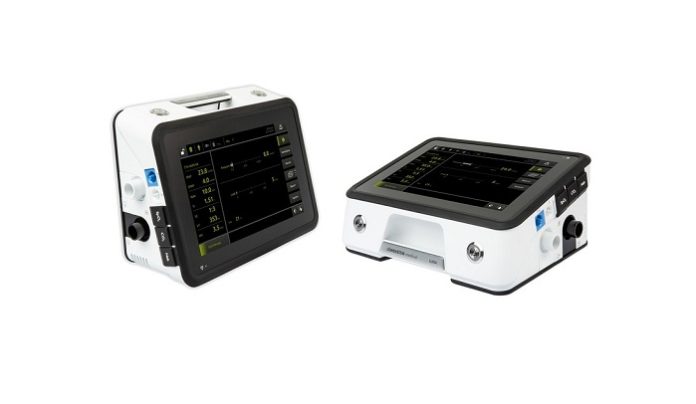
Movair, a respiratory therapy company formerly known as International Biophysics Corporation, announced the U.S. commercial launch of Luisa, an advanced ventilator intended for use in homes, institutions, hospitals or portable applications for both invasive and non-invasive ventilation. Luisa can be used through the FDA’s Emergency Use Authorization* in response to the increasing need for safe and effective ventilators. Luisa is a portable and compact home ventilator now available in the U.S. and one of the first with the added benefit of high-flow oxygen therapy.

For patients with chronic and acute respiratory conditions that require long-term ventilation, prolonged compliance is critical. Luisa was designed to help patients embrace everyday experiences and active, mobile lifestyles. Weighing only eight pounds, Luisa includes a battery run time of up to 18 hours and offers patients eight adjustable comfort settings to deliver personalized, tailored therapy.

Luisa also features a rotatable 10-inch display and flexible connectivity options so patients can integrate the ventilator into current lifestyle habits such as sleeping on a certain side of the bed. Additionally, Luisa can be programmed in multiple languages, ensuring a multitude of diverse patients, families and caregivers receive understandable alarm notifications.

“Life supporting ventilation with high-flow therapy using the Luisa device proved to be a true asset during the most recent COVID-19 surge,” said Rami Arfoosh, MD, FCCP, Pulmonary and Critical Care Specialist and Associate Professor of Medicine at Medical College of Georgia, AU/UGA Medical Partnership. “It provided a new option to meet the high-flow needs for some patients in their home environment. Those patients would have otherwise continued to occupy hospital beds because of the lack of equipment that meets their needs at home. Luisa also provides the unique feature of switching back and forth between high-flow nasal cannula (HFNC) and non-invasive ventilator (NIV) with different mode by the push of a button.”

Luisa provides respiratory support and utilizes all standard volume, pressure and mouthpiece ventilation modes with the added benefit of high-flow oxygen therapy that can support nocturnally ventilated patients during the day with a less intrusive nasal cannula. High-flow oxygen therapy delivers a blend of air and oxygen that meets or exceeds a patient’s inspiratory flow demand to improve oxygenation and decrease the workload of breathing.

“Increased respiratory patient illness, COVID-19 and product recalls have created a critical need for ventilators in the United States,” said David Shockley, CEO of Movair. “We’re addressing this demand with the launch of Luisa, a portable and compact home ventilator, designed and made in Germany, that also provides patients with high-flow oxygen therapy. At Movair, we’re committed to advancing life-empowering respiratory therapies that help patients breathe better and live better. The launch of Luisa underscores this commitment.”

Luisa is the third-generation ventilator developed and manufactured by Lowenstein Medical in Germany, and marketed in Europe since 2020. It can be prescribed to patients diagnosed with chronic respiratory failure due to chronic obstructive pulmonary disease (COPD) and interstitial lung disease (ILD) dependent on meeting certain qualifications. Luisa can provide high-flow therapy to patients that need at-home ventilation and also offers FIO? and SPO? monitoring and ventilation from 100 ml VT.

Movair is the exclusive U.S. dealer for Lowenstein Medical. While Luisa can be purchased through various durable medical equipment (DME) providers, normally it is provided to patients by these DMEs through private or government health insurance. In August, Movair began pre-marketing Luisa, which is already being used by thousands of patients in the U.S. Many of these patients are recovering post-COVID and were transitioned home with Luisa.

In addition to launching Luisa, the company also announced a new name and rebrand to coincide with the company’s renewed focus on strengthening and streamlining its position as an industry-leading provider of innovative respiratory therapy technologies. For nearly 30 years, Austin-based Movair, formerly known as International Biophysics Corporation, has advanced and manufactured life support equipment including heart pumps, surgical instruments, medical molding and home medical equipment. The company is best known for the development of AffloVest, the first fully mobile and battery-operated respiratory airway clearance vest in the United States.

Movair is committed to advancing new respiratory solutions that provide patients with more opportunities to embrace the everyday experiences made much more difficult by their conditions. The company is poised to accelerate the growth of its respiratory therapy portfolio throughout the next 12 months.

 

PTS Diagnostics Announces Bridge Purchasing Solutions Joining The PreVantage Partnership Network

PTS Diagnostics Announces Bridge Purchasing Solutions Joining The PreVantage Partnership Network

PTS Diagnostics, a U.S.-based manufacturer of point-of-care medical testing devices, announced that they have signed a strategic alliance agreement with Bridge Purchasing Solutions Inc.

“Bridge has built a very unique digital voucher platform that helps payors and businesses who have employees that need point-of-care testing to provide increased access while closing critical care gaps related to cardiovascular disease and diabetes,” said Steve Riendeau, Chief Commercial Officer of PTS Diagnostics. “As a result of the pandemic, many people have been unable to get important annual biometrics such as cholesterol and A1C testing. The Bridge platform allows electronic vouchers to be sent to an individual’s mobile phone where they can take it to a participating retail pharmacy to get the tests conducted. The platform also allows for seamless redemption of incentives which often accompany this testing. The PreVantage Partnership Network is focused on bringing companies together with a common mission of closing gaps in care for patients with chronic diseases and this is another opportunity for us to do so. PTS feels strongly that this strategic alliance is a great fit for our customers.”

PTS is a global leader in the production and distribution of point-of-care solutions. “It’s a privilege to be part of the PreVantage Network.” said Ken Erickson, CEO of Bridge Purchasing Solutions. “Our next generation B2B2E (Business to Business to Employee) fintech platform makes it possible to issue digital payment cards directly to an employee which can only be redeemed at the specified retail pharmacy partner. The frictionless payments, compliance reporting along with increased adherence are also keys to our future success. When combined with the world class products from PTS we are convinced our clients will embrace the solution.”

Time to Rethink Telehealth for a Personalized “Telecare” Experience

Coronavirus Pandemic Transforming the Future of Rural Healthcare

On the Covid report card, most hospitals get an โ€œAโ€ for transitioning to telehealth. Using phone, video conferencing software, and electronic medical records (EMRs), healthcare providers were able to address the immediate needs of patients without requiring in-person consultations.

However, many of these telehealth consultations were transactional in nature and lacked the personalized touch I had been used to. I yearned for the days of visiting one of my favorite primary care doctors at a South-East Asian hospital โ€“ he always made me feel understood and supported no matter how trivial the reason for my appointment. I always left the clinic with a smile.

If I had a serious, chronic, or more immediate debilitating condition, a telehealth consultation during the height of the pandemic just wouldnโ€™t have cut it.

Connection issues, technology malfunctions, and reminders that โ€œYouโ€™re on mute!โ€ make these experiences challenging. Additionally, clinicians are often distracted by the myriad of patient information being poorly presented on their computer screen. They can see a patientโ€™s entire medical history, yet the patient has no idea whatโ€™s on the screen, which makes it feel like a one-sided conversation.

Simply put, we can โ€“ and must โ€“ do better.

Moving from the transactional to the personal

With the tapering-off of the pandemic in sight and more normal interactions back on the cards, in vaccinated countries at least, itโ€™s time to reconsider what the future of virtual healthcare should look like. Thereโ€™s no denying that virtual experiences can deliver significant benefits to patients by reducing their need to travel to see a doctor, potentially increasing their access to primary care and specialist physicians, and more importantly taking more control for their own care.

The future of telehealth โ€“ โ€œtelecare,โ€ letโ€™s call it โ€“ shifts healthcare away from the transactional and toward the personal. Telecare offers a patient-centric care experience in a virtual environment, removing distractions and barriers to communication and creating a higher quality interaction for both patients and doctors. Yet, during a recent Economist webinar on the future of remote care delivery, participants saw โ€œthe personal touchโ€ as the top obstacle to overcome.

Healthcare workers have a challenge: learning to manage new ways of interacting with patients virtually, while picking up on the traditional, non-verbal cues that help them diagnose and treat patients. The remote consultation tends to preclude the small talk portion of a clinical interaction, which is where clinicians get a wealth of information about their patients. Overcoming this is important for clinicians in order to provide the kind of patient-centric experience that engenders confidence and satisfaction.

How technology can improve patient experience

Ultimately, improving virtual care comes down to helping patients feel like theyโ€™re receiving the same experience they would if they were in the same room as the doctor. This is less of a technology question than it is a clinician/patient relationship question. However, technology can support this by:

  • Making patient information available in a more intuitive, less distracting way.
  • Integrating appointment workflows into one system for simplicity and ease of use.
  • Providing patient self-service options like portals that give patients more control over their own health and care.
  • Letting doctors capture notes in a more streamlined way, like recording voice notes, rather than being distracted by a keyboard.
  • Providing wearable devices that capture patient data, allowing clinicians to make better care decisions for their patients.

Whatโ€™s next for the future of virtual care

Fortunately, care providers have realized the issues with telehealth and are committed to continuing the hard work ahead to make improvements. They recognize not only the personal, but the business needs of being able to provide a solid โ€œtelehealthโ€ experience for patients.

The rapid rate of acceleration weโ€™ve seen in telehealth over the last year was born out of necessity, but benefits to providers and patients are endless. Letโ€™s use the lessons learned from the recent past as a stepping stone towards creating a better healthcare experience for tomorrow.

Indonesia’s Mandaya Hospital Group showcases smart hospital based on Philips innovations in patient-centered care

Indonesia's Mandaya Hospital Group showcases smart hospital based on Philips innovations in patient-centered care

Installed as part of a seven-year strategic partnership agreement, Philipsโ€™ diagnostic, patient monitoring, image-guided therapy, and informatics solutions bring advanced technologies to Indonesian patients

Mandaya Hospital Groupโ€™s new flagship hospital, the Mandaya Royal Hospital Puri (Jakarta, Indonesia), recently showcased a range of patient-centered smart hospital solutions enabled by Philips technology.

As part of a seven-year strategic partnership between Mandaya Hospital Group and Philips signed in 2020, the turnkey solution for the groupโ€™s newly-built hospital combines Philipsโ€™ latest innovations in enterprise diagnostic imaging, image-guided therapy, connected care, and informatics. It also includes Philipsโ€™ Ambient Experience, which uses dynamic lighting, projection, and sound to enhance the experience of patients and staff. The partnership is supported by the Netherlandsโ€™ Export Credit Agency, a first for Philips in Indonesia. Mandaya Royal Hospital Puri has a total capacity of more than 250 inpatient beds, six operating theaters, and more than 100 outpatient examination rooms, and is designed to promote a sense of wellbeing for patients, family members, and hospital staff.

The hospital includes centers of excellence in cardiovascular care, cancer treatment, and neurological care – covering most of the non-communicable diseases suffered by Indonesians, who often needed to travel overseas to receive treatment.

โ€œIt is very exciting to see this high level of Philips technologies and solutions in one facility,โ€ commented Pim Preesman, Managing Director of Philips Indonesia. โ€œMandaya Royal Hospital Puri is a reference hospital that showcases how connected and digitalized health technologies can work to deliver the best healthcare outcomes, while improving patient and staff experience.โ€

Philips launches Pediatric Coaching to enhance MR imaging patient experience for young children

Philips launches Pediatric Coaching to enhance MR imaging patient experience for young children

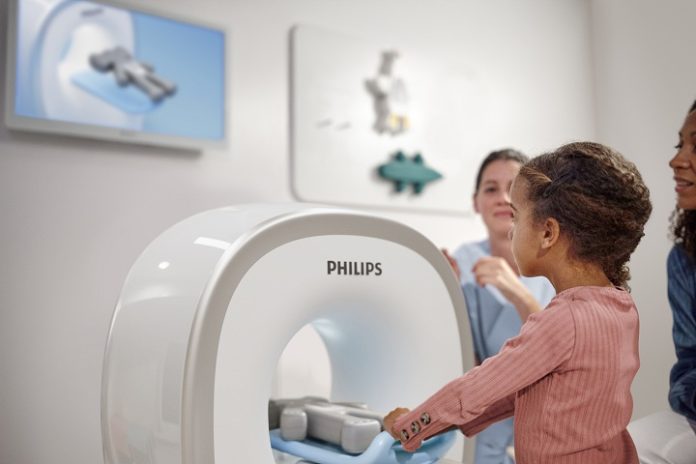
Royal Philips, a global leader in health technology, announced the launch of Philips Pediatric Coaching, a holistic solution designed to be a less stressful experience for parents and their children undergoing MRI scans. Using gamification and โ€˜buddy systemโ€™ techniques to prepare children and their parents beforehand, the solution helps guide young children through the MRI procedure to significantly enhance the patient experience. Pediatric Coaching is the latest initiative launched within the Philips Ambient Experience portfolio, featuring a wide range of dedicated solutions to help enhance the experience of patient and staff.

Acquiring high quality images in pediatric MRI can be challenging for both radiologists and the child undergoing the scan. Fear of the unfamiliar environment of an MRI system can be stressful for a younger child, making them agitated and unable to lie still, which is required for good image quality. As a result, scans are often performed under sedation or general anesthesia, which according to parents, carries disadvantages such as post-scan irritability for the child and concerns of repeated anesthesia exposure [2]. Having to resort to such measures or deal with a conscious but distressed child is challenging for hospital staff, increasing procedure time and costs. By helping to empower children during an MRI scan, the Philips Pediatric Coaching solution overcomes many of these issues.

To prepare for their MRI scan, children are provided with a gamified mobile app that familiarizes the child and their parents with an MRI procedure in a playful way. The app also introduces the child to a virtual โ€˜buddyโ€™ they can role-play with to perform an MRI scan – for example, pretending to be the system operator and helping their buddy to lie still in order to get the best picture. The app also uses augmented reality to allow the child to explore the MRI system at home before entering the hospital. Many parents express a willingness to help prepare their child ahead of time, and by playing alongside their child, they can also learn more about the procedure.

When the family visits the radiology department, the same familiar virtual buddy interacts with the child as they play with Philipsโ€™ newly enhanced โ€˜Kitten Scannerโ€™ – a small scale educational scanner that allows children to scan various toy animals and view whatโ€™s inside each animal for a better understanding of the upcoming procedure. When the child has their scan, their buddyโ€™s familiar voice and image are projected onto Philipsโ€™ Ambient Experience in-bore Connect solution, to guide the child through the scan procedure by coaching them, for example, on when and how to hold their breath. With the new Pediatric Coaching Solution, parents are reassured, and the child is empowered and well prepared, helping ensure the high-quality images needed for an accurate diagnosis of the childโ€™s condition are captured.

About Royal Philips

Royal Philips is a leading health technology company focused on improving people’s health and well-being, and enabling better outcomes across the health continuum โ€“ from healthy living and prevention, to diagnosis, treatment and home care. Philips leverages advanced technology and deep clinical and consumer insights to deliver integrated solutions. Headquartered in the Netherlands, the company is a leader in diagnostic imaging, image-guided therapy, patient monitoring and health informatics, as well as in consumer health and home care. Philips generated 2020 sales of EUR 17.3 billion and employs approximately 77,000 employees with sales and services in more than 100 countries.


CMR Surgical to build new global manufacturing facility to meet Versius demand

CMR Surgical to build new global manufacturing facility to meet Versius demand

CMR Surgical (CMR) โ€“ a global surgical robotics business announced plans to open a new large-scale manufacturing facility in Cambridgeshire, UK. The site will enable upscaled manufacturing processes to meet the increasing global demand for the Versiusยฎ Surgical Robotic System, now established as a valuable surgical tool in a number of hospitals across Europe, India, Australia and the Middle East.

Following?the recent completion of?the largest-ever MedTech?private financing round worldwide,?CMR remains focused on?the ongoing commercial scale up of Versius and the building of its?manufacturing capability will help to support this. Alongside this, CMR is committed to investing in future technology developments for Versius and its digital ecosystem that will benefit surgeons and improve surgical care on a global scale.

The new facility will span?7,044.8 sq. m. (75,832 sq. ft.) floor space?and will house up to 200 skilled employees initially?from production, quality, manufacturing engineering, supply, operations, and logistics.?The site will be?located?in Ely, close to the Companyโ€™s headquarters in Cambridge.

Per Vegard Nerseth, Chief Executive Officer of CMR Surgical, commented: โ€œWe continue to see strong demand for Versius in markets around the world and our commitment to building a new manufacturing facility reflects this whilst highlighting the scale of our ambition to transform surgery. The workforce in Cambridgeshire will be crucial in helping us deliver systems to benefit patients in all corners of the world and we see this as an important development in our company growth strategy.โ€

Barrington Dโ€™Arcy, Chief Operations Officer of CMR Surgical, said: โ€œEstablishing a world-class manufacturing facility to meet worldwide demand was a logical step forward for CMR. Connecting in proximity our skilled workforce from manufacturing, R&D, supply and other important functions means that we can bring together the strongest talent to deliver the commercial production upscale for Versius.โ€

The Versiusยฎ Surgical Robotic System
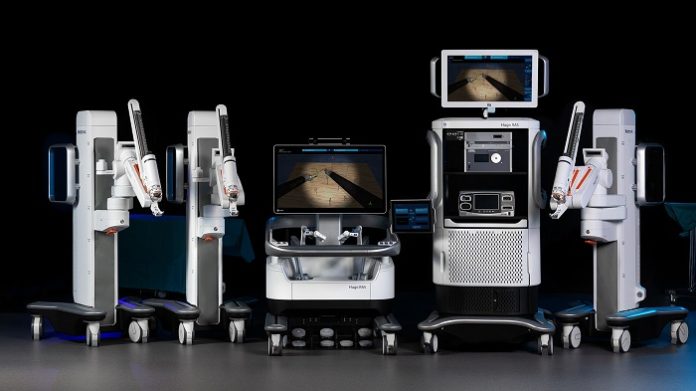
Versiusยฎ resets expectations of robotic surgery. Versius fits into virtually any operating room set-up and integrates seamlessly into existing workflows, increasing the likelihood of robotic minimal access surgery (MAS). The portable and modular design of Versius allows the surgeon to only use the number of arms needed for a given procedure.

Biomimicking the human arm, Versius gives surgeons the choice of optimised port placement alongside the dexterity and accuracy of small fully-wristed instruments. With 3D HD vision, easy-to adopt instrument control and a choice of ergonomic working positions, the open surgeon console has the potential to reduce stress and fatigue and allows for clear communication with the surgical team. By thinking laparoscopically and operating robotically with Versius, patients, surgeons and healthcare professionals can all benefit from the value that robotic MAS brings.

But itโ€™s more than just a robot. Versius captures meaningful data with its wider digital ecosystem to support a surgeonโ€™s continuous learning. Through the Versius Connect app, Versius Trainer and CMR clinical registry, Versius unleashes a wealth of insights to ultimately improve surgical care.

About CMR Surgical Limited
CMR Surgical (CMR) is a global medical devices company dedicated to transforming surgery with Versiusยฎ, a next-generation surgical robot.

Headquartered in Cambridge, United Kingdom, CMR is committed to working with surgeons, surgical teams and hospital partners, to provide an optimal tool to make robotic minimal access surgery universally accessible and affordable. With Versius, we are on a mission to redefine the surgical robotics market with practical, innovative technology and data that can improve surgical care.

Medtronic Hugo Robotic-Assisted Surgery System Receives European CE Mark Approval

Medtronic Hugo Robotic-Assisted Surgery System Receives European CE Mark Approval

Medtronic plc, the global leader in medical technology, announced it has received CE Mark for the Hugoโ„ข robotic-assisted surgery (RAS) system, authorizing the sale of the system in Europe. CE Mark approval is for urologic and gynecologic procedures, which make up about half of all robotic procedures performed today.

“This day has been a long time coming, not just for Medtronic, but for the surgeons and hospital leaders who have partnered with us on this journey to bring the benefits of robotic-assisted surgery to more patients around the world. We know our solution is more meaningful because of their insights,” said Megan Rosengarten, president of the Surgical Robotics business, which is part of the Medical Surgical Portfolio at Medtronic. With the Hugo RAS system in our European customers’ hands and our dedicated team by their side, together we will redefine what is possible in robotic-assisted surgery.

The Hugo RAS system was designed to address the historic cost and utilization barriers that have stifled robotic surgery adoption for two decades. Globally, about 3% of surgeries are performed robotically,1 despite offering patients the benefits of minimally invasive surgery โ€” fewer complications, shorter hospital stays, and faster return to normal activities.2โ€“4,โ€  In Western Europe, about 2% of procedures are done robotically while the majority, approximately 65%, are open surgery.1 The remainder are traditional minimally invasive surgery.1

Robotics and artificial intelligence are the undeniable future of healthcare, with incredible potential to not only advance patient care, but increase access to these benefits,” said Rob ten Hoedt, executive vice president and president of the Europe, Middle East, and Africa (EMEA) region at Medtronic. “The Hugo RAS system builds on our leadership in minimally invasive surgery, and we’re thrilled to provide hospitals across Europe a robotic-assisted surgery system that is thoughtfully designed to meet their needs today and tomorrow. We’ve had strong interest from leading surgical centers across Europe and expect to move quickly with multiple installations in several countries.”

These hospitals will be the first in Europe to join Medtronic’s Partners in Possibility Program, a group of pioneering institutions that will be among the first in the world to use the Hugo RAS system and participate in the global patient registry. Clinicians from these hospitals will participate in hands-on training at Medtronic Surgical Robotics Experience Centers, including two flagship sites operated in partnership with the ORSI Academy in Ghent, Belgium, and IRCAD in Strasbourg, France.

CE Mark approval comes on the heels of major milestones in the Hugo RAS system global launch, including the first urological and gynecological procedures, which took place in Latin America and India and marked the start of the Hugo RAS system global patient registry. A modular, multi-quadrant platform designed for a broad range of surgical procedures, the Hugo RAS system combines wristed instruments, 3D visualization, and a cloud-based surgical video capture option in Touch Surgeryโ„ข Enterprise with dedicated support teams specializing in robotics program optimization, service, and training.

The Hugo RAS system is commercially available in certain geographies. Regulatory requirements of individual countries and regions will determine approval, clearance, or market availability. In the EU, the Hugo RAS system is CE marked. In the U.S., the Hugo RAS system is an investigational device not for sale. Touch Surgery Enterprise is not intended to direct surgery, or aid in diagnosis or treatment of a disease or condition.

About Medtronic
Medtronic plc,headquartered in Dublin, Ireland, is among the world’s largest medical technology, services and solutions companies โ€” alleviating pain, restoring health, and extending life for millions of people around the world. Medtronic employs more than 90,000 people worldwide, serving physicians, hospitals and patients in more than 150 countries. The company is focused on collaborating with stakeholders around the world to take healthcare Further, Together.

Boston Scientific Eluvia Drug-Eluting Vascular Stent System Exhibits Superiority Compared to Bare Metal Stents

Boston Scientific Receives FDA Approval For The Vercise Genus Deep Brain Stimulation System

Boston Scientific Corporation announced positive data for the Eluviaโ„ข Drug-Eluting Vascular Stent System (Eluvia stent) during a late-breaking clinical trial presentation at the Vascular InterVentional Advances (VIVA) meeting in Las Vegas. Data presented included one-year results from the EMINENT trial, which demonstrated superiority of the Eluvia stent compared to self-expanding bare metal stents (BMS) for the treatment of patients with peripheral artery disease (PAD) and superficial femoral artery (SFA) or popliteal artery (PPA) lesions up to 210 mm in length. The study enrolled 775 patients, making it the largest randomized trial of a drug-eluting stent for the treatment of PAD to date.

In the trial, the Eluvia stent exhibited superiority with a primary patency rate of 85.4% versus 76.3% with BMS (p=0.0087).1 The analysis also confirmed a significantly greater rate of sustained clinical improvement without reintervention, 83.0% for patients treated with the Eluvia stent compared to 76.6% for those treated with BMS (p=0.0450). Further, there was no significant difference in major adverse events or all-cause mortality rates between patients treated with the Eluvia stent and those treated with BMS through one year.

“I am honored to have been part of this global study, which adds to the robust body of evidence from the IMPERIAL trial and confirms that the Eluvia stent should be considered the stent of choice for treating SFA and PPA lesions of intermediate length,” said Professor Yann Gouรซffic, M.D., Department of Vascular and Endovascular Surgery at Paris Saint-Joseph Hospital, France and principal investigator of the EMINENT study.2 “The superior primary patency rates and greater rates of clinical improvement without reintervention are reassuring for physicians looking to make clinically-based treatment decisions for their patients and reduce the need for repeat procedures.”

The Eluvia stent was developed for the treatment of PAD โ€“ the narrowing of the arteries of the legs due to plaque buildup โ€“ which affects approximately 8.5 million people in the United States and more than 200 million people worldwide.3,4 Left untreated, PAD restricts blood flow to the legs and feet and patients often experience pain, swelling and a diminished quality of life. The Eluvia stent, which features sustained release of the lowest dose of paclitaxel of any peripheral drug-eluting device, re-opens blocked arteries and restores blood flow while utilizing a drug-polymer combination to prevent tissue regrowth.

“We are committed to meaningful clinical trials designed to evolve clinical practice, and on the heels of the positive RANGER II SFA data presented yesterday, we are pleased that the EMINENT trial establishes the Eluvia stent as the first drug-eluting stent to demonstrate superior primary patency rates compared to bare metal stents in a head-to-head randomized trial,” said Michael R. Jaff, D.O., chief medical officer and vice president clinical affairs, technology and innovation, Peripheral Interventions, Boston Scientific. “The breadth of our portfolio, as the only company offering both a drug-coated balloon and a drug-eluting stent for the treatment of patients with PAD, provides physicians with evidence-based and highly-differentiated treatment options.”

For more information on the Eluvia stent, visit www.bostonscientific.com/eluviaclinicaltrials.

About Boston Scientific
Boston Scientific transforms lives through innovative medical solutions that improve the health of patients around the world. As a global medical technology leader for more than 40 years, we advance science for life by providing a broad range of high performance solutions that address unmet patient needs and reduce the cost of healthcare. For more information, visit and connect on Twitter and Facebook.

BD Unveils Nebraska-Based Manufacturing Capacity to Support U.S. Vaccination Agility and Preparedness

BD Receives Order from Dutch Ministry of Health for More than Nine Million 15-minute COVID-19 Antigen Tests

BD (Becton, Dickinson and Company), a leading global medical technology company, announced it has strengthened the U.S. government’s access to safety injection devices through increased manufacturing capacity and domestic supply. The new syringe and needle manufacturing lines, which were completed on an accelerated timeline, represent the public-private partnership between BD and Department of Health and Human Services’ (HHS) Assistant Secretary for Preparedness and Response (ASPR).

In July 2020, ASPR’s Biomedical Advanced Research and Development Authority (BARDA) invested approximately $42 million into a $70 million capital project to further expand BD’s operations and manufacturing lines in Holdrege, Neb. The expansion builds on the company’s deep commitment and legacy in supporting U.S. vaccination efforts through the domestic manufacturing of needles and syringes.

“As the fight against COVID-19 continues, we are steadfast in our commitment to securing the nation’s supply continuity of these critical injection devices,” said Rick Byrd, president of Medication Delivery Solutions for BD. Our teams are working tirelessly โ€“ as they have been since the beginning of the pandemic โ€“ to ensure that all of our customers, including the U.S. government, have the supplies they need to vaccinate against this virus while simultaneously managing routine, preventative health care needs, such as the seasonal flu.

The new lines increase capacity of BD’s existing needle and syringe supply capabilities domestically. To date, the company has provided several hundred million injection devices to the federal campaign. This marks a timely manufacturing milestone as the United States heads into flu vaccination season and the critical need for these essential devices continues.

“Domestic manufacturing has proven critical to responding rapidly and effectively to this pandemic,” said Dawn O’Connell, HHS Assistant Secretary for Preparedness and Response. “With millions of lives at stake, we do not have time to wait for supplies to be shipped from other countries. Taking action now to increase U.S.-based manufacturing capacity will allow us to meet the needs of patients and health care providers while also creating valuable U.S. jobs.

Increasing supply capacity from the company’s Holdrege facility builds on a 70-year manufacturing legacy in the state. BD operates three other world-class manufacturing facilities in Nebraska: Broken Bow and two facilities in Columbus. The company first established its manufacturing presence in Nebraska following World War II to support the U.S. government’s call for the geographic diversification of manufacturing operations away from the East Coast. Since then, BD’s 3,500 Nebraska-based employees have been motivated by the promise and power of ensuring providers on the front lines of health care have access to needed injection devices. That motivation inspired the development of these new manufacturing lines, as demonstrated in this brief video.

In addition to ramping up the manufacturing of needles and syringes domestically to meet U.S. needs for the COVID-19 pandemic, BD is working to help ensure the global community is prepared for future pandemic vaccination. BD previously announced plans to invest $1.2 billion over four years to enhance its manufacturing capacity and technology for pre-fillable syringes and advanced drug delivery systems โ€“ allowing for continued growth of new injectable drugs and vaccines.

“Among other important lessons learned, COVID-19 is highlighting the critical value of ongoing partnerships, collaboration and planning to meet our nation’s current and future pandemic needs,” said Nicolette Louissaint, PhD, executive director of Healthcare Ready. “We’re proud to partner with BD as they swiftly stepped up and stepped in to help the U.S. increase its capacity to produce syringes and needles that are essential for accelerating vaccination efforts to protect the public here and across the world.”

BD is the largest manufacturer of injection devices in the world, producing multiple billions of syringes and needles annually through its global manufacturing network. To learn more about BD’s vaccination preparedness efforts, visit bd.com/vaccination.

About BD
BD is one of the largest global medical technology companies in the world and is advancing the world of healthโ„ข by improving medical discovery, diagnostics and the delivery of care. The company supports the heroes on the frontlines of health care by developing innovative technology, services and solutions that help advance both clinical therapy for patients and clinical process for health care providers. BD and its 70,000 employees have a passion and commitment to help enhance the safety and efficiency of clinicians’ care delivery process, enable laboratory scientists to accurately detect disease and advance researchers’ capabilities to develop the next generation of diagnostics and therapeutics. BD has a presence in virtually every country and partners with organizations around the world to address some of the most challenging global health issues. By working in close collaboration with customers, BD can help enhance outcomes, lower costs, increase efficiencies, improve safety and expand access to health care.

Jefferson Regional and Kindred Healthcare Announce Plans for Inpatient Rehabilitation and Behavioral Health Hospital

Jefferson Regional and Kindred Healthcare Announce Plans for Inpatient Rehabilitation and Behavioral Health Hospital

Jefferson Regional and Kindred Healthcare, LLC announced a joint venture to build and operate a 40-bed freestanding inpatient rehabilitation hospital that will also include an additional 36 behavioral health beds.

The hospital will provide inpatient rehabilitation services for adults who have experienced a loss of function or disability due to stroke, brain injury, spinal code injury, neurological disorders, orthopaedic surgery and other conditions. Featuring all private rooms, the rehabilitation section of the hospital will provide intense, interdisciplinary rehabilitation therapies and medical care to improve patientsโ€™ functional independence and help them return home.

The facilityโ€™s distinct behavioral unit will offer a continuum of inpatient and outpatient behavioral health services for adults and seniors, including crisis stabilization for acute mental health and substance use disorders; detoxification from alcohol and drugs; and treatment for anxiety, depression, post-traumatic stress disorder and many other behavioral health illnesses.

The new hospital will replace and increase the number of existing acute rehabilitation and behavioral health beds currently operating at Jefferson Regional. Kindred has managed the hospitalโ€™s rehab unit for the past 28 years.

According to Brian Thomas, President and Chief Executive Officer at Jefferson Regional, โ€œJefferson Regional has enjoyed a very successful relationship with Kindred through our rehabilitation program, and we look forward to expanding the care we provide to residents in Southeast Arkansas. The need for rehab services continues to grow, and our most recent Community Needs Assessment indicated that there was a lack of mental and behavioral health resources in Southeast Arkansas. As a result, we are very enthusiastic about the opportunity to reach even more people through this joint venture.โ€

โ€œWe have been privileged to be Jefferson Regionalโ€™s rehabilitation partner for nearly three decades and are excited to partner with them in this new joint venture,โ€ said Jason Zachariah, President and Chief Operating Officer of Kindred Healthcare. โ€œBecause of the tremendous work done over the years by the clinical staff of both organizations, we are able to continue to provide even greater access in Southeast Arkansas to much needed rehabilitation and behavioral health services.โ€

Zachariah added, โ€œThe combination of services is designed to meet two areas of need in one facility. The innovation and flexibility demonstrated by this project is another example of why hospitals and health systems across the country partner with Kindred to meet their communityโ€™s unique healthcare needs.โ€

A specific location for the new hospital has not been announced. The facility is anticipated to open in 2023.


About Jefferson Regional

Jefferson Regional is an acute care hospital in Jefferson County and serves patients from an eleven-county area of Southeast Arkansas. The community owned, not-for-profit facility is licensed for 300 beds, with a medical staff of more than 125 providers. Jefferson Regional is also one of the largest employers in Jefferson County with more than 1,500 employees in the hospital and its associated clinics. The mission of the organization is to improve health through excellence and compassion, with a vision to be the healthcare provider and employer of choice for Southeast Arkansas.

About Kindred Healthcare

Kindred Healthcare, LLC is the nationโ€™s leading specialty hospital company delivering acute health services in its long-term, acute care hospitals, including rehabilitation hospitals, acute rehabilitation units, and behavioral health line of business, all specializing in treating the most medically complex patients. Based in Louisville, Kentucky, and ranked as one of Fortune magazineโ€™s Most Admired Healthcare Companies for nine years, Kindredโ€™s mission is to help our patients reach their highest potential for health and healing with intensive medical and rehabilitative care through a compassionate patient experience.

Translate ยป