Close
Digital Health & Ai Innovation summit 2026
Medical Taiwan 2026

How To Keep Eating Healthily When You Have A Busy Schedule

How To Keep Eating Healthily When You Have A Busy Schedule

If you are alive in the 21st century, chances are you are a busy person. You are probably balancing a job, a marriage, children, probably even going to school at night. The busier you are, the greater the temptation to eat unhealthily. That’s because it’s usually unhealthy food that is quickly available when you’re hungry and busy.

If eating badly becomes habitual, you may find yourself facing a number of serious chronic diseases. These can severely reduce your quality of life and even cause premature death. If you don’t want this to happen to you, here are some ways you can continue to eat healthily, even though you have a busy schedule.

1. Get A Subscription Meal Plan

For the extremely busy, healthy eating is not beyond you. Several services have sprung up offering subscription kits to deliver pre-made meals or have the ingredients and recipes for meals and drinks provided.

You can essentially automate your meals without worrying about shopping, buying, or even when to eat. Your meals are delivered at regularly scheduled, predetermined times. All you need to do is eat them. No cooking, no meal planning. This is certain to save you valuable time even as you do eat healthily.

2. Be Smart About Buying Groceries

It all starts with how you shop. Don’t buy high-calorie, high-fat snacks. They may satisfy a hunger pang, but they will also make you pack on pounds over time. These days groceries have several healthy prepackaged offerings. You can buy and refrigerate these and eat them throughout the week.

When you actually have time to cook, purchase fruit and vegetables, healthy grains, and lean meats. Once stored properly, these should all keep well. With a little planning, they can be combined to create a variety of healthy meals over the weekend that you can store in Tupperware bowls to be eaten throughout the week.

3. Pack Healthy Snacks

Human beings seem to have an innate tendency to snack. If you’re very busy, you may be tempted to drop a few quarters into that vending machine in the hallway and get some candy bars or potato chips.

You can prevent this by packing healthy snacks that you bought pre-made or making easy snacks for yourself, such as packing some fruit or some cereal for you to munch on when you take a break from whatever keeps you so busy.

4. Don’t Eat And Work

When you eat while heavily involved in work, you don’t focus on how much you are consuming. This means you end up consuming more of it than you should. Dietary experts recommend that you should be more mindful of what you eat.

This means that you shouldn’t eat while you are otherwise distracted. That includes not eating while working. You won’t taste the food or be able to appreciate its quality. You should take the time to do this, as it slows down the eating process and keeps you healthier in the long run.

5. Drink More Water

Water is vital to the proper functioning of your body. Therefore, as part of a healthy diet, you should drink more of it. The problem with a busy lifestyle is that getting an adequate amount of water is one of the first things that tends to get forgotten.

Carry around a reusable water bottle and make sure it has your daily recommended amount of water on hand so that you can partake as needed. If you don’t like plain water, you can create fruit-infused water and carry that around instead.

6.ย  Make Healthy Choices When You Eat Out

If you decide to eat out, several restaurants and food outlets offer healthy meal options. As far as possible, try to select from among those for your meal. These will likely be lower fat and lower calorie options than the items on their regular menu.

If you choose a regular menu item, reduce your portion size. Restaurants tend to serve food in much larger portions than is necessary. Consider taking the remainder home to have a separate meal later or as leftovers for the next day.

7. Keep Your Meals Simple

If you have a family, you may be tempted to make elaborate meals. This will take time away from the work you have to do. As an alternative, come up with meal ideas that are simple to make yet satisfying when consumed.

You can also have your family help you prepare meals. Leaving them pre-prepped ingredients will help them and you.

Now you have no excuse. Even though you’re busy, as you can see, it is easy to put together still healthy meals. All that is required is a little thought and planning on your part.

Necessity as the mother of invention: Healthcare operations innovations fast-tracked by the COVID-19 pandemic

A passionate advocate of positive partnerships and purposeful business, Hefin Evans is Services & Solutions Delivery Lead for Philips. An originator of the Operational Intelligence approach and backer of people-powered progress and power skills, he has extensive experience of outcomes-driven business transformation and healthcare system change management.

Long before the global pandemic, in healthcare the days of business as usual were over. Around the world, every health system had been struggling with rising costs, aging populations, chronic health challenges, legacy technology and overloaded staff. And, while addressing many challenges, digital transformation also brought its own; from data and interoperability disconnects to knowledge shortages. Healthcare leaders had worked hard to redefine healthcare by moving to the value-based care model, implementing the six components of the high-value health care delivery system, often referred to as the โ€œvalue agendaโ€, and healthcare transformation was until 2019, expanding faster than the economy โ€“ growing by 3.9% / year vs. the economy at 3.0%[1].

And then the COVID-19 pandemic hit. Cited as โ€˜the major disruptive event of the decadeโ€™[2] and purported by some to be a โ€˜Black Swan Eventโ€™[3] โ€“ the term popularized by former Wall Street trader, Nassim Nicholas Taleb in his book Fooled by Randomness – COVID-19 revealed and created additional vulnerabilities in global healthcare and stalled the profit growth.

Today, the ongoing, immediate health impacts of the pandemic, delays and disruption to other healthcare services and the economic toll is being felt across the world. This current degree of uncertainty in healthcare is unprecedented and while the consumption of healthcare services will likely continue to grow, it is unlikely that the industry profit pools will expand over the next 3-5 years given the impact of the COVID-19 pandemic[4].

Underlying this cloudy outlook, however, there are chances โ€“ and a clear need โ€“ to innovate. The good news is that there is a significant opportunity that the innovation in healthcare that has been struggling to take hold, will really happen. As systems around the world are being forced to transform at an exponential, and with anecdotal accounts indicating a rate of 10 years in 5 months, Hefin Evans, Services and Solutions Delivery Lead, Philips outlines the expeditious innovation and rapid advances in technology, policy and procedures he has witnessed over the course of the pandemic and offers his predictions for innovations to come.

Accelerated innovation 1: The rapid shift to remote, proactive maintenance

The shift towards more remote monitoring of medical equipment was fast-tracked early in 2020, when hospitals were forced to minimize access to personnel during the COVID-19 outbreak. One of the pandemicโ€™s side effects was the instant boost it gave to connectivity. With critical equipment needed to diagnose patients with COVID-19, hospitals that had delayed digital transformation were suddenly forced to adapt.

For example, in the Latin America region, the remote resolution of equipment problems stood at 19.6% at the end of February 2020[5]. Field services engineers werenโ€™t able to visit hospitals due to the COVID-19 outbreak and were instead trained to deliver remote services and tools to customers and began providing remote support. The current rate of remote resolution in Latin America is now 42%[6].

In Argentina, a healthcare provider partner located 1000kms away from field service engineer support in Buenos Aires, reported one of its MRIs was down during the COVID-19 outbreak. It was a complicated fault, that couldnโ€™t immediately be diagnosed. Using remote monitoring system, REACTS, it took just an hour to detect a failure in the MRIโ€™s gradient power supply working in combination with remote engineers, a field service engineer and the hospitalโ€™s biomed. The faulty part was identified, and a replacement was ordered.

Before the pandemic some hospitals were reluctant to have remote connectivity,ย  or indeed any remote operation, due to perceived privacy and security risks. Now it is a must. It is demanded and they understand that, by partnering with Philips Services, we can deliver industry leading cybersecurity and privacy, leading compliance and standardization. One of the immediate โ€“ and we predict, lasting – effects of COVID-19 was a boost to the digital transformation of hospitals, enabling them to become digital and more connected. At Philips, We are now doing much more work remotely โ€” equipment resolution, fixing, troubleshooting โ€” rescheduling maintenance as required while also having the ability to control systems at a distance. And we are not sending engineers to a site if it is not needed. For COVID-19, it is much better to do it remotely.

Accelerated innovation 2: The virtualization of care

The pandemic kickstarted a boom in virtual care by immediately altering the way doctors and patients interacted, and reducing traffic inside hospitals. Medical appointments went online, workers began remote work, equipment monitoring was adopted, elected procedures were delayed or cancelled. Remote monitoring technologies such as telemonitoring, telemedicine, mobile monitoring all grew very fast. Telehealth adoption rates lagged around 11% in January 2020 in the USโ€”but spiked amid the coronavirus pandemic to 36% August[7].

The revolving door of the hospital was already a big problem before COVID-19. In 2018, there were an estimated 142 million visits to emergency rooms in the US, up from 100 million in 2008 (CDC). The pandemic highlighted that hospitals are too overloaded: covering too many different clinical specialties, accepting a wide spread of low-to-high acuity patients. The bandwidth for hospitals to plan was reduced to zero during COVID-19. Patients also stopped going to hospital – delaying procedures, non-urgent clinical work, elective work and staff quickly moved towards COVID-19 response.

Experts expect to see a future determined by which clinical services make sense for a hospital and the speed of innovation around new care models that allow more space and โ€˜bandwidthโ€™ for hospitals to focus on acute care. Separating patients out is quite a new trend in healthcare. For too long hospitals have been accessible to everyone. There is a strong case for selecting certain activities which donโ€™t necessarily need to happen inside a hospital. An injury from a ski accident, for example, can be managed through a GP surgery and a local diagnostic center for scans.

Accelerated innovation 3: The virtualization of continuing learning and the environmental benefits

The clinical workforce accounts for between 60 and 70 per cent of hospital expenditure. Yet the The World Health Organization (WHO) predicts a shortfall of up to two million healthcare professionals (or 15 per cent of the workforce) across the EU by 2020[8].

Weโ€™re leading a shift to a mix of blended learning (virtual/e-learning and in-person) training and continuing learning for customers and staff going forward post pandemic. In Australia and New Zealand, we delivered thousands of virtual hours in demos, clinical and applications training. We have also established local, technical training for Biomeds and internal field staff to reduce interstate and cross border travel and enable our customers to learn and avoid expense and time required to travel outside of their states.

While the age of the classroom isnโ€™t necessarily completely over, new technologies coupled with the global COVID-19 pandemic have marked the ultimate shift to e-learning, enabling more cost effective and results driven possibilities for provision, such as the fact that it reduces the need for travel and can be more budget friendly.

E-learning in itself is a more equitable model too since it It allows the entire staff to gain the same level of knowledge directly at their workplace โ€“ and enables every member to deliver safe, effective, and high-quality patient care. Research has also shown that e-learning proves to be an excellent way to achieve quality results in a short timeframe. Learning which is delivered online, within the context of continuous education, should therefore be considered a strategic part of training and education plans for healthcare professionals.

Philips Education Services provides access anytime and anywhere to comprehensive education programs via a blended learning approach, embracing the very latest in e-learning, data and analytics alongside behavioural insights to ensure knowledge retention and enjoyment. With over 1,700 comprehensive programs and spanning traditional and non-traditional models, pre-learning, hands on, on site and virtual methods.

For more information on healthcare operations innovation and to discover how Philips is partnering with global health providers and systems to apply its Operational Intelligence approach to hospital operations management and innovation, visit Philips.com/Operational-Intelligence

References

[1] Global spending on health: a world in transition, 2019, World Health Organization
[2] https://www2.deloitte.com/us/en/insights/topics/digital-transformation/digital-transformation-COVID-19.html
[3] https://corporatefinanceinstitute.com/resources/knowledge/finance/black-swan-event/
[4]https://www.mckinsey.com/industries/healthcare-systems-and-services/our-insights/the-future-of-healthcare-value-creation-through-next-generation-business-models
[5][6] Philips internal data, Case Resolution Dasboard in Qlikview. (Direct operations countries only)
[7]Business Insider, โ€˜The Digital Healgth Ecosystemโ€™ https://www.businessinsider.com/digital-health-ecosystem?international=true&r=US&IR=T
[8] https://www.who.int/health-topics/health-workforce#tab=tab_1


Have You Or Your Baby Suffered A Birth Injury? Here’s How To Handle It

Have You Or Your Baby Suffered A Birth Injury? Here's How To Handle It

One of the happiest feelings for a mother is when she holds her baby for the first time after they were born. On the other hand, if any complications happen to the baby or the mother, the situation becomes tragic. The whole family starts panicking about the babyโ€™s survival, as well as worry about the motherโ€™s condition. Unfortunately, many women and their babies become victims of accidents during and after birth.

There are many reasons for issues that happen during or after childbirth. Whatever the reasons are, it is most unfortunate for the family, but the good news is that sometimes, theyโ€™re only temporary. We bring you this article to help you through the tough situation and give you tips about how to handle it.

Position the Baby Correctly

One of the most common causes of birth issues is that the baby may have changed its position in a way that makes pulling it out difficult. This can cause bruises on the babyโ€™s head or face, as well as bruises for the mother when pulling the child out. These bruises are usually only temporary and they heal soon enough. The doctors may have to resort to some measures to save the babyโ€™s life, sometimes the motherโ€™s too. You wonโ€™t have to worry though as you will be rest assured that everything will be alright.

How to Deal With Medical Mistakes

In other cases, injuries during giving birth can be caused by the doctorโ€™s or the nurseโ€™s mistake during the process. The results can be unbearable, but regardless of what happens after, you will need to hire an attorney specialized in common medical malpractice cases to walk you through the case and what you need to do to file a report against the hospital or the people responsible. This is a crucial step to take to make sure it doesnโ€™t happen again to anyone else. Consulting a lawyer will help you understand your legal stand and what documents you need to go through with your procedures.

Identify the Reasons for Injuries

Some injuries during delivery are quite common and they arenโ€™t caused by any medical malpractice. These include tears in the uterus, having to go through a C-section delivery, and lack of oxygen intake for the baby, to name a few. Understanding what happened, and why, is crucial to find the suitable treatment and what you are required to do after. Complications happen in many cases during birth for natural reasons, although other times, they happen due to the negligence of the doctors or medical assistants. Identifying the reasons helps you learn what steps you need to take; whether you need to contact a lawyer to file a report and take this to court or you need some further medical attention to heal.

How to Care for Injured Baby

Your doctor will give you a number of things to do to take care of your child when there have been any medical problems it suffered from. Many of these tests are for the mother to go through to check if there are any genetic reasons that caused the complications. The doctor will also ask for some tests to make sure there are no medical issues the mother is suffering from that may be the cause of any defects in the baby to be able to find the proper treatments.

After Birth Monitoring

Doctors recommend continuous monitoring for the mother and the baby after delivery to find out if the distress is only a temporary reaction to the delivery process or if it needs any further attention for treatment. They check the babyโ€™s heart rate to make sure it naturally becomes regular, and they check the mother for any unusual symptoms after birth. The doctor may ask the parents to stay in the hospital for a couple of days to make sure everything becomes normal or to be sure about the medicine required.

Whether the reasons for birth issues are natural or medical mistakes, the results can still be traumatic to the whole family. What you need to do is go through the proper procedures that will help you get over it and hope that things will turn out for the best. In any case, pregnancy and giving birth is one of the most stressful experiences women go through, so medical care is crucial from as early as finding out about the pregnancy until after delivery to make sure no further issues occur. Families must make sure they go to a trusted physician for regular follow ups, as well as finding out early if anything goes wrong to avoid more serious issues.

ClinTex (CTi) Launches CTi-OEM Blockchain Clinical Trial App

ClinTex (CTi) Launches CTi-OEM Blockchain Clinical Trial App

The ClinTex (CTi) tokenized platform (clintex.io) will be the first of its kind to utilize blockchain-based clinical data analytics to address the main causes of clinical trial inefficiency, helping to drive down the cost of new medicines and expediting their delivery to patients.

The initial spark of an idea that would eventually become ClinTex started in 2014, at the DIA Forum in Vienna. By 2018, Clintex was formally working on the Clinical Trials Intelligence (CTi) platform. CTi’s purpose is to deliver data analysis at scale, to drive collaboration and insights across clinical trials.

With large pharma companies like Merck and Novartis already testing blockchain as a technology of the future to support their clinical trial strategy for patient information and to manage clinical trial medication, this paves the way for ClinTex CTi to partner with the industry to deliver more innovative and impactful uses of blockchain to increase clinical trial efficiency.

The CTi-OEM App

Leveraging 50+ years of medicine development experience, ClinTex has moved at a breakneck pace to launch its first blockchain clinical trial app of the CTi Platform, the Operational Excellence Module (CTi-OEM). CTi-OEM provides intuitive operational oversight of clinical trials for clinical project managers, clinical data managers and remote staff; allowing in-stream decision-making on what actions are required to ensure a successful investigation into the safety and efficacy of new medicines.

Using the CTi-OEM console, researchers can deep dive into clinical trial data and take proactive action to make clinical trials run more efficiently. These operational issues include things like clinical protocol deviations and adverse events relating to patient safety in the clinical trial.

The company has prioritized the development of the CTi-OEM blockchain clinical trial app to target some of the major causes of inefficiency in clinical trials, enabling its first app to derive maximum tangible benefits for the pharma and clinical trials industry. CTi-OEM achieves this through a comprehensive portfolio of tools, which is accessible through the CTi-OEM console.

Compliance Requirements & Patient Safety

One of the major obstacles to a successful clinical trial is adherence to the clinical trial protocol. Analytics within the CTi-OEM application allows the detection and analysis of these deviations and allows the clinical trial team to take speedy action. These tools provide powerful insights into the major causes of non-compliance in clinical trials providing analytics to help clinical trial teams identify and resolve them to speed up progress.

Protecting patient safety during a clinical trial is the most important aspect in the development of any new medicine. Adverse events are safety issues that occur during the testing of a new medicine. CTi-OEM provides valuable insight into patient safety throughout a clinical trial. For example, adverse event rate per site allows the clinical trial team to identify those sites that have a high rate of safety events which may point to procedural problems or may also uncover safety risks that need further investigation.

These are just a few examples of CTi-OEM’s toolkit. For more information on CTi-OEM, there is a series of demonstration videos that give an overview of the platform, and how it can help alleviate pain points in clinical trials.

First Clinical Trials app on the CTi Platform

CTi-OEM is just the beginning for ClinTex offerings. Eventually, the platform will consist of 7 different blockchain clinical trial applications that derive intelligent analytics from all types of clinical trial data, and it is these analytics that can be used to drive efficiency in clinical trials. The ClinTex roadmap is on track to have live client onboarding and revenue generation by the end of 2022.

Visionary’s PacketAV Matrix Series selected for Piedmont Healthcares Atlanta Hospital

Avyve has completed the integration of Visionaryโ€™s PacketAV Matrix Series as a solution for reliable video distribution at Piedmont Healthcareโ€™s Atlanta Hospital.

For more than a century, Piedmont Healthcare has been a recognized leader in delivering expert care. Located in Atlanta, Georgia, Piedmont Healthcare is a not-for-profit community health system composed of 11 hospitals with over 2,500 medical staff personnel and more than 22,000 employees. Founded in 1919, Piedmont Healthcare has garnered national acclaim with Americaโ€™s 250 Best Hospitals Award, Americaโ€™s 100 Best Hospitals for Cardiac Care Award and more.

In 2020, Piedmont Healthcare embarked upon a 10-year expansion at Piedmont Atlanta Hospital, starting with a new 16-floor tower that will enable the facility to significantly increase capacity. The Marcus Tower at Piedmont Atlanta includes 408 beds and 13 new operating rooms.

Avyve, recently acquired by AVI Systems, was selected as the technology integrator at Piedmont Healthcareโ€™s new facility. Blake Longsworth, Project Engineer, and Danny Rivera, Account Manager, led the project for Avyve.

The Marcus Tower at Piedmont Atlanta includes a series of surgical spaces and operating rooms. Its goal was to tie each space back to a control room that can distribute video feeds to various locations.

โ€œThe integration was primarily in the Marcus Heart and Vascular Center,โ€ said Matt Adams, Area Operations Manager for AVI Systems. โ€œThere are currently six operating rooms that are wired for broadcasting in this facility, and Piedmont Healthcare wanted to utilize a video feed in the operating rooms to assist during surgery and distribute the video to a larger room for teaching purposes.

โ€œThe surgical video feed is being distributed to a larger auditorium and web-based online audience where doctors can educate medical physicians and professionals on the surgeries that are occurring in real time.โ€

Michael Shivers, Manager of CV Multimedia for Piedmont Heart, said: โ€œWe have an auditorium inside the Marcus Heart and Vascular Center that can seat around 250 people. We also have a great need in broadcasting on the web for our virtual audience. In addition to utilizing the video feed as a teaching tool, we wanted a solution that allowed us to route video signals to different operating rooms and enabled the surgeon to see the person they were talking to.

โ€œWeโ€™ve never had the capability to do that before. It was essential for us to have a solution with zero latency while transmitting a reliable video feed across significantly long distances.โ€

Piedmont Healthcareโ€™s Marcus Heart and Vascular Center incorporates over 870,000 square feet of new construction and 45,000 square feet of renovations.

โ€œThe installation at Piedmont Atlanta Hospital was unique, because we were working on a series of different floors within the facility,โ€ said Adams. โ€œThe operating rooms are located on a different floor than the auditorium, so we had to overcome a long-distance distribution for the video feeds. We selected Visionaryโ€™s PacketAV Matrix Series because of the ability of this particular product to distribute a reliable feed across multiple floors. We integrated various solutions from Visionaryโ€™s PacketAV Matrix Series, including 18 wall plate encoders, 49 encoders and 22 decoders, to create a solution that was incredibly flexible and provided a simplified user experience.โ€

The Marcus Heart and Vascular Center is the first phase of installations across the entire Piedmont Atlanta Hospital facility.

โ€œPiedmont Healthcare has future expansion planned with additional operating rooms in the current facility, as well as expansion of other key healthcare services,โ€ said Adams. โ€œIt was important to select a solution that was easily expandable. In addition, we needed to create a solution that was flexible from the standpoint of user experience.โ€

Adams added: โ€œEach of the wall plate locations are designed as a plug-and-play solution. The encoders were integrated on the wall, because the surfaces within the operating room needed to remain clear and clean. The surgeons, doctors or nurses can wheel in their cart with a computer or surgical equipment and easily plug the equipment into the wall plate encoder. The flexibility of Visionaryโ€™s PacketAV Matrix enables them to plug in the equipment necessary for the particular surgery and automatically connect.โ€

โ€œIโ€™m happy with the system that AVI Systems created for us,โ€ said Shivers. โ€œThe system is working great, and Iโ€™m impressed with the quality and reliability of Visionaryโ€™s PacketAV Matrix Series. The cost-effectiveness and the stability of Visionaryโ€™s PacketAV Matrix Series was an important selling point for us.โ€

Visionaryโ€™s 4K UHD over IP PacketAV Matrix Series encoders and decoders redefine traditional switch matrix systems to create a flexible, scalable, cinema-quality solution for IP networks. The PacketAV endpoints offer ultra-low latency with unlimited distribution capabilities. Utilizing existing network resources, the encoders and decoders can be rapidly deployed to enable cost-effective distribution of multi-channel Dante/AES67 audio and video over IP.


How ACE2 Transgenic Mice Are Helping The Fight Against COVID-19

How ACE2 Transgenic Mice Are Helping The Fight Against COVID-19

The pandemic caused by COVID-19 sent scientists and researchers to laboratories in search of ways to fight the virus which led to millions of cases around the world. More than a year into the pandemic, leading scientists and researchers still need all the help they can get.

A global leader in developing genetically modified mice, ingenious targeting laboratory has generated a new genetically humanized mouse model to assist researchers working on COVID-19. This has been made possible, thanks to a grant awarded by the National Institute of Allergy and Infectious Diseases (NIAID) of the National Institutes of Health (NIH). This new ACE2 humanized mouse will be vital for researchers working to understand the SARS-CoV-2 virus that causes COVID-19.

As soon as the severity of COVID-19 was understood and the SARS-CoV-2 virus was identified, researchers from around the world leapt into action. Work to develop new vaccines and screening methods has been a focal point as well as the creation of antiviral drugs to combat SARS-CoV-2. To aid in this endeavor, researchers have been able to take advantage of genetically modified mouse models that were created to study SARS-CoV: humanized ACE2 transgenic models.

Laboratory mice are a preferred species for studies of human diseases because their biology is similar to ours in many ways. However, a key difference between mice and humans meant that mice initially couldnโ€™t be infected with SARS-CoV-2 in the same way as humans. To circumvent this, scientists had to create new genetically modified mouse lines which express the human ACE2 gene sequence so thar SARS-CoV-2 can successfully enter mouse cells. These mice greatly contributed to our understanding of the virus as it pertains to human infection.

The existing ACE2 transgenic mice that are available will undoubtedly be used for years to come, but as with any early developed system, the current models have limitations. One aspect is that the human gene is not expressed in its normal pattern. Because of this, SARS-CoV-2 may not infect mouse cells to the same degree as seen in humans, which limits therapeutic research. A model that mimics more of the human ACE2 expression pattern is a crucial tool for studying the virus more effectively.

To achieve this, the large-scale humanized ACE2 mouse model that has been developed by ingenious targeting laboratory has the advantage of keeping more natural features of the modified ACE2 gene. Ingeniousโ€™ model aims to express the modified humanized gene in the correct tissues and at the correct level, making it an excellent tool to fully understand the geneโ€™s function.

In recognition of ingeniousโ€™ track record of successfully creating complex mouse models, the NIH awarded an SBIR grant to support this project. Drs. Wei Weng and Arielle Bryan are using the strategy of replacing a large portion of the endogenous mouse ACE2 gene with the corresponding human genomic sequence. The modified gene will have human sequence coding for the extracellular domain of the protein which is the region targeted by SARS-CoV-2. As for the virus, the mice will have human ACE2 which the virus requires for docking. Retaining the mouse sequence in other protein domains should allow the protein to function normally in the context of mouse cells.

“ingenious believes that the ideal mouse model will have its own gene disabled and only express the human version of ACE2,” says Dr. Arielle Bryan who is the Director of Technology Integration at ingenious targeting laboratory. She continues, “We have generated a highly targeted humanized ACE2 mouse model and are now collaborating with researchers from NYU Langone Health and Stony Brook School of Medicine to determine how different factors may impact the disease progression in this murine model of SARS-CoV-2 infection.”

The strategy used by ingenious has three main advantages over the methods used previously to create ACE2 transgenic mice. First, the modified gene retains more natural sequence elements compared with an artificial genetic construct, including promoter elements and the natural intron/exon gene structure. These features contribute to gene regulation in subtle ways that can be significant when studying an infection or disease.

Second, the genetic modification is made at the site of the mouse ACE2 gene. The previous models integrated their genetic construct at random locations in the genome which has unpredictable effects on the geneโ€™s function. Gene expression can be boosted or repressed, depending on where the gene is located on a chromosome, and keeping the modified gene in its natural location helps ensure it will retain its natural expression pattern.

The third and final advantage of the large-scale humanization strategy is that the mouse ACE2 binding domain is eliminated, with the human sequence taking its place. Other transgenic approaches add a new sequence to the genome without removing the mouse sequence. With the approach taken by ingenious, the mouse gene sequence is gone, so only the human ACE2 sequence is available for the virus to dock with.

The advantages of the ingenious mice provide a more precise model for studying SARS-CoV-2 infection. There may be years of hard work ahead to understand this virus. Ingeniousโ€™ humanized ACE2 mouse model provides a new tool for researchers who will be investing precious time into finding new treatments to combat COVID-19.

XACT Robotics Announces Successful Completion of over 100 “Hands-free” Percutaneous Procedures Using Its Robotic System

XACT Robotics Announces Successful Completion of over 100

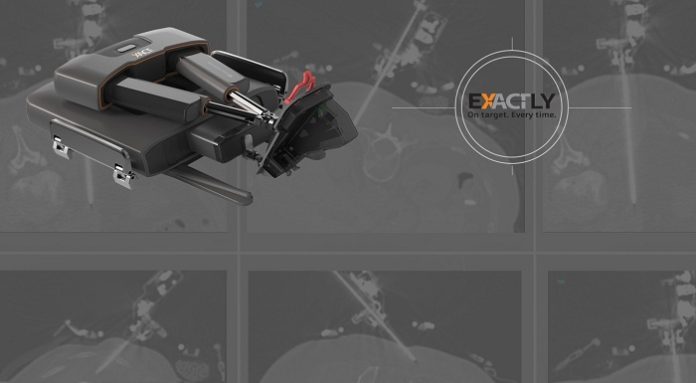
XACT Roboticsยฎ announced that the company’s robotic system has been used in over 100 percutaneous procedures in the human body. XACT’s robotic system is the world’s first and only “hands-free” robotic system that can improve targeting accuracy, efficiency, and consistency in percutaneous procedures, enabling physicians to reach small targets inside the body and potentially supporting earlier diagnosis and intervention. In more than 100 cases performed at leading medical centers in the U.S. and Israel, including Lahey Hospital & Medical Center (LHMC), Sarasota Interventional Radiology and Hadassah Medical Center, XACT’s robotic system was consistently able to reach small areas of interest in the abdomen and lung.

“We are very pleased to be commemorating this historic milestone, which is a reflection of the dedication of our employees and the radiology teams who have recognized the considerable advantages that this technology delivers to patients and hospital systems,” said Chen Levin, CEO of XACT Robotics. “This significant achievement is especially impressive given that we launched the system and reached over 100 cases even during the COVID-19 pandemic. As more hospitals around the world adopt XACT’s robotic system and access to care continues to expand, we anticipate achieving new levels of momentum in the adoption of this technology by leading radiology practices around the world.”

XACT Robotics’ system is the first and only technology that combines image-based procedure planning and monitoring with hands free robotic insertion and steering capabilities to deliver instruments to a desired target in the body. It is the only technology that can steer an instrument through a non-linear trajectory.

In percutaneous procedures for diagnosing and treating certain cancers and other diseases, accuracy in reaching targets of interest within the body is extremely important. In many cases, movement caused by the patient or within the body can change the location of the target of interest during the procedure. With percutaneous procedures that are carried out and completed manually, it is often necessary to repeat a procedure if an instrument does not reach its target successfully, increasing risk for both patients and healthcare providers. XACT Robotics’ technology helps improve accuracy and consistency so any user can reach targets that are small or in hard-to-reach areas, typically on the first insertion, potentially leading to better patient outcomes.

“Since adopting this system, we have been impressed by the robot’s ability to consistently reach very small targets on the first insertion regardless of tissue density, structure, or elements. The robot can also reach the target even if it moves,” said Dr. Gerald Grubbs, radiologist at Sarasota Interventional Radiology. “The accuracy of the XACT ACEโ„ข Robotic System has helped us reach locations in the body that would be very challenging using traditional manual methods and it represents a significant advance in care for patients with cancer and other serious diseases.”

AliveCor and Acutus Medical Partner to Evaluate Management and Treatment of Cardiac Arrhythmias

AliveCor and Acutus Medical Partner to Evaluate Management and Treatment of Cardiac Arrhythmias

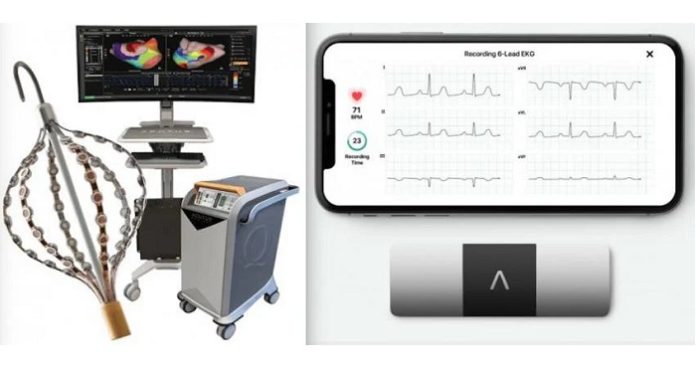
AliveCor, Inc., a leading innovator in FDA-cleared personal electrocardiogram (ECG) technology and services, and Acutus Medical, an arrhythmia management company focused on improving the way cardiac arrhythmias are diagnosed and treated, announced they will collaborate to assess the integration of data collection tools across the cardiology continuum of care that could potentially advance the field of arrhythmia treatment and disease management.

The management and treatment of complex cardiac arrhythmia patients continues to be a challenge for physicians and global healthcare systems and providers. To address these challenges, Acutus and AliveCor plan to launch in the third quarter of this year a post-market pilot study in the U.S. to gain insights on how physicians can utilize the KardiaMobile device to facilitate pre-ablation and/or post-ablation remote monitoring, which may help guide decision making in the management of cardiac arrhythmia patients. This information will enable more informed decisions in the treatment of complex arrhythmia(s) to potentially improve patient outcomes.

โ€œUtilizing data from across the continuum of care to complement our core mapping and therapy technologies furthers our vision to become the provider-of-choice and democratize the treatment of complex arrhythmia patients,โ€ said Vince Burgess, President and CEO of Acutus. โ€œAliveCor will be an excellent partner to help our physicians assess important clinical patient information as they manage and treat their cardiac arrhythmia patients.โ€

Acutus offers a broad and innovative portfolio of highly differentiated electrophysiology tools and products that provide a complete solution for catheter-based treatment of cardiac arrhythmias. The companyโ€™s core technology is the AcQMap 3D Imaging and Mapping System, the only noncontact mapping system in the world to enable the creation of full chamber global activation maps in real-time.

โ€œAliveCor is proud to partner with Acutus to advance understanding of the use of our shared technologies and how we can potentially improve the care and monitoring of cardiac patients,โ€ said Priya Abani, CEO, AliveCor.

AliveCorโ€™s FDA-cleared KardiaMobile device, the most clinically validated personal ECG solution in the world, has been used by more than one million people. The KardiaMobile 6L device is the first and only six-lead personal ECG that detects more arrhythmias than any other personal ECG device. KardiaMobile 6L provides instant detection of Atrial Fibrillation, Bradycardia, Tachycardia, Sinus Rhythm with Supraventricular Ectopy, Sinus Rhythm with Premature Ventricular Contractions, Sinus Rhythm with Wide QRS and Normal Heart Rhythm in an ECG. The FDA recently cleared the KardiaMobile 6L device for healthcare professionals to use the device to calculate patientsโ€™ QTc interval. The acquisition this year of CardioLabs, a leading monitoring and cardiac diagnostic service provider, furthers the mission of AliveCor to extend its comprehensive cardiological services to patients who are recommended monitoring devices by their healthcare providers.

About Acutus Medical

Acutus Medical is an arrhythmia management company focused on improving the way cardiac arrhythmias are diagnosed and treated. Acutus is committed to advancing the field of electrophysiology with a unique array of products and technologies which will enable more physicians to treat more patients more efficiently and effectively. Through internal product development, acquisitions and global partnerships, Acutus has established a global sales presence delivering a broad portfolio of highly differentiated electrophysiology products that provide its customers with a complete solution for catheter-based treatment of cardiac arrhythmias in each of its geographic markets. Founded in 2011, Acutus is based in Carlsbad, California.

About AliveCor

AliveCor, Inc. is transforming cardiological care using deep learning. The FDA-cleared KardiaMobile device is the most clinically validated personal ECG solution in the world. KardiaMobile 6L provides instant detection of Atrial Fibrillation, Bradycardia, Tachycardia, Sinus Rhythm with Supraventricular Ectopy, Sinus Rhythm with Premature Ventricular Contractions, Sinus Rhythm with Wide QRS and Normal Heart Rhythm in an ECG. Kardia is the first AI-enabled platform to aid patients and clinicians in the early detection of atrial fibrillation, the most common arrhythmia and one associated with a highly elevated risk of stroke. AliveCor’s enterprise platform allows third party providers to manage their patientsโ€™ and customersโ€™ heart conditions simply and profitably using state-of-the-art tools that provide easy front-end and back-end integration to AliveCor technologies. AliveCor protects its customers with stringent data security and compliance practices, achieving HIPAA compliance and SOC2 Type 1 and Type 2 attestations. AliveCor is a privately held company headquartered in Mountain View, Calif. โ€œConsumerโ€ or โ€œpersonalโ€ ECGs are ECG devices available for direct sale to consumers.

Leading childrens hospitals use interactive technology from SONIFI Health to ease pediatric patients anxiety

Leading childrens hospitals use interactive technology from SONIFI Health to ease pediatric patients anxiety

Spurred by the limitations of COVID-19 safety precautions, children’s hospitals around the country have been using interactive patient engagement technology from SONIFI Health to provide familiar comforts of home and engaging entertainment to pediatric patients.

Hospitals like Children’s Memorial Hermann, Children’s Minnesota, Kapi’olani Medical Center for Women & Children, and Sanford Children’s frequently use positive distraction techniques to reduce patients’ anxiety and stress. But when the pandemic restricted in-person positive distraction options, SONIFI Health helped facilitate dozens of custom use cases on its interactive platform in pediatric settings.

With SONIFI Health technology implemented in more than 4,000 beds in children’s hospitals, there has been a high demand for adapting coping strategies for young patients, especially those in isolation.

For some locations, this has been as simple as elevating the most popular features of their existing interactive TV platform, making it easy to view on-demand movies, listen to kid-friendly music and relaxation content, mirror screens for gaming, and stream their favorite content.

“Our technology and its features have helped make families more comfortable, and relieved clinical staff during particularly stressful times,” said Heather Hallett, SONIFI Health’s Vice President of Customer Success.

Other patient experience teams created contactless activities for patients by using their SONIFI Health system to broadcast custom videos, including celebrity book readings, physicians doing magic tricks, virtual pet therapy visits, and mindfulness exercises like yoga and breathing techniques tailored to a young audience. Adding livestreams have been a popular way to bring fun events into children’s rooms.

“We’ve found that offering special content on the interactive TV โ€” like our live feed of animals at the San Diego Zoo and streaming video of special celebrations like our Christmas tree lighting ceremony โ€” has helped our families feel more connected to each other and their community,” said Ashley Nelson, Director of Patient Experience at Sanford Children’s Hospital and Sanford Health in South Dakota.

“It’s been inspiring to see the ingenuity from our partners at children’s hospitals as they’ve found ways to share kindness and a sense of connection with patients during an exceptionally challenging year,” said Roy Kosuge, SONIFI Health’s General Manager. “Based on the feedback the hospitals have been getting over the past year and a half, many of these low-effort, high-impact positive distraction ideas will likely be implemented long term. It’s an honor for our SONIFI team to be part of these projects, and we’re excited to see what creative ideas come next.”

About SONIFI Health

SONIFI Health provides interactive technology solutions proven to improve patient engagement, outcomes and staff productivity. The system is delivered across multiple technology platforms including mobile devices, televisions, computers and digital displays to enhance patient and family experiences while increasing hospital operational efficiencies. As part of SONIFI Solutions Inc., the company supports more than 500 million end user experiences per year. Learn more at sonifihealth.com.

Lantheus Announces the First and Only FDA Cleared AI-Enabled PSMA Digital Application, aPROMISE

Lantheus Announces the First and Only FDA Cleared AI-Enabled PSMA Digital Application, aPROMISE

Lantheus Holdings, Inc. announced that its subsidiary, EXINI Diagnostics AB, was granted 510(k) clearance by the U.S. Food and Drug Administration (FDA) for its digital application, aPROMISEโ„ข (automated PROstate Cancer Molecular Imaging Standardized Evaluation). Clinicians will have the option to utilize aPROMISE with PYLARIFYยฎ (piflufolastat F 18) to increase the efficiency and reproducibility of their PSMA PET/CT assessments. PYLARIFY was recently approved by the FDA and is the first and only commercially available PSMA-targeted PET imaging agent for prostate cancer.

aPROMISE is an artificial intelligence-based, medical device software that uses a deep learning algorithm trained and validated across over 3,000 PSMA images to date, to allow healthcare professionals and researchers to perform quantitative assessment of PSMA PET/CT images in prostate cancer. The PROMISE criteria were developed by leading experts in prostate cancer imaging to standardize quantitative evaluation of prostate cancer lesions by location using prostate-specific membrane antigen (PSMA) PET/CT.1 aPROMISE facilitates rapid and robust quantification of prostate cancer lesions in anatomical context, enabling clinicians to make routine use in the clinic of a comprehensive, automated approach to patient evaluation. aPROMISE includes a solution for automated body segmentation and marking, quantifying and reporting suspicious lesions in their anatomical context. aPROMISE provides enhanced consistency in quantitative analysis and standardized reports and has demonstrated increased efficiency and reproducibility of cliniciansโ€™ PSMA PET/CT image assessments.2,3

โ€œLantheus is pleased with the FDA clearance of aPROMISE, our AI-enabled digital application that expands our PSMA platform,โ€ said Etienne Montagut, Chief Business Officer for Lantheus. โ€œWe are excited to provide such an innovative tool for PSMA quantification and reporting that can empower clinicians to make more informed treatment decisions for their prostate cancer patients.โ€

About Prostate Cancer

Prostate cancer is the second most common form of cancer affecting men in the United States — an estimated one in eight men will be diagnosed with prostate cancer in their lifetimes. The American Cancer Society estimates that in 2021, almost 250,000 new cases of prostate cancer will be diagnosed, and more than 30,000 men will die of the disease. Approximately 3.1 million men in the United States currently count themselves as prostate cancer survivors.4

About Lantheus Holdings, Inc.

Lantheus Holdings, Inc. is the parent company of Lantheus Medical Imaging, Inc., Progenics Pharmaceuticals, Inc. and EXINI Diagnostics AB and an established leader and fully integrated provider committed to innovative imaging diagnostics, targeted therapeutics and artificial intelligence solutions to Find Fight and Followยฎ serious medical conditions. Lantheus provides a broad portfolio of products, including the echocardiography agent DEFINITYยฎ Vial for (Perflutren Lipid Microsphere) Injectable Suspension; PYLARIFYยฎ, a PSMA PET imaging agent for the detection of suspected recurrent or metastatic prostate cancer; TechneLiteยฎ (Technetium Tc99m Generator), a technetium-based generator that provides the essential medical isotope used in nuclear medicine procedures; AZEDRAยฎ for the treatment of certain rare neuroendocrine tumors; and RELISTORยฎ for the treatment of opioid-induced constipation, which is partnered with Bausch Health Companies, Inc. The Company is headquartered in North Billerica, Massachusetts with offices in New York, New Jersey, Canada and Sweden.

Translate ยป