








Close
Digital Health & Ai Innovation summit 2026
Medical Taiwan 2026

Abbott’s FreeStyle Libre 2 iOS App Cleared in U.S., Providing a Seamles’s Digital Experience to Simplify Diabetes Management

Abbott's FreeStyle Libre 2 iOS App Cleared in U.S., Providing a Seamles's Digital Experience to Simplify Diabetes Management

Abbott announced that the U.S. FDA has cleared the FreeStyle® Libre 2 iOS application for use with compatible iPhones1, providing a comprehensive digital offering for its FreeStyle Libre 2 integrated continuous glucose monitoring (iCGM) system. Providing breakthrough technology that is accessible and affordable4, the FreeStyle Libre portfolio is the number one continuous glucose monitoring (CGM) system worldwide5 and most prescribed in the U.S.6, changing the lives of nearly 3.5 million people across more than 50 countries including 1 million users in the U.S.

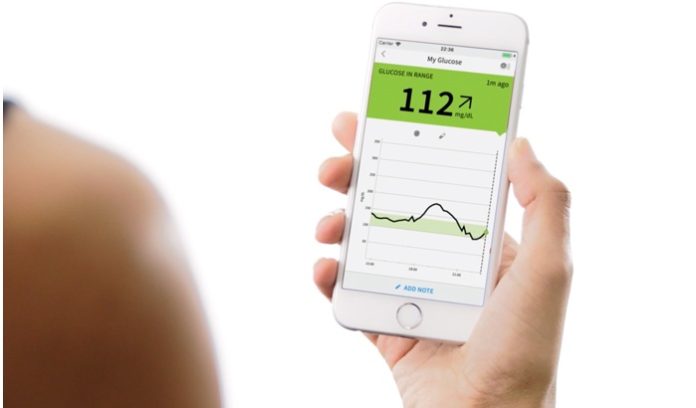
Approved for adults and children (4 and older) with diabetes, the new FreeStyle Libre 2 app creates a seamless experience for users and healthcare professionals. The app enables users to get glucose readings directly on their iPhones without the use of a reader. A key benefit of the app is the ability for caregivers to remotely monitor their loved one’s glucose readings and get real-time alarms via the LibreLinkUp app.7

The demands of living with diabetes can be overwhelming, and there’s a critical need to improve the way people with diabetes manage their condition – easily, affordably, accurately – and in a way that seamlessly fits into their everyday lives,” said Jared Watkin, senior vice president, Diabetes Care, Abbott. “The FreeStyle Libre 2 iOS app streamlines how people manage their diabetes on their iPhones – empowering users with the information they need 24/7 while improving their health on the go.”

According to a recent Gallup poll, 1 in 5 Americans currently tracks health statistics using a mobile app.8 Free to download on the iOS App Store soon, the FreeStyle Libre 2 app will offer personalized, up-to-the-minute glucose data for people with diabetes who are using FreeStyle Libre 2 glucose sensors. By scanning the sensor with the FreeStyle Libre 2 app, users will get their current glucose reading and trend arrow which can help them determine how food, exercise and other lifestyle factors impact diabetes management.

With a 14-day wear time, FreeStyle Libre 2 is the longest-lasting iCGM sensor currently on the market.9 Available at pharmacies at a fraction of the cost of other CGM systems,10 the FreeStyle Libre 2 system is widely accessible to people with diabetes. Integrated features include:

Optional real-time glucose alarms2 that automatically alert users when glucose is high or low
Unsurpassed 14-day accuracy11 with readings every minute and an eight-hour glucose history, including comprehensive view of trends
Seamless integration with Abbott’s connected digital health tools – the LibreLinkUp app and LibreView12, a secure cloud-based data management platform – allowing users to easily share their glucose readings with healthcare professionals and caregivers. Accessible remotely, use of LibreView increased about 70% over the past year.13

“The pandemic taught us the importance of connected devices in managing chronic conditions remotely, and we continue to see the benefit from the latest advances in digital health,” said Kurt Midyett, M.D., pediatric endocrinologist and medical director at Midwest Pediatric Specialists. “Continuous glucose monitoring is one of the most significant health tech innovations in the last decade, and I see the life-changing benefits first-hand from my patients every day. As a doctor, it’s invaluable to receive my patients’ glucose data remotely via systems like LibreView – enabling more meaningful conversations with my patients, and ultimately, improving treatment decisions and their long-term health.”

Abbott has secured partial or full reimbursement for the FreeStyle Libre system in 38 countries, including Canada, France, Germany, Japan, the United Kingdom, and the U.S.

About Abbott:

Abbott is a global healthcare leader that helps people live more fully at all stages of life. Our portfolio of life-changing technologies spans the spectrum of healthcare, with leading businesses and products in diagnostics, medical devices, nutritionals, and branded generic medicines. Our 109,000 colleagues serve people in more than 160 countries.
NuVasive Receives Latest FDA Clearance for Pulse Platform and Announces Commercial Launch

NuVasive Receives Latest FDA Clearance for Pulse Platform and Announces Commercial Launch

NuVasive, Inc., the leader in spine technology innovation, focused on transforming spine surgery with minimally disruptive, procedurally integrated solutions, announced that it received its latest U.S. FDA 510(k) clearance for the Pulse® platform, after receiving CE certification earlier this summer. In addition, the Company announced the commercial launch of Pulse which is now available for sale in targeted global regions.

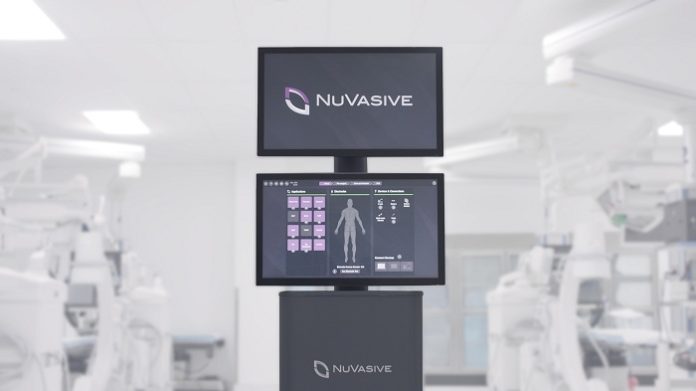
Pulse is an integrated technology platform designed to increase safety, efficiency, and procedural reproducibility of spine surgery. The platform allows surgeons to easily access multiple technologies from a condensed footprint and address some of the most common surgical challenges. It is currently the only enabling technology platform with the ability for utilization in 100% of spine procedures.1

“The Pulse platform launch is an incredible milestone for NuVasive and will help lead the digital transformation of spine surgery. Surgeons are now able to seamlessly work with various technologies to address more clinical challenges in surgery from a single platform—something they could not do before Pulse,” said J. Christopher Barry, chief executive officer of NuVasive. “This is the culmination of years of research and development to deliver a platform that helps improve clinical, financial, and operational outcomes. Like we did with XLIF, Pulse is a disruptive technology that has the ability to transform not only the trajectory of NuVasive but the future of spine care for patients.”

Benefits for patients, surgeons, and hospitals
The availability and integration of multiple applications in Pulse helps surgeons adopt less invasive and more advanced surgical procedures—which provide benefits to the patient, surgeon, and hospital. The benefits of less invasive surgery are supported by extensive clinical evidence, and include:

  • Reduced operating room (OR) time by up to 60 minutes,2
  • Savings of nearly $5,000 per patient in hospital costs,3,4
  • Reduced time under anesthesia and lower intraoperative risks,5 and
  • Reduced length of stay in the hospital.6

“This first-of-its-kind platform supports all spine procedure types—from open to less invasive techniques. Pulse is one of the most versatile tools in the spine OR, and the integration of multiple technologies in one platform enhances a surgeon’s capabilities to make better, more informed clinical decisions for their patients,” said Massimo Calafiore, executive vice president, Global Business Units at NuVasive. “I want to thank our NuVasive team and the many surgeons who helped bring Pulse to market and enable better spine surgery.”

An integrated technology platform to enable better spine surgery
Pulse integrates multiple technologies into one platform, and its extensible architecture can support future applications, including robotics and smart tools.7 Currently, the platform includes:

  • Radiation reduction and imaging enhancement: NuVasive’s Lessray® technology was designed to increase OR efficiency through streamlined imaging workflow, while also significantly reducing exposure to radiation for everyone in the room.[8] Pulse supports numerous imaging systems, but offers enhanced integration with Siemens’ cutting-edge 3D mobile C-arm—the Cios Spin®.
  • Navigation: Pulse introduces a procedurally integrated navigation technology that offers the potential to improve screw placement accuracy and minimize radiation.
  • Neuromonitoring: This application provides proprietary automated nerve detection with standardized setup and clinically validated alerts[9] to help reduce variability and allow for faster interpretation of neural information.
  • Global alignment: NuVasive’s Integrated Global Alignment (iGA®) technology offers surgical planning and intraoperative assessment tools to help surgeons correct or restore spinal alignment. Surgeons can later follow up postoperatively to assess the results of the procedure.
  • Patient-specific rod bending: NuVasive’s spinal rod bending technology, Bendini®, is used to create patient-specific rods that are bent to implant locations. Bendini expedites manual rod manipulation through computer-assisted bend instructions.
  • Wireless connectivity: This tool allows seamless connectivity and control of the Pulse platform from all members of the surgical team in the OR—from the surgeon to the C-arm technologist to support staff.

Learn more about Pulse
To learn more about the Pulse platform, visit NuVasive on our website or at upcoming industry events:

  • NuVasive’s first virtual Innovation Event—click to watch
  • 37th Annual Meeting of the Section on Disorders of the Spine and Peripheral Nerves (July 28-31)
  • 2021 American Association of Neurological Surgeons Annual Scientific Meeting (August 21-25)
  • Scoliosis Research Society 56th Annual Meeting (September 22-25)

About NuVasive
NuVasive, Inc. is the leader in spine technology innovation, with a mission to transform surgery, advance care, and change lives. The Company’s less-invasive, procedurally integrated surgical solutions are designed to deliver reproducible and clinically proven outcomes. The Company’s comprehensive procedural portfolio includes surgical access instruments, spinal implants, fixation systems, biologics, software for surgical planning, navigation and imaging solutions, magnetically adjustable implant systems for spine and orthopedics, and intraoperative neuromonitoring technology and service offerings. With more than $1 billion in net sales, NuVasive has approximately 2,700 employees and operates in more than 50 countries serving surgeons, hospitals, and patients.

Abbott launches insertable cardiac monitor for abnormal heart rhythms

Abbott announced the U.S. launch of Jot Dx™, the company’s latest insertable cardiac monitor (ICM). The Jot Dx™ ICM gives clinicians and hospitals control of how they manage the flow of information through a unique feature to view either all abnormal heart rhythm data or to simplify which irregular heart rhythms are recorded with a “key episodes” option. This technology allows for remote detection and improved diagnosis accuracy of cardiac arrythmia in patients. Jot Dx™ ICM is supported by SyncUP™, a personalized service that delivers one-on-one training and education to help patients get connected and stay connected to their ICM.

An arrhythmia is an abnormal heart rhythm that develops when disease or injury disrupts the heart’s electrical signals, causing the heart to beat erratically. As a result, arrhythmias can lead to symptoms such as palpitations, dizziness, shortness of breath or fainting. The most common arrhythmia is atrial fibrillation, or AFib, which is projected to impact more than half of the worldwide population by 2050.2

“Over the past year, there has been an increased focus on telehealth and connected care technology. This has provided access to more data, adding to the time needed to assess patients thoroughly,” said John Costello, D.O., Electrophysiology at The Heart House, Marlton, New Jersey. “With the Jot Dx key episodes option, the ability to distil information is a distinct, time-saving enhancement that helps care teams make important, life-saving clinical care decisions faster.”

Leveraging the Potential of Connected Care

To better help physicians diagnose their patients’ abnormal heart rhythms, Jot Dx™ ICM continuously monitors patient cardiac rhythms 24 hours a day, 7 days a week and connects directly to myMerlin™, a downloadable mobile app that transmits data in real-time to both the clinician and patient. For the first time in an ICM, Jot provides clinicians increased control over patient monitoring, with an option to toggle between viewing only three key episodes or all episodes depending on individual patient needs to make and accurate diagnosis. This functionality reduces overall data burden. For example, for every 100 patients, it can save clinic staff up to 120 hours per month in reviewing electromyogram (EGM) transmissions3 while also providing the flexibility needed to find hard-to-detect arrhythmias.

In addition to improving workflow for physicians, clinics and health systems monitoring patients with potential abnormal heart rhythms, Abbott is also improving how patients interact with their device. A key element in the setup of Jot Dx™ ICM and the myMerlin™ mobile app is the new SyncUP™ support service, which Abbott offers on select products as part of its connected care portfolio. With SyncUP™, an Abbott support expert will enroll a patient with a newly implanted device in the system, orient them through getting to know their new heart monitoring device and confirm connection to the myMerlin™ app.

SyncUP™ is designed to educate people about the technology from the comfort of home, which has been shown to increase information retention and encourage compliance4, and helps reduce in-clinic burden. Currently, the process to ensure a patient is connected is conducted in the healthcare facility directly following the device’s implant, which prolongs the stay for the patient. SyncUP™ also support patients with Abbott’s implantable defibrillator, Gallant™ ICD.

Once connected, clinicians can monitor patients remotely, allowing for identification of asymptomatic episodes, as well as patient-triggered transmissions, which can lead to earlier intervention. Remote monitoring can shorten the time for doctors to diagnosis and make a care decision, if needed.5,6

“Technology can be intimidating, particularly when your heart is relying on it,” said Heidi Hinrichs, divisional vice president of global clinical and regulatory for Abbott’s Cardiac Rhythm Management business. “With Jot Dx™ ICM, myMerlin™, SyncUP™ and our other technologies, we want people to feel supported, knowledgeable and confident when using them, and ultimately, in control of their care. We understand healthcare is not one-size-fits-all and have learned from the people who use our products that a patient-centric approach can lead to a more manageable heart health experience.”

Abbott myMerlin™

The myMerlin™ mobile app collects information from a patient’s heart device and sends it to their healthcare team. The app allows patients to engage more frequently with their healthcare team by providing access to transmission history and device performance, and the app can prompt patients to schedule their next appointment. The app also lets patients record symptoms when they are felt —making diagnosis easier than ever.

About Abbott

Abbott is a global healthcare leader that helps people live more fully at all stages of life. Our portfolio of life-changing technologies spans the spectrum of healthcare, with leading businesses and products in diagnostics, medical devices, nutritionals and branded generic medicines. Our 109,000 colleagues serve people in more than 160 countries.

 

Baxter Advances Enterprise Digital Transformation in Collaboration with AWS

Digital India Health Summit & Innovation Awards

Baxter International Inc., a global medical products company, is accelerating its companywide digital transformation across three strategic areas – developing new digital health solutions to personalize and improve patient care; creating seamless experiences for healthcare customers and patients; and modernizing technology capabilities and business processes to deliver data and insights to employees and customers. The company is working with Amazon Web Services, Inc. (AWS) to enable cloud technology solutions to drive its digital transformation forward.

“Our digital transformation will help us advance our mission to save and sustain lives while delivering value to our patients, clinicians, customers and employees,” said Andy Frye, Baxter’s senior vice president, Asia Pacific, and executive sponsor of the company’s digital transformation. “Our goals are ambitious, and we are collaborating with digital leaders like AWS to reach our goals at speed and scale that will transform Baxter into a company driven by data and insights.”

As part of the companywide effort, Baxter extended its multi-year strategic agreement with AWS to further drive the company’s use of the cloud as a foundational element of its technology infrastructure. For the past several years, the companies have been working together to move Baxter’s physical data centers to the cloud, work which is now nearly complete. Enabling a secure cloud-based foundation has helped modernize many of the company’s platforms and applications, which serve patients, clinicians, customers and employees. When compared to operating physical data centers, the transition to the cloud has delivered several benefits to Baxter, including increased speed to market for new tools and solutions; the ability to quickly expand technology solutions to new geographies; and significant cost savings.

Baxter is using AWS’s broad and deep portfolio of cloud services to deliver new insights and digital health solutions for the millions of patients and caregivers that use their leading portfolio of medical products,” said Greg Pearson, vice president, Worldwide Commercial Sales at AWS. “Baxter’s digital transformation is helping the company unlock the potential of healthcare data and develop a more personalized approach to care, using the unmatched reliability and proven security of one of the world’s leading cloud providers. We look forward to continuing our work with Baxter as the company transforms itself in the cloud, helping drive improved outcomes for patients and new tools for caregivers that improve the quality of care.”

Digital Health Solutions

Baxter’s cloud infrastructure is foundational to expanding the company’s portfolio of digital health solutions, which span high and low acuity care settings, including home dialysis. The company’s leading Sharesource remote patient management platform allows healthcare professionals to securely and compliantly monitor their patients’ home dialysis treatments, and then remotely adjust therapy without the need for patients to make unplanned visits to the clinic. Sharesource is powered by AWS, which enables Baxter to support daily treatments at scale while also expanding the platform to include new analytics capabilities, among other enhancements. Sharesource is the most widely adopted home dialysis digital health solution, supporting nearly 46% of home dialysis patients in more than 70 countries. Sharesource has been used to manage more than 28 million treatments to date.

The cloud transformation is also supporting Baxter’s DoseEdge Pharmacy Workflow Manager, an innovative software solution that reduces preventable medication errors from dose preparation in the pharmacy to delivery at the patient’s bedside. DoseEdge seamlessly integrates with a hospital’s pharmacy information system to automate the process of routing, preparing, inspecting, tracking, and reporting on IV and oral liquid doses. While the technology is already used in more than 500 hospitals across the U.S., Baxter’s cloud transformation creates an opportunity for accelerated expansion into new markets, while meeting local data security and privacy requirements.

“Baxter’s focus on becoming a cloud-driven company is a powerful example of the value of our transformation, from accelerating therapies for patients and enabling safe, quality hospital care to empowering employees with data and insights to drive our business forward. We are proud of our progress with AWS to make this vision a reality,” said Talvis Love, chief information officer, Baxter.

Supply Chain Resilience

The pandemic created new challenges for healthcare facilities and global supply chains, from unexpected demand for certain medical products to disruption of raw materials and component availability. Baxter’s cloud infrastructure has enabled the company to proactively, securely and efficiently manage its global supply chain amidst significant uncertainty. Early in the pandemic, rates of acute kidney injury (AKI) among critically-ill COVID-19 patients increased dramatically, leading to higher demand for Baxter’s continuous renal replacement therapy (CRRT) products used to treat the condition. AKI is when the kidneys suddenly stop working and/or cytokine storms develop, which occur when high levels of the inflammatory mediators circulate in the blood as an intense immune reaction to the virus.

Baxter’s supply chain team used a suite of cloud-based data and analytics tools in daily simulations and scenario planning to proactively manage and adapt to each new development. This allowed Baxter to activate every possible solution, from maximizing manufacturing capacity in multiple locations to accelerating shipping times. The company also built a complex data model to help validate which hospitals were caring for the highest volumes of critically-ill patients. This model helped the company allocate product based on patient need. Ultimately, Baxter’s digital infrastructure helped its teams deliver more life-sustaining products to customers when they needed them most.

Employee Digital Training

Looking ahead, the company continues investing in upskilling its global workforce through robust digital learning programs focused on helping employees build digital skills and knowledge that can be harnessed to scale up digital transformation projects across the company’s operations. Beyond this, more than 200 Baxter employees have at least one AWS certification, enabling the company to accelerate innovation and efficiently align to ever changing healthcare and patient needs.

About Baxter

Every day, millions of patients and caregivers rely on Baxter’s leading portfolio of critical care, nutrition, renal, hospital and surgical products. For 90 years, we’ve been operating at the critical intersection where innovations that save and sustain lives meet the healthcare providers that make it happen. With products, technologies and therapies available in more than 100 countries, Baxter’s employees worldwide are now building upon the company’s rich heritage of medical breakthroughs to advance the next generation of transformative healthcare innovations. To learn more, visit www.baxter.com and follow us on Twitter, LinkedIn and Facebook.


WELL Health Launches ChatAssist AI: Enabling Conversational AI Between Patients and Healthcare Providers

Well Health Inc., a SaaS digital health leader in patient communications and 2021 Best in KLAS winner in Patient Outreach, launches ChatAssist AI to enable better communications between healthcare providers and their patients. ChatAssist AI builds on the existing, top-rated WELL™ Health platform and uses a sophisticated Natural Language Understanding (NLU) engine.

ChatAssist AI builds on the existing, top-rated WELL Health platform and uses a sophisticated NLU engine.

“ChatAssist AI automates thousands of conversations between patients and providers, and gracefully hands off to staff when human intervention is required,” said Guillaume de Zwirek, CEO and Founder, WELL Health. “ChatAssist AI can independently navigate complex, multi-step patient communications, resulting in a positive experience for both patients and staff. Patient satisfaction improves with a faster response time from providers and staff are freed up to focus on high-touch interactions that their jobs demand.”

Promising Pilot Results
ChatAssist AI is instrumental in helping busy healthcare providers. Epic EMR customer, Sansum Clinic, which serves 130,000 patients from 23 locations across California’s Central Coast, piloted ChatAssist AI for six months with a focus on:

  • Telehealth
  • Portal enrollment
  • Insurance verification
  • COVID vaccinations

The ChatAssist AI pilot results showed:

95 percent of the conversations were successfully completed without staff intervention1, among the ChatAssist AI conversations where patients responded.
13 different ChatAssist AI use cases resulted in 35,000 fully automated patient conversations2, totaling 546 hours of staff time saved3 (within six months of deployment).

“ChatAssist AI has been our Swiss Army knife for addressing the range of communication challenges we’ve faced over the past year, particularly in vaccine distribution,” said Karen Handy, Vice President of Operations, Sansum Clinic. “WELL Health ChatAssist AI improved our customer experience with personalized messaging while saving an incredible amount of staff time. We’re continuing to use WELL Health ChatAssist AI to address even more use cases and enable us to quickly and nimbly respond to our patients with the power of digital communications.”

ChatAssist AI Details
ChatAssist AI can understand and respond to millions of diverse, unstructured patient responses on behalf of health systems, allowing patients to engage using their own words (in English and Spanish) and their preferred channels, and receive real-time, conversational responses from their providers. ChatAssist AI combines these natural language understanding capabilities with healthcare specific use case capabilities to deliver reliable and cutting-edge solutions.

ChatAssist AI is built to deliver a conversational experience to patients, incorporating industry leading AI capabilities and configurable healthcare workflows and content to improve patient and staff experience. WELL Health will continue to expand on these innovative capabilities through the use of AI and other technologies that deliver value to patients, staff, and healthcare systems.

About Well Health Inc.
WELL™ Health is a SaaS digital health leader in patient communications and the 2021 Best in KLAS winner in Patient Outreach. The WELL Health intelligent communications hub is the only two-way digital health solution engaging patients throughout their entire care experience. WELL Health enables conversations between patients and their providers through secure, multilingual (19 different languages) messaging in the patient’s preferred communications channel: texting, email, telephone, and live chat. WELL Health helps 200,000+ providers facilitate more than 1.1 billion messages for 37 million patients annually. By unifying and automating disjointed communications across healthcare organizations, WELL Health reduces unnecessary provider stress and potential errors, while increasing patient visits and loyalty.

Surescripts New Clinical Intelligence Solutions Help Care Management Teams Support Better Outcomes for Patients

What To Do When the Doctor Says It's All in Your Head

Surescripts has expanded its interoperable solutions to bring actionable clinical intelligence into the care process and help providers proactively follow up with patients experiencing significant care events. These new clinical intelligence solutions notify providers in their electronic health record (EHR) software of clinical and medication events so that they can address lapses in care, missed care interventions, medication non-adherence and gaps in care that plague the system today.

Is the patient taking their medication as prescribed? Providers simply won’t know—at least not until the patient shows back up to the hospital for readmission. Address gaps in care and non-adherence with actionable clinical intelligence.
Tweet this

Healthcare interoperability alone isn’t enough. Clinical intelligence that is accurate, timely and actionable is the next step in our journey for closing costly gaps in care,” explained Mike Pritts, Chief Product Officer of Surescripts. With these new solutions, care management teams and healthcare organizations can build better and more efficient care management programs that drive better health outcomes.

Surescripts Care Event Notifications and an enhanced Medication History for Populations service that includes patient notifications allow providers, including care managers, to proactively reach out to patients experiencing significant care events, lapses in care, adherence issues or adverse drug events. Together, these solutions give providers insight into events such as the patient going to a doctor, presenting at a hospital and being admitted or discharged. They also offer updates for certain prescription activities such as a refill not being picked up, a new prescription from a new provider and no refills remaining. By receiving these notifications in their EHR workflow, providers can take steps to follow-up or intervene with the patient before they even schedule an appointment or show up at their facility.

“Visibility into patients’ prior care events and medication history helps care teams effectively coordinate care and improve health outcomes,” said Andrew Mellin, MD, Chief Medical Officer at Surescripts. “With the clinical intelligence conveyed through these interoperability solutions, health teams can fill in information gaps and bring actionable patient intelligence into their care management workflows, so care navigators can focus on engaging patients at the right time.”

These solutions address key issues facing healthcare today, including the more than $105 billion of avoidable healthcare costs that have been attributed to non-adherence in the U.S. each year. As of May 1, 2021, the Centers for Medicare and Medicaid Services (CMS) requires hospitals to send electronic patient event notifications of a patient’s admission, discharge, or transfer to another healthcare facility, community provider or practitioner. With 26% of physicians not receiving hospital discharge summaries in time for most follow-up appointments, this rule is intended to improve care coordination by allowing a receiving provider, facility, or practitioner to reach out to the patient and deliver appropriate follow-up care in a timely manner.

Visit Surescripts.com to learn how these solutions deliver clinical intelligence, not only to connect care providers but help them make more informed care decisions for their patients.

About Surescripts

Our purpose is to serve the nation with the single most trusted and capable health information network, built to increase patient safety, lower costs and ensure quality care. Since 2001, Surescripts has led the movement to turn data into actionable intelligence, and convened the Surescripts Network Alliance® to enhance prescribing, inform care decisions and advance the healthcare industry.

Verana Health Partners with Komodo Health to Give Clinical Researchers Deeper Insight into Real-World Patient Journeys

Verana Health announced it is strengthening its de-identified, real-world electronic health record (EHR) data sets in a partnership with Komodo Health, arming researchers with a more comprehensive understanding of patient experiences at the population level. The agreement will enable Verana Health to expand the depth, breadth, and diversity of its real-world EHR data sets, unlocking new insights into the patient journey for multiple disorders and conditions in ophthalmology, neurology, and urology.

In addition to Verana Health’s robust, de-identified real-world data—from more than 70 EHRs, 21,000 contributing providers, and 80 million patients—clinicians and researchers will gain access to Komodo’s industry-leading Healthcare Map™, which contains the most complete, longitudinal view of more than 325 million de-identified patient journeys across the United States. Joining these data sets will enable researchers to surface rich and nuanced insights pertinent to patients’ care trajectories, such as other medical services, hospitalizations, treatment and medication history, and patient socioeconomic and demographic data. These enriched data sets will also enable routine capture of longitudinal clinical outcomes and show a connection to the medication regimen and cost of care.

“Verana Health’s physician-documented EHR data provides a powerful description of patient care for a broad range of patient types and diseases,” said Marc Berger, CEO, Verana Health. “Integrating patient journeys from Komodo’s Healthcare Map allows us to take a critical next step to deepen our data and enrich the insights we can offer to researchers.”

Verana Health’s partners and collaborators will have access to these combined data sets for a more holistic view of patient health and to enable further data-driven insights that will inform the development of medical products. For example, researchers leveraging Verana Health’s ophthalmology data set will now have much more complete information about the treatment of glaucoma using oral and topical medications—which are not well captured in EHR data—thus enhancing the value and applications of these insights for studying new treatments that are designed to improve the clinical outcomes of this common and disabling condition.

“Our relationship with Verana Health gives us an incredible opportunity to offer researchers a deeper, more nuanced level of insight,” added Arif Nathoo, MD, CEO, Komodo Health. “As the healthcare industry, including biopharma, healthcare providers, and our health technology partners increasingly asks for real-world data and research, these solutions will be instrumental in solving healthcare’s toughest challenges and reducing disease burden at scale.”

Beyond ophthalmic conditions, this unique linkage of rich, multi-specialty EHR data with insights from Komodo’s Healthcare Map will also advance research efforts to improve treatment for urological and neurological disorders. With multiple sclerosis, for example, connecting these data sets will combine information on the use of injectable and oral medications, patient encounters with all health care providers contributing to their care, and longitudinal assessments and outcomes. This combined view will provide a broader perspective and contribute to deeper insights and advances in treatment.

“Verana Health’s partnership with Komodo Health offers an important advantage for neurologists, including our Academy members,” said James C. Stevens, MD, Immediate Past President, American Academy of Neurology (AAN), and a Verana Health board member. The AAN collaborates with Verana Health to manage and conduct data analytics on its real-world Axon Registry? data. “Offering integrated de-identified data from EHRs, claims, and other sources to our members and the broader clinical and research communities puts us that much closer to improved and new treatments for the one out of six people living in the US who suffer from neurologic disease.”

About Verana Health

Verana Health is a healthcare technology and analytics company entrusted by key medical associations to manage multi-specialty, real-world data at every stage of the analytics process—from entry to evidence. Anchored in ophthalmology, neurology, and urology, the Company acts as a linchpin in the healthcare data ecosystem, making data meaningful and actionable to empower physicians and accelerate research for patients. By curating and applying advanced analytics to real-world clinical data, Verana Health helps life sciences partners enhance evidence generation, reinvent medical research, and drive innovations in specific disease areas.

About Komodo Health

Komodo Health believes that smarter, more innovative use of data and analytics is essential for reducing disease burden. We apply artificial intelligence and other advanced data science techniques to our first-of-its-kind Healthcare Map™, which tracks the unique patient journeys of over 325 million patients. We empower a multitude of healthcare stakeholders – life sciences companies, healthcare payers and providers, patient advocacy groups, and others – to create a more cost-effective, value-driven healthcare system.

About the American Academy of Neurology

The American Academy of Neurology is the world’s largest association of neurologists and neuroscience professionals, with 36,000 members. The AAN is dedicated to promoting the highest quality patient-centered neurologic care. A neurologist is a doctor with specialized training in diagnosing, treating and managing disorders of the brain and nervous system such as Alzheimer’s disease, stroke, migraine, multiple sclerosis, concussion, Parkinson’s disease, and epilepsy.


Biofourmis Earns FDA’s First-Ever Breakthrough Device Designation for a Novel Digital Therapeutic for Heart Failure

Biofourmis Earns FDAs First-Ever Breakthrough Device Designation for a Novel Digital Therapeutic for Heart Failure

Biofourmis, a Boston-based global leader in virtual care and digital therapeutics, announced its BiovitalsHF® solution is the first-ever heart failure digital therapeutic to receive a Breakthrough Device designation from the U.S. Food and Drug Administration (FDA). BiovitalsHF® is a software medical application that augments guideline-directed use of heart failure medications to manage patients in combination with traditional pharmacotherapy.

The Breakthrough Devices Program was created to provide patients and providers with timely access to medical devices by speeding up their development, assessment and review while preserving the statutory standards for premarket approval, 510(k) clearance, and De Novo marketing authorization, according to the FDA.

“This important breakthrough designation will help accelerate FDA’s final review of BiovitalsHF®,” said Kuldeep Singh Rajput, CEO and founder of Biofourmis. “If approved at the end of this expedited process, we look forward to introducing a new virtual heart failure care model that leverages the BiovitalsHF® digital therapeutic to improve the use and dosing of Guideline-Directed Medical Therapy among patients with heart failure, for better patient outcomes and reduced healthcare expenditures.”

Heart failure remains the leading cause of hospitalization for patients over age 65. In the U.S., approximately 6.2 million patients live with heart failure, which carries an annual cost that is expected to reach $70 billion by 2030. Guideline-Directed Medical Therapy (GDMT) is a cornerstone of the management of individuals with heart failure with reduced ejection fraction (HFrEF). Timely initiation and dose intensifications of GDMT continue to be a major challenge in realizing clinical trial outcomes in the real world, despite the availability of guidelines from professional societies such as the American Heart Association and the American College of Cardiology. This is evidenced by research that shows less than 1% of heart failure patients are on the optimal dose of their HF medication and less than 25% of eligible patients receive GDMT. Clinical decisions regarding the use and dosing of GDMT among HFrEF patients must take into consideration various factors, including medical history, vital signs (e.g., heart rate, blood pressure), laboratory data (e.g., electrolytes, creatinine), and patient symptoms, as well as medication-related side effects. Currently, these decisions are made by the clinical care team periodically during in-person or virtual clinical interactions based on data gathered from disparate data sources (e.g., patients, electronic medical record, etc.).

BiovitalsHF® augments clinical decision-making with the goal of personalizing and improving the use and dose of GDMT among patients with HFrEF. The device integrates physiological monitoring, symptoms and signs reporting, patient engagement, medication management, and communication to provide clinicians with personalized and specific medication recommendations. The system alleviates some of the problems that prevent GDMT titration because: a) it enables patient health status and drug tolerance to be accurately assessed through continuous physiology monitoring and inclusion of lab assessment results for analysis; b) it reduces clinical inertia by prompting clinicians and patients on medication initiation and up-titration; c) it reduces the burden of clinical visits through a patient-clinician communication system, which becomes essential in circumstances such as a pandemic; and d) it requires less resources than nurse-led programs, because titration recommendations from the HFrEF management guidelines are distilled in the system.

“The BiovitalsHF® digital therapeutic is a software medical application that enables providers to rapidly initiate and intensify life-saving and guideline-recommended medical therapies for patients with heart failure with reduced ejection fraction in a way that is nearly automated,” said Maulik Majmudar, MD, cardiologist and chief medical officer and co-founder of Biofourmis. “In a proof-of-concept study, in patients using BiovitalsHF®, we demonstrated statistically significant improvements in adherence to GDMT; reduction in levels of the key blood biomarker of heart failure NT-ProBNP; and improvements in health status.”

Dr. Majmudar added: “BiovitalsHF® gets patients on the right therapies faster, which studies have shown helps save lives, prevents emergency department visits and hospital admissions, and enables patients to have a better quality of life. The FDA Breakthrough Devices program was created to help bring effective treatment of life-threatening or irreversibly debilitating conditions to market sooner, and BiovitalsHF® is a perfect candidate for this program due to its clinical importance and impact.”


About Biofourmis
Biofourmis is a global leader in virtual care and digital therapeutics, offering an innovative and comprehensive Care@Home platform that enables clinicians to deliver personalized predictive care to patients outside of a traditional hospital or clinic across the continuum of care, including acute, post-acute, and chronic care. Biovitals®, a highly sophisticated AI-powered health analytics platform, utilizes medical-grade wearables to continuously collect patient data to predict clinical exacerbation in advance of a critical event, which enables earlier interventions and leads to better clinical and financial outcomes.


https://www.biofourmis.com/press-releases/biovitalshf-fda-breakthrough-designation-approval/

Baxter Announces Acquisition of PerClot Polysaccharide Hemostatic System to Expand Advanced Surgery Portfolio

Baxter International Inc., a leading global medical products company, announced its Baxter Healthcare Corporation subsidiary has completed the acquisition of certain assets related to PerClot Polysaccharide Hemostatic System from CryoLife, Inc (NYSE:CRY) for up to $60.8 million, including $25 million paid upfront. The remainder will be paid out upon achievement of certain select milestones. The transaction reinforces Baxter’s strategy of acquiring products and technologies that both complement and augment the company’s leading portfolio across the hospital, including in the operating room. PerClot has a global commercial presence with sales in more than 35 countries worldwide. It is not currently cleared for sale in the United States.

“The addition of PerClot further enhances our ability to optimize patient care by addressing a broad range of intraoperative bleeding with both active and passive hemostatic solutions, helping surgeons to use the right product for the right bleed,” said Wil Boren, president of Baxter’s Advanced Surgery business. “PerClot launches Baxter into the attractive hemostatic powder segment, while expanding our surgical offerings and complementing our recent acquisition of Seprafilm Adhesion Barrier.”

Addressing intraoperative bleeding is important in preventing blood transfusions and major complications for patients, as well as reducing the total cost of care. A blood management strategy that includes effective hemostasis is especially critical in today’s environment, given current worldwide shortages of blood donations and products due to the ongoing COVID-19 pandemic. A recent retrospective analysis found that implementing a framework that incorporates patient factors and a bleeding severity tool, such as Baxter’s Validated Intraoperative Bleeding Scale (VIBe SCALE), can support optimal hemostatic product selection.[1]

A polysaccharide hemostatic powder can be used as an adjunctive hemostat to facilitate control of bleeding from capillary, venous or arteriolar vessels to address low-grade intraoperative bleeding.[2] PerClot is composed of plant starch that is modified to create an adhesive hemostatic powder. It is used as an adjunctive hemostatic device to control bleeding during multiple open and laparoscopic surgical procedures, including gynecologic, general, cardiovascular and urology. PerClot rapidly absorbs water from blood to produce a gelled matrix that adheres to and forms a mechanical barrier with the bleeding tissue.

About Baxter

Every day, millions of patients and caregivers rely on Baxter’s leading portfolio of critical care, nutrition, renal, hospital and surgical products. For 90 years, we’ve been operating at the critical intersection where innovations that save and sustain lives meet the healthcare providers that make it happen. With products, technologies and therapies available in more than 100 countries, Baxter’s employees worldwide are now building upon the company’s rich heritage of medical breakthroughs to advance the next generation of transformative healthcare innovations.

Hollywood Teeth: All You Need to Know

How Has Technology Revolutionised The Way We Brush?

Hollywood teeth are a cosmetic dentistry procedure otherwise known as Hollywood Smile. It refers to a practice in dentistry that uses thin porcelain shells shaped like teeth to cover all existing mishaps. This procedure first originated in the early 20s, and since then has shaped beauty standards in Hollywood.

Although Hollywood teeth have come very far from their humble beginnings, it’s entirely owing to the inconveniences of the first ever procedure which motivated dentistry practices to develop.

What Are Hollywood Teeth?

Hollywood teeth refers to veneers, a very common practice in cosmetic dentistry. Using porcelain shells, your doctor cements these veneers on to the front of your teeth covering all the defects. From correcting irreversible pigmentation, gapping, chipping, breaking, and even mild to moderate misalignment. To make your Hollywood teeth fit perfectly perfectly, your doctor has to first shave down your teeth and then take impressions of your mouth. Typically, the impressions are done manually where you’re expected to bit onto a mould. More advanced technologies are so available and they use computer-assisted cameras to take accurate impressions of your mouth.

Depending on where you choose to opt for the procedure, you can get it done extremely professionally or mediocrely.  For instance, state-of-the-art clinics like Dentakay provide an entirely and excellently customizable Hollywood teeth procedure where the advanced technologies can give you a smile that brings out your unique and natural beauty.

Do I Have to Have My Teeth Shaved Down for the Procedure?

There are two types of Hollywood teeth and only one requires the shaving of your teeth. There’s veneers and lumineers. Veneers are the thicker and option used to hide severe mishaps. Hence, they require your teeth to be shaved down in order to make space for their installation.

On the other hand, you have the lumineers, these are ultra slim shells and are suitable for cases with minor mishaps. Because they are extremely fine in width, your dentist doesn’t need to file down your teeth to place them.

How Long Do Results Last?

Results of the Hollywood teeth procedure can last up to a decade. Porcelain is a very durable material and with the right care the veneers can stay intact. Some of the points you have to keep in mind to get the best out of your smile makeover is that dental hygiene is key and that applying pressure to your teeth or opening items using your teeth is to be avoided at all times.

Can I Get My Hollywood Teeth in One Day?

There are many advanced technologies such as the CAD/CAM system which makes it possible to get the procedure within 2 to 3 days. This system uses computer-assisted cameras to take impressions of your mouth and then send them to a software that designs the most suitable shape of veneers for you. This data is then sent to a 3D printer that manufactures the veneers immediately.

Contact Dentakay

To learn more about the Hollywood teeth procedure, contact the leading Istanbul-based Dentakay.

Translate »