








Close
Digital Health & Ai Innovation summit 2026
Medical Taiwan 2026

Monument Health Delivers Optimal Patient Care with an Aruba Unified Network

Verizon Business launches BlueJeans Telehealth for better connected health

Aruba, a Hewlett Packard Enterprise company announced that Monument Health, a community-based, integrated healthcare system headquartered in Rapid City, South Dakota, has completed the first of its three year comprehensive network overhaul, replacing its Cisco equipment with an Aruba ESP (Edge Services Platform)-based infrastructure, to help enable exceptional patient care.

Monument Health offers care in 33 medical specialties, serving 20 communities across western South Dakota and eastern Wyoming via six hospitals, eight specialty and surgical centers, and more than 40 medical clinics and care centers. To enable its 4,500+ physicians and caregivers to make better decisions and access critical information from wherever they work within the organization, Monumentโ€™s IT team knew that its aging network infrastructure had to be replaced.

โ€œTo capitalize on real-time data collection and communications, and to ensure that vital information wonโ€™t suffer from delays or disruption due to poor network performance, it was clear we needed a more modern and mobile-first approach,โ€ said Stephanie Lahr, MD, CHCIO, and Chief Information Officer and Chief Medical Information Officer for Monument Health.

While the IT team considered replacing its existing equipment with newer versions of the same, they quickly realized that the network had to become a foundational building block that would help meet the needs of their evolving healthcare system.

Said Lahr, โ€œWith the availability of real-time information, advancements in IoT that will necessitate connecting and tracking new devices, the push for more mobility, and the need to provide more consumer-centric facilities, the network had to become a unified foundation for these critical and still-evolving capabilities.โ€

Working with partner WrightCore for planning and implementation, Monument Health outfitted its new Heart & Vascular Institute building with an all-Aruba infrastructure, and began a three-year roll-out of Aruba solutions across all of its other facilities, starting with its flagship hospital in Rapid City. Monument is installing Aruba CX Series core switches in its two data centers, followed by Aruba Wi-Fi 6 access points and CX Series access switches across all locations, as well as ClearPass for network access control and policy management. In addition, the new Heart & Vascular Institute will utilize Aruba Location-Based Services to enable wayfinding in the facility.

Evan Grosz, Director of IT Technical Services for Monument Health, said his team is excited about the greater performance and reliability of the Aruba infrastructure, but even more so about the time savings.

โ€œThe simplicity Aruba delivers saves substantial administrative time for our IT team,โ€ Grosz noted.

ClearPass was another key factor in Monument Healthโ€™s decision to choose Aruba. Grosz and his team are eager to use ClearPassโ€™s fingerprinting and automatic classification of devices, to replace what was previously a time-consuming and manual process.

Grosz said, โ€œBeing able to configure and fingerprint a device like a printer once and then have all of the same devices automatically placed into the appropriate segregated VLAN is huge.โ€

The new Aruba network supports Monument Healthโ€™s key healthcare applications such as MyChart and Epic, but even more importantly, it enables new, cost-saving applications like Voice over IP for nurse communications โ€“ something that was impossible with the previous network infrastructure due to performance and reliability issues. In addition, Monument Health is using Aruba Location-based Services in the new building, adding Aruba beacons and a mobile app, to enable wayfinding.

โ€œSince we werenโ€™t able to have a grand, in-person launch, the wayfinding capabilities were helpful to get both staff and visitors acquainted with the new building and help patients find their way around,โ€ said Grosz. He added that the IT team will look to expand their use of wayfinding in other areas of the hospital and across their entire campus in the future.

Said Lahr, โ€œHaving a modern, unified network foundation is a game-changer for Monument Health that will allow us to adapt quickly to a rapidly evolving healthcare environment and ultimately, set new standards of care for our patients.โ€

About Aruba, a Hewlett Packard Enterprise company

Aruba, a Hewlett Packard Enterprise company, is the global leader in secure, intelligent edge-to-cloud networking solutions that use AI to automate the network, while harnessing data to drive powerful business outcomes. With Aruba ESP (Edge Services Platform) and as-a-service options, Aruba takes a cloud-native approach to helping customers meet their connectivity, security, and financial requirements across campus, branch, data center, and remote worker environments, covering all aspects of wired, wireless LAN, and wide area networking (WAN).
Jeddahs International Medical Center first to adopt cloud-based EMR

Jeddahs International Medical Center first to adopt cloud-based EMR

The first member of the Mayo Clinic Care Network in Saudi Arabia has announced the commencement of its unified electronic medical record (EMR) system with InterSystems.

International Medical Center (IMC), a multi-disciplinary hospital in Jeddah that operates several facilities in the city, is now running InterSystems TrakCare. This follows the signing of an agreement that took place in November 2020.

โ€œIt will be an exciting journey for us to adopt the new EMR,โ€ said Khalid Alem, Deputy CEO of IMC. โ€œTrakCare will enhance IMCโ€™s cloud footprint in line with the Kingdom of Saudi Arabia’s cloud-first strategy, as we will become the first hospital to use cloud-based EMR.

โ€œThis also will support us with our future growth and expansion programmes. The standardisation of EMR is critical for this projectโ€™s success as it strikes a perfect balance between optimum technology and enhanced patient care.โ€

TrakCare, which currently serves 100 million people in 27 countries, provides โ€œclinical, administrative, and financial information as a single source of truth for each patient in one EMR,โ€ with โ€œbuilt-in integration technology [to] keep it up to date with dataโ€ across an organisation.

The system โ€“ which is being implemented as a service, meaning as a โ€œprivate cloud-based healthcare information system that follows an OPEX model based on subscriptionsโ€ โ€“ will run in IMC Hospital, Petro Rabigh Clinic, The First Clinic, Tadawi Center, and First Scan, the company confirmed.

According to IMC, TrakCare recently added a mobile, touchscreen-enabled user interface to optimise the user experience.

โ€œWe are leveraging the TrakCare EHR [electronic health record] solution with comprehensive workflows and global standard practices,โ€ explained IMC Chief Medical Officer, Emad Sagr. โ€œWe aim to standardise our workflows and make life easy for our caregivers.

โ€œWe are looking forward to the next digital experience with standardisation as the goal for this project. TrakCare, with its comprehensive Revenue Cycle Management, will help the administration side as well.โ€

This latest adoption is part of the companyโ€™s efforts to โ€œalign with the Saudi Vision 2030 and provide world class healthcare services to patients through tech innovations and digitisation.โ€

The Kingdomโ€™s Vision 2030 aims to drive the digital transformation of health systems and inspire new collaborations between public and private sectors for improved clinical and financial outcomes.

โ€œTrakCare will amplify our ability to achieve the quadruple aim on behalf of our patients โ€“ allowing us to provide better care for individuals and populations, with a high level of service, at a sustainable cost, and in a manner that engages and energises our colleagues,โ€ said Muhammad Siddiqui, Chief Information Officer at IMC. โ€œThe platform will enable a better care experience for the people we serve, providing a single, comprehensive health record with seamless access to clinical and billing information. It will also improve the experience for our providers and clinicians through integrated information to improve patient care and support seamless handoffs.

โ€œOnce implemented across IMC, TrakCare as a service will be the first complete cloud EMR implementation in the Kingdom.โ€

โ€œWe see this technology advancement as an enhancement to our core values,โ€ said Walid Fitaihi, CEO and Chairman of IMC. โ€œThis will enhance the patient care abilities of our caregivers and significantly improve the patient experience. We aim to adopt global best practices and standardise patient care using this robust and proven EMR.โ€

Ali Abi Raad, Country Manager for the Middle East and India at InterSystems, added: โ€œThe TrakCare project kick-off is an important milestone and a big leap towards the standardisation of patient care at IMC. We are committed to helping the IMC management and staff fulfill their digital transformation goals and are looking forward to collaboratively working towards the successful implementation of TrakCare as a service across all IMC facilities.โ€

>>>

3M and Eko confirm launch of new Littmann CORE Digital Stethoscope in Europe

3M and Eko confirm launch of new Littmann CORE Digital Stethoscope in Europe

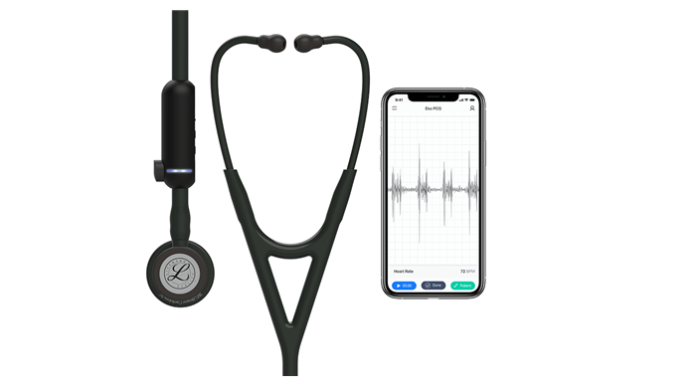
As the world of healthcare and its dependence on auscultation continues to evolve, digital technology is being introduced to meet the advancing demands of the industry. To meet these changing needs, 3Mโ„ข Littmannยฎ Stethoscopes and Eko formed a collaboration that has married best-in-class 3M Littmann stethoscope technology with advanced Eko digital innovations. The 3Mโ„ข Littmannยฎ CORE Digital Stethoscope, which has quickly become a popular choice among physicians in the United States over the last six months1, has launched in the United Kingdom & Ireland.

The new 3M Littmann CORE Digital Stethoscope offers clinicians access to both analogue and digital auscultation options and can connect to Eko’s software app via Bluetooth. The Littmann CORE Stethoscope offers access to additional benefits including:

  • User can switch from analogue listening to digital
  • Amplification2 up to 40x at peak frequency, versus mechanical
  • Seven sound amplification levels
  • Provides active noise cancelation
  • Connects to Eko software on a smart device to visualise, record, store & share auscultation assessment

“3M Littmann Stethoscopes is a pioneer in auscultation innovation and quality, and today, we are introducing our most advanced stethoscope yet to Europe,” said Kristi Barnett, senior director, 3M Medical Devices. “The new 3M Littmann CORE Digital Stethoscope combines the superior acoustics of the Littmann Cardiology IV Stethoscope with Eko’s digital technology and software to aid and enhance a clinician’s auscultation assessments.”

The collaboration between 3M Littmann Stethoscopes and Eko brings together two innovative companies that are focused on delivering comprehensive health care solutions to drive better patient outcomes.

“For clinicians, listening is a gateway to making critical diagnoses. Being able to confidently assess heart and lung sounds helps ensure the best cardiac and pulmonary care possible,” said Connor Landgraf, co-founder and CEO, Eko. “Partnering with 3M Littmann Stethoscopes allows us to incorporate the power of our digital and machine learning technology alongside the stethoscope trusted by millions of clinicians worldwide, which can help impact patient outcomes and quality of care in Europe. Combining the 3M Littmann CORE Digital Stethoscope with the Eko software platform helps clinicians elevate cardiopulmonary care to a whole new level.”

The combination allows a healthcare professional located outside of secondary care, treating patients in their homes or in a community practice, to have access to cutting-edge clinical decision support. Also available is the ability to connect directly to their consultant in secondary care, mitigating the need for the patient to make unnecessary travel into traditional clinic environments.

In the midst of a global pandemic, and the highly challenging need to assess and monitor COVID patients, this can be leveraged as a means to protect healthcare professionals, whilst providing the highest standards of care.

The very same function that allows the streaming of the sounds from the Littmann CORE Stethoscope via the Eko app, and to a variety of wired and Bluetooth headphones, can also facilitate communication to several hearing aid models, providing a long-awaited solution for many hearing-impaired healthcare professionals.

For more information on the 3M Littmann CORE Stethoscope or where to buy, please visit: www.littmann.co.uk/CORE. For more on Eko software, please visit ekohealth.com/platform.

1Average product rating of 4.6 out of 5 stars on Amazon in the United States as of March 10, 2021.
2Up to 40x amplification based on comparison of analogue versus electronically assisted amplified listening with maximum volume at the peak frequency (125 Hz).

About 3M
At 3M, we apply science in collaborative ways to improve lives daily as our employees connect with customers all around the world.

About Eko

Eko, a cardiopulmonary digital health company, is elevating the way clinicians detect and monitor cardiac and respiratory disease by bringing together advanced sensors, patient and provider software, and AI-powered analysis. Its FDA-cleared platform is used by tens of thousands of clinicians treating millions of patients around the world, in-person and through telehealth. The company is headquartered in Oakland, California, with investments from Highland Capital Partners, Questa Capital, Artis Ventures, NTTVC, DigiTx Partners, Mayo Clinic, Sutter Health, and others.

Ericsson supports UNICEF in the fight against COVID-19 pandemic in India

Ericsson supports UNICEF in the fight against COVID-19 pandemic in India

To help address urgent healthcare needs in India brought about by the second wave of the COVID-19 pandemic in the country, Ericsson announced its support to UNICEFโ€™s COVID-19 humanitarian response in the country.

As part of their support, Ericsson made an upfront donation to UNICEF and launched a month-long company matching employee donation drive globally in May, which resulted in a total donation amount of USD 971,567 to UNICEF. Ericsson employees from more than 95 countries donatedย  towards this UNICEF initiative for India.

Ericssonโ€™s donation will go towards providing critical medical supplies and equipment in India. This includes, increasing the number of RT-PCR testing machines to boost identification of new COVID-19 cases and providing oxygen generation plants as well as procuring other critical supplies for health facilities in areas with the greatest needs in the country. These supplies and equipment will ensure continuity and sustained access to immediate health services for children and their families and contribute to strengthening the health system in the future.

โ€œIndia is a very important market for Ericsson and a large number of our global employee base is located there. Many Ericsson colleagues around the globe asked how they could support India during the second wave of the COVID-19 pandemic, โ€œsaid Heather Johnson, Vice President for Sustainability and Corporate Responsibility for Ericsson โ€œUNICEF is our long- standing partner and we decided to join forces ย to launch this donation campaign. ย The funds will go towards supplying medical equipment through UNICEF and will help in the early detection and COVID-19 treatment and provide much needed relief to the severely affected people in India,โ€ she added.

UNICEF India is well placed to support preparedness and response to COVID-19, through its well -established presence across 13 field offices in India, where it works ย to provide assistance and technical expertise in the ย areas of Health, Nutrition, Water and Sanitation, Disaster Risk Reduction, Education and Child Protection.

โ€œThe COVID-19 pandemic has impacted countless lives in India and around the world. UNICEF, together with partners, are tirelessly working to help save lives through the swift delivery and provision of urgent medical supplies and equipment in India,โ€ said Charlotte Petri Gornitzka, UNICEF Deputy Executive Director for Partnerships.ย  โ€œWe are grateful to Ericsson and their employees for their timely and generous support in this crisis,โ€ she said.

Ericsson, through its local Sustainability and Corporate Responsibility partners, began supporting initiatives in 2020 such as collecting COVID-19 test samples for testing at designated government labs in Chennai and Pune, India and donating Personal Protection Equipment (PPE) to hospitals and sanitation workers. These efforts continue to be supported by the company.

ABOUT ERICSSON:

Ericsson enables communications service providers to capture the full value of connectivity. The companyโ€™s portfolio spans Networks, Digital Services, Managed Services, and Emerging Business. It is designed to help our customers go digital, increase efficiency and find new revenue streams. Ericssonโ€™s innovation investments have delivered the benefits of mobility and mobile broadband to billions of people around the world.

ABOUT UNICEF

UNICEF is the worldโ€™s largest childrenโ€™s organization, working in some of the worldโ€™s toughest places, to reach the worldโ€™s most disadvantaged children. Across 190 countries and territories, they work for every child, everywhere, to build a better world for everyone.

Nutrition’s Critical Role in Value-Based Care

Wageningen University & Research is taking steps with AI in health and nutrition

The healthcare industry is in the throes of unprecedented change as hospitals, providers, and payors all grapple with new methods of delivering (and billing) medical care. The uptick of value-based care, coupled with the growing prevalence of alternative therapies, makes understanding this new model a must. So, what exactly is value-based care? And why is nutrition therapy critical to its success?

VALUE-BASED CARE UNPACKED

Unlike the traditional fee-for-service reimbursement model, which rewards providers for the volume of services rendered, value-based care promotes quality of service by focusing on positive (read: healthy) patient outcomes. In the volume-based model, providers are paid relative to the sheer number of services rendered: imaging, lab work, surgeries, and more. On the flip side, the value-based model focuses on reducing the number of interventions โ€“ instead paying providers for positive patient outcomes due to shared savings. The result? Higher quality care, better patient outcomes, better population outcomes, and cost savings across the board.

OUR CURRENT HEALTHCARE CRISIS

Chronic conditionsโ€”including obesity, diabetes, and cancerโ€”are prevalent and costly burdens to the health systems of Western countries. Approximately 60% of adults have at least one chronic condition and 42% have more than one, accounting for 90% of U.S. annual healthcare expenditures. Additionally, according to a study published in the Metabolic Syndrome and Related Disorders journal, seven out of eight Americans are metabolically unhealthy, putting them at greater risk for stroke, cardiovascular disease, type 2 diabetes, and other serious health issues.

But itโ€™s not all doom and gloom. Functional medicine (which treats the root cause of disease through nutrition and lifestyle interventions) is finally coming to the fore as an effective front-line intervention. In fact, the Cleveland Clinic Center for Functional Medicine recently published several studies demonstrating functional medicineโ€™s efficacy โ€“ providing evidence of improved outcomes as compared to conventional care.

The first, published in 2019, demonstrated global improvements in patient-reported, health-related quality-of-life outcomes in patients treated with functional medicine compared to those treated in a family care clinic. A 2020 study suggested that inflammatory arthritis patients treated with functional medicine showed improvement in all primary outcomes compared to standard of care alone.

Many physicians have (understandably) lost faith in traditional dieteticsโ€™ ability to produce positive patient outcomes. Thatโ€™s because the conventional โ€˜eat less, exercise moreโ€™ rubric fails to acknowledge the hormonal drivers underlying todayโ€™s chronic disease pathologies. Correctly executed nutrition therapy (functional medicine) works better and longer term than pharmaceutical interventions alone.

NUTRITION THERAPY TYPES AND BENEFITS TO PROVIDERS

Preventative Nutrition Therapy: While most insurance policies offer a certain number of prevention visits per patient (often free of deductibles or copays) patients are typically unaware these benefits are available to them.

Benefit: While itโ€™s impractical for a physician to spend an hour with each patient, partnering with a medical nutrition therapy company helps them achieve positive patient outcomes at a far more reasonable financial and human capital cost.

Medical Nutrition Therapy: This is most common for a patient that has received a diagnosis such as type 2 diabetes, heart disease, or high cholesterol. Before resorting to an expensive surgery or medication, the provider may refer to a medical nutrition therapy company to complement the treatment plan.

Benefit: In the value-based care model, medical interventions are costly to the provider and patient. Taking a less aggressive, clinically proven approach to arrest and even reverse the condition saves money for both parties.

Gestational Diabetes Nutrition Therapy: With approximately 180,000 GDM pregnancies annually, average expenditures increase $3,305 per pregnancy, plus an extra $209 in the newbornโ€™s first year of life. This doesnโ€™t even speak to the sizable impact of GDM treatment on the lives of mothers, babies, and beyond.

Benefit: Nutrition and lifestyle interventions deployed alongside conventional treatment can reduce infant and maternal mortality rates, NICU stays, and complications such as fetal hypoglycemia and c-sections.

WHEN FUNCTIONAL MEETS CONVENTIONAL, EVERYONE WINS

The rise in telehealth has enabled doctors and medical nutrition groups to work together like never before to reach, treat, and heal patients — regardless of location. As healthcare professionals continue to struggle with overwhelming numbers of patients and paperwork, collaboration with insurance-funded, allied health professionals eases time and financial burden.

But there is still work to be done. For now, the Centers for Medicare and Medicaid Services does not require coverage for medical nutrition therapy. This means that for some, nutrition therapy comes at a high cost despite its clear connection to positive patient outcomes.

Once healthcare systems, doctors, payors, and patients realize the efficacy of nutrition medicine to decrease the overwhelming cost of chronic disease, we can finally lower the crippling costs for all involved and more importantly, begin to heal our population from the inside out.

About Author

Dr. Avi Gurwitz is Chair of the Dept Pediatrics, Division Chief of General/Emergency Pediatrics, and Medical Director of the Pediatric UrgiCare at Redeemer Health. He is also Pediatric ER attending at St Mary’s Medical Center and CMO at Simplex Health, a medical nutrition group.

About Simplex Health

Simplex Health is reimagining the conventional healthcare model with progressive, evidence-based, clinically proven protocols that canย prevent and even reverse the worldโ€™s most disruptive diseases and chronic conditions โ€“ from type 2 diabetes to obesity, hypertension, womenโ€™s health issues, cancer, and more. For over five years, Simplex Health has worked as a trusted partner alongside healthcare systems, specialty practices, physicians, and corporations to provide patients of all populations access to its life changing, insurance-funded therapies.ย Patients connect with medically supervised dietitians and health coaches through an intuitive technology platform โ€“ receivingย customย nutrition and lifestyle interventions tailored to their unique biochemistry. Plus, 24/7 care team access gives patients the support, guidance, and accountability necessary for lasting behavior change. Appointments are available via telehealth and in-person at select locations. Powerful Therapies. Simple Solutions. Simplex Health is Medicine Reimagined.

Cerner partner Meditech to support health records sharing record-sharing via Apple

Cerner partner Meditech to support health records sharing record-sharing via Apple

Several electronic health records over the past week have announced that their customers can enable greater patient control over record-sharing via the Apple Health app.

Cerner, Meditech Expanse, Allscripts, athenahealth and DrChrono are all among the companies that are working with Apple to facilitate more seamless data exchange.

“For too long our industry has worked in silos, and patients have been left out of the decision as to who has access to their health records and when,” said Meditech Executive Vice President Helen Waters in a statement.

“Patient empowerment is an important element to any successful interoperability strategy,” she said. Earlier this month, Apple made waves throughout the health IT industry with its announcements at its annual developer conference about forthcoming wellness features.

These included walking stability assessments and new tracking tools, along with new EHR vendor integrations. According to Cerner and Meditech, starting this fall patients can share information from the Health app โ€“ including activity, heart rate and sleep cycle tracking โ€“ with providers, who can then view it via an EHR-housed dashboard.

Providers can then more easily review trends and changes over time, say the companies. They also have the opportunity (with permission) to review patient-shared data from the Apple Watch and a variety of third-party apps and connected devices.

Patients, meanwhile, can access their allergies, conditions, immunizations, lab results, medications, procedures and vitals directly within the Health app. The app’s end-to-end encryption is supported by the SMART on FHIR standard. Cerner and Meditech note that patients can decide which data types they choose to share, and with whom.

“From a security perspective, Apple has been very clear that they donโ€™t have access to the data,” said Jessica Oveys, director of product market management at Cerner, in an interview with The Kansas City Star. “Itโ€™s stored and managed in such a way that it really is patient-specific, consumer-specific,” Oveys added.

Apple’s Health Records app, which uses HL7’s FHIR specifications, has been gaining momentum since the company announced its launch in 2018.

That momentum, particularly for the company’s new EHR-partnering feature, will undoubtedly be aided by the U.S. Office of National Coordinator for Health IT’s information blocking rules, which took effect this April.

Still, although the deadline for compliance has passed, many providers remain confused about the requirements โ€“ and ONC’s Micky Tripathi says that education and outreach about the rules will be high on the agency’s to-do list.

“We are excited to support this new feature in the Apple Health app and work with our customers to provide patients with a convenient means of sharing their health records and other types of health data with their physicians and care teams,” said Meditech’s Waters.

“This is a big step forward for healthcare and a significant win for consumer engagement,” she added.

NYU Langone Health Announces Home-Based Brain Stimulation Program

pressreleases - NYU-Langone-10548.png

NYU Langone Health announced a new virtual brain stimulation program, which uses transcranial direct current stimulation (tDCS) to treat symptoms for various psychiatric and neurological conditions, all from the patientโ€™s home.

Participating patients connect to their care team through the NYU Langone Health app while wearing a headset that applies a low-grade electric current, the press release stated. The low-grade current allows neurons to fire more easily, improving brain connections. Depending on what the patient is being treated for, they may simultaneously partake in therapeutic activities that further their treatment.

This virtual program brings the latest treatments directly to our patients, enabling us to reach more people.โ€

The treatment can be used for a variety of conditions, including depression and anxiety, multiple sclerosis, Parkinsonโ€™s disease, and stroke recovery. There is also evidence to suggest that the treatment may aid in COVID-19 recovery. Because the treatment is noninvasive, care teams can treat patients virtually, allowing more people to get access to treatment.

โ€œWe create a personalized care plan for each patient that supports their individual needs and goals,โ€ explained Charvet in the press release. โ€œTreatment can include activities like seated motor exercises or playing cognitive training computer games.โ€

Because the tDCS treatment is considered to be innovative care, it is not covered by insurance. NYU Langone estimates that the cost with its treatment packages comes out to approximately $30 per session, including the rental costs for the electrode headset. According to the programโ€™s enrollment website, each session lasts approximately 30 minutes, and daily sessions are recommended.

โ€œThis innovative treatment provides many individuals with relief, often after other options havenโ€™t been successful,โ€ said Charvet in the press release. NYU Langone Health is currently in phase one of a brain stimulation clinical trial to study the use of tDCS in treatment-resistant depression. Researchers will conduct visits over phone or video call and assess mood changes over the course of the study.

At-home treatments for a variety of conditions are becoming more common, opening doors for patients who otherwise may not be able to receive treatment. Recently, Rush University Medical Center launched a platform that enables deep brain stimulation (DBS) from home. DBS treatment, like tDCS, uses an electrode headset to provide treatmentโ€”particularly for patients with movement disorders like Parkinsonโ€™s disease.

Virtual visits allow physicians to get in touch with their patients quickly and easily. In the case of tDCS treatment, which could be administered as often as once per day, patients no longer have to transport themselves to a clinic to get treatment.

Other at-home devices have shown to improve care without the patient having to go to an in-person visit. Wearable device data from smartwatches could have major implications for predicting clinical laboratory measurements without a doctorโ€™s visit, a new study revealed.

Taking a patientโ€™s vitals during their visit provides a snapshot of the patientโ€™s health at that very moment, but wearable devices can collect long-term data to create a fuller picture of the patientโ€™s health.

The benefits of telehealth and at-home treatments are becoming increasingly apparent, especially as patients have stuck in their homes during the coronavirus pandemic.

Mayo Clinic Partnership Will Accelerate Artificial Intelligence

State of Artificial Intelligence in the Healthcare Industry revealed through a new IDC White Paper

Mayo Clinic signed a multi-year collaboration agreement with Visage Imaging, the US subsidiary of Australian company Pro Medicus Limited, to research and develop artificial intelligence in healthcare, according to a recent announcement.

The partnership will enable both parties to commercialize and make developments in artificial intelligence. Specifically, Mayo Clinic will leverage the Visage AI Accelerator, โ€œan end-to-end AI solution that bridges research and diagnostic imaging on the same, unified platform,โ€ Visage Imagingโ€™s website states.

โ€œOur AI Accelerator program was designed to closely align Visageโ€™s engineering and product development capability with clinical research partners such as Mayo Clinic who have a depth of clinical knowledge and extensive research expertise,โ€ said Malte Westerhoff, PhD, Visage Imaging Global CTO, in the announcement.

โ€œIt provides a unique set of tools for data de-identification, collection, curation, analysis and โ€˜path-to-productionโ€™ in research projects bringing the efficiency and speed of Visage technology to research, resulting in a unified link between the two domains.โ€

The collaboration agreement extends a previous six-year contract between Mayo Clinic and Visage Imaging established in 2016 that enabled the implementation of Visage 7 technology across Mayo Clinicโ€™s radiology departments.

โ€œWe see AI playing a significant role in healthcare particularly in our field of imaging IT,โ€ continued Westerhoff in the announcement.

โ€œWe have optimized our Visage 7 platform for AI enabling both our own, as well as third-party algorithms to be seamlessly integrated into the clinicianโ€™s desktop. We see this research collaboration agreement with Mayo Clinic as another significant piece of our AI strategy, one that has the potential to develop innovative AI solutions that meet well defined clinical goals and ultimately lead to better patient outcomes.โ€

In other artificial intelligence news, the University of Pittsburgh Schools of the Health Sciences (UPMC) recently launched a new company, Realyze Intelligence. The company will use both artificial intelligence and natural language processing to determine optimal treatments for patients with chronic diseases.

In addition, Ohio State University recently announced that it will be the first academic medical center in the US to use an FDA-approved tool for colonoscopy procedures, driven by artificial intelligence. The tool can detect polyps and lesions better than the human eye, aiding gastroenterologists in detecting colorectal cancer.

Google recently announced a new artificial intelligence-driven dermatology tool that allows people to use their phoneโ€™s camera to identify various dermatologic conditions.

These partnerships and innovations signify the growing popularity and trust in artificial intelligence and its applications in healthcare. But developments have a long way to go. Recent research suggests that developers will have to eliminate bias in artificial intelligence tools. Because the bulk of available patient data is from White males, algorithms may be inequitable and neglect to represent minorities. Feeding the programs well-rounded datasets is a way to combat this issue, but most public datasets do not currently reflect diverse populations.

Although these hurdles are not to be overlooked, artificial intelligence has proven to be a helpful assistant to providers in many cases. With the ability to analyze large amounts of data, predict the likelihood of illnesses, and even boost patient satisfaction, artificial intelligence is likely to become an asset in the future of healthcare.


KT and NeuroSigma Announce Strategic Digital Health Partnership

IMU Collaborates with Fusionex to Integrate Digital Technologies to Enhance Medical Education and Research

KT Corporation and NeuroSigma, Inc. jointly announced signing of a memorandum of understanding, forming a strategic partnership to develop and commercialize, inside and outside of Korea, electronic therapies treating neurological and neuropsychological disorders, including ADHD, depression, and epilepsy. NeuroSigma is the developer of the Monarch eTNS Systemยฎ, which uses non-invasive external trigeminal nerve stimulation (eTNS) to treat neurological and neuropsychiatric indications, and is the first device-based, non-drug therapy approved by the FDA to treat pediatric ADHD. In addition, NeuroSigma plans to conduct additional trials for label expansion of the Monarch eTNS System in ADHD and pivotal trials for depression and epilepsy.

Through this partnership with NeuroSigma, KT will support

  • the design and development of next-generation versions of eTNS products incorporating artificial intelligence (AI), big data, and cloud capabilities;
  • advanced monitoring and AI analysis services, provided through KT’s digital healthcare platform; and
    commercialization and manufacturing partnerships in Korea.

The partnership also contemplates a potential strategic investment by KT in NeuroSigma.

KT, a leading digital platform company, has created a digital healthcare platform, through which it has a significant, growing presence in the healthcare ecosystem. At the end of last year, KT established a new division, the Digital & Bio-Health Organization, residing within KT’s Future Value Promotion Office and under direct control of CEO Koo Hyun-mo, to further advance the digital healthcare platform. Through this platform, KT is forming various partnerships with hospitals, pharmaceutical companies, academic associations, and biotech ventures and will oversee its new partnership with NeuroSigma. In addition, earlier this year, the head of the Future Value Promotion Office, Kim Hyung-wook, became chairman of Korea’s Digital Health Industry Association.

Kim Hyung-wook, KT’s Head of Future Value Promotion Office, said, “In Korea, digital therapy is still in its infancy, but its utility and growth potential are excellent. Starting with our strategic partnership with NeuroSigma, we will actively foster and promote digital therapeutics, including electronic drugs, as the basis of new and innovative healthcare businesses and to expand the digital therapeutics market in Korea and beyond.” Mr. Kim added, “We have been impressed with NeuroSigma’s eTNS System, which has already shown itself to be a safe and effective alternative to drug-based therapies. We are eager to work with NeuroSigma to integrate this industry-leading digital therapy into our growing digital healthcare platform and to develop the next generations of digital therapy.”

NeuroSigma’s CEO Leon Ekchian said, “We are delighted to inaugurate this partnership with KT. KT’s expertise and capabilities in electronic and digital healthcare are a perfect complement for the Monarch eTNS System, which represents the convergence of medicine and electrical engineering. We look forward to working with KT to develop the next generations of the product to enhance the design, functionality, and user-experience and to unlock additional value from the technology by leveraging KT’s core competencies and digital healthcare platform.”

About KT
KT Corporation , Korea’s largest telecommunications service provider, reestablished in 1981 under the Telecommunications Business Act, is leading the era of innovation in the world’s most connected country. The company is leading the 4th industrial revolution with high speed wire/wireless networks and new ICT technology. KT launched the world’s first nationwide commercial 5G network on April 3, 2019, after successfully showcasing the world’s first trial 5G services at the Pyeong Chang Winter Olympic Games in February 2018. This is another milestone in KT’s continuous efforts to deliver essential products and services as it aspires to be the number one ICT Company and People’s Company.

About NeuroSigma
NeuroSigma is a Los Angeles, California-based life sciences company established to develop bioelectronic technologies with the potential to transform medical practice and patients’ lives. It has developed the Monarch eTNS System, which is the first non-drug treatment for pediatric ADHD cleared by the FDA. NeuroSigma is focused on trigeminal nerve stimulation (TNS) bioelectronics therapies based on intellectual property, licensed on an exclusive basis from the University of California, Los Angeles (UCLA), being developed to treat a wide spectrum of neurological and neuropsychiatric disorders, including ADHD, drug-resistant epilepsy, post-traumatic stress disorder, and depression. TNS therapy operates through mild electrical stimulation of branches of the trigeminal nerve, including branches located near the surface of the forehead. Functional neuroimaging data suggests the mechanism of action of TNS is related to its ability to modulate activity in targeted brain regions. For more information about NeuroSigma, please visit www.neurosigma.com.

Able Medical Announces First Surgeries and Launch of the Valkyrie Thoracic Fixation System

Able Medical Announces First Surgeries and Launch of the Valkyrie Thoracic Fixation System

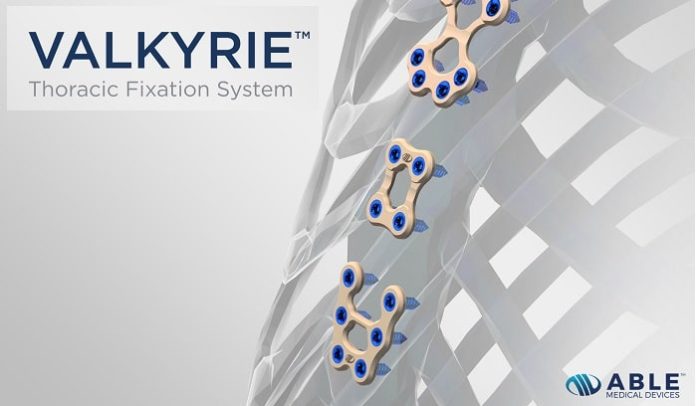
Able Medical Devices announces the recent launch of its Valkyrieโ„ข Thoracic Fixation System, the marketโ€™s first single-use radiolucent plating system designed to span the osteotomy and close the sternum after open heart surgery.

The systemโ€™s unique material properties allow the implant to be contoured in-situ which saves time and improves efficiency in the operating room by reducing procedural steps.

โ€œThe Valkyrie system conforms directly to a patientโ€™s anatomy making it a custom fit with minimal manipulation,โ€ said Dr. Vitaly Piluiko, chief of cardiothoracic surgery for Mountain View Regional Medical Center in Las Cruces, NM. โ€œThe entire procedure was easier and faster while the plates themselves added the benefit of radiolucency and the screws inserted without fear of cross threading.โ€

The Valkyrie system enhances the companyโ€™s groundbreaking material science platform by simplifying the procedure and providing a hydroxyapatite nano-thin surface treatment to its screws. This novel application improves pullout strength and has been shown to increase bone density by 123% compared to traditional screws.

โ€œThe screw is the first of its kind to offer this level of advanced bony integration, and the system has been overwhelmingly accepted at all our initial Centers of Excellence,โ€ said Peter Didyk, managing director of Able. โ€œThe momentum and excitement from the field has been overwhelming, and we look forward to helping as many patients as possible.โ€

Valkyrie is intended for use in the stabilization and fixation of fractures of the chest wall, including sternal fixation following sternotomy, as well as sternal reconstructive surgical procedures for patients with normal and/or poor bone.

About Able Medical Devices

Able Medical Devices is a subsidiary of J.M. Longyear and a leader in cardiothoracic products and contract manufacturing. Able partners with companies seeking first class, outsourced services from design & development to comprehensive finished goods manufacturing. The companyโ€™s extensive expertise includes working with surgeons and OEMs in spine, trauma and cardiothoracic markets. Able specializes in developing full surgical systems as well as custom instrumentation.

Translate ยป