









Close
Digital Health & Ai Innovation summit 2026
Medical Taiwan 2026

What do I need to know before getting Invisalign?

What do I need to know before getting Invisalign?

When it comes to your smile, you might want to get the most out of the treatments that are being offered at the moment. Dentistry has undergone significant redevelopment over the years and has proven to make things easier for everyone who wants to have that perfect smile. We all know that the only way to get your smile to complete perfection is to remove all your teeth and get a set of dentures, but what if you were happy with your teeth and just wanted to perfect your smile?

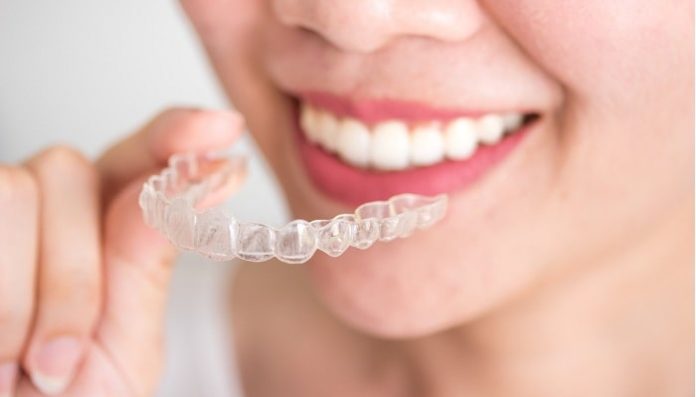
Invisalign would be the ideal option that you could use to get your teeth into a better position without the commitment of braces and in a shorter period.

Invisalign Vs Retainers

Invisalign aligners are very similar to retainers because they are both made from the same material, but they serve very different purposes and often confuse people. Invisalign is a form of braces that slowly shifts your teeth into a better position over some time. Your orthodontist will fit a new aligner onto your teeth every two weeks until the desired placement is achieved. With retainers, you have a guard made to fit your teeth, but retainers are just that: a guard to keep your existing shape in place. If you have worn braces at some point and want to keep your teeth in the same form after the braces, you would use a retainer to maintain the position of your teeth. It would prevent the teeth from going back to their original position. You would use a retainer at night where Invisalign would be used daily.

Invisalign VS Braces

Braces are metal brackets and wires that are bonded to the teeth and then tightened to adjust the position of the teeth. They are used for over two years and can be done in a transparent or metallic variant. Invisalign is a clear alignment tray that takes two weeks to be replaced until the position of the teeth is in the desired place. Invisalign can take up to 6 months to work because a new tray is fitted more regularly than braces are set. Braces are readjusted every 4-10 weeks.

Invisalign for children ย 

This kind of โ€œbracesโ€ might or might not be a good idea for children who need to have their teeth realigned. All kids are individual in the sense that some might be ok with having them in, and others might get annoyed and constantly remove them. The great thing about these is that they can be removed to eat and clean and then be placed back into the mouth for the remainder of the time. It is equally uncomfortable for a child to have these or braces, but removing them might make it feel less like commitment if the child is very young and unable to see it through.

Should you choose Invisalign?ย 

The answer for this is both yes and no. If you are prone to fidgeting, then ordinary braces would be a better option for you. It stays in place for the entire time you need them, only moving when the dentist needs to readjust the wires. If you are concerned about the wires being visible, you should consider going for Invisalign instead. They do the same thing essentially, but they are see-through and less noticeable.

Invisalign can be removed whenever they need to be, whether it is for cleaning or eating and can quickly be returned to their position in the mouth by the patient themselves. They do not require a day to the daily maintenance plan. Unlike ordinary braces, they do not require you to restrict the food you take in. One of the reasons so many people have started researching alternative teeth straightening options is the hassle of needing to change their diet. With Invisalign, you donโ€™t have to worry about it. They are much more convenient, and you can do the cleaning by using toothpaste and rinse that your dentist advises you. Invisalign areas prone to tartar build-up as ordinary teeth, so make sure to keep them clean to prevent them from disintegrating.

To conclude, the choice to realign your teeth should be based on two essential things: your budget and the time you have to wait for your teeth to be in the place you want them to be in. There will be no point for you to get braces if you are not happy to wait for such a long time. Ask your orthodontist for advice on the best treatment options for you as well. Even if you wanted to have a specific treatment done, x-trays might show a different result, so get professional advice before you decide. Looking for a recommendation? Check out this dentist on Freeburg for more information on Invisalign.
NHS Test and Trace Strengthen Their Cyber Defences

NHS Test and Trace Strengthen Their Cyber Defences

NHS Test and Trace has selected British cyber security company Risk Ledger to manage cyber security risks in their supply chain as a proactive measure to mitigate the increasing risks NHS and other critical national infrastructure organisations face from supply chain cyber-attacks.

The Risk Ledger platform will give the UK government funded service all the tools they need to manage cyber security risks in their supply chain at speed for a low per-supplier cost – at least 60% cheaper than traditional solutions.

Cyber security risks in the supply chain can include third parties failing to encrypt sensitive data when it is being transferred.

NHS Test and Trace, established to track and help prevent the spread of the COVID-19 virus in England, will take advantage of Risk Ledger’s key innovation which is its secure ‘social network’ allowing organisations to connect and share risk data securely, quickly, and easily. This gives organisations like NHS Test and Trace unparalleled visibility of their supply chain and a comprehensive set of data to identify, measure and mitigate supply chain security risks at scale.

Major supply chain cyber security breaches at Solarwinds and Microsoft in recent months have put the challenge of securing supply chains from cyber attack at the top of the agenda for organisations around the world.

Minister for Digital Infrastructure, Matt Warman MP said: โ€œThe government is working tirelessly to secure the nation online and grow the UK’s ยฃ8.9 billion cyber security industry as we build back better from the pandemic. We’re helping SMEs develop innovative products and services and it’s great to see Risk Ledger, one of the firms we’ve supported, win this contract to protect the Test and Trace system and support the national effort against coronavirus.โ€

Risk Ledger’s client base includes organisations like BAE AI, City of London Police, Telenor, Schroder’s Personal Wealth and ASOS.

Risk Ledger CEO and Co-Founder Haydn Brooks said: “NHS Test and Trace is essentially the biggest new start-up in the UK healthcare market so we are delighted they have chosen to take advantage of our ability to provide enhanced visibility of their supply chain risks. I am proud we will be part of the effort to secure this incredibly important supply chain. “Healthcare organisations and their supply chains handle lots of highly sensitive data and have a high rate of data breaches. We have already seen during the COVID-19 pandemic that bad actors are actively targeting supply chains to access data and cause disruptionโ€ added Haydn Brooks.

Risk Ledger is a rising star of the UK’s growing cyber security scene having won competitions run by the UK Government’s National Cyber Security Centre, the tech industry body TechUK and most recently being selected as a winner in the Department for Digital, Culture, Media, and Sport’s โ€˜Most Innovative UK Cyber SME of the Year’ competition in May. The company is also a member of the UK Government backed LORCA programme (London Office of Rapid Cybersecurity Advancement).

About Risk Ledger

Risk Ledger is a British company that manages cyber security risks in supply chains. The process of supply chain security risk management ensures third parties who deliver critical services, have access to data, corporate networks, or any other status of business trust, maintain a good base level of cyber security controls to prevent bad actors using the third party as an attack vector.

In 2019, Risk Ledger won the โ€˜Cyber Den’ competition at the 2019 CyberUK event run by the UK Government’s National Cyber Security Centre (NCSC) and the Department for Digital, Culture, Media and Sport (DCMS). At the time, Ian Levy, Technical Director at the NCSC said: โ€˜Our mission is to make the UK the safest place to do business online.

We run the Cyber Den competition with DCMS to identify and provide a springboard for the most promising cyber security start-ups in the UK. Risk Ledger beat some excellent competition at this year’s Cyber Den event because their platform approaches supply chain security in a novel way that could revolutionise the way organisations understand the cybersecurity of their supply chains which is at the root of so many security incidents.

Notable achievements

Risk Ledger was a finalist in the ‘Most Innovative New Technology Award’ category at the 2021 Water Industry Awards.

In March 2021, Risk Ledger won the South Summit Industry 4.0 innovation competition.

In May 2021, Risk Ledger was announced as a winner in the Department for Digital, Culture, Media, and Sport’s โ€˜Most Innovative UK Cyber SME of the Year’ competition.

Aircuity Introduces New โ€˜Airsideโ€™ Energy Dashboard to Enhance Building Ownersโ€™ Ability to Meet Enhanced Sustainability Targets

Aircuity Introduces New โ€˜Airsideโ€™ Energy Dashboard to Enhance Building Ownersโ€™ Ability to Meet Enhanced Sustainability Targets

Aircuity, the leader in creating healthy and sustainable buildings, introduced a new โ€œAirsideโ€ Energy Dashboard that lets building owners quickly identify which areas across the entire portfolio are consuming the most ventilation energy. By providing data that goes all the way down to the room level, the new dashboard helps building owners identify the root cause of an issue to ensure maximum energy savings, as well as meet and sustain efficiency and sustainability goals.

Aircuity developed the new Airside Energy Dashboard at a time when the property owners and developers in the areas of commercial real estate, life sciences, and higher education are bracing for new and more stringent regulations targeting inefficient buildings. Coming to the local, state, and national levels, these looming new requirements impose fines and other penalties for buildings that fail to reduce carbon emissions and other climate change contributors.

โ€œAircuityโ€™s clients include a range of building owners who are preparing aggressively to comply with new energy-efficiency requirements that are coming soon,โ€ said Dan Diehl, CEO at Aircuity. ย โ€œAircuityโ€™s hardware and software platform provides one of the most effective energy conversation measures that a client can undertake. This new Energy Dashboard allows for tracking and maintaining the most important ventilation savings opportunities.โ€

Aircuityโ€™s new Airside Energy Dashboard contains the following new features:

  • A โ€œbubble graphโ€ of normalized energy savings by room;
  • Ability to graph attributes from all buildings in a single chart – allowing owners to view the top opportunities for energy savings and prioritize the most readily achievable; and
  • โ€œDollar-per-square-footโ€ metrics, providing total estimated energy savings

โ€œBuilding owners ask us all the time to track progress, identify problem areas and help with root cause analysis.ย  This is the future of intelligent buildings and advanced AI, and Aircuity is leading the way with our ventilation management and insight solutions. Our platform and experience across a large and diverse building stock gives us the unique ability to tackle this last critical mile of efficiency,โ€ said Diehl. โ€œWith so many new energy regulations on the immediate horizon, we urgently need to tackle this environmental challenge, and deliver safe and healthy indoor Air Quality. Never has it been so important to advance our capability to meet this growing need.โ€

ABOUT AIRCUITY
Aircuity is the 20-year leader in measuring, managing and communicating indoor air quality (IAQ) through its patented solution. As a result, commercial, institutional and lab building owners can protect occupants, improve employee productivity and wellness, lower operating costs, and verifiably reduce energy use by as much as 60 percent. Headquartered in Newton, MA, Aircuityโ€™s solutions have benefited organizations such as Google, Amazon, SUNY, Eli Lilly, Durst Organization, the University of Pennsylvania, and the University of California-Irvine.

Time to align healthcare data standards with the reality of care

Time to align healthcare data standards with the reality of care

Even in the middle of the 20th Century much healthcare took place in the home โ€“ childbirth, even surgery like appendectomies. There was no medical record. No data. And post-operative care was by family and neighbours.

The second part of the 20th Century saw the emergence of the hospital as the setting of much care and the locus of the rapidly advancing technology that enabled ever more complex and intensive care.

And in the last quarter of that century we started to see electronic systems that generated and stored the data necessary for what we now think of as modern medicine. This included the development of the electronic medical record to document care and organise the data of individuals. Those systems existed almost exclusively in hospitals and large clinics.

The need to connect the increasing number of departmental systems in hospitals led to the establishment of the healthcare data standards development organisation Health Level 7 (HL7) in the mid-1980s and the publication of the first electronic data standards for healthcare data.

1980s data standards still in use today

Those data standards developed in the late 1980s are still in use today โ€“ and they arenโ€™t going away any time soon. They were developed around the data systems in hospitals and clinics and, therefore, were designed to capture the data that was produced in these settings, and to identify the producers and consumers of that data: the healthcare professionals and supporting staff who delivered care in those institutions.

The systems in a particular hospital or clinic were for the most part unaware of the identities and attributes of clinicians and caregivers outside that hospital. Family members and social contacts were recognised by their biological or legal relationship to the patient, but any role they might have as a member of the patientโ€™s care team was not captured.

Now, we are two decades into the 21st Century. The changes in the domain of healthcare delivery are profound. Over the past decade there has been a cataclysmic increase in the amount and sources of data created in healthcare.

Data increasingly created outside hospitals and clinics

Most of you are likely aware of the observation that well over 90 percent of the electronic healthcare data in existence has been created in the first half of the past decade and the total data doubles every two years. That data is increasingly being created outside the electronic systems in acute care hospitals and ambulatory clinics for which our healthcare data standards were created.

Arguably, the majority of care is once again being delivered outside traditional healthcare settings in the home and in residential long term care facilities, by telehealth and as virtual care. Admittedly, surgery in the home has not returned, but the level of technology for care in the community and in the home is advancing rapidly.

Home devices for monitoring patients, mobile and wearable devices that capture and transmit health data, therapeutic devices that were once used only in hospital settings, genomic sequencing labs and other diagnostic testing available to consumers independent of any healthcare facility or provider are all part of todayโ€™s healthcare data landscape. And much of the data generated was not envisioned by the existing healthcare data standards, nor were many of the human roles responsible for capturing, exchanging and using this data.

Even FHIR treats much new data as an โ€œexceptionโ€

A decade ago, HL7 International began the development of a revolutionary data standard we now know as Fast Healthcare Interoperability Resources, HL7 FHIR. The FHIR standard was based on the concepts of web development that create an architecture for secure online data access across many electronic systems and devices.

This technology is now widely accepted as the future of healthcare data interoperability. There is, however, a profound limitation of the FHIR standard to be fit for purpose for this interoperability of the 21st Century. That limitation lies in the guideline in development of the FHIR standard specification that calls for data represented in FHIR to be that data which is represented in 80 percent of existing electronic systems. That would be the same systems for which our 30 year old legacy data standards were developed around.

What does this mean? It means that an increasing portion of data generated in health and healthcare today, data that is often generated outside of traditional healthcare institutions and settings, is treated as an exception. Data such as genomic sequencing, data from the Internet of Things, data from social media and social systems, geolocation data, data from specialised diagnostic systems and from clinical trials and research is not captured by the โ€œexisting systemsโ€ of a decade ago.

Family and community members not represented

Perhaps more importantly, the roles of family members and community members who are essential to the care and outcome of an individual as a patient cannot be represented at all. Family members and community members who manage technology that is more advanced than that which existed even in hospitals only two decades ago cannot be represented on a patientโ€™s care team. A parent who manages a home ventilator; a spouse or adult child who manages home dialysis; or even a less advanced role, like changing wound dressings, cannot be represented because those roles can only be roles of health professionals.

It is time โ€“ past time โ€“ for us to reimagine healthcare data standards so that they align not only with the technology of todayโ€™s electronic systems but with workflows of current healthcare systems and current understanding of human physiology and disease processes both physical and behavioural. It is time to also align our healthcare data standards with the reality of health and care, an increasing portion of which takes place outside those traditional institutions that even our most advanced healthcare data standards are confined in.

What MCAT Study Methods Are Best for You?

What MCAT Study Methods Are Best for You?

Everyone has a unique learning style; this holds true, especially when preparing for an important examination like the MCAT. There are a lot of approaches to consider and many materials available.

Studying for the MCAT can seem overwhelming, and being prepared is important because of the competitiveness of the test. One effective method that is proven by research is using varying types of materials or approaches while studying. So after an hour of reading your notes, maybe you can shift to online courses or perhaps online one-on-one tutoring.

Using variety when studying has been proven very effective in many research studies and is worth considering when preparing for the MCAT. Make sure you understand your options going in so you can make the best possible plan.

About the MCAT

The Medical College Admission Test is a test developed and administered by the Association of American Colleges (AAMC). A multiple-choice standardized test is created to assess problem-solving, critical thinking, and knowledge in other essential concepts and principles needed for medical school.

MCAT is a 7.5-hour exam that has four major sections. Medical schools will use the results of the examinations to assess your application. Each school has unique criteria in selecting its medical school applicant, so it’s better to contact the school’s admission committee.

MCAT scores are one of many sources of data that admissions committees use in student selection. This may include academic performance, experiences, and personal attributes.

What Areas Do You Need to Focus On?

The current version of the MCAT was revised and launched in April 2015 by AAMC. The examination consist of four sections:

  1. Biological and Biochemical Foundations of Living Systems
  2. Chemical and Physical Foundations of Biological Systems
  3. Psychological, Social, and Biological Foundations of Behavior
  4. Critical Analysis and Reasoning Skills

MCAT questions for the first three sections focus on problem-solving using scientific inquiry and reasoning skills. They test knowledge in the following areas:

  • Scientific concepts and principles
  • Scientific reasoning and problem solving
  • Reasoning about design and execution of research
  • Data-based and statistical reasoning

The last section focuses on information processing skills such as comprehension, reasoning within the text, and reasoning beyond the test. It is essential to understand what will be asked so you have the right answers.

Take a practice test and find out what your weaknesses are. Also, consider which classes you’ve struggled with in your undergraduate studies. Once you figure out your weaknesses, you can set up a study approach that targets the areas you need the most help with.

One approach is to create a study plan. You can do this by writing down the critical task and the list of steps to complete these tasks. Your study plan can help you focus on the task at hand without being distracted by other things.

How Much Time Do You Have?

Experts recommend at least eight weeks to study for the MCAT, but ideally, it should be longer. How you should approach learning depends on how far you are in your test preparation. If you have eight weeks of preparation, make sure you spend at least 15โ€“30 hours a week studying.

Start with the MCAT diagnostic test to know what level you are at in the preparation. Based on the diagnostic test results, identify topics you need the most help with and then focus on those topics. Understanding the structure of the test and learning strategies for staying calm, smart test-taking, is also essential.

Will You Study Alone Or With Others?

Different people will have different study strategies in preparing for tests. Others prefer to study with a group. A group study allows you to discuss the test topics more thoroughly and promotes auditory learning. Study groups help share resources, support one another, hold one another accountable.

Others prefer to hire tutors either for a specific subject or the whole test. In contrast, others want to study alone in their rooms or private areas. Studying alone allows you to study in an atmosphere that’s perfect for you. If you’re studying alone, you have to make sure your materials are exceptionally high-quality. Enrolling in MCAT prep courses can also help in your preparations.

Know Your Options

There are many ways to prepare for the MCAT, and knowing your options is very important. The first option is to talk to your family or roommate that you need time to study. Use variety when studying; aside from the usual note-taking, try to take as many practice tests as possible.

Do not study for an extended period, and you should instead study in small chunks to maintain focus and concentration. Take small breaks in between one hour of study.

Conclusion

When taking the MCAT, preparation is essential. Make sure to take time to study the different sections and topics of the test. Enroll in online courses that can upgrade your knowledge and improve your chances of entering the medical school of your choice.

Community Hospital Corporation Celebrates 25th Year as Leader in Improving Community Hospital Performance

Community Hospital Corporation

Celebrating its 25th anniversary this year as the nationโ€™s leading resource in advancing community healthcare, Community Hospital Corporation (CHC) has achieved and continues to play an integral role in improving the financial and operational performance of U.S. community hospitals amid a rapidly changing and increasingly complex healthcare environment.

Changing government regulations on healthcare practices, declining reimbursement rates, an ongoing trend of populations relocating from small towns to urban or suburban areas, and financial and other uncertainties due to the COVID-19 outbreak are among the factors adversely affecting hospitalsโ€™ operations.

These factors have led hospitals to seek outside expertise. CHC currently owns, manages and consults with hospitals across the country, helping them improve decision-making and grow the bottom line despite challenges across the industry. CHC was created in 1996 by a group of not-for-profit and community-operated healthcare systems dedicated to the sustainability of community hospitals. Since its inception as an organization focused primarily in the Southwest, CHC has broadened its mission to become one of the nationโ€™s largest and highly trusted healthcare services firms.

Highlights of CHCโ€™s achievements include:

  • CHC forged its long-term relationship with community hospitals in 1998, when it aligned with Yoakum (Texas) Community Hospital and soon after, with Baptist Hospitals of Southeast Texas-Beaumont, creating a path of performance improving community and rural hospitals across the country.
  • CHCโ€™s growth has been driven by its highly skilled and knowledgeable leadership and staff that have substantial expertise from both for-profit and not-for-profit healthcare organizations.
  • CHC ContinueCARE, created in 2004, has improved operations of Long-Term Acute Care Hospitals (LTACHs), fulfilling a vital function in the care continuum. They also effectively managed patient overflow from at-capacity hospitals throughout the pandemic. CHC-owned LTACHs are predicted to represent a 12 percent gain in net revenue (consolidated) for the current fiscal year ending June 30, 2021, compared with the prior year.
  • Launched in 2005, CHC Consulting, CHCโ€™s management and consulting arm, completed the first of many Community Health Needs Assessments (CHNAs) in 2012, to help hospitals review and meet compliance and federal regulations. Since then, CHC Consulting has produced more than 100 compliant CHNAs in 16 states.
  • CHC has placed 60 field executives, including CEOs, CFOs and CNOs, over the past three years.
  • CHC Consulting recently signed a new management agreement with Rehoboth McKinley Christian Health Care Services, a Gallup, NM-based private, not-for-profit integrated delivery system.
  • CHC Supply Trust, the supply chain services arm of CHC Consulting created in 2015, recently reached a major milestone of serving 100+ hospitals by providing group purchasing organization (GPO) access, supply chain management support, and strategic insight to client hospitals.
  • During the pandemic, CHC experienced an increase in consulting engagements from hospitals seeking to enhance their performance. In addition, CHC Supply Trust demonstrated innovative ways to provide critical medical supplies to hospitals facing shortages during the outbreak.
  • CHC has helped hospitals reduce IT costs and maximize system efficiency. Examples include providing cloud-based solutions, thwarting potential security breaches, and providing technology support for hospitals requiring additional IT staff.

โ€œCHC has steadily gained recognition for its mission in improving the performance of community hospitals. For more than two decades, our industry-leading revenue-enhancement and cost-reduction services have helped enable our clients to offer the highest-quality and most-efficient healthcare to patients and their communities,โ€ said CHC President and CEO Jim Kendrick. โ€œThroughout our existence, our extremely talented and dedicated staff and partners have collaborated with struggling hospitals to avoid closures and overcome other industry challenges. We plan to continue offering best-in-class performance-improvement solutions to community hospitals and other healthcare providers in the years ahead.โ€

About Community Hospital Corporation โ€“ HELP WHERE HOSPITALS NEED ITยฎ

Community Hospital Corporation owns, manages and consults with hospitals through CHC Hospitals, CHC Consulting and CHC ContinueCARE, with the purpose to guide, support and enhance the mission of community hospitals and healthcare providers. Based in Plano, Texas, CHC provides the resources and experience community hospitals need to improve quality outcomes, patient satisfaction and financial performance.

How Circee Health is changing the landscape of traditional ways of terminating diseases that are more common in Indian society

Circee Health

In 2006, I had an amazing opportunity to go on a solo expedition to live with some โ€œIndiansโ€ – more correctly – Native Americans – of the Warao tribe in the Amazon Riverโ€™s Orinoco delta. This tribe does not believe in currency, and rarely use numbers in their daily lives. They literally live on the Amazon river in homes that stand on stilts, amidst swampland where barely anything edible grows. Since I preferred to be respectful of their culture, I ate what they ate. It is a menu so short that I can list it in its entirety here- swamp melons, doughy bread (made from moriche palm buds), tarantulas, some types of grubs (worms from inside the moriche palm) and raw piranha. Their lifestyle is the complete opposite of ours- no salt, no oil, no sugar, nothing out of a plastic bag. I mention this tribe, because these people have never been diagnosed with high blood pressure, depression, arthritis, etc!

Similarly, up until the arrival of Americans in Okinawa, Japan, heart disease was unknown. Okinawans used to eat mostly root vegetables, and occasionally during festivals, some small portions of meat. Speaking of the Japanese, repeated studies have shown that their people have moved from rural Japan into a Western country, within 2 generations, their progeny develop the same diseases as their neighbors. I am sure you can anecdotally relate to this, if youโ€™ve seen folks moving from rural India into cities.

The fact is, we have made more changes to our diet and lifestyle in the past 200 years than the last 100,000 years of human evolution! Therefore, it shouldnโ€™t come as a surprise to anyone that our body is maladapted to the new โ€œurbanโ€ lifestyle that it finds itself in. We are sedentary, we eat processed foods, we smoke, we rarely socialize, we donโ€™t often think about charity or participating in social causes unlike generations before us. Circee Health is changing this landscape of medication-for-disease-treatment model to a lifestyle-change as a prescription to help terminate today’s common diseases.

According to Healthdata.org, there has been a huge rise in the number of non-communicable diseases in India – diabetes has risen by 70% over the last 10 years, cardiovascular disease (CVD) has risen by about 50%. Today, we emphasize treating diseases. Unfortunately, this model will always ensure that we will never eradicate disease.ย  Donโ€™t get me wrong, we absolutely need high-tech interventional treatments, else many of us would be sick or dead. What is missing, therefore, is an emphasis on preventing disease which is what Circee Health tries to add to the equation.

The sad truth is that most common diseases in India are entirely preventable and in some cases, reversible. The problem until now has been a dearth of practical information to follow. Due to this, people tend to cling to unsubstantiated claims.

The leading cause of many chronic diseases has been attributed to hectic urban lifestyles. Therefore, shouldn’t the solution also revolve around changing the way we live? Over the past 30-40 years, there has been strong evidence that by changing your lifestyle for the better, you not only reverse chronic disease, but also keep it away. Think back to your great-grandparents, or even grandparents. While they may have had other severe illnesses (usually infections), they did not have diabetes, arthritis, BP – the diseases that are now endemic in India. Circee Health addresses these at the root level to eliminate it once and for all.

Covid has brought some more thinking home; and literally so! During these multiple lockdowns, people started educating themselves about Covid and in doing that, have come across many strategies that are geared towards prevention. Once this concept of keeping a healthy body-weight and thus avoiding lifestyle diseases has sunk in, they are having a second look at this cost-effective method. For it is much cheaper to prevent than to treat a disease. At Circee Health, we have noticed an uptick in the kind of questions that are being asked – typically, revolving around disease prevention (not just Covid- but other diseases as well).

Circee Health improves the health of the clients by first identifying what is their particular underlying condition that is causing disease. We then monitor their progress through a closed-loop continuation of care model that tracks several individually-selected parameters. Our program offers a comprehensive, 360 degree wellness – through nutrition, exercise, mindfulness and physician guidance using a well-established, Evidence Based Practice (EBP) – four unique ingredients to help clients feel better, and stay that way.

Dr. Denis Burkitt once said, โ€œIf people are constantly falling off a cliff, you could place ambulances under the cliff or build a fence on the top of the cliff. We are placing all too many ambulances under the cliff.โ€

We at Circee Health are building fences.

About Author

Ajoy Prabhu, Co-Founder & CTO, Circee Health Pvt. Ltd. DCA, MS (Pathology), MBA
Ajoy is a medical scientist, innovator, and a serial entrepreneur.

World-first Hip Fracture Registry Toolbox striving to improve care for the 1 million+ who fracture a hip in Asia Pacific each year

World-first Hip Fracture Registry Toolbox

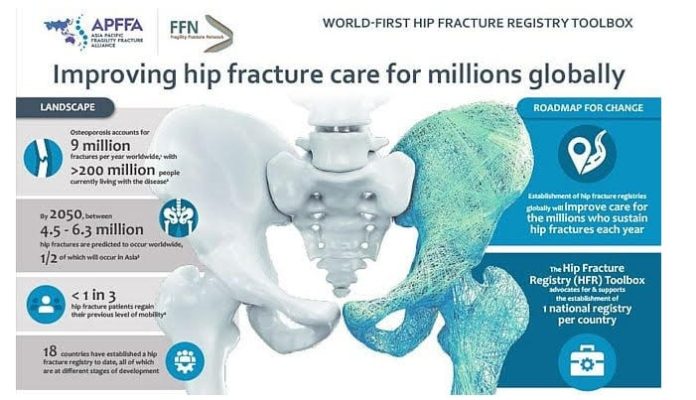
An innovative world-first Hip Fracture Registry Toolbox has been launched today (June 15) to address the alarming death and disability caused by the more than 1 million hip fractures sustained in the Asia Pacific each year.

Developed by the Asia Pacific Fragility Fracture Alliance (APFFA) in collaboration with the Fragility Fracture Network (FFN), the practical and informative resource explains the fundamental need and how to best advocate for the establishment of a national hip fracture registry.

Tailored to clinicians, hospital administrators, healthcare systems and governments alike, the Toolbox covers pertinent topics, including stakeholder engagement and consolidation, building a case for change, planning and funding a registry to setting up a pilot registry and navigating governance and ethics approval. Examples of current registries and other useful resources also feature in the Toolbox.

Concerningly, one-in-four patients who sustain a hip fracture die within a year, and less than half of those who survive, regain their previous level of function. The expected direct incurred cost associated with the more than 1.1 million hip fractures estimated to have occurred in nine countries and regions in APAC, including China, Chinese Taipei, Hong Kong SAR, India, Japan, Malaysia, Singapore, South Korea and Thailand in 2018, amounts to USD 7.5 billion. This cost is projected to increase to almost USD 13 billion by 2050.

According to Professor Jacqui Close, Consultant Ortho-Geriatrician and Clinical Director of the Falls, Balance and Injury Research Centre at Neuroscience Research Australia (NeuRA) and APFFA Hip Fracture Registry Working Group Co-Chair, widescale implementation of hip fracture registries worldwide can facilitate vast improvements in care for the millions of people who sustain a hip fracture each year.

“Hospitals can utilise hip fracture registries to benchmark their provision of care against best practice clinical standards for acute care, rehabilitation, and secondary fracture prevention. Hip fracture registries can transform patient-level data into information that both equips and empowers hospital teams to identify, and develop solutions for key challenges within their respective institutions, and to strive for ongoing improvement in care,” said Prof Close.

By 2050, one in four people in APAC will be aged over 60. This portion of the population is expected to triple between 2010 and 2050, reaching close to 1.3 billion people. Within the same timeframe, between 4.5 to 6.3 million hip fractures are predicted to occur worldwide, half of which will occur in Asia.

Dr Hannah Seymour, Consultant Geriatrician and Medical Director, Fiona Stanley Fremantle Hospitals Group in Australia and APFFA Hip Fracture Registry Working Group Co-Chair, argues that given the exponential increase in both the incidence and costs associated with hip fractures to date, and those anticipated globally, hip fracture registries serve as a vital tool underpinning quality improvement initiatives in the Asia Pacific region, and globally.

“As of April 2021, 18 countries across Asia Pacific, Europe, Latin America and North America had established a hip fracture registry, at different stages of maturation, participation and development. Notably, only three registries are currently operating in the Asia Pacific.

“The Hip Fracture Registry Toolbox explains how timely, reliable and constructive feedback to clinical teams, coupled with the engagement and participation of key stakeholders, improves the impact of hip fracture registries,” Dr Seymour said.

Registries can contribute to government initiatives designed to manage rapidly ageing populations, and can further help to promote the equitable provision of care. With adequate operational efficiency and funding, registries can improve healthcare, and are likely to prove significantly cost-effective.

According to Dato’ Dr Joon-Kiong Lee, Orthopaedic Surgeon in Malaysia and APFFA co-Chair, today’s release of the Toolbox coincides with the launch of APFFA’s YouTube channel: “The APFFA YouTube channel will house a series of educational videos featuring interviews with leading clinicians from the Asia Pacific arena, reflecting on important considerations for each of the seven key steps involved in establishing a hip fracture registry.

“We trust our APFFA and FFN Toolbox, and supporting videos, will arm our colleagues throughout Asia Pacific, and the rest of the world, with the necessary inspiration, knowledge and guidance on how to successfully establish a national hip fracture registry in their respective countries,” said Dato’ Dr Lee.

How To Get Your Blood Sugar Level More Stable With A Few Tips

Most people worldwide are now dealing with lifestyle diseases, one of them being blood sugar spikes.ย  Blood sugar spikes happen when your blood pressure rises and falls sharply after taking your meals. Besides this, some individuals also deal with low sugar levels, a condition caused by different underlying conditions. In summary, many people are struggling to keep their sugar levels stable.

Failing to control sugar levels leads to type II diabetes, a rising problem affecting both the young and the old. The scariest thing is that at least 25% of individuals who suffer from this condition do not know about it, and the condition sometimes turns fatal. Here are a few tips you can use to maintain your sugar level stable.

Keeping a Healthy Weight

Statistics reveal that two out of three adults living in the United States are overweight. Being overweight or obese is disadvantageous since your body finds it challenging to use insulin or break down the sugar levels, leading to high blood sugar levels.ย  If this high sugar level condition is not controlled, it later develops to type 2 diabetes.

Weight loss proves as one of the effective methods you can use to maintain your blood sugar levels. According to research, obese individuals who exercised and lost weight reduced their blood sugar levels drastically.ย  Also, weight loss reduced the incidence of developing type II diabetes by a whopping 58%.

Taking Glucose

If you have diabetes, taking glucose is one way of maintaining your blood sugar level. How does this happen? Glucose is indeed sugar. However, glucose contains simple sugar that the body breaks down for energy. As highlighted in this blog about Glucose Tablets, taking glucose helps to increase blood sugar levels. This procedure is helpful for individuals who have type II diabetes since their bodies do not produce or resist insulin.

If you do not have diabetes, your insulin will help your cells use glucose for your body’s energy. However, when your body has enough glucose, the excess will be stored in your liver and will be used whenever you need it in your body. Individuals with diabetes do not have insulin for this process; thus, they will need the tablets to stabilize their sugar levels.

Exercising More

Exercising and maintaining a healthy weight are two different things. You can have a healthy weight, but not exercising and vice versa. However, exercising is also one of the approved methods you can use to maintain your blood sugar levels.ย  For healthy individuals, exercising ignites the muscles to absorb more sugar from the blood, reducing the excess sugar levels.

You can practice high-intensity or low-intensity exercises, which work best to maintain blood sugar levels.ย  Individuals who practice a lot have recorded some of the most stable sugar levels, regardless of age.ย  However, exercises performed before taking meals, including breakfast, proved to work better in controlling sugar levels than those done after meals.ย  Besides this, exercising also helps maintain a healthy weight, a factor related to maintaining healthy sugar levels.

Drink More Water

Did you know that failing to drink enough water can lead to high sugar levels?ย  When you are dehydrated, the body produces a vasopressin hormone. A vasopressin hormone makes the kidneys retain body fluids and stops the body from flushing excess sugar via urine. This also makes the liver release the stored sugar into the body, leading to high sugar levels.

Drinking at least one liter of water per day reduces the chances of developing high sugar levels. Not taking water leads to increased vasopressin hormone, resulting in insulin resistance, leading to type II diabetes. There is no recommended amount of water you should take to prevent this. It all depends on your body and the water loss rate. However, it would be best not to wait until you are dehydrated to take water.

Go Low Carb

Excess carbohydrates in the body cause sugar levels to rise significantly.ย  The reason is that these carbohydrates get converted into simple sugars, which then get to the bloodstream.ย  The more the sugar levels rise, the more the pancreas releases insulin, making the cells absorb sugar from the blood, lowering the sugar levels.

Eating a low-carb diet helps maintain the blood sugar level since no more sugar will accumulate in the bloodstream. Besides this, a low-carb diet helps to reduce weight, which then reduces sugar levels. If you aren’t into heavy exercises, limit the number of carbs to keep your blood sugar level.

With simple diet changes and other precautions as stated above, you can effectively maintain your blood sugar at recommended levels. However, before practicing the methods, it is important to have your sugar levels checked. Some of the precautions listed above help increase, while others lower the sugar levels to the recommended standard.ย  Talk to a professional before making changes to maintain your sugar levels.

WhiteCoats partners with Simbo.ai to provide voice-enabled patient care

How touchless patient monitoring is defining future of healthcare landscape

Simbo.ai has partnered with WhiteCoats to augment Whitecoatsโ€™s clinic management and patient-engagement tools for the medical fraternity, and enable them to deliver voice-based Electronic Medical Records (EMRs) documentation as well, according to a statement.

The statement also said that SimboAlpha, a product of simbo.ai, is a cloud-based Application Programming Interface (API) platform. A voice-based doctor assistant, it creates EMR documentation using advanced Artificial Intelligence (AI) in less than 30 seconds. It is a state-of-the-art solution based on proprietary Automated Speech Recognition (ASR) and medical Natural Language Understanding (NLU) using vast medical-knowledge base to understand doctor and/or patient conversation. It is based on artificial neural networks, and is trained on over 10 million recordings.

At Whitecoats, we continuously strive to provide differentiated cutting-edge solutions that power successful practices and enable better care, every day. Having Simbo.ai as our AI partner for voice-enabled doctor assistant ensures that we are catering to and providing one of the industryโ€™s best voice-enabled EMR and patient-care solutions to our doctors, especially during these trying times. We are launching our simbo.ai-powered solution to hundreds of clinicians pan-India. We plan to further scale up our vision of automating electronic medical records and aid doctors to focus on relationship-based patient care, said the statement.

Baljit Singh, Co-founder and CEO, Simbo.ai, said, โ€œOur partnership with WhiteCoats will help us in serving niche customer segments which includes individual clinics and group OPDs. Simbo.ai enables them to experience SimboAlpha as it seamlessly automates doctor-patient conversations and converts them into EMR in less than 30 seconds. Our partnership with WhiteCoats comes as a huge endorsement for our continuous research efforts.โ€

He further added, โ€œSimboAlphaโ€™s transformative technology will enable the healthcare stakeholders to disrupt the way cliniciansโ€™ approach clinical documentation.โ€

Translate ยป