Close
Digital Health & Ai Innovation summit 2026
Medical Taiwan 2026

Australia invests $60 M to continue COVID-19 support for aged care

The Australian government is investing $60 million to extend support for COVID?19 response measures for Australia’s impacted aged care facilities until 30 June 2022.

The extension means a second tranche of COVID-19 Aged Care Support Program grants will be available from this week to support providers with costs incurred from 28 May 2021 to 31 March 2022.

Surge workforce arrangements will also remain in place to meet future demand in the event of further outbreaks.

In a response to the current situation in Victoria and the emerging concern in New South Wales, significant efforts are being made to protect senior Australians in aged care, including more resources being made available should they be needed.

The government is ensuring providers affected by an outbreak can access surge workforce staff and receive financial support for eligible expenses.

The program supports costs including additional or replacement staff, personal protective equipment (PPE), cleaning and infection control, waste management, and travel and accommodation.

The COVID-19 Aged Care Support Program started on 27 March 2020 and has, to date, provided $61.2 million in grant funding, reimbursing providers for certain expenses incurred from managing care recipients and staff needing to isolate due to suspected or confirmed COVID-19 infection.

InteliCare announces collaboration to create predictive technology for aged care

InteliCare announces collaboration to create predictive technology for aged care

InteliCare recently received an A $ 100,000 (approximately $ 77,000) grant from the New South Wales Intelligent Sensing Network to enhance its machine learning capability. He received the grant together with partners Macquarie University and the University of Sydney.

The listed senior care technology developer will be working on a one-year project with NSSN and computer science units from both universities.

In a corporate disclosure, InteliCare claimed to have formed a multidisciplinary research team comprised of experts in the Internet of Things, machine learning, business analytics, aging and health.

The team will build machine learning algorithms “to predict and prevent events that could affect the quality of life of the elderly.”

With the new funds, InteliCare can accelerate its machine learning capability. The company focused on event detection rather than forecasting.

The resulting product will increase the accuracy of InteliCare’s artificial intelligence technology in predicting the risks of chronic disease and deteriorating mental health, leading to loss of independence, injury, infection and dementia.

“The project will result in an improved notification system that allows healthcare professionals and online workers to have a better understanding of when to intervene,” said Jane Evans, MedTech theme leader at NSSN.

InteliCare said it will own the intellectual property of the product, which “will provide a significant competitive advantage over outdated assistive technology, particularly wearable alarm or constriction devices.”

In addition to NSSN funds, InteliCare will contribute AUS $ 152,898 (approximately $ 118,000) in cash and universities will provide AUS $ 161,021 (approximately $ 124,600) in in-kind support.

In the United States, there are companies developing predictive solutions that use machine learning and artificial intelligence to identify health risks. Among the players there are KenSci is Lumiata.

In a recent report, a non-profit research group Global Center for Modern Aging he recommended, among other things, that the health sector in Australia should seize grants “to finance assistive technology and home modifications that promote independence in everyday life”.

According to Jason Waller, InteliCare CEO and Chief Executive Officer, there is earnings potential from new predictive technologies, particularly thanks to the Australian government’s investment in 7.5 billion Australian dollars ($ 5.8 billion) for home care for the elderly.

In separate news, Intelicare has received binding commitments a raise $ 2.5 million from new and existing investors earlier this month.

“This funding is an excellent opportunity to work with a world-class machine learning team in an extremely cost-effective way. From the outset, InteliCare’s strategy has not only been to use artificial intelligence to detect critical events, but to use our data to predict events in order to prevent them [from] occur in the first place, ”Intelicare’s Waller said.

Disclaimer: The opinions expressed within this article are the personal opinions of the author. The facts and opinions appearing in the article do not reflect the views of j99news and j99news does not assume any responsibility or liability for the same.

CMR Surgical and Microsoft collaborate on health data storage trial

CMR Surgical and Microsoft collaborate on health data storage trial

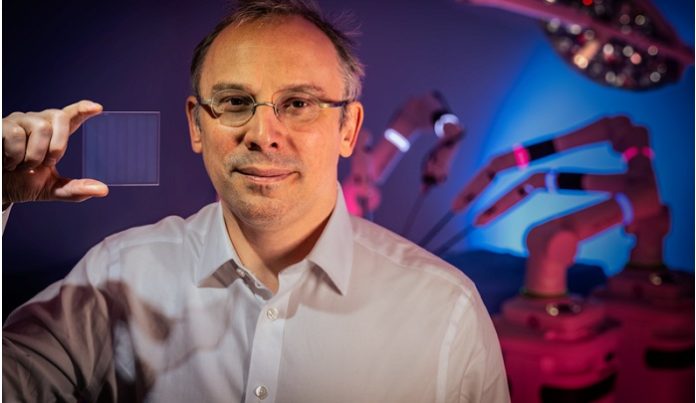
CMR Surgical (CMR) – the global company that has developed the next-generation surgical robot, Versius®, today announced an engagement with Microsoft in a first for health data. Clinical data from Versius procedures was stored onto a small proof of concept glass platter, which can be safely preserved for more than ten thousand years, as part of the new ‘Project Silica’ trial by Microsoft.

CMR is dedicated to transforming the future of surgery and data is central to this mission. Through the Versius Surgical Robotic System and its wider digital ecosystem – including a registry and app – CMR is consistently collecting and analysing large amounts of anonymised data from its minimal access (MAS) – otherwise known as keyhole – surgeries. This data has the potential to help standardise surgery and ultimately improve patient outcomes.

Project Silica is a new archive storage technology from Microsoft, created specifically for the Cloud from the ground up. Once data is written inside the glass it will not decay and this opens up an exciting opportunity to challenge and completely rethink traditional storage system design.

While regular magnetic media can decay and be destroyed through a number of environmental factors such as EMP (electromagnetic pulse), water damage, heat, or abrasion, glass is not affected by EMP or water damage and is resilient to heat and abrasion. It can survive for tens of thousands of years without the data decaying.

Luke Hares, Chief Technology Officer of CMR commented: “Through this exciting trial with Microsoft, CMR has the opportunity to use a ground-breaking technology of the future to store a vast amount of clinical data safely and securely. This is important as collecting data across surgical practice will enable us to learn critical insights over time and realise our mission to make minimal access surgery available to everyone who could benefit. Working with Microsoft is a natural fit for CMR, as both companies are hugely passionate about realising the potential of data and technology to shape healthcare worldwide.”

Long term archival storage, enabled by Project Silica, permits the preservation of surgery data, including procedural videos and critical telemetric data. Over the long term, for example a surgeon’s entire career, this can be harnessed for future training and clinical study.

Jurgen Willis, VP Program Management, Microsoft, commented: “In this trial with CMR, Microsoft was able to demonstrate our innovation in long term archival storage. Long-term medical archival data can improve medical record management, enabling healthcare companies to help their patients more effectively. Working with CMR is an exciting milestone for Project Silica to learn more about long-term archival storage needs within the healthcare market.”

This trial with Microsoft comes at an exciting time for CMR Surgical having recently announced the introduction of the Versius Surgical Robotic System into two new major robotics markets, Australia and Germany. CMR continues to significantly increase its global footprint, with over 1,000 clinical cases completed to date.

About Project Silica

The demand for long-term data storage is reaching unprecedented levels, but the capacity of existing storage media is not keeping up. Operating at such scales requires a fundamental re-thinking of how we build large-scale storage systems, as well as the underlying storage technologies that underpin them.

In Project Silica, Microsoft is using recent discoveries in ultrafast laser optics and artificial intelligence to store data in quartz glass. The hard silica glass can withstand being boiled in water, baked in an oven, microwaved, scoured, demagnetised and other environmental threats. At room temperature, this durable long-term storage media has the potential to live for thousands to millions of years.

This opens up an incredibly exciting opportunity to challenge and completely re-think traditional storage system design, and to co-design the future hardware and software infrastructure for the cloud.

Long-term archival storage costs are driven up by the need to repeatedly transfer data onto newer media before the information is lost. Hard disk drives can wear out after three to five years. Magnetic tape may only last five to seven. Both the media and the equipment needed to do this continual upgrading are expensive. Glass storage has the potential to become better match for this long-term archival data because the data is only written into the glass once, and at room temperature the data will not decay.

As well as being plentiful, durable, and lasting for ages, the media in Project Silica greatly contributes to sustainability, as it requires no electricity or air conditioning in storage and never needs to be re-written.

The Versius® Surgical Robotic System

Versius® resets expectations of robotic surgery. Versius fits into virtually any operating room set-up and integrates seamlessly into existing workflows, increasing the likelihood of robotic minimal access surgery (MAS). The portable and modular design of Versius allows the surgeon to only use the number of arms needed for a given procedure.

Biomimicking the human arm, Versius gives surgeons the choice of optimised port placement alongside the dexterity and accuracy of small fully-wristed instruments. With 3D HD vision, easy-to adopt instrument control and a choice of ergonomic working positions, the open surgeon console has the potential to reduce stress and fatigue and allows for clear communication with the surgical team. By thinking laparoscopically and operating robotically with Versius, patients, surgeons and healthcare professionals can all benefit from the value that robotic MAS brings.

But it’s more than just a robot. Versius captures meaningful data with its wider digital ecosystem to support a surgeon’s continuous learning. Through the Versius Connect app, Versius Trainer and CMR clinical registry, Versius unleashes a wealth of insights to ultimately improve surgical care.

About CMR Surgical Limited

CMR Surgical (CMR) is a global medical devices company dedicated to transforming surgery with Versius®, a next-generation surgical robot.

Headquartered in Cambridge, United Kingdom, CMR is committed to working with surgeons, surgical teams and hospital partners, to provide an optimal tool to make robotic minimal access surgery universally accessible and affordable. With Versius, we are on a mission to redefine the surgical robotics market with practical, innovative technology and data that can improve surgical care.

Founded in 2014, CMR Surgical is private limited company backed by an international shareholder base.


ZOLL and Global Healthcare SG Sign Exclusive Agreement for Distribution of Portable Targeted Temperature Management System in Asia Pacific

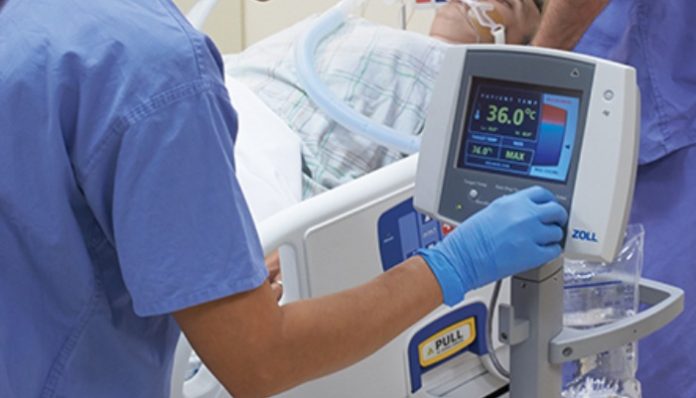
ZOLL® Medical Corporation, an Asahi Kasei company that manufactures medical devices and related software solutions, and Global Healthcare SG, a developer of portable body cooling solutions, announced their exclusive distribution agreement. As part of the agreement, ZOLL has exclusive rights to distribute the CarbonCool® Full Body Suit and Comfort Suit in Asia-Pacific countries.*

Studies in Asia-Pacific countries, where extreme temperatures can reach 50°C (122°F), have found positive associations between heat and human morbidity and mortality.1,2 “Exertional heat stroke (EHS) has been shown to be the underlying cause of a substantial number of sudden deaths during high-intensity exercises in public and military settings,” said Christopher Barnabas, Vice President, ZOLL Asia Pacific Operations.3,4 “We are excited about the potential of the innovative CarbonCool technology in preventing and treating EHS, as well as the distribution agreement with Global Healthcare SG that will further enhance our mission to improve survival outcomes in the region.”5,6

The CarbonCool Full Body Suit can be deployed quickly and easily for treatment of heat stroke. It can be adjusted to most body shapes and size. Additionally, the Comfort Suit offers a preventive solution for environments with higher risks of heat injuries and can be deployed as a personal cooling system by firefighters, bomb disposal squads, and HAZMAT personnel.

“Global Healthcare SG broke new ground with our portable, HypoCarbon®-based therapeutic cooling technology that is more effective, convenient and practical in lowering core body temperature compared to preparing for ice water immersion,”7 said KL Cheng, Managing Director of Global Healthcare SG. “Our exclusive agreement with ZOLL enables us to leverage an extensive distribution network throughout the Asia-Pacific region, where CarbonCool’s innovative performance aims to improve the delivery of care in emergent situations relating to heat stress.”

To learn more about the CarbonCool Full Body Suit and Comfort Suit, please contact your local ZOLL representative.

About the Global Healthcare SG CarbonCool Full Body Suit

The CarbonCool Full Body Suit comprises an outer garment made of neoprene and thermoplastic polyurethane fastened with Velcro tape. It includes pockets for MPad™ cooling pads, which are filled with HypoCarbon, a proprietary and patented graphite solution that can transfer heat 15 times faster than ice. In trials conducted at Singapore General Hospital, it took 73 minutes to lower patients’ core body temperature to the target temperature of 34°C (93.2°F) compared with 142 minutes with ice packs and intravenously administered cold saline.7

ZOLL and the Military

For more than 25 years, ZOLL has been a trusted partner delivering acute critical care technologies to the military. ZOLL products are extensively utilized throughout the entire military healthcare system in support of the warfighter and casualty treatment within the En Route Care System. ZOLL’s leading resuscitation and critical care technologies are used in all roles of operational medical care on the battlefield, in aeromedical evacuation and transport, in field hospitals, and in garrison for definitive care. For more information, visit www.zoll.com/medical-markets/military/.

About ZOLL Medical Corporation

ZOLL Medical Corporation, an Asahi Kasei company, develops and markets medical devices and software solutions that help advance emergency care and save lives, while increasing clinical and operational efficiencies. With products for defibrillation and cardiac monitoring, circulation enhancement and CPR feedback, supersaturated oxygen therapy, data management, ventilation, and therapeutic temperature management, ZOLL provides a comprehensive set of technologies that help clinicians, EMS and fire professionals, as well as lay rescuers, improve patient outcomes in critical cardiopulmonary conditions.

About Asahi Kasei

The Asahi Kasei Group contributes to life and living for people around the world. Since its foundation in 1922 with ammonia and cellulose fiber business, Asahi Kasei has consistently grown through the proactive transformation of its business portfolio to meet the evolving needs of every age. With more than 40,000 employees around the world, the company contributes to sustainable society by providing solutions to the world’s challenges through its three business sectors of Material, Homes, and Health Care. Its health care operations include devices and systems for acute critical care, dialysis, therapeutic apheresis, transfusion, and manufacture of biotherapeutics, as well as pharmaceuticals and diagnostic reagents.

Onduo Expands Virtual Care Solution Platform into Mental and Behavioral Health

T-Mobile and Zyter Partner to Deliver Virtual Healthcare Access to More Americans

Onduo announced the expansion of its virtual care solution platform into mental and behavioral health. By expanding its multi-condition platform for whole-person care, Onduo bridges a gap for people who need mental health services and helps assess and address individuals’ mental well-being needs with convenient, confidential care provided through a combination of digital engagement tools, coaching, and direct care services. Through the Onduo virtual telehealth clinic, a cornerstone of Onduo’s coordinated care solution, individuals are able to access psychiatrists, therapists, and mental health coaches.

“Access to behavioral health services is often a challenge and has become an even greater need during the pandemic,” explained Onduo’s CEO, Vindell Washington, MD. “We also know that individuals often do not recognize symptoms of depression or seek help. This solution is an important extension of the Onduo services for our customers’ members and employees so that we get them matched to the right mental health care support.”

The impacts of behavioral health conditions on healthcare costs are significant. Up to a third of people living with chronic conditions also experience depression1 and total health costs are approximately 3 to 6 times more for individuals with a behavioral health condition than without.2 Limited access to a mental healthcare provider was a widely acknowledged barrier to care3 prior to Covid-19, and the pandemic has created more mental health issues and more access challenges in our communities.

Onduo identifies each individual’s needs and then matches them to the right care pathway using a novel whole health assessment within its predictive analytics framework built by its parent company Verily. Onduo’s offerings include digital well-being journeys, activities, and health coaching. If clinically indicated, members will meet with an Onduo clinician to discuss therapy or psychiatry options through telemedicine—all embedded within the Onduo app. Onduo evaluates changes over time to step-up and step-down care, as needed, and helps individuals track progress over time and improve their quality of life. Onduo’s solution aims to deliver measurable reductions in depressive symptoms and improvements in managing work and home responsibilities, which is a direct tie to absenteeism.

“By providing digital tools, evidence-based interventions, resources, and reflection exercises, we help members understand the impact of depression symptoms on their daily living, recognize patterns, and develop the skills to address their needs so that they can experience improved quality of life,” said Alanna Robinson, LICSW, mental health coach lead with Onduo. “We know that mental health and social care is important to a member’s physical health. Our holistic coaching and direct care approach allows us to personalize our support to drive improvements for individuals.”

Building on Verily’s experience in delivering data-informed behavioral health solutions

Verily, Onduo’s parent company, introduced technology-enabled personalized mental health care solutions with the 2019 launch of OneFifteen, which is dedicated to the full and sustained recovery of people living with substance use disorder. Supported by health platforms and a learning system built by Verily, OneFifteen operates a treatment campus in Dayton, Ohio and a learning health system that offers crisis stabilization and outpatient services across Southwestern and Southern Ohio. The Verily platform helps create scale and access to care for OneFifteen. Its team of clinicians, engineers, and health systems experts look to deliver individualized, evidence-based, outcomes-focused mental health and wellbeing care through Onduo.

Onduo for Mental Health expands the company’s multi-condition virtual care program that also supports a cardiometabolic suite of teleheath services including type 1 and 2 diabetes, pre-diabetes, weight loss, and hypertension.

About Onduo

At Onduo, we are dedicated to making “healthy” easier, more accessible, and more personalized with our science-backed, data-driven virtual care model—one that can serve people living with chronic conditions and the organizations supporting them. Launched initially with the type 2 diabetes population and enabled by technology built by Verily Life Sciences, we deliver lifestyle and clinical interventions that leverage deep analytics, connected smart devices, innovative software, and access to specialty care. Onduo LLC headquarters are based out of Newton, MA.

Essence SmartCare Launches VitalOn Remote Patient Monitoring Solution

C Spire partners with Delta Regional Medical Center on remote patient monitoring

Essence SmartCare, a leader in IoT-based remote care solutions, today announced the launch of VitalOn, a comprehensive remote patient monitoring (RPM) platform for active seniors and older adults living with chronic conditions.

VitalOn introduces a new concept to the care market by combining telecare, wellness and RPM capabilities into a single, connected platform. The system is always on, providing continuous monitoring and chronic conditions management for a wide range of healthcare needs, both in the home and on the go. It continually gathers and analyzes patient data from multiple health and monitoring devices to facilitate proactive, predictive and preventative care.

VitalOn is easily installed through a gateway with multiple connectivity options and is compatible with a wide range of Bluetooth Low Energy (BLE)-enabled medical devices. The platform continuously monitors wellbeing parameters and routine vital signs to detect and alert users, carers or clinicians in case of abnormal activity. It optimizes the user experience by addressing aging-related issues and chronic conditions, including diabetes, hypertension and congestive heart failure without the need to rely on smartphone or tablet apps.

“As people age and their medical needs become more complex, they find themselves torn between the need to feel safe and cared for while remaining free and independent,” said Dr. Haim Amir, CEO and Founder of Essence Group. “VitalOn helps resolve this dilemma with a solution that enables seniors to monitor their vital health indications and connects them directly to their care providers, both inside and outside of the home. It allows them to continue living safe, active and independent lives, regardless of whether they have only minimal medical needs or require regular, chronic or even intensive treatment.”

To enable an integrated and scalable suite of monitoring devices, Essence SmartCare has partnered with various connected medical device manufacturers. At launch, the suite includes a pulse oximeter, weight scale, blood pressure monitor, thermometer, blood glucose meter and wearable activity/sleep tracker. All devices automatically pair with the VitalOn gateway and are both FDA-cleared and CE-marked. Once connected, they continually transmit patient-generated data to a real-time clinical dashboard that enables care teams to remain constantly informed, facilitating early intervention and improved patient outcomes. Advanced APIs enable seamless integration with all major health monitoring platforms.

“We face a reality in which at least 80% of seniors are living with at least one chronic condition, which requires continuous monitoring for effective management. VitalOn provides the most connected, vigilant, and seamless solution for monitoring the health and wellbeing of seniors without infringing on their daily lives,” said Barak Katz, General Manager for Essence SmartCare. “This is in line with our company’s overriding commitment to provide peace of mind through innovation, by bringing to market accessible and easy-to-use technologies that significantly improve quality of life.”

Essence SmartCare is partnering with telehealth service providers and system integrators to implement the solution in health systems and senior care facilities across the United States, European Union and Australia.

About Essence SmartCare

Essence SmartCare, part of the Essence Group, develops pioneering Health & Care platforms for market-leading healthcare and senior care providers, enabling smart preventive care and emergency response so seniors can live life to the fullest –with total peace of mind. Partnering with Essence SmartCare helps position companies as progressive, forward-thinking and in touch with the need to enable elderly and vulnerable people to lead more independent and safer lives.

Siemens Healthineers Enhances Its Order Management Process with Esker’s AI-Driven Solution

Siemens Healthineers Enhances Its Order Management Process with Esker's AI-Driven Solution

Esker, a global cloud platform and leader in AI-driven process automation solutions for finance and customer service functions, announced that the Italian branch of Siemens Healthineers, an international medical technology company, is automating its order management process with Esker’s Order Management solution. As part of its strategy to improve business processes, Siemens Healthineers had been searching for a global automation solution to overhaul order management for its laboratory diagnostics products while also seamlessly integrating with its SAP® ERP system.

While fulfilling orders in a timely manner is critical for suppliers in any industry, the in-vitro diagnostics products that Siemens Healthineers delivers to medical institutions must be processed quickly and accurately to ensure the best care for patients and enhance their entire experience. The previously cumbersome order entry process relied on the manual entry of order lines. To decrease the workload of the Customer Service team as well as reduce errors, Siemens Healthineers turned to Esker for a solution that would automate, standardize and streamline its order management process.

Prior to Esker, only 8% of orders were automated. Today, Siemens Healthineers automates 85% of received orders, with 93% of order fields correctly identified by the solution. The advanced data recognition capabilities of Esker’s AI Engine has enabled Siemens Healthineers to benefit from high recognition rates after just a short period of self-learning.

“Esker’s AI Engine has not only automated our order management process, but has also enhanced the skills of our customer service team by making it easier for them to focus on customer needs and experience,” said Andrea Zoppi, CFO and member of Board of Directors at Siemens Healthineers.

Apart from the time and resource savings Esker brings to Siemens Healthineers, it was also important that the company be able to comply with the Italian e-ordering regulation in the healthcare sector. Esker has enabled Siemens Healthineers to manage the reception of e-orders through Nodo Smistamento Ordini (NSO), the Italian government-owned platform.

Following the excellent results achieved in Italy, Siemens Healthineers has extended the partnership and is implementing Esker’s Order Management solution in the U.S., Western and Eastern Europe, and South Africa, thereby leveraging Esker’s global reach and comprehensive order management automation capabilities.

About Siemens Healthineers

Siemens Healthineers’ goal is to support healthcare professionals through expanding precision medicine, transforming care pathways and improving the patient experience. Globally, an estimated 5 million patients benefit daily from technology and service innovations in diagnostic and therapeutic imaging, laboratory diagnostics and molecular medicine as well as Digital Health and Enterprise Services. A leading medical technology company with over 170 years of experience and 18,000 patents globally and more than 48,000 dedicated resources in 70 countries, Siemens Healthineers continues to innovate and shape the future of healthcare.

About Esker

Esker is a global cloud platform built to unlock strategic value for finance and customer service professionals, and strengthen collaboration between companies by automating the cash conversion cycle. Esker’s solutions incorporate technologies like Artificial Intelligence (AI) to drive increased productivity, enhanced visibility, reduced fraud risk, and improved collaboration with customers, suppliers and internally. Esker operates in North America, Latin America, Europe and Asia Pacific with global headquarters in Lyon, France, and U.S. headquarters in Madison, Wisconsin.

Al-Futtaim Health, MetLife launch service for digital healthcare solutions

Al-Futtaim Health, MetLife launch service for digital healthcare solutions

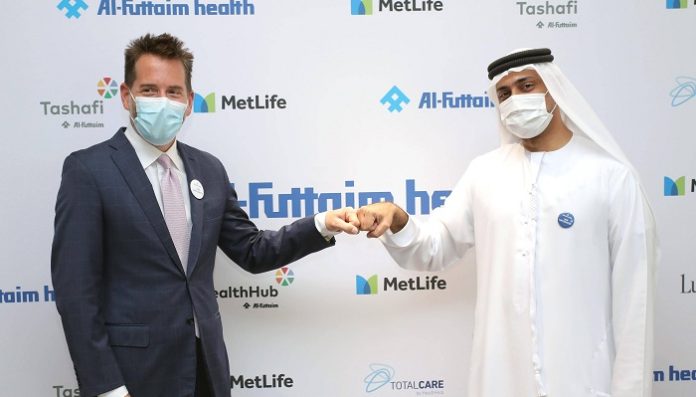
Al-Futtaim Health and MetLife announced a strategic partnership to launch a first-of-its-kind service that will connect healthcare professionals and specialists with patients virtually.

The services will be launched under MetLife’s Care Anywhere platform, powered by Al-Futtaim Health, making healthcare services more accessible to MetLife’s corporate insured members.

MetLife’s Care Anywhere encompasses telehealth and SmartDoc services, powered by HealthHub and Tashafi Clinics from Al-Futtaim Heath. The solutions will combine digital and human interaction to enhance the efficiency of healthcare delivery and make medicine more personalized and precise. The new Care Anywhere telehealth solution will expand the traditional general practitioner model to include several specialists, delivery of medicine, management of chronic disease, and continuum of care virtually and in person for the UAE.

Through SmartDoc, a nurse practitioner from HealthHub/Tashafi clinics will deliver a multi-gadget, device to the patients’ premises. The device then connects the patient to a physician in real time for a full diagnosis, through reading the patient’s vitals, listen to patient heart and chest, look into eyes, ears and even do a 12 lead ECG. The service is focused on increasing access by reaching the patient at home or work, elevating quality of care, capabilities, and expertise in the healthcare space. The services will begin to be rolled out to segments of MetLife’s corporate insured members beginning July 3, 2021.

Saleh Al Hashimi, CEO of Dubai Health Insurance Corporation, Dubai Health Authority, said that the UAE’s healthcare sector has experienced tremendous growth over the past decade. “Providing world-class healthcare is one of the six pillars of the National Agenda in line with Vision 2021 and we are focused on implementing the appropriate regulations to ensure we are aligned with all best global practices. We are delighted to see the alliance between large market players like Al-Futtaim Health and MetLife aimed at achieving this vision and offering convenient solutions to the public making healthcare easily accessible.’’

Dr Haidar Al Yousuf, MD of Al-Futtaim Health, said that Al-Futtaim Health is committed to constantly diversifying its offerings. “Digital healthcare is a booming global industry and it’s projects like these that will contribute to putting the UAE on the map as a hub for innovative healthcare and digital transformation.”

Andrew Stocker, head of Employee Benefits MetLife Gulf, noted that the company has been evaluating healthcare trends, consumer behaviours, and customers’ evolving needs. “What we see in the data matches what we hear from our customers – they want expanded access to virtual care that will allow them to address both acute and chronic conditions wherever they are. Following the DHAs circular in April of 2020, the demand for such services has increased by a multiple of 10, and was the catalyst for us beginning our research.”

He explained that it is “extremely important” for companies to offer such remote services. “In addition to accelerating access to quality care, it is also addressing a few key needs our customers have shared with us in recent months – convenience for a population of members that may work remotely even medium and long-term, safety as we continue to navigate through a post pandemic world, and cost where remote care can increase the timeliness and efficiency of the healthcare system in delivering care.”

“We have clearly identified in our data, that consumer behaviours have shifted and that remote services such as telehealth and digital diagnostic tools are here to stay,” he added. “Although it will still take some time for a majority of consumer to switch to remote healthcare scenarios, we are certainly seeing utilization well above pre-Covid-19 levels and that have remainder stable since October of last year.”

New App, TeleHome, Connects Hospitalized COVID Patients With Loved Ones Through Virtual Visitations

SOC Telemed Partners with Beauregard Health System to Build Multi-specialty Telemedicine Solution

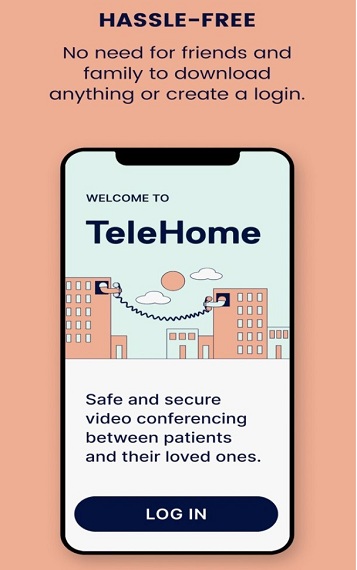
With a mission of connecting isolated COVID-19 patients to their loved ones, COVID Tech Connect announced the launch of its new, free, HIPAA-compliant, video conferencing app, TeleHome. Created in partnership with veteran telehealth provider, Caregility, the free app makes it easy for healthcare professionals and caregivers to assist patients in setting up virtual visitations with family and friends. The app is now available free for download in the Google Play and Apple App Store. To use the app, healthcare professionals need to request free user accounts through the COVID Tech Connect website.

Since its inception in March 2020, COVID Tech Connect has donated 15,000 smart devices to hospitals and care facilities in all 52 states and territories across the nation. These efforts were made possible, in part, from raising more than $4 million in charitable donations — including a grant from Google.org, and financial donations from an anonymous donor and thousands of individuals via the project’s GoFundMe campaign — to further its mission of connecting all patients with their loved ones, on any device, anywhere.

“TeleHome was born out of a need for caregivers to virtually connect patients with their families, without compromising hospital security measures,” said Anjali Kumar, co-founder of COVID Tech Connect. “After speaking with over 1,000 hospitals who received device donations from us, it quickly became clear that healthcare professionals needed a user-friendly, HIPAA-compliant video conferencing solution. We sought the expertise of Caregility to design a software solution that would complement our hardware donations to further serve our mission of connecting COVID-19 patients in isolation to loved ones safely and securely.”

TeleHome App Now Available In App Stores
Unlike other video conferencing services, TeleHome was designed to help caregivers connect isolated patients with loved ones on any device. Developed in partnership with industry telehealth veteran, Caregility, the new HIPAA-compliant app ensures that patient privacy is protected and that no patient data is stored on the device. All video calls made through TeleHome are hosted on a web-browser, making it easy for family and friends to join without having to download an app or log-in. Caregility partnered closely with COVID Tech Connect to donate engineering resources and technical infrastructure to make TeleHome possible.

Benefits of using TeleHome include:

Easy connection: TeleHome offers patients a simple and intuitive way to launch a private video call with any family member or friend.
HIPAA-compliant: Unlike other video conferencing solutions, TeleHome never stores patient information between calls, wiping the device clean after each session.
No download necessary for call recipients: Through the app, patients send a one-time text message link to their friends or family members, inviting them to a video call that is hosted on a web-browser.
Conference calling: Patients can add an unlimited number of family members and friends to their video call.

“We wholeheartedly support the mission of COVID Tech Connect to help COVID-19 patients meet virtually with their loved ones during quarantine,” said Pete McLain, Chief Strategy Officer at Caregility. “We are humbled and honored to do our part in launching the TeleHome app and making it available for free.”

With visitations shut down, it has been very hard on our patients and their families, as well as on our staff,” said Marianna Harris, CEO of Osborne County Memorial Hospital. “The devices we received from COVID Tech Connect will enable us to provide a deeply needed connection for our patients and their loved ones, giving us all a sense of normalcy during these trying times. Now with the new TeleHome app, our staff can easily support this connection in a safe and secure way, anytime and anywhere, for years to come.”

About COVID Tech Connect
COVID Tech Connect was founded with a mission to connect critically ill COVID-19 patients with their loved ones by donating smart devices to hospitals, care facilities, and hospice centers across the country. Since launch, the organization has distributed over 15,000 smart devices to hospitals and care facilities in need. To date, the project has raised over $4 million, including a grant from Google.org, an anonymous donor, and thousands of individuals through the project’s GoFundMe campaign. COVID Tech Connect is a sponsored project of The Giving Back Fund, a 501(c)(3) fiscal sponsor, with help from CAPC, Presto Foundation, and private donors. COVID Tech Connect also partnered with Charge Power to help patients stay connected by donating 20,000 universal cell phone charge cords to hospitals.

About Caregility
Caregility is dedicated to delivering care to wherever the patient is located through the use of the Caregility Virtual Care Platform.  Designated as the #1 2021 Best in KLAS Virtual Care Platform (Non-EMR), our core telehealth offering is a purpose-built ecosystem for the entire healthcare continuum. The Caregility Virtual Care Platform provides secure, reliable two-way audio and video communication designed for any device and clinical workflow, in both inpatient and outpatient settings.

Today, Caregility supports more than 4 million video sessions annually and has deployed over 9,000 access points of care systems across the US. From critical and acute, to urgent and emergent, to post-acute and ambulatory, and to the home, Caregility is helping transform the delivery of patient care everywhere.

GE Healthcare, NSIA and IFC Partner to Strengthen Medical Equipment Financing Support Across Africa

To help small businesses in Africa’s health sector strengthen their response to COVID-19 and other pressing healthcare challenges, GE Healthcare and NSIA Banque Côte d’Ivoire have partnered with IFC’s Africa Medical Equipment Facility to support healthcare providers in Cameroon, Côte d’Ivoire, Kenya, Rwanda, Senegal, Tanzania, and Uganda access essential medical equipment.

The participation of GE Healthcare and NSIA Banque Côte d’Ivoire further expands the reach of the IFC-led facility, which was announced in April and provides risk-sharing facilities to help small and medium-size businesses access up to $300 million in loans and leases.

Africa’s smaller healthcare operators often struggle to secure bank loans due to perceived high investment risks, limiting their ability to buy or lease the medical equipment and other vital health services they need to serve patients across income levels.

The program, which spans the African continent, is an opportunity to increase affordability and access to financing but also access to high-quality medical equipment and care.

Through a multi-stakeholder approach, IFC is partnering with medical equipment manufacturers and local financial institutions to support healthcare providers across East and West Africa to strengthen the healthcare industry and provide individual loans of between $5,000 and $2 million.

“We are pleased to join efforts with IFC and NSIA to create access to financing for small and medium sized healthcare practitioners in both West and East Africa. GE wants to support our partners in growing the healthcare infrastructure across Africa and ultimately improving the standard and quality of care across the continent,” said Dr Mehdi Ferdjioui, General Manager for French-speaking Africa, GE Healthcare.

“We are delighted to sign this new agreement with IFC. It will help us support our healthcare clients to acquire equipment and renew their technical platforms. Through our collaboration with IFC and the renowned equipment manufacturers involved in the program, we are taking a further step in contributing to the protection of our people, which is an important pillar of our corporate responsibility,” said Leonce Yace, CEO of NSIA Banque Côte d’Ivoire.

“Many smaller healthcare businesses in Africa don’t have the equipment they need to respond to COVID-19 and deliver other vital services,” said Makhtar Diop, IFC’s Managing Director. “Unlocking access to finance can save lives now and will, in the long term, strengthen healthcare systems across the continent.”

Supported by the International Development Association Private Sector Window (IDA-PSW) Blended Finance Facility and the Global Financing Facility for Women, Children and Adolescents (GFF), the facility falls under IFC’s Global Health Platform, which was launched to help developing countries fight the coronavirus pandemic and to increase the resilience of countries’ healthcare systems.

The facility includes an advisory services program to help small healthcare businesses strengthen their medical equipment procurement processes, financial management competencies, and business planning. The advisory program will also help participating financial institutions strengthen their credit underwriting skills for the healthcare sector.

About IFC

IFC—a member of the World Bank Group—is the largest global development institution focused on the private sector in emerging markets. We work in more than 100 countries, using our capital, expertise, and influence to create markets and opportunities in developing countries. In fiscal year 2020, we invested $22 billion in private companies and financial institutions in developing countries, leveraging the power of the private sector to end extreme poverty and boost shared prosperity.

About GE Healthcare

GE Healthcare is the $18 billion healthcare business of GE (NYSE: GE). As a leading global medical technology, pharmaceutical diagnostics and digital solutions innovator, GE Healthcare enables clinicians to make faster, more informed decisions through intelligent devices, data analytics, applications and services, supported by its Edison intelligence platform. With over 100 years of healthcare industry experience and around 47,000 employees globally, the company operates at the center of an ecosystem working toward precision health, digitizing healthcare, helping drive productivity and improve outcomes for patients, providers, health systems and researchers around the world.

About NSIA Banque Côte d’Ivoire

NSIA Banque Côte d’Ivoire S.A. is a subsidiary of the pan-African Groupe NSIA, a leading banking and insurance group present in 12 countries. The banking division of Groupe NSIA consists of 3 banks and 3 regional branches in West Africa. NSIA Banque Côte d’Ivoire is listed on the West African Monetary Union (WAMU) regional stock market (Bourse Régionale des Valeurs Mobilières – BRVM) and currently has more than 80 branches in Côte d’Ivoire, more than 120 ATMs, over a 1,000 employees and a representation office in Paris dedicated to the diaspora. Thus, the Bank positions itself as the preferred financing partner for both corporates and retail clients. Through its financing activities across various industries, NSIA Banque Côte d’Ivoire contributes significantly to the Ivorian economy and was awarded the prize of “best institution in the financial sector” by the Ivorian government in 2018.?

About the IDA Private Sector Window

As part of the record $75 billion IDA18 replenishment, the World Bank Group created the $2.5 billion IDA Private Sector Window to catalyze private sector investment in the poorest and most fragile countries. Recognizing the key role of the private sector in achieving IDA18 objectives and the Sustainable Development Goals, the window provides concessional funds for co-investment alongside IFC and Multilateral Investment Guarantee Agency (MIGA) private investments. Concessional funds help to mitigate risk and reduce barriers, which unlocks and crowds in private investment in emerging markets.

About the Global Financing Facility

The Global Financing Facility (GFF) is a multi-stakeholder global partnership housed at the World Bank that is committed to ensuring all women, children and adolescents can survive and thrive. The GFF Trust Fund is currently supported by the Governments of Burkina Faso, Canada, Côte d’Ivoire, Denmark, Germany, Japan, the Netherlands, Norway, Qatar, and the United Kingdom; the Bill & Melinda Gates Foundation; the Susan T. Buffett Foundation; the European Commission; Laerdal Global Health; MSD for Mothers, and the Rockefeller Foundation. The GFF supports 36 low and lower-middle income countries with catalytic financing and  technical assistance to develop and implement prioritized national health plans and to maximize the use of domestic financing and external support in synergistic ways to scale up access to affordable, quality care and achieve better, more sustainable health results.

Translate »