








Close
Digital Health & Ai Innovation summit 2026
Medical Taiwan 2026

EKF opens larger facility to increase production of key component for COVID-19 testing regime

Asia Pacific countries fast track review processes benefits Clinical Trial clients

EKF’s new facilities in Llandough, Cardiff, for manufacture of PrimeStore® MTM viral transport media, enabling pathogenic samples to be collected and transported safely and easily in compliance with UN3373 packaging regulations.

EKF Diagnostics, the global in vitro diagnostics company, announces that it has expanded into new larger manufacturing facilities at Llandough Trading Estate, Cardiff, to increase production of PrimeStore® MTM viral transport media, a key component for the COVID-19 testing regime. The new facility is over 600 sq. metres, representing a 100% increase in manufacturing area. This enables EKF to fill 36,000 PrimeStore MTM tubes daily and meet growing UK and EU demand for this novel, patented sample collection device successfully evaluated for effective SARS-CoV-2 inactivation by Public Health England.

Already an established device for safe and easy transportation of pathogenic samples, millions of PrimeStore MTM tubes have now been sold globally during the SARS-CoV-2 pandemic; and EKF continues to receive escalating numbers of orders from healthcare, education and industry for COVID-19 testing programmes. As well as the additional manufacturing capacity in Wales, EKF has also increased production at its facilities in Barleben, Germany, and USA in Boerne, Texas, and South Bend, Indiana. The new Cardiff facility will also become a distribution hub for EKF’s latest portfolio addition, the Kantaro COVID-SeroKlir SARS-CoV-2 IgG antibody test kit and provide more space for new product development in the laboratories at EKF’s Headquarters in Penarth, Cardiff.

In addition to the increased floor space, EKF has grown its workforce at a time when many companies in Wales are sadly being forced to make redundancies. The new facility, fitted out using only local contractors, can accommodate up to 40 staff operating three tube filling pump lines and three rooms for sample kit assembly. Already EKF has created over 30 new jobs, including production line operatives, and in quality assurance, customer services, purchasing, operations and logistics to meet the demand for PrimeStore MTM. EKF expects to employ more staff in the short term as it settles into the new facility.

The success of PrimeStore that has necessitated the increased production capacity is due to new high-volume customers, as well as increasing orders from current customers finding that it is helping them to significantly streamline their sample collection and testing processes. This is because the novel sample collection device allows COVID-19 samples from swabs to be rapidly inactivated in the collection tube, avoiding contamination whilst preserving RNA with no requirement for refrigeration. Removing the need for cold chain storage and enabling immediate testing without need for containment in the laboratory delivers cost, efficiency and safety advantages.

Leicester University has established an asymptomatic SARS-CoV-2 screening programme to support and reassure staff and students on campus, and reduce viral transmission. “By choosing PrimeStore MTM with its viral inactivation properties, we are ensuring the safe transportation and processing of participants’ samples and ensuring protection for our staff,” said Dr Rebecca Allsopp, Research Associate at Leicester Cancer Research Centre, University of Leicester. “We have the reassurance of RNA stabilisation, protecting sample integrity at room temperature without the need for additional storage requirements. EKF has also provided excellent customer service.”

PrimeStore MTM (Molecular Transport Medium) was specifically designed and optimized for molecular testing allowing pathogenic samples to be collected, transported, and processed safely and efficiently. The molecular transport medium inactivates infectious biological pathogens including viruses (such as SARS-CoV-2 and flu A & B), and gram-positive/negative bacteria whilst preserving and stabilizing labile DNA and RNA for downstream molecular applications under standard laboratory conditions.

Canon Medical’s AI-Powered, Premium Large Bore CT Receives FDA Clearance

Canon Medical Introduces Aquilion ONE / PRISM Edition Combining Deep Learning Reconstruction and Wide-Area Spectral CT

Canon Medical Systems USA, Inc. has received FDA clearance for the Aquilion Exceed LB™ CT system, giving clinicians the opportunity to see more during radiation therapy planning for accuracy, precision and speed. As cancer cases continue to increase in the U.S., providing clinicians with the latest technology for accurate simulation across treatment plans remains critical.

The Aquilion Exceed LB supports fast and efficient radiation oncology workflows without compromising on patient position, image quality, or reproducibility. Features include:

Accuracy even in complex simulations through industry-leading capabilities, like the largest bore opening (90 cm), edge-to-edge extended Field-of-View (90 cm) reconstruction and wide detector coverage (4 cm).

Better contouring powered by Artificial Intelligence (AI) with sharp, clear and distinct images from Canon Medical’s Advanced intelligent Clear-IQ Engine (AiCE) Deep Learning Reconstruction (DLR) technology.

Expanded capabilities – the Exceed LB is also uniquely designed to meet the needs of radiology departments requiring the flexibility to handle bariatric patients and challenging patient positioning, and with patient access and technology designed to streamline CT interventions.

“The Aquilion Exceed LB was designed to push the boundaries of traditional simulation,” said Erin Angel, managing director, CT Business Unit, Canon Medical Systems USA, Inc. “Deep learning reconstruction will give radiation oncology teams the confidence they need for accurate and precise planning across patients.”

About Canon Medical Systems USA, Inc.

Canon Medical Systems USA, Inc., headquartered in Tustin, Calif., markets, sells, distributes and services radiology and cardiovascular systems, including CT, MR, ultrasound, X-ray and interventional X-ray equipment.

About Canon Medical Systems Corporation

Canon Medical offers a full range of diagnostic medical imaging solutions including CT, X-Ray, Ultrasound, Vascular and MR, as well as a full suite of Healthcare IT solutions, across the globe. In line with our continued Made for Life philosophy, patients are at the heart of everything we do. Our mission is to provide medical professionals with solutions that support their efforts in contributing to the health and wellbeing of patients worldwide. Our goal is to deliver optimum health opportunities for patients through uncompromised performance, comfort and safety features.

At Canon Medical, we work hand in hand with our partners – our medical, academic and research community. We build relationships based on transparency, trust and respect. Together as one, we strive to create industry-leading solutions that deliver an enriched quality of life.

Boston Scientific Receives FDA Approval For The Vercise Genus Deep Brain Stimulation System

Boston Scientific Receives FDA Approval For The Vercise Genus Deep Brain Stimulation System

Boston Scientific Corporation has received U.S. FDA approval of its fourth-generation Vercise Genus™ Deep Brain Stimulation (DBS) System. The portfolio, approved for conditional use in a magnetic resonance imaging (MRI) environment,i consists of a family of Bluetooth-enabled, rechargeable and non-rechargeable, implantable pulse generators (IPGs) that power Cartesia™ Directional Leads, designed to provide optimal symptom relief.

More than 10 million people worldwide are living with Parkinson’s disease (PD) – a progressive, neurodegenerative disorder, which causes stiffness, slowness and tremors due to a decrease of dopamine in the brain.ii DBS devices – and specifically the Vercise Genus System – can treat the symptoms of PD by delivering targeted electrical stimulation via surgically-implanted leads in the brain connected to an IPG. Devices can either be rechargeable or non-rechargeable based on patient and physician preference, and while many patients appreciate the long battery life available with a rechargeable system, approximately 80 percent of DBS devices used globally today are non-rechargeable.iii

“We have used the Vercise Gevia System with the Cartesia Directional Leads to provide our patients with a small device, a battery life of at least 15 years and optimal symptom control by delivering the right dose of stimulation precisely where it’s needed,” said Jill Ostrem, medical director and division chief, University of California, San Francisco Movement Disorders and Neuromodulation Center. “Now, the latest generation Genus portfolio – with an MR-compatible non-rechargeable IPG as well – provides greater access to patients who might not be candidates for a rechargeable system.”

The fourth generation of the DBS system since 2012, Vercise Genus builds upon rapid and meaningful innovations in battery longevity, directionality, and stimulation capabilities. Through a strategic collaboration, the Brainlab platform provides enhanced visualization capabilities that enable clinicians to see lead placement within the context of each patient’s segmented target anatomy.

“We continue to prioritize therapy innovations that improve our patients’ quality of life with a wide range of personalized offerings,” said Maulik Nanavaty, senior vice president and president, Neuromodulation, Boston Scientific. “For people living with movement disorders, this means developing new technologies that are designed to refine motor control, reduce programming times and expand MR compatibility to improve their treatment experience and ultimately their daily living.”

The company commenced the European launch of the Vercise Genus System in September 2020 and expects to begin a controlled U.S. launch in the coming months. The Vercise Genus Deep Brain Stimulation System is indicated for use in the bilateral stimulation of the subthalamic nucleus (STN) as an adjunctive therapy in reducing some of the symptoms of moderate to advanced levodopa-responsive PD that are not adequately controlled with medication. The system is also indicated for use in the bilateral stimulation of the internal globus pallidus (GPi) as an adjunctive therapy in reducing some of the symptoms of advanced levodopa–responsive PD that are not adequately controlled with medication.

About Boston Scientific
Boston Scientific transforms lives through innovative medical solutions that improve the health of patients around the world. As a global medical technology leader for more than 40 years, we advance science for life by providing a broad range of high-performance solutions that address unmet patient needs and reduce the cost of healthcare.

Why You Should Consider a Graduate Medical Degree

Why You Should Consider a Graduate Medical Degree

If you are interested in healthcare, earning a graduate degree in medicine can open up several career options. Once you have your undergraduate degree, you are only scratching the surface of what there is to learn in the field. A graduate program allows you to focus on a particular area of interest that will lead to a rewarding, and well-paying, career.

For those who are considering continuing school for a medical degree without a science-based undergraduate, you may need to do some prep work before being admitted to a program. While there is no need to return for a second bachelor’s, your program will have some specific classes you may need to take to ensure you can keep up once class starts. Likewise, if you have been out of school for more than five years, many programs will require you to retake or test out of certain classes.

Paying for School

After earning your undergraduate degree, paying for additional schooling may be the last thing on your mind. Before deciding this isn’t the right idea for you, look at the career opportunities it will open up. Competition is fierce for the high-caliber jobs you may be interested in, and higher education, even if not mandatory, can open many doors. Taking out a student loan from a private lender allows you to pay for your graduate degree by shopping around and choosing a loan with the interest rate and repayment terms that makes sense for your financial situation. Whether you are a student or are planning to cosign the loan, private lenders can provide an affordable option.

Finding Focus

The medical field is very broad, but to do solid work, you need in-depth knowledge. You only touched the very surface of many areas when working on your bachelor’s degree. When considering a master’s, it is time to find some focus. If you enjoy staying up to date on the latest technology, many career options combine the two, if you prefer working around others and providing educational services, public health is a good choice. For people who find the human body and how it works fascinating, medical school isn’t the only choice. Master’s programs in nutrition or dietetics provide training for an in-demand career.

There Will Always Be a Need for Healthcare

Even if you don’t think working directly with the public is right for you, there is a place for you in the medical community. A master’s degree will provide the background needed to pursue work as a medical researcher, to manage clinical trials, and even to work in emergency preparedness. Continuing your education will open the door for many careers that will only become more important in the future.

Do You Have What It Takes?

Many people hesitate when considering graduate school because they fear struggling academically. If you found your biology classes interesting as an undergraduate and were able to keep up in chemistry, you should have no trouble continuing. The many areas of concentration you can focus on making it easier to gravitate toward your strengths. Healthcare education often includes many opportunities to work as an intern, allowing you to explore options that you otherwise wouldn’t be aware of.

Hospitals Pursue a New Way Forward in 2021: Top 10 Trends to Watch

Hospitals Pursue a New Way Forward in 2021: Top 10 Trends to Watch

Healthcare organizations across the globe have grappled with constant disruption since COVID-19 took hold. The challenges of keeping patients and employees safe while managing resources, virtual care strategies, and clinical and fiscal crises have been crippling at times. Yet, organizations were still able to innovate and adapt, ending 2020 prepared not only to survive the unpredictable road ahead but to innovate, grow, and  compete.

In 2021, hospitals and healthcare systems are creating a stronger healthcare ecosystem through flexible, personal care models; smarter, faster, predictive information; an optimized supply chain; and on-point partnerships. Here’s a closer look at how healthcare organizations are securing their future with these success strategies and more.

  1. Redefining Supply Chain Strategies. COVID-19 exposed critical gaps across supply chain systems and vendor relationships that healthcare organizations must now fix. While organizations randomly collaborated with providers, suppliers, and non-healthcare companies to manage capacity and resources during the crisis, moving forward they will be more discerning. Successful hospitals seek to drive flexibility, self-reliance, trust, and innovation across the supply chain. For example, after supply chains broke down during the pandemic, healthcare organizations began to take back more control, moving once again to a self-distribution model instead of just-in-time delivery from distributors. This allows them to buy in bulk, control distribution, and limit their risk of running out of key items. However, this can be a capital intensive endeavor; organizations may want to apply this procurement strategy sparingly to select supply chain items.

Vendor partnerships are experiencing seismic shifts. The pandemic highlighted the importance of having deep relationships with vendors that could be trusted to deliver supplies at reasonable prices, especially during surges. Hospitals are evaluating vendors more carefully and partnering with those who can strike a strategic balance between price, performance, and trust. They are also developing connections with back-up suppliers who are often smaller and located geographically closer, allowing flexibility, speed, and the ability to maintain inventory levels.

Automation and artificial intelligence (AI) are becoming integral to healthcare supply chains in 2021. These technologies automate and streamline the flow of information and supplies, reducing steps, and freeing personnel from repetitive and manual tasks. They can also identify key trends and support important care initiatives. For example, in population health programs, predictive analytics can alert managers to trending disease states and their associated supply needs. In the future, supply chain managers will increasingly use AI tools to master the new transportation logistics of getting supplies to widely dispersed home care settings.

  1. Blurred Lines: Competitors Become Partners. Healthcare organizations are embracing cooperative competition, or coopetition, and partnering with their former foes, including big-box stores and nationwide pharmaceutical chains. Organizations like CVS and Walmart can offer primary care, diagnostics, and chronic disease management services at a lower cost. Where some see these companies as competition, savvy healthcare leaders recognize an opportunity to leverage the scale and capabilities of these power players to lower the cost of care, while capturing more patients and core specialty services downstream. When these relationships are working to their fullest potential, they fill gaps in the market by increasing access to care and improving overall community health at a lower cost. For example, if a large retailer provides high-quality lower-cost mammography services in a community, more patients may elect to receive these preventive services, opening the door to a potentially significant flow of new referrals.
  2. Empowering Healthcare Consumers. Thanks to online retailers and others that have perfected the consumer shopping experience over the last several years, patients have increasingly come to expect the same level of efficiency and transparency from their healthcare providers. They don’t want to wait weeks or months for an appointment or even several days to see test results. Smart healthcare organizations are assessing their current barriers to consumer satisfaction and deploying analytics and patient-centric technologies to improve the convenience, speed, and transparency of care.
  3. Prioritizing Personalized Care Experiences. As healthcare becomes faster and more convenient due to increased digital interactions, organizations must become more deliberate about acknowledging patients on a personal level before, during, and after the exam. Consumer health research continues to show that personalized care interactions are still the touchstone of patient loyalty. Whether a visit takes place virtually or in person, patients want clinicians to take the time to listen, show they care, and communicate clearly. As healthcare organizations continue to digitize the healthcare experience, clinician training programs with measurable outcomes will need to emphasize how to deliver personalized medicine across all care settings.
  4. Responding to a Changing Workforce. Cultural shifts, the pandemic, and increasing uncertainty on the world stage are contributing to a changing healthcare workforce. In turn, healthcare organizations are creating workforce policies that emphasize inclusion and diversity. There is strong evidence that diverse teams and inclusive cultures drive better outcomes (especially among diverse patient populations), more effective problem-solving, greater engagement, and higher employee retention. Employers also recognize the need to continue to offer flexible work arrangements and schedules as the pandemic plays out and the gig economy grows. Larger organizations will use their scale to invest in IT tools and programs that give employees greater flexibility to work remotely. COVID-19 also amplified the need to improve employee safety and health. Expect healthcare organizations to ramp up testing of patients and employees, remote working, and virtual care services. They are also rethinking wellness programs and expanding access to mental health services to reduce staff burnout and make jobs more sustainable.
  5. Going the Distance With Virtual Care. Virtual care visits increased exponentially after the start of the pandemic with Medicare primary care telehealth visits jumping from less than 1 percent to 43 percent between February and April 2020. Since then, the virtualization mindset has clearly taken hold with physicians, clinicians, and consumers. But now the real work begins. Healthcare organizations are starting to align their virtual strategy with the changing needs of their markets, growth goals, and payment models. The goal is to support providers and patients in a more meaningful way: Virtual needs to become the way organizations work versus a disconnected component of the strategy.
  6. AI Smashes Barriers. Expect to see an even bigger uptick in AI and automation solutions, especially those that improve workflow and care quality, while reducing costs. For example, large organizations are investing in command center software platforms that use AI to harness real-time information to improve the care process. Command center platforms combine systems engineering, predictive analytics, and problem-solving to manage patient flow in and through the health system while aiming to preserve clinical quality, safety, and the patient experience. AI is also being used in key specialty areas such as radiology to reduce redundant tasks, eliminate bias-based reading errors, identify data patterns in images to predict risk, and enhance workflow processes. These solutions reduce patient risk and dosage exposure (with faster image processing) and expedited time to diagnosis and treatment.
  7. Data Investments on the Rise. Healthcare CIOs say data is becoming the currency of tomorrow. Expect to see large healthcare organizations making big investments to better leverage and monetize the use of data to improve productivity, enhance patient care, and drive additional funding for key programs. Organizations are also starting to monetize data and intellectual property through relationships with nontraditional partners in pharma and Big Tech. They are also forming venture capital funds to manage downside risk related to unpredictable patient volumes and volatility of traditional nonoperating investments.
  8. Consolidation Continues. In the United States, hospitals will exceed $320 billion in losses in 2020 due to the impact of COVID-19, according to the American Hospital Association.
    Hospital consolidation will continue to increase in the face of mounting financial pressures, competition, and regulatory burdens. Smaller hospitals and health systems that can no longer survive alone will increasingly look for protection from larger systems. Mega health system mergers are also on the rise as organizations try to monetize large investments and drive synergies from scale.
  9. Payer Partnerships Evolve. COVID-19 threw off historical utilization rates, forcing employers, providers, and payers to consider utilization, rates, and risk as they model the coming year. The pandemic is also driving new levels of cooperation between payers, employers, and providers as they address tremendous changes. Employers who experienced financial shortfalls are going to increasingly seek partnerships with provider and payer organizations to manage costs and the health of their teams. Providers will continue to collaborate with payers to advance low-cost, high-quality care, with a focus on growing ambulatory and virtual care services to adapt to patients’ evolving needs. Payers will shape their investments and plan designs to drive high-quality virtual care and increasingly recognize home as a path for care, while managing their networks for high acuity and chronic care pathways.

UM School of Medicine Researchers Demonstrate Strong Immune Response for New COVID-19 Vaccine in Pre-Clinical Tests

UM School of Medicine Researchers Demonstrate Strong Immune Response for New COVID-19 Vaccine in Pre-Clinical Tests

Researchers at the University of Maryland School of Medicine (UMSOM) have found promising results in pre-clinical studies for a new experimental vaccine against COVID-19 made by Novavax. The vaccine was found to generate a robust immune response in animals exposed to the vaccine with strong data indicating safety and efficacy, according to the study published today in the journal Nature Communications. The results have been used to begin testing the vaccine in human trials in the U.S. with a Phase 3 trial that recently launched at the UMSOM’s Center for Vaccine Development and Global Health.

The vaccine is a stable protein that is manufactured from the genetic sequence of the SARS-CoV-2 coronavirus spike protein. As with traditional vaccines like the flu shot, the Novavax vaccine uses adjuvants to boost the immune response in those who receive it. “We found this vaccine produces high antibody levels leading to significant protection from SARS-CoV-2 in mice,” said study co-author Matthew Frieman, PhD, Associate Professor of Microbiology and Immunology at UMSOM.

The Novavax vaccine candidate, NVX-CoV2373, is a stabilized, prefusion protein antigen derived from the genetic sequence of the SARS-CoV-2 coronavirus spike (S) protein and is formulated with Novavax’s proprietary adjuvant Matrix?M™. NVX-CoV2373 contains purified protein antigen and can neither replicate nor can it cause COVID-19.

The vaccine has been in Phase 3 trials in the U.K., with more than 15,000 participants enrolled. Interim data in this event-driven trial are expected as soon as early first quarter of 2021. Dr. Frieman and his UMSOM colleagues also co-authored a recent Phase 1-2 trial involving 83 participants that was published in the New England Journal of Medicine; the study determined the vaccine’s safety and efficacy for larger scale trials.

E. Albert Reece, MD, PhD, MBAE. Albert Reece, MD, PhD, MBA “Our coronavirus experts at the University of Maryland School of Medicine have been at the forefront of basic research efforts that have helped develop new treatments and vaccines against COVID-19,” said E. Albert Reece, MD, PhD, MBA, Executive Vice President for Medical Affairs, UM Baltimore, and the John Z. and Akiko K. Bowers Distinguished Professor and Dean, University of Maryland School of Medicine. “This latest research will lead us a step closer to providing another potentially lifesaving tool in the vaccine arsenal.”

About the University of Maryland School of Medicine

Now in its third century, the University of Maryland School of Medicine was chartered in 1807 as the first public medical school in the United States. It continues today as one of the fastest growing, top-tier biomedical research enterprises in the world — with 45 academic departments, centers, institutes, and programs; and a faculty of more than 3,000 physicians, scientists, and allied health professionals, including members of the National Academy of Medicine and the National Academy of Sciences, and a distinguished two-time winner of the Albert E. Lasker Award in Medical Research. With an operating budget of more than $1.2 billion, the School of Medicine works closely in partnership with the University of Maryland Medical Center and Medical System to provide research-intensive, academic and clinically based care for nearly 2 million patients each year. The School of Medicine has more than $563 million in extramural funding, with most of its academic departments highly ranked among all medical schools in the nation in research funding. As one of the seven professional schools that make up the University of Maryland, Baltimore campus, the School of Medicine has a total population of nearly 9,000 faculty and staff, including 2,500 student trainees, residents, and fellows. The combined School of Medicine and Medical System (“University of Maryland Medicine”) has an annual budget of nearly $6 billion and an economic impact more than $15 billion on the state and local community. The School of Medicine, which ranks as the 8th highest among public medical schools in research productivity, is an innovator in translational medicine, with 600 active patents and 24 start-up companies. The School of Medicine works locally, nationally, and globally, with research and treatment facilities in 36 countries around the world.

Why It’s Important To Understand Medicare Supplement Plans

Why It's Important To Understand Medicare Supplement Plans

Are you in the process of enrolling in Medicare? If yes, you must also be looking into Medicare supplement plans or Medigap plans.

In a word, Medigap plans help people save their hard-earned dollars. You don’t need to fret about out-of-pocket fees related to your diagnostic tests, doctor consultations, or other healthcare procedures when you avail them. As a result, it’s simpler to access the type of medical treatment you need.

To give you a better idea about this healthcare coverage, this article will discuss why it’s important to understand Medicare supplement plans.

What Exactly is Medicare Supplement or Medigap?

Medicare supplement plans are healthcare insurance policies that can help people lessen their out-of-pocket expenses when consulting doctors or availing medical treatments.

Here are some expenses that the plan covers:

  • Coinsurance fees: An obligatory fee one needs to pay as a contribution to the service cost. It’s usually in the form of a percentage and charged after paying the deductibles.
  • Deductibles: The fee charged for one’s medical service or prescriptions before any insurance, medicine plan, or Original Medicare.
  • Co-payment: A set fee one needs to pay as a contribution for the cost of services, such as outpatient procedures, doctor consultation, or prescription medicine.

Here are the 10 Medicare supplement plans available, each of which has varied costs:

  • Plan A
  • Plan B
  • Plan C
  • Plan D
  • Plan F
  • Plan G
  • Plan K
  • Plan L
  • Plan M
  • Plan N

Keep in mind that these plans are standard, which means that you’ll get similar policy coverage regardless of which insurance carrier or state you purchase your plan.

However, an exception is Minnesota, Massachusetts, and Wisconsin, which have their individual Medigap plans. If you want to learn more about these plans’ features, such as those offered by United World Life Medicare, you can try reading websites that are dedicated to reviewing these companies.

Who Can Purchase Medicare Supplement Plans?

Individuals who are qualified to avail of Medicare can purchase Medigap plans. Take note of the requirements below:

  • Medicare supplement plans work to augment the Original Medicare (Part A & B) policy. You must have traditional Medicare insurance before purchasing Medigap plans.
  • Also, you can’t buy Medigap plans if you have Medicare Advantage insurance. Understand that Medicare Advantage policies are a replacement for the Original Medicare. If you intend to purchase Medigap plans, you’ll need to change coverage.

Why It’s Important to Understand Medigap Plans?

Since you’re now familiar with Medicare supplement plans, you may be wondering why are they important to understand? First of all, you need to have an understanding of this type of plan so you’ll know which policies are suitable and available for you.

They’re likewise valuable to understand for the following reasons:

  1. Know The Enrolment Period

In understanding Medigap plans, you’ll need to learn when is your Medicare enrolment period and when you’re initially eligible to avail your insurance. The reason is that this is the phase you’ll have more policy choices and better prices.

When applying during your enrolment period, you have the right to purchase any Medigap plans an insurance company sells, even when you have health issues. You can buy them for an equal price that healthy people purchased them.

On the other hand, if you buy Medicare supplement plans after your enrolment period, companies can utilize medical underwriting to determine your health qualifications and decide your policy’s fees. There’s no guarantee that you can avail the insurance policies if you fail to meet the medical underwriting criteria unless you qualify for guaranteed issue rights.

  1. Won’t Clash With Company Coverage

Furthermore, if you have a job or your spouse is presently working, understanding Medigap plans will make you aware that it’s best to enroll in Part B after your company coverage ends. The reason behind this is because company benefits are often the same as Part B, and you wouldn’t want to pay for similar medical insurance.

It’s essential to know that people will have the opportunity to apply for Part B coverage when their company’s benefits end without having to pay penalty fees. Their Medigap enrolment will begin once they’re ready to avail them.

If you’re working and want to understand how Medicare can work around your existing policy, you may consult your benefits administrator or employer.

Final Thoughts

In the long run, Medicare supplement plans or Medigap plans can help you minimize healthcare expenses during unforeseen circumstances. These plans can settle out-of-pocket fees that your Medicare policy may not cover. Take note though that Medigap plans don’t include coverage for eyeglasses, hearing aids, dental or eye care, or long-term treatment.

If you want to get more information about Medigap plans, you can consult your state’s insurance department to help you decide which coverage is best for you.

Taking the Stress Out of M&A Archiving

Taking the Stress Out of M&A Archiving

A TSA stipulates a very short deadline for archiving.

A buyer believes archiving is simple so they leave it to the end.

A seller is not meeting data delivery deadlines.

Remember that “You Want it When?” sign with laughing cartoon characters? For us, that characterization couldn’t be further from reality. When customers hit bumps in the road, we move heaven and earth to make things happen. But the road to success is often paved with stress – and it doesn’t have to be.

Mergers and acquisitions are responsible for much of the heavy lifting in data archiving. As stipulated in the TSA (Transitional Service Agreement), the acquiring hospital system has a limited time to move massive amounts of the divesting hospital system’s data into their Health Information System (HIS). Only about four years’ worth of data are converted to the HIS and the rest must be archived. In most cases, that legacy data is coming from multiple sources. Some of it could move to passive archives, but much needs to move to active archives where it could be easily accessed.

The onus is mainly on the acquiring hospital to get the job done or suffer financial consequences. And since typically, their primary focus is going live on their HIS with the fresher data, legacy data archiving often takes a back seat.

Here is a GPS for circumventing M&A-related archiving headaches, based on lessons from the field.

Plan Ahead

Mapping out an archiving plan before the TSA is signed is the best way to get a handle on the scope of work and time commitment. Learn what is involved, including the process, challenges, timelines and the resources you will need to get the job done right the first time.

Know What Success Looks Like

  • Establish the proper format for delivery that allows for easy archiving or conversion. Know the options for freeing up the data and making it clean and consumable wherever it ends up. Determine which data can be images and which must be discrete in another form.
  • Take steps to assure access to financial and clinical data so regulatory and audits can be managed on day one. Know what needs to be available and the time it will take to extract for the system transition. Start with a wish list among stakeholders, then prioritize based on budgets and resources.
  • Be ready to capture dollars from open revenue or billing. Determine if the buyer or seller will work down the AR, how long that will take, who gets the dollars, what it’s worth and which systems to use. Working within the source system helps dollar recovery but may not offer the best ROI.
  • Decide how to archive old data in the best format for proper use of the systems you will manage – and bypass a rushed process and inappropriate extraction formats. Avoid wading through one giant PDF without discreet data and the risk of submitting a patient’s entire medical record when legally required to report a single record for one visit or incident.

Expect the Best, Plan for the Worst

A successful transition benefits not only the buyer but the seller. Sellers have to provide data and might face challenges or need to do the work twice if the data appears to be incorrect, incomplete or is in a format that is unusable. Proper planning and processes will help prevent major issues. Specifically:

  • From the start, create a working team representative of archive end users – not just clinicians, but HIM, patient accounting and all other compliance and administrative personnel who will need the data for the longer run.
  • Plan each phase to avoid an extension. Mitigate risks of circumstances beyond your control, such as systems failures at either facility, a community-wide power outage or a pandemic.
  • Determine what data must be accessible and when and set realistic deadlines. Possibly change the workflow throughout the archiving process, educating users along the way.
  • Develop separate timelines for archiving financial and clinical data. Negotiate a step-down approach during migration, as different systems may become unnecessary, while others need to be archived, backloaded or converted to work down an AR.

Lastly, when in doubt, get help from a professional. An archiving specialist or contract consultant can work with the archiving team to develop the most efficient approach and help make this a better and more successful experience for all.

Automated Virtual Care Platform Conversa Health Expands Series B to $20 million

Automated Virtual Care Platform Conversa Health Expands Series B to $20 million

Conversa Health, a leading virtual care and triage platform, has expanded its Series B financing to $20 million during a year in which the company experienced sixfold growth of its platform. With the closing of the Series B round, Conversa has raised a total of $34 million. The Series B round, first announced at $12 million in June, was co-led by Builders VC and Northwell Ventures, the corporate venture arm of Northwell Health, New York’s largest healthcare provider with 23 hospitals and 800 outpatient facilities.

“Northwell has been successfully using Conversa to scale our communications and patient engagement initiatives which include thousands of COVID-19 patients,” said Michael J. Dowling, President and CEO of Northwell Health. “Conversa has become a critical collaborator in achieving our vision for virtual health, helping Northwell to engage, monitor and manage patients more efficiently than ever before.”

Investing to catalyze the shift to digital first

The COVID-19 pandemic compressed years of virtual care tool adoption into months. Conversa was perfectly positioned to meet this need. Conversa’s Automated Virtual Care and Triage™ platform enables health systems to remotely monitor, analyze and communicate with patients and healthcare consumers at high frequency and scale—for chronic care, acute discharge, perioperative, oncology, OBGYN, prevention and wellness, and more. The platform automates care where possible, identifies at risk patients, and provides digital triage to higher levels of care for those patients – e.g. phone calls, telehealth, e-visits, scheduling in-person consults – when necessary.

In addition to co-leads Builders VC and Northwell Ventures, the investor syndicate includes UH Ventures, the venture arm of University Hospitals, an 18-hospital health system in Ohio; and venture capital firms P5 Health Ventures, Genesis Merchant Capital,, J-Ventures, Epic Ventures, StartUp Health, and Nassau Street Ventures.

“Conversa links providers’ EHRs and other patient data to best-of-breed interactive digital care pathways and clinical analytics engine to automate care management 24×7. This improves care plan adherence pre and post visit, reducing costs and generating better outcomes for patients,” said Mark Goldstein, Builders VC partner and Conversa board member. “Conversa’s enterprise platform and library of digital pathways are used by providers to care for patients across their populations, as opposed to one-off point solutions. It fills an enormous gap in the market.”

By automating remote management of vulnerable populations with Conversa, health systems gain significant clinical and operational benefits, including:

Improved patient satisfaction and engagement—97% of patients feel Conversa helps them manage their care and 87% feel better able to follow their care plan;
Lower total cost of care—hospital readmission rates 32% lower in patient cohorts using Conversa;
Increased revenue—over 70% reduction in procedure no show/cancellation rates; and
Enhanced care team coordination and productivity—82% of care team members using Conversa would recommend it to a colleague to help them deliver care.

Innovating with health systems

Innovative healthcare companies are partnering with Conversa to create a new care delivery model based on automated, evidence-based digital pathways. Conversa was one of the first digital health companies to develop a suite of COVID-19 Virtual Care Solutions, helping hospitals increase capacity by automating the outreach to and monitoring of vulnerable patient and employee populations. Northwell, UCSF Health and UNC Health were among the first health systems to adopt these solutions to educate patients about COVID-19, direct them to care when needed, deliver COVID-19 test results and provide daily quarantine check-ins.

Conversa and UCSF Health rapidly launched Conversa Employee HealthCheck last spring to enable UCSF to effectively and efficiently comply with a city of San Francisco mandate to screen all workers daily before entering their hospitals and clinics. Analyzing the data helps employers spot burgeoning hot spots and respond to potential workforce needs more quickly. Prisma Health in South Carolina and SCL Health in Colorado, as well as other employers, such as retailers and universities, also adopted Employee HealthCheck. Northwell recently began offering HealthCheck to employers and schools working to create and maintain a safe environment throughout New York.

Conversa integrates remote patient monitoring (RPM) and other devices to incorporate vital signs and biometrics into its automated digital pathways where needed. Seeking to care for lung transplant patients better at home to avoid exposure to coronavirus, UCSF integrated a Conversa chat program with a home spirometry kit to detect early signs of declining lung function.

Conversa has also extended its COVID-19 response to help with vaccine education, outreach, appointment scheduling and post-shot monitoring. Healthcare workers at UCHealth in Colorado have their vital signs monitored by a stick-on sensor, made by Conversa partner BioIntelliSense, starting two days before receiving their COVID-19 vaccinations and continuing for seven days after. Conversa collects temperature, respiratory rate and heart rate data from the BioButton and integrates the data with insights from a daily automated vaccination health conversation.

Accelerating the transformation of healthcare

Conversa will use the additional Series B funds to continue to scale its technology platform, expand its library of automated virtual care digital pathways, and fuel growth with new and existing customers. The new investment comes after a year that saw an acceleration of Conversa’s business and market recognition of its platform, including being named “Best Remote Diagnostics Company” for 2020 at the UCSF Digital Health Awards

“In the future, much of healthcare will be done remotely. Conversa’s automated platform helps care teams practice at the top of their license to deliver high-quality care at much lower cost. Our technology continually analyzes health data, using the resulting “signals” to navigate patients along personalized journeys down evidence-based pathways. This data plus behavioral science approach maximizes engagement and drives positive behaviors while reducing variability of care,” said Conversa CEO, Murray Brozinsky. “We’re honored to partner with our visionary customers and investors in our crusade to transform healthcare.”


Biobeat Launches Health AI Hospital At Home Patient Monitoring Kit

Biobeat Launches Health AI Hospital At Home Patient Monitoring Kit

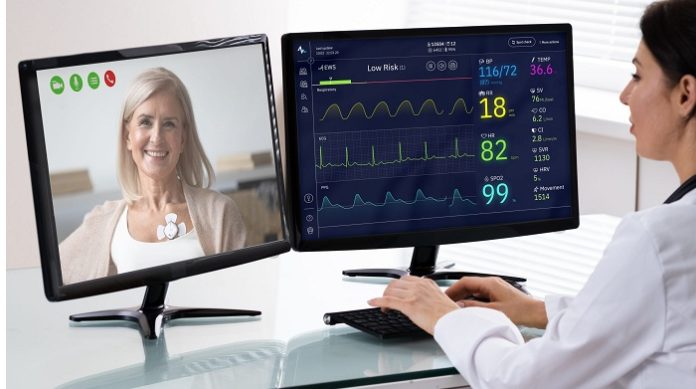
Biobeat, a global leader in continuous remote patient monitoring solutions for the healthcare continuum, has launched a new home-based remote patient monitoring kit. The solution allows healthcare providers to remotely monitor patients’ vital signs and receive updates and deterioration alerts, helping to alleviate hospital overload, reduce costs and improve patient care.

Based on the same hospital-grade wearable monitoring sensor technology used in hospitals and care facilities around the world, Biobeat’s home monitoring kit includes chest-monitors, compatible adhesive units and a user-friendly manual. Patients will utilize an accompanying intuitive mobile app (compatible with IOS and Android devices) to share the data with providers and view their own health status. Moreover, the patient data is analyzed by Biobeat’s AI-powered cloud-based patient management system, giving health care staff a continuous view of patient health and predictive patient deterioration alerts.

“Our new hospital-level home-based patient monitoring kit is essential in today’s socially distant pandemic climate,” said Arik Ben Ishay, CEO of Biobeat. “As hospitals continue to grapple with over flooded COVID wards and increasing rates of infection, it is crucial to empower health staff with trusted clinical-grade wearable AI-powered patient monitoring tools that will allow them to provide hospital-level care from a distance. In this way, providers can better manage patient influx, reduce facility expenses and most importantly, improve patient outcomes. We expect to see hospital-level home-based remote patient monitoring solutions become the standard of patient care in 2021 and beyond, strengthening the Hospital at Home concept.”

Biobeat’s FDA-Cleared and CE Marked chest-monitors utilize proprietary non-invasive reflective photoplethysmography monitoring technology to automatically and continuously track multiple vital signs and health parameters. The wireless solutions connect to a cloud-based patient management system to provide medical staff with real-time data and alerts, enabling early identification of clinical deterioration. The management platform includes an integrated automated, customizable early warning score system that incorporates advanced health-AI-based algorithms that analyze aggregated patient data to identify deterioration more accurately and provide predictive analytics. This platform could help patients, their family members, and healthcare providers in multiple settings, allowing to optimize care of patients in the post-discharge and outpatient settings, as well as hospital-level home care of oncology patients, COVID-19 patients, and more.

About Biobeat

Biobeat is a med-tech company with unique health-AI abilities in the patient monitoring space. The company’s remote patient monitoring (RPM) health-AI platform includes a disposable short-term chest-monitor and a long-term wrist-monitor, both of which utilize a photoplethysmography-based (PPG) sensor to continuously provide accurate patient readings of 15 health parameters, including cuffless blood pressure, pulse rate, respiratory rate, blood oxygen saturation, temperature, stroke volume, cardiac output, one lead ECG (only chest-monitor) and more. Leveraging its automatic, continuous and noninvasive RPM AI platform, Biobeat has generated the biggest vital-sign database in the world, which it utilizes to identify early deterioration of patients via its proprietary big-data and health-AI tools.

Aggregated patient health data is viewed by medical staff via Biobeat’s secure HIPPA and GDPR compliant cloud-based patient management platform, which utilizes an automated real-time early warning score (EWS) system that incorporates advanced AI-based algorithms to provide alerts on patient health status and potential deterioration. These capabilities allow Biobeat to support medical teams with tailored patient care such as adjustment of therapeutics and early prevention of specific disease exacerbations. Biobeat’s wearable devices are the first devices to be FDA-Cleared for cuffless non-invasive blood pressure monitoring and are also CE Mark certified. Founded in 2016, Biobeat is headquartered in Petah Tikva, Israel.


Translate »