












Close
Digital Health & Ai Innovation summit 2026
Medical Taiwan 2026

InterSystems Releases HealthShare 2020.2

InterSystems IRIS Data Platform

InterSystems, a creative data technology provider dedicated to helping customers solve the most critical scalability, interoperability, and speed problems, announced the availability of the latest version of InterSystems HealthShare® suite of connected health solutions. Designed to improve overall value and accessibility of unified healthcare data, HealthShare 2020.2 is the formal release of product enhancements that have been made throughout 2020 in direct response to the changing healthcare landscape and the COVID-19 pandemic.

Patients, providers, and payers need unimpeded health data sharing capabilities now more than ever. Through the application of HealthShare 2020.2, users can take advantage of InterSystems expanded HL7® FHIR® API capabilities to deliver “data liquidity” with connection to services such as Apple Health. Expanded data coverage and FHIR R4 APIs for clinical, payment, and provider directory data included in the release provide the underpinning for the recently announced HealthShare CMS Solution Pack, which gives customers full data and application support to address the CMS Interoperability and Patient Access Final Rule. The InterSystems healthcare data model maps to FHIR profiles from CARIN Alliance’s Blue Button 2.0 implementation guide, and supports the United States Core Data for Interoperability (USCDI) v1 standards and Da Vinci Patient Data Exchange (PDex) Plan-Net standard for search and retrieval.

With expanded analytics and enhanced clinician and patient portals, clinical, health plan, and pharmacy benefits data are now more actionable and readily usable across the health ecosystem. In response to the COVID-19 pandemic, the release includes COVID-19 analytics dashboards, while the Clinical Viewer adds dedicated COVID-19 test status icons and chart options for clinicians, enabling care teams to more seamlessly track and monitor COVID-19 patients.

“Healthy, clean data is the most powerful tool in the healthcare arsenal,” said Don Woodlock, vice president of Healthcare Solutions at InterSystems. “Access to information greatly improves the overall care experience — from the patient, provider, and payer perspective. HealthShare 2020.2 is a culmination of all that we’ve learned this year and proactively developed with our partners and customers to ensure data is available when and where it is needed.”

In conjunction with HealthShare 2020.2, InterSystems is announcing the general availability of its Care Community care coordination solution in the United Kingdom. The product was developed in conjunction with the Lincolnshire Sustainability and Transformation Program (STP) to support a joined-up health and social care model.

About InterSystems

Established in 1978, InterSystems is the leading provider of technology for extremely critical data in the healthcare, finance, and manufacturing and supply chain sectors. Its cloud-first data platforms solve interoperability, speed and scalability problems for large organisations around the globe. InterSystems also develops and supports unique managed services for hospital EMRs, unified care records for communities and nations, and laboratory information management systems. InterSystems is committed to excellence through its award-winning, 24×7 support for customers and partners in more than 80 countries. Privately held and headquartered in Cambridge, Massachusetts, InterSystems has 25 offices worldwide.

Storm ID, Zebra to co-develop new AI-based osteoporosis solution

Storm ID, Zebra to co-develop new AI-based osteoporosis solution

Storm ID and Zebra Medical Vision have partnered to co-develop an AI-based solution for early detection and prevention of osteoporosis, as part of the UK-Israel collaboration.

A proposal of the two companies for a machine learning-driven model for early detection and prevention of osteoporosis has won a UK-Israel research and development competition.

Under the collaboration, Storm ID and Zebra Medical Vision will work closely with clinical teams in NHS Greater Glasgow and Clyde and Assuta Medical Centers.

The companies will work together with a team of clinicians, data scientists and computer scientists for a period of 2 years.

The team will conduct clinical trials and implement the solution in both NHS Greater Glasgow and Clyde and Assuta Medical Centres.

NHS Greater Glasgow and Clyde emergency consultant David Lowe said: “We are pleased to partner on the development of this innovative new solution for osteoporosis patients through the expertise of the West of Scotland Innovation Hub.

“This is another example of a successful collaboration between industry and the NHS to move forward innovative healthcare. Our clinical teams at NHS Greater Glasgow and Clyde will support the aim of this project to ultimately identify and treat patients with increased risk of bone breakage before it happens.”
New osteoporosis solution will analyse medical imaging data and patient records

Osteoporosis is an underdiagnosed and undertreated condition, and is a major public health concern. Fragility fractures, defined as insufficiency fractures not related to high-impact trauma, are the major complication of osteoporosis.

Most of the osteoporotic fractures result in considerable morbidity and mortality, and hip fractures are particularly a major concern for an aging population.

Storm ID and Zebra Medical Vision are jointly developing an AI-based preventative care solution that will be capable of identifying people who are at risk of osteoporosis.

The new solution is planned to leverage ML/AI methodologies to analyse medical imaging data and patient records, enabling clinical teams to identify and treat people with risk of fractures before they occur.

The project is partly funded by the UK and Israel partnership, under the EUREKA framework, to advance the industrial research collaboration between the UK and Israel.

EUREKA is an intergovernmental network established in 1985, with an aim to support the research and development projects by industry, research centres and universities across all technological sectors.

Storm ID director Paul McGinness said: “We’re aiming to combine the powerful data exchange capabilities of our own Lenus Health Platform with the machine learning models developed by Zebra Medical Vision to transform osteoporosis screening.

“By predicting ahead of time the potential risk of bone fracture, we can intervene earlier to treat and manage the risk, which is better for the patient and for the health system.”

eHealth Technologies and SYNCRONYS Partner to Provide Image Exchange for New Mexico

SYNCRONYS, New Mexico’s designated Health Information Exchange (HIE), has partnered with eHealth Technologies to give care providers in its community “one-click” access to medical images for patients from across the state.

Through eHealth Connect® Image Exchange, care providers from hospitals, physician groups, laboratories, imaging centers, home health, emergency and other participating healthcare services in New Mexico can access, view, compare, collaborate, transfer and publish diagnostic quality medical images as a seamless extension of their everyday user experience.

eHealth Technologies’ Image Exchange services will be integrated directly within SYNCRONYS’ HIE platform. This enables all current and historical imaging studies from all participating locations across the state to be accessible by way of the SYNCRONYS Query Portal as well as other third-party applications. As a result, participating care providers will be able to provide more efficient and informed care while reducing costs and eliminating any unnecessary duplicate imaging procedures.

“We are excited to be a part of SYNCRONYS’ future by improving provider access to patient information that includes diagnostic images,” stated Gary Larson, Executive Vice President and General Manager, HIE Solutions at eHealth Technologies. “By partnering together, residents of the state of New Mexico will have access to the highest level of care.”

eHealth Technologies, the leading provider of image-enabled HIE services, has collaborated with local, regional and state-wide HIEs across the US to include access to diagnostic quality medical images as an integral part of their patient’s longitudinal records.

SYNCRONYS is New Mexico’s only HIE and was established in 2009 to improve care coordination and chronic disease outcomes while reducing unnecessary costs of care for patients in the state. “Our partnership with eHealth Technologies allows SYNCRONYS to provide an optimal experience for HIE users with the ability to view and transfer medical images from the HIE interface,” said Thomas East, PhD, Chief Executive Officer at SYNCRONYS. “The capability of accessing medical images at the point-of-care enhances patient care across our state and will help to eliminate duplicative procedures.”

About eHealth Technologies
eHealth Technologies is the leading provider of clinical information services for aggregation of healthcare data and image-enabled Health Information Exchange (HIE). With customers across the country, eHealth Technologies works with prominent HIEs throughout the US and over half of the nation’s top 100 hospitals, including 16 of the top 20 U.S. News & World Report Honor Roll Hospitals for 2018-2019. The company’s eHealth Connect® solutions enhance patient and physician satisfaction by streamlining care transitions and assuring physicians have the right information to care for their patients. eHealth Connect® Image Exchange enables HIE subscribers access to full diagnostic quality medical records in the context of the patient record.

About SYNCRONYS
SYNCRONYS (formerly the Lovelace Clinic Foundation d/b/a NMHIC) is a private not for profit organization formed in 1990, aimed to improve New Mexico’s healthcare for all New Mexicans. SYNCRONYS is the State of New Mexico’s designed Health Information Exchange (HIE).

VitalConnect launches VitalPatch RTM for extended Holter monitoring

 VitalConnect launches VitalPatch RTM for extended Holter monitoring

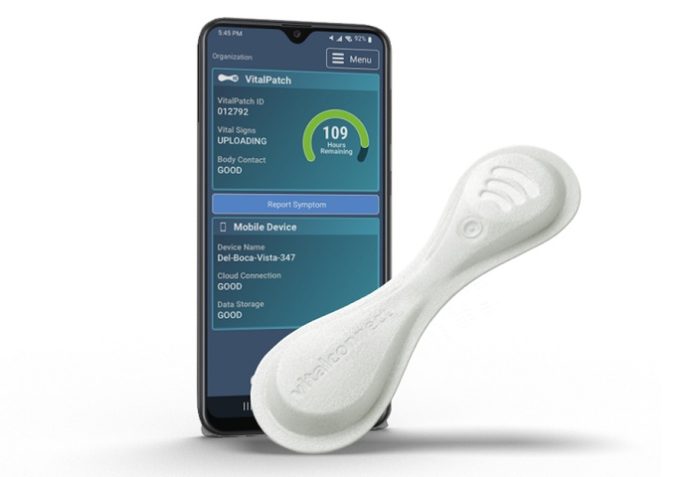
VitalConnect has launched its latest cardiac monitoring patch, the VitalPatch RTM, for patients who require extended Holter monitoring.

The wearable biosensor looks for 21 different cardiac arrhythmias by using an artificial intelligence electrocardiogram sensor. It continuously monitors four significant vital signs: heart rate, heart rate variability, respiratory rate and activity.

All of the captured data is sent and stored in real-time to the VitalCloud, a secure URL where physicians can view their patients’ data. Patient data is also continuously monitored by VitalConnect’s independent diagnostic testing facility, made up of nationally certified cardiographic and rhythm analysis technicians.

Along with the release of the VitalPatch RTM, VitalConnect is introducing its Extended Holter NOW service, which offers an interim diagnostic report after five days of monitoring. The service has the potential to shorten the monitoring period for some patients due to its ability to provide a more in-depth look at the patient’s condition, VitalConnect said in its announcement.

Upon completion of a patient’s monitoring period, VitalConnect will provide prescribing physicians with a final report of the patient’s condition.

Extended Holter monitors, or ambulatory electrocardiograms, present a way to monitor patients’ cardiac functions outside the walls of a hospital. Because of this capability, physicians can see the heart’s activity during a patient’s day-to-day tasks, according to the American Heart Association.

The fact that they can monitor patients outside of a medical facility frees up space for patients with more immediate needs and limits potential exposure for patients and staff – important considerations during the pandemic.

Earlier this year, VitalConnect received a Food and Drug Administration Emergency Use Authorization for its VitalPatch wearable sensor to monitor patients undergoing COVID-19 treatment. The EUA was granted to spot changes in patients’ QT interval, which may be dangerously prolonged by experimental drug treatments such as hydroxychloroquine or chloroquine.

AliveCor also produces personal ECG devices for remote cardiology monitoring. Most recently, the company received $65 million in a Series E funding round to telehealth, detection and condition-management services to its platform.

For the remote monitoring of vital signs such as body temperature, pulse, heart rate variability, respiration rate, oxygen saturation, sleep and movement, there’s Vitls and its wearable recording device Tégo, which received 510(k) clearance from the FDA this summer.

“Our VitalPatch RTM combines a state-of-the-art solution to comfortably monitor cardiac patients for arrhythmias, while also sending important patient vital signs to the physician,” said Peter Van Haur, CEO of VitalConnect, in a statement.

“This solution not only offers an advancement in cardiac monitoring technology to the cardiology community, but continues to expand our footprint into healthcare markets that can benefit from the innovation that VitalConnect brings to patient care.”

Texas rural hospitals bracing for potential COVID-19 case surge following Thanksgiving

Texas rural hospitals bracing for potential COVID-19 case surge following Thanksgiving

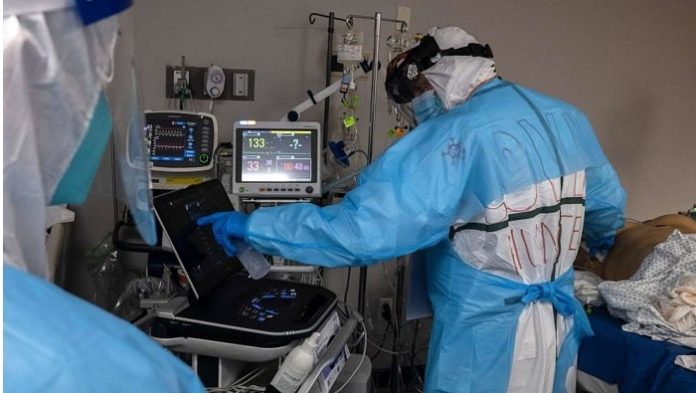
In the smaller towns in Texas, where cars are sometimes outnumbered by friendly animals roaming the neighborhoods, COVID-19 is still a concern.

Places like El Paso and the Texas Panhandle have seen recent surges in COVID-19, causing stress on the hospitals in those areas. So much so that Austin Mayor Steve Adler said last week that Austin was taking in non-COVID patients from El Paso.

“The entire year has been all COVID, all the time,” said John Henderson, the president and CEO of the Texas Organization of Rural and Community Hospitals. “But somewhat uneven, where we see these unpredictable regional flare-ups. More recently, it’s been the western and northwestern half of the state just covered up with COVID and struggling to staff and care for the patient load that we’re experiencing currently.”

He added that Central Texas’ rural hospitals are OK for now, but continued to warn that COVID-19 case numbers are heading in the wrong direction.

“So, it might just be a matter of weeks before they’re in a situation like the Panhandle or far West Texas is currently,” Henderson said. “The Central Texas rural hospitals are not immune to this. They will feel it until we can get the thing under control or the vaccine gets distributed broadly.”

Henderson explained that the Texas Organization of Rural and Community Hospitals typically exists to advocate for the needs rural hospitals have. But the organization has taken on an extra role in helping to provide personal protective equipment (PPE).

“We don’t normally procure and distribute supplies, but, you know, 2020 has been anything but a normal year,” Henderson said. “So, we’ve kind of jumped into that, just trying to help.”

He also explained that he would not say PPE is at the top of the list of concerns anymore for rural hospitals that are struggling, and that it’s more so issues pertaining to staffing and logistics.

“They’re dealing with COVID outbreaks among their nursing staff and struggling to staff the hospital,” Henderson said. “And then the other is patient transfers. So, when patients need a higher level of care or surgical intervention or an ICU bed, normally, it’s the rural hospitals that transfer those patients to the urban hospitals. Right now, they’re having trouble arranging those transfers because the urban hospitals are feeling such, such a load from COVID.”

“A lot of rural hospitals simply don’t have ICU beds or event capacity, and that’s why they’re trying to stabilize and transfer currently. Some do have that capability, but regardless, they’re all really being stretched to the limit this week,” he said.

Dr. Diana Fite, the president of the Texas Medical Association, elaborated on Henderson’s explanation of staffing problems in some rural hospitals.

“Ironically, sometimes the large city hospitals are transferring to the rural hospitals, just trying to find a place to put a patient in ICU. But the problem with the rural hospitals, the intensive care units are very small. They may have four beds, six beds, eight beds at the most,” Dr. Fite said. “And so, all you need is just a few patients to fill that up. Plus, the staff is a concern. If you have a few of the staff that get sick and have to quarantine out, then you don’t have enough staff to take care of those patients either.”

Hospital in Bulgaria using robots to help doctors carry out surgey

Titan Medical and Cambridge Design Partnership Announce Expanded Engagement for Robotic Instrument Development

The Saint Marina University Hospital in Varna is at the heart of a European project for personalised medicine. For this episode of Smart Regions, Euronews went to the hospital in Bulgaria to find out more.

The 1,300-bed university hospital is modernising its infrastructure to become a centre of competence and hi-tech research, within 5 years. The transformation has already begun with, among other things, the arrival in December last year of surgical assistance robots.

The Saint Marina University Hospital in Varna is at the heart of a European project for personalised medicine. The 1,300-bed university hospital is modernising its infrastructure to become a centre of competence and hi-tech research, within 5 years. The transformation has already begun with, among other things, the arrival in December last year of surgical assistance robots.

The machines mark a revolutionary change for the doctors because the robots will enable them to operate without being in direct contact with patients. Nikoa Kolev is the project coordinator and said:

“The feeling of operating with a robot is different from the sensations one has had so far in open and laparoscopic surgery. In fact, my personal feeling is that I can immerse myself in the patient’s body,” he explained.

The project has a budget of more than 12 million euros, 85% of which is provided by the European Union Cohesion Policy – and 15% by Bulgarian national funds.

As well as doctors, patients also benefit from the project, especially those suffering from urological diseases or abdominal pathologies, such as Atanas Demirov, who was operated on in June with cancer.

When it was explained to him that laparoscopy surgery had been carried out by robotic assistance, he was surprised.

“When Professor Nikola Kolev explained to me that this was new material, there’s nothing serious, don’t be afraid, everything will be fine. I gave my agreement and that’s it. I’m very happy with the intervention with the robot,” he said.

The university hospital is hoping to become a leader in its field with the work it is carrying out.

Baxter Announces U.S. FDA Clearance of Homechoice Claria with Sharesource

Baxter Announces U.S. FDA Clearance of Homechoice Claria with Sharesource

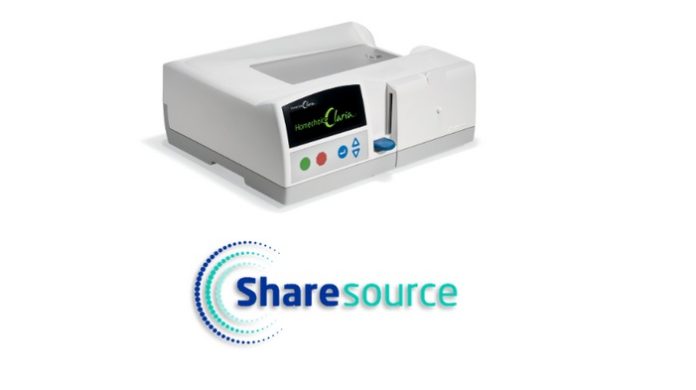
Baxter International Inc. , a global innovator in renal care, announced U.S. FDA clearance of the Homechoice Claria automated peritoneal dialysis (APD) system with Sharesource connectivity platform. Homechoice Claria combines a simple user interface with the benefits of Sharesource, the only two-way remote patient management platform for patients on peritoneal dialysis in the U.S. Homechoice Claria is cleared for both adult and pediatric populations.1 The clearance follows the recent finalization of the End-Stage Renal Disease (ESRD) Treatment Choices (ETC) payment model, which aims to significantly increase the number of new patients with kidney failure who receive home dialysis and/or organ transplants.

“Our goal remains to expand accessibility to home-based therapy for U.S. patients with kidney failure,” said Gavin Campbell, general manager of Baxter’s U.S. Renal Care business. “Homechoice Claria with Sharesource will support accelerated home dialysis growth by bringing the benefits of a two-way connected automated peritoneal dialysis system combined with a simple, intuitive device to more patients in the U.S.”

Enabling Enhanced Care with Remote Patient Management
With one in four APD patients globally benefitting from Baxter’s two-way remote patient management technology, Sharesource offers patients and clinicians the ability to stay closely connected to proactively address key aspects of peritoneal dialysis (PD) therapy. Through the platform’s accurate, daily treatment data and analytics, clinicians can manage patients remotely and make timely therapy decisions while keeping patients safely at home. Clinicians using Homechoice Claria with Sharesource also have greater visibility to patient adherence patterns, which may allow for early intervention and an increased focus on proactive care.2 To date, more than 6 million home dialysis treatments completed in the U.S. have been enabled by Sharesource, with over 20 million PD treatments managed around the world.

Homechoice Claria offers enhanced features that facilitate added convenience for patients and clinical teams, as well as best-in-class educational companions to further simplify the PD experience. For patients, intuitive control buttons and an easy-to-read screen complement straightforward instructions in 38 languages. To extend patients’ learning beyond the clinic, MyClaria – a web-based app included as part of the Homechoice Claria system – features step-by-step, voice activated and enabled instructions to guide patients through therapy. For clinicians, MySharesource – also a web-based app – is a resource featuring step-by-step guidance and quick demo videos on how to use the Sharesource platform.

“When starting their patients on PD, clinicians are looking for ways to help manage their changing needs over time,” said Amy O’Brien, PD clinical specialist at Baxter. “The combination of features, insights and resources available through Homechoice Claria with Sharesource creates an accurate, efficient tool for therapy management, resulting in peace of mind for patients and the healthcare providers who support them.”

Adding Homechoice Claria to its APD cycler portfolio enhances Baxter’s efforts to bring the benefits of Sharesource remote patient management to as many clinics and patients as possible in the U.S. Baxter will continue offering its Sharesource-enabled APD cycler, Amia, which offers additional features to support patients, including a touchscreen user interface and built-in voice guidance. The introduction of Homechoice Claria follows several Baxter initiatives across the continuum of care to improve options for patients with kidney failure.

About Baxter
Every day, millions of patients and caregivers rely on Baxter’s leading portfolio of critical care, nutrition, renal, hospital and surgical products. For more than 85 years, we’ve been operating at the critical intersection where innovations that save and sustain lives meet the healthcare providers that make it happen. With products, technologies and therapies available in more than 100 countries, Baxter’s employees worldwide are now building upon the company’s rich heritage of medical breakthroughs to advance the next generation of transformative healthcare innovations.

Picosuns medical ALD solutions enable safer surgeries

Will Getting Surgery Increase an Injury Settlement?

Picosun Group, the leading supplier of AGILE ALD thin film coating solutions, partners with prominent Chinese hospitals and researchers to apply medical ALD technology for safer surgical procedures.

Picosun’s biocompatible ALD coatings will be applied on electrosurgical equipment (electrotomes) to improve their performance, safety, and service life.

“It’s great to collaborate with a company such as Picosun to develop solutions for safer and more patient-friendly surgeries. Picosun is the leader in medical ALD solutions. The company has extensive process portfolio for biocompatible ALD materials and their equipment are at use at several medical equipment manufacturers around the world. In China, Picosun is the market leader with numerous PICOSUN® ALD systems installed throughout the country. We have strong trust that this collaboration will result in disruptive new innovations and novel solutions for surgical equipment,” says Longsheng Lu, Professor of South China University of Technology.

Electrotome utilizes high temperature to cut and separate tissue, with simultaneously coagulating blood, and it’s a standard equipment replacing traditional mechanical scalpels in many operations. Tissue and blood sticking and burning on the electrotome blade is a serious problem because the crusted blade risks increased bleeding, tissue damage, tearing and scarring, thus making the patient’s healing time longer. Smoke from the burning tissue may also hinder the surgeon’s vision and increase the risk for error during delicate procedures such as cardiac or neurosurgery.

This far, there hasn’t been a working solution in the market to overcome this problem. ALD technology can potentially provide this solution and thus improve patient safety, wound quality and healing time. ALD forms ultra-thin, pinhole-free coatings with unmatched conformality over the smallest microscale details of the surface, and the ALD process can be performed at moderate temperatures so the method is suitable also for sensitive materials. Deposited over special anti-adhesive micropatterning of the electrotome blade, biocompatible ALD film prevents blood and tissue from sticking to the blade.

“We are happy to extend our PicoMEDICAL™ technology to a yet new healthcare application, and to work with top tier Chinese hospitals and scientists to qualify our solutions in everyday use. ALD is revolutionizing the medical field right now, just like it did to semiconductor industries over a decade ago. We at Picosun want to use our extensive ALD know-how to develop solutions to improve people’s health and quality of life, which is why medical ALD is one of our key markets for the future,” continues Dr. Jani Kivioja, CTO of Picosun Group.

Picosun provides the most advanced AGILE ALD® (Atomic Layer Deposition) thin film coating solutions for global industries. Picosun’s ALD solutions enable technological leap into the future, with turn-key production processes and unmatched, pioneering expertise in the field – dating back to the invention of the technology itself. Today, PICOSUN® ALD equipment are in daily manufacturing use in numerous leading industries around the world. Picosun is based in Finland, with subsidiaries in Germany, USA, China mainland and Taiwan, Singapore, Japan and South Korea, offices in India and France, and a world-wide sales and support network.

The project “Design of anti-adhesive surface modified with bionic microstructures and ALD coatings and its application on surgical electrotomes” is carried out in collaboration with SCUT (South China University of Technology), PLAGH (General Hospital of the People’s Liberation Army), Guangdong Provincial People’s Hospital, and Guangzhou First People’s Hospital. The project will start on 1st December 2020 and continue for 3 years. The project is partially funded by Business Finland.

GE Healthcare Announces First X-ray AI to Help Assess Endotracheal Tube Placement for COVID-19 Patients

GE Healthcare Announces First X-ray AI to Help Assess Endotracheal Tube Placement for COVID-19 Patients

GE Healthcare announced a new artificial intelligence (AI) algorithm to help clinicians assess Endotracheal Tube (ETT) placements, a necessary and important step when ventilating critically ill COVID-19 patients. The AI solution is one of five included in GE Healthcare’s Critical Care Suite 2.0 2, an industry-first collection of AI algorithms embedded on a mobile x-ray device for automated measurements, case prioritization and quality control.

Research shows that up to 25 percent 3,4,5,6,7 of patients intubated outside of the operating room have misplaced ETTs on chest x-rays, which can lead to severe complications for patients, including hyperinflation, pneumothorax, cardiac arrest and death. Moreover, as COVID-19 cases climb, with more than 50 million confirmed worldwide 8, anywhere from 5-15 percent require intensive care surveillance and intubation for ventilatory support 9.

“Today, clinicians are overwhelmed, experiencing mounting pressure as a result of an ever-increasing number of patients,” said Jan Makela, President and CEO, Imaging at GE Healthcare. “The pandemic has proven what we already knew – that data, AI and connectivity are central to helping those on the front lines deliver intelligently efficient care. GE Healthcare is not only providing new tools to help hospital staff keep up with demand without compromising diagnostic precision, but also leading the way on COVID-era advancements that will have a long-lasting impact on the industry, long after the pandemic ends.”

Up to 45% of ICU patients, including severe COVID-19 cases, receive ETT intubation for ventilation 10,11,12. While proper ETT placement can be difficult, Critical Care Suite 2.0 uses AI to automatically detect ETTs in chest x-ray images and provides an accurate and automated measurement of ETT positioning to clinicians within seconds of image acquisition, right on the monitor of the x-ray system. In 94% of cases the ET Tube tip-to-Carina distance calculation is accurate to within 1.0 cm 13. With these measurements, clinicians can determine if the ETT is placed correctly or if additional attention is required for proper placement. The AI generated measurements – along with an image overlay – are then made accessible in a picture archiving and communication systems (PACS).

Improper positioning of the ETT during intubation can lead to various complications, including a pneumothorax, a type of collapsed lung. While the chest x-ray images of a suspected pneumothorax patient are often marked “STAT,” they can sit waiting for up to eight hours for a radiologist’s review 14. However, when a patient is scanned on a device with Critical Care Suite 2.0, 15 the system automatically analyzes images and sends an alert for cases with a suspected pneumothorax – along with the original chest x-ray – to the radiologist for review via PACS. The technologist also receives a subsequent on-device notification 16 to provide awareness of the prioritized cases.

“Seconds and minutes matter when dealing with a collapsed lung or assessing endotracheal tube positioning in a critically ill patient,” explains Dr. Amit Gupta, Modality Director of Diagnostic Radiography at University Hospital Cleveland Medical Center and Assistant Professor of Radiology at Case Western Reserve University, Cleveland. “In several COVID-19 patient cases, the pneumothorax AI algorithm has proved prophetic – accurately identifying pneumothoraces/barotrauma in intubated COVID-19 patients, flagging them to radiologist and radiology residents, and enabling expedited patient treatment. Altogether, this technology is a game changer, helping us operate more efficiently as a practice, without compromising diagnostic precision. We soon will evaluate the new ETT placement AI algorithm, which we hope will be an equally valuable tool as we continue caring for critically ill COVID-19 patients.”

To make the AI suite more accessible, Critical Care Suite 2.0 is embedded on a mobile x-ray device – offering hospitals an opportunity to try AI without making investments into additional IT infrastructure, security assessments or cybersecurity precautions for routing images offsite.

Furthermore, the on-device AI offers several benefits to radiologists and technologists:

  • ETT positioning and critical findings: GE Healthcare’s algorithms are a fast and reliable way to ensure AI results are generated within seconds of image acquisition, without any dependency on connectivity or transfer speeds to produce the AI results.
  • Eliminating processing delays: Results are then sent to the radiologist while the device sends the original diagnostic image, ensuring no additional processing delay.
  • Ensuring quality: The AI suite also includes several quality-focused AI algorithms to analyze and flag protocol and field of view errors as well as auto rotate the images on-device. By automatically running these quality checks on-device, it integrates them into the technologist’s standard workflow and enables technologist actions – such as rejections or reprocessing – to occur at the patient’s bedside and before the images are sent to PACS.

GE Healthcare and UC San Francisco co-developed Critical Care Suite 2.0 using GE Healthcare’s Edison platform, which helps deploy AI algorithms quickly and securely. Critical Care Suite 2.0 is available on the company’s AMX 240 mobile x-ray system.

Rapid Medical Expands Comaneci CE Mark Indication to Include Vasospasm Treatment

Rapid Medical Expands Comaneci CE Mark Indication to Include Vasospasm Treatment

Rapid Medical, a company focused on the development of next-generation neurovascular devices, has announced CE Mark approval for the expanded indication of Comaneci to treat cerebral vasospasm.

Comaneci is the first adjustable remodeling mesh device designed to temporarily support vessels in the brain without occluding blood flow. Over 4,000 procedures have been performed utilizing Comaneci to assist in the coil embolization of wide-neck intracranial aneurysms. With this approval, Comaneci is now indicated for the mechanical dilation of intracranial vessels suffering from vasospasm.

Cerebral vasospasm is a devastating complication of subarachnoid hemorrhage, a type of hemorrhagic stroke. The spasms cause a narrowing of the brain blood vessels, reducing blood flow. This occurs in 70% of patients and leads to neurological deterioration in up to 30%1. Balloon angioplasty has been the main therapy for these symptomatic patients, but balloons block blood flow to the already ischemic brain tissue and carry a risk of vessel perforation. Conversely, the Comaneci device is sequentially expanded, allowing the operator to gradually increase its applied force while also monitoring dilatation. This adjustable diameter, low delivery profile and excellent visibility have drawn physicians around the globe to demand Comaneci for vasospasm treatment as it may provide the ability to treat these patients more effectively and with a lower risk of vessel injury.

“Comaneci’s expanded indication for the endovascular treatment of vasospasm will provide physicians with an exciting new treatment option for our patients,” said Dr. Hervé Brunel, a senior Interventional Neuroradiologist at Marseille University Hospital, France.

Dr. Walid Haddad, Rapid Medical’s Chief Clinical Officer, added, “Initial data collected from our procedures in Europe suggest Comaneci’s safe and successful performance in the mechanical dilation of intracranial vasospastic vessels. Mechanical dilation was successful in almost all cases and was typically accompanied by significant neurological improvement. I believe that this procedure can meaningfully improve the patient outcomes of this severe disease.”

Translate »