Close
Digital Health & Ai Innovation summit 2026
Medical Taiwan 2026

NHS Digital all set to streamline data sharing between organizations

NHS Digital all set to streamline data sharing between organizations

NHS Digital, the national provider of information, data, IT systems for clinicians in health and social care in England is on the path of improving data sharing between different organizations. This trading name for health & social care information centre has got into a deal with DXC Technology & CSIRO to enhance the clinical and administrative code mapping between health organizations and their on-contract technology suppliers.

The idea of this revamp is to provide easier access to procure a terminology server through a much swifter single supplier procurement framework. This shall in turn allow buyers to share code system reference data from a central NHS digital terminology server. What this will end up in doing is enable uncomplicated integration of local coding systems with other national and global coding languages.

The researchers, planners, and executioners with the aid of this terminology server will be able to outline a reference data for their benefit and usage. CSIRO has already developed Ontoserver that correlates common variations in clinical terminologies to help varied clinical software to interact with each other. The terminology server will act as a translation service that will be in sync with other tools such as NHS Data Dictionary which provides a reference point for information such as how the date of birth or any sort of a clinical condition ought to be recorded.

NHS has for long faced challenges with regards to recording data and thereafter reconciling, comparing and sharing it. As per Nicholas Oughtibridge, principal data architect at NHS Digital, CSIROโ€™s Ontoserver has in it to transform the way data is received, shared, and analysed across the healthcare segment. He further adds that NHS dataโ€™s significance as a valuable tool in thwarting diseases and finding a new course for treatment doesnโ€™t require a testimony as it is pretty thorough in its approach, but a more localized data with faster access shall prove to be a real boost to the researchers.

What are the Treatments for Traumatic Brain Injury?

news - 10657-brain-disconnection.jpg

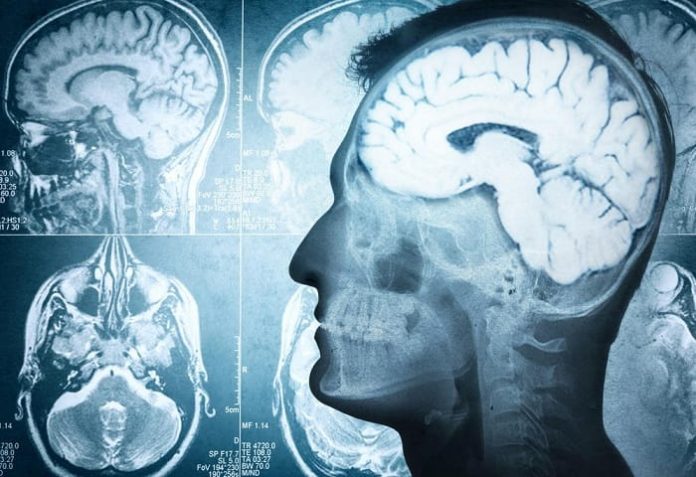
A traumatic brain injury can be serious. Traumatic brain injuries or TBI are a disruption of the brainโ€™s normal functions. A sudden blow or jolt can cause traumatic brain injuries or the head striking an object. Unfortunately, the brain has a limited ability to heal the damage that occurs to it.

When someone suffers a brain injury, two things happen right away. First, the brain tissue responds with physiological and biochemical responses that can lead to further damage. The individual may also lose consciousness or have problems with performing motor functions in response to the injuries.

When someone with a possible brain injury arrives at the hospital, the medical providers should first look at their consciousness levels. There are different diagnostic tools available to help make a determination, and also the Glasgow Coma Scale.

The following are some of the general things to know about the many therapies used to treat brain injuries.

Glasgow Coma Scale

As mentioned above, the Glasgow Coma Scale is a 15-point test used by health care providers and emergency services professionals to assess how severe a brain injury is. It looks at a personโ€™s ability to move their limbs and eyes and follow directions.

The abilities of the patient are scored from three to 15. A higher score means the injuries are less severe.ย For someone who witnessed the accident leading to the potential brain injury, they can provide important information to gauge the severity.ย For example, someone who witnessed the accident may be able to say how the injury occurred and how long they lost consciousness.

Treating Mild Brain Injuries

Not all brain injuries are severe.ย When treating mild injuries, there is usually nothing done other than imaging and diagnostic tests to ensure that it isnโ€™t severe. Then, a doctor might advise that someone with a mild brain injury rest and take over-the-counter pain relievers if they develop a headache.

Itโ€™s usually advised that the person with the injury be monitored closely at home for new or worsening symptoms.

Follow-up appointments may also be scheduled.

A doctor should let someone with a mild injury know when they can return to their normal activities.

Taking a break from both physical and cognitive activities is important during this time.

Some people even with a mild brain injury may develop whatโ€™s called post-concussion syndrome. Symptoms include cognitive impairment, depression, irritability, headache, and fatigue.

Emergency Care

When someone has a moderate to severe brain injury, the primary focus is to maintain enough oxygen and blood supply. Blood pressure has to be maintained, and further neck and head injury have to be prevented.

In an emergency room or ICU, someone with a brain injury will need care that focuses on reducing secondary inflammatory damage as well.

Different medicines may be used to prevent secondary brain damage. For example, diuretics can reduce the amount of fluid in the tissues and increase the output of urine.ย Anti-seizure drugs may be given, especially during the first week after a moderate to severe brain injury.ย Doctors may need to use drugs to put someone into a coma because a comatose brain doesnโ€™t need as much oxygen. Doctors treating severe TBI in hospitals have to monitor for deep vein thrombosis and infection as well.

In the hospital, someone with TBI may need supplementation to get the necessary nutrients because, over time, they can develop nutritional deficiencies. Some people in the hospital for severe brain injuries may require tube feeding.

Surgery

Some patients with a moderate to severe brain injury will go from the ER into surgery. Surgery might be done to remove a contusion or hematoma, such as compressing the brain or raising pressure inside the skull.

After surgery of this type, the patient would be put under observation in an intensive care unit.

Rehabilitation

Finally, most people who have a serious brain injury will need some form of rehabilitation.

They might have to learn how to do basic things such as talking or walking. The goal of rehabilitation following a brain injury is to improve the personโ€™s ability to function in daily activities.

This type of therapy may start at the hospital and then continue either in a residential or outpatient facility.

There may be many different specialists who work in the rehabilitation phase of treatment. These can include psychiatrists, occupational therapists, and physical therapists.

Someone with a brain injury may also work with a speech and language pathologist, a social worker or case manager, and a rehabilitation nurse, among many others.

MedFIT – Fostering Innovation in MedTech

 MedFIT - Fostering Innovation in MedTech

INNOVATION PARTNERSHIPS | INVESTMENT IN MEDTECH ย 

MedFIT is your opportunity to connect with international key innovators in the MedTech, diagnostic and digital health sectors. As a leading European partnering event, MedFIT provides the ideal environment to build partnerships for all public and private actors, to source innovative and competitive early-stage R&D projects, to facilitate the emergence of collaborative projects, to increase licensing opportunities, to obtain funding and to facilitate market access.

MedFIT Event | 4th edition
From December 7 to 10 2020 | Digital

KEY FIGURES:

  • +750 participants
  • +25 represented countries
  • +600 deals generated in 2019

Estimation based on the 2018 & 2019 participantsโ€™ feedback

MEDFIT FEATURES:

Business convention: schedule one-to-one pre-qualified meetings. Across these 4 days of event, you will be able to e-meet and network with these attendees from the comfort of your home office. The one-to-one partnering meetings will be possible 24H a day.
Conference program: discuss collaboration, financing, market access and digitalisation
Pitch sessions: Start-up Slams and Collaborative and Licensing Opportunity Presentations

For the conferences and the pitch sessions, to a mix of live and on-demand content during those 4 days and available for 30 days afterwards; and you will also have the opportunity to debate with the speakers and pitchers via interactive online chats.

Meet theexperts:sessions to address yourย strategic needs to specific experts
Exhibition:showcase compagnies.The virtual exhibition area will provide extra-visibility thanks to a customisable e-booth using your logo, colour, kakemonos, poster. Your e-booth will provide you further informal meeting opportunities in addition to your partnering pre-scheduled meetings. Visitors will have the opportunity to watch your videos, download your PDF documents, access to your web linksโ€ฆ

MedFIT is the place-to-be to identify innovative products and technologies, to build R&D, find licensing opportunities and financial partnerships.

MedFIT brings together industry leaders, innovative MedTechs, diagnostics start-ups, TTOs, academic institutions, R&D services as well as companies and investors to help facilitate market access for innovations.

MedFITย features:

Business convention: schedule one-to-one pre-qualified meetings
Conference program:discuss collaboration, financing, market access and digitalization
Pitch sessions:sessions promoting innovative start-ups, licensing opportunity presentations
Meet the experts sessions : address all your strategic needs to specific experts
A virtual exhibition:showcase companies

Across these 4 days of event, you will be able to e-meet and network with these attendees from the comfort of your home office. The one-to-one partnering meetings will be possible 24H a day.

You will also have access, for the conferences and the pitch sessions, to a mix of live and on-demand content during those 4 days and available for 30 days afterwards; and you will also have the opportunity to debate with the speakers and pitchers via interactive online chats.

Discoloration of Teeth: What You Should Know

Discoloration of Teeth: What You Should Know

Your smile is one of the first things people notice about you, thatโ€™s why so many people spend so much money and time ensuring they have the perfect smile. Many daily activities, such as eating and drinking will have an impact on the state of your teeth, and since you do not get a second chance when it comes to your adult teeth, it is crucial that you look after them properly.

Although we all aim to have pearly white teeth, sometimes this can be difficult to achieve. Some individuals experience tooth discoloration, which essentially means that your teeth are not as white as they should be โ€“ they can become yellow, or develop white and dark spots in different places. In this article, we will advise you of what you should know about discoloration of teeth. And if you’re ready to enhance your smile, call the Cosmetic dentist in Roseville.

What Causes Tooth Discoloration?

Lifestyle

As we mentioned above, food and drinks plays is a significant contributing factor to teeth discoloration. Some of the obvious ones include wine, coffee and tea, chocolate and even certain red sauces. Additionally, if you are a smoker, the likelihood of teeth turning yellow significantly increases, and this is actually one of the main causes of tooth discoloration in younger people. Oral health professionals constantly try to raise awareness of the importance of a good oral hygiene routine. Evidently, your teeth need to be properly taken care of, including brushing them, floss, use mouthwash, and other teeth-whitening products to prevent and reverse some of the discoloration.

Age

Unfortunately, one thing we cannot control is aging. Time passing has big effects on our bodies, and oftentimes this is why your teeth go yellow. Aging causes our teeth to be more vulnerable to damage and prone to discoloration.

Antibiotics

Empirical evidence suggests that certain antibiotics cause teeth to change their colour as well as many other oral related issues. This can be antibiotics taken from when you were a child, and they will have a permanent negative impact on the structure, strength and colour of your teeth.

What Can You Do To Get Rid of Stains?

Over-the-Counter Products

If you do not have the financial means to visit a professional, there are a few things you can do yourself to whiten your teeth at home. There are whitening toothpastes, charcoal powders, whitening strips and even oil pulling with coconut oil, that will make a difference to your teeth. However, it is important to note that this is effective for surface strains but not those that are located inside of your teeth.

In-office Treatment

If you are concerned about the colour of your teeth, the best thing to do is to visit your dentist so that they can advise you of what the best thing to do for your issues. They can properly assess your condition and treat your discoloration, plus recommend what you can do in order to further prevent this from happening in the future. Professional treatments are the quickest, most effective and safest ways to make sure that you get your teeth as white as you want.

When Should You See a Dentist?

Discoloration of the teeth is natural and can happen due to the normal course of life, therefore you may decide not to see a dentist for this particular issue. However, if this is causing you concern, and you have tried to make this better with at home methods, it is time you follow up with a professional. This is particularly important if the stains are inside your teeth, rather than on the surface because in such cases, you will not be able to easily get rid of it. Visiting your dentist regularly also means that they will be able to spot any teeth issues you may have and treat them early to prevent further complications and discoloration.

How Can You Prevent Discoloration?

Care for your teeth after coffee

If you are a regular coffee and tea drinker, ideally, you should reduce the amount of tea and coffee you drink. However,ย  if this is not possible then it is essential that you brush your teeth as soon as you finish, or at least drink some water so that some of the remains are removed from the surface of your teeth.

Practice good oral health.

Good oral hygiene is the foundation of good teeth and gums. This will prevent oral issues, including discoloration. It is crucial that you brush your teeth at least twice a day and that you use a good mouthwash and dental floss. Your gums also contribute to the overall health of your mouth, therefore it is essential that you look after them as well.

Modify your habits

Smoking has absolutely no advantages to your health โ€“ it causes severe health issues, and it is also detrimental for the health of your teeth. If you need support quitting, consult your doctor so that they can enrol you in a cessation program,

Not having white teeth can be embarrassing and have a significant impact on your overall self-esteem. It is important that you know about the condition so that you know what you can do to prevent it and how to reverse it.

Easing Mental Disquiet: Studies Explore How CBD Is Effective In Anxiety Relief

Easing Mental Disquiet: Studies Explore How CBD Is Effective In Anxiety Relief

An estimated 234 million individuals around the world are diagnosed with anxiety, according to the World Health Organization. In recent years, Cannabidiol (CBD) has been a hot-button subject in healthcare especially regarding relief for pain, insomnia, and even an agent to stimulate hair growth. So it is a valid question to wonder what sort of relief CBD can offer for anxiety. This question has been explored in multiple studies and their findings have been quite fascinating.

CBD Helps Teenagers With Social Anxiety
A startling 1 in every 3 teenagers from various countries reports having Social Anxiety Disorder (SAD), according to the Resilience Research Centre. As such, the Primate Research Institute wanted to test CBDโ€™s efficacy for combatting SAD as it is a non-psychotomimetic and nonaddictive component. Over a study period of 4 weeks to 6 months, 37 participants used CBD and noted a significant decrease in their SAD symptoms. Around 53% of the participants also went on to decide to receive additional treatment, as they were able to challenge the stigma around anxiety as a disorder.

CBD Effective As Complementary Therapy for Adults
Researchers in New Zealand recently conducted a study involving 397 adults with anxiety. After a three-week CBD treatment, 63% report a significant increase in their overall quality of health. The study also found that CBD was effective in being a complementary therapy for treating anxiety because it is highly accessible and comes in edible forms. These findings place more weight on the veracity of CBD as an effective helper in dealing with anxiety.

CBD Lessens Anxiety Agitation in Children With ASD

Children with Autism Spectrum Disorder (ASD) often struggle with anxiety, and healthcare professionals have been aiming to discover ways to help them better. Murdoch Childrenโ€™s Research Institute launched a study to explore if CBD could help. After a monthโ€™s assessment, 78.9% of the 119 participants experienced significant and moderate improvements in anxiety, hypersensitivity, agitation, and even aggression. It is worth noting that the study used 30% to match the young age of the participants.

If there is anything clear, it is that scientists are truly interested in exploring how CBD can be used to offer relief for disruptive conditions for all ages. Their findings have shown irrefutable and quantifiable evidence to support their hypothesis regarding CBD as a good option for anxiety-relief. Itโ€™ll be interesting to see what other findings can be obtained in future studies involving CBDโ€™s positive properties.

GE Healthcare, GenesisCare Partner to Tackle Two Biggest Health Burdens Globally, Deliver Improved Cancer and Cardiovascular Care to Patients Around the World

GE Healthcare, GenesisCare Partner to Tackle Two Biggest Health Burdens Globally, Deliver Improved Cancer and Cardiovascular Care to Patients Around the World

GE Healthcare, the leading global provider of advanced medical imaging, and GenesisCare, a leading provider of integrated cancer care globally and cardiovascular care in Australia, announced a strategic partnership aimed at improving patient outcomes for the two biggest health burdens globally, cancer and heart disease.

GE Healthcare will supply and service the latest CT, MRI, PET/CT, SPECT, digital mammography, and Ultrasound equipment to GenesisCare’s 440+ cancer and cardiovascular disease treatment centers across Australia, the U.S., the U.K., and Spain. The partnership brings together GenesisCare’s leadership in the delivery of cancer and cardiac screening, diagnosis, treatments, and GE Healthcare’s world-class imaging technologies, digital infrastructure, oncology and cardiology solutions, data analytics, and clinical decision support capabilities. GenesisCare recently acquired major U.S. integrated cancer care provider, 21st Century Oncology, increasing access to world-class cancer care for patients across U.S. communities as well as its global network.

Separately, the companies plan to explore further partnership on research activities, with the aim of improving clinical care and outcomes for millions of patients around the world, through technology, education, care pathway development, and theranosticsโ€”an innovative and personalized approach that combines molecular imaging and radiotherapy to seek and destroy advanced cancers without damaging healthy tissue.

Cancer is the second-leading cause of death globally1 after cardiovascular disease (CVD)2, where cases are predicted to increase by more than 60 percent over the next 20 years.3 GE Healthcare’s comprehensive diagnostic imaging and monitoring portfolio can be deployed throughout the patient’s cancer or cardiac journey, from initial screening and diagnosis, through therapy guidance facilitating minimally invasive treatment, to monitoring patient progress.

Together with GenesisCare, we aim to offer patients greater access to leading medical technologies, more precise intervention and individualized treatment leading to a new standard of personalized healthcare,” said GE Healthcare President & CEO, Kieran Murphy. “We hope that combining GenesisCare’s clinical excellence with GE Healthcare’s medical diagnostic innovation and AI capabilities will positively impact millions of cancer and cardiac patients.”

GenesisCare Founder and Global Chief Executive Officer, Mr. Dan Collins, said it was important to continue to increase investment and access for doctors and patients during the current COVID-19 pandemic.

“Cancer and heart disease haven’t stopped during this pandemic, and high-quality imaging and diagnosis will be in greater demand than ever as many people begin to feel more comfortable accessing screening services,” Mr. Collins said.

“Our new global partnership with GE Healthcare will allow for better patient access to state-of-the-art technology and exciting research collaborations that will raise the bar in delivering care for patients of the future. We are delighted to partner with U.S.-headquartered GE Healthcare to help ensure that cancer patients in our more than 290 treatment locations across the U.S. receive rapid access to the latest advancements in oncology treatments.”

With 5,000+ doctors and specialists reaching 400,000 patients across 440 locations internationally each year, Australia-based GenesisCare is expanding its footprint and impact around the globe โ€“ including plans to invest $300M in the United States over the next three years. Having recently acquired U.S. based 21st Century Oncology, GenesisCare has become one of the largest networks of integrated oncology care in the world, with treatment centers and clinics across the U.S., Australia, the U.K., and Spain.

About GE Healthcare:
GE Healthcare is the $16.7 billion healthcare business of GE . As a leading global medical technology and digital solutions innovator, GE Healthcare enables clinicians to make faster, more informed decisions through intelligent devices, data analytics, applications and services, supported by its Edison intelligence platform. With over 100 years of healthcare industry experience and around 50,000 employees globally, the company operates at the center of an ecosystem working toward precision health, digitizing healthcare, helping drive productivity and improve outcomes for patients, providers, health systems and researchers around the world. Follow us on Facebook, LinkedIn, Twitter and Insights, or visit our website www.gehealthcare.com for more information.

About GenesisCare:
Sydney headquartered GenesisCare delivers treatment to people with cancer and heart disease, the two largest disease burdens globally. Every year GenesisCare clinical teams see more than 400,000 people at more than 440 locations. This includes our 293 locations in the U.S., 38 locations in Australia, 14 in the U.K. and 21 in Spain. Globally the organization employs more than 5,500 highly trained physicians, healthcare professionals and support staff across Australia, the U.K., Spain, and now in the U.S.

GenesisCare leads or is a part of more than 150 clinical trials and is investing significantly in the development of new treatment techniques and solutions for patients. Our purpose is to design care experiences that get the best possible life outcomes. We believe that care should be focused on the individual, not the condition, and are proud of our world-class patient satisfaction ratings.


Blockchain-enabled hospital can provide real-world data to understand drug outcomes

Blockchain-enabled hospital can provide real-world data to understand drug outcomes

In October 2020, Renji Hospital in China announced a partnership with VeChain and DNV GL to launch the worldโ€™s first blockchain-enabled Tumor Treatment Center. The technology facilitates long-term monitoring of drug outcomes, potentially increasing companiesโ€™ understanding of products and improving their reputation. Renji Hospitalโ€™s adoption of blockchain will demonstrate its benefits for pharmaceutical companies with success leading the way for further investments.

Blockchain has been among the most discussed technologies over the past five years, with its supporters making increasingly bold claims about its potential and detractors condemning it as an overhyped innovation that will fail to deliver. According to GlobalDataโ€™s Emerging Technology Trends Survey 2020, blockchain is the least understood disruptive technology in the pharmaceutical industry, with 59% of respondents stating they have little to no understanding of it and more than half not currently investing in it. However, with applications of the technology finally being implemented in practice, pharmaceutical companies will be able to observe its potential benefits.
Blockchain technology and its use in the pharmaceutical industry

Blockchain is a digital ledger that allows for the decentralised storage and sharing of securely encrypted data, making it theoretically tamper-proof. In the pharmaceutical sector, this could allow, among other things, the secure storage, sharing, and analysis of sensitive patient data.

Renji Hospital unveils first blockchain-enabled Intelligent Tumor Treatment Center

Blockchain, which was amongst the most publicised technologies in 2017, seemed to have lost its momentum when Chinaโ€™s Renji Hospital announced its partnership with VeChain and DNV GL. According to the hospital, the technology will allow patients to have complete control over their medical records. Additionally, it will enable research institutions to easily access the data of consenting participants to improve the efficiency of clinical trials.

The importance of real-world data for pharmaceutical companies

Using electronic medical records (EMR) as the primary source for clinical trial data would enable pharmaceutical companies to monitor thousands of patients over longer periods of time. Although drugs already undergo extensive testing before they are approved for distribution, randomised controlled trials have limited samples, are usually relatively short-term, and are done under specific conditions that might differ from real-life scenarios. Monitoring patients in the longer term could provide key evidence in improving clinical results and increasing brandsโ€™ trust and reputation.

Collecting and analyzing real-world evidence is fundamental to understanding the long-term efficacy of drugs and their effects on patientsโ€™ health and wellbeing. If Renji Hospitalโ€™s experiment is successful, pharmaceutical companies should work on developing strategic partnerships with hospitals around the world, promoting their uptake of blockchain, and negotiating the sharing of relevant data.

Providence Health Care collaborates with Microsoft and UBC to mitigate spread of COVID-19

Providence Health Care collaborates with Microsoft and UBC to mitigate spread of COVID-19

As Canadian health officials continue to double down on mitigating the spread of COVID-19, a multidisciplinary collaboration has begun between Providence Health Care (PHC), Microsoft Canada and computer vision researchers at the University of British Columbia (UBC). Together, these organizations have developed an artificial intelligence (AI) powered solution to monitor the effectiveness of COVID-19 social distancing policies and guidelines at PHCโ€™s St. Paulโ€™s Hospital campus in Vancouver, B.C. This solution will help them plan for and maintain daily operations and routine procedures in the coming months.

Following the initial outbreak earlier this year, PHC began planning in expectation of a second wave of COVID-19 infection rates with a mission to improve patient outcomes, particularly among the most vulnerable in long-term care and acute care settings. By leveraging Microsoftโ€™s expertise in the Internet of Things (IoT), edge computing and AI platforms in combination with UBC researchersโ€™ capabilities in algorithm development, PHC has implemented โ€“ in pilot โ€“ deep learning AI tools to further prevent the spread of COVID-19.

These tools are designed to monitor personal protective equipment (PPE) use, social distancing and occupancy counting for the continued safety of patients, staff and visitors. First rolled out in the hospitalโ€™s emergency and radiology waiting rooms, and laboratory services, the project is facilitated using cameras that detect face mask usage and social distancing levels with a goal of eventually scaling to hundreds of cameras within high-traffic areas. Although they enable real-time compliance, the cameras do not collect personally identifiable information.

โ€œMultidisciplinary collaborations with industry and academia expedited our development process, thereby directly assisting our efforts to plan for the urgent and ever evolving nature of the COVID-19 crisis. Our collaboration with Microsoft and UBC provided invaluable domain knowledge to help us move quickly, safely and effectively to help all stakeholders involved,โ€ says Soyean Kim, Director of Digital Products at Providence Health Care. โ€œThe project could not have moved from inception to pilot at St. Paulโ€™s Hospital so quickly without this spirit of collaboration for the common good.โ€ without this spirit of collaboration for the common good.โ€

โ€œThe COVID-19 crisis has created new challenges and has placed unprecedented demands on Canadaโ€™s healthcare system. At Microsoft, we have been collaborating with our partners throughout the pandemic to solve big challenges by connecting data and systems in the cloud and putting safety measures and health guidelines in place for our healthcare organizations to better support patients and healthcare professionals,โ€ says Dr. Helia Mohammadi, Chief Data Scientist and Healthcare Lead, Microsoft Canada. โ€œMicrosoftโ€™s cloud and AI offerings, in particular solutions developed to address the COVID-19 pandemic, accelerate research findings and improve patient outcomes.โ€

As part of this project, PHC has implemented various Microsoft solutions including:

Vision AI DevKit: Smart cameras for the Intelligent Edge enabling superior inferencing performance while ensuring privacy for hospital patients and staff
Microsoft Power BI: Data visualization tools to ingest real time data from the cameras and quickly generate reports
Azure IoT Edge: Connecting the cameras and the Azure cloud environment, all while running Azure machine learning modules to ensure personal identifiable information is not collected

Emergency Department Live Dashboard leveraging Microsoft Power BI to showcase real time detection and monitoring of PPE. Image courtesy of Providence Health Care.

โ€œThis initiative marks an exciting advancement for Providence Health Care in working to mitigate the spread of COVID-19 and improve patient outcomes for all, including the most vulnerable. Itโ€™s also an important milestone for Microsoft, providing major learnings for other healthcare environments regarding the deployment and adoption of AI and IoT technology in their operations,โ€ says Moe Tanabian, Vice President and General Manager, Azure Edge Devices, Microsoft.

โ€œAI-driven computer vision has come a long way, yet reaching the levels required for robust and widespread deployment in an ever-changing real world still holds many open challenges,โ€ says Helge Rhodin, Assistant Professor, Department of Computer Science, UBC. โ€œThis joint project on handling the new normal yields a stimulating playground for algorithm development within a framework of privacy and ethical computing.โ€

โ€œIt has been exciting to work with a multidisciplinary team to see how we can best apply AI technology in hospital settings to reduce the chance of transmitting respiratory viruses in small spaces. The team has been responsive to iterative improvements with the goal of effectively monitoring adherence to measures we have in preventing the transmission of COVID-19 in some key areas at St. Paulโ€™s Hospital,โ€ says Dr. Victor Leung, Medical Director, Infection Prevention and Control, St. Paulโ€™s Hospital.

In addition to adopting cutting-edge technology to mitigate the spread of COVID-19 among patients and visitors, PHC has recently been approved for and begun working with Microsoft Azure Edge Devicesโ€™ new IoT DevKit private preview program. With this technology, PHC plans to build and pilot new solutions for non-contact patient monitoring and monitoring of hand hygiene.

While the chapter is not yet closed on COVID-19, the lessons learned from PHCโ€™s leadership implementing technology to control the spread of the virus and inform best practices across their organizationโ€™s operations will remain long after the pandemic has ended.

Vonage Partners with Feros Care to Provide Social and Telehealth Solutions

Metabolic health focused telemedicine startup Calibrate launches

Vonage, a global leader in cloud communications helping businesses accelerate their digital transformation, has enabled aged care and disability support provider Feros Care to provide video telehealth solutions to its clients powered by Vonage.

The Vonage Video API, embedded within Feros Careโ€™s Virtual Social Centre, enables the non-profit organisation to conduct real-time live-streamed events for more than 600 of its members across Australia. Running seven days a week, these events cover a wide range of activities beyond healthcare, from exercise classes and talks on healthy living, to games, entertainment and virtual social gatherings and can be experienced on any device.

โ€œMany of our clients either live in remote areas or are not able to interact socially with others for various reasons. The Virtual Social Centre is an inclusive platform that allows our clients to socialise, learn new skills or just catch up with others,โ€ said Ian Bonner, Senior IT Project Manager at Feros Care. โ€œThe Vonage Video API has enabled us to provide a secure and scalable platform that delivers reliable audio/video quality for our clients. The technology enabled easy integration within our platform and supports a wide range of mobile operating systems and browsers. With Vonage, we are looking to scale our activities to 2,000 sessions per month.โ€

The COVID-19 pandemic has accelerated the use of telehealth in Australia. According to the Department of Health, healthcare providers delivered 28 million COVID-19 telehealth services to over 10 million patients between March and the end of August โ€“ over 118 times as many consultations as were delivered in the whole of 2018 to 20191.

Telehealth is increasingly becoming a critical tool, particularly in aged care, a vital industry with Australiaโ€™s rapidly ageing population. In 2017, approximately 3.8 million people – 15 per cent of the countryโ€™s population – were aged 65 and over.2 By 2031, 19 per cent of Australia’s population is expected to be over 65. According to researchers, Australia is unprepared to meet the demand of its ageing population, particularly in regard to healthcare and community services.3 Therefore, telehealth services – offering elderly and less-mobile patients a high standard of care at home – will continue to rise as the population ages. In addition, loneliness is a significant issue in the older generation which increases the risk of premature death by 26 per cent4.

โ€œTelehealth has also become an important channel for our clients, particularly for seniors who are especially vulnerable to health risks like COVID-19 and who may be reluctant to venture out,โ€ adds Ian. โ€œThis valuable resource means our clients can continue to have access to healthcare providers and we can break down their loneliness through fun activities, new skills and by staying connected with like-minded individuals from the comfort of their homes.โ€

“It’s vital for healthcare and social service providers to be able to deliver a continuous, effective service during the pandemic, and adopting telehealth services means that those forced to self-isolate can get help from practitioners and caregivers, without the need to travel – an important step to protecting vulnerable communities and healthcare professionals,โ€ comments Sunny Rao, Vonage Senior Vice President and General Manager for the Asia Pacific region.

โ€œAs a leader in video solutions, Vonage powers telehealth solutions for many healthcare providers and social service organisations worldwide, like Feros Care.โ€

The Vonage Communications Platform allows for the integration of fully programmable APIs into existing products, workflows and systems and from which the Companyโ€™s unified communications and contact center solutions are built. With more than one million registered developers, the Vonage Platform provides businesses throughout the Asia-Pacific market and worldwide with the power and flexibility to integrate multiple communications channels โˆ’ video, voice, chat, messaging, email and verification โˆ’ into their applications, products, and workflows to create new paradigms in their industries. Through its partners, Vonageโ€™s platform is at the centre of many notable transformational projects in the region, and a de facto for startups.

About Vonage

Vonage , a global cloud communications leader, helps businesses accelerate their digital transformation. Vonage’s Communications Platform is fully programmable and allows for the integration of Video, Voice, Chat, Messaging and Verification into existing products, workflows and systems. Vonage’s fully programmable unified communications and contact center applications are built from the Vonage platform and enable companies to transform how they communicate and operate from the office or anywhere, providing enormous flexibility and ensuring business continuity.

Vonage Holdings Corp. is headquartered in New Jersey, with offices throughout the United States, Europe, Israel, Australia and Asia. To follow Vonage on Twitter, please visit twitter.com/vonage.

About Feros Care

Weโ€™re Feros Care. And what we care most about is helping people live bolder lives. Healthier. Better connected. More active. More fulfilling. We call it growing bold and weโ€™ve been doing it for over 30 years.

Whether you need home care, respite care, some clever technology to make life easier, help accessing community services and activities, someone to coordinate your local NDIS services or one of our growing number of allied wellness solutions, we can be there for you.

And because weโ€™re a not-for-profit community organisation, you know weโ€™re there for only you, with services awarded in Australia and internationally. Whatโ€™s more, we know variety is the spice of life. So everyone is welcome and everyone matters at Feros Care.

Osteoarthritis & Rheumatoid Arthritis: Get To Know Them Better

Osteoarthritis & Rheumatoid Arthritis: Get To Know Them Better

We have all come across a frequently used terminology for joint pains called Arthritis. It has been so common these days that more often than not in old age, one gives-in to this condition. Arthritis is swelling-up of one or more joints that cause immense pain which aggravates with age. The causes can be plenty; be it infections, underlying diseases, etc., but what matters is how it can be avoided or at least be curbed to an extent. There are 02 types of Arthritis that cause pain in the joints namely, Osteoarthritis (OA) & Rheumatoid Arthritis (RA).

How to tell the difference between Osteoarthritis (OA) & Rheumatoid Arthritis (RA)

Although both forms of arthritis affect the joints, OA is a degenerative joint condition, whereas RA is an autoimmune condition. OA happens to be the most common form of arthritis, where the breakdown of cartilage takes place which further exposes small nerves and hence causes pain. In RA, the body attacks itself. It is a condition where the immune system attacks the membrane linings that surround the joints.

Traits of OA & RA

There are many similarities between both the forms, such as painful & stiff joints, limited motion range, a feeling of warmth & tenderness in the area affected. All these signs are a bit swelled up during the morning hours. That said, there are a certain set of symptoms that are exclusive to each condition. In the case of OA, one may go through stiffness in the joints, soreness, and aching pain. The loss of flexibility of the joints is also experienced in it. Under RA, one might witness a low fever in Children, muscle ache, and also excessive fatigue. Many people suffering from RA donโ€™t experience symptoms that involve joint pain at all. This form of arthritis may affect non-joint structures like skin, eyes, lungs, heart, kidneys, etc.

What Causes Them To Happen

OA comes into the picture when the cartilage that cushions the ends of the bones in joints deteriorates. ย ย ย ย ย ย ย ย ย ย ย  Cartilage being a slippery tissue helps in frictionless joint motion, but when it runs down completely, the bone gets rubbed on the bone. On the other hand, in RA the immune system attacks the synovium- the lining of membranes that encapsulates the joints. The inflammation thickens the synovium that in-turn affects the cartilage within the joint.

Diagnosis

In OA, Physicians may recommend X-Rays that may show the cartilage loss. In more complex cases, one might opt for MRIโ€™s for a detailed image of bone and the soft tissue. Blood Test & Joint Fluid Test can also be considered in OA. RA is usually difficult to get diagnosed in the early stages. One can mostly check if the joints have some swelling, redness, and warmth.

The Treatment

OA & RA cannot be completely eradicated, but with the help of proper medication, one can reduce the pain. Physical or occupational therapy and even injectable or surgeries can do wonders in both. The kind of medication recommended may depend on the severity and the duration one has been having them.

Translate ยป