








Close
Digital Health & Ai Innovation summit 2026
LiGHT26

Thermo Fisher Receives FDA Approval for NGS-Based Companion Diagnostic for New Non-Small Cell Lung Cancer Treatment

Thermo Fisher Gets FDA Approval

The world leader when it comes to serving science, Thermo Fisher Gets FDA Approval for the Oncomine Dx Target Test as a companion diagnostic (CDx) in order to identify patients who might as well be the candidates for HERNEXOS, a tyrosine kinase inhibitor (TKI) that is developed by Boehringer Ingelheim. As Thermo Fisher Gets FDA Approval, this test would enable the clinicians as well as pathologists to evaluate if non-small-cell lung cancer (NSCLC) tumors harbor the human epidermal growth factor receptor 2 (HER2/ERBB2) tyrosine kinase domain (TKD) activating mutations.

It is well to be noted that lung cancer happens to be the second most common cancer in both men and women in the United States, with NSCLC comprising almost 85% to 90% of all lung cancer cases. Among those who are diagnosed with NSCLC, almost 2 to 4% happen to present with the HER2 mutation. The FDA went on to approve HERNEXEOS on August 8, 2025, as the first and only orally administered targeted therapy when it comes to adult patients having unresectableย or metastatic non-squamous non-cell lung cancer (NSCLC) whose tumors happen to have HER2 tyrosine kinase domain activating mutations as pinpointed by the FDA-approved test and who have gone on to receive the prior systemic therapy. This indication was given the approval under the accelerated approval based on the objective response rate as well as duration of response. Continued approval for this indication may be contingent onย verification as well as the description of clinical advantages in a confirmatory trial.

According to the senior vice president and head of immunology, oncology, and eye health at Boehringer Ingelheim, Vickyย Brown, this rare form of non-small cell lung cancer happens to be linked to a poor prognosis as well as limited treatment choices, thereby making HERENEXOS a very significant advancement when it comes to addressing the unmet requirements of patients. By way of their collaboration with Thermo Fisher and through making utmost use of the proven track record of the company pertaining to companion diagnostics, they are indeed pleased that patients have another tool that can be made use of so as to identify those with HER2 tyrosine kinase activating mutations within non-small cell lung cancer.

Apparently, the Oncomine Dx target went on to receive its first approval by the FDA as an NGS CDx in 2017, which was followed by regulatory approvals across 20 countries when it came to its 11 biomarkers and more than 20 targeted therapies. The test is reimbursed by the government and commercial insurance across the regions of the US, Japan, Europe, South Korea, and Israel, thereby covering over 550 million lives across the world. In the US alone, it has been approved for targeted therapy within NSCLC, cholangiocarcinomaโ€“CC, oligodendrogliomaโ€“OG, astrocytomaโ€“AC, anaplastic thyroid cancerโ€“ATC, thyroid cancerโ€“TC, and modular thyroid cancerโ€“MTC.

As per the president of clinical next-generation sequencing with Thermo Fisher Scientific, Kathy Davy, the approval by the FDA of HERNEXEOS for the previously treated patients having HER2 mutant advanced non-small cell lung cancer goes on to signify the consistent success in their efforts in order to develop timely as well as accessible companion diagnostics. They are continuing to expand their solutions when it comes to their pharma partners since this approval rapidly follows the recent approval by the FDA of their latest rapid NGS solution, which can go on to deliver results in as less as 24 hours.
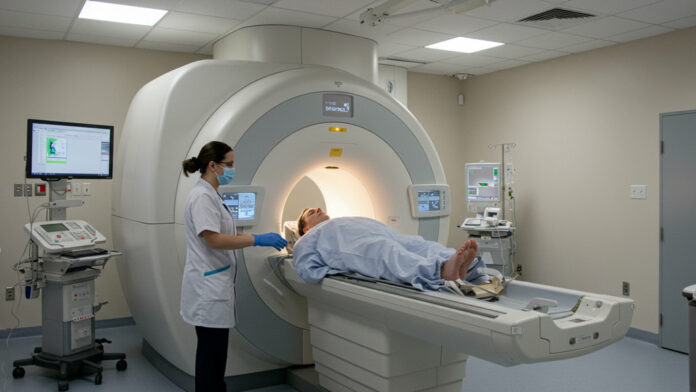

Virtual MRI Imaging with AI Aids Better Tumor Detection

Virtual MRI Imaging

During the magnetic resonance imaging (MRI) procedures, contrast agents like the rare metal gadolinium can go ahead and pose potential health issues. Researchers at the Hong Kong Polytechnic University โ€“ PolyU have gone on to spend years developing contrast-free scanning technology and have even successfully developed AI-powered virtual MRI images for precision tumor detection by offering a safe and smarter diagnostic pathway.

Nanopharyngeal carcinoma โ€“ NPC happens to be a challenging malignancy because of its location within the nose-pharynx, which is an intricate area surrounded by crucial structures like the skull base as well as cranial nerves. This cancer is especially prevalent in Southern China, where it happens at a rate that is 20 times higher than in non-endemic regions of the world, thereby posing a prominent health scare and burden.

The fact is that the infiltrative nature of NPC goes on to make accurate imaging critical when it comes to effective treatment planning, especially for radiation therapy, which happens to remain the primary treatment modality. In the past, contrast-enhanced MRI, which uses gadolinium-based contrast agents (GBCAs), has been the highest standard for delineating tumor boundaries. But the usage of GBCAs does carry risks, thereby underscoring the requirement for safer imaging choices.

It is well to be noted that gadoliniumย is indeed capable of elevating the visibility of internal structures. This is especially very useful in the case of NPC, where the infiltrative nature of the tumor needs accurate imaging so as to distinguish it from the surrounding healthy tissues. But it also happens to pose a significant health risk, which includes nephrogenic systemic fibrosis. It is a serious condition that is associated with gadolinium exposure, which leads to fibrosis of the skin, internal organs, and joints, thereby causing severe pain as well as disability. Moreover, there are recent studies that have shown that gadolinium can accumulate within the brain, thereby raising concerns about the long-term effects that it has.

The head and professor of the PolyU Department of Health Technology and Informatics, Prof. Jing Cai,ย has been exploring certain methods so as to eradicate the usage of GBCAs with a focus on applying deep learning in terms of virtual contrast enhancement (VCE) with MRI. In a published paper in the international journal of radiation oncology, biology, and physics in 2022, Prof. Caiย as well as his research team went on to report the development of the multimodality-guided synergistic neural networkโ€”MMgSN-Net.ย In 2024, he further went on to develop the Pixelwiseย gradient model with generative adverse serial network โ€“ GAN for virtual contrast enhancement โ€“ PGMGVCE, which is reported in Cancers.

It is well to be noted that MMgSN-Net goes on to represent a prominent jump forward when it comes to synthesizing virtual contrast-enhanced T1-weighted MRI images, right from contrast-free scans, making utmost use of complementary information from T1-weighted and T2-weighted images in order to produce high-quality synthetic images. Its architecture goes on to include a multi-modality learning module, a self-attention module, a synergistic guidance system, and a multilevel module, as well as a discriminator, all working in tandem so as to optimize feature extraction along with image synthesis. It is designed in order to unravel the tumor-related imaging characteristics from each input modality by overcoming the barriers in terms of single modality synthesis.

The fact is that the synergistic guidance system happens to play a very critical role in fusing information from T1- and T2-weighted images, elevating the ability of the network to capture complementary features. Moreover, the self-attention module helps in preserving the shape of large anatomical structures, which is especially very significant for precisely delineating the intricate anatomy of NPC.

Building on the robust foundation that is laid by MMgSN-Net, the PGMGVCE model happens to introduce a novel approach towards VCE within virtual MRI imaging. This model blends pixelwise gradient methods along with GAN, which is a deep learning architecture, in order to elevate the texture as well as the detail of synthetic images.

Apparently, a GAN comprises two elements โ€“ a generator, which creates synthetic images, along with a discriminator, which assesses their authenticity. The generator, along with the discriminator, works together, with the generator enhancing its output based upon feedback coming from the discriminator.

Within the proposed model, the pixelwise gradient method, which is originally used in image registration, is perfect when it comes to capturing the geometric structures of tissues, while the GANs make sure that the synthesized images are visually indistinguishable as compared to real contrast-enhanced scans. The PGMGVC model architecture is designed in order to integrate as well as prioritize features from T1- and T2-weighted images, thereby making utmost use of their complementary strengths in order to produce high-fidelity VCE images.

In certain comparative studies, PGMGVCE went on to demonstrate similar precision to MMgSN-Net in terms of mean absolute error (MAE), mean square error (MSE), and structural similarity index (SSIM). But it did excel in texture representation by closely matching the texture of ground-truth contrast-enhanced images. While in terms of MMgSNโ€“Net, the texture goes on to appear to be much smoother. This was evidenced by enhanced metrics like total mean square variation per mean intensity (TMSVPMI) as well as the Tenengrad function per mean intensity (TFPMI), which goes on to indicate more realistic texture replication. The capacity of PGMGVCE in order to capture complex details as well as textures suggests its superiority as compared to MMgSN-Net in certain elements, especially in replicating the authentic texture when it comes to T1-weighted images with contrast.

Apparently, fine-tuning the PGMGVCE model happened to involve exploring numerous hyperparameter settings as well as normalization methods in order to optimize the performance. The study found that a 1:1ย ratio when it comes to pixelwise gradient loss to GAN loss went on to give outย optimal outcomes by balancing the ability of the model to capture the texture as well as the shape. Moreover, numerous normalization techniques like z-score, sigmoid, and Tanhย were tested in order to elevate the learning and generalization capabilities of the model. Sigmoid normalization emerged as one of the most effective methods, slightly outperforming its counterparts in regard to MAE and MSE.

Another element of the study went on to involve assessing the performance of the PGMGVCE model when trained with single Modalities โ€“ which would mean either T1-w or T2-w images. The outcomes went on to indicate that using both the modalities offered a more comprehensive representation of the anatomy, thereby leading to enhanced contrast improvement as compared to using either of the modalities alone. This kind of finding underscores the significance of integrating numerous imaging modalities in order to capture the complete spectrum when it comes to anatomical as well as pathological information.

Interestingly, the results of these findings are quite significant for the future of virtual MRI imaging within NPC. By eradicating the dependence on GBCAs, these models provide a much safer option for patients, especially for those having contraindications to contrast agents. Furthermore, the elevated texture representation that is attained by PGMGVCE can also lead to enhanced diagnostic precision, thereby helping the clinicians in better understanding and characterizing the tumors.

Notably, future research should stress expanding the training datasets of models and incorporatingย more MRI modalities in order to further elevate their diagnostic capacities and generalizability throughout varied clinical settings. As these technologies continue to take shape, they hold the potential to shift the medical imaging spectrum and offer a safer and more effective tool in terms of cancer diagnosis as well as its treatment planning.

The Role of Education in Taking Your Nursing Career Further

Advancing nursing career with right education

Nursing is one of the most rewarding professions out there. Every day, you have the chance to make a real difference in peopleโ€™s lives. But as meaningful as your work is, there may come a time when you want to explore new challenges, take on greater responsibility, or grow in your field. Thatโ€™s where continuing your education comes in.

The healthcare world is always evolving. From new technologies to updated best practices, thereโ€™s so much to keep up with. By advancing your education, you can not only stay on top of these changes but also open doors to roles that let you lead, teach, or specialize in areas that excite you. The good news is that there are more flexible and accessible options than ever for nurses ready to take that next step. Whether you’re looking to stay in direct patient care or explore related fields, the right educational path can help you reach your goals.

Exploring Educational Paths That Broaden Impact

When people think about nurses advancing their careers, they often picture moving up through clinical roles, perhaps becoming a nurse practitioner or earning a Doctor of Nursing Practice degree. While these are great options, itโ€™s also worth thinking about how complementary skills can help you grow as a healthcare provider. For example, having a strong background in counselling can make a big difference in how you connect with patients, especially when supporting their mental and emotional well-being. If you’re interested in combining nursing with mental health support, exploring CACREP accredited online counseling programs ensures youโ€™re choosing a path that meets the highest standards for training and prepares you to deliver quality care in both fields. These programs are designed to fit into the lives of working professionals like you, making it possible to advance your education without stepping away from your current job.

The ability to guide patients through difficult conversations, help families navigate health challenges, or offer emotional support during tough times is a valuable skill set. Adding counselling training to your nursing background not only benefits your patients but also positions you as a more well-rounded and versatile healthcare provider.

Traditional Paths for Nursing Advancement

Of course, many nurses choose to focus on deepening their clinical knowledge. If your goal is to advance in the nursing field, you can earn:

  • BS in Nursing (BSN)
  • MS in Nursing (MSN)
  • Doctor of Nursing Practice (DNP)

Each degree brings new opportunities. With a BSN, you might move into leadership positions within your unit or qualify for specialized roles. An MSN can open the door to advanced practice roles, such as nurse practitioner, nurse educator, or nurse manager. And a DNP prepares you for executive leadership, policy-making, or advanced clinical practice at the highest level.

No matter which degree path you choose, the key is aligning your education with your personal and professional goals. The right degree can help you build expertise in the areas you care most about, whether thatโ€™s primary care, critical care, community health, or beyond.

Certifications and Specializations That Make a Difference

In addition to earning an advanced degree, you might want to pursue certifications that show your expertise in a particular field. There are many options available, from critical care and oncology to informatics and case management. These certifications can help you stand out in the job market and demonstrate your commitment to delivering high-quality care.

Specializing allows you to focus on the areas of nursing that interest you most. For example, if youโ€™re passionate about working with children, you could become certified in paediatric nursing. If youโ€™re drawn to technology, you might explore nursing informatics. Specialization not only builds your skills but can also increase your earning potential and job satisfaction.

The Role of Soft Skills and Interdisciplinary Learning

Advancing your nursing career isnโ€™t just about clinical knowledge. The ability to communicate well, lead a team, and understand the psychological needs of patients and families plays a huge role in providing excellent care. Thatโ€™s why learning in areas like counselling, leadership, or education can be so valuable.

When you combine strong technical skills with soft skills, you become a more complete healthcare professional. Youโ€™re better equipped to advocate for your patients, support your colleagues, and contribute to a positive work environment. Whether youโ€™re mentoring a new nurse, guiding a patient through a difficult diagnosis, or collaborating with other healthcare professionals, these abilities will serve you well.

Online and Flexible Learning Options for Busy Nurses

One of the biggest challenges for nurses looking to advance their education is finding the time to do it. Between long shifts, family responsibilities, and other commitments, it can feel overwhelming to think about going back to school. Thatโ€™s where online and hybrid programs come in. These flexible options allow you to earn a degree or certification on your own schedule, often at your own pace.

Online programs today are designed with working professionals in mind. They offer interactive learning experiences, supportive faculty, and the same high-quality education youโ€™d expect from in-person programs. Whether youโ€™re completing coursework during a lunch break or logging in after a night shift, online learning helps make career advancement more accessible than ever.

How Advanced Education Supports Better Patient Care

At the heart of all of this is the goal of providing the best possible care for your patients. The more you learn, the better prepared you are to meet their needs. Advanced education can help you improve your clinical skills, stay current with the latest evidence-based practices, and approach patient care with a broader, more informed perspective.

When you invest in your education, youโ€™re investing in the health and well-being of the people you serve. Whether that means coordinating care for complex cases, teaching patients about their conditions, or leading quality improvement initiatives, your additional training will have a direct impact on the care you provide.

Advancing your nursing career through education is one of the best ways to grow personally and professionally. The right educational path will help you build the skills and knowledge you need to take on new challenges, provide higher-level care, and reach your career goals.

Itโ€™s important to take the time to reflect on what you want from your career and how education can help you get there. Whether youโ€™re drawn to advanced clinical practice, leadership, teaching, or integrating counselling skills into your work, thereโ€™s a path thatโ€™s right for you. Start by researching programs, talking to mentors, and exploring your options. With so many flexible and accessible opportunities available today, you can take that next step with confidence, knowing that youโ€™re building a future that benefits both you and the patients who count on you.

Credentialing Is Broken. This AI Platform Is Fixing It in Real Time

Credentialing Is Broken. This AI

Imagine being a hospital executive staring at a growing patient backlogโ€” beds are open, demand is rising, and your newest physicians are ready to work. But they canโ€™t. Not because theyโ€™re underqualified, but because the credentialing paperwork hasnโ€™t caught up.

Thatโ€™s the reality of medical credentialing in 2025: a bureaucratic bottleneck that keeps capable providers sidelined for weeks, even months. Itโ€™s not just frustrating for clinicians and administrators; itโ€™s dangerous for patients.

Credentialing is the process of verifying a healthcare providerโ€™s qualifications, including licenses, education, work history, malpractice records, and more. And while itโ€™s essential for patient safety, the process itself has become a slow, fractured web of payer checks, hospital verifications, state board reviews, and manual data entry.

Even today, credentialing remains one of the most stubborn delays in healthcare operations. Most systems still take an average of 45 to 60 days to onboard new providersโ€” depending on how many forms, departments, and verification steps are involved. In that time, physicians remain on payroll but off the floor, unable to see patients or generate revenue.

โ€œItโ€™s ironic. You can book a flight in 30 seconds, but onboarding a doctor takes three months,โ€ said Harman Dhawan, CEO of Provider Passport, a new AI-powered platform designed to collapse the entire process into just seconds.

The consequences of these delays are more than administrative. According to a TechTarget report, credentialing lags can cost individual physicians as much as $122,144 in lost income per onboarding cycle โ€” with orthopedic surgeons and cardiologists losing over $100,000 during similar delays. For hospitals, that translates into empty schedules, longer wait times, and overworked frontline staff. Itโ€™s a system choking itself with its own paperwork.

But now, AI may be poised to change that.

Speeding Up the Slowest Parts Of Credentialing

Provider Passport isnโ€™t just a patch on a broken process. It re-engineers credentialing from the inside outโ€” automating the slowest, most repetitive tasks using a proprietary AI engine called TruMationโ„ข.

Hereโ€™s what that looks like in practice: an administrator enters a providerโ€™s National Provider Identifier (NPI), and within seconds, the system pulls from over 600 primary sourcesโ€” state boards, insurer databases, sanction lists, medical schoolsโ€” to auto-generate a verified provider profile. No paper packets, no fax machines, and certainly no two-week back-and-forth.

โ€œYou canโ€™t afford to have new providers sitting on the sidelines for 60 or 90 days because of legacy workflows,โ€said Dhawan. โ€œWeโ€™re not replacing credentialingโ€”weโ€™re collapsing the parts that waste the most time.โ€

Once the profile is live, the software assembles and submits all necessary credentialing, licensing, and enrollment packets automatically. It uses a proprietary mapping library covering more than 4,500 payer plans to pre-fill and file the right documents โ€” whether thatโ€™s Medicare enrollment, commercial insurers, hospital privileges, or license renewals.

โ€œEverything happens in one centralized workflow. Instead of juggling HR systems, enrollment forms, and credentialing vendors, Provider Passport routes each task through a unified platform, tracking approvals, verifying credentials, and surfacing any compliance flags โ€” often without human input,โ€ Dhawan noted.

3 Ways AI Is Reshaping Provider Onboarding

The old credentialing process was a scavenger hunt. Provider Passport turns it into a guided experience. Hereโ€™s what that transformation looks like in real terms:

1. Instant Profile Generation

With a single NPI number, administrators can trigger a full provider profile in under 60 seconds. The platform pulls data from 600+ verified sources to auto-generate resumes, credentialing packets, and background screens in real time.

2. Automated Submissions

TruMationโ„ข doesnโ€™t just compile documents; it completes them. The engine fills out payer forms, license applications, and privilege requests, tailoring submissions to match the unique requirements of each institution or plan. No more tracking down the โ€œright versionโ€ of a form.

3. One System, End-to-End

All credentialing workflows โ€” enrollment, privileging, verification, renewals โ€” are unified in one secure platform. That eliminates duplicated effort, human errors, and system mismatches that usually delay approvals. In most cases, itโ€™s as simple as one click. The platform handles the rest.

Why It Matters

This isnโ€™t just about making things faster. Itโ€™s about unblocking the choke points that prevent healthcare systems from functioning at full capacity.

Credentialing is one of many administrative tasks in healthcare thatโ€™s ripe for intelligent automation. Others โ€” like prior authorizations, medical billing, and scheduling โ€” are already seeing early AI adoption, especially among revenue-cycle management (RCM) platforms. According to McKinsey, automation of back-office workflows could eliminate $200 to 360 billion in annual U.S. healthcare spending.

Provider Passport is part of that broader shift. And its impact is tangible. Every day a physician is stuck waiting for credentials is a day fewer patients are treated, a day fewer bills are paid, and a day more pressure piles up on already overstretched teams.

โ€œWeโ€™ve seen hospitals lose weeks of coverage because of fragmented systems,โ€ a hospital operations leader whose facility has been using Provider Passport shared. โ€œWith AI-driven tools like this, weโ€™re finally starting to reclaim that time.โ€

The Future Of Credentialing

The promise of AI in healthcare often gets reduced to flashy headlines: diagnostic assistants, robotic surgeries, algorithmic triage. But some of its most powerful effects may come from the back office โ€” from automating the slow, error-prone processes that eat up time and morale.

And while Provider Passport doesnโ€™t replace the entire process, it compresses what once took weeks of manual work into secondsโ€” auto-generating verified profiles, assembling packets, and launching workflows that used to delay go-live dates by months.

The result? Clinicians spend less time buried in paperwork and more time with patients. Hospitals reclaim revenue. And teams get back bandwidth.

โ€œIn an era where burnout is endemic, beds are full, and every second matters, that kind of efficiency isnโ€™t just an upgrade. Itโ€™s a lifeline,โ€ Dhawan said.

New WHO-Listed Authorities Designated for Quality Assurance

New WHO Listed Authorities Designated for Quality Assurance

For the first time, the World Health Organization has officially listed the Ministry of Health, Labor, and Welfare/Pharmaceuticals and Medical Devices Agency (MHLW/PMDA) of Japan, Health Canada, and the Medicines and Healthcare Products Regulatory Agency (MHRA) of the UK as the new WHO-listed authorities (WLAs), a status that is granted to national authorities that meet the highest international regulatory benchmarks when it comes to medical products.

With these latest designations, WHO goes on to expand the growing list of WLAs, which now involves 39 agencies throughout the world, thereby supporting a broader and faster access to quality-assured medical products, especially in low- as well as middle-income countries.

Besides this, the Ministry of Food and Drug Safety (MFDS) of theย Republic of Korea, which is one of the first regulatory authorities to complete the WLA evaluation for medicines as well as vaccines in October 2023, has got its listing scope successfully expanded, thereforeย now covering all the regulatory functions.

According to Dr. Tedros Adhanom Ghebreyesus, who is the director-general of the World Health Organization, this recognition goes on to reflect the deep commitment of these authorities towards regulatory excellence. The designation as new WHO-listed authorities is not just a testament to their robust systems concerning regulations but also a crucial contribution that they make towards global public health. He added that robustย and dependable regulators help in ensuring that people across the world have access to effective, safe, and high-quality medical products.

It is well to be noted that almost 70% of the countries across the world still face prominent challenges because of weak or inadequate regulatory systems when it comes to evaluating as well as authorizing their medical products. The WLA framework goes on to promote regulatory convergence and international collaboration, thereby helping the WHO prequalification program and regulatory authorities, especially those who are located in low- and middle-income countries so as to depend on the trusted work as well as the decisions of certain designated agencies. This kind of partnership supports the efficient usage of limited resources, therefore helping with better and faster access in terms of quality-assured, life-saving medical products for billions more people.

The WHO assistant director-general for health systems, access, and data, Dr. Yukiko Nakatani, said that the principle of dependence is indeed central to the approach by WHO towards regulatory systems strengthening and also a cornerstone when it comes to efficient, effective, and smart regulatory oversight of medical products. He further added that new WHO-listed authorities have to be enablers when it comes to promoting transparency, trust, and faster access to medical products that are quality assured, especially when we talk of low- and middle-income countries.

Interestingly, in a world where health threats such as the likes of substandard and falsified medical products exist and know no borders, WLAs happen to serve as crucial pillars of equity and preparedness, thereby making life-saving products available widely, efficiently, and much faster.

The fact is that these designations follow a very stringent performance assessment process, which is carried out by WHO by way of using its worldwide recognized benchmarking and evaluation tools. These assessments were reviewed by the technical advisory group on WLAs โ€“ TGA โ€“ WLA, which started in June 2025. Apparently, Japan, Canada, and the UK regulatory authorities were in the past recognized as strict regulatory authorities โ€“ SRAs. Their designation under the WLA framework goes on to mark a very significant step when it comes to moving beyond the old SRA system but, at the same time, making sure of continuity as well as balance within global procurement processes, which are packed with quality-assured medical products.

The WLA initiative, which was launched in 2022 so as to replace the erstwhileย SRA model, offers a transparent and evidence-based pathway when it comes to worldwide recognition of regulatory authorities to help the regulatory convergence and dependence. It builds on decades of the leadership of WHO in order to help the countries to work together in a closer manner on the regulation of medical products and also accelerate access to safe, effective, and quality-assured medical products for everyone around the world.

Smart Medical Devices Market Set for Rapid Growth

Smart Medical Devices Market

The global healthcare industry is undergoing a profound digital transformation, and at the heart of this revolution lies the rapid adoption of smart medical devices. The global smart medical devices market is projected to more than double from $87.7 billion in 2025 to $193.3 billion by 2030, the market is expected to grow at a robust compound annual growth rate (CAGR) of 17.1% over this period. This growth is propelled by technological innovation, rising chronic disease prevalence, and increasing demand for connected and remote healthcare solutions worldwide.

These next-generation medical tools, which integrate advanced sensors, wireless connectivity, artificial intelligence, and real-time analytics, are redefining how care is delivered, monitored, and personalised. Smart medical devices, ranging from wearable fitness trackers that detect irregular heart rhythms to implantable devices that transmit critical health data directly to physicians, are transforming the relationship between patients and providers in unprecedented ways.ย 

This surge is fuelling a vibrant global market projected to nearly triple in value over the next five years, reshaping not only medical technology innovation but also the very fabric of healthcare delivery.

Market Overview and Forecast

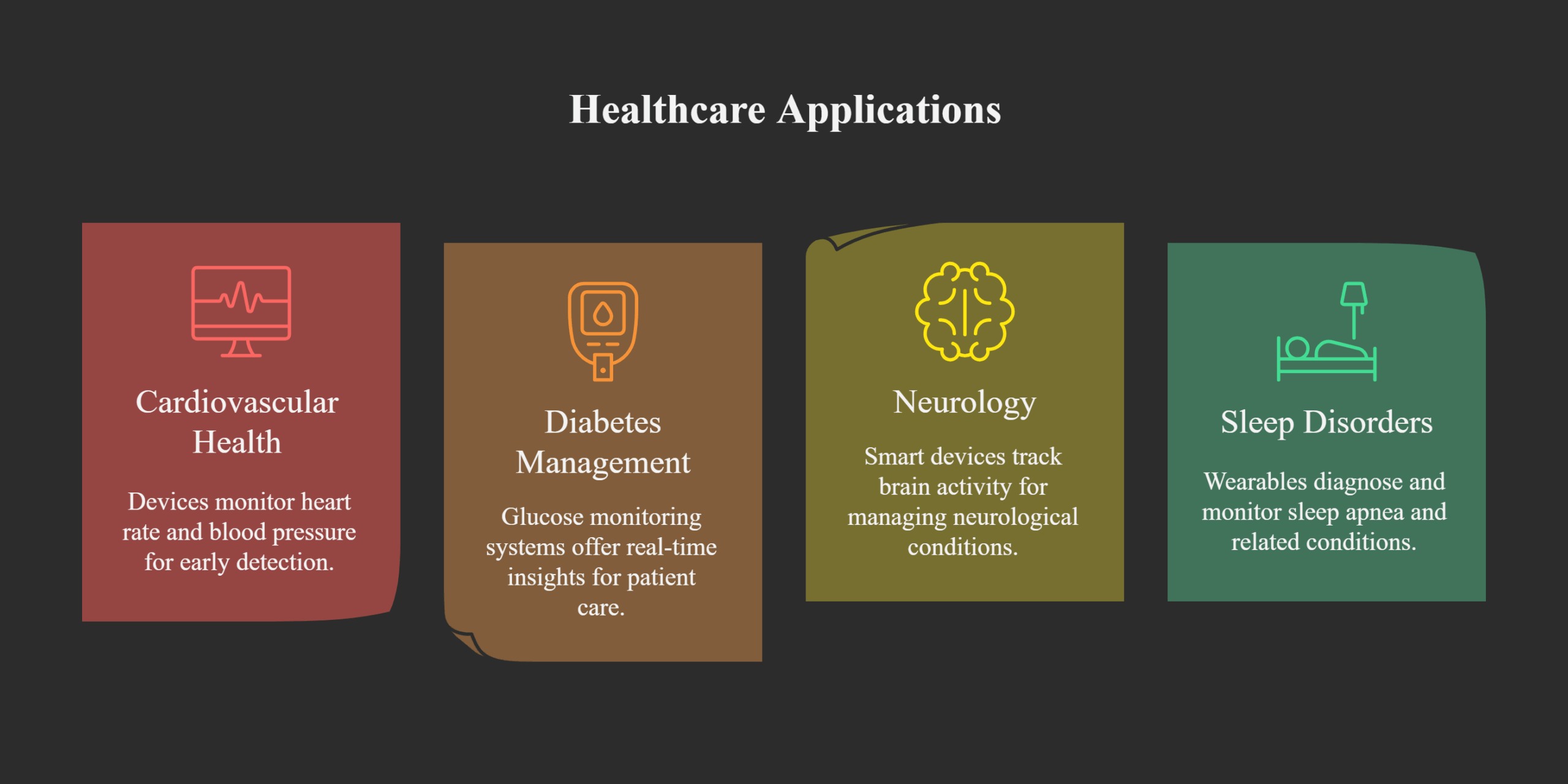
Smart medical devices encompass a broad range of products equipped with advanced sensors, embedded software, connectivity, and data analytics capabilities. These devices include implantable, wearable, and non-wearable medical instruments used across cardiovascular health, diabetes management, neurology, and sleep disorder applications. Their ability to collect and transmit real-time health data supports improved clinical outcomes, personalized care plans, and preventive medicine, reducing hospital admissions and healthcare costs.

The global market size, estimated at $87.7 billion in 2025, is forecast to nearly triple to $193.3 billion by 2030. This reflects a CAGR of 17.1%, highlighting strong industry momentum and expanding adoption across all regions, including North America, Europe, Asia-Pacific, South America, and the Middle East and Africa. Among these, North America currently dominates the market, supported by robust healthcare infrastructure, regulatory support for medical technology innovation, and substantial government initiatives promoting connected care devices.

Segmentation by Product Type and Applications

The smart medical devices category segments primarily into implantable devices (such as cardiac monitors and neurostimulators), wearable devices (like continuous glucose monitors and fitness trackers), and non-wearable devices (including remote patient monitoring systems and smart diagnostic tools). Wearable devices are among the fastest-growing segments due to increased consumer health awareness and advancements in miniaturisation, battery life, and wireless connectivity.

Applications span critical healthcare fields, including:

  • Cardiovascular health: Devices continuously monitor heart rate, rhythm, and blood pressure, aiding early detection and management of cardiovascular diseases.
  • Diabetes management: Continuous glucose monitoring systems offer real-time insights that transform patient self-care and clinical interventions.
  • Neurology: Smart devices enable remote brain activity tracking and management of conditions such as epilepsy and Parkinsonโ€™s disease.
  • Sleep disorders: Wearables and other non-invasive devices help diagnose and monitor sleep apnea and related conditions.

Growth Drivers

Several key factors contribute to the marketโ€™s strong growth trajectory:

  • Chronic Disease Burden: The global rise in chronic conditions such as diabetes, cardiovascular diseases, and respiratory illnesses has created a pressing need for continuous, remote monitoring solutions.
  • Technological Innovation: Integration of artificial intelligence (AI), the Internet of Things (IoT), and cloud computing into medical devices enhances diagnostic accuracy, personalisation of treatments, and remote patient management.
  • Aging Population: The worldwide increase in the elderly population intensifies demand for chronic care management and assistive medical technologies.
  • Telehealth Expansion: The accelerated adoption of telemedicine, especially post-pandemic, boosts demand for remote monitoring devices that facilitate care delivery outside traditional clinical settings.
  • Regulatory Support: Favorable regulatory frameworks in major markets encourage rapid introduction and uptake of innovative smart medical devices.

Technological Trends and Innovations

The industry is characterised by rapid technological advances that improve device functionality, usability, and data integration:

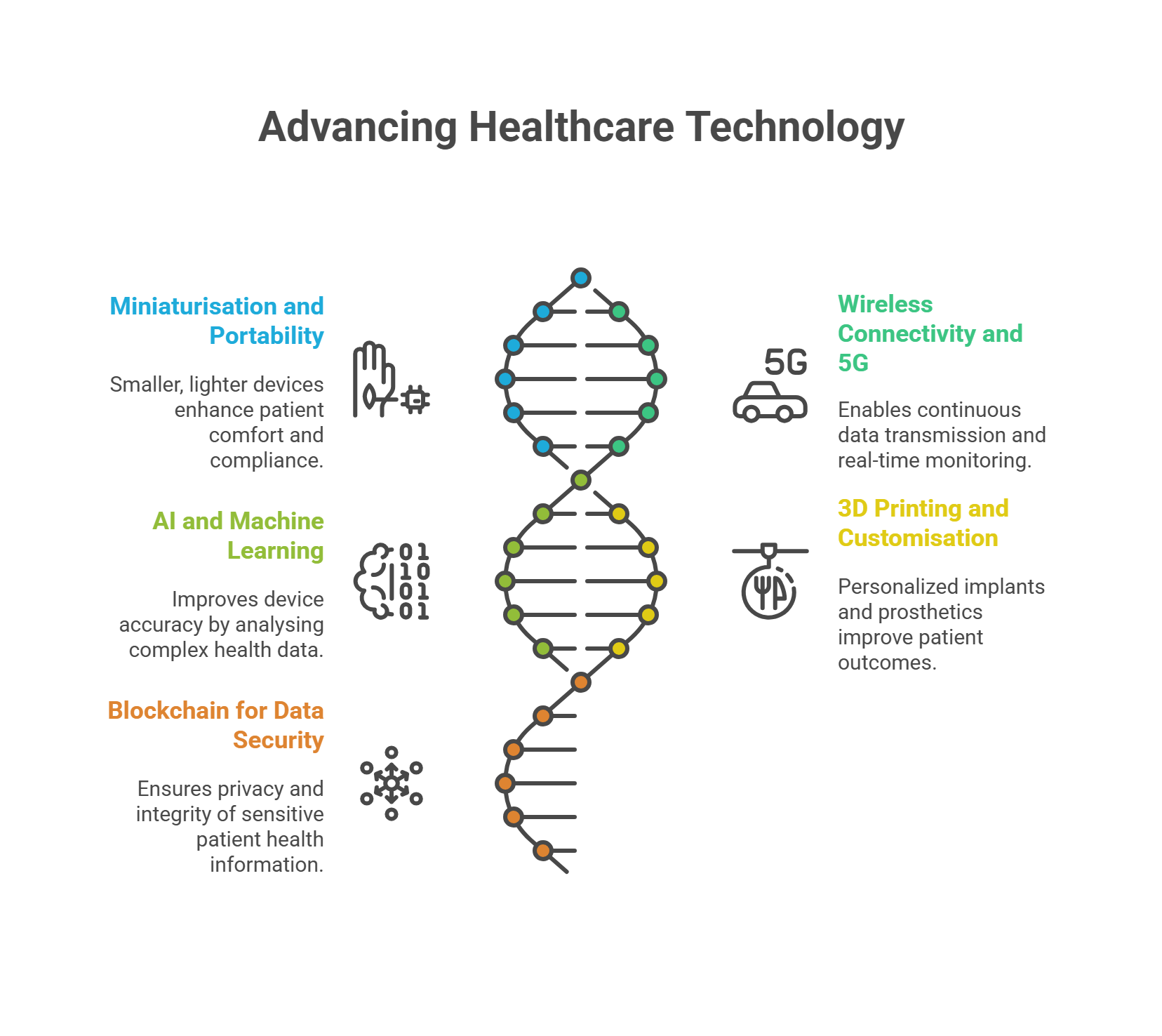
  • Miniaturisation and Portability: Smaller, lightweight devices enhance patient comfort and compliance.
  • Wireless Connectivity and 5G: Enable continuous data transmission and real-time monitoring, crucial for emergency response and chronic disease management.
  • AI and Machine Learning: These tools improve device accuracy by analysing complex health data, predicting adverse events, and optimising treatment plans.
  • 3D Printing and Customisation: Personalised implants and prosthetics made via 3D printing improve patient outcomes with tailored medical solutions.
  • Blockchain for Data Security: Ensures privacy and integrity of sensitive patient health information transmitted through connected devices.

Competitive Landscape

The smart medical devices market is moderately concentrated among several leading multinational companies and innovative startups. Key players include Medtronic, Abbott Laboratories, Boston Scientific Corporation, F. Hoffmann-La Roche Ltd., and Koninklijke Philips N.V. These companies leverage proprietary technologies, extensive R&D, and strategic alliances to maintain competitive advantages and expand product offerings. Additionally, technology firms like Apple, Fitbit, and Garmin have made significant inroads into the market by introducing consumer-friendly wearable health devices with medical-grade capabilities.

Regional Insights

  • North America: The largest market share due to advanced healthcare infrastructure, higher spending on medical technologies, and strong innovation ecosystems.
  • Europe: Steady growth supported by government funding for digital health and aging population dynamics.
  • Asia-Pacific: The fastest-growing region, propelled by increasing healthcare investments, rising chronic disease prevalence, and growing awareness of smart health solutions.
  • South America and Middle East & Africa: Emerging markets exhibiting growth as access to healthcare technologies improves and telemedicine gains popularity.

Market Challenges and Opportunities

Challenges include regulatory complexities across different regions, data privacy concerns, and high initial costs of advanced smart medical devices. However, these are offset by opportunities in expanding remote patient monitoring, personalized medicine, and healthcare digitisation.

The ongoing pandemic-induced shift towards decentralised healthcare models and value-based care supports unprecedented demand for intelligent medical devices that reduce clinical burdens and enhance patient engagement.

Conclusion

The smart medical devices market represents a dynamic and high-growth sector poised to revolutionise global healthcare. With market value expected to reach nearly $200 billion by 2030, driven by innovation and increasing healthcare needs, stakeholders from healthcare providers to device manufacturers have significant opportunities. Strategic investments in technology, partnerships, and regulatory compliance will be critical for capitalising on this expanding landscape, ultimately transforming patient care, improving health outcomes, and lowering overall healthcare costs.

In summary, smart medical devices are not just technological instruments but are pivotal enablers of modern, connected, and patient-centric healthcare ecosystems globally. Their continued evolution promises to bring precision medicine and real-time health management to the forefront of medical practice.


AI-Powered Medical Imaging Transforms Healthcare Delivery

AI Powered Medical Imaging Transforms

AI-Powered Diagnostics to Image-Guided Therapy: Transforming Modern Healthcare

The convergence of AI-powered medical imaging is revolutionising healthcare delivery, reshaping how diseases are diagnosed, treated, and managed. From early disease detection through AI-powered diagnostics to precision interventions enabled by image-guided therapy, this technological evolution is enhancing patient outcomes and healthcare efficiency. Leaders from pioneering companies like Siemens Healthineers and Philips highlight the immense promise of these advancements.

The Rise of AI in Medical Diagnostics

AI in healthcare diagnostics has transitioned from a nascent concept to an indispensable tool for clinicians worldwide. Traditionally, radiologists manually reviewed X-rays, MRI scans, and CT images, a process limited by human observation and time constraints Solutions likeย Studycastย now enable secure cloud-based sharing and collaborative interpretation of medical imaging, helping clinicians accelerate workflows and make faster, more accurate decisions. AI-powered diagnostics harness advanced machine learning and deep learning algorithms to analyse imaging data rapidly and with remarkable accuracy. These technologies detect subtle patterns and abnormalities invisible to the human eye, enabling earlier and more precise disease detection.

Kalavathi G V of Siemens Healthineers affirmed this trend, stating, โ€œAI-powered diagnostics are enabling earlier and more accurate detection of health conditions.โ€ This early detection capability is critical for diseases like cancer, cardiovascular conditions, and neurological disorders, where timely diagnosis can dramatically improve survival rates and quality of life.

Today, AI is embedded in a variety of imaging modalities, including MRI, CT, ultrasound, and digital pathology, automating routine image analyses and flagging suspicious findings for further review. These improvements reduce diagnostic errors, accelerate workflows, and democratise access to high-quality diagnostics, especially in rural areas with limited specialist availability.

Bridging Diagnostics and Therapy with Image-Guided Solutions

Image-guided therapy represents the next frontierโ€”blurring traditional lines between diagnosis and treatment. This approach leverages real-time imaging enhanced by AI to precisely navigate medical interventions such as biopsies, ablations, catheter placements, and minimally invasive surgeries.

Bert van Meurs, Chief Business Leader of Image Guided Therapy at Philips, articulates this integration: โ€œBy embedding AI directly onto our systems for both diagnosis and workflow, we are empowering the next generation of radiology to advance precision imaging for more patients and deliver better care for more people.โ€ AI accelerates decision-making, optimising therapeutic procedures with enhanced accuracy and reducing complications.

Real-World Applications Across Medical Specialties

  1. Oncology:
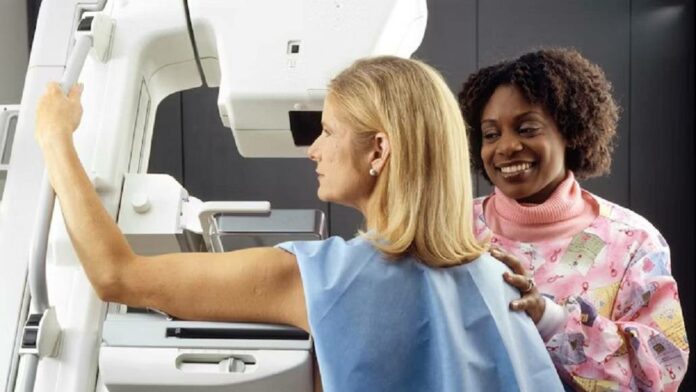
    AI-powered diagnostics detect cancerous lesions earlier and with greater precision than ever before. For example, AI algorithms analyse mammograms to identify breast cancer at nascent stages, while CT and MRI enhanced by AI improve tumor delineation in lung and brain cancers. During treatment, image-guided therapy enables targeted radiation or surgical removal with minimal damage to surrounding healthy tissues. AI-assisted needle placement for biopsies ensures high diagnostic yield with reduced patient discomfort.
  2. Cardiology:
    In cardiovascular care, AI analyses echocardiograms and angiograms to uncover subtle functional abnormalities, aiding in early detection of heart diseases. Image-guided interventions such as angioplasty and stent placement are increasingly supported by AI-driven navigation systems that optimise device positioning and procedural success, shortening operation times and improving recovery.
  3. Neurology:
    AI integrates with advanced imaging techniques like functional MRI and CT perfusion scans to diagnose and monitor stroke, Alzheimerโ€™s disease, and other neurological conditions swiftly. Image-guided therapy facilitates precision neurosurgery by mapping critical brain regions and supporting minimally invasive approaches, minimising neurological risks.
  4. Orthopedics:
    AI-powered diagnostics assist in interpreting X-rays and MRIs for fractures, joint degeneration, and soft tissue injuries. During joint replacements or arthroscopic surgeries, image guidance combined with AI helps surgeons align implants accurately, improving long-term outcomes and reducing revision rates.
  5. Gastroenterology:
    AI enhances endoscopic imaging by identifying precancerous lesions and polyps in real-time, guiding therapeutic interventions, such as polypectomy. Image-guided procedures like liver biopsies use AI to improve needle targeting, maximising safety and diagnostic accuracy.

Efficiency, Access, and Improved Outcomes

The AI-driven transformation addresses core healthcare challenges:

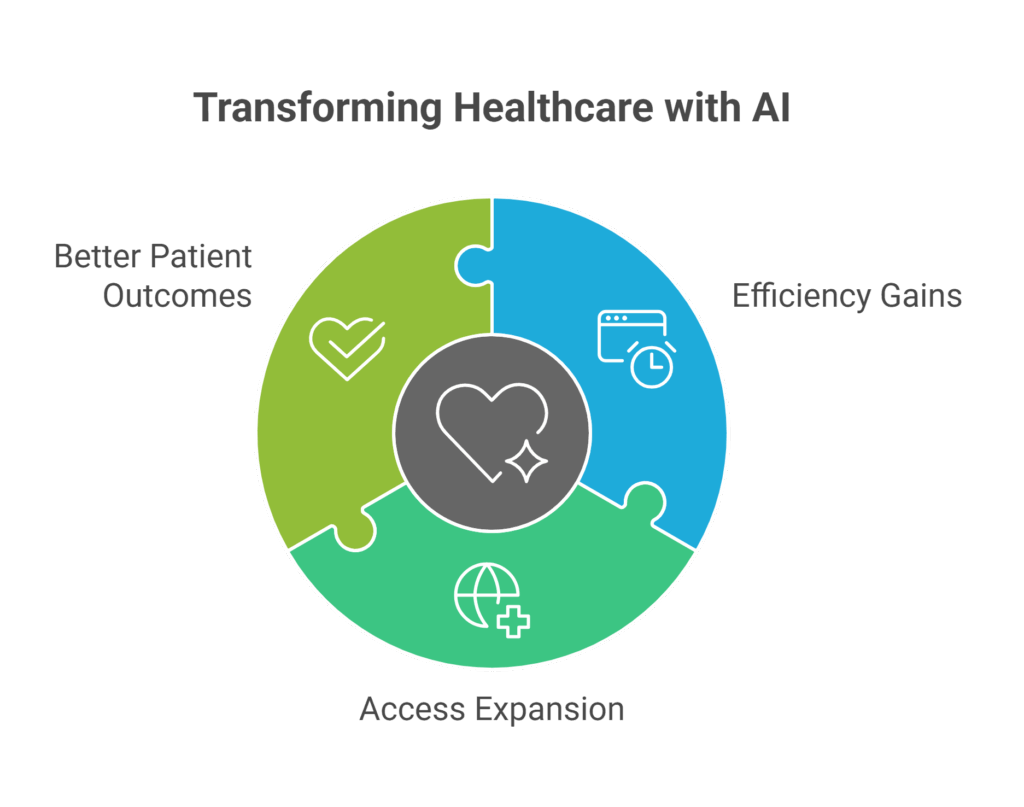
  • Efficiency Gains: AI automates repetitive tasks such as image segmentation and reporting, freeing specialists to focus on complex cases. Real-time AI guidance during therapy reduces procedure durations and lowers complication rates, improving throughput in busy clinical settings.
  • Access Expansion: AI-powered medical imaging portable devices and telemedicine platforms extend diagnostic and therapeutic capabilities to underserved rural and remote communities, breaking geographic barriers to quality care.
  • Better Patient Outcomes: Early and accurate disease detection enables timely interventions, which, combined with AI-augmented precision therapies, results in higher cure rates, fewer side effects, and enhanced patient satisfaction.

Pioneers like Siemens Healthineers and Philips are spearheading these innovations through sustained R&D investment and strategic collaborations with hospitals and governments to ensure broad adoption. Their leadership reinforces the critical role of AI in shaping future diagnostic and therapeutic paradigms.

Challenges and Future Outlook

While promising, AI integration demands robust clinician training, transparent algorithm validation, strict data privacy safeguards, and seamless interoperability with existing hospital systems. Continuous monitoring and quality assurance are essential to maintaining patient safety and therapeutic efficacy.

Looking ahead, the synergy of AI-powered diagnostics and image-guided therapy will deepen. Advances in multi-modal data fusion, including genetics and electronic health records, will enable more personalised treatments. The incorporation of robotics and augmented reality with AI-guided imaging is anticipated to further refine surgical precision and patient outcomes.

Artificial intelligence is powering a new era in diagnostics and image-guided therapy. From early detection to precision care, healthcare leaders and innovators are driving a transformation that promises greater efficiency, expanded access, and improved patient lives. With continued investment, collaboration, and focus on integration, the potential of AI-powered medical imaging is vast, poised to become the backbone of modern medicineโ€™s next chapter.

Dynacare, Evexia to Start Health Testing Services in Canada

Dynacare Evexia to Start Health Testing Services in Canada

Dynacare, which happens to be one of the leading providers of health and wellness solutions in Canada, so as to demonstrate its ongoing commitment to healthcare, has collaborated with Evexia Diagnostics in order to launch a broad new menu when it comes to health testing services in Canada. This collaboration looks forward to bringing a very wide spectrum of advanced diagnostics to the healthcare providers, thereby helping more people throughout the country to take control of their health by way of testing options that are much more accessible. This kind of strategic development syncs with the mission that Dyncare has in order to support healthy lives with care and commitment. The expanded offering goes on to include a broad range of diagnostic tools, which are designed in order to empower users with deeper insights when it comes to their personal wellness and also help the care providers to make decisions that are more informed.

According to the director of business development at Dyncare, Jan-Michael Fitz-Henry, they are committed to delivering innovative solutions that enhance access to high-quality health testing services in Canada.. This launch is going to bring a wide range of dependable and comprehensive health evaluation options to more Canadians wherever they are located in their journey to wellness.

As per the chief commercial officer of Evixia Diagnostics, Ryan L. Obermier, they are indeed thrilled to announce their partnership with Dyncare, which is one of the leading reference laboratories in Canada. This collaboration prominently elevates their capacity to serve their Canadian clients by offering broad access to the testing and extensive network of draw centers of Dynacare all across Canada. By way of streamlining the processes and also enhancing the functional efficiency, this collaboration not just upgrades the service level that they offer but also marks a prominent step towards expanding the presence of Evexia Diagnostic in the Canadian marketplace.

It is well to be noted that the comprehensive diagnostic menu happens to cover critical health areas, right from routine chemistry tests to more specialized and specific disease indicators, thereby making it one of the strongest offerings of its kind that is available in Canada. By way of seamless digital access as well as expert laboratory support, there is no shred of doubt that Dynacare continues to bridge that gap between traditional healthcare systems and the growing needs of modern providers and patients.

Apparently, the expanded testing services are very well available to theย health practitioners throughout the country with convenient ordering as well as support by way of the digital ecosystem provided by Evexia.

Understanding Male Breast Cancer: Breaking the Silence Around a Rare but Real Condition

Understanding Male Breast Cancer

When most people think of breast cancer, they envision women facing this challenging diagnosis. However, men can also develop breast cancer, though it remains relatively uncommon. Understanding the signs, risk factors, and treatment options is crucial for early detection and successful outcomes.

The Reality of Male Breast Cancer

Male breast cancer accounts for less than 1% of all breast cancer cases, with approximately 2,650 men diagnosed annually in the United States. While rare, this condition affects real people with real families, making awareness and education essential. Men possess breast tissue, though significantly less than women, which means cancer can still develop in this area.

The average age at diagnosis is around 68 years old, though men of any age can be affected. Unfortunately, many cases are diagnosed at later stages because men often dismiss lumps or changes as benign, and healthcare providers may not immediately consider breast cancer as a possibility.

Recognizing Warning Signs

Early detection significantly improves treatment outcomes. Men should watch for several key symptoms:

Physical Changes to Monitor

  • A painless lump or thickening in breast tissue
  • Changes in breast skin, including dimpling or puckering
  • Nipple discharge, especially if bloody
  • Inverted nipple or skin pulling
  • Redness or scaling around the nipple area

Any persistent changes warrant immediate medical evaluation. Don’t assume symptoms are harmless simply because breast cancer seems unlikely in men.

Risk Factors and Prevention

Several factors increase the likelihood of developing male breast cancer. Age remains the primary risk factor, with most cases occurring after age 60. Genetic mutations, particularly BRCA2, significantly elevate risk. Family history of breast or ovarian cancer, radiation exposure, and certain genetic conditions like Klinefelter syndrome also contribute to increased susceptibility.

Lifestyle factors play a role too. Obesity, excessive alcohol consumption, and liver disease can affect hormone levels, potentially increasing cancer risk. While these factors can’t always be controlled, maintaining a healthy weight and limiting alcohol intake may help reduce overall risk.

FAQ Section

Q: How is male breast cancer treated? A: Treatment typically mirrors female breast cancer approaches, including surgery, chemotherapy, radiation, and hormone therapy when appropriate.

Q: Is male breast cancer hereditary? A: While most cases aren’t inherited, genetic mutations like BRCA2 can significantly increase risk for both men and their family members.

Q: Can men perform breast self-exams? A: Yes, men should regularly check for lumps or changes, especially if they have risk factors or family history.

Q: What’s the survival rate for male breast cancer? A: When caught early, five-year survival rates exceed 95%, emphasizing the importance of prompt medical attention.

Moving Forward with Awareness

Male Breast Cancer awareness saves lives through early detection and proper treatment. Men experiencing any concerning symptoms should seek immediate medical evaluation without embarrassment or delay. Healthcare providers must also maintain awareness of this possibility when evaluating male patients with breast symptoms.

Breaking the silence around male breast cancer ensures that all affected individuals receive timely, appropriate care. Education, awareness, and open communication remain our strongest tools in fighting this rare but serious condition.

Key Factors to Consider When Setting Up a New Laboratory

Key Factors to Consider

Establishing a new laboratory is a complex undertaking that requires careful planning to ensure functionality, safety, and efficiency. Whether for research, clinical diagnostics, or educational purposes, every lab must be designed with precision to meet its specific needs. The right selection of lab supplies, equipment, and layout can significantly impact productivity and operational success.

This article outlines the essential factors to consider when setting up a new laboratory, from space planning to safety protocols and procurement of lab supplies.

1. Define the Laboratory’s Purpose and Workflow

Before purchasing lab supplies or equipment, clearly define the lab’s primary functions:

  • Research Labs โ€“ Focus on experimental flexibility and specialized equipment.
  • Clinical/Diagnostic Labs โ€“ Require strict compliance with medical standards.
  • Educational Labs โ€“ Need durability and ease of use for student training.

Workflow Considerations:

  • Identify key processes (e.g., sample preparation, analysis, storage).
  • Design workstations to minimize cross-contamination and unnecessary movement.
  • Ensure logical placement of lab supplies to streamline workflows.

2. Choose the Right Location and Layout

Space Requirements:

  • Bench Space โ€“ Allow at least 4-6 feet per researcher.
  • Storage Areas โ€“ Dedicate space for chemicals, glassware, and consumables.
  • Ventilation โ€“ Ensure proper airflow for fume hoods and biosafety cabinets.

Lab Layout Best Practices:

  • Zoning โ€“ Separate wet and dry labs to prevent contamination.
  • Ergonomics โ€“ Position frequently used lab supplies within easy reach.
  • Safety Exits โ€“ Maintain clear pathways to emergency exits.

3. Procure Essential Lab Supplies and Equipment

Selecting high-quality lab supplies is critical for accuracy and safety.

Basic Lab Supplies Checklist:

โœ” Glassware (beakers, flasks, pipettes)
โœ” Consumables (gloves, tubes, filters)
โœ” Safety Gear (goggles, lab coats, spill kits)
โœ” Storage Solutions (chemical cabinets, refrigerators)

Equipment Considerations:

  • Prioritize multi-functional instruments to save space and costs.
  • Verify compatibility with existing workflows.
  • Budget for maintenance and calibration.

4. Implement Safety and Compliance Measures

A well-designed lab integrates safety from the outset.

Key Safety Features:

  • Emergency Equipment โ€“ Install eyewash stations, fire extinguishers, and first-aid kits.
  • Ventilation Systems โ€“ Use fume hoods for chemical work and biosafety cabinets for pathogens.
  • Proper Labeling โ€“ Follow GHS standards for chemical storage.

Regulatory Compliance:

  • Adhere to OSHA, EPA, and ISO guidelines.
  • Document safety protocols and training records.

5. Optimize Storage and Inventory Management

Efficient storage prevents clutter and ensures quick access to lab supplies.

Storage Solutions:

  • Modular Shelving โ€“ Adjustable racks maximize space.
  • Chemical Cabinets โ€“ Segregate acids, flammables, and bases.
  • Digital Inventory Systems โ€“ Track lab supplies usage in real time.

Inventory Best Practices:

  • Set par levels to avoid shortages.
  • Conduct regular audits to discard expired materials.

6. Plan for Utilities and Infrastructure

Labs require specialized infrastructure to support operations.

Essential Utilities:

  • Electrical Outlets โ€“ Ensure sufficient power for equipment.
  • Water Supply โ€“ Install purified water systems if needed.
  • Gas Lines โ€“ Properly secure gas cylinders for Bunsen burners or GC systems.

Backup Systems:

  • Uninterruptible Power Supply (UPS) for sensitive instruments.
  • Backup generators for long-term experiments.

7. Establish Standard Operating Procedures (SOPs)

Clear protocols ensure consistency and safety.

Critical SOPs to Develop:

  • Equipment operation and maintenance.
  • Chemical handling and disposal.
  • Emergency response plans.

Training Requirements:

  • Train all personnel on SOPs before lab activation.
  • Schedule refresher courses annually.

8. Budgeting and Cost Management

Lab setup costs can escalate quickly without proper planning.

Cost-Saving Strategies:

  • Lease high-cost equipment initially.
  • Bulk-purchase lab supplies for discounts.
  • Prioritize essential items first, then expand.

Hidden Costs to Anticipate:

  • Maintenance contracts for equipment.
  • Waste disposal fees.
  • Compliance certification costs.

9. Future-Proofing the Laboratory

Design the lab with scalability in mind.

Flexibility Considerations:

  • Modular furniture for reconfiguration.
  • Extra power and data ports for new instruments.
  • Space for additional storage as needs grow.

Technology Integration:

  • Plan for digital lab notebooks (ELNs).
  • Automate repetitive tasks where possible.

10. Conduct a Final Safety Inspection

Before operational launch:

  • Test all safety equipment (eyewashes, alarms).
  • Verify proper ventilation and airflow.
  • Ensure emergency exits are unobstructed.

Conclusion

Setting up a new laboratory requires meticulous planning across multiple dimensionsโ€”space, safety, lab supplies, and workflow efficiency. By addressing these key factors systematically, you can create a functional, compliant, and productive lab environment.

Start with a clear understanding of the labโ€™s purpose, invest in high-quality lab supplies, and prioritize safety at every step. A well-designed laboratory not only enhances research outcomes but also ensures the well-being of its users.

Translate ยป