











Close
Digital Health & Ai Innovation summit 2026
Medical Taiwan 2026

Fern Health, MGH hospital to develop digital pain management platforms

Prospero Health Partners With GrandPad to Improve Access to Care for Vulnerable Seniors During COVID-19 Surge

Fern Health, a digital health company pioneering virtual musculoskeletal pain programs and pain neuroscience education through employers, announced that it has expanded its collaboration with Massachusetts General Hospital (MGH) and the MGH Center for Innovation in Digital HealthCare (CIDH). MGH is the original and largest teaching hospital of Harvard Medical School and home to one of the world’s leading pain management clinics. Fern Health’s relationship with MGH, formed 18 months ago, will now broaden to entail a multi-year collaboration in which MGH will validate emerging Fern Health product lines, pilot new products in a clinical setting, and investigate new scientific approaches to pain management.

The expansion supports Fern Health’s long-term vision of democratizing access to non-invasive multimodal pain management. Fern Health’s current product suite, which includes an evidence-based, digitally delivered musculoskeletal (MSK) pain management program, was originally developed with experts from within Mass General, in consultation with their clinical collaborators at the world-renowned Spaulding Rehabilitation Network. Fern’s biopsychosocial pain management solution was validated with the clinical rigor of MGH’s renowned hospital-based research enterprise.

“There are a multitude of gaps in the U.S. healthcare system that unfortunately fail our patients with chronic pain, from lack of access to high-quality pain care to the proliferation of costly and often ineffective treatments,” said Mihir M. Kamdar, MD, MGH Pain Physician and Digital Health Advisor. Evidence-based models of care are still rare in digital health solutions even though they have the potential to address these gaps and give clinicians innovative and effective care options for their patients.

Fern Health will leverage clinical validation and implementation science, clinical protocol development, access to data-driven insights derived from de-identified patient data, third-party corroboration for peer-review publications and FDA approval processes.

“By evaluating digital health tools in a real-world clinical setting, we can provide distinctive insights, understand user preferences, and validate clinical protocols for optimal implementation and outcomes,” added Joseph C. Kvedar, MD, Senior Advisor, Virtual Care, Mass General Brigham; Professor of Dermatology, Harvard Medical School; and Senior Advisor, MGH Center for Innovation in Digital HealthCare. “This collaboration is designed to help advance pain management through digitally-delivered personalized exercise therapy, education, and health coachingโ€”which early results suggest is occurring.” Dr. Kvedar is also President of the American Telemedicine Association (ATA).

The collaboration also gives Fern Health substantial clinical and scientific data to expand into the broader ecosystem of digitally-delivered pain management platforms:

The Fern user experience will replicate how a patient might experience evidence-based, personalized treatment at a hospital-based pain management clinic. Rather than delivered in-person, treatment is delivered digitally and is accessible from anywhere.
Informed by predictive analytics and an expansive MGH data set of 10 million de-identified patient records, personalized, evidence-based Fern patient treatment plans will leapfrog the performance of “one-size-fits-all” pain management platforms that are limited to publicly available data or their own user data.
The collaboration will form the foundation from which Fern will launch new products and services rooted in collaborative care aimed at treating the whole person across physical, emotional, and behavioral considerations.

“At least half of the population suffers from physical pain and its cascade of effects across social, mental and emotional well-being,” said Travis Bond, CEO, Fern Health. “This initiative marries science, clinical rigor, artificial intelligence and incredibly rich historical patient data sets with digital care delivery. It’s a huge first step into a better future for pain management science and for the millions of people living with musculoskeletal pain today.”

One out of every two people suffer from MSK pain and the U.S. spends $380 billion on MSK conditions each year, contributing to MSK pain being the top driver of employer healthcare costs. Fern Health eases the burden on employers who face daunting pain management treatment economics. Provided as a benefits add-on for self-insured employers, Fern Health offers a biopsychosocial approach to pain management, including personalized restorative therapy, pain neuroscience education and virtual 1:1 health coaching. The company is currently engaged in pilot programs with several mid-size and large employers spanning the professional services, manufacturing and transportation sectors.

Fern Health was born out of a collaboration between Grรผnenthal, a science-driven global leader in pain management with a decades-long track record of delivering solutions to pain patients worldwide, and BCG Digital Ventures, an investment and incubation firm that invents, launches, scales and invests in new businesses in partnership with the world’s most influential corporations.

About Fern Health:
Available through employers, Fern Health’s digital program addresses the source of chronic back and joint pain, not just the symptoms. Fern’s biopsychosocial approach includes restorative therapy, pain neuroscience education, and health coaching to get members feeling better without surgery or inappropriate use of opioids.


Apollo Hospitals to provide AI-powered stroke management care to patients

India-based Apollo Hospitals Group has entered into a partnership with Medtronic to integrate artificial intelligence (AI) for advancing stroke management.

The AI platform, which has been approved by the US FDA, can deliver automated analysis in less than two minutes as compared to currently accepted imaging practices for diagnosis of stroke, aiding in providing accurate and faster care to patients.

With the novel platform for stroke management, diagnosis time will be cut short from 60 minutes to just two minutes.

Moreover, the duration between onset of stroke to treatment will reduce drastically aiding in improving outcome, reducing hospital stay and saving costs for the patient.

Apollo Hospitals Group Chairman Dr Prathap Reddy said: โ€œWith this partnership, Apollo Hospitals continues to be the torchbearer in adoption of digital technology as one of the first hospital group in South Asia to use AI in an organised and scalable manner for comprehensive stroke management.

โ€œAlso, with the introduction of 640 slice CT Scan having a capability of doing cerebral angiogram, the patient will definitely gain by means of advanced technical adaptations in stroke treatment.โ€

The AI technology enabled stroke management will be launched in ten locations of Apollo Hospitals across the country.

The platform uses AI to create high quality, advanced images from non-contrast CT, CT angiography, CT perfusion, and MRI diffusion and perfusion scans.

It’s Time To Look At UV-C Light Air Purification To Combat COVID-19 More Seriously

It's Time To Look At UV-C Light Air Purification To Combat COVID-19 More Seriously

โ€œItโ€™s time to look more seriously at UV-C light air purification to help protect against airborne pathogens such as COVID-19, influenza, and pneumonia,โ€ stated Dr. Bryan Stone, MD, Internal Medicine and Nephrology, Chief of Medicine Emeritus for Desert Regional Medical Center, and a member of Vystar Corporationโ€™s Board of Directors.

The scientific and medical communities, including the Centers for Disease Control (CDC), agree that the primary method of COVID-19 and influenza transmission is via airborne means.1, 2 The cleanest room is instantly contaminated the instant an infected person enters and breaths, speaks, coughs or sneezes. โ€œWhile face masks and social distancing are good preventative measures, we need additional measures, such as UV-C light disinfection, to help prevent airborne transmission,โ€ Dr. Stone observed. โ€œThis is particularly true in severe cold weather areas where recommendations for socializing outdoors or opening windows for added ventilation for extended periods are not practical and/or possible.โ€

Dr. Qanta Ahmed, MD, pulmonologist at NYU Langone, also pushed for more use of UV-C light air purifiers in an Oct. 26th Fox & Friends TV interview. โ€œBecause we do have cold winters in the U.S., I would appeal that the government looks into purifying indoor air,โ€ Dr. Ahmed said. โ€œWe have amazing technology with UV light. Since 1978, we have known that that sterilizes the airโ€ฆ And they kill 99.9% of viruses, including against the COVID 19 virus. This is what we are going to need as we start to roll out the vaccine. Indoor air is something we can work on now.โ€

The CDC website โ€œverifies that UV germicidal irradiation has been employed in the disinfection of drinking water, air, titanium implants, contact lenses and in the healthcare environment (i.e., operating rooms, isolation rooms, and biologic safety cabinets) for both destruction of airborne organisms or inactivation of microorganisms on surfaces.โ€

Dr. Stone warns, โ€œIt is extremely important to look for UV-C light air purifiers that are FDA-cleared as Class II Medical Devices, such as Vystarโ€™s RxAir 400ยฎ and Rx3000ยฎ air purifiers. These devices have been tested in EPA and FDA-certified laboratories as being effective and safe. To be effective, units must use the correct UV-C bulb wavelength and intensity and keep the air in close enough proximity to the bulbs for the necessary duration. Many devices that quickly pass air over small, low intensity UV lights are not effective and can give a false sense of security that puts users at risk.โ€

How does UV-C light work on COVID-19? – Coronaviruses, including SARS-CoV-2 which causes COVID 19, are RNA viruses enveloped in a lipid bilayer. 4 UV-C light in the 254 nm wavelength inactivates lipid viruses by damaging their DNA and RNA genetic material.4,5,6,7,8 UV lightโ€™s germicidal effectiveness is influenced by UV intensity, which is affected by distance.4

How does RxAir UV-C Light Air Purification work? –The RxAir UV-C light air purifier is uniquely effective because its patented โ€œkill chamberโ€ forces the air to spiral in close proximity around the three 10-inch UV-C tubes for an extended period of time, ensuring the proper 254 nm wavelength dosage for maximum microbicidal activity. 4, 6 , 9, 10, 11

RxAir 400 UV Light air purifier – inactivates or kills more than 99.9% of airborne viruses and bacteria, providing up to six air changes per hour (ACH) for an 800 to 1000 sq. ft. area. 9, 10, 11
Rx3000 UV Light/HEPA air purifier – inactivates and captures 99.97% of viruses and pathogens on first pass with four to eight ACH for a 1500 sq. ft. surgical suite or infection control room or four ACH for a 3000 sq. ft. non-surgical room. 9, 10, 11

RxAir air purifiers are portable standalone units designed for use in a single room of a home, classroom, office, healthcare facility, restaurant or business. They can be valuable supplements to heating, ventilation and air conditioning (HVAC) systems by providing rooms with much higher ACH rates than the HVAC system while inactivating, rather than trapping, the pathogens.

Dr. Stone noted, โ€œRxAir devices also reduce the number of active pathogens dropping onto surfaces, thus reducing risk of contact transmission. Another significant advantage is that RxAir UVC air purifiers function free of the chemicals, smells and residues that result from spray disinfectants.โ€

Is UV light safe? –UV light is a known carcinogen that can harm the eyes and skin from just moments of direct exposure. RxAir protects consumers from exposure to the UV light by enclosing the bulbs within the unit. RxAir is completely safe for major reduction in ambient level of airborne coronaviruses in occupied spaces. This is a major contrast to UV-C robot- or ceiling- mounted unshielded UV-C lights that can only be used in vacant rooms.

UV-C Light and Indoor Air Quality — Research shows that in addition to viruses and bacteria, allergenic pollens, mold, fungi and harmful pollutants contribute to poor indoor air quality (IAQ) that causes respiratory and heart disease, cancer, difficulty breathing, headaches, dizziness, and asthma.12 RxAir UV-C light air purifiers have been proven effective against harmful viral and bacterial pathogens (including multiple coronaviruses, H1N1, MRSA, pneumonia, strep, TB, measles, influenza, and the common cold), molds, and fungi in addition to neutralizing odors, VOCs (volatile organic compounds) and other indoor pollutants .

Muscular Dystrophy Association Launches MOVR Visualization and Reporting Platform to Improve Patient Care and Accelerate Drug Discovery

New Data at TCT Connect 2020 Show Positive Outcomes for Complex PCI and AF Patients on One-Month DAPT with Resolute Onyx DES

The Muscular Dystrophy Association (MDA) announced the launch of the neuroMuscular ObserVational Research (MOVR) Visualization and Reporting Platform (VRP). The new platform represents a monumental leap in advancing neuromuscular disease research and improving patient care. MDA partnered with DNAnexus, the leading cloud-based SaaS company serving the life science community, to unleash the power of its MOVR Data Hub and develop the MOVR VRP to advance drug discovery and development.

MDA has doubled down on efforts to ensure those able to directly impact the lives of people living with neuromuscular disease have state-of-the-art tools to share dataand accelerate research and treatment progress,? says MDA?s President & CEO, Lynn O?Connor Vos. ?We are grateful to the MOVR participants who have agreed to make their data available for this purpose, and MDA Care Center staff, who have worked tirelessly to populate MOVR. The MOVR database, combined with the visualization and analysis platform from DNAnexus, allows us to make the most of this data in a way that really brings it to life to aid in developing new therapeutics.?

MDA partnered with DNAnexus to transform raw MOVR data and incorporate it into the MOVR VRP where MDA Care Center clinicians and researchers can analyze and visualize data across multiple Care Center sites in order to better understand disease progression and compare outcomes across therapeutic categories.

The security, compliance and collaboration components of the platform will make MOVR data increasingly accessible to the wider neuromuscular clinical and research communities. Targeted efforts will include training, fulfilling data requests, reviewing publications, encouraging peer-to-peer collaboration and publishing, as well as sharing learnings across multiple channels to drive awareness. MOVR data now complies with privacy and HIPAA regulations and conforms with the FDA-required format for observational clinical studies.

?From my experience with the MOVR VRP, I can say that the interface is very intuitive and customizable,? says Jeffrey M. Statland, MD, assistant professor of neurology and director of the MDA Care Center at the University of Kansas Medical Center, who beta tested the new platform. ?Now that it is going live, this innovative platform will prove an invaluable tool for MDA Care Center clinicians and researchers across the country to visualize all sites? aggregate data, and assist tremendously in our making therapeutic decisions and structuring clinical trials.?

In addition to helping improve clinical care, the MOVR VRP allows for in-depth analysis of clinical parameters across large cohorts of neuromuscular patients. This will enable correlative analyses that may stimulate new drug, biologics and gene therapy discoveries. Exploration of these deeply curated neuromuscular disease cohorts in the MOVR VRP also enables clinical researchers to rapidly identify populations that meet specific clinical criteria, develop and refine hypotheses, and collaborate on clinical trial designs.

?Extracting value from the data first requires a comprehensive data harmonization and ingestion strategy. DNAnexus has a successful track record in ingesting valuable datasets from UK Biobank, City of Hope, and now MOVR, working with a multitude of common data models such as OMOP, CDISC, and other data schemas to support each customer?s unique use case,? says Richard Daly, CEO at DNAnexus. ?MDA understands the importance of collaboration in fueling scientific advancements and is leading the development of new approaches to revolutionize the way neuromuscular disease research is practiced. We are proud to serve as the technology platform bringing together MDA researchers and their partners to advance cures for this collection of neuromuscular diseases.?

About MOVR

The MOVR datahub, developed in collaboration with IQVIA, is a HIPAA-compliant, CDISC-formatted registry operated through participating MDA Care Centers that collects at the point of care longitudinal data in seven disease indications: amyotrophic lateral sclerosis, spinal muscular atrophy, Duchenne muscular dystrophy, Becker muscular dystrophy, facioscapulohumeral muscular dystrophy, limb-girdle muscular dystrophy and Pompe disease.

About the Muscular Dystrophy Association

For 70 years, the Muscular Dystrophy Association (MDA) has been committed to transforming the lives of people living with muscular dystrophy, ALS, and related neuromuscular diseases. We do this through innovations in science and innovations in care. As the largest source of funding for neuromuscular disease research outside of the federal government, MDA has committed more than $1 billion since our inception to accelerate the discovery of therapies and cures. Research we have supported is directly linked to life-changing therapies across multiple neuromuscular diseases. MDA’s MOVR is the first and only data hub that aggregates clinical, genetic, and patient-reported data for multiple neuromuscular diseases to improve health outcomes and accelerate drug development. MDA supports the largest network of multidisciplinary clinics providing best-in-class care at more than 150 of the nation’s top medical institutions. Our Resource Center serves the community with one-on-one specialized support, and we offer educational conferences, events, and materials for families and healthcare providers. MDA Advocacy supports equal access for our community, and each year thousands of children and young adults learn vital life skills and gain independence at summer camp and through recreational programs, at no cost to families. During the COVID-19 pandemic, MDA continues to produce virtual events and programming to support our community when in-person events and activities are not

About DNAnexus

DNAnexus is the leading cloud-based SaaS company serving the global life science community. DNAnexus? health informatics platform serves customers across a spectrum of industries – government, biopharmaceutical, clinical diagnostics, healthcare, and academic research in 33 countries with compliant protection of data, privacy, and intellectual property. The platform provides a secure and collaborative environment where genomics, multi-omics, and real world data can be combined with clinical data at scale, providing new insights that can lead to improved diagnostics, new targeted therapies and better patient care.

South Korean Hospitals to Usher in New Healthcare Era Using Blockchain Technology, AI and Big Data

Digital Health

South Korean hospitals intend to set the ball rolling in ushering in a new healthcare era using industry 4.0 technology like blockchain, artificial intelligence (AI), and big data.

Leading the charge in to emerging technologies is Yonsei Medical Center, one of the most prestigious hospital groups in the nation, as it aims to foster an open innovative infrastructure for future healthcare services.

Advancing precision medicine

During a press conference held at Yonsei University, Yun Dong-seop, the director of Yonsei Medical Center, revealed that attaining the next-generation precision medicine necessitated an open innovative infrastructure coupled with information technology (IT), blockchain, digital medical care, AI, and big data.

Blockchain technology will be instrumental in realizing data-centric hospitals by upgrading the quality of medical records. Data is to be collected using biosensors and digital neural networks for smart medical centers.

Digital treatment and research

Yonsei Medical Center has set its eyes on digital treatment and research by leading future medicine in various fields, such as diagnostic devices, new drug targets, medical devices, blockchains, and AI through medical technology holding companies.

Healthcare is a fundamental field in modern society. Blockchain-based solutions are being deployed to propel this sector to the next level. For instance, the Singaporean administration recently teamed up with local startup Accredify to establish a blockchain-powered digital health passport to boost medical records management.

This development would enable healthcare information to be kept in a digital wallet because the passport had already been piloted in May using COVID-19 data during the height of the global pandemic.

Lung Scans for Stroke Patients Could Provide Earlier COVID-19 Detection

Lung Scans for Stroke Patients Could Provide Earlier COVID-19 Detection

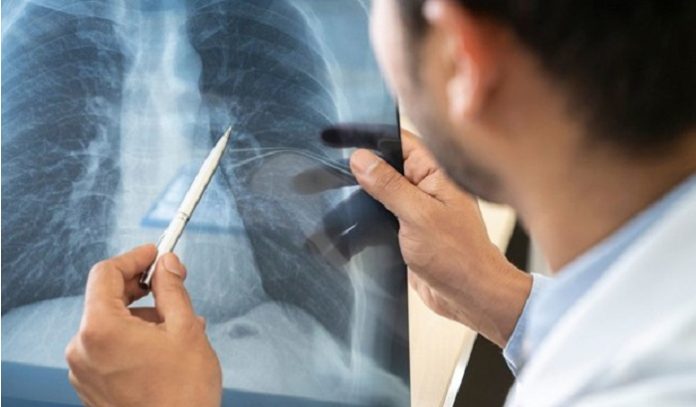
Computed tomography angiogram (CTA) scans may offer fast and early detection of COVID-19 in acute ischemic stroke (AIS) patients, according to new research published in Stroke, a journal of the American Stroke Association, a division of the American Heart Association.

The study, titled “The Utility of Apical Lung Assessment on CTA as a COVID-19 Screen in Acute Stroke,” found that in addition to patient-reported COVID-19 symptoms, routine or standard care CTA scans were an accurate screening method for faster detection of COVID-19 since they include imaging of the upper portion of the lungs.

Researchers conducted a retrospective analysis of patients treated for AIS at three hospitals in the Bronx from March 1 to April 30, 2020, the height of the COVID-19 surge in New York City. A total of 57 patients who received a CTA scan within 24 hours of hospitalization for AIS were included in the study. Researchers used CTA scans to evaluate the lung apices (the upper area of the lungs) for signs of COVID-19 pneumonia. They then analyzed the accuracy of using CTA scans for COVID-19 diagnosis alone as well as in combination with patient-reported symptoms, such as cough and/or shortness of breath.

“Every second counts when treating a person experiencing a stroke,” said Charles Esenwa, M.D., M.S., lead author of the study, an assistant professor and a stroke neurologist at the Albert Einstein College of Medicine in the Bronx, New York City. “Conducting a CTA is already part of the stroke management process, and these scans provide an opportunity to assess the lungs for signs suggestive of COVID-19. Our team sought to determine if this already necessary scan could have a secondary use of identifying potential COVID-19 patients more quickly than a standard nasal swab COVID-19 test.”

The study defined confirmed COVID-19 positive cases from nasal swab PCR-test results, which are the standard required by the U.S. Food and Drug Administration (FDA) for COVID-19 testing, and it can take several days for results. Of the 57 study participants, three were diagnosed with COVID-19 prior to the date when a nasal swab COVID-19 test was administered.

Researchers found that:

CTA scans in combination with patient feedback to COVID-19 symptom questions were able to diagnose COVID-19 with 83% accuracy before results were received from traditional nasal swab tests in AIS patients.
30 of the 57 patients included in the study were COVID-19 positive.
20 of the COVID-19 positive patients and 2 of the COVID-19 negative patients had findings highly suspicious for COVID-19 pneumonia on their CTA lung scans.

“In combination with symptoms, CTA scan analysis is relatively accurate in diagnosing COVID-19, even compared to the nasal swab test. Since this analysis is much faster and at no extra cost, we hope it could be incorporated as a rapid diagnosis tool for patients with acute stroke,” Esenwa said. “In addition, accurately diagnosing COVID-19 within hours, rather than the sometimes days wait-time to receive the results from nasal swab tests could help protect both patients and medical professionals.”

While these findings are promising, the study had some limitations. As there is no universally defined standard for diagnosing COVID-19, the study confirmed infection positivity through the nasal swab COVID-19 test (RT-PCR). Patients who did not have the RT-PCR test performed were excluded from the study. Additionally, diagnostic accuracy may have been higher because the study participants were in an area with higher geographic incidence of COVID-19, which may not be the case in an area with a lower rate of COVID-19 infections.

“Screening questionnaires alone are often inaccurate because of the absence of symptoms or the patient is unable to speak because they are suffering from an acute stroke,” Esenwa said. “Early diagnosis via CT scans has helped our center protect other patients and staff through early isolation, and it has also allowed us to start early supportive care for those suspected of having stroke who are COVID-19 positive,” Esenwa added.

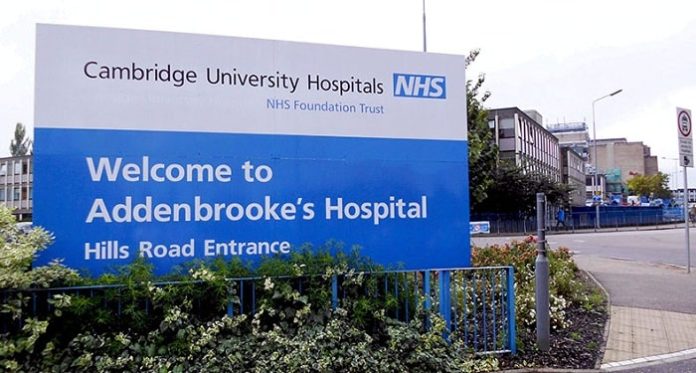
Addenbrooke’s Hospital first to use disposable medical device that can reduce delays

Addenbrooke's Hospital first to use disposable medical device that can reduce delays

Cambridge University Hospitals NHS Foundation Trust (CUH) has started using the worldโ€™s first disposable version of a medical instrument that plays a vital role in diagnosing and treating diseases of the small intestine.

A duodenoscope is a hollow, flexible, lighted tube which passes down the throat to allow doctors to see the top of the duodenum and diagnose and treat diseases such as cancer or gallstones in the pancreas and bile ducts. Until now, each instrument has had to be sterilised or high level disinfected after use.

The EXALT Model D Single Use Duodenoscope benefited three Addenbrookeโ€™s patients for the first time on Friday (30 October), and improved at a stroke the already super-high infection control standards in the endoscopy department.

The new scopes reduce the risk of bile duct infections, particularly for patients with reduced immune systems. It helps in the ongoing fight against hard-to-treat infections and has extra significance with the arrival of Covid-19.

It is helpful to staff because they will be able to continue service in the event of breakdowns of current endoscopes, or sterilising equipment, ending delays in the therapeutic procedures for patients.


The EXALT Model D, made by Boston Scientific, is the only CE Marked single-use disposable duodenoscope. It was also granted Breakthrough Device Designation from the American Food and Drug Administration (FDA).

Darragh Tolan, vice president, Endoscopy at Boston Scientific said CUH was first choice for the UK roll-out because of its standing as a world-leader in the detection and treatment of biliary disease.

He added: โ€œThis is a great milestone for the UK and we are delighted to work with the fantastic team at Addenbrookeโ€™s to hold the countryโ€™s very first case using EXALT Model D. At Boston Scientific, patients are at the heart of what we do and now more than ever, we need to support healthcare providers such as the NHS to provide the highest quality care. Congratulations to Dr Corbett and everyone involved in these first cases.โ€

Northwestern Medicine Introduces Artificial Intelligence to Improve Ultrasound Imaging

Northwestern Medicine Introduces Artificial Intelligence to Improve Ultrasound Imaging

Northwestern Memorial Hospital is the first hospital in the United States to purchase Caption Healthโ€™s artificial intelligence (AI) technology for ultrasound, Caption AI. The FDA cleared, AI-guided ultrasound system enables healthcare providers to acquire and interpret quality ultrasound images of the heart, increasing access to timely and accurate cardiac assessments at the point of care.

Performing an ultrasound exam is a complex skill that takes years to master. Caption AI enables clinicians โ€” including those without prior ultrasound experience โ€” to quickly and accurately perform diagnostic-quality ultrasound exams by providing expert turn-by-turn guidance, automated quality assessment and intelligent interpretation capabilities. The systems are currently in the hospitalโ€™s emergency department, medical intensive care unit, cardio-oncology clinic and in use by the hospital medicine group.

“Through our partnership with Caption Health, we are looking to democratize the echocardiogram, a stalwart tool in the diagnosis and treatment of heart disease,โ€ said Patrick McCarthy, M.D., chief of cardiac surgery and executive director of the Northwestern Medicine Bluhm Cardiovascular Institute, a group involved in the early development of the technology. โ€œOur ultimate goal is to improve cardiovascular health wherever we need to, and Caption AI is increasing access throughout the hospital to quality diagnostic images.โ€

Caption AI emulates the expertise of a sonographer by providing real-time guidance on how to position and manipulate the transducer, or ultrasound wand, on a patientโ€™s body. The software shows clinicians in real time how close they are to acquiring a quality ultrasound image, and automatically records the image when it reaches the diagnostic-quality threshold. Caption AI also automatically calculates ejection fraction, or the percentage of blood leaving the heart when it contracts, which is the most widely used measurement to assess cardiac function.

โ€œNorthwestern Medicine has been a tremendous partner in helping us develop and validate Caption AI. We are thrilled that they are bringing Caption AI into key clinical settings as our first customer,โ€ said Charles Cadieu, chief executive officer and co-founder of Caption Health. โ€œThe clinical, economic and operational advantages of using AI-guided ultrasound are clear. Most important, this solution increases access to a safe and effective diagnostic tool that can be life-saving for patients.โ€

Point-of-care ultrasound (POCUS) has a number of benefits. Increased usage of POCUS contributes to more timely and accurate diagnoses, more accurate monitoring and has been shown to lead to changes in patient management in 47% of cases for critically ill patients.[1] POCUS also allows patients to avoid additional visits to receive imaging, as well as providing real-time results that can be recorded into a patientโ€™s electronic medical record.

“I think the most exciting part is that Caption AI allows our intensive care unit (ICU) providers to do a point-of-care, real-time ultrasound for a sick patient,โ€ said James โ€œMacโ€ Walter, M.D., associate program director for the pulmonary and critical care medicine fellowship at Northwestern Medicine, who first used the technology on COVID-19 patients in Northwestern Memorialโ€™s ICU. โ€œItโ€™s a way to integrate two worlds โ€” real-time point-of-care ultrasounds and urgent care in the ICU โ€” with details that are ready for cardiologists when they need them.โ€

The Bluhm Cardiovascular Institute committed to investigating the role of AI and machine learning in the diagnosis and treatment of cardiovascular disease in 2018. Its Clinical Trials Unit was one of Caption Healthโ€™s first partners, investigating the effectiveness of Caption Guidance in a clinical trial based, in part, out of Northwestern Memorial Hospital that served as the basis for the softwareโ€™s landmark FDA authorization earlier this year.

In addition to being used to diagnose and treat patients, Caption AI will be used by fellows who typically need months of practice to learn accurate echocardiography techniques in real time.

SimplyRFID Partners With Surgio Health to Automate Hospital Sterile Processing Department

SimplyRFID Partners With Surgio Health to Automate Hospital Sterile Processing Department

SimplyRFID, a software and hardware development company that makes radio-frequency ID tracking systems, has partnered with Surgio Health to automate the hospital sterile processing department (SPD). With hospitals needing to keep track of medical tray location, delivery, and sterilization, SimplyRFIDโ€™s technology efficiently solves all of these problems.

Surgio Track, powered by SimplyRFIDโ€™s technology, tracks assets to add an automated layer of monitoring and location tracking. The system includes alarms to both identify equipment that misses customizable critical processing milestones and prevent assets from passing through thresholds without proper sterilization. Surgio Trackโ€™s quick asset locating doesnโ€™t require human input and provides data to promote workflow efficiency over time.

โ€œWe chose SimplyRFID because of their teamโ€™s willingness to work with us and develop new markets, as well as because of their unbiased knowledge of the existing markets,โ€ said Tony Passalacqua, SVP of Logistics & Implementation at Surgio. โ€œSurgio uses radio-frequency ID to validate the sterilization process and ensure that it has been followed to protect patient safety.โ€

Without RFID tracking, hospitals can experience a multitude of challenges related to sterile processing, including staff members not adhering or not having enough time to follow manual processes and the inability to properly track tray movement data. With SimplyRFID, SPD managers, surgeons, and other members of clinical staff can utilize automated asset tracking and the external alarm system to quickly locate necessary equipment and reduce human error.

โ€œWhen patient lives are on the line and every minute is expensive, quickly finding assets is critical,โ€ said Carl Brown, CEO at SimplyRFID. โ€œAutomated QA provides priceless peace of mind that the asset is safe to use and reduces the potential for serious sentinel events.โ€

UArizona Health Sciences to Lead Statewide Outreach to Reduce Disparities in COVID-19 Research, Clinical Studies

UArizona Health Sciences to Lead Statewide Outreach to Reduce Disparities in COVID-19 Research, Clinical Studies

Early in the pandemic it became clear certain groups suffered more from COVID-19, the disease caused by the novel coronavirus SARS-CoV-2. In particular, African Americans, Hispanics/Latinos and Native Americans not only were diagnosed with COVID-19 in disproportionate numbers, but also were more likely to suffer serious health consequences or die from the disease. Their populations account for more than half of all reported U.S. cases, which now have surpassed 8 million.

Sairam Parthasarathy, MD, chief of the UArizona Division of Pulmonary, Allergy, Critical Care and Sleep Medicine, leads the Arizona effort to reduce disparities in underrepresented communities in COVID-19 research and clinical trials. (Photo: University of Arizona Health Sciences, Kris Hanning)Sairam Parthasarathy, MD, chief of the UArizona Division of Pulmonary, Allergy, Critical Care and Sleep Medicine, leads the Arizona effort to reduce disparities in underrepresented communities in COVID-19 research and clinical trials. (Photo: University of Arizona Health Sciences, Kris Hanning)

In response, the National Institutes of Health, as part of an 11-state effort to address such health disparities, has awarded $12 million for outreach and engagement efforts in ethnic and racial minority communities disproportionately affected by COVID-19. This 11-state alliance created by the NIH is called the Community Engagement Alliance Against COVID-19 Disparities, or CEAL. Teams in Alabama, Arizona, California, Florida, Georgia, Louisiana, Michigan, Mississippi, North Carolina, Tennessee and Texas have received initial funding to create CEAL programs immediately.

โ€œIt was clear to us early in the pandemic the University of Arizona needed to reach out and assist communities across the state to help understand and fight COVID-19,โ€ said University of Arizona President Robert C. Robbins, MD. โ€œWith this support from the NIH, we will be able to work closely with Arizonaโ€™s other public universities and other partners to look at why specific populations in the United States are suffering at a much greater rate from COVID-19. It also builds on a recent commitment by the Tohono Oโ€™odham Nation to give $1 million toward efforts to accelerate the work of University of Arizona researchers to create new and more efficient, effective and affordable COVID-19 tests.โ€

In Arizona, the CEAL program is being led by Sairam Parthasarathy, MD, the programโ€™s lead principal investigator and chief of the Division of Pulmonary, Allergy, Critical Care and Sleep Medicine in the UArizona College of Medicine โ€“ Tucson. Co-investigators for the UArizona Health Sciences effort include: Tracy Crane, PhD; Daniel Derksen, MD; Kacey Ernst, PhD, MPH; Fayez Ghishan, MD; Nirav Merchant and Francisco Moreno, MD.

โ€œThis collaborative effort, which seeks to help ease the burden on some of Arizonaโ€™s most vulnerable populations, also will increase their participation in the development of vaccines and clinical therapies to fight this dreadful disease,โ€ said Michael D. Dake, MD, UArizona Health Sciences senior vice president. โ€œThe Arizona teamโ€™s collaborative outreach efforts can only make these potential remedies more effective in addressing the disparate health impact of COVID-19.โ€

Tracy Crane, PhD, RD, a UArizona assistant professor of nursing and public health and co-director, Behavioral Measurement and Interventions Shared Resource for the Cancer Prevention and Control Program, UArizona Cancer CenterTracy Crane, PhD, RD, a UArizona assistant professor of nursing and public health and co-director, Behavioral Measurement and Interventions Shared Resource for the Cancer Prevention and Control Program, UArizona Cancer Center

Splitting a $1 million, one-year subcontract award, the UArizona Health Sciences team โ€“ along with researchers from Arizona State University, Northern Arizona University and Mayo Clinic in Scottsdale โ€“ have formed the Arizona CEAL COVID Consortium, or AC3. As AC3 co-principal investigators, Sabrina Oesterle, PhD, leads the ASU effort, Samantha Sabo, DrPH, leads the NAU effort, Chyke Abadama Doubeni, MD, leads the Mayo Clinic effort and Floribella Redondo Martinez heads up the effort by the Arizona Community Health Workers Association. Their overarching goal is to conduct community-engaged research and outreach to increase COVID-19 awareness and education among communities disproportionately affected by COVID-19 and to reduce misinformation and mistrust.

โ€œCommunity engagement is the cornerstone for performing highly relevant and impactful health disparities research,โ€ Dr. Parthasarathy said. โ€œASU, Mayo, NAU and University of Arizona investigators under AC3 will work closely with community advisers to identify urgent unmet needs and rapidly develop and tailor existing infrastructures, such as AZCOVIDTXT, and a diverse workforce of community health workers.โ€

The AZCOVIDTXT initiative, which allows volunteers to relay household health information anonymously via a two-way text messaging service, was created this past spring by a team of UArizona researchers to better track COVID-19 and gather and disseminate information about available resources for those affected.

โ€œWith the AC3 CEAL initiative,โ€ Dr. Crane said, โ€œwe will be able to better understand the needs of our underrepresented โ€“ or, in this case, overrepresented โ€“ communities to meet their needs via tailoring of AZCOVIDTXT, as well as utilizing community health workers through a toll-free health number that will link directly to the community health workers so people who donโ€™t have a smart cellphone can receive the same help and information.โ€

The initiative also will involve mobile health units, such as those deployed in the Phoenix and Tucson areas by the UArizona Mel and Enid Zuckerman College of Public Health in outreach to Spanish-speaking communities, as well as additional outreach to rural and Native American communities throughout the state.

This multiprong approach, Dr. Parthasarathy said, aims to establish effective, culturally appropriate strategies to enhance participation of communities disproportionally affected by COVID-19 in research designed to advance the prevention and treatment of COVID-19 and reduce the burden of disease on the hardest-hit communities. They will do that, in part, by leveraging existing relationships with more than 30 Arizona community-based organizations and partners. These steps aim to help community organizations address misinformation, build trust and broaden awareness to reduce the overall impact of COVID-19. A key focus will be to promote and facilitate inclusion and participation of these ethnic and racial groups in vaccine and therapeutic clinical trials to prevent and treat the disease.

They also will promote nationally developed information resources and a clinical trial patient registry. Dr. Parthasarathy pointed out that even though half of all COVID-19 cases are among minority/ethnic groups, only a small proportion of participants who signed up for clinical trials are from these underrepresented communities. You can follow the AC3 initiative via Twitter here.

โ€œOne of our tasks,โ€ Dr. Parthasarathy said, โ€œis to enable greater awareness for coronavirus information available at the coronaviruspreventionnetwork.org website, which is the NIH COVID-19 Prevention Network that is orchestrating these clinical research studies related to vaccines and other therapeutic remedies. The site not only disseminates educational material and resources in multiple languages, but also establishes a COVID-19 volunteer registry for potential research participants.โ€

About the University of Arizona Health Sciences
The University of Arizona Health Sciences is the statewide leader in biomedical research and health professions training. UArizona Health Sciences includes the Colleges of Medicine (Tucson and Phoenix), Nursing, Pharmacy, and the Mel and Enid Zuckerman College of Public Health, with main campus locations in Tucson and the Phoenix Biomedical Campus in downtown Phoenix. From these vantage points, Health Sciences reaches across the state of Arizona, the greater Southwest and around the world to provide next-generation education, research and outreach. A major economic engine, Health Sciences employs nearly 5,000 people, has approximately 4,000 students and 900 faculty members, and garners $200 million in research grants and contracts annually.

Translate ยป