Close
Digital Health & Ai Innovation summit 2026
Medical Taiwan 2026

Post-COVID Stress Disorder: The Latest Trauma Caused by the Pandemic

Post-COVID Stress Disorder: The Latest Trauma Caused by the Pandemic

As the world is facing a second wave of the coronavirus pandemic, scientists and doctors around the world have identified another consequence it brought. They have called it Post-COVID Stress Disorder. Many people have already been affected, and with the resurgence we are currently facing, no doubt many more will.

Who is Suffering from Post-COVID Stress Disorder?

When October 2020 arrived, the world had already witnessed over one million deaths caused by COVID-19. It has added to the number of individuals who died because of a pandemic through history, which is usually considered to be between 300 and 500 million people. But of course, the number of deaths is only one part of the tragedy. Behind that, many are left behind, with important traumatic symptoms. The stress and anxiety that the pandemic has caused will leave scars in many individuals, who will have to rebuild themselves, in different ways.

Whether they are part of the healthcare system (nurses, doctors, administrators, etc.), individuals who lost a family member to the coronavirus, those who survived it but are left with important health problems or even the people in power and journalists who had access to privileged information; each of them has to live with stress disorder today. As in everything related to stress, these people have difficulty breathing right, crushed by the weight of what they have (had) to live. Their therapy will be long, and theyโ€™ll have to learn breathing exercises for stress, just to initiate their recovery.

Healthcare Workers: Highly Exposed to this Disorder

As we are still in the thick of the pandemic, in many countries, results of early studies and researches are slowly coming out. Many of them come from China, where the first wave started and also ended before any other country. One of those studies, focused on nurses exposed to the coronavirus. It concluded that almost 17% of them suffered from PTSD and showed mainly avoidance symptoms.

A second study, this time web-based, including respondents from different work fields, showed that people coming from the healthcare industry where the one most affected by poor sleep. The younger individuals were in greater number (below 35 years of age), as they declared having important mood swings and anxiety symptoms. The whole study concluded that 35% of the respondents suffered from anxiety, 20% from depression and 18% from an inability to sleep well.

More time will be needed to fully understand the phycological trauma the COVID-19 will have created. However, numbers already show that this will leave important scars behind, for an important percentage of the world population.

What Are The Causes Of Bone Spurs And How To Treat It

What Are The Causes Of Bone Spurs And How To Treat It

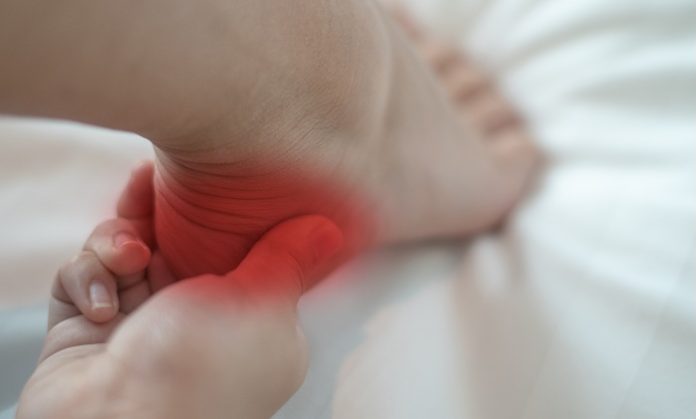
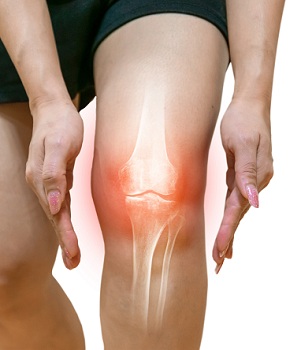
Bone spurs are usually formed where bones join one another, but can also occur on your hips or spine. This can be a particularly embarrassing condition, so the first thing that you should be doing is researching on how to get rid of bone spurs in your knees so that you can return to your normal activities.

Bone spursโ€”the symptoms, causes, and treatmentsโ€”can be new to you, so this article provides relevant information about this topic.

What Are Bone Spurs?

If you notice small, bumpy, extra bony growths or protrusions that develop along the edges of a bone, and which cause pain, swelling, and, sometimes, inflammation of joints, itโ€™s likely bone spurs. Even a single bump that occurs anywhere in the body, like toe or finger, can interfere with normal movement.

Here are the common symptoms of bone spurs:

  • Pain in the affected area
  • Swelling
  • Inflammation
  • Deformity
  • Difficulty in motion, such as walking, playing sports, or doing other activities

What Are The Causes Of Bone Spurs?

The most common causes of bone spurs are injuries, such as accidents, repetitive motions, such as picking or pressing, or even standing up straight

Here are the other possible causes of bone spurs:

  • Bone spurs may result from a genetic predisposition.
  • Other people get them from being overweight.
  • Some of the more common causes of bone spurs include arthritis, trauma, and bone tumors. However, bone spurs canโ€™t be diagnosed based solely on the symptoms of osteoarthritis, and can often present with other conditions, including psoriatic arthritis, herniated discs, and some forms of bone cancer.
  • Other causes of bone spurs include injury, which may result from a direct trauma to the bone or soft tissue around it. This may result in a fracture, either of soft tissue ligament or bone.
  • Degenerative diseases, such as kidney disease or spinal cord injury, may also lead to the growth of bone spurs.

Diagnosis

The diagnostic procedure usually done to rule out bone spurs is bone x-ray. Your x-ray will also help the doctor make the determination about how long and what area of the heel bone to treat or remove, where and how deep they should be cut to reduce the size of the heel spurs, or even how deep they should be sunken so that the bone heals completely.

How To Treat Bone Spurs

The treatment of bone spurs is often dependent upon the specific condition that theyโ€™re causing and on which area they are located. Take a look at the following treatment options available for bone spurs:

ย ย  1. Medications

Bone spurs are not dangerous and will eventually heal on their own. However, they may cause pain and discomfort when they start to appear. They are often caused by osteoarthritis, and as the disease progresses, more bones will be broken down. The pain from arthritis and the deterioration of bone due to age can make it very difficult to get any relief.

Take a look at the following medications that the doctor may prescribe to patients with bone spurs:

  • Methotrexate: One form of medication for bone spurs that doctors use is called methotrexate. This medication works by killing off the osteoblasts. The treatment is used to treat individuals who have advanced forms of osteoarthritis.
  • Glucocorticosteriods: If you suffer from osteoarthritis or other degenerative diseases, and have bone spurring, the treatments available include medications to ease inflammation, such as prednisone, glucocorticosteroids, and other nonsteroidal anti-inflammatory drugs.
  • Calcium Carbonate: This supplement can also be used as a medication for bone spurs. This medicine will work by keeping bone from breaking down and making it less likely to break. It is often used for people who need medications for bone spurs because calcium can help in the healing process.

Now that you already know about the different types of medications for bone spurs, how do you know which one is right for your condition? ย First of all, talk to your doctor about your particular case. Make sure that the medication you choose is safe and will work.
You also want to make sure that you follow the directions on the label. You don’t want to experience side effects or develop allergic reactions from the drug that you are using. Thus, it should be in your best interest to make sure that you do your research ahead of time before you decide to use any type of medication.

Knowing about the different types of medications for bone spurs and the type of medication that will work best for you will allow you to experience pain relief, as well as increased mobility.

Splint Or Cast

Treatment options for bone spurs tend to be limited to wearing either a cast or brace, but even these can cause pain and limit your daily activities. One thing that you can do is to wear a splint as this helps to alleviate some of the pain, and gives you more opportunity to use your joints without having to use these restrictions.

Bone Spur Surgery

It is not unusual for bone spurs to be left behind in the bone and create friction when you walk or run. This friction leads to irritation of the surrounding tissues, resulting in redness and swelling. Pain and inflammation are also common side effects of treatment for osteoarthritis bone spurs. For this reason, surgery is often used for treating bone spurs since surgery reduces further damage to the bone.

Check the following surgical treatments for bone spurs:

  • Bone spur removal can involve surgery, osteotomy, or fusion. Osteotomy involves the removal of the bone spurring along the edge of a bone.
  • Other doctors use a fusion technique to put the bone back into place, but, in some cases, a procedure called osteoplastiation may be recommended, wherein the bone is fused into one piece using screws and metal plates to create a new bone joint.
  • Some doctors may recommend removal of the bone spur using an arthroscope to break it down and, then, a laser to kill it off. This method can result in the complete removal of the bone spur and may even improve the condition of the area where it grows, leaving no scarring.

Other Treatment Options

Other options to relieve pain and inflammation are radiation and spinal decompression. Spinal decompression is basically a procedure that helps you to have the back that you want. This involves getting rid of the spurs and taking away the pressure that they are causing on the surrounding bone.

When your back has bone spurs, it can be very painful and can cause problems, such as not being able to move properly or the way you want to. Because of this, many people are looking into how spinal decompression can help treat bone spurs.

Radiation therapy, on the other hand, can help reduce the pain associated with bone spurs. Patients who are suffering from plantar fasciitis or painful bone heel spur tend to experience less pain with radiation therapy. Also, it helps significantly improve their quality of life. The external beam radiation therapy is a common cancer treatment that is similar to when a patient undergoes an x-ray.

Good Nutrition

Bone spurs tend to form when collagen is broken down and becomes tiny, needle-like structures known as osteocytes. Eating foods high in protein and calcium helps to repair this damage and makes your bones stronger and healthier.

In general, the best foods for proper bone healing after surgery are those that contain high levels of protein, calcium, and vitamin D. These foods will help speed up the healing process and increase the body’s ability to create new cells. If the person does not receive the right amounts of these nutrients, it can be extremely difficult to speed up the recovery process after bone spur removal surgery

Importance Of Prompt Treatment

Bone spurs are rarely painful, and they are rarely permanent as well. They tend to heal in a few years and are rarely dangerous or life-threatening. If the problem occurs in the later stages of the disease, you should consult your doctor about surgery to remove bone spurs to prevent further damage. However, if there is pain in the joints, you may want to visit your doctor for an MRI or bone scan to rule out bone cancer.

Your doctor will be able to tell you whether you need surgery for treating bone spurs and the complications associated with them, and whether it will be possible to treat your bone spurs with medications. Depending on the types and severity of your symptoms, your doctor will be able to prescribe a medication that will target the root cause and reduce or eliminate the symptoms.

Conclusion

The treatment of bone spurring is largely dependent on the underlying cause of the disease. The common pain medications include steroids and non-steroidal anti-inflammatory drugs (NSAIDS). Also, splints and casts help reduce pain.

Patients with bone spurs may also benefit from radiation therapy and spinal cord decompression. Sometimes, the bone spurs can be removed by surgery. You will need to discuss all of your options with your doctor before making a decision about treatment to ensure successful outcomes.


OGT expands NGS cancer panel offering

OGT expands NGS cancer panel offering

Oxford Gene Technology (OGT), a Sysmex Group Company, has announced the expansion of its SureSeqโ„ข range of next generation sequencing (NGS) panels to facilitate the interrogation of genes involved in breast and ovarian cancer, and myeloid disorders. The two new panels include a comprehensive 70-gene myeloid panel and a 7-gene breast and ovarian cancer panel that incorporates copy number variation (CNV) detection. Both have been designed based on the most recent literature and with input from recognised cancer experts to detect key variants and so help advance cancer research.

The SureSeq Pan-Myeloid panel builds upon OGTโ€™s established position as a frontrunner in developing predesigned and customisable NGS panels for myeloid disorders. Based on the latest research, the new panel includes 70 key genes implicated in a wide range of myeloid disorders, including acute myeloid leukaemia (AML), myeloproliferative neoplasms (MPNs) and myelodysplastic syndrome (MDS).

Facilitated by OGTโ€™s expert bait design and complimentary Interpret NGS analysis software, the SureSeq Pan-Myeloid panel provides excellent coverage uniformity to detect clinically relevant single nucleotide variants (SNVs) and indels down to 1% variant allele frequency (VAF). The panel includes genes such as CEBPA, JAK2, CALR and MPL, as well as covering regions containing hard-to-detect structural variants such as FLT3-ITDs and KMT2A-PTDs. It provides researchers with a single NGS approach to get a comprehensive picture of the key genes involved in myeloid disorders.

For comprehensive detection of abnormalities, including CNVs, in key genes implicated in breast and ovarian cancer, OGT now offers the SureSeq Breast Cancer + CNV panel. Full interrogation of the BRCA genes traditionally requires multiple tests to find indels, SNVs and CNVs. Saving both time and cost, the new SureSeq Breast Cancer + CNV panel simplifies this process with a single assay that detects all these variants and offers 100% concordance with multiplex ligation-dependent probe amplification (MLPA). In addition to BRCA1 and BRCA2, the new panel also targets ATM, TP53, CHEK2, PALB2, and PTEN, and is able to detect CNVs ranging from single exons to full gene deletions and duplications in these genes as well. For customers interested in a larger breast or ovarian cancer panel OGT offers customisation through the SureSeq myPanelโ„ขย range of pre-optimised panel content, which can be added to the Breast Cancer + CNV Panel.

โ€œThese two new NGS panels highlight our commitment to providing comprehensive assays for research into cancer genetics with the most up-to-date content based on input from our customers,โ€ said John Anson, CEO at OGT. โ€œOur long-standing expertise in hybridisation enrichment, bait design and NGS analysis software means that we can deliver highly reliable ways of finding abnormalities, even in difficult-to-sequence genes where other assays struggle. Furthermore, the fact that we offer a complete NGS solution consisting of library preparation kits, sequencing panels and popular, intuitive analysis software provides an additional layer of convenience and confidenceโ€”our products consistently deliver the reliable, reproducible data quality that our customers need.โ€

Global professional services firm ZS launches ZS PRIZE to advance healthcare innovation in India

Digital India Health Summit & Innovation Awards

With a legacy of over 35 years and presence in 14 countries, ZS, a global professional services firm has announced ZS PRIZE to help innovators solve for Indiaโ€™s healthcare challenges of availability, accessibility and affordability.

Indian healthcare system is facing prominent challenges – fragile infrastructure, unaffordable specialized medical care, and lack of accessibility, to name a few. Today, discussions are mainly around how can citizens at large contribute to creating a roadmap where healthcare becomes accessible and affordable for all in India.

In such times, when Indiaโ€™s healthcare is asking for dire attention, a program like ZS PRIZE can be become the catalyst to bring together a number of people from diverse backgrounds to work on creating solutions to tackle these problems.

Launched October 28, 2020, ZS PRIZE will accept registrations which can either be ideas or solution prototypes, through December 21, 2020.The top 20 selected teams, evaluated on pre-defined criteria, will go through a six-week mentorship with ZS leaders between January and February 2021. The top 8 teams out of the 20, will then present their solutions to the jury in March 2021.

A grand prize winner plus 7 additional teams will be selected by a panel of judges and industry experts. The top 8 teams will share an Rs 1 crore prize purse. ZS PRIZE is open to students (graduates and postgraduates from any discipline) and professionals from the start-up, enterprise and NGO sectors of India.

The COVID-19 crisis exposed the existing fault lines in healthcare systems across the globe. In India especially, the pandemic has created additional pressure on the already fragile healthcare system.

With the theme of โ€˜shaping the future of health and healthcare in India by creating innovative and transformative solutions leveraging data, analytics and technologyโ€™, ZS PRIZE will invite participants from any stream to solve for their fellow citizensโ€™ challenges for easily available and inexpensive healthcare solutions. A programme like ZS PRIZE can also help further the mission of Ayushman Bharat, which too aims at making healthcare accessible to Indians at large.

Sanjay Joshi, regional managing principal and Asia head at ZS offers that, โ€œZS PRIZE is in essence a โ€˜Solve for India.โ€™ It is a call for action to all the sharp minds across India to come forward and showcase their brilliant ideas to solve for the availability, accessibility and affordability issues in the Indian healthcare ecosystem. We want to reward healthcare innovation that does the greatest good for the greatest number in India. In light of todayโ€™s pandemic, healthcare has become the dominant theme of the times. And with ZS PRIZE, we want to reward those innovations that driven by advances in data and AI technologies as well as advances in life sciences technologies.โ€

The independent jury members boast some of the most accomplished visionaries in healthcare, venture capital, academic and business sectors. This include Ravi Venkatesan (business leader, author, and social entrepreneur founder of GAME and former chairman of Microsoft India, ZS PRIZE Jury Chairman), Dr. Dipak Jain (president & professor at China Europe International Business School, Former Dean of Kellogg School of Management), Kiran Mazumdar Shaw (executive chairperson of Biocon), SangitaReddy (joint managing director, Apollo Hospitals), Sandeep Singhal (co-founder and managing director, Nexus Venture Partners), Dr Ferzaan Engineer (Ex-Quintiles India co-founder; CEO, CyteCare Hospitals; member of the board of directors of Sun Pharma Advanced Research Company and Cytespace Research), Dr Vijay Chandru (co-founder & chairman, Strand Life Sciences) and Prof K SrinathReddy (president, Public Health Foundation of India).

With his vast experience across industries, Ravi Venkatesan has joined ZS PRIZE as the jury chairman. In this capacity, Venkatesan has helped ZS shape the vision for ZS PRIZE and will moderate jury deliberations and judge the top 8 finalists in March 2021.

โ€œCOVID-19 has put health and healthcare centre-stage,โ€ said Venkatesan. โ€œIt has also exposed the shortages of the healthcare system in many countries including India. Making our healthcare prevention-driven, affordable and accessible will require technology-enabled innovation. Itโ€™s fantastic to have a firm like ZS, which has played a seminal role in the global life sciences industry for almost four decades, step up to the challenge.โ€

In his message to the participants, Venkatesan added, โ€œZS PRIZE is intended to inspire students and professionals, to come forward with their ideas for impactful and scalable solutions to Indiaโ€™s healthcare challenges. We hope to identify a few outstanding technologists and entrepreneurs who have the potential to revolutionize healthcare in India and work with them to scale their impact.โ€

NUS Researchers Invent Flexible and Highly Reliable Sensor for Wearable Health Devices and Robotic Perception

NUS Researchers Invent Flexible and Highly Reliable Sensor for Wearable Health Devices and Robotic Perception

Real-time health monitoring and sensing abilities of robots require soft electronics, but a challenge of using such materials lie in their reliability. Unlike rigid devices, being elastic and pliable makes their performance less repeatable. The variation in reliability is known as hysteresis.

Guided by the theory of contact mechanics, a team of researchers from the National University of Singapore (NUS) came up with a new sensor material that has significantly less hysteresis. This ability enables more accurate wearable health technology and robotic sensing.

The research team, led by Assistant Professor Benjamin Tee from the Institute for Health Innovation & Technology at NUS, published their results in the prestigious journal Proceedings of the National Academy of Sciences on 28 September 2020.

When soft materials are used as compressive sensors, they usually face severe hysteresis issues. The soft sensorโ€™s material properties can change in between repeated touches, which affects the reliability of the data. This makes it challenging to get accurate readouts every time, limiting the sensorsโ€™ possible applications.

The NUS teamโ€™s breakthrough is the invention of a material which has high sensitivity, but with an almost hysteresis-free performance. They developed a process to crack metal thin films into desirable ring-shaped patterns on a flexible material called polydimethylsiloxane (PDMS).

The team integrated this metal/PDMS film with electrodes and substrates for a piezoresistive sensor and characterised its performance. They conducted repeated mechanical testing, and verified that their design innovation improved sensor performance. Their invention, named Tactile Resistive Annularly Cracked E-Skin, or TRACE, is five times better than conventional soft materials.

โ€œWith our unique design, we were able to achieve significantly improved accuracy and reliability. The TRACE sensor could potentially could be used in robotics to perceive surface texture or in wearable health technology devices, for example to measure blood flow in superficial arteries for health monitoring applicationsโ€ said Asst Prof Tee, who is also from the NUS Department of Materials Science and Engineering.

The next step for the NUS team is to further improve the conformability of their material for different wearable applications, and to develop artificial intelligence (AI) applications based on the sensors. โ€œOur long-term goal is to predict cardiovascular health in the form of a tiny smart patch that is placed on human skin. This TRACE sensor is a step forward towards that reality because the data it can capture for pulse velocities is more accurate, and can also be equipped with machine learning algorithms to predict surface textures more accurately,โ€ explained Asst Prof Tee.

Other applications the NUS team aims to develop include uses in prosthetics, where having a reliable skin interface allows for a more intelligent response.

The National University of Singapore (NUS) is Singaporeโ€™s flagship university, which offers a global approach to education, research and entrepreneurship, with a focus on Asian perspectives and expertise. We have 17 faculties across three campuses in Singapore, as well as 12 NUS Overseas Colleges across the world. Close to 40,000 students from 100 countries enrich our vibrant and diverse campus community.

Our multidisciplinary and real-world approach to education, research and entrepreneurship enables us to work closely with industry, governments and academia to address crucial and complex issues relevant to Asia and the world. Researchers in our faculties, 31 university-level research institutes, research centres of excellence and corporate labs focus on themes that include energy; environmental and urban sustainability; treatment and prevention of diseases; active ageing; advanced materials; risk management and resilience of financial systems; Asian studies; and Smart Nation capabilities such as artificial intelligence, data science, operations research and cybersecurity.

Ontario Invests in Telehealth to Gives Seniors Access to Care at Home

Ontario Invests in Telehealth to Gives Seniors Access to Care at Home

The Canadian province is launching a community paramedicine program in five communities, which will use local paramedics and a telehealth platform to connect with seniors on long-term care waiting lists.

Ontarioโ€™s government is investing roughly $5 million in a telehealth program aimed at bringing healthcare into the home for seniors on waiting lists for long-term care.

The Community Paramedicine for Long-Term Care program is being launched on a pilot basis in five communities across the Canadian province. The program will leverage the services of local paramedics to connect with seniors for care management needs, ranging from home and virtual visits to chronic disease management and some remote patient monitoring.

โ€œAs we modernize long-term care in Ontario, it is important that we continue to develop innovative approaches to delivering quality healthcare to our loved ones,โ€ Dr. Merrilee Fullerton, the provinceโ€™s Minister for Long-Term Care, said in a press release. โ€œThis program is an excellent example of our government collaborating with partners across the health care system, and we are grateful for these paramedicine practitioners that will allow us to better serve our seniors.โ€

Mobile Integrated Health (MIH) programs, including community paramedicine services, have been catching on in the US and Canada for the past couple of years, as health systems look to partner with local EMS and fire service and community health programs to improve access to care for people who would otherwise call 911 or show up at the hospital or doctorโ€™s office.

The programs have seen increased interest during the coronavirus pandemic, with an emphasis on keeping people away from hospitals and clinics and in their homes.

Ontario officials say this program will help ease an ongoing space crunch at senior homes and long-term care facilities. If it works well in the first five communities, they plan to expand it to additional communities in a second phase.

โ€œOur population is aging, with increasingly complex health care needs,โ€ Graydon Smith, president of the Association of Municipalities of Ontario, said in the press release. โ€œThis strains both long-term care and paramedic services. Itโ€™s great to see community paramedicine evolve to meet this growing challenge with full provincial funding through Phase 1 of this program. It leverages the expertise of community paramedics to ease the pressure on long-term care and help keep seniors who need support safe and comfortable at home.โ€

ACHC Teams With Hrs tao Launch Distinction in Telehealth

Humana invests $100 million in telehealth start-up Heal

National accreditor Accreditation Commission for Health Care (ACHC) announces the launch of its Distinction in Telehealth for healthcare providers. ACHC collaborated with Health Recovery Solutions (HRS), a leading national provider of telehealth and remote patient monitoring solutions, to develop the accreditation distinction.

As the focus on telehealth expands, many providers are turning to digital telehealth options as safe, efficient, and cost-effective alternatives to traditional in-person visits, especially during the COVID-19 pandemic.

โ€œTelehealth is dramatically changing the way we view health care,โ€ said Matt Hughes, ACHC Director of Business Development. โ€œACHC and HRS share a commitment to promoting comprehensive advancements in telehealth throughout the industry. This will open new avenues for providers, giving them more opportunities to ensure continuity of care and minimize risk.โ€

Recommended AI News: Cubic and Sqills Continue Modernization Efforts for Iarnrรณd ร‰ireann Irish Rail

ACHC and HRS recognize the growing acceptance of telehealth and the value it offers to improving patient care delivery, reducing hospital readmissions, and lowering costs for both providers and patients. Attaining the ACHC Distinction in Telehealth gives organizations a reliable way to gain recognition for providing a higher level of care and enhancing business operations.

โ€œThe walls of the hospital have been broken,โ€ said Jarrett Bauer, HRS CEO. โ€œOur home care partners have developed the best strategies in building remote patient monitoring telehealth programs, and we are excited for this opportunity to share their trusted best practices across the ACHC provider network.โ€

The ACHC Distinction in Telehealth complies with nationally recognized standards for optimum patient care, privacy, and safety. It is available for organizations offering services in ambulatory care, behavioral health, home health, hospice, private duty, and renal dialysis. To earn a Distinction in Telehealth, a provider must be accredited by ACHC.

Standards for the distinction were based on telehealth clinical guidelines of the American Telemedicine Association. ACHC clinical experts collaborated with Patty Upham, Vice President of Clinical Services at Health Recovery Solutions, and Beth Oโ€™Leary, a Physician Assistant affiliated with University of North Carolina Health Care, who played an instrumental role in reviewing and shaping standards specific to the telehealth industry.

Siemens Healthineers and University of Iowa Health Care Team Up to Advance Care for Iowans Over the Next Decade

Siemens Healthineers and University of Iowa Health Care Team Up to Advance Care for Iowans Over the Next Decade

Siemens Healthineers and University of Iowa Health Care have established a 10-year Value Partnership that builds on a long-standing relationship and will help advance care in Iowa over the next decade. The partnership will provide Iowans with access to cutting-edge imaging technology; use artificial intelligence and data analytics to improve performance and efficiency; expand research opportunities; and invest in workforce training and development for staff and students.

โ€œThis partnership with Siemens Healthineers is a win not only for our patients, who will have access to state-of-the art technology and more advanced care, but also the college and the students who will reap the benefits from new research and educational opportunities, โ€ says Colin Derdeyn, MD, FACR, Krabbenhoft Professor and Chair, Department of Radiology and Director, Iowa Institute of Biomedical Imaging at UI Health Care. โ€œMedical technology is changing fast. Take imaging scanners, for example. They are like carsโ€”the engineering and technology gets better every year, and every now and then something radical and new comes along. Partnering with Siemens Healthineers will help us stay on the forefront of these advances that will span across the entire enterprise, benefiting faculty from Holden Comprehensive Cancer Center, Neurosciences, Orthopedics, Cardiology and the College of Engineering.โ€

This new relationship between Siemens Healthineers and UI Health Care will enhance the collegeโ€™s education and training program to help grow and retain technical and professional best-in-class talent in the state. The University of Iowa Bachelors program is the major pipeline for radiology technologists and sonographers working at University of Iowa Hospitals & Clinics and throughout the state.

โ€œThis program attracts some of the brightest students at the University of Iowa, some of whom come to the University just for this program,โ€ says Derdeyn. โ€œInvesting in this program through strategic partnerships such as this one is an investment in the quality of Iowaโ€™s healthcare and future workforce.โ€

By implementing workforce solutions such as the Siemens Technologist Education Program, the PEPconnections digital learning platform, and a Healthcare Workforce Development Series, UI Health Care staff and students will have an improved ability to continually develop advanced skillsets that will enhance patient care for Iowans.

โ€œExpanding our work with UI Health Care will not only improve care for patients within the health system, but will increase Iowansโ€™ access to the latest technology and help build out a pipeline of technologist talent to meet the stateโ€™s workforce needs over the next decade,โ€ says David Pacitti, President and Head of Americas, Siemens Healthineers.

A key element of the agreement is innovation improvements for UIHC to stay at the forefront of a changing technology landscape. Specifically, the two institutions will continue their joint emphasis on improving stroke care in the state of Iowa. The organizations will also focus on improving operational processes by implementing innovative technologies such as Corindus CorPathยฎ GRX for robotic-assisted vascular interventions, and syngo Virtual Cockpit for remote scanning assistance.

About Siemens Healthineers AG
Siemens Healthineers AG (listed in Frankfurt, Germany: SHL) is shaping the future of Healthcare. As a leading medical technology company headquartered in Erlangen, Germany, Siemens Healthineers enables healthcare providers worldwide through its regional companies to increase value by empowering them on their journey towards expanding precision medicine, transforming care delivery, improving the patient experience, and digitalizing healthcare. Siemens Healthineers is continuously developing its product and service portfolio, with AI-supported applications and digital offerings that play an increasingly important role in the next generation of medical technology. These new applications will enhance the companyโ€™s foundation in in-vitro diagnostic, image-guided therapy, and in-vivo diagnostics. Siemens Healthineers also provides a range of services and solutions to enhance healthcare providersโ€™ ability to provide high-quality, efficient care to patients. In fiscal 2019, which ended on September 30, 2019, Siemens Healthineers, which has approximately 52,000 employees worldwide, generated revenue of โ‚ฌ14.5 billion and adjusted profit of โ‚ฌ2.5 billion.

Boston Scientific Receives FDA Approval for the Ranger Drug-Coated Balloon

Boston Scientific Receives FDA Approval for the Ranger Drug-Coated Balloon

Boston Scientific announced it has received U.S. FDA approval of the Ranger Drug-Coated Balloon, developed for the treatment of patients with peripheral artery disease (PAD) in the superficial femoral artery (SFA) and proximal popliteal artery (PPA).

Approximately 200 million people around the world are affected by PAD1, a common circulatory problem in which plaque builds up and narrows arteries, consequently reducing blood flow to limbs. The Ranger DCB was designed with a low therapeutic drug dose and proprietary coating which efficiently transfers the drug into the tissue, resulting in high primary patency rates and low systemic drug exposure for patients. The low-profile platform of the balloon also assists clinicians in performing streamlined procedures and navigating through challenging anatomy in order to deliver consistent therapy.

“This approval allows us to bring more treatment options with exceptional outcomes and proven safety to U.S. physicians and their patients who are facing this challenging disease,” said Jeff Mirviss, president, Peripheral Interventions, Boston Scientific. “Adding the Ranger DCB to our drug-eluting portfolio, which also includes our Eluviaโ„ข Drug-Eluting Vascular Stent System, reinforces our commitment to providing differentiated technology with strong clinical evidence that supports data-driven treatment decisions for millions of patients suffering from PAD worldwide.”

The FDA approval is based on results from the RANGER II SFA pivotal trial, which evaluated the safety and effectiveness of the Ranger DCB versus standard percutaneous transluminal angioplasty (PTA) for the treatment of patients with PAD in the SFA and PPA. In the randomized controlled trial, both primary endpoints were met:

The primary safety endpoint of 12-month freedom from major adverse events (MAE) was 94.1% for those treated with the Ranger DCB versus 83.5% for standard PTA (Pnon-inferiority <0.0001).2
Additionally, patients who received therapy with the Ranger DCB had a significantly lower target lesion revascularization rate โ€“ a component of MAE โ€“ of 5.5% in contrast to 16.5% observed with standard PTA (p=0.0011), substantially reducing a patient’s need for repeat procedures.2
The primary efficacy endpoint of 12-month binary primary patency โ€“ a measure of the target vessel remaining unobstructed โ€“ was 82.9% for the Ranger DCB and 66.3% for standard PTA (p=0.0017). Primary patency by Kaplan-Meier estimate was 89.8% for the Ranger DCB and 74.0% for PTA at 12 months (p=0.0005).2

The Ranger DCB eases deliverability for a wide range of lesion complexities via a low profile platform that is compatible with smaller diameter guidewires and has shown consistent results in multiple randomized controlled trials,” said Ravish Sachar, M.D., UNC Rex Hospital Physician-in-Chief for Heart and Vascular services and principal investigator of the RANGER II SFA trial. “For physicians seeking to limit systemic drug loss without compromising outcomes, data demonstrate the Ranger DCB is a safe and effective treatment option.”

The Ranger DCB also demonstrated nearly 90% primary patency in the investigator-sponsored COMPARE trial3 โ€“ the first head-to-head prospective, randomized controlled trial to compare two different DCBs. In the trial, the Ranger DCB demonstrated a similar primary patency rate of 88.4% to that of the 89.4% observed with IN.PACTโ„ข Admiralโ„ข Drug-Coated Balloon (Medtronic) by Kaplan-Meier estimate (p=0.81), with a significantly lower drug dose density (2 ยตg/mm2 paclitaxel versus 3.5 ยตg/mm2 paclitaxel, respectively).3,4

Boston Scientific expects to initiate a registry of the Ranger DCB and the Eluvia stent in the coming months to gather additional real-world evidence, which will add to the breadth of clinical data collected on these devices to date. The registry is expected to include five years of patient follow-up with an emphasis on enrolling patient populations who have been historically underrepresented in clinical trials studying treatments for PAD.

About Boston Scientific

Boston Scientific transforms lives through innovative medical solutions that improve the health of patients around the world. As a global medical technology leader for 40 years, we advance science for life by providing a broad range of high performance solutions that address unmet patient needs and reduce the cost of healthcare.

Abbott Introduces Next-generation 3D Cardiac Mapping Platform in Europe and Australia

Abbott Introduces Next-generation 3D Cardiac Mapping Platform in Europe and Australia

Abbott announced it has received CE Mark and approval in Australia for its new EnSiteโ„ข X EP System, and is launching the system throughout Europe and Australia. The EnSite X System is the only system that offers the option to navigate the cardiac anatomy two different ways on one platform. Abbott sought physician feedback to develop the EnSite X System to meet current needs as well as address emerging opportunities during cardiac ablation procedures. The new cardiac mapping platform builds upon the companyโ€™s electrophysiology portfolio and is designed to improve how physicians deliver ablation therapy to treat abnormal heart rhythms.

Cardiac mapping systems allow electrophysiologists to create a map of the heart, helping them get a clear picture of the electrical signals that control cardiac rhythms. Once a map is created, physicians can identify electrical disruptionsโ€”or areas of the heart causing heart rhythm problemsโ€”and use ablation therapy to treat the issue. Cardiac ablation is a minimally invasive procedure that can treat abnormally fast heartbeats by creating lesions (ablations) in small areas of heart tissue that a physician has identified as causing the arrhythmia.

The EnSite X System has advanced imaging capabilities that allow for the creation of a three-dimensional (3D) model of the patientโ€™s cardiac anatomy in real-time, allowing physicians to clearly see areas of the heart that need ablation treatment. Physicians can choose traditional impedance monitoring (using mechanical activity of the heart) or electromagnetic technology, which allows precise location of Abbott’s sensor-enabled catheters during treatment.

“The new EnSite X System will fundamentally change how physicians approach longer, more complex ablation procedures as a result of its improved stability, faster mapping and better model visualization,” said Prof. Paolo Della Bella, Head of the Department of Cardiac Electrophysiology and Arrhythmology at IRCCS San Raffaele Hospital, Milan, Italy. “In my first cases with the system itโ€™s been apparent that the system is an important step forward in terms of technological capabilities and also truly helps improve my clinical analysis by protecting for patient movements.โ€

The various aspects of the EnSite X System are designed to work in harmony and allow ongoing updates as technology advances. The new mapping system is among a series of product-focused activities from Abbott designed to improve patient care and meet the needs of electrophysiologists around the world.

The company also recently secured U.S. Food and Drug Administration (FDA) and CE Mark approval for the EnSiteโ„ข LiveView Dynamic Display, which allows data from the Advisorโ„ข HD Grid mapping catheter, Sensor Enabledโ„ข to be visualized in real-time during cardiac ablation procedures. The Advisor HD Grid catheter, SE is designed to capture information often missed with traditional mapping catheters. Additionally, physicians use magnetically sensor enabled technology, such as the TactiCathโ„ข Contact Force Ablation Catheter, Sensor Enabledโ„ข, for precise location and navigation within the heart.

“The high-density cardiac mapping capability this new system offers helps me to more quickly and accurately collect data and diagnose arrhythmias,” said Prof. Isabel Deisenhofer, Head of Electrophysiology at the German Heart Center, Munich Germany. “The combination of the EnSite X System with the Advisor HD Grid mapping catheter, SE allows me to most effectively treat each patientโ€™s unique needs without having to compromise our workflow in the EP lab.”

The EnSite X EP System is currently pending 510(k) clearance from the U.S. Food and Drug Administration.

About Cardiac Ablation:

When physicians use catheter ablation to treat cardiac arrhythmias, long flexible tubes โ€” called catheters โ€” are inserted into the heart to study the arrhythmia and to deliver radio frequency energy. Heat generated from the radio frequency energy creates a scar on the tissue where the abnormal heartbeats originate. As a result, this tissue is no longer capable of conducting or sustaining the arrhythmia.

About Abbottโ€™s Electrophysiology Business

The Abbott electrophysiology (EP) business is one of the fastest growing segments within the company’s broader device portfolio. The Abbott EP product portfolio gives physicians the diagnostic, access, mapping and therapy solutions they need with designed integration for enhanced diagnosis and treatment of heart arrhythmias. A leader in collaborating with world-renowned electrophysiologists, clinicians and hospital administrators, Abbott develops safe and cost-effective treatment solutions for patients in need of advanced ablation therapies.

About Abbott:

Abbott is a global healthcare leader that helps people live more fully at all stages of life. Our portfolio of life-changing technologies spans the spectrum of healthcare, with leading businesses and products in diagnostics, medical devices, nutritionals and branded generic medicines. Our 107,000 colleagues serve people in more than 160 countries.

Translate ยป