Close
Digital Health & Ai Innovation summit 2026
Medical Taiwan 2026

Eczema & Psoriasis: – Two Varied Branches of The Same Tree

Eczema & Psoriasis: - Two Varied Branches of The Same Tree

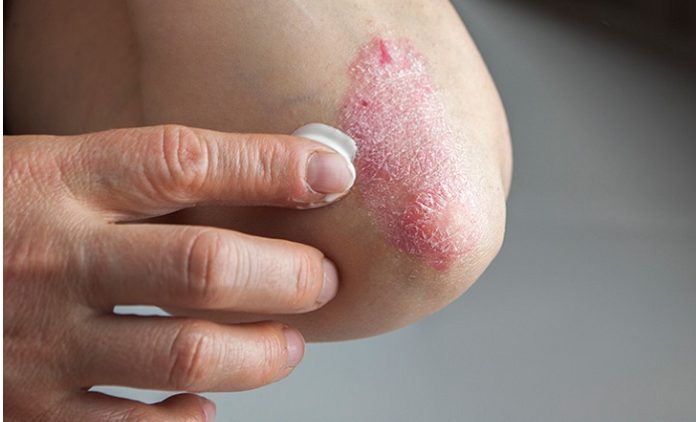
Abnormalities in the skin have become pretty prevalent today. Call it a chronic condition or an occurrence that takes place instantly, human skin is known to be susceptible. Eczema, as we all are aware is one such human skin condition which is often found in babies or young children & can gradually disappear with time. On the other hand, Psoriasis is another skin condition that causes a rapid build-up in skin cells. It is a result of the increase in the skinโ€™s production process.

The Differenceย 

Eczema & Psoriasis can appear to be similar but are fundamentally very different. Eczema may cause a very intense itching while the burning is very mild in the case of Psoriasis. It can well be taken into account that Eczema usually occurs in the back of the knees or inside of the elbows whereas Psoriasis occurs on the scalp, elbows, knees, buttocks, and face. It is often found out that sunshine isnโ€™t effective in Eczema but when it comes to Psoriasis, it has shown positive results.

Symptoms of Eczema & Psoriasis

Eczema has a scaly red appearance. Psoriasis has quite a distinct, raised look.
Children tend to experience Eczema more than adults. However, psoriasis is more common in adults.
Eczema does not cause any joints to swell while Psoriasis causes joint stiffness as well as swelling.

Causes of Eczema & Psoriasisย 

While the former is caused due to extreme sensitivity, Psoriasis is a result of the autoimmune reaction where the immune system responds to the reaction caused by the inflammatory cells in the skin. To be more specific, Psoriasis is caused because the immune system attacks itself. Eczema is caused when the immune system over-reacts to an outside substance. Some common known triggers of Eczema include animals, cloth, soaps & creams, food, and even medications.

Their Diagnosis

Once the skin is observed and related questions are asked about the family history and past medical condition, one can get to analyze Eczema. A patch test may also be conducted to conclude whether the itchy rash is caused due to an external condition or an allergy. Psoriasis is diagnosed with the aid of a visual examination. In some cases, a small piece of skin can also be removed for laboratory testing. Genetic testing is also conducted in a few cases to differentiate between the diseases.

The Treatment

Eczema is considered to be persistent. One may have to go through various treatments for months before ending up getting it eradicated. In case regular moisturizing doesnโ€™t help, one may look to apply bacterial creams, or even take oral drugs. In a case of severe Eczema, one may also take an option to get injected by injectable biologic.

The treatment in Psoriasis is intended to stop the skin cells from growing rapidly. Some of the most looked into options for treating this condition include Creams & Ointments (Topical Therapy), Light Therapy and Oral as well as Injectable Medication.

8 Signs You Should Get Knee Surgery

8 Signs You Should Get Knee Surgery

Knee problems, like arthritis, can cause debilitating signs and symptoms. These manifestations can significantly affect a patientโ€™s way of life, including their usual routines, social life, family life, and other aspects of health.

If the signs and symptoms are not manageable anymore, doctors highly recommend patients with knee problems to undergo knee surgery, such as knee replacement, which you can learn in detail below and what you can read on this website.

Below are signs that you should get a knee replacement.

  1. Recurring or Persisting Knee Pain

Knee pain that recurs or persists over time and during and after workout or training exercise may be considered signs that you have a serious knee problem that would likely require knee surgery, such as knee replacement.

It really is important for anyone who has had pain in their knees in the past to consider what might be causing it. By doing this, theyโ€™ll know what things to look for when theyโ€™re thinking about getting knee surgery.

  1. Cannot Move Without Restrictions

Restricted mobility means that youโ€™re no longer as mobile as you would like to be or cannot perform activities as you used to be. Hence, another factor thatโ€™ll determine if you require knee surgery is the level of mobility that you have with regards to your knee.

  1. Worsening Arthritis

Osteoarthritis is one of the more common knee problems you can have and affects the area where the bones join together. The reason that this happens is that the cartilage that cushions your knee has started to wear away due to the stress it’s under from the way you move. This means that as you age the cartilage is less capable to handle this impact. As a result, you can suffer some serious pain.

One of the other most common knee problems is patellofemoral hyperplasia, which means that the bones of the kneecap are being developed in a way that causes the joint to be wider than normal. It’s quite common to see people in their 70s or even older suffering from patellofemoral hyperplasia, and this often means that theyโ€™re in pain as a result of having wider joints and increased friction with the ground.

  1. Non-Surgical Interventions Are Ineffective

Here are the non-surgical interventions for knee problems:

  • Over-the-counter (OTC) or Prescription Pain Medications: There are many pain medications on the market today, such as aspirin, ibuprofen, and other non-steroidal anti-inflammatory drugs that people take every day to relieve the symptoms of knee problems, like arthritis. In addition, acetaminophen is also a common pain reliever for knee problems. Other common pain medications are muscle relaxants and over the counter and prescription pain relievers such as naproxen, acetaminophen, and Tylenol.
  • Physiotherapy: One of the most common ways to relieve knee pain is with physiotherapy. This involves using a combination of exercises, stretching, and massage to help the affected area heal and keep it limber. One of the benefits of physiotherapy is that it helps rebuild cartilage.

If youโ€™re experiencing pain after physiotherapy or your condition is not improving even with pain medications, then your doctor may recommend surgery. Also, the same is true when using an orthopedic brace, a cane, or other assistive devices are not helping you anymore.

  1. Difficult To Manage Knee Stiffness

Your doctor would likely recommend you to undergo knee replacement if you always struggle with knee pain and stiffness even when youโ€™re doing simple activities, such as sitting in a car or in a movie theater.

  1. Knee Pain Affecting Normal Routine

If your knee pain already greatly affects your life, such as disrupting your normal daily routine, you have to consult your doctor and consider undergoing knee surgery.

Severe pain may disrupt your sleep, gardening, your focus driving, and other normal routines you may have. Also, knee pain may get severe during the cold season, like rainy weather and in winter.

  1. Decrease Range Of Motion

When you feel a significant decrease in your kneeโ€™s range of motion (the degree youโ€™re able to bend your knee), then it may be a sign that youโ€™ll need knee surgery. Some people who underwent surgery find that they have found relief fairly quickly

The surgery is will often be a minor procedure and will take care of the damage that was done. In many cases, the person will be asked to wear a splint so that theyโ€™re able to move around a bit while the surgeon works on repairing the joint.

Youโ€™ll likely be able to go back to your normal activities a short time after the surgery is performed. In order to see if there are any long-term issues that can be handled after this procedure, itโ€™s a good idea to consult a doctor or an orthopedist.

  1. Grating Joint

Crepitus is described as any grinding, grating, creaking, crunching, popping, or cracking noise thatโ€™s heard when moving a joint.

Osteoarthritis surgery, which is a form of knee surgery, may be used to repair bursitis in the knee that occurs when the bones of the joint start rubbing against each other causing pain and crepitus. This surgery is used to correct a range of conditions in the joint of the knee.

Understanding Knee Replacement Surgery

Knee replacement surgery is the most common procedure that can be done for people who have suffered from knee joint injuries. As mentioned above, if a person is unable to control the knee joint pain and if the joint is no longer able to perform normal activities, the doctor may decide knee replacement surgery to help the patient regain full use of their legs and feet.

Hereโ€™s some good-to-know info about knee replacement surgery:

  • Knee replacement involves the surgical opening of both the femoral and the patellar tendon (knee cap) in order to create a strong new attachment to the thighbone. This new attachment is called the meniscus, and itโ€™s what the surgeon uses to keep the knee joint from moving around and to take the pressure off the joint.
  • A meniscus tear, which may be caused by infection, trauma, or muscle spasms, is the most common injury of the knee joint, which can be very painful. The knee will either experience pain or stiffness in the first few days after the surgery. Some people have also experienced swelling and redness at the side of the knee. The symptoms may subside after a couple of weeks.
  • After youโ€™ve had surgery, you need to follow a treatment plan in order to avoid complications. A brace is often used as soon as possible after the operation, but other types of braces may be prescribed after a few days, depending on the severity of the meniscus tear. Itโ€™s recommended to wear a brace for at least six weeks in order to reduce the chances of the problem recurring.
  • If the treatment plan doesnโ€™t work, the doctor may recommend the replacement of your meniscus with the addition of bone grafts. The addition of bone grafts to replace the lost part of your meniscus is called a meniscoplasty.

Another procedure that can be done is the insertion of an arthroscope to get a better view of the damaged area and to see the damage in your cartilage.

  • In some cases, the doctor may also recommend a joint massage in order to increase the amount of flexibility in your knee. This will help strengthen the knee joint and it may also reduce the stiffness.
  • Youโ€™ll also be advised to keep a close watch on your diet, exercise routine, and any other activity during the recovery period. These steps will help speed up the healing process and youโ€™ll find that your pain will be significantly reduced.

Different treatment options will be needed according to your age and medical history, so you should talk to your doctor about all these options before you make your decision. Your doctor will be able to give you more information about these options and the treatment options that may be available to you.

Your doctor will discuss the surgery with you so youโ€™ll be aware of any risks associated with the surgery and of any other possible treatments as well. If you decide to go ahead with the surgery, itโ€™s also best to ask your doctor about all the benefits and risks that are involved and the possible complications that you may encounter during the recovery process.

Conclusion

Knee surgery is an option for those who are dealing with pain in their knees. Many times, people don’t realize that surgery is often a great thing to do when they have a knee issue.

The biggest sign that you should get knee surgery is anything related to arthritis. Swollen joints and knee pain can be debilitating, causing disruption in your normal activities. If this happens, your doctor may consider a knee surgery procedure done.

Pharmacy Brands Canada to Expand PrescribeIT Service to Banner Members in Western Canada

 Pharmacy Brands Canada to Expand PrescribeIT Service to Banner Members in Western Canada

Pharmacy Brands Canada is pleased to announce an exciting new partnership with Canada Health Infoway (Infoway) to launch PrescribeITยฎ, Canada’s only national not-for-profit electronic prescribing service. This innovative e-prescribing platform will soon be offered in our mettra Pharmacy, Value Drug Mart, Apple Drugs, Peoples Pharmacy and Rxellence independent community pharmacies across Western Canada.

PrescribeITยฎ enables physicians and other prescribers to send prescriptions and renewal requests electronically to a patient’s preferred pharmacy, resulting in more efficient patient care, enhanced safety, and greater accuracy when filling prescriptions.

In partnership with Infoway and collaboration with provincial ministries, Pharmacy Brands Canada plans to roll out the PrescribeITยฎ service to independent pharmacy banner locations across Western Canada over the next 12 months.

“We are excited to partner with Infoway to introduce this e-prescription service to our independently owned community pharmacy banner members, their pharmacy teams, patients, allied health partners and communities,” said Pauwlina Cyca, Director of Pharmacy Services, Pharmacy Brands Canada. “The PrescribeITยฎ platform completes the circle of care, and ensures continuity for each patient, every prescription and every pharmacy.”

“Infoway is excited about this new partnership with Pharmacy Brands Canada,” said Jamie Bruce, Executive Vice President, Infoway. “PrescribeITยฎ provides safer and more effective medication management and protects patients’ personal health information from being sold or used for commercial activities. It’s an important step in helping Canadians experience better health outcomes.

PrescribeITยฎ is a free service offered by health care prescribers and pharmacies. Patients who are interested in using the service may wish to consult with their physician or prescriber.

About Pharmacy Brands Canada

Pharmacy Brands Canada offers a unique banner program to independent pharmacies across Western Canada. We provide a business model that offers tools, resources and support for pharmacy owners to operate successfully within a highly regulated and competitive environment. Pharmacy Brands Canada supports the following banner brands: mettra Pharmacy, Value Drug Mart, Apple Drugs, Rxellence and Peoples Pharmacy.

About Canada Health Infoway

Infoway helps to improve the health of Canadians by working with partners to accelerate the development, adoption and effective use of digital health across Canada. Through our investments, we help deliver better quality and access to care and more efficient delivery of health services for patients and clinicians. Infoway is an independent, not-for-profit organization funded by the federal government.

About PrescribeIT

Canada Health Infoway is working with Health Canada, the provinces and territories, and industry stakeholders to develop, operate and maintain the national e-prescribing service known as PrescribeITยฎ. PrescribeITยฎ will serve all Canadians, pharmacies and prescribers and provide safer and more effective medication management by enabling prescribers to transmit a prescription electronically between a prescriber’s electronic medical record (EMR) and the pharmacy management system (PMS) of a patient’s pharmacy of choice. PrescribeITยฎ will protect Canadians’ personal health information from being sold or used for commercial activities.

Philips and B. Braun receive FDA clearance for breakthrough Onvision needle tip tracking technology for regional anesthesia

Philips and B. Braun receive FDA clearance for breakthrough Onvision needle tip tracking technology for regional anesthesia

Royal Philips, a global leader in health technology, and B. Braun, a global market leader in regional anesthesia and pain management, announced 510(k) clearance from the U.S. FDA for Onvision, a breakthrough ultrasound guidance solution for real-time needle tip tracking. Available exclusively on the latest version of the B. Braun and Philips Xperius ultrasound system together with the dedicated Stimuplex Onvision needle, Onvision gives anesthesiologists the confidence to accurately position the needle tip inside the body for Peripheral Nerve Blocks (PNBs).

Accurate needle placement is critical to the success of regional anesthesia procedures such as PNBs. While real-time ultrasound imaging has proved to be a valuable tool for needle guidance, failure to optimally visualize the needle tip remains a challenge, with 10-15% of all PNBs ineffective after a single-injection technique. In real-time, Onvision accurately indicates where the needle tip is inside the body, both in and out of the ultrasound viewing plane. It helps the user align the needle with the probe in a user-friendly interface that can lead to a reduction in procedural time.

โ€œWhen I first started to use Onvision, I didnโ€™t think that we would increase the number of out-of-plane procedures, but I was happily surprised we did,โ€ said Paul Kessler M.D. Ph.D., Vice Chairman, Clinic of Anesthesiology, Intensive Care Medicine and Pain Therapy, University Hospital Frankfurt (Germany). โ€œOnvision gives you the extra assurance to perform deep and difficult blocks both in- and out-of-plane.โ€

FDA clearance for Onvision represents the latest advance in a multi-year strategic alliance between Philips and B. Braun to innovate in ultrasound-guided regional anesthesia, a rapidly growing alternative to general anesthesia. Regional anesthesia is an essential part of pain therapy and offers clear advantages when compared to general anesthesia such as pain elimination during and after surgery [5], improved functional outcomes, and faster mobilization.

The increased confidence and predictability offered by the Xperius Ultrasound System and Onvision Needle Tip Tracking is empowering more anesthesiologists to embrace regional anesthesia as a viable and effective alternative to general anesthesia.

โ€œOnvision is the groundbreaking technology that allows anesthesiologists the predictability and confidence they need while positioning the needle during a procedure,โ€ said Dr. Angela Karpf, M.D., Corporate Vice President of Medical Affairs at B. Braun. โ€œB. Braun continues to add products to our regional anesthesia therapy portfolio that help achieve faster postsurgical recoveries, optimize procedural workflow and enhance user experience.โ€

Together, B. Braunโ€™s Stimuplex Onvision needles and Philipsโ€™ Onvision needle tip tracking technology indicate the position of the needle tip in relation to the ultrasound viewing plane to an accuracy of 3mm. A sensitive micro-sensor placed on the needle, combined with advanced signal processing and visualization techniques on the Xperius system, indicate the real-time location of the needle tip in relation to the 2D ultrasound viewing plane. The solution provides greater flexibility in needle trajectory [8] and can reduce procedure times [4].

About Royal Philips

Royal Philips is a leading health technology company focused on improving people’s health and enabling better outcomes across the health continuum from healthy living and prevention, to diagnosis, treatment and home care. Philips leverages advanced technology and deep clinical and consumer insights to deliver integrated solutions. Headquartered in the Netherlands, the company is a leader in diagnostic imaging, image-guided therapy, patient monitoring and health informatics, as well as in consumer health and home care. Philips generated 2019 sales of EUR 19.5 billion and employs approximately 81,000 employees with sales and services in more than 100 countries.

Bayer and Informed Data Systems Inc join forces to jointly develop digital health products across therapeutic areas

Digital Health

Bayer and Informed Data Systems Inc. (One Drop), a US-based digital health company, announced that they have entered into an agreement to jointly develop digital health products for multiple therapeutic areas. The aim of the collaboration is to provide integrated services empowering patients to manage certain conditions. In addition, Bayer increases its equity stake and is lead investor in the companyโ€™s Series C financing.

โ€œBuilding new digital business models is a key element of our business strategy with the ambition to actively shape the future of healthcare,โ€ said Jeanne Kehren, PhD, Head of Digital & Commercial Innovation and Member of the Pharmaceuticals Executive Committee of Bayer AG. โ€œWe are convinced that a data-driven approach will empower patients to drive better outcomes for themselves and will bring back the person, not the disease, as the point of focus. The new collaboration with One Drop allows Bayer to further accelerate its evolution towards a digital health business and paves the way for new integrated care patient service offerings.โ€

In 2019, Bayer invested USD 20 million in a Series B financing in One Drop and entered into a licensing agreement for Bayer to independently develop and commercialize digital health products based on the One Drop technology platform. Moving forward, the partners will shift their collaboration to jointly evolve One Dropโ€™s existing platform to allow for a faster and modular development of solutions to manage conditions, for example, in the area of oncology, cardiovascular diseases and womenโ€™s health.

โ€œTo deliver better health outcomes and cost savings at a population level, we must focus on individuals,โ€ said Jeff Dachis, CEO and founder of Informed Data Systems (One Drop). โ€œOne Drop delivers a personalized health transformation program that dynamically tunes to your needs and behaviors each day, empowering each individual to achieve the best possible health outcomes.โ€

Integrated care solutions will enable patients to manage independently multiple chronic and complex conditions and support health interventions. They provide the potential to optimize individual care plans, to help implement remote care including monitoring, personalized interventions and healthcare professional follow-ups and thereby help sustain patient self-care.

Under the terms of the agreement, both partners will jointly enhance the existing platform utilizing One Dropโ€™s know-how and capabilities of the One Drop platform and jointly develop digital health products in certain therapeutic areas. Bayer will contribute its medical and data science capabilities and deep disease understanding for various conditions. One Drop will receive development fees and success based commercial milestone payments. In return, Bayer will receive royalties on sales generated by One Drop. In the future, Bayer may also support the commercialization of the jointly developed digital products.

The Pharmaceuticals Business Development & Licensing team of Bayer facilitated this collaboration with the support of Mergers & Acquisitions.

About Informed Data Systems Inc. (One Drop)
One Drop reimagines possible by harnessing the power of clinical science, behavioral science and advanced AI to transform the lives of people with chronic conditions worldwide. One Dropโ€™s digital health platform delivers one-on-one coaching and personalized health transformation plans that promote positive behavior change and drive outcomes for all individuals, with the potential to reduce costs for their insurers, employers, and healthcare providers.

About Bayer
Bayer is a global enterprise with core competencies in the life science fields of health care and nutrition. Its products and services are designed to benefit people by supporting efforts to overcome the major challenges presented by a growing and aging global population. At the same time, the Group aims to increase its earning power and create value through innovation and growth. Bayer is committed to the principles of sustainable development, and the Bayer brand stands for trust, reliability and quality throughout the world. In fiscal 2019, the Group employed around 104,000 people and had sales of 43.5 billion euros. Capital expenditures amounted to 2.9 billion euros, R&D expenses to 5.3 billion euros.

Tech-enabled clinical trial platform Castor secures $12 million to further COVID-19 research

Tech-enabled clinical trial platform Castor secures $12 million to further COVID-19 research

Castor, a leading provider of clinical trial technology that automates the research process, announced that it has raised $12 million in funding. The round was led by Two Sigma Ventures with participation from Hambrecht Ducera Growth Ventures and existing investor INKEF Capital.

Castor is a leading cloud-based clinical data platform that simplifies the clinical trial process, from recruitment to analysis, for researchers globally. Itโ€™s used by more than 50,000 users across academia and commercial research, powering more than 4,000 studies with more than 2,000,000 enrolled patients across 90 countries. 192 medical device, biotech, and pharmaceutical companies and contract research organizations (CROs) are using Castorโ€™s platform.

Castor made its platform freely available for all non-profit COVID-19 research starting in February. They are one of the only providers that can enable large-scale decentralized trials to accelerate the work of researchers who are trying to combat the disease. More than 200 COVID-19 projects across 33 countries are currently running on the platform, including the World Health Organizationโ€™s global Solidarity trial. Through their platform, more than 10,000,000 COVID-19 data points have been captured and 50 COVID-19 projects have committed to making their data reusable and accessible to others, so that the world can collaborate effectively to stop the disease.

Castor vs. COVID19 Coronavirus
โ€œThere are three key challenges that need to be addressed in the clinical trial space: making research more patient-centric, maximizing the impact of data on human lives, and better addressing the needs of underserved communities,โ€ said Derk Arts, MD, PhD, CEO & Founder of Castor. โ€œWith this new investment, we will be able to make significant progress in all three areas by continuing to deliver user-friendly, accessible technology that can support remote trials, while ensuring machine-readable output that allows for trial automation and data reuse. In the next 18 months we intend to support our customers with patient recruitment and synthetic control arms, through better use of their data. We are excited to partner with Two Sigma Ventures, who bring extensive experience in leveraging the power of data and AI to disrupt incumbent industries.โ€

Castor will use this new funding to further strengthen its support for patient-centric, remote trials and to enable customers to maximize value from existing and newly generated data throughout the clinical trial process.

โ€œWe believe that the life sciences industry is lacking a comprehensive and scalable solution for recruiting candidates for clinical trials, managing the research process, and effectively harnessing the vast amounts of data those clinical trials produce to drive medical breakthroughs,โ€ said Villi Iltchev, Partner at Two Sigma Ventures. โ€œCastorโ€™s technology and team have the ability to meet all of those needs as evidenced by their customer demand and ability to enter new segments. It is our belief that their vision to enable AI and automation in clinical trials will quickly change the face of clinical research.โ€

About Castor

Based in the United States and The Netherlands, Castor is an international health-tech company founded by CEO Derk Arts, MD, PhD. Their cloud-based clinical data platform simplifies the clinical trial process, from recruitment to analysis, for researchers worldwide.

More than 50,000 researchers across 90 countries are using Castor to supercharge their research. Castorโ€™s platform has supported more than 4,000 commercial and academic studies that cover a broad range of therapeutic areas including diabetes, cardiovascular disease, rare diseases, infectious diseases, and oncology. Researchers on the platform generate vast amounts of data from traditional and remote trials, and Castor recently reached milestones of 180,000,000 data points and 2,000,000 enrolled patients. Castorโ€™s goal is to make the worldโ€™s research data reusable, enabling AI-driven clinical trials, and ultimately creating a future in which they maximize the impact of data through reuse. In 2018, Castor raised $6.25M from early-stage investor INKEF Capital in Europe.

Quest Diagnostics and Quest Diagnostics Foundation Launch Initiative to Reduce Health Disparities in Underserved Communities

Quest Diagnostics Incorporated, the world’s leading provider of diagnostic information services, and the Quest Diagnostics Foundation, announced a wide-ranging initiative to address and reduce health disparities in underserved communities, including those impacted by COVID-19. The multi-year initiative will provide a combination of donated testing services, education programs, partnerships, and financial support.

“Through our role providing testing to the nation, Quest has seen how underserved populations have been disproportionately impacted by COVID-19 with tragic consequences. This major initiative is designed to address health disparities in the communities hardest hit by the pandemic,” said Steve Rusckowski, Chairman, President and CEO of Quest Diagnostics. “This values-based commitment builds on existing work we have done with Federally Qualified Health Centers (FQHCs) and others. Quest plans to donate testing services and fund a range of initiatives estimated to total more than $100 million aimed at improving access to testing and awareness of the value of diagnostic insights, which are the basic building blocks needed to build healthier communities.”

The initiative will focus on serving people of color, elderly and homeless populations in locations throughout the U.S. The company and the Quest Foundation will partner with FQHCs, long term care facilities, schools and universities, community organizations and others to find new ways to address health disparities.

The initiative aims to:

Close gaps in COVID-19 testing availability
Address key social determinants of health that, in the past, have limited access to testing and better health in some communities
Enable long-term impact in communities
Drive awareness and education on the importance of appropriate diagnostic testing for health and wellness

“Everyone at Quest has been working so hard through the pandemic to serve patients, and all 47,000 of us want to ensure that every patient has access to the diagnostic insights they need to empower better health,” said Mr. Rusckowski. “Quest is fortunate to be able to commit to this initiative at this difficult time to help those most in need.”

More details on this initiative, as well as how to engage with the company and the Foundation, will be available soon on the company’s website. Inquiries on the initiative can be sent to CommunityHealthInitiative@questdiagnostics.com.

About Quest Diagnostics

Quest Diagnostics empowers people to take action to improve health outcomes. Derived from the world’s largest database of clinical lab results, our diagnostic insights reveal new avenues to identify and treat disease, inspire healthy behaviors and improve health care management. Quest annually serves one in three adult Americans and half the physicians and hospitals in the United States, and our 47,000 employees understand that, in the right hands and with the right context, our diagnostic insights can inspire actions that transform lives. www.QuestDiagnostics.com.

About COVID-19 Testing by Quest Diagnostics

Quest Diagnostics is at the forefront of response to the COVID-19 pandemic, working to broaden access to laboratory insights to help us all lead healthier lives. We provide both molecular diagnostic and antibody serology tests to aiding the diagnosis of COVID-19 and immune response. Our COVID-19 test services are based on tests that have received or are expected to receive FDA emergency use authorization and which also meet our high standards for quality. We provide data on COVID-19 testing to various federal and state public health authorities, including the Centers for Disease Control and Prevention, and participate in studies with government and private institutions, aiding COVID-19 public health response and research. Through our team of dedicated phlebotomists, couriers, air fleet team, and laboratory professionals, Quest Diagnostics won’t stop until quality testing is broadly available to patients and communities across the United States.

For more information about the latest developments with our COVID-19 testing, visit: newsroom.questdiagnostics.com/COVIDTestingUpdates.

About The Quest Diagnostics Foundation

The Quest Diagnostics Foundation was established in 2001. Its purposes include promoting the benefits of healthcare and wellness and the prevention, early detection, monitoring and treatment of disease, and educating the general public and healthcare professionals regarding healthcare issues.

SOURCE Quest Diagnostics

https://newsroom.questdiagnostics.com/2020-08-24-Quest-Diagnostics-and-Quest-Diagnostics-Foundation-Launch-Initiative-to-Reduce-Health-Disparities-in-Underserved-Communities

Workforce Drug Testing Positivity Climbed to Highest Rate in 16 Years, New Quest Diagnostics Drug Testing Index Analysis Finds

 Quest Diagnostics Launches Automated Next Generation Sequencing (NGS) Engine To Power AncestryHealth

The rate of workforce drug positivity hit a sixteen-year high in 2019, according to a new analysis released by Quest Diagnostics, the world’s leading provider of diagnostic information services. Positivity rates in the combined U.S. workforce increased in urine drug tests, climbing to the highest level since 2003 (4.5%) and more than 28% percent higher than the thirty-year low of 3.5 percent recorded between 2010 and 2012.

2020 Quest Diagnostics Drug Testing Indexโ„ข – Overview

In addition to overall increases in workforce drug positives, specific regions of the United States, particularly the Midwest, experienced dramatic increases in positivity for cocaine and methamphetamine as well as marijuana.

The new findings of the Quest Diagnostics Drug Testing Indexโ„ข, which include an analysis of industry-specific data, were unveiled in advance of the Substance Abuse Program Administrators Association (SAPAA) virtual conference taking place on August 25, 2020.

For an interactive map with positivity rates and trend lines by three-digit zip code in the United States, visit DTIDrugMap.com.

The Quest Diagnostics findings generally align with other research. Drug deaths in the United States rose 5 percent in 2019, driven largely by methamphetamine, cocaine and fentanyl, following a decline in 2018. During the first few months of 2020, drug deaths increased about 13 percent compared with last year, attributable partly to social isolation and other disruptions caused by COVID-19.i

“There is no question that before COVID-19, rates of workplace drug positivity were trending in the wrong direction, based on our Quest Diagnostics data, The enormous strain caused by COVID-19 may prove to be an accelerant on this disturbing trend,” said Dr. Barry Sample, senior director of science and technology, Quest Diagnostics. “Organizations will need to consider the impact of COVID-19 not only on workplace safety but also as a health concern for their employees for some time to come.”

Positivity rates for methamphetamine surged in the Midwest
Over the last five years, methamphetamine positivity in the general U.S. workforce testing increased nearly 12 percent (0.17% in 2015 versus 0.19% in 2019). The Midwest region experienced year-over-year increases, driven primarily by double-digit increases in the East North Central region during this period. Over the past five years, methamphetamine positivity in the Midwest increased nearly 78 percent (0.09% in 2015 versus 0.16% in 2019). Illinois (0.03% in 2015 versus 0.10% in 2019), Indiana (0.14% in 2015 versus 0.29% in 2019), Michigan (0.014% in 2015 versus 0.05 in 2019), and Ohio (0.04% in 2015 versus 0.11% in 2019) increased at least two-fold; while Wisconsin (0.05% in 2015 versus 0.09% in 2019) nearly doubled.

“While the national debate on drug misuse in the workforce has focused primarily on marijuana, increasing positivity rates for cocaine and methamphetamine are also cause for concern,” said Dr. Sample. “Positivity by drug and region can be random and unpredictable. Our data is a reminder that it is important to remain vigilant about all drug misuse in the workforce.

Between 2019 and 2018. methamphetamine positivity inched up nearly 6 percent (0.18% in 2018 versus 0.19% in 2019) in general U.S. workforce tests and fell 6.3 percent (0.15% in 2018 versus 0.16% in 2019) in federally mandated, safety-sensitive testing. Methamphetamine positivity changed little in the general U.S. workforce (up 12 percent) and was flat in federally mandated, safety sensitive testing over five years.

The increased positivity rates for methamphetamine in urine test results were bolstered by similar patterns in other specimen types. Oral fluid methamphetamine positivity, which also assesses recent use, was up 4.3 percent since 2018 and up 69 percent since 2015; while methamphetamine positivity from hair tests, which gauges a pattern of drug use over time, was up 20 percent since 2018 and 60 percent since 2015.

“Testing with multiple specimen types can reveal a fuller understanding of patterns of misuse than one alone,” said Dr. Sample. “Our data suggests that testing for methamphetamine with hair and oral fluid may be appropriate for employers with concerns about misuse of this particular drug to complement the standard urine drug screen.”

Cocaine positivity increased in the Midwest and West
Cocaine positivity in the general U.S. workforce testing increased in the Midwest and West regions over the past five years. Cocaine positivity in the Midwest increased by 40 percent (0.20% in 2015 versus 0.28% in 2019) and in the West by 53 percent (0.15% in 2015 versus 0.23% in 2019). The Midwest was 20 percent less than the national rate in 2015 but 3.7 percent above the national rate in 2019, suggesting a surge in positivity in the region last year.

In the West, where cocaine positivity has been historically far lower, the cocaine positivity rate rose from 40 percent below the national rate in 2015 to 14.8 percent below in 2019. These increases in the West were primarily driven by increasing positivity in Colorado (0.19% in 2015 versus 0.30% in 2019), Nevada (0.13% in 2015 versus 0.22% in 2019), and Oregon (0.09% in 2015 versus 0.13% in 2019).

Opiate positivity declines throughout United States

In the general U.S. workforce, positivity for opiates in urine drug testing continues to decline across all opiate categories. Urine drug test positivity for opiates (primarily codeine and/or morphine) in the general U.S. workforce declined more than 19 percent (0.31% in 2018 versus 0.25% in 2019) and 49 percent over five years (0.49% in 2015 versus 0.25% in 2019). Among the more specific tests for other prescription opiates, the positivity for the semi-synthetic opiates (hydrocodone and/or hydromorphone) dropped 26 percent over the past year (0.50% in 2018 versus 0.37% in 2019) and more than 45 percent over five years (0.68% in 2015 versus 0.37% in 2019). Similarly, positivity for oxycodones (oxycodone and/or oxymorphone) declined 21 percent (0.43% in 2018 versus 0.34% in 2019) over the past year and nearly 55 percent over five years (0.75% in 2015 versus 0.34% in 2019).

Marijuana most commonly detected drug in U.S. workforce

Marijuana continues to top the list of the most commonly detected illicit substances across all workforce categories (general U.S. workforce; federally mandated, safety-sensitive workforce; and combined U.S. workforce, which includes the prior two populations) and specimen types (urine, oral fluid, and hair).

In the general U.S. workforce, marijuana positivity increased nearly 11 percent in urine testing (2.8% in 2018 versus 3.1% in 2019) and 29 percent since 2015 (2.4%). In the Midwest, marijuana positivity outpaced national increases in positivity in 2018 and 2019. Marijuana positivity increased in the Midwest by nearly 14 percent (2.9% in 2018 versus 3.3% in 2019). The West region also outpaced national positivity and saw double digit increases, as compared to the previous year, in 2017 through 2019. Marijuana positivity increased in the West by 24 percent (3.3% in 2018 versus 4.1% in 2019) and 78 percent since 2015 (2.3%).

“Marijuana continues to be an enduring presence in the U.S. workforce. Changing attitudes toward its use could pose heightened risks especially in safety-sensitive positions and those states exploring legalization,” said Dr. Sample.

Positivity rates for heroin continue to decline in general U.S. and federally mandated, safety-sensitive workforce testing
Urine drug test results for the general U.S. workforce for heroin use, indicated by the presence of the 6-acetylmorphine (6-AM) metabolite, declined 33 percent (0.03% in 2018 versus 0.02% in 2019) and 50 percent decline since its peak in 2015 and 2016 (0.04%).

Positivity for 6-AM in the federally mandated, safety-sensitive workforce declined 15 percent between 2018 and 2019 (0.013% versus 0.011%), with a decrease of more than 45 percent since 2015 (0.02%).

Workforce positivity increases significantly in multiple industries
The Quest Diagnostics Drug Testing Index Industry Insights of general U.S. workforce positivity rates, based on more than 18 million urine drug test results (between 2015 and 2019), shows year-over-year increases in overall workplace drug positivity in 15 of the 17 sectors reported. The Retail Trade industry had the highest overall positivity rate (4.7% in 2015, 5.1% in 2016, 5.3% in 2017, 5.4% in 2018 and 5.5% in 2019) across all five years of the analysis. The Other Services (not including Public Administration) category, which includes services not listed in the other categories such as grantmaking, advocacy, and providing personal services, also had a 5.5% positivity rate in 2019. The Accommodations and Food Service category had the highest workforce positivity for marijuana, at 4.8%, a relative increase of 65 percent over five years (2.9% in 2015 versus 4.8% in 2019).

Workforce Drug Testing Webinar
Barry Sample, PhD, senior director of science and technology, for Quest Diagnostics will discuss the latest data and analysis from the Drug Testing Index via a webinar on Thursday, September 10, 2020 at 2:00 PM EDT. Click here to register and attend.

About the Quest Diagnostics Drug Testing Indexโ„ข
The Quest Diagnostics Drug Testing Indexโ„ข (DTI) is a series of reports that provide insights into trends in workforce drug use, based on positivity results for de-identified laboratory testing performed by Quest Diagnostics for a range of illicit, legal and prescription drugs. It examines test results according to three categories of workers: federally mandated, safety-sensitive workers; the general workforce; and the combined U.S. workforce. Federally mandated, safety-sensitive workers include pilots, bus and truck drivers, and workers in nuclear power plants, for whom routine drug testing is mandated by the U.S. Department of Health and Human Services.

The strengths of the DTI analysis include its large, nationally representative sample size, longitudinal monitoring, a testing population that is generally reflective of the U.S. workforce and the quality of the company’s drug testing services to confirm positive results. Limitations include analysis only of employers that perform drug testing with the company, and a lack of exact cross-specimen comparisons due to variations in substances for which employers test. Quest Diagnostics has analyzed annual workplace drug testing data since 1988 and publishes the findings as a public service.

In addition to workplace drug testing, Quest is a leader in clinician-ordered drug testing services through its Clinical Drug Monitoring program to aid the detection of potentially dangerous forms of prescription and illicit drug use.

About Quest Diagnostics
Quest Diagnostics empowers people to take action to improve health outcomes. Derived from the world’s largest database of clinical lab results, our diagnostic insights reveal new avenues to identify and treat disease, inspire healthy behaviors and improve health care management. Quest annually serves one in three adult Americans and half the physicians and hospitals in the United States. Our 47,000 employees understand that, in the right hands and with the right context, our diagnostic insights can inspire actions that transform lives.


Rozetta Corporation Selects Vuzix Smart Glasses for Its e-Sense Productivity and COVID-19 Solution and for Hospital Healthcare Study

Rozetta Corporation Selects Vuzix Smart Glasses for Its e-Sense Productivity and COVID-19 Solution and for Hospital Healthcare Study

Vuzixยฎ Corporation, a leading supplier of Smart Glasses and Augmented Reality (AR) technology and products, announced that Rozetta Corporation, a Japanese supplier of translation products and services,has selected Vuzix Smart Glasses for two separate translation-centric solutions.

e-Sense, now available for purchase or rent, is a collaborative effort between Rozetta and Tobishima Corporation, a global construction firm. e-Sense uses Vuzix M400 Smart Glasses to provide automatic simultaneous interpretation, remote communications and support and the recording of voice, text, images and video. Japanese, English, and Vietnamese translation will be initially supported with other languages to be added over time. e-Sense was developed for the purpose of improving the productivity and safety of construction sites through automatic interpretation and the use of big data in a multi functional hands-free system.

e-Sense makes it possible to record, investigate, and take countermeasures in the case of accidents, record the techniques of the best engineers and accumulate instruction content not only at the site but also remotely. e-Sense also serves as a COVID-19risk mitigation tool by making it possible to reduce the movement of people, avoid crowding and limit close contact. e-Sense, initially being deployed at Tobishimaโ€™s construction sites, will not be limited to the construction industry, but will be expanded to other industries, such as manufacturing, security, nursing care and aviation, that can take advantage of its hands-free operation and data accumulation.

Separately, Rozetta announced the commencement of a collaborative research effort with St. Luke’s International Hospital in Tokyo using its T-4PO Medicare product along with Vuzix BladeยฎSmart Glasses. T-4PO Medicare is a translation service solution that supports the processing and treatment of foreign patients.The number of foreign patients visiting medical institutions is increasing against the backdrop of an increase in the number of foreign tourists visiting Japan and foreign residents. For this reason, the establishment of a system for accepting foreign patients has become an issue at medical institutions. One challenge is having the medical staff and foreign patients communicate smoothly without language problems.

In the study, the practicability of medical treatment using an automatic translation system in various situations in a hospital will be analyzed. The Vuzix Blade willserve to display translated communications from the patient to the medical provider.โ€œVuzix Smart Glasses are a natural solution for hands-free language translation,and we are delighted to have an established translation solution provider such as Rozetta using them fortwo different applications that could each ultimately represent broad usage opportunities for us within their respective market verticals,โ€ said Paul Travers, President and CEO of Vuzix.

About Vuzix Corporation
Vuzixis a leading supplier of Smart-Glasses and Augmented Reality (AR) technologies and products for the consumer and enterprise markets. The Company’s products include personal display and wearable computing devices that offer users a portable high-quality viewing experience, provide solutions for mobility, wearable displays and augmented reality. Vuzix holds 166patents and patents pending and numerous IP licenses in the Video Eyewear field. The Company has won Consumer Electronics Show (or CES) awards for innovation for the years 2005 to 2020and several wireless technology innovation awards among others.

Ehave Announces Plans to Accelerate the Monetization of its Proprietary Digital Health Platform

Ehave Announces Plans to Accelerate the Monetization of its Proprietary Digital Health Platform

Ehave, Inc.,, a provider of digital therapeutics delivering evidence-based therapeutic interventions to healthcare patients, announced today it is accelerating plans to monetize its Ehave Dashboard. The Ehave Dashboard is a data driven platform that has been strategically developed to provide better communication among medical practitioners and health care providers. The aggregation of data and information into one application has proven effective in streamlining the health process for both patients and providers. The Ehave Dashboard is expected to be available sometime in the fourth quarter.

Telehealth is the entry to everything. The recent agreement between Ehave and telemedicine provider MDLink is making it easier for healthcare consumers to discuss issues pertaining to their mental and physical health with a medical practitioner, or mental health specialist. By utilizing the MDLink telemedicine platform, Ehave provides an ecosystem where people can connect with both medical and mental health professionals from the privacy and convenience of their home. According to an article in the American Journal of Managed Care, telemedicine technology promises to improve patient outcomes, lessen the burden of visits on patients, increase access to physicians, increase physician efficiency, and decrease costs. However, it must be incorporated into medical practice safely without impeding patientโ€”doctor interactions. This will require an effective triage system, efficient physician workflow, and a HIPAA-compliant communication method, among others.i

A photo accompanying this announcement is available at https://www.globenewswire.com/NewsRoom/AttachmentNg/4c698a88-acce-41eb-9598-472be19b3500

The Ehave Dashboard has been developed through years of testing with mental healthcare professionals at one of Canadaโ€™s largest hospitals. In addition to providing better outcomes, the proprietary platform allows individuals to take control of their physical and mental health by enabling them to carry their medical records with them wherever they go. As a result of a strategic partnership with BurstIQ to further develop the blockchain capabilities of its platform, the Ehave Dashboard has the ability to segment data on-chain, which will allow developers, clinicians, researchers, doctors, hospitals, universities and, ultimately, prescribers of Psychedelic therapy, to provide life-changing solutions to patients. BurstIQ is a HIPAA and GDPR compliant global data platform, and the industryโ€™s only Big Data blockchain that keeps data on chain and safe in the cloud.

โ€œThe Ehave dashboard & ecosystem is unique in that it has been expertly designed to manage a vast range of mental health data. The dashboard maintains the highest level of security and data protection and by building this digital health ecosystem, Ehave will be able to enhance and streamline mental healthcare systems worldwide,” said Dr. Chรฉ Bowen, Founder and CEO of MDLink Ltd. “The EMR, when coupled with MDLinkโ€™s superior telemedicine platform will not only enhance physician practice/hospital management, but will also increase patient retention- yielding more accurate data, better results and faster recoveries.

Benjamin Kaplan, Chief Executive Officer of Ehave, Inc., said, โ€œEhave starts with a telehealth platform. From there we can efficiently help customers aggregate all of their medical records, schedule appointments, find a doctor, and move all the processes that are usually collected in the office to a mobile device. Our EMR system lets doctors connect directly through their system to their customers to keep patients happy and healthy. The next level is a health information exchange which gives health practitioners and patients global access in a secure exchange. By utilizing Ehave Dash, health practitioners can import and export information, build biomarkers, build research models, and collect clinical trial data.”

Ehave, Inc. (EHVVF) is a provider of digital therapeutics delivering evidence-based therapeutic interventions to patients. Our primary focus is on improving the standard care in therapeutics to prevent or treat brain disorders or diseases through the use of digital therapeutics, independently or together, with medications, devices, and other therapies to optimize patient care and health outcomes. Our main product is the Ehave Telemetry Portal, which is a mental health informatics platform that allows clinicians to make objective and intelligent decisions through data insights. The Ehave Infinity Portal offers a powerful machine learning and artificial intelligence platform with a growing set of advanced tools and applications developed by Ehave and its leading partners. This empowers patients, healthcare providers, and payers to address a wide range of conditions through high quality, safe, and effective data-driven involvement with intelligent and accessible tools.

Translate ยป