












Close
Digital Health & Ai Innovation summit 2026
Medical Taiwan 2026

Norton Healthcare is one of first in nation to develop new convalescent plasma study for COVID-19 patients

Norton Healthcare is one of first in nation to develop new convalescent plasma study for COVID-19 patients

Norton Healthcare is one of the first in the nation to study convalescent plasma as a therapy to prevent high-risk patients with COVID-19, the disease caused by the coronavirus, from getting seriously ill. Convalescent plasma is taken from blood donated by fully recovered COVID-19 patients. The goal is to determine if the plasma can help prevent these individuals from getting sicker and requiring treatment, including being placed on a ventilator.

โ€œThis is exciting because weโ€™re trying to provide an early intervention to prevent progression of COVID-19,โ€ said Joseph M. Flynn, D.O., MPH, FACP, principal investigator for the study and chief administrative officer, Norton Medical Group, and physician-in-chief, Norton Cancer Institute. โ€œThis has great implications for long-term care facilities and the many at-risk individuals who remain in a difficult position.โ€

To be eligible for the clinical trial, hospitalized COVID-19-positive patients must be considered high risk and have markers of inflammation present in their bloodwork. A patient is considered high risk if they are over age 65 or have an underlying medical condition, including cancer, cardiovascular disease, lung issues or high blood pressure. Those who currently use tobacco also may be candidates. To determine effectiveness, researchers will look at changes to respiratory rate, blood oxygen saturation, SARS-CoV-2 antibody levels and changes in bloodwork.

The study is funded with a $50,000 grant from the Norton Healthcare Foundation. It is the first time that Norton Healthcare has been the origin of a Food and Drug Administration-approved, investigator-initiated clinical trial.

โ€œThis new trial has been established with the goal of collecting data that will help us determine if this therapy works for this particular population of patients,โ€ Dr. Flynn said.

In the Louisville, Kentucky, area, Norton Healthcare was the first to take part in a clinical trial to evaluate the use of convalescent plasma to help critically ill patients. Over 160 patients have received plasma since April as part of this study. It was part of a larger Mayo Clinic expanded access study that was not developed to examine effectiveness of the plasma, but to help patients and collect data.

That initial trial laid the groundwork for this new trial with data collection in mind. Norton Healthcare developed a robust convalescent plasma donor program, and that has allowed the organization to undertake this new study. The program also is being used by plasma collection centers around the country.

โ€œWe had a well-developed process for contacting patients who had recovered from COVID-19; and because of their willingness to donate their plasma, we are able to begin this trial,โ€ Dr. Flynn said. โ€œWe continue to work with potential donors, and it is our hope that together we will save many peoplesโ€™ lives and prevent critical illness.โ€

Normally it takes months to get clinical trials opened.

โ€œWith the hard work of many, both inside the Norton Healthcare Research Office and outside of it, we were able to open this study in just weeks,โ€ said Stephen Wyatt, DMD, MPH, chief research executive, Norton Healthcare. โ€œIn fact, since COVID-19 began to significantly impact our area, we have been able to bring several clinical trials to Louisville with the hope of helping patients and expanding the science-base around treatments that impact COVID-19.โ€

Norton Healthcare was the first in the world to enroll COVID-19 patients in three clinical trials. These are for the drugs selinexor, APL-9 and acalabrutinib.

The Norton Healthcare Research Office helps to bring new medical advances to our community and to medical professionals and patients throughout the world. During the first quarter of 2020, the research office had more than 1,000 active and pending clinical research studies supporting a full scope of health care services, including 11 pending studies to fight COVID-19.

Norton Healthcareโ€™s clinical trials program is the most robust community health care system-based program in the Louisville and Southern Indiana area, and has been instrumental in the development of many drugs and medical devices. In addition to COVID-19, Norton Healthcare clinical trials include emerging treatments for cancer, cardiovascular issues, neurological conditions, orthopedic conditions, maternal-fetal medicine and more.


Amedisys Expands Personal Care Network with BrightStar Care

Amedisys, Inc., Americaโ€™s leading independent home health, hospice and personal care company, has signed a Care Coordination Agreement with BrightStar Care to add its agencies to the Amedisys Personal Care Network, which helps facilitate the coordination of care between Amedisysโ€™ hospice and home health care centers and a network of personal care partners.

BrightStar Careโ€™s 340 personal care locations in 38 states reach approximately 75 percent of the U.S. population and largely overlap Amedisysโ€™ hospice and home health footprints.

โ€œIf COVID-19 has taught us anything, itโ€™s that Americaโ€™s seniors need quality care in the home more than ever before to stay safe and feel supported,โ€ stated Amedisys CEO Paul Kusserow. โ€œIโ€™m delighted to welcome the incredible BrightStar Care caregivers as care coordination partners in expanding access to a much-needed continuum of care that improves patient outcomes and lowers costs.โ€

The inability to effectively manage patients with multiple chronic conditions and activities of daily living restrictions is a primary driver of hospital admissions. With both clinical and non-medical teams coordinating care for patients, hospitalizations can be avoided.

โ€œWeโ€™re excited to partner with Amedisys to bring to life our shared vision of re-imagining healthcare. Together, we strive to help Americans age in place safely, while improving the care experience and patient outcomes through the entirety of their home care journey,โ€ stated BrightStar Care CEO and Founder Shelly Sun. โ€œWeโ€™re both passionate about delivering the highest standard of care, and BrightStar Care is uniquely positioned to provide Amedisys a personal care network that meets these high standards.โ€

The Amedisys Personal Care Network began with its announcement in July 2019 of an agreement with ClearCare, Inc. to create the opportunity to partner with personal care agencies through the ClearCare platform. The BrightStar Care Coordination Agreement expands this network, which to date includes more than 1,211 partner agencies in 39 states.

Amedisys will pilot this new partnership with BrightStar with care centers in Pennsylvania and Texas and, if successful, expand the care coordination across its footprint.

About Amedisys:
Amedisys, Inc. is a leading healthcare at home Company delivering personalized home health, hospice and personal care. Amedisys is focused on delivering the care that is best for our patients, whether that is home-based personal care; recovery and rehabilitation after an operation or injury; care focused on empowering them to manage a chronic disease; or hospice care at the end of life. More than 2,600 hospitals and 67,000 physicians nationwide have chosen Amedisys as a partner in post-acute care. Founded in 1982, headquartered in Baton Rouge, LA with an executive office in Nashville, Tenn., Amedisys is a publicly held company. With more than 21,000 employees in 526 care centers in 39 states and the District of Columbia, Amedisys is dedicated to delivering the highest quality of care to the doorsteps of more than 415,000 patients and clients in need every year.

About BrightStar Care:
Based in Chicago,?BrightStar Care?is a national private duty home care and medical staffing franchise with 340 locations which provide medical and non-medical services to clients within their homes, as well as supplemental care staff to corporate clients.?BrightStar Care?franchise locations across the country employ over 20,000 caregivers and over 3,500 nurses who play a unique role in overseeing the care for each individual client. In addition,?BrightStar Care?is the only national home care franchise to receive The Joint Commission’s Enterprise Champion for Quality award every year since the award’s inception.? The company’s agencies have earned more ‘Best of Home Care’ Awards than any other brand.

Massachusetts General Hospital researchers create bioluminescent tag to detect DNA break repair

 Massachusetts General Hospital researchers create bioluminescent tag to detect DNA break repair

A new bioluminescent reporter that tracks DNA double stranded break (DSB) repair in cells has been developed by researchers from Massachusetts General Hospital (MGH) and the Academia Sinica in Taiwan. The international teamโ€™s novel bioluminescent repair reporter (BLRR)-based system can be used to monitor DNA repair pathways directly in animals as well as cell lines. No such system previously existed for in vivo studies. These pathways play a crucial role in multiple conditions, including cancer.

โ€œOne of the main reasons cancer cells are resistant to treatment is that they can inherently repair the DNA damage caused by radiation and chemotherapy,โ€ explains Christian Elias Badr, PhD, investigator in the Department of Neurology at MGH and co-senior author of the paper. The studyโ€™s other co-senior author is Charles Pin-Kuang Lai, PhD, at the Academia Sinica in Taiwan.

Their study appeared this month as an online advance paper in Nucleic Acids Research

DSB damage repair is key to maintaining genomic integrity and cell viability. It also plays a role in cancer treatment, which often includes chemoradiotherapy (radiation and chemotherapy), which disrupts DSB. A cell may recognize the damage and use its intrinsic DNA damage response (DDR) to reduce DSB-caused cell death. As a result, the cancer cellโ€™s own DNA repair mechanisms can promote drug resistance and recurrence in some malignancies. Researchers would like to know more about them.

The BLRR approach builds on earlier work members of the team did on enzymes called luciferases. These produce bioluminescence, making them useful for tracking molecules in cells. BLRR uses secreted Gaussia and Vargula luciferases to detect homology-directed repair (HDR) and non-homologous end joining (NHEJ) — the two major pathways to DSB repair. Using BLRR. Researchers can track HDR and NHEJ-related activities over time in cells. It also detects DSB repairs in xenografted tumors in vivo.

โ€œYou can study DNA damage in cells with next generation sequencing (NGS), but thatโ€™s more costly and time consuming,โ€ Badr says. โ€œAnd our systemโ€™s accuracy is comparable to NGS.โ€

The researchers used their new tag to carry out multiple studies. In one, they found a significant difference in the efficiency of CRISPR/Cas9-mediated editing with guide RNAs 1-10bp apart. They also used BLRR analysis to detect altered dynamics for DSB repair induced by small molecule modulators. Lastly, they used the system to discover HDR-suppressing functions of anticancer cardiac glycosides in human glioblastomas and glioma cancer stem-like cells by inhibiting DNA repair protein RAD51 homolog 1.

In their paper, the authors describe the BLRR system as: โ€œA highly sensitive platform to simultaneously and longitudinally track HDR and NHEJ dynamics that is sufficiently versatile for elucidating the physiology and therapeutic development of DSB repair.โ€ The authors plan on using this reporter system in high throughput drug screening to identify novel therapeutics that sensitize cancer cells to radiation and chemotherapy.

About the Massachusetts General Hospital
Massachusetts General Hospital, founded in 1811, is the original and largest teaching hospital of Harvard Medical School. The MGH Research Institute conducts the largest hospital-based research program in the nation, with an annual research budget of more than $1 billion and comprises more than 8,500 researchers working across more than 30 institutes, centers and departments. In August 2019 the MGH was named #6 in the nation by U.S. News & World Report in its list of “Americaโ€™s Best Hospitals.”

Penn Medicine health system gets $2.5M to study RPM’s effect on COVID-19 disparities

Penn Medicine health system gets $2.5M to study RPM's effect on COVID-19 disparities

Penn Medicineโ€™s COVID Watch team has received a $2.5 million grant from the Patient-Centered Outcomes Research Institute (PCORI) to study the programโ€™s impact, particularly among Black and Latinx patients whose communities have endured significant disparities during the pandemic.

โ€œThe overall goal of this work is to rigorously assess the outcomes of an innovative and scalable intervention to manage large populations of patients with COVID-19 at home, and quickly escalate care for patients who progress to worsening disease,โ€ said the studyโ€™s principle investigator, M. Kit Delgado, MD, an assistant professor of Emergency Medicine and Epidemiology. โ€œBy extending automated, 24/7 care to all patients with suspected or confirmed COVID-19, this model has the potential to yield significant benefits to communities across the country.โ€

COVID Watch is a text message-based platform designed to check-in on patients recovering from COVID-19 at home. Twice-daily text messages make sure patientsโ€™ conditions arenโ€™t worsening and, if they are, expedites contact with a team of nurses who assess the situation and elevate to higher levels of care, including a visit to the emergency department, if need be.

To date, COVID Watch has enrolled more than 5,000 patients since its launch in late March 2020, with a Spanish language version launched in May that has enrolled more than 140 patients. This project is a collaboration across many areas of Penn Medicine, including the Center for Health Care Innovation, Internal Medicine, Emergency Medicine, and Biostatistics, Epidemiology, and Informatics.

The PCORI study period will span 2020 — when COVID Watch launched โ€“ through 2022, collecting health outcome data from the patients who enrolled. It will also explore new ways to implement this type of program.

โ€œWeโ€™re glad that such an instrumental piece of our COVID-19 work here in Philadelphia is being evaluated for how it can be used to treat patients across the country now and in the future,โ€ said Anna Morgan, MD, an assistant professor of Internal Medicine who serves as COVID Watchโ€™s medical director. โ€œWe want to know the impact it has had on improving access and believe these research findings will guide us in the future.โ€

PCORI has granted $23 million for projects around the country to explore different approaches to optimizing care during a pandemic. Much of their focus is on reducing health disparities for those at disproportional risk from COVID-19, such as Black and Latinx communities, as is the case for the Penn study.

The analysis here will not just measure how COVID Watch as a whole has benefitted its enrollees, but how different versions of the program may improve care.

โ€œBy testing the different ways that we interact with patients and monitor them, we think we can optimize remote care delivery for todayโ€™s pandemic and how we deliver care in the future,โ€ said Krisda Chaiyachati, MD, a co-principle investigator on the study and an assistant professor of Medicine. โ€œThis work will also be invaluable. We could help Black and Latinx populations prone to not getting the level of care they need. They deserve better.โ€

Penn Medicine is one of the worldโ€™s leading academic medical centers, dedicated to the related missions of medical education, biomedical research, and excellence in patient care. Penn Medicine consists of the Raymond and Ruth Perelman School of Medicine at the University of Pennsylvania (founded in 1765 as the nationโ€™s first medical school) and the University of Pennsylvania Health System, which together form a $8.6 billion enterprise.

The Perelman School of Medicine has been ranked among the top medical schools in the United States for more than 20 years, according to U.S. News & World Report’s survey of research-oriented medical schools. The School is consistently among the nation’s top recipients of funding from the National Institutes of Health, with $494 million awarded in the 2019 fiscal year.

The University of Pennsylvania Health Systemโ€™s patient care facilities include: the Hospital of the University of Pennsylvania and Penn Presbyterian Medical Centerโ€”which are recognized as one of the nationโ€™s top โ€œHonor Rollโ€ hospitals by U.S. News & World Reportโ€”Chester County Hospital; Lancaster General Health; Penn Medicine Princeton Health; and Pennsylvania Hospital, the nationโ€™s first hospital, founded in 1751. Additional facilities and enterprises include Good Shepherd Penn Partners, Penn Medicine at Home, Lancaster Behavioral Health Hospital, and Princeton House Behavioral Health, among others.

Penn Medicine is powered by a talented and dedicated workforce of more than 43,900 people. The organization also has alliances with top community health systems across both Southeastern Pennsylvania and Southern New Jersey, creating more options for patients no matter where they live.

Penn Medicine is committed to improving lives and health through a variety of community-based programs and activities. In fiscal year 2019, Penn Medicine provided more than $583 million to benefit our community.

LumiraDx gets FDA EUA status for point-of-care Covid-19 antigen test

Syngene and HiMedia partner to manufacture Covid-19 test kits in India

LumiraDx has secured emergency use authorisation (EUA) from the US Food and Drug Administration (FDA) for its point-of-care Covid-19 antigen test.

LumiraDx SARS-CoV-2 antigen test has been designed for the detection of antigen nucleocapsid protein from a nasal swab. The results can be witnessed within 12 minutes from sample application in symptomatic patients.

According to the company, the point-of-care Covid-19 antigen test showed 97.6% positive agreement against PCR in patients tested within 12 days of the onset of symptoms in clinical symptoms.

LumiraDx intends to start the supply of Covid-19 antigen tests by the end of this month, and the plans are underway to produce two million tests in September, as well as increase production to 10 million tests by December.

LumiraDx platform is said to simplify, scale-down and incorporate techniques used in laboratory analysers to deliver lab-comparable diagnostic tests on a single point-of-care instrument, which can be easily used in community care settings.

The platform features small portable instrument, microfluidic test strip, standardised workflow and secure digital connectivity to the cloud and hospital IT systems.

The company will also shortly file an application for EUA status for LumiraDx SARS-CoV-2 antibody test to be used with the LumiraDx instrument.

LumiraDx CEO Ron Zwanziger said: โ€œActionable diagnostic results at the point of care lead to better health outcomes.

โ€œNow that the FDA EUA has been received, we are working with health systems, major retail clinics, and employers to get our Platform to healthcare providers quickly to utilize in their testing programmes.โ€

LumiraDx provides more than 30 assays across cardiovascular, infectious disease, diabetes and coagulation disorders. It has the capacity to run immunoassay, chemistry, molecular and other technologies, as well as multiple sample types on a single platform and workflow.

Recently, Yale School of Public Health has secured EUA status from the US Food and Drug Administration for its SalivaDirect Covid-19 diagnostic test.

AXIM Biotechnologies, Empowered Diagnostics collaborate on Covid-19 rapid neutralising antibody test

AXIM Biotechnologies, Empowered Diagnostics collaborate on Covid-19 rapid neutralising antibody test

AXIM Biotechnologies has entered into an exclusive limited licencing, manufacturing and distribution agreement with Empowered Diagnostics on the Covid-19 rapid neutralising antibody test.

The deal has been signed for the high volume production of AXIMโ€™s rapid diagnostic test, which helps to measure levels of functional neutralising antibodies that are considered to prevent SARS-CoV-2 from entering the host cells.

Empowered Diagnostics will produce lateral flow assay tests

Empowered Diagnostics will involve in the production of lateral flow assay tests under the name Tru-19 Neutralising Antibody Test. AXIM is eligible to secure royalties for all tests produced using the firmโ€™s technology and supplied by Empowered Diagnostics.

In July, AXIM submitted an application for pre-emergency use authorisation application (EUA) for the test, as well focused on the finalisation of its EUA submission with Empowered as the manufacturer and distributor.

AXIM Biotech CEO John Huemoeller II said: โ€œOur goal in creating our rapid lateral flow assay was to provide as many people as possible with an easy-to-use, accurate and quick tool for measuring their Covid-19 neutralising antibodies.โ€

Last year, Empowered Diagnostics acquired the countryโ€™s one of the largest capacity manufacturers of diagnostics tests. It is focused on the development of innovations to offer one of the most efficient test production facilities across the globe.

Empowered Diagnostics is said to add a new automated inline large-scale production capacity, as a result of the Covid-19 pandemic. Upon operational, the automated inline will help produce millions of tests per week.

Empowered has collaborated with a national sales organisation that presently owns labs and markets in-house services and tests to multiple other independent labs across the country.

The sales organisation will target large employer groups, clinical research companies, health care organizations, professional sports and entertainment venues and academic organisations.

Empowered Diagnostics CEO Rick Hennessey said: โ€œAximโ€™s second-generation tests measures the antibodies that block the disease from getting into our cells, which is a much better way to detect immunity than the current rapid tests in the market.โ€

Based in Pompano Beach of Florida, Empowered Diagnostics is involved in the manufacturing and distribution of cost-effective rapid point-of-care diagnostic solutions.

Established in 2014, AXIM Biotechnologies is a vertically integrated research and development company that is mainly focused on changing diagnosis and treatment for oncology and SARS-CoV-2.

Recently, Sherlock Biosciences has entered into a research collaboration with Dartmouth-Hitchcock Health (D-HH) to begin clinical trial of its Sherlock CRISPR SARS-CoV-2 kit for the detection of Covid-19-causing coroanvirus.

Medtronic Evolut TAVR System Receives Updated U.S. Labeling Revising Precaution for Treatment of Low-Risk Patients with Bicuspid Aortic Stenosis

Medtronic Evolut TAVR System Receives Updated U.S. Labeling Revising Precaution for Treatment of Low-Risk Patients with Bicuspid Aortic Stenosis

Medtronic plc, the global leader in medical technology, announced the U.S. FDA has approved revised commercial labeling for the Evolutโ„ข TAVR platform that modified a precaution for the treatment of bicuspid severe aortic stenosis (AS) patients at a low risk of mortality during surgical aortic valve replacement. The revised commercial labeling includes recommendations heart teams should consider when assessing TAVR as a potential treatment option for bicuspid patients, including patientsโ€™ anatomical characteristics, age, long term durability, and the existing clinical data.

Bicuspid aortic valve disease is a congenital heart defect that is prevalent in 1-2% of the population and accounts for nearly half of all severe symptomatic aortic stenosis patients in the U.S. The condition is an abnormality of the aortic valve resulting in the patient having two functional valve leaflets instead of the more common three leaflets (tricuspid).

โ€œClinical outcomes generated to date through the TVT Registry and the Low Risk Bicuspid Trial have shown that the Evolut TAVR system achieves favorable early results for patients with bicuspid aortic valve disease,โ€ said John Forrest, M.D., associate professor of medicine at The Yale University School of Medicine in New Haven, Conn. โ€œThe updated labeling is indicative of the progress that has been made to find minimally invasive treatment options for this particular group of patients with severe AS and should be part of the decision process made by heart teams evaluating patients with bicuspid aortic stenosis.โ€

The revised labeling is supported by recent data from the Low Risk Bicuspid Study, which showed bicuspid patients implanted with Evolut TAVR had low rates of all-cause mortality or disabling stroke at 30 days (1.3%), a low rate of serious procedural complications, no annular ruptures or aortic dissections and no moderate/severe paravalvular leak. The study also maintained the Evolut TAVR platformโ€™s industry-leading hemodynamics (blood flow) with patients experiencing low mean AV gradients (7.6 ยฑ 3.7 mm Hg), and large effective orifice area (2.3 ยฑ 0.7 cm2). The pacemaker rate was 15.1%.

โ€œThe increased adoption of the Evolut platform globally is partially attributed to the fact that it meets the needs of a broad variety of patients including those who have unique anatomical variations,โ€ said Jeffrey Popma, M.D., chief medical officer and vice president, medical affairs for the Structural Heart business, which is part of the Cardiac and Vascular Group at Medtronic.

Medtronic is a leading innovator of heart valve therapies, including the first transcatheter pulmonic valve, the first self-expanding and recapturable transcatheter aortic valve, and the first investigational transcatheter mitral valve replacement technology to be studied in a global pivotal trial. The Evolut TAVR platform โ€“ including the Evolutโ„ข R, Evolutโ„ข PRO and Evolutโ„ข PRO+ TAVR Systems โ€“ is indicated for symptomatic severe AS patients across all risk categories (extreme, high, intermediate and low) in the U.S. In addition, bicuspid aortic valve patients across all risk categories may be candidates for TAVR in the U.S.

In collaboration with leading clinicians, researchers and scientists worldwide, Medtronic offers the broadest range of innovative medical technology for the interventional and surgical treatment of cardiovascular disease and cardiac arrhythmias. The company strives to offer products and services that deliver clinical and economic value to healthcare consumers and providers around the world.

About Medtronic
Medtronic plc, headquartered in Dublin, Ireland, is among the world’s largest medical technology, services and solutions companies – alleviating pain, restoring health and extending life for millions of people around the world. Medtronic employs more than 90,000 people worldwide, serving physicians, hospitals and patients in more than 150 countries. The company is focused on collaborating with stakeholders around the world to take healthcare Further, Together.

Google Invests $100M Into Telehealth Provider Amwell

Google Invests $100M Into Telehealth Provider Amwell

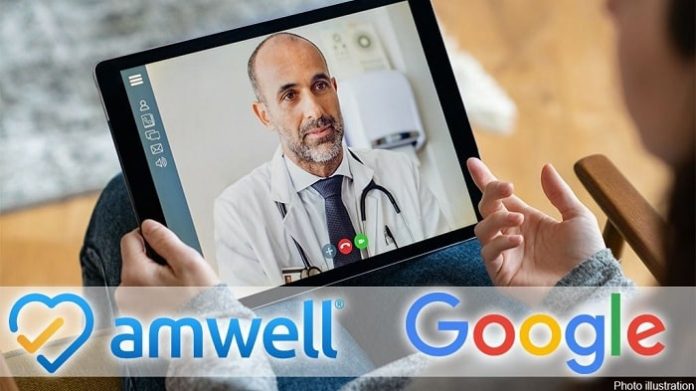
Google’s cloud division is investing $100 million in Amwell, a telehealth operator preparing to go public, according to CNBC.

The investment will come with Amwell transitioning some parts of its business away from Amazon Web Services and onto Google Cloud. Amwell will use Google as its “preferred global cloud partner,” according to CNBC, and will move some of its video performance capabilities to Google.

Amwell was formerly known as American Well and builds technology to offer virtual doctor’s visits, which has become essential during the pandemic. Amwell told CNBC that it has seen a 1,000 percent increase in telehealth visits, and close to 3,000 or 4,000 percent in some areas.

The initial public offering (IPO) filing said the company’s revenue shot up 77 percent in the first six months of this year, going from $69 million in 2019 to $122 million this year. That also came with a near-tripling of the net loss, which went from $41 million in the first half of last year to $111 million this year, CNBC reported.

And, Google and Amwell will collaborate on technology and work on broadening Amwell’s tech footprint in the telehealth scene, according to CNBC. Google’s investment will be a concurrent private placement at the IPO price.

Aashima Gupta, Google Cloud’s director of global healthcare solutions, said the use of telehealth is likely to continue because of the continued avoidance of physical spaces with the coronavirus still present, and the improving reimbursement coverage.

The shift to telehealth has been fueled by the pandemic. Ryan Krause, vice president at healthcare software company Epic Systems, told PYMNTS that his company, which offered video visits with doctors long before the pandemic, had under 50,000 appointments in February of this year. But that number jumped to 2.5 million by April.

Krause contested that the healthcare system shouldn’t return to its former ways due to the improvements in cost and efficiency, with more flexibility for patients as well as government rulings allowing healthcare providers to receive full Medicaid and Medicare reimbursements for online visits.

Israel, UAE agree for healthcare cooperation

QliqSOFT Virtual Healthcare Platform Gets Even 'Smarter' with Addition of Elsevier Educational Database

The health ministers of Israel and the United Arab Emirates (UAE) agreed for immediate cooperation between the two countries regarding health, the ministers said in a joint announcement.

The ministers, Yuli Edelstein of Israel and Abdul Rahman Mohammed Al Owais of the UAE, “held an excellent conversation for both countries, in good spirits with the goal of advancing cooperation,” the statement said.

The ministers agreed to appoint a representative responsible for relations between the two countries, specifically regarding the fight against COVID-19.

In addition, the countries will set up delegations of businesspeople from the two countries in order to begin joint business ventures.

The ministers also agreed that with the decline of COVID-19, the countries will also work to create a student exchange program. “Peace with the UAE gives an excellent opportunity to the citizens of Israel and the UAE for close relations that will be fruitful for both sides,” said Edelstein.

Earlier on August, Israel and the UAE announced that they had agreed to normalize relations. Enditem

Intelligent Locations and SAS collaborate to support healthcare organizations IoT and contact tracing efforts

Intelligent Locations and SAS collaborate to support healthcare organizations IoT and contact tracing efforts

Intelligent Locations and SAS have formed a new partnership that gives healthcare organizations access to industry-leading analytics. Access to SAS Analytics through the cloud-based Intelligent Locations IoT platform will help organizations create deeper operational insights that lead to better decision making. With the addition of SAS, organizations will be able to accelerate the use of machine learning and artificial intelligence (AI) technologies in ways that super charge patient and asset tracking, environmental monitoring, and contact tracing efforts.

The Intelligent Locations IoT platform helps contain costs and generate revenue for hospitals. “This partnership strengthens the product we offer our healthcare customers,” said Bogdan Nedelcu, CEO of Intelligent Locations. “It gives them a ‘mission control’ dashboard for running hospitals. Real-time trends that show the availability of equipment and patient beds is of critical importance โ€“ especially now as the pandemic rages in many parts of the world. By combining Intelligent Locations and SAS, hospital executives will now have the insight to make decisions they never thought possible.”

The Intelligent Locations IoT platform offers hospitals a plug-and-play, real-time location services (RTLS) infrastructure that can be installed in days and add value immediately. “Immediate access to advanced analytics from our real time location services data gives us tremendous insight into hospital operations that can aide in decision making and enhance our patient care,” shared Ben Patel, CIO of the Cone Health hospital system, a current Intelligent Locations customer.

“Having real-time visibility into the trends locked inside collected data is a key requirement for slowing the spread of the coronavirus pandemic,” said Jason Mann, VP of IoT at SAS. “In addition to supporting contact tracing efforts, our partnership will help healthcare organizations make better use of assets and support important actions like temperature monitoring, patient updates, and transport time. Understanding data trends also will help once we’re at a point to safely resume ‘normal’ operations.”

The collaboration will begin with offering SASยฎ Event Stream Processing and SASยฎ Visual Analytics to new and existing Intelligent Locations customers. “By optimizing equipment levels and improving patient throughput, we have a proven ability to maximize the ROI for our users. We see the partnership with SAS as a tremendous value add,” said Jake Bartnicki, SVP of Sales for Intelligent Locations.

About SAS
Through innovative software and services, SAS empowers and inspires customers around the world to transform data into intelligence. SAS gives you THE POWER TO KNOWยฎ.

About Intelligent Locations
Intelligent Locations is an Internet of Things company that provides healthcare organizations with data insights gained through advanced monitoring of assets, people and processes to solve persistent problems of inefficiency, affordability and accessibility.

Translate ยป