





Close
Digital Health & Ai Innovation summit 2026
Medical Taiwan 2026

Hospital & Healthcare Management Interview: Virtual Hospitals & VitalTech

Hospital & Healthcare Management Interview: Virtual Hospitals & VitalTech

1. Tell us something about Free Telehealth Access. What can we expect from it in the post-COVID-19 scenario?

 In the post-COVID19 world, I would expect Congress and the Medicare Chairman to keep a majority of the telehealth rules that were relaxed during the pandemic in place. Consumers will not want to go back to the telehealth restrictions we faced pre-COVID, as they have used and benefitted from its services during this time. Telehealth use has surged around the world these past few months and it will continue to be an important healthcare tool moving forward.

2. This virtual care innovation is a boom for senior citizens & high-risk patients. What are the monitoring elements that will be covered under the VitalCare Platform?

The VitalCare platform offers a robust suite of capabilities to ensure patients have continuous touchpoints throughout the healthcare continuum. The combination of integrated safety solutions, comprehensive health and wellness tools and smart wearable devices ensure proactive and more holistic care for patients. VitalCare enables an integrated care model that helps providers to easily monitor and connect with patients.

Since seniors are the most difficult demographic to serve with technology, VitalCare has designeda senior-friendly interface that integrates vital signs, nutrition, medication management and simple communication tools to interact with health practitioners or family members remotely.

VitalCare has incorporated advanced biometric wearables as well as sensors to track activities of daily living. These sensors are Bluetooth low-energy beacons placed throughout the home or in a living facility to track key aspects of patient activity. The data collected from these ADL Activity Tags provide valuable insights into a patient’s normal living activity, which helps healthcare practitioners make more informed decisions that improve overall safety, health and wellness.

3. Building such a big and seamless platform requires a robust smart technology in place. Please share your insights on it and looking forward to what more can we expect within this platform?

Building a market-leading platform requires that we to continue to innovate and iterate to make sure we are providing the best services and equipment for our customers.

This focus on innovation has led VitalTech to develop the VitalBandTM and VitalBandTM LTE, which will be launched this month. The VitalB and monitors fall alerts, emergency voice call out, biometrics, activity and can be easily connected to any smartphone. The VitalB and features on-wrist charging for 24/7 safety, alerts to notify up to five contacts, water and sweat resistance, and medication reminders. The wearables also include the capability to configure text and email alerts, as well as 24/7 medical alert monitoring.

4. What are the steps taken to manage the physiological changes in patients incurred by new medications? Tell us more about the systems that help track the patient’s transformation.

It is important to track a patient’s biometrics and vital signs, as well as send out medication surveys when a patient begins to take new medication. This comprehensive approach will help providers identify physiological and other symptoms changes that flag if the medication needs to be adjusted. Providers need to look at telehealth as just one piece of the overall care strategy.

5. How’s the interaction between the physician and patients done through the virtual hospital setup?

Through the virtual hospital setup patients can communicate with their physicians both synchronously and asynchronously. Such communication includes sending messages, pulling lab reports, scheduling appointments, having face-to-face video sessions with vitals, sending trend vitals and more.

Virtual hospitals exponentially expand how patients can communicate and interact with their physicians. It provides more options and increases access at the most critical times throughout the healthcare continuum. This type of communication is more effective than the two-minute face-to-face encounter you have with your physician at the doctor’s office once or twice a year. Furthermore, through this setup doctors will get more time back, allowing them to focus more on patient care and have that extend one-on-one time with patients who need it.

6. Being a data-intensive structure, please highlight how figures and facts will be used to track a patient’s health via the video platform?

VitalTech is a very data-driven organization to make sure healthcare practitioners are equipped with the most updated data and actionable insights to provide the best quality of care.The software and hardware was built with the patient in mind, which is why VitalTech offers the complete end-to-end solution for those in need of comprehensive care. For example, the VitalCare platform includes a thorough set of metrics, including heart rate, blood pressure, glucose, temperature and more. Not only do these metrics alert care providers if a metric falls outside of the identified threshold, but it enables patients to better self-monitor and take swift action to promote self-care. Additionally, the platform allows for nutrition data to be logged through voice inputs or simple barcode scanning to help patients stay on track with health goals.

Another important data aspect of the VitalCare platform is the medication reminders. Such reminders can be pushed to a patient’s VitalTech-provided tablet or sent to the VitalB and smart watch at a specific time of the day. Patients and clinicians can add or track medications to help avoid adverse reactions from prescription conflicts. These reminders also help with compliance in taking the prescribed medication at the recommended dose and frequency.

However, it is important to note that presenting this data only when needed by the healthcare practitioner is very important. Data overload and alarm fatigue is a big issue in healthcare. Our system allows for very intelligent alarm routing and data visualization so that you only see data on demand and when needed.

7. Kindly share your thoughts on the VitalCare Family app and also describe how relevant it is in today’s scenario?

The VitalCare Family Connect App is a very relevant component of the platform, especially during the COVID-19 pandemic. Thousands of seniors living alone or in long-term care facilities have been isolated from loved ones for the past few months, as this population is vulnerable to this illness. In fact, the Centers for Disease Control and Protection (CDC) reported that eight out of 10 coronavirus-related deaths in the United States have been in adults 65 years and older. Through VitalCare’s Family Connect App, seniors can follow the CDC’s social distancing guidelines and still keep in touch with family members.

The Family Connect App allows family members stay connected 24/7 through the app that’s available on any smart device. The video and audio calls can help seniors feel connected in these times of social isolation.  Additionally, through the app family members can view current and historical readings of vital signs, such as heart rate, respiration rate, blood pressure and SpO2. A third component of the Family Connect App to note is the fall and SOS alerts. Family members are able to customize how they receive fall and SOS alerts through the app. Pre-configured contacts can receive alerts through an automated phone call, text or email.

8. What are the challenges you face when it comes to engaging hospitals to shift from their traditional operations to the modern virtual platform?

Pre-COVID there were several challenges the industry faced when engaging with hospitals to transform their traditional operations. However, now in the middle of the pandemic, hospitals are already beginning to embrace the transformation and are in fact asking for it. The key is working closely with hospitals to implement the particular version of their vision of what a virtual hospital looks like.

9. Tell us something more about the cost-effectiveness which the virtual hospitals are going to offer. What are the steps taken to train the existing medical personnel to make them compatible with the VitalCare platform?

There are a few examples of how a virtual hospital will be more cost-effective.For patients, it will be more cost-effective in terms of time. Patients will save time driving to the doctor’s office and spending time sitting in the waiting room.

For hospitals, this design is more cost-effective as physicians will need smaller physical footprints and smaller clinics, which will result in decreased real estate costs. Also, staff and doctors will be able to see patients more efficiently, have a lower risk for burn out, have lower readmission rates and receive better patient outcomes. Overall, the impact on total cost of care will benefit dramatically.

We typically have three phases of training for integrating the VitalCare platform into existing work streams. First, the IT team is trained on how to work with the platform, then nurses are taught how to care for patients and finally the physicians learn how to extract the needed data.

10. What was the idea behind VitalTech initiating the Virtual Care and Virtual Hospitals concept?

At one point we all have envisioned a hospital of the future and what it would look like.The old, outdated technologies currently within hospitals slow down efficiencies and the overall quality of patient care. The coronavirus has forced the healthcare community to shift to virtual care models and digital health solutions to protect workers and patient. This transition has accelerated the industry’s progress towards building a virtual hospital of the future.

Virtual hospitals focus on the following:

  • Empowering patients: Patients will have the confidence to succeed in managing and/or improving their health from the comfort of their home, in-between regular office visits.
  • Improving outcomes: Proactive care enables patients to prevent possible health emergencies before they happen.
  • Personalizing Care: By meeting patients where they are in their custom health journey ensures they receive the needed care.
  • Enhancing quality of life: Health practitioners can help patients create healthy habits through proactive patient outreach and support.

11. With technology and data playing a key role in the functioning of virtual hospitals, describe how it will be different from your perspective when we compare it with the erstwhile traditional hospital visits?

Technology and data are central to the development of virtual hospitals. It is critical to develop a turn-key system that is comprehensive for both the health care provider and patient at every step of the health care journey.

These virtual hospitals would include a virtual Emergency Department (ED), in which non-emergency patients would be redirected from the ED and to a primary care doctor’s office, urgent care clinic or telehealth. This strategy follows the Emergency Triage, Treat and Transport (ET3) Model that was accelerated during the pandemic, to allow beneficiaries to access the most appropriate emergency services at the right time and place. The ET3 model works to improve care quality and lower costs by reducing the number of avoidable ER visits and hospitalizations.Another model for consideration is designating digital check-Ins and telehealth services for non-emergency visits to the ED. Leveraging paramedics’ down-time to treat patients can keep patients out of the waiting room and take the weight off of the ED.

A virtual care center is another component of the virtual hospital system, developed to lessen the costly burdens that come with traditional brick and mortar health models. The virtual care center gives health care providers the tools to increase efficiencies while offering patient-centered care. These providers can treat patients across facilities, and decrease the time spent on paperwork and administrative processes.

The final component of the virtual hospital system is the concept of having a hospital at home. For acute conditions that only require a 3-5 day hospital stay, it is safer to have these patients treated at home. The current advancements in technology allow for proactive monitoring, which offers a higher standard of care compared to what is traditionally provided within a hospital. Peripheral medical devices and data collection can help patients and health care providers identify issues early on or avoid them altogether.

12. Tell us something more about the future of the VitalCare platform from a geographical point of view. What are your plans to deal with the geo-political situations when you go beyond boundaries?

VitalTech has partnerships with several large, multinational leaders in the healthcare space, and we plan to address each major geography systematically. Each geography has its own set of data privacy and technology rules, and we intend to thoughtfully roll out our services market by market to ensure we adhere to the existing guidelines.

TRIMEDX announces partnership with Medigate, launches expanded offerings for health systems

TRIMEDX announces partnership with Medigate, launches expanded offerings for health systems

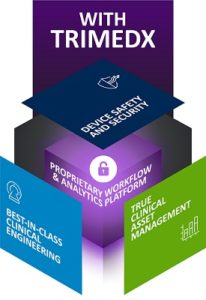
Healthcare technology company TRIMEDX, an industry-leading provider of clinical asset management solutions for health systems’ clinical engineering services, announced a strategic partnership with Medigate – a dedicated medical device security and asset management solution firm?to meet the unique demands of clinical asset management (CAM) and medical device safety and security for healthcare systems. This coincides with TRIMEDX’s launch of its new CAM Advanced and CYBER Advanced product offerings, which makes it uniquely able to offer comprehensive, real-time data along with enhanced visibility to guide providers in improving their overall performance?improving financial health, reducing risk and improving patient/clinician satisfaction.

Through this partnership, TRIMEDX and Medigate deliver an integrated solution that merges the TRIMEDX CAM Advanced and CYBER Advanced solutions with Medigate’s real-time visibility, utilization data and threat/vulnerability detection. “Leveraging the power of cybersecurity monitoring, the depth and breadth of device-level data, analytics, and the skills and expertise of our field associates and leadership, TRIMEDX delivers a best-in-class portfolio designed to manage the full lifecycle of a hospital or health system’s clinical assets,” says TRIMEDX CEO Henry Hummel.

Advanced, real-time utilization insights

According to Deloitte Development LLC in July 2018, 68% of medical devices are projected to be connected devices by the year 2025. With cyberattacks rising exponentially each year, the security of connected medical devices has never been more critical. And since the onset of the COVID-19 pandemic, TRIMEDX’s cybersecurity team has seen the number of cyber threats increase from an average of 19/month to 80+/month during pandemic response efforts.

“As more medical devices are integrated into clinical networks, real-time connected medical device utilization data, in lieu of estimates, or manual collection of data over time, adds greater accuracy to emergency preparedness and capital planning initiatives across hospitals and health systems,” says LeAnne Hester, TRIMEDX chief marketing officer.

The Medigate platform discovers and precisely identifies every connected device on a clinical network, automatically doing so, in real-time, through proprietary algorithms specifically built to identify devices and communication protocols. “The foundation of our work together is around leveraging the strengths of both organizations,” says Jonathan Langer, CEO and co-founder of Medigate. “The combined value of TRIMEDX’s clinical engineering expertise with Medigate’s deep technology specific to healthcare cybersecurity will fuel the TRIMEDX operation with even greater actionable and accurate data in providing high-value service and information.”

Industry-leading threat detection and remediation

Through this partnership, Medigate and TRIMEDX address device safety and security monitoring, threat detection and remediation in a closed-loop system, marrying best-in-class industry expertise in both technology and people. Medigate’s platform continuously reviews network activity, quickly identifying anomalies that are escalated for review, while a dedicated team of TRIMEDX clinical engineering cyber specialists proactively searches for known vulnerabilities, monitors supplier response to known risks, and applies approved patches. In addition, recognizing the unique expertise required to manage the cyber risk of medical devices, all members of the TRIMEDX Cybersecurity Team receive approximately 200 hours of dedicated training through the TRIMEDX CYBER Academy. All data is tracked through the TRIMEDX proprietary work order system to keep clients continually apprised on the status of remediation.


“This is a fundamental shift from a manual process of capturing data to automatic, real-time cybersecurity monitoring of connected devices across clinical networks,” says Doug Folsom, TRIMEDX chief information officer. “Real-time device data is securely captured and analyzed, enabling us to create visibility and deliver the most powerful and comprehensive Clinical Asset Management solution. Utilization, combined with our clinical asset benchmarks, provide objective data for health systems as they make decisions around replacing, disposing of or reallocating medical devices, leading to savings in operational and capital expense.”

Partnership expands TRIMEDX product offerings

Building on its strong foundation of clinical asset management, now TRIMEDX introduces its CAM Advanced and CYBER Advanced offerings to its clients. Leveraging the power of the Medigate platform, TRIMEDX is taking technology enablement to the next level.

The CYBER Advanced offering brings greater inventory accuracy through the collection and maintenance of key attributes of connected and connectable medical devices. It also provides real-time monitoring of vulnerabilities, alerts, recalls as well as the detection of potential suspicious behavior; along with more efficient remediation workflow and a supplier scorecard that allows clients to make more informed medical device purchasing decisions. It introduces a first-in-industry, advanced cybersecurity risk score to gain visibility of device risk profile as well as overall security risk posture. This comes along with a dedicated CYBER team that proactively identifies cyber vulnerabilities and on-site CYBER specialists for all aspects of cybersecurity remediation.

The CAM Advanced solution transforms capital planning initiatives into a dynamic, data-driven, objective process that establishes spending priorities and maximizes equipment ownership. The Advanced offering includes the TRIMEDX proprietary RUDR ScoreSM?a proprietary score that drives objective decision making around clinical asset replacement, upgrade, disposition or reallocation. It also contains advanced benchmarking of client data against national data on over 4.2M clinical assets in its proprietary data warehouse, as well as integration with the Medigate platform for utilization data and sophisticated cyber risk scoring to support targeted decision making.

“The healthcare industry is a mission-critical environment,” says Hummel. “In working with our early adopters of our Advanced solutions, we have demonstrated a level of precision and accuracy along with reliability and credibility achieved in real time. TRIMEDX will operate in an even more proactive way for its clients.”

About TRIMEDX

TRIMEDX is defining total clinical asset management for the healthcare industry. As the largest independent technology-enabled clinical asset management company in the United States, TRIMEDX provides strategic planning and management of clinical assets to drive operational cost savings, free up capital for new strategic initiatives and deliver improved risk management and cyber protection. TRIMEDX was built by providers, for providers, and leverages a history of expert clinical engineering to manage over $30 billion in clinical assets across thousands of locations.

About Medigate

Medigate is the industry’s first and leading dedicated medical device security and asset management platform, enabling providers to deliver secure, connected care. Medigate fuses the knowledge and understanding of medical workflow and device identity and protocols with the reality of today’s cybersecurity threats. With Medigate, hospital networks can safely operate all medical devices on their network, enabling deployment of existing and new devices to patients while ensuring privacy and safety.

Introducing Rapid Scan – Combining Technology and Biology to Fight Infectious Diseases

Vystar Resumes Production of FDA-Certified UV Light Air Purifiers

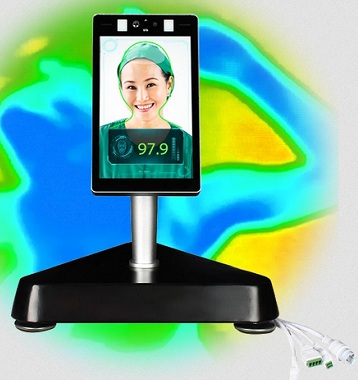
Rapid Scan, the leading provider of thermal imaging and bio solutions, today launched Rapid Scan – its flagship product which is the first line of defense against contagious illnesses. Rapid Scan has been developed to help companies protect their business from loss due to the spread of viral diseases. It is an intuitive thermal biometric camera solution that combines body temperature detection, access control, and facial recognition technology to create an added layer of protection for customers and employees from COVID-19 and many other contagious viruses.

Communities cannot maintain distancing practices forever. Rapid Scan’s temperature screening system detects fevers in real time. Accurate to within 0.54F, the thermal scanner is the perfect addition to a biosecurity setup. This hands-free, automatic body surface temperature screening device uses advanced facial recognition and infrared temperature screening technology to identify staff and visitors with elevated temperatures enabling them to be quickly excluded from premises, consequently preventing the spread of disease to other employees, contractors and customers.

Able to be used outdoors and at night, this thermal scanner is ideal for any business that wants to prevent further downtime due to COVID-19, or any other infectious disease, and is particularly relevant to medical centers, schools, dentists, physiotherapists, law firms, restaurants and retailers.

Rapid Scan is different from market alternatives:

  • Affordable, bringing you quality without the exorbitant price tag
  • Airtight warranty, protecting you in the unlikely event of a manufacturing error
  • Unparalleled, US based support
  • Hassle-free installation

Scanner stands safely secure thermal imaging devices – with convenient features like accessory plug connections and additional USB connections. The all-steel construction enables the stands to withstand the rigors of industrial and commercial environments. Rapid Scan’s White Glove Installation Service ensures the temperature screening system and thermal scanner stand are correctly installed in a convenient location right from the outset.

It is recommended to couple Rapid Scan with Xtreme Bio Disinfectant, a highly effective and safe disinfectant. Xtreme Bio is a patented green technology made in the States. An antimicrobial surface cleaner, supported by EPA efficacy data and proven for over a decade in the field, is scientifically proven to kill Coronavirus, Bird flu, Herpes, Hepatitis and HIV.

Bill Watchulonis, co-founder of Rapid Scan, said: “Technologies like Rapid Scan will play an instrumental role in enabling America to successfully reopen. A crucial part of our offering is our White Glove Installation Service which ensures that customers are trained in how to use our technology and can immediately access its benefits. On an individual basis, we assess goals and challenges and lay out options so the user can make an informed decision on the best protective measures for staff and customers.”

About Rapid Scan

Rapid Scan was launched to help companies protect their business from loss due to the spread of viral illness. We, like many, have experienced the ripple effect of the simple cold virus and its ability to rapidly spread throughout an office, we gained an understanding and education to how the spread occurs and how it could be simply and efficiently controlled.

With state-of-the-art thermal imaging technology and 99.9% detection accuracy, we stand apart from our competitors and near contact methods. Our concepts of plug and play, and a simplified user interface, keeps customer satisfaction at the forefront. Combining 35 years industry knowledge, trusted values, and attentive services, Rapid Scan will continue to evolve into an organization focused on successfully growing your future.

First Made-in-India Antigen Test Kit by Mylab Gets Commercial Approval

First Made-in-India Antigen Test Kit by Mylab Gets Commercial Approval

India’s very own molecular diagnostics company, Mylab Discovery Solutions, that launched the first indigenous RT-PCR testing kit is now stepping into antigen testing kits with the commercial approval from the ICMR. This development now adds another product to Mylab’s suite of testing solutions for COVID-19 virus.

It is the first truly Indian company kit to receive commercial approval from ICMR and is named as Pathocatch COVID-19 Antigen Rapid testing kit. The launch of antigen testing kit is in line with the government’s expectation to increase rapid testing which is the Point-of-Care method and complements the more rigorous RT-PCR (Reverse transcription polymerase chain reaction) test to detect coronavirus. As infections surge across the country, more states are now allowing antigen-based rapid testing in India.

Hasmukh Rawal, MD, Mylab Discovery Solutions said, “Mylab team is working really hard to fight this pandemic in every possible way. After bringing an affordable RT-PCR test to reduce dependence on foreign kits, we launched Compact XL to accelerate COVID-19 testing. Now, with the approval for an antigen testing kit, we will cover whole spectrum of COVID-19 testing and leave no stone unturned to fight this pandemic”

Health experts believe that to keep up with the pace of infections, India needs a combination of both antigen and RT-PCR testing. Those who are found positive in the antigen test are considered positive, while those who get a negative result in antigen test are then tested with RT-PCR test for confirmation. So, only suspected negative cases go for RT-CR testing. This will save time and cost, hence speed-up the process of testing and isolation.

“While COVID-19 vaccine gets developed, aggressive testing is an important tool that we have. Mylab is committed to provide high-quality indigenous solutions for testing, which we believe has been possible because we had support from our investors and the government agencies such as BIRAC and TDB to name a few, With all this support, we hope to keep up in this fight” added Mr. Sujit Jain, Director, Mylab.

The kit is developed and manufactured in India. The kit will be available for orders immediately and will be priced around INR 450.

About Mylab

Mylab Discovery Solutions Pvt. Ltd., is an Indian molecular biology company that, develops & commercializes tests used in human diagnostics, food safety, agriculture, and veterinary medicine, empowering labs to obtain reliable, timely, and actionable results. We are the 1st company in Asia & 2nd company worldwide to develop and manufacture FDA approved ID-NAT kits for accurate detection of HIV, HBV, HCV and other infections.

How CRM and Low-Code Can Help Medicine and Pharmacy Industry

How CRM and Low-Code Can Help Medicine and Pharmacy Industry

Medicine and pharmacy industry are willing to invest in apparatuses that can help improve growth while also helping them to help many people across the globe.  However, the industry should not sacrifice customer satisfaction in chase of business growth promoters. A CRM software is low-code product that promotes industry growth while refining both customer experience and satisfaction.

While the main objectives of CRM remain connecting businesses with customers, increasing productivity, improving business relationships, boosting profitability and streamlining operational processes, medicine and pharmacy industry require the low-code tool to help in streamlining operations as well as reach more people for a more targeted healthcare service.

Industries should define CRM as an effective way to manage sales and marketing processes, improve performance of company staff as well as manage contacts.  The low-code platform is designed to help industries to develop powerful relationships with customers, distributors, suppliers and service users. In fact, medicine and pharmaceutical industries need well established customer relationship management systems that enable them to deliver customer centered services.

Why Low-code in the medicine and pharmacy industry?

Low-code CRM in medicine industry is centralized to help manage and get drug manufactures’ data through cloud based communication channels such as web, and email. Anytime your team member login to the CRM, they should be in a position to retrieve accurate information about your company products and services. With healthcare CRM, you can get your new medication products marketed as well as organize your staff for an increased productivity.

Let’s Understand How Low-Code CRM Can Help Businesses In Medicine And Pharmacy Industries

    1. Customized Approach

It’s never easy to predict your customers in terms of availability and from where they interact with your business. Any important update you miss is therefore utilized by your competitors to your disadvantage. However, CRM is customizable and helps to deliver a more customer centered approach to every potential customer.

It is therefore more obvious that CRM offers the best option for customer focused services. Additionally, CRM helps you to perform other key tasks like optimizing products and services, operation management, marketing campaigns and so many other services.

    2. Integrated management

The main purpose of CRM is to store customer data while allowing easy retrieval of processed data for decision-making. Medicine and pharmacy industries therefore use healthcare CRM as a data management tool. By permitting access to information across a number of healthcare departments, an integrated data-source CRM improves sector productivity and growth rates.

With CRM software, any health and life organization has several options to capture and fill in customer needs into business databases. The digital options reduce manual entry, saves time, reduces risks of double entry and reduces fruitless time spent verification and data cleaning.

    3. Automated campaign

The medicine industry requires constant promotional campaigns to market the various medical and pharmaceutical services and products. A CRM brings many ways to run automated campaigns. The various intuitive CRM features enable sales reps to execute smart marketing campaigns that help to drive sales and revenue.

This CRM feature also supports one-click updates as well as data imports. By reducing employee hours, automation features make workflow smoother. The capacity to plan and send large number of personalized email and messages to all industry leads as well as customers make CRM the best platform to speed business growth in the medicine and pharmacy industries.

   4. Connect with your customers

CRM for medicine and pharmacy industries features better visibility on the entire distributor and dealer channels. This helps to intensify as well as maintain a connection with leads. It also has a robust reminder facility that sends automated reminders when a service is due or expires. The sales team can then talk to the customer to communicate a procedure or a renewal package. In addition, you can send personalized messages on special occasions to your customers. This way, you build a stronger tie with your leads and customers.

   5. Optimized products and services

Pharmaceutical industries deal with large number of stocks that require a robust tool for the management of inventories. CRM providers help the industry by offering features that manage inventories more efficiently. It can store efficiently and securely every detail about the various drugs while also making them available when needed. CRM also optimizes products and services for the particular clients and saves preferences for easier delivery when needed.

NTT DATA Simplifies Clients Digital Healthcare Journey with Powerful New Alliance

NTT DATA Simplifies Clients Digital Healthcare Journey with Powerful New Alliance

NTT DATA Services, a recognized leader in global technology services, announced a new alliance with Teladoc Health, R1 RCM, Enli and VisitPay to build Nucleus for Healthcare, a framework that incorporates best-in-class solutions to help accelerate clients’ digital transformation journeys. These companies are bringing together the foundational elements needed by patients and clinicians to create a digital front door for healthcare.

NTT DATA Services forms alliances with @Teladoc, @R1RCM, @enlihealthintel and @VisitPay to strengthen and expand its digital healthcare strategy and portfolio. Read more.
Tweet this

The COVID-19 pandemic has emphasized the need for continuous remote patient monitoring, virtual engagement and telehealth. Nucleus for Healthcare provides advanced digital capabilities across the care delivery continuum and allows organizations to interchange solution components as clinical and business needs evolve.

Nucleus for Healthcare is powered by NTT DATA’s cloud-based intelligent enterprise platform, which provides analytics, automation and systems integration capabilities. NTT DATA was recently named as a Leader on Everest Group’s Healthcare Provider Digital Services PEAK Matrix Assessment® 2020 and recognized for its robust Nucleus for Healthcare framework.

“Healthcare providers have historically been mired down by the legacy IT estate and regulations that have had the unfortunate consequence of incentivizing them to maintain the status quo. However, that is not an option anymore, particularly as healthcare providers scramble to meet the unprecedented needs of a world disrupted by the COVID-19 pandemic,” said Chunky Satija, Practice Director, Everest Group. “The immediate focus has shifted to virtual care and healthcare providers are now being forced to jump on the digital bandwagon to meet the demands faced by the healthcare ecosystem to battle this outbreak.”

“Our goal is to empower healthcare organizations to maximize quality and cost outcomes in the emerging value-based healthcare economy while creating a seamless experience across the healthcare continuum,” noted Mary Edwards, President, Healthcare Provider, NTT DATA Services. “We purposefully brought these four leading companies together because each have leading capabilities across that continuum. Working together, we can accelerate our client’s journeys to this new healthcare landscape.”

About Teladoc Health

InTouch Health is now a part of Teladoc Health, the world leader in virtual care. Teladoc Health directly delivers millions of medical visits across 175 countries each year through the Teladoc Health Medical Group and enables millions of patient and provider touchpoints for thousands of hospitals, health systems and physician practices globally. Ranked #1 among direct-to-consumer telehealth providers in the J.D. Power 2019 U.S. Telehealth Satisfaction Study and Best in KLAS for Virtual Care Platforms for 2020, Teladoc Health leverages more than a decade of expertise and real-time insights to meet the growing virtual care needs of consumers, healthcare professionals, employers and health plans.

About R1 RCM

R1 RCM is a leading provider of technology-enabled revenue cycle management services which transform and solve revenue cycle performance challenges across hospitals, health systems and group physician practices. R1’s proven and scalable operating models seamlessly complement a healthcare organization’s infrastructure, quickly driving sustainable improvements to net patient revenue and cash flows while reducing operating costs and enhancing the patient experience. R1’s Patient Experience platform offers patient- and provider-centric care coordination capabilities, including frictionless scheduling, referral and order management and financial clearance, resulting in improved outcomes and reduced costs.

About Enli Health Intelligence

Enli Health Intelligence® is the market leader in population health management information technology. The company develops software tools for value-based care analytics and care coordination. Enli is the first population health management company to measure the financial impact of quality improvement in value-based care contracts, and to supply the analytics-driven care coordination tools necessary to exceed contract measures. Enli has been named Best in KLAS for Population Health Management in 2017, 2018, and 2020.

About VisitPay

VisitPay, is the leader in patient financial engagement. The company’s third-generation cloud-based platform is used by the nation’s largest and most innovative health systems to deliver transparency, choice, and control to patients managing healthcare payments and transactions. Through VisitPay, patients can access a comprehensive accounting of their financial obligations, as well as critical health plan and healthcare information, via a health system-branded portal. VisitPay’s proprietary analytics tailor consistent and fully compliant financing options that meet the unique needs of patients and their families, creating a simplified billing experience that drives both higher payment rates and improved patient satisfaction scores.

About NTT DATA Services

NTT DATA Services partners with clients to navigate and simplify the modern complexities of business and technology, delivering the insights, solutions and outcomes that matter most. We deliver tangible business results by combining deep industry expertise with applied innovations in digital, cloud and automation across a comprehensive portfolio of consulting, application, infrastructure and business process services.

NTT DATA Services, headquartered in Plano, Texas, is a division of NTT DATA Corporation, a top 10 global business and IT services provider with 120,000+ professionals in more than 50 countries, and NTT, a partner to more than 85 percent of the Fortune Global 100.

Ambu receives FDA clearance for its sterile, single-use duodenoscope

Ambu receives FDA clearance for its sterile, single-use duodenoscope

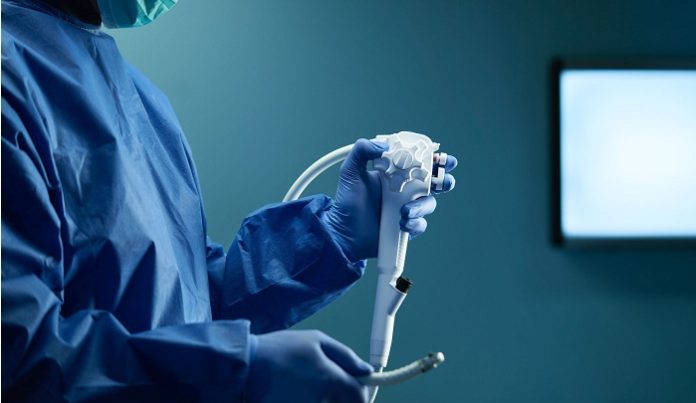
Ambu is ready to launch single-use solution to help increase patient safety and prevent duodenoscope infections. Further devices for GI in development. The Ambu® aScope™ Duodeno received 510(k) clearance from the U.S. FDA  on 17 July 2020 and is now ready for commercial launch as planned.

“At Ambu, we are determined to advance patient safety through innovative design of single-use devices, and we are excited to improve safety for the two million patients each year, who need an ERCP procedure,” says Juan Jose Gonzalez, CEO of Ambu. “It’s no longer necessary to balance the necessity of the procedure against the risk of infection from a reusable endoscope. Now, both doctor and patient can focus on diagnosis and treatment by using a sterile, single-use duodenoscope.”

Reusable duodenoscopes have been under increasing critique from FDA in recent years because there have been cases of device-related infections and patient fatalities. In August 2019, FDA recommended duodenoscope manufacturers and health care facilities to transition to duodenoscopes that are partially or completely single-use.

“The aScope Duodeno is sterile, seamlessly integrates into existing hospital systems and offers an intuitive, lightweight design with similar functionality to reusable duodenoscopes,” says Greg Swanson, SVP, Chief Marketing Officer at Ambu. “Over the past six months, we have expanded our sales organization and built a dedicated commercial infrastructure for gastroenterology. After today’s FDA clearance, we will now approach our customers to arrange product demonstrations, set up evaluations and promote what Ambu has to offer within the field of GI.”

A single-use duodenoscope system
Ambu’s duodenoscope solution consists of a single-use endoscope – Ambu® aScope™ Duodeno – and a reusable processor unit – Ambu® aBox™ Duodeno. The FDA clearance covers both devices. Duodenoscopes are used for visual examination of the duodenum and play a key role in diagnosis and treatment of conditions like gallstones, pancreatitis, tumors or cancer in the bile duct and pancreas.

Initiating post-market study
As part of the regulatory approval of the aScope™ Duodeno, a small-scale performance test was carried out in which 13 gastroenterologists evaluated the device in in-vitro and in-vivo test models. The aScope™ Duodeno performed on par with the market-leading reusable duodenoscope control and was evaluated positively regarding image quality, scope navigation and ergonomics in post-test interviews.

Having obtained FDA approval, Ambu will as planned initiate a 500-patient post-market study at multiple centers in the U.S. A sub-set of the study will be made public during Q1 of Ambu’s financial year 2020/21 when data from a minimum of 60 procedures is available.

Over the next three years, Ambu is introducing 15 new devices across all major areas of endoscopy including GI, the largest endoscopy market globally. This includes three additional single-use devices: A colonoscope, a gastroscope and a cholangioscope.

Built on a decade of experience
Ambu launched the world’s first single-use flexible bronchoscope, the Ambu® aScope™ in 2009. Ten years later, in 2019, over 600,000 Ambu single-use endoscopes were used in more than 6,000 hospitals making Ambu the world’s largest supplier of single-use endoscopes. The aScope™ Duodeno was designed with input from a global gastroenterologist consultant board along with engineering expertise from the team of Invendo Medical acquired by Ambu in 2017.

Bayer and Siemens Healthineers present first synchronized imaging system interface for MRI

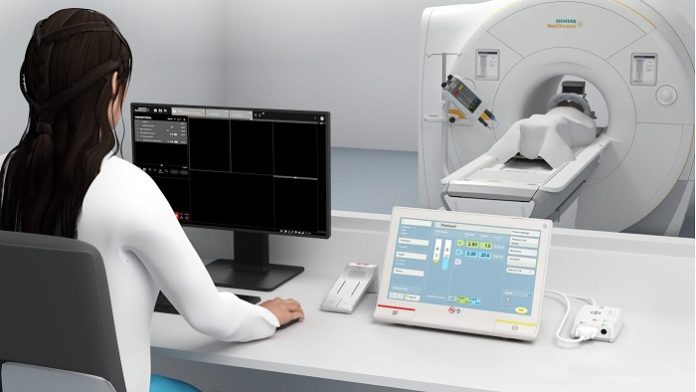
Bayer and Siemens Healthineers presented the new Imaging System Interface (ISI) for magnetic resonance imaging (MRI) at this year’s European Congress of Radiology (ECR) 2020, taking place virtually for the first time from 15-19 July. ISI is a joint hardware and software development from Bayer and Siemens Healthineers and the first injector scanner interface for the MRI suite. It synchronizes the MEDRAD® MRXperion MR Injection System from Bayer and the Siemens Healthineers MR scanner, thereby overcoming significant challenges posed by the complex process used in conventional contrast-enhanced dynamic MRI, which can result in high stress for operators and suboptimal imaging. By enabling synchronized injector triggering from the MRI scanner operator console and a more efficient workflow, ISI allows users to conduct high quality, consistent contrast enhanced procedures and spend more time focusing on the patient.

In a conventional, manually controlled setting, technologists must constantly plan, monitor and time the various steps on the injector and scanner workstations separately during contrast-enhanced MRI procedures. If the required steps are not optimally timed and synchronized, poor image quality may be generated, which can delay diagnosis as contrast-enhanced scans then have to be repeated. This can result in additional costs to healthcare systems, and may cause unnecessary stress and inconvenience for patients as well as healthcare providers.

“Together with Siemens Healthineers, we were able to design an interface that directly addresses the challenges of conventional contrast-enhanced dynamic MRI workflows and improves both the user and patient experience,” said Prof. Dr. Olaf Weber, Head of Radiology Research and Development at Bayer.

“The coupling between MRI and injector is a great achievement for the transformation of care delivery; instead of multiple, time-critical interactions on different consoles, everything can be controlled with a few clicks from the MR console, making synchronized MR injections easier. Thinking forward, it is also perfect for scenarios where experts might remotely operate the MRI system,” said Arthur Kaindl, Head of Magnetic Resonance at Siemens Healthineers.

Siemens Healthineers AG is shaping the future of Healthcare. As a leading medical technology company headquartered in Erlangen, Germany, Siemens Healthineers enables healthcare providers worldwide through its regional companies to increase value by empowering them on their journey towards expanding precision medicine, transforming care delivery, improving the patient experience, and digitalizing healthcare. Siemens Healthineers is continuously developing its product and service portfolio, with AI-supported applications and digital offerings that play an increasingly important role in the next generation of medical technology. These new applications will enhance the company’s foundation in in-vitro diagnostic, image-guided therapy, and in-vivo diagnostics. Siemens Healthineers also provides a range of services and solutions to enhance healthcare providers’ ability to provide high-quality, efficient care to patients. In fiscal 2019, which ended on September 30, 2019, Siemens Healthineers, which has approximately 52,000 employees worldwide, generated revenue of €14.5 billion and adjusted profit of €2.5 billion.

About Radiology at Bayer Everyone deserves clear answers about their health, starting with an early and accurate diagnosis. As a true life-science company with a heritage of around 100 years in Radiology, Bayer is committed to providing excellence, from innovative products to high-quality services. The portfolio includes contrast media for computed tomography (CT), X-Ray, and magnetic resonance imaging (MRI), devices for their precise administration, informatics solutions to support efficient and optimal patient care, as well as acknowledged educational programs. In addition, Bayer is strongly committed to research and development and leverages artificial intelligence, thus further driving innovation in medical imaging. Each of these offerings helps radiologists in their mission to deliver answers and a clear direction – from diagnosis to care.

About Bayer

Bayer is a global enterprise with core competencies in the life science fields of health care and nutrition. Its products and services are designed to benefit people by supporting efforts to overcome the major challenges presented by a growing and aging global population. At the same time, the Group aims to increase its earning power and create value through innovation and growth. Bayer is committed to the principles of sustainable development, and the Bayer brand stands for trust, reliability and quality throughout the world. In fiscal 2019, the Group employed around 104,000 people and had sales of 43.5 billion euros. Capital expenditures amounted to 2.9 billion euros, R&D expenses to 5.3 billion euros. For more information, go to Bayer is a global enterprise with core competencies in the life science fields of health care and nutrition. Its products and services are designed to benefit people by supporting efforts to overcome the major challenges presented by a growing and aging global population. At the same time, the Group aims to increase its earning power and create value through innovation and growth. Bayer is committed to the principles of sustainable development, and the Bayer brand stands for trust, reliability and quality throughout the world. In fiscal 2018, the Group employed around 117,000 people and had sales of 39.6 billion euros. Capital expenditures amounted to 2.6 billion euros, R&D expenses to 5.2 billion euros.

Siemens Healthineers further expanding AI portfolio in the field of clinical decision-making

Siemens Healthineers further expanding AI portfolio in the field of clinical decision-making

The AI-Rad Companion family supports radiologists, radiation oncologists, radiotherapists and medical physicists through automated post processing of MRI, CT and X-ray datasets. It saves the clinicians’ time and helps them to increase their diagnostic precision. The steady rise of radiology examinations and staff shortages lead to a limited amount of time per case as well as an increasing danger of missing clinically relevant findings. Siemens Healthineers is continuously working on further solutions to expand and enhance its AI-Rad Companion algorithms. These algorithms are trained, tested and validated against a substantial amount of data sets. The data sets are selected to reflect the diversity of the population, avoid bias and deliver reliable results. “Meanwhile I really trust the algorithm. It gives me a sense of additional security.”, states Dr. med. Martin Reiss-Zimmermann, Radiology Erfurt, Germany, who is using the AI-Rad Companion Chest CT in clinical practice.

AI-Rad Companion Chest X-ray1
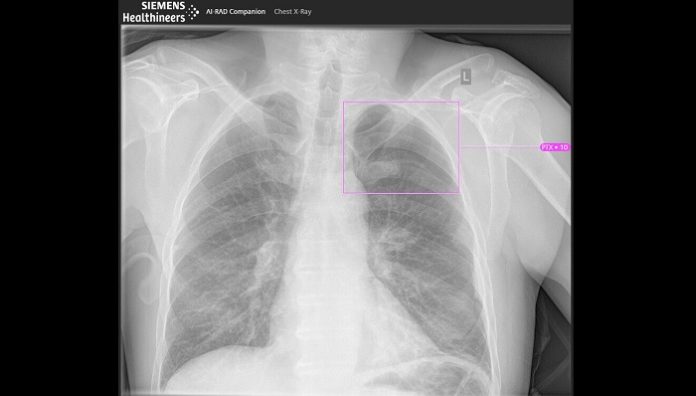
The new CE-labeled AI-Rad Companion Chest X-ray helps to detect radiographic findings on upright Chest X-ray images from multiple vendors2 and acts as a companion for the clinician. Its algorithms detect and characterize several findings in the lung and pleura such as pulmonary lesions, pneumothorax, pleural effusion, consolidation and atelectasis and indicate their probability with confidence scores.

AI-Rad Companion Chest X-ray supports the DICOM format and delivers PACS ready results while reading the original image. “AI-Rad Companion Chest X-ray is fully embedded in the reading workflow and the representation of outcomes is presented in a perfect manner. It delivers the right information in a short and crisp format.”, reports Dr. med. Karsten Ridder, MVZ Prof. Dr. Uhlenbrock und Partner, Dortmund, Germany.

AI-Rad Companion Organs RT3
AI-Rad Companion not only helps to improve diagnostic accuracy, it also supports in increasing efficiency in Radiation Therapy Planning. The new AI-Rad Companion Organs RT, CE-labelled, helps to handle the time-consuming manual contouring in multiple CT slice images, essential for Radiation Therapy Planning. Its AI algorithms help to achieve consistent high-quality contours through automated organs at risk contouring. “The use of AI-Rad Companion Organs RT makes our life easier. Especially the contouring of organs in the upper abdomen, leads to a noteworthy reduction of turnaround time.”, states Dr. Alexandros Papachristofilou at University Hospital Basel, Switzerland.

AI-Rad Companion Brain MR4 for morphometry analysis and AI-Rad Companion Prostate MR3 for biopsy support
AI-Rad Companion also assists in the interpretation of MR images of the brain. The assessment of different brain areas is not easy. The FDA cleared and CE-marked AI-Rad Companion Brain MR for morphometry analysis automatically segments different brain areas and quantifies each of their volumes. These results are compared to a normative database and can easily be assessed by the radiologist through a color-coded deviation map and a quantitative overview. “From a clinical point of view, deviation maps are the most relevant for us. We primarily focus on them to support clinical diagnosis of dementia subtypes based on imaging phenotypes”, highlights Dr. Máté Maros, University Medical Center, Mannheim, Germany. The AI-Rad Companion portfolio includes further offerings that use MRI images for AI-based image quantification. AI-Rad Companion Prostate MR for biopsy support automatically segments the prostate and allows the manual annotations of lesions, which can support in targeted biopsies under MRI and Ultrasound fusion imaging. Targeted, MRI-supported biopsies like this can make it easier for the urologist to detect significant prostate carcinomas and improve the quality of patient care.

AI-Rad Companion Chest-CT
The first member of the AI-Rad Companion family was launched in 2018. The AI-Rad Companion Chest CT offers a bundle of algorithms that help measure, highlight and segment relevant anatomies and abnormalities of thoracic CT images of the lung, heart, vertebrae and the aorta – all of them FDA-cleared and CE marked. The software automatically creates a standardized and quantitative report and sends its result to the reporting environment. “We processed 50 previously read studies as soon as we received AI-Rad Companion Chest CT. In 14 percent of the cases that were analyzed by the software, it delivered additional clinical valuable information that has not been noticed by the initial reading of the images”, states Dr. Ernesto Barrientos Manrique, Health Time Medica, Spain. “The findings in the remaining 86 percent of processed cases, were in line with the original reports submitted by our radiologists.”

All solutions in the AI-Rad Companion family are connected to the teamplay digital health platform. Applications in the cloud ensure that the customers’ clinical cases are processed in a secured and stable way. Moreover, customers easily receive the latest up-to-date algorithms via the platform and installation efforts are minimal.

Medtronic to acquire the French implant tech company Medicrea

Medtronic to acquire the French implant tech company Medicrea

Medtronic plc , a global leader in medical technology, and Medicrea, a pioneer in the transformation of spinal surgery through artificial intelligence, predictive modeling and patient specific implants, announced that they have entered into a tender offer agreement for the acquisition of all outstanding shares of Medicrea. The friendly voluntary all-cash tender offer will be at a price of €7.00 per Medicrea share. The Boards of Directors of both companies have unanimously approved the transaction.

This acquisition would strengthen Medtronic’s position as a global innovator in enabling technologies and solutions for spine surgery.

“Combining Medtronic’s innovative portfolio of spine implants, robotics, navigation, and 3D imaging technology with Medicrea’s capabilities and solutions in data analytics, artificial intelligence and personalized implants, would enhance Medtronic’s fully-integrated procedural solution for surgical planning and delivery. This marks another important step in furthering our commitment to improving outcomes in spine care,” said Jacob Paul, senior vice president and president of the Cranial & Spinal Technologies division, which is part of the Restorative Therapies Group at Medtronic. “Medtronic will become the first company to be able to offer an integrated solution including artificial intelligence driven surgical planning, personalized spinal implants and robotic assisted surgical delivery, which will significantly benefit our customers and their patients.”

Medicrea’s product portfolio includes MEDICREA® UNiD® ASI (Adaptive Spine Intelligence) designed to support surgeon workflow in pre-operative planning and create personalized implant solutions for surgery. The Medicrea solution is powered by predictive modeling and sophisticated algorithms that measure and digitally reconstruct the spine to its optimal profile.

“Spine surgery is one of the more complex procedures in healthcare because of the high number of different parameters to take into consideration. It is impossible for the human brain to compute all of them for one single patient,” said Denys Sournac, founder, chairman and CEO of Medicrea. “The medical world has been waiting for the arrival of customization in spinal surgery. With scientific progress in understanding sagittal balance and spinal injury, combined with the advent of new digital technologies, it is now possible to offer spinal patients entirely customized implants. We are thrilled to be joining forces with Medtronic because we share a similar mission to restore the long-term quality of life for patients. Now, together, we can help more patients in more places benefit from consistently high-quality surgical care.”

About Medicrea
Through the lens of predictive medicine, Medicrea leads the design, integrated manufacture, and distribution of more than 30 510(k) cleared implant technologies, utilized in over 175,000 spinal surgeries to date. Medicrea is a Small and Medium sized Enterprise (SME) with 175 employees worldwide, which includes 35 employees in New York, NY. The company has a modern manufacturing facility in Lyon, France housing the development and production of 3D-printed titanium patient-specific implants. By leveraging its proprietary software analysis tools with big data and machine learning technologies supported by an expansive collection of clinical and scientific data, Medicrea is well-placed to streamline the efficiency of spinal care, reducing procedural complications and limiting time spent in the operating room.

About Medtronic
Medtronic plc, headquartered in Dublin, Ireland, is among the world’s largest medical technology, services, and solutions companies – alleviating pain, restoring health, and extending life for millions of people around the world. Medtronic employs more than 90,000 people worldwide, serving physicians, hospitals, and patients in more than 150 countries. The company is focused on collaborating with stakeholders around the world to take healthcare Further, Together.

Translate »