




Close
Digital Health & Ai Innovation summit 2026
LiGHT26

Digital Twins Proving Its Worth in Customized Drugs & Beyond

Futuristic Healthcare Analysis

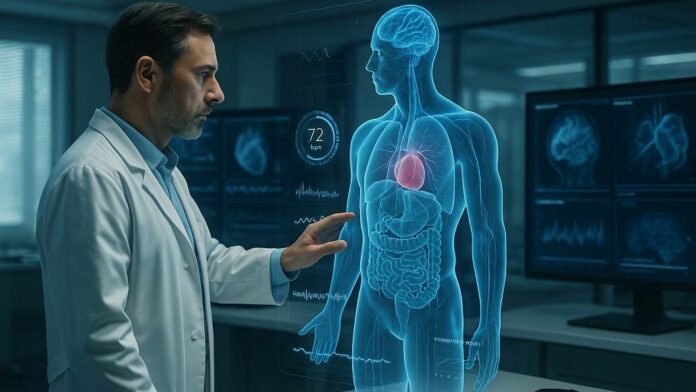
Digital twins are rapidly coming up as a very powerful tool when it comes to customized medicine and even beyond. In terms of healthcare, digital twins happen to serve as virtual representations as far as a patientโ€™s body, specific organs, body parts, and systems are concerned, mostly such as circulatory and nervous systems.

It is well to be noted that the functional modelling of the state along with the behavior of the body or its components happens to have the potential to go ahead and offer information when it comes to clinical as well as research applications. The objective is to in a way stimulate how an organ system, or even the whole body, happens to respond to the stimuli and along with it the circumstances in terms of clinical relevance to the patient, therefore driving effective conclusions that are very useful.

The fact is that these models can as well be predictive, descriptive, prescriptive, or even generative, thereby being capable enough to fill the missing or unavailable data. A major challenge is precisely replicating the physiological, physicochemical, and anatomical characteristics, and also, when required, psychological characteristics that are relevant to each specific use case.

It is well to be noted that coming up with clinically useful digital twins happens to depend on integrating diverse data sources, which happens to be a very technically intricate task. But when successful, it helps with a dynamic dialogue along with the model so as to assess its present state, anticipate evolution, and also stimulate responses to certain interventions like therapies.

It is absolutely significant so as to stress that digital twin simulations are customized to every individual patient; they do not represent a generic or archetypal patient, but the objective is to create a customized model that happens to cater to a particular individual. One instance isย the project led by the Spanish National Cancer Research Centerโ€”CNIO, which happens to be developing digital twins of women having advanced cancer by way of using artificial intelligence. Titled as high-definition oncology in womenโ€™s cancer, this initiative is part of precision medicine infrastructure associated with the science and technology program.

Apparently, these digital twins happen to consist of numerous layers of information, which are integrated within one single model that goes on to reflect reality for certain specific applications.

Within the aforementioned project, a wide array of data was incorporated within the digital twin models, which spanned tumor metabolism, gene as well as protein expression, physiological indicators like circadian rhythms, physical activity, and heart rate along with emotional well-being, as well as conventional clinical data right from diagnostics to treatment protocols.

It is worth noting that adding more such layers to the information happens to elevate the model’s complexity as well as precision, thereby helping with an incremental enhancement and at the same time going ahead and also expanding functionality. A very notable innovation within this case happens to be the biological clock model, which has been developed by CNIO and goes on to estimate the biological age of a patient. This can very help in the evaluation whether the biological age speeds up or slows, especially during a particular disease progression, thereby offering insights within the treatment effect. This may as well guide clinicians in terms of altering the treatment intensity and also, at the same time, modifying the therapeutic combinations as per the evolving biological state as far as the patient is concerned.

The layers of information that are used, along with their integration, happen to be a key aspect of every digital twin, thereby making sure that it not only operates but, at the same time, is clinically relevant too.

In several ways, digital twins happen to serve as maps both literally as well as figuratively. In the most direct sense, they can as well guide the planning when it comes to physical interventions like surgical procedures.

Wider Applications

Besides stimulating the effects when it comes to the therapies, digital twins can also model the natural progression when it comes to diseases and also support certain long-term care planning. They may help in predicting the onset of certain conditions, especially the ones that are related to hereditary diseases, wherein the risk factors are present; however, the symptoms are yet to appear.

Apparently, these models go on to offer valuable tools in terms of proactive risk prevention as well as management. When we talk about prevention, the capacity to present a robust, data-driven case, even if it is derived from certain simulations, can also help to persuade the patients and enhance the adherence to guidelines pertaining to preventiveย care.

Medical Device Integration

From a particular perspective, digital twins go on to resemble a very technologically driven crystal ball. Once it is refined, these models can as well enable the clinicians to go ahead and discover certain alternative therapeutic scenarios and along with it also pinpoint the most effective treatment strategy which is relevant and outcome-oriented. This goes ahead and helps in minimizing the dependence when it comes to the trial-and-error scenario and also enables with faster data-driven assistance in an environment that is very much controlled – A sort of clinical sandbox.

Apparently, a major area of synergy happens to lie between the medical devices and digital twins. Variable technologies, for example, can go ahead and even supply real time or periodic health which can dynamically update the digital twin of the patient. Conversely, digital twins can also elevate the medical device field by way of helping with optimisation of certain devices, configurations or even implant certain placements. Their integration within the body as well as potential physiological effects can get modeled as well as stimulated well in advance by enabling a more precise as well as customized intervention.

These models can also help to synthesize as well as manage massive volumes of intricate data. By way of serving as intelligent filters, they happen to decrease the cognitive load on clinicians, offer Very clear visualizations and simulations, which happen to support a more confident decision making specifically within intricate or uncertain clinical situations.

Consideration Based on Application and Regulations

Digital twins happen to hold immense promise throughout a wide array of medical applications, right from early diagnosis, prognosis, and even customized therapy selection to tracking of treatment and also relapse prevention. In fields like cardiology, neurology, and oncology, these models have already gone on to show a huge potential. Digital twins have been applied already across cardiology, neurology, and oncology. Stressing on Spain-based development, two of the recent advances which have been featured by Univadis Spain, which Is a Medscape network platform stand out โ€“ one happens to involve digital twins usage for research on the human brain in order to uncover mechanisms which are linked to psychosis remission and other one happens to demonstrate the usage of digital twins improvements within the diagnosis when it comes true ventricular contractions, which are premature.

It is well to be noted that while the field happens to be evolving very fast, it still remains within its early stages. Though the technical hurdles as well as regulatory complexities are anticipated, the long-term potential happens to be very significant. Digital twins can as well help with faster as well as safer evaluation when it comes to multiple treatment parts along with supporting virtual experimentation within a risk-free environment. One of the major challenges is clinical validation. Digital twins Have to be tested with theย real-world longitudinal data and also thereby have to demonstrate the anticipations and predictions offer added value as compared to the present clinical guidelines. Equally crucial happens to be the development of cross-border data infrastructure, which is interoperable and that enables capable, coordinated Adoption throughout the healthcare systems across the world.

The last and the most critical aspect to consider happens to be data privacy and ownership, as well as the ethical use of the digital twins. Beyond data, the fundamental questions arise on the digital twin models โ€“ who owns a personโ€™s digital twin, or are these models transferable, and if yes, under what conditions? It is well to be noted that the informed consent happens to be central in order to address these kinds of issues and at the same time also ensure that there happens to be a responsible use of digital twin technologies within the clinical practice.

The fact is that the usage of digital twins when we talk of clinical trials is already being discovered, and also taking the rightful shape and the potential happens to extend far beyond the medical training as well as patient education, especially when we talk of explaining therapeutic choices. As technology happens to evolve and which is indeed taking place at a very accelerated pace than one could imagine, the range in terms of future applications of digital twins continues to broaden and right so.

5 Top nurse staffing apps for medical facilities

5 Top nurse staffing apps

Healthcare staffing costs are escalating with no sign of letting up.

According to Precedence Research, the healthcare staffing market in the U.S. was valued at just under $20 billion in 2024 and is projected to double in value by 2034.

With a global nursing shortage straining workforce supply, facility administrators are understandably stressed as they walk a tight rope with their finance department on one side and their nursing staff on the other.

So, whatโ€™s that facility administrator supposed to do?

Listen to their finance team and lean hard on the nursing staff who are already frustrated, overworked, and burnt out?

Or, listen to their nursing staff and spend the money to boost numbers for better staffing ratios?

Hereโ€™s where nurse staffing apps offer healthcare staffing solutions that have the potential to appease both sides through cost-effective, on-demand nurse staffing.

At least, thatโ€™s what these apps claim. Weโ€™re here to take a look.

How do nurse staffing apps work?

Nurse staffing apps have digitized the process of sourcing clinicians for healthcare facilitiesโ€™ staffing needsโ€”no more endless paperwork, phone tag, or email chains.

When a medical facility has shift call outs, vacancies, or a staff member going on leave, it can turn to an app and find qualified nursing clinicians to cover the shifts.

The specific business model of these apps varies; they may employ their own talent pool of nursing clinicians and โ€œloanโ€ them out, operate as a marketplace where independent contractors can pick up PRN nursing jobs, or a hybrid of the two.

5 Best nurse staffing apps

Nurse staffing apps are pushing traditional staffing agencies out the door by transforming a cumbersome bureaucratic process into one thatโ€™s as easy as ordering take-out for supper.

Hereโ€™s an in-depth look at the top nurse staffing apps in the U.S. market today.

1. Nursa

The Nursa platform operates as an open marketplace for independent contractor nursing clinicians. It boasts a talent pool of over 300,000 clinicians nationwide and is currently active in 31 states.

Pricing model

This appโ€™s pricing model makes it unique from its competitors.

  • Transparency: There are no hidden fees or markups on the invoices. Facilities know exactly what they will pay for each shift when they schedule it.
  • Control: Data-driven pricing guidance is available, but facilities are in control of shift pricing.
  • Pay-as-you-go: Facilities only pay for completed shifts, no start-up fees, subscription fees, or minimum-use quotasโ€”and no contracts or hire-away fees either.

Key features

Nursaโ€™s features allow it to be leveraged strategically for solutions to different types of staffing problems.

  • Support: The app offers a suite of support services, including human chat support, a discussion forum, help center tutorials and guides, andโ€”best of allโ€”on-the-ground human support from regional teams.
  • Customization: Facilities are encouraged to create customized credential lists to screen applicants based on unit, license, or shift type.
  • Speed: Posted shifts are updated in real time, which means the turnaround time on filling shifts is often as quick as minutes.
  • Integration: Nursa can be integrated into a facilityโ€™s existing operating systems so that timekeeping and shift scheduling remain in one place.

Advantages and drawbacks

Unlike most on the list, this platform doesnโ€™t offer recruitment services for permanent in-house positions. Its primary function is for on-demand staffing. However, it does encourage facilities to build a โ€œFavoriteโ€ clinician list to automate scheduling, and it has an explicit โ€œno hire-away feesโ€ policy.

While it does have specialty nurses in the talent pool (medical-surgical, intensive care unit, telemetry, etc.), highly specialized candidates may be sparse.

The appโ€™s responsiveness is a significant advantage, with facilities often leveraging it to fill last-minute and weekend call outs. Without contracts or minimum quotas, the flexibility this app offers allows facilities to tailor their staff rosters to align directly with changing needs. In essence, facilities use Nursa when they need itโ€”and then donโ€™t when they donโ€™t.

2. Clipboard Health

This app operates as a platform bringing together facilities, clinicians, and allied healthcare workers.

Pricing model

Pricing for Clipboard Health is as follows:

  • Shift charge rate: This is the amount that facilities pay for shifts booked with the app. It can be adjusted by facilities based on what they are willing to pay.
  • Extra time pay: For an additional fee, facilities can boost the clinicianโ€™s pay rate on shifts as an incentive.

Key features

Clipboard Health has a few unique features distinguishing it from its competitors.

  • Negotiation: The app allows clinicians and facilities to negotiate the shift pay rate.
  • Geo-tracking: The app supports live tracking of contracted professionals for work time transparency.
  • Automatic reposting: The app automatically reposts the shift if there is a last-minute cancellation.

Advantages and drawbacks

Perhaps the strongest feature of this staffing app is that it sources more than nursing clinicians. Facilities can also use it to staff physical therapists, janitors, cooks, and other allied healthcare workers.

The ability to negotiate pay rates between facilities and clinicians is touted as a key featureโ€”and it likely is for cliniciansโ€”but it may drag out scheduling efforts if facilities get caught in a back-and-forth. Additionally, itโ€™s unclear if a facility has to pay additional fees if it agrees to increase the shift pay rate after a negotiation.

3. IntelyCare

IntelyCare is currently active in 14 states. It offers long-term and permanent placements for nursing clinicians, as well as travel nursing and short-term, per diem contracts.

Pricing model

This platform operates on a subscription-based model whereby facilities can select one of four packages.

  • $299 monthly: Includes a four-day free trial, one job posting slot, and unlimited job swaps
  • $558 monthly: Includes a four-day free trial, two job posting slots, unlimited swaps, and a featured employer title
  • $750 monthly: Includes a four-day free trial, three job posting slots, unlimited swaps, a featured employer title, and distribution to third parties
  • Custom pricing: Offers a โ€œlarger job volume,โ€ preferred subscription pricing, a dedicated account manager, custom branding, and priority support

Itโ€™s unclear whether the monthly subscription fee covers the actual clinician pay rate for their work, or if that constitutes an additional cost.

Key features

IntelyCareโ€™s features include the following:

  • Short-term staffing options: Per diem contracts, block booking, and set schedules for local clinicians are offered.
  • Hiring: The platform boasts the largest nursing job board and offers AI matching and a talent pool that includes specialized nurses.
  • Education: It offers post-acute training education accredited by the American Nurses Credentialing Center (ANCC).

Advantages and drawbacks

This platform offers a broad selection of tools and services for healthcare staffing, making it attractive to facilities that have a variety of staffing needs.

Although it offers short-term staffing services, the platform seems more focused on long-term and permanent placements, as indicated by its pricing packages. This focus makes it less adaptable for urgent or emergency staffing needs.

The accredited education courses offer a valuable resource for clinicians, but whether or not facilities can directly benefit from this service is dependent on unique, situational factors.

4. SnapCare

This staffing platform offers tools to optimize the scheduling of internal staff and source per diem clinicians to fill remaining gaps.

Pricing model

According to SnapCareโ€™s Transparent Pricing Promise in a PR Newswire press release from January 2024, invoices disclose the following:

  • Clinician pay rates
  • Travel costs
  • A standard burden pay rate (covering clinician benefits and payroll taxes)

Facilities may see additional fees for recruiting, credentialing, and employing clinicians.

Pricing for the Incite Workforce Solutions and Managed Services features was not mentioned in the press release and is not detailed on the site.

Key features

SnapCareโ€™s key features include the following:

  • Booker: This feature optimizes scheduling by analyzing census trends and internal staff preferences and making projections for contingent staffing needs.
  • Managed Services: This feature handles vetting, invoicing, and shift coordination to reduce administrative burden.
  • Incite Workforce Solutions: This service is offered through a partnership with Incite Strategic Partners. It prioritizes internal staff strengthening and recruitment and provides tailored workforce analytics.

Advantages and drawbacks

SnapCare focuses on strengthening internal staff rosters, with contingent staffing utilized as a stop-gap. With a strong focus on recruitment and reducing administrative burden, this platform may be an attractive option for facilities struggling with turnover.

However, pricing for the additional tools and services may make it financially challenging for facilities to leverage SnapCare to its fullest potential.

5. Nurse IO

Nurse IO X is the staffing tool set created by the healthcare staffing company Nurse IO. Nurse IO operates in seven states, with its headquarters in Arizona.

Pricing model

The pricing model for Nurse IO X involves the following:

  • Invoices show facilities the clinician rate plus a flat rate agency fee.
  • The platform guarantees to reduce facility healthcare staffing spending by 25 percent.

Key features

Nurse IO X boasts four key features:

  • Crunch: This feature projects facility spending for accurate budgeting when using the app.
  • Ella: Facilities can send an SMS to the AI scheduling assistant when a shift needs to be filled.
  • Pick: This AI-powered shift management system helps facilities manage their talent pool.
  • Tag: This tool tracks clinician time on the floor for precise billing.

Advantages and drawbacks

This app stands as the only one on the list that guarantees quantifiable savings for facilities, although how it calculates and then delivers on that promise is not specified.

The โ€œTagโ€ feature for on-demand worker time tracking may be attractive to facilities concerned about worker productivity, and the โ€œCrunchโ€ feature may be a useful tool for budgeting.

Nurse IO X leans fully into AI-powered tools for streamlined processing, but itโ€™s uncertain how much human input and support this platform provides.

Make smart investments in technological staffing solutions

Healthcare staffing needs have become more complex for facilities to manage, so itโ€™s unsurprising that tech-enabled solutions like nurse staffing software and apps have evolved to improve upon the traditional staffing agency business model in response.

Facility administrators can balance cost-efficiency without sacrificing staff quality or patient care when they leverage on-demand staffing to bolster staffing ratios and relieve their overworked clinicians.

Better yet, administrators donโ€™t have to wait to get to the office to do so. With these nurse staffing apps, a few taps on the phone can serve up a solutionโ€”some within minutes.

Connected Health in the US Overcoming Health Challenges

Connected Health in the US Overcoming Health Challenges

It is well to be noted that the intersection when it comes to digital technology along with healthcare fundamentally restructures how care gets delivered, managed, and experienced within the United States. Connected health in the US which has in it telehealth, telemedicine, digital health, mhealth, and ehealth, has become a very necessary part in order to address the challenges of the nation, which are an aging population, rising expenditures, chronic disease prevalence, and consistent health disparities. Apparently, the US digital health market, which was valued at almost $81 billion in 2023, is all set to see a surge at a CAGR of almost 20% all through 2030, thereby reflecting the fast adoption as well as investment within these technologies.

The Urgency for Connected Health in the US

Ongoing expenditure along with demographic pressuresย 

  • It is well to be noted that US healthcare spending is anticipated to reach almost $5 trillion by 2025. It is primarily due to chronic diseases as well as an aging population.
  • Chronic conditions comprise 70 to 90% of the total health spending within the United States, thereby strengthening the hospitals, public programs, and also primary care.
  • Workforceย shortages, along with health inequities, go onย to further intensify the requirement in terms ofย efficient solutions and also the ones that are also scalable.

Digital technology and its promise

  • The growth when it comes to smartphones, health applications, and wearables has all made health information, along with tracking tools, broadly accessible. More than two-thirds of the Americans own smartphones, and almost 37% of adults made use of telemedicine in 2021.
  • It is worth noting that COVID-19 dramatically accelerated digital adoption, with telehealth visits as well as remote tracking becoming mainstream.

Transformation of patient engagement along with empowerment

Education & Self-Management

  • Apparently, digital tools go on to empower patients to access their information, get in touch with peers, and also manage their chronic issues. Applications such as PatientsLikeMe and Noom go on to support lifestyle changes and also research participation.
  • Interestingly, online communities, along with patient portals, have also become very important as far as engagement and transparency are concerned.

Remote tracking as well as treatment adherence

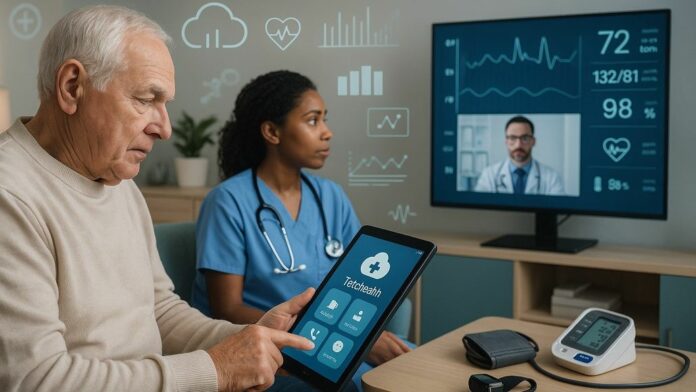
  • Remote patient tracking is broadly made use of when it comes to chronic disease management, cancer care, COPD, asthma, and also senior care by helping patients to remain at home while the clinicians track their health.
  • Automated reminders, along with medication tracking applications, enhance adherence as well as decrease hospitalization rates.

Mental health along with digital support

  • Behavioral platforms, which are virtual like ConcertHealth,ย go on to integrate the digital mental health services along with primary care, thereby broadening the accessย and also elevating the outcomes.
  • Peer support and also online therapy applications decrease the stigma and reach out to the underserved populations.

Revolutionizing the healthcare delivery

Provider roles and workflows โ€“ redefinedย 

  • Digital adoption happens to be reshaping the provider workflows with AI-powered tools along with process automation, decreasing the administrative burden and also, in some cases, clinician burnout.
  • Telehealth, along with digital triage, makespatient access and care coordination seamless, thereby enabling the providers to stress intricate cases.

Elevating care within home as well as community settings

  • It is worth noting that RPM, along with telemedicine, helps more care to get delivered at home, thereby decreasing any unnecessary hospitalizations and also supporting the aging-in-place preferences when it comes to seniors.
  • Hospital at Home programs such as AH-HaH by Atrium Health mix in-person as well as virtual care, thereby enhancing the outcomes and decreasing the expenditures.

Community as well as hospital integration

  • Hospitals make use of digital observation systems as well as AI analytics in order to enhance patient safety and also resource management.
  • Mobile health workers, who are equipped with digital tools, raise the productivity and help with more proactive as well as preventive care.

Policy, regulation, and strategic initiatives in the US

Federal along with state leadership

  • Interoperability, patient access, and digital infrastructure modernization all happen to be driven by the Centers for Medicare & Medicaid Services (CMS) as well as the Office of the National Coordinator for Health IT (ONC).
  • FDA has also gone on to establish a digital health advisory committee in order to address the rising technologies like wearables and artificial intelligence, along with digital therapeutics.
  • States are also going ahead and enacting health data privacy laws, thereby expanding the protection that goes beyond HIPAA in order to cover health data from various applications as well as wearables.
  • Pandemic-era telehealth expansion has also led to advocacy when it comes to permanent Medicare coverage as well as regulatory clarity in terms of remote prescribing along with reimbursement.

Industry collaborations

  • Technology giants like Google and Apple, as well as pharma companies, are investing in various digital health initiatives and launching platforms for health monitoring, patient engagement, and research.

Innovation and transformation โ€“ what lies ahead?

Technologies that are emerging

  • IoT and 5G – They happen to be powering real-time, robotic surgery, remote diagnostics, as well as continuous patient tracking.
  • AI, along with predictive analytics – It is used for early diagnosis, customized care, and even operational efficiency.
  • Digital clinical trials – Appleโ€™s research kit goes on to accelerate the research and broaden the participation.
  • 3D bioprinting along with smart implants – Helping with customized medicine as well as advanced prosthetics.

Value-based care, which is patient-centric

  • The transition from reactive and episodic care to continuous, proactive, and customized health management happens to be central to the US healthcare transformation.
  • The fact is that value-based models are actually incentivizing the digital tools so as to enhance the outcomes and decrease the costs.

Let us be clear โ€“ Connected health in the US happens to be revolutionizing its healthcare by way of expanding access, helping proactive and data-driven care, and also empowering patients. While the issues remain in terms of privacy, interoperability, and equitable access, the ongoing policy initiatives along with technological innovation as well as industry collaboration are indeed driving the sector towards being more patient-centered and effective and also getting to a future that is sustainable.

Medtech Startup Raises $35M in Pulsed Field Ablation

Medtech Startup Raises $35M in Pulsed Field Ablation

Field Medical by Steven Mickelsen has gone on to raise yet another $35 million in investment in order to advanceย the preparations for its very important trial that studies pulsed field ablation in order to treat ventricular tachycardia.

It is worth noting that the series B financing round happened to be led by BioStar Capital as well as Cue Growth and also saw participation from the present strategic investors.

Significantly, Mickelsen happens to be the electrophysiologist who invented the Farapulse PFA system, which is now helping change how atrial fibrillation gets treated and also driving fast growth when it comes to Boston Scientific. It is well to be noted that after Boston Scientific went on to acquire Farapulse, Mickelsen founded Field Medical in 2022 in order to focus on pulsed field ablation approach development when it comes to ventricular tachycardia, which is an irregular heart rhythm that can lead to sudden death.

Apparently, physicians have gone on to embrace pulsed field ablation so as to treat AFib, which is a common arrhythmiaย that raises the risk of stroke, ever since Medtronic and Boston Scientific brought in the first system to the market in the US sometime in late 2023 and early 2024.

This technology goes on to offer a potentially safer option to ablate the cardiac tissue, which is the root cause of abnormal heart rhythm, by decreasing the risk of harm to the esophagus, and it can also be a faster procedure as compared to the traditional ablation methods. Interestingly, Johnson & Johnson also happens to sell a pulsed field ablation device, while Abbott anticipates the Food and Drug Administration to give its Volt system approval in 2026. Based in Californiaโ€™s Cardiff by the Sea, Field Medical is looking forward to expanding its treatment choices for patients who happen to have ventricular tachycardia by designing a PFA system, which targets this condition.

According to Mickelsen, who is the CEO of Field Medical, ventricular tachycardia happens to be among the most underrated segments when it comes to electrophysiology; still, physicians lack the tools that they require. What is really exciting, according to him, is how VT happens to be mirroring the early days of the AFib market.

As a matter of fact, the existing technology does not meet the present clinical demand, as per the company.

According to the physician and the founder as well as the senior managing director of BioStar Capital, Louis Cannon, the fact isย that Field Medicalโ€™s technology happens to be doing what few companies donโ€™t do – tackling one of the most challenging and under-addressed issues within cardiology with real urgency as well as innovation. The physician-led team happens to bring the right insight, and their FieldForce platform puts forth the right tools. He added that they are indeed proud to support this next chapter as they move much closer to transforming VT care.

It is well to be noted that the latest financing of the company follows a $40 million round in April 2025, bringing the total funds that have been reached to date to $75 million. Apparently, the new funds are going to support the start of the very important Veritas Trial, which will further the development when it comes to the FieldForceย system and also broadenย the clinical and regulatory capacities of the company.

Embedding Precious Metal Materials in Medical Devices

Embedding Precious Metal Materials in Medical Devices

Applying radiopaque materials within the parts of medical devices may help support clinicians to precisely position as well as operate those devices that are under x-ray guidance during endovascular catheter processes.

Medical device design engineers may as well face a lot of issues designing such devices. However, when it comes to the field of functional materials for medical devices, there are only a limited number of materials that offer high x-ray opacity, says the section manager of the sales department at Tanaka Precious Metal Technologies, Yusuke Minagawa. Hence, they do recognize the rising requirement when it comes to the development of new materials so as to attain a further performance enhancement.

According to Minagawa, materials that contain precious materials happen to be considered to hold unmatched potential due to their addressing of these challenges. Making use of precious materials like platinum and gold within medical devices enables those devices to be visible through x-rays. All thanks to their relatively high specific gravity along with excellent radiopacity.

In order to meet these challenges, Tanaka has launched its Visiย Fine series of highly radiopaque, precious metal materials, which includes platinum alloy wire. Minagawaย further adds that apart from achieving the x-ray opacity, applying the inherent properties when it comes to precious materials like oxidation along with corrosion resistance in medical components is considered a very valuable approach. This helps in preventing performance degradation when it comes to medical materials and also decreases the potential effect on the human body.

It is well to be noted that Tanaka tapped into its very broad history when it comes to precious materials while revising this particular solution for medical devices. Minagawaย says that with a 140-year legacy, their company happens to possess advanced material processing capacities, which are backed by extensive expertise along with technical know-how in terms of precious metal development as a specialized manufacturer. Given that their materials get used with components for medical devices that are implanted within the human body, they make sure of dependability by designing every aspect right from raw materials to processing steps in order to meet the strict demands of medical applications.

He continues that the Visi Fine series makes utmost use of the long-standing expertise of Tanaka when it comes to precious metal materials development. Its major strength happens to lie in the capacity to personalize materials by way of using proprietary technologies, which include ultrafine wire processing, multiple melting techniques, and also laser machining.

Resistance when it comes to oxidation along with corrosion happens to be the major medical device requirement. According to Minagawa, it is a known fact that exposure to bodily fluids like blood can lead to corrosion, which may as well result in the degradation as far as the performance of medical device components is concerned. This can also potentially affect the human body. Oxidation along with corrosion resistance happens to be the fundamental trait of any precious metal, thereby making them well suited in terms of being the right materials for medical components.

It is well to be noted that the Visi Fine series can be very well incorporated in the form of coils for usage in embolization coils as well as guidewires. When it comes to catheters, they can very well be used as coil markers, and for stents as part of the braided structure.

Minagawa happens to explain that while Tanaka does not design medical devices, they do believe that a very in-depth discussion with regard to the properties of their precious metal materials along with their applicable forms can very well lead to solutions that are effective and that meet the stringent and specific requirements. Their objective happens to be supporting the medical device and also the component manufacturers by way of expertise within material development along with processing.

NHS to Come Up with AI-Enabled Early Warning Systems

NHS to Come Up with AI Enabled Early Warning Systems

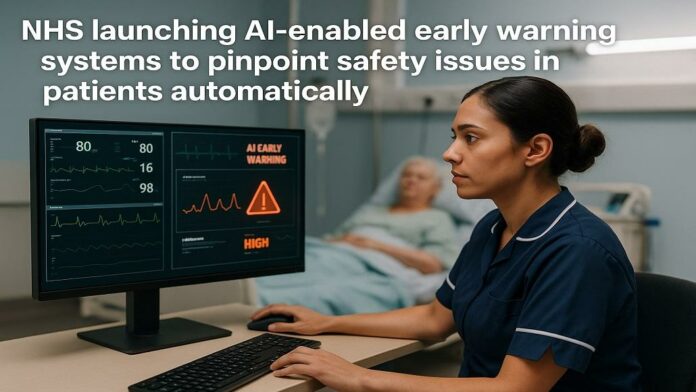
The National Health System โ€“ NHS has gone on to announce that it is coming up with new AI-enabled early warning systems, which is aimed at identifying safety issues automatically much before they affect the safety of the patient.

This initiative happens to be a part of the assurance from the health and social care secretary in order to reform health and care regulation, strike out poor performance, and make sure that patients get safe and high-quality care. Apparently, the AI technology is going to scan the NHS system to bring safety issues to light much earlier, and that too in real time, and also trigger earlier inspections.

It is well to be noted that the government has already said that patients are going to likely benefit when it comes to safer treatment because of faster identification of issues in care and also greater quality assurance in terms of data.

Interestingly, the government has already announced that work on the system has started, and a new maternity outcomes signal system is most likely to have a scheduled launch throughout the NHS in November 2025. Notably, the system is going to make use of real-time data so as to flag any higher-than-anticipated birth rates, brain injury, or neonatal death.

When it comes into play, the system is going to evaluate the databases of hospitals so as to identify patterns in terms of serious injuries, abuse, death, or even other incidents that can slip through the lacunae, thereby causing harm and preventing the hospitals from running in a safe way.

When the problems crop up, the Care Quality Commission is going to then roll out specialist inspection teams in order to investigate and take necessary action. In a statement, the secretary of state for health and social care with NHS, Wes Streeting, said that while most of the treatment within the NHS happened to be safe, even a singular lapse that puts a patient in danger is one too many. Behind every safety breach happens to be a person, a life that gets altered, and a family that gets devastated, sometimes due to heartbreaking loss. He went on to add that patient safety, along with power, is at the heart of their 10-year health plan. By way of considering AI and also introducing world-first early warning systems, they are going to spot certain dangerous signs much sooner and also come up with fast inspections before the harm even occurs.

It is well to be noted that this new system comes in the wake of the commitment to an accelerated national investigation by the government within NHS maternity and neonatal services in order to provide accountability and truth to the families that have been impacted and also drive enhancement when it comes to care and safety.

According to the co-national medical director for secondary care at the NHS, Meghana Pandit, the NHS in England is going to be the first country in the world to trial AI-enabled early warning systems in order to flag patient safety issues, which are going to rapidly evaluate certain routine data and reports that are submitted by healthcare staff from community settings.

This move is indeed going to speed up the efficiency with which one can identify patient safety concerns and also enable them to respond rapidly so as to enhance the care of patients.

Whatโ€™s the larger trend?

Robert F. Kennedy Jr., the Department of Health and Human Services secretary in the US, happened to tell a House Appropriations Committee that he intends to do more with less and with the help of artificial intelligence. He said that the AI revolution has arrived and they are already making use of it in new technologies in order to manage healthcare data in a much more secure and efficient way.

He further added that he is indeed looking to transform the department into a central hub for artificial intelligence.

It is well to be noted that in May 2025, Bangkok Hospital in Thailand went on to announce an initiative that was also focused on the safety of the patient. It unleashed an AI-powered smart mirror to screen vital signs. The private hospital has also partnered with Access Company in order to install a self-service kiosk that performs a 45-second contactless facial scan in order to evaluate vital signs.

These vital signs include respiratory rate, blood pressure, heart rate, oxygen saturation, atrial fibrillation, heart rate variability, wellness indices, and stress levels. In April 2025, Asan Medical Center in South Korea went on to develop a voice-based clinical documentation system, which was powered by a large language model. Apparently, this system automatically records and evaluates conversations, which include identifying the symptoms and also classifying the diseases between and among the staff as well as patients in almost real time. In addition to this, it also goes on to create medical records of the patient on the spot, which are then automatically saved to AMIS 3.0, which is Asan Medical Centerโ€™s EMR system.

Notably, an Austrian company made in 2024 went on to introduce a module in terms of its medical management platform, which happens to notify the families of aged care residents of the changes when it comes to their medications. This module was named Bestmed Connect.

This module, which happens to be developed as part of a federal government project, offers almost real-time notifications when it comes to medications that are prescribed for the first time or altered or even discontinued.

It also automates the familyโ€™s consent confirmation when it comes to prescribing psychotropic medication. This was a process that was in the past done manually. It is well to be noted that Bestmed anticipates the module to enable avoiding medication errors, which cause permanent disability or even death to every one in five hospitalized residents.

In 2024 itself, an anesthesiology professor at the Medical College of Wisconsin and also past president of the American Medical Association, Dr. Jesse M. Ehrenfeld, spoke about how AI can unleash the yesteryearโ€™s hidden but crucial information in patient records so as to offer an enhancedย treatment.

Enhancing Robotic Surgery Precision: Millisecond Challenge

Enhancing Robotic Surgery

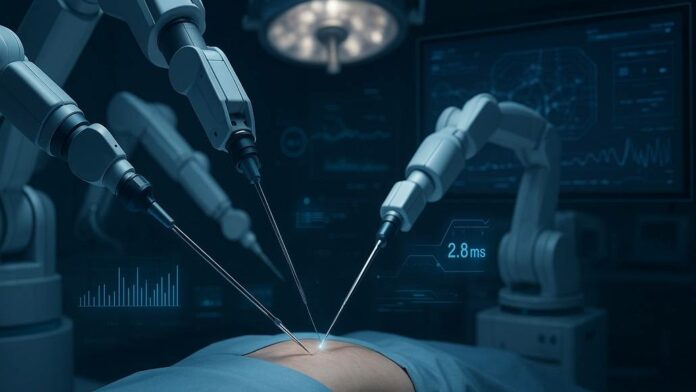
In the high-stakes world of surgical robotics, every millisecond counts. As robotic systems become more important in operating rooms, it is more important than ever to have advanced software that makes sure surgeons can control the robots precisely and communicate with them easily. This is important for reducing trauma and speeding up patient recovery.

A QNX study backs up this change by showing that 77% of technology leaders now trust robots to โ€œperform essential workplace functions.โ€ The two biggest reasons for this trust are improvements in safety and risk reduction (42%) and proven reliability and performance (40%). These aren’t just numbers; they’re the keys to a successful surgery.

Milliseconds are important

Imagine a robot end-effector moving around a group of important nerves. A delay of 100 milliseconds, which is less than the time it takes to blink, can cause damage that can’t be fixed. The millisecond challenge is to build systems that can respond in real time with perfect accuracy, even when things are at their most difficult.

To meet this challenge, surgical robots need to be tested in real-world situations that are always changing, like when a patient moves or a tool is moved, to make sure the system can adapt and respond quickly. In robotic surgery, every part of the system, from camera feeds to haptic responses, needs to be set up so that it works almost instantly. This lets surgeons work with confidence and accuracy.

Seamless hardware-software synchronization

Speed isn’t the only thing that matters in robotic surgery. It’s all about timing. For results to be reliable and consistent, hardware and software must work together perfectly. Integrated GPUs are very important because they allow for real-time processing of ultra-high-definition 3D visuals, which is necessary for surgeons to see clearly when doing complicated procedures.

It is also important for data to flow smoothly between subsystems. When haptic and visual systems are set up for high throughput, they give instant feedback. This smooth integration is what turns robotic systems from tools into trusted partners in surgery.

Why low latency and jitter are important

Latency (the time it takes for an input to be processed) and jitter (the difference in that time) are very important for surgical robots. A system that responds quickly but not always can be just as dangerous as one that is slow.

Systems need to keep their latency and jitter very low to make sure they are accurate and responsive. To reduce timing-related risks and make sure real-time performance, this needs very effective ways to handle interrupts. The most important thing to do with signals like changes in tool position or sensor alerts is to act on them right away. Setting up time-triggered task scheduling cuts down on jitter even more, making sure that all feedback loops work with consistent and predictable timing.

To build trust with patients, these technical improvements are needed. The QNX study shows that 70% of tech executives are fine with working with robots, but only 51% trust them to do medical procedures. To close this gap, we will need not only new technologies but also proof that they work consistently in the real world.

RTOS: The heart of surgical robots

The real-time operating system (RTOS) is like the conductor of this orchestra, making sure that sensors, actuators, and surgical interfaces all work together perfectly and that every part works with microsecond-level accuracy.

An RTOS like QNX OS 8.0 isn’t just about running multiple tasks at the same time; it’s also about making sure that each task is done with the highest level of precision, accuracy, and speed. The RTOS needs to be carefully set up so that it works well with the hardware and end-user applications, handling many high-priority tasks at the same time with as little latency and jitter as possible.

Reliability and scalability

As surgical robotics gets better, systems need to be made to handle not only the problems of today but also the new ideas of tomorrow. It’s important that things can grow and are reliable. Modular system design makes it easy to add new technologies like AI and machine learning to surgical applications as they become available.

New Plastic Design Prevents Biofilm Formation on Devices

New Plastic Design Prevents

Researchers have found that bacterial cells can be tricked into producing a lubricant that prevents them from adhering to a plastic medical device by the presence of patterned grooves on the device’s surface.

Adding antimicrobials to the materials is a popular way to stop biofilm formation on devices, which shields bacteria from the body’s natural defences against infection of plastic medical devices. The emergence of bacterial resistance to antibiotics is one of its disadvantages, though. According to recent studies, adding surface patterns that resemble a maze can significantly lower bacteria’s capacity to grow on plastics, preventing infections from plastic-based medical devices like breathing tubes and catheters.

Bacterial cells lose their capacity to form biofilms when they come into contact with patterned grooves on a surface, according to a study published in Nature Communications. The body’s immune system is triggered to eliminate any existing bacteria, and the infection is successfully stopped before it has a chance to spread.

In order to find patterns that best inhibit the biofilm formation on devices, researchers at the University of Nottingham in the United Kingdom screened over 2000 designs in a variety of plastics, including polyurethane. They found that the bacterial cells were lured into creating a lubricant that prevents them from adhering to the plastic surface by tiny fissures in the raised patterns. This, in turn, prevents the formation of biofilms and facilitates the removal of the infecting bacteria by the host’s immune defence cells, thereby preventing infection.

Catheter landscaping

Professor Paul Williams from the School of Life Sciences at the University of Nottingham and an expert in molecular microbiology, who led the research, said, โ€œPrevious research has shown that introducing antibiotics to medical devices has flaws, such as driving the development of antibiotic resistance. Our study took this idea one step further as we wanted to find out if we could create a simple landscape on a catheter, made of the same material that bacteria didnโ€™t like and couldnโ€™t form biofilms on.

โ€œWe tested different species of bacteria on over 2000 different shapes. We had to use machine learning to figure out which of these shapes was best at preventing biofilms forming. We then looked at why certain bacteria didnโ€™t like this surface.โ€

Reduced barrier to commercial application

Professor Morgan Alexander from the universityโ€™s School of Pharmacy, who participated in the study, noted the economic benefits of this technology. โ€œUsing physically patterned surfaces has the advantage over coating approaches that it can be applied to existing device materials, reducing the barrier to commercial application. Our discovery could save the [UKโ€™s National Health Service] a lot of money,” said Alexander.

Vodafone Qatar Partners to Enhance Healthcare Innovation

Vodafone Qatar Partners

Vodafone Qatar, The View Hospital and the Korean Medical Centre (KMC) have signed a memorandum of understanding (MoU) to work together, provide healthcare executives greater power, and improve health and wellness initiatives throughout Qatar.

The MoU was signed by Baran Yurdagul, Chief Operating Officer of Vodafone Qatar, and Dr. Fatih Mehmet Gul, Chief Executive Officer of The View Hospital and KMC.

The MoU sweeps quite a canvas when it comes to collaborative work, including shared employee engagement activities like workshops and internal awareness campaigns.

Vodafone Qatar will assist the partnership through secure, data-led healthcare innovation through its advanced 5G connectivity, Internet of Things (IoT) offerings, and cloud technology.

These technologies will support intelligent systems expansion, enable easier remote monitoring of patients in real time, enhance coordinated care, resulting in improved patient outcomes, more streamlined operations, and more healthcare innovation.

The View Hospital and KMC, as part of this transaction, will also explore offering Vodafone Qatar staff special discounts on products and services.

Baran Yurdagul, COO at Vodafone Qatar commented, โ€œVodafone Qatar is committed to innovation, technological development, and enabling Qatarโ€™s digital transformation, in line with the Qatar National Vision 2030. Our partnership with The View Hospital and KMC will deliver mutual value by enhancing employee wellbeing and driving the advancement of healthcare excellence in Qatar. Together, we are excited to explore and create new avenues for growth, with a shared commitment to support wellness and healthy lifestyles in Qatar.โ€

Dr. Fatih Mehmet Gul, Chief Executive Officer of The View Hospital, commented: โ€œAt The View Hospital and Korean Medical Center, we believe that meaningful partnerships are key to shaping the future of healthcare. Our collaboration with Vodafone Qatar represents a shared vision to integrate innovation, connectivity, and compassion in delivering exceptional patient care.โ€

Real-Time Health Monitoring Systems: Market Insights

Real Time Health Monitoring

Real-Time Health Monitoring System Market Size, Share, Trends, Analysis, and Forecast (2025-2034)

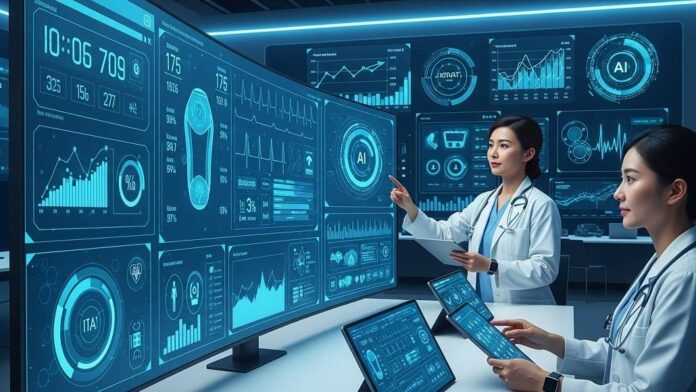
The healthcare industry is experiencing a significant transformation, propelled by innovative technologies and a growing emphasis on patient-centric care. Among these advancements, real-time health monitoring systems have emerged as pivotal tools that facilitate continuous observation of patients’ health parameters, enabling timely interventions and enhancing overall healthcare outcomes. This report explores the real-time health monitoring system market’s size, share, trends, analysis, and forecast for the period 2025 to 2034, shedding light on the dynamics that are shaping this rapidly evolving sector.

Market Overview

The global real-time health monitoring system market is poised for substantial growth over the next decade. Factors such as the increasing prevalence of chronic diseases, growing geriatric population, and rising healthcare expenditure are driving the demand for advanced health monitoring solutions. Furthermore, the integration of wearable technologies and the Internet of Things (IoT) into healthcare is revolutionizing patient monitoring, enabling healthcare providers to deliver more efficient and effective care.

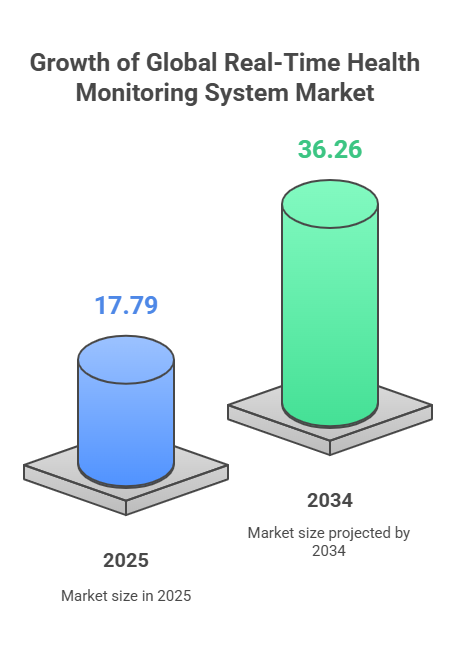
According to industry estimates, the Global Real-Time Health Monitoring System Market Size is valued at USD 17.79 Billion in 2025. Worldwide sales of the Real-Time Health Monitoring System Market are expected to grow at a significant CAGR of 10.7%, reaching USD 36.26 Billion by the end of the forecast period in 2034. This growth trajectory reflects the burgeoning demand for continuous health monitoring solutions that enhance patient engagement and improve clinical outcomes.

Key Drivers of Market Growth

Several factors are driving the expansion of the real-time health monitoring system market:

1. Increasing Prevalence of Chronic Diseases

Chronic diseases such as diabetes, hypertension, and cardiovascular disorders are on the rise globally. According to the World Health Organization (WHO), chronic diseases account for 71% of all deaths worldwide. The need for continuous monitoring of patients with chronic conditions is becoming increasingly vital to prevent complications and readmissions. Real-time health monitoring systems enable healthcare providers to track patients’ vital signs, medication adherence, and lifestyle factors, facilitating proactive management of chronic ailments.

2. Technological Advancements

The rapid advancement of technology, particularly in wearable devices and IoT applications, is transforming the landscape of health monitoring. Wearable devices such as smartwatches, fitness trackers, and medical-grade sensors allow patients to monitor their health parameters in real time. These devices are equipped with advanced sensors that can measure heart rate, blood pressure, glucose levels, and more, providing healthcare professionals with valuable data for diagnostic and treatment purposes.

3. Focus on Patient-Centric Care

The healthcare industry is shifting towards a patient-centric approach, emphasizing personalized care and improved patient engagement. Real-time health monitoring systems empower patients to take an active role in managing their health. With access to real-time data, patients can make informed decisions, adhere to treatment plans, and communicate effectively with their healthcare providers. This shift towards patient empowerment is driving the adoption of health monitoring solutions across healthcare settings.

4. Rising Healthcare Expenditure

Increased healthcare spending is a significant driver of market growth. Governments and private sectors are investing in healthcare infrastructure and technology to improve service delivery and patient outcomes. The integration of real-time health monitoring systems into healthcare facilities is recognized as a means to enhance efficiency, reduce costs associated with hospitalizations, and improve overall patient satisfaction.

Competitive Landscape

The competitive landscape of the real-time health monitoring system market is characterized by the presence of several key players that are actively engaged in developing innovative solutions. Companies such as Philips Healthcare, GE Healthcare, Medtronic, Siemens Healthineers, and Fitbit are at the forefront of this market, continuously enhancing their product offerings to meet the evolving needs of healthcare providers and patients.

Trends Shaping the Market

Several trends are influencing the trajectory of the real-time health monitoring system market:

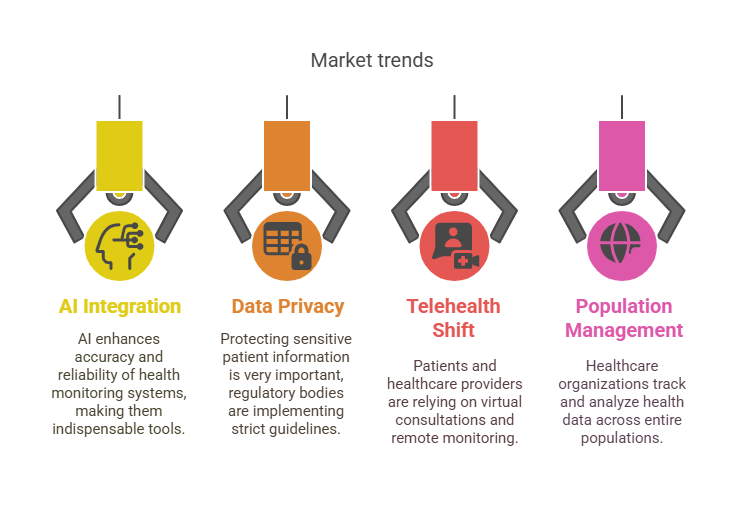
1. Integration of Artificial Intelligence

Artificial intelligence (AI) is playing a transformative role in health monitoring systems. AI algorithms analyze vast amounts of patient data to identify patterns, predict potential health issues, and facilitate early interventions. The incorporation of AI enhances the accuracy and reliability of health monitoring systems, making them indispensable tools for healthcare providers.

2. Emphasis on Data Privacy and Security

As the adoption of real-time health monitoring systems increases, so does the importance of data privacy and security. Stakeholders in the healthcare industry are increasingly aware of the need to protect sensitive patient information. Regulatory bodies are implementing strict guidelines and compliance measures to ensure data security in health monitoring applications.

3. Shift Towards Telehealth

The COVID-19 pandemic accelerated the adoption of telehealth services, highlighting the need for real-time health monitoring solutions. Patients and healthcare providers are increasingly relying on virtual consultations and remote monitoring to ensure continuity of care. This trend is expected to persist, driving the demand for integrated health monitoring systems that support telehealth initiatives.

4. Population Health Management

Real-time health monitoring systems are integral to population health management strategies, enabling healthcare organizations to track and analyze health data across entire populations. By identifying trends and risk factors, healthcare providers can implement targeted interventions to improve health outcomes and reduce healthcare costs.

Challenges in the Market

Despite the promising growth prospects, the real-time health monitoring system market faces several challenges:

1. High Implementation Costs

The initial costs associated with implementing real-time health monitoring systems can be significant, particularly for smaller healthcare facilities. These costs may include the purchase of hardware, software, and ongoing maintenance and support. As a result, budget constraints may hinder the adoption of health monitoring solutions in certain settings.

2. Integration with Existing Systems

Integrating new health monitoring technologies with existing healthcare systems poses technical challenges. Compatibility issues and the need for extensive training can slow down the adoption process. Healthcare organizations must invest time and resources in ensuring seamless integration to maximize the benefits of real-time monitoring.

3. Regulatory Compliance

The healthcare industry is heavily regulated, and compliance with data protection laws and healthcare regulations is essential. Navigating the complex regulatory landscape can be daunting for organizations seeking to implement real-time health monitoring systems. Ensuring compliance while leveraging innovative technologies requires careful planning and strategy.

Future Outlook and Opportunities

The future of the real-time health monitoring system market appears bright, with numerous opportunities for growth and innovation. The increasing prevalence of chronic diseases, advancements in technology, and the ongoing shift toward patient-centric care are likely to drive demand for health monitoring solutions over the coming years.

Potential Opportunities

  • Expansion into Emerging Markets: As healthcare infrastructure improves in emerging markets, there is significant potential for the adoption of real-time health monitoring systems. Tailoring solutions to meet the specific needs of these markets can lead to substantial growth opportunities.
  • Development of Customized Solutions: There is an emerging demand for personalized health monitoring solutions that cater to individual patient needs. Companies that can develop customizable health monitoring systems are likely to gain a competitive advantage.
  • Collaboration with Healthcare Providers: Strategic partnerships between technology providers and healthcare organizations can accelerate the development and implementation of innovative health monitoring solutions. Collaborations can enhance the effectiveness of real-time monitoring systems and drive better patient outcomes.
  • Focus on Preventive Care: The emphasis on preventive care will continue to grow, with real-time health monitoring systems playing a crucial role in early detection and intervention. Solutions that facilitate preventive care will attract attention from healthcare providers and payers alike.

Conclusion

The real-time health monitoring system market is poised for significant growth, driven by technological advancements, increasing demand for patient-centric care, and a focus on improving health outcomes. As stakeholders in the healthcare ecosystem work together to address the challenges and opportunities presented by this evolving landscape, real-time health monitoring systems will play a crucial role in transforming healthcare delivery.

The commitment to leveraging technology for enhanced patient engagement, improved clinical outcomes, and reduced healthcare costs underscores the importance of real-time health monitoring systems in the future of healthcare. As the market evolves, stakeholders must embrace innovation and collaboration to unlock the full potential of these transformative solutions, ultimately ensuring that patients receive the highest quality of care

Translate ยป