Close
Digital Health & Ai Innovation summit 2026
LiGHT26

Haleon Breaks Ground on new ยฃ130m Global Oral Health Innovation Centre

Haleon Oral Health center

This week, Haleon, a global leader in consumer health and maker of leading brands such as Sensodyne, parodontax and Polident, broke ground on its new Global Oral Health Innovation Centre in Weybridge, Surrey. This state-of-the-art facility will enhance Haleonโ€™s science capabilities, accelerate innovation, and serve as a centre of excellence for global oral health research.

The groundbreaking ceremony, attended by UK Minister Baroness Jones, marks an important step in Haleonโ€™s ambition to reach one billion more consumers by 2030, by strengthening its oral health R&D capabilities to put health in more hands globally. Set to become the R&D epicentre for Haleonโ€™s oral health portfolio, the centre will be a dynamic hub for pioneering research, product innovation, commercial and supply chain excellence, and cross-functional collaboration.

Equipped with the latest technology and global expertise, the centre will feature a cuttingedge digital immersive room designed to unlock value at pace through real-time collaboration with Haleonโ€™s manufacturing site in Levice.

At the heart of the building, the atrium will create a vibrant hub for teamwork and cocreation, bringing leading expertise together to develop solutions that address unmet oral health needs for consumers around the world.

Designed with sustainability at its core, the site has recently achieved a BREEAMยฎ Outstanding rating, recognising its exceptional commitment to sustainability at Phase 1 in the design stage.

Franck Riot, Chief R&D Officer, Haleon, said:We are excited to break ground on our Global Oral Health Innovation Centre – a major investment reflecting our commitment to advancing science and innovation. This powerhouse for oral health research will strengthen Haleonโ€™s R&D capabilities and accelerate the development of cutting-edge solutions to meet the evolving oral health needs of consumers around the worldโ€.

Chancellor of the Exchequer, Rachel Reeves MP, said: โ€œThis exciting milestone is another demonstration of the strength of the UK life sciences sector, a key pillar to our

Industrial Strategy. Under this government Britain is open for business, and through our Plan for Change weโ€™re delivering more investment, more jobs and more money in peopleโ€™s pockets.โ€

UK Minister for Technology, Baroness Jones, said: โ€œHaleon is breaking ground on a new centre that will place the UK at the forefront of innovation to improve everyoneโ€™s oral health – which we know is important to our wider health, and to childrenโ€™s development. This centre, and the substantial investment behind it, is proof that the UKโ€™s world-leading life sciences sector is the place to be to grow businesses and work on fresh ideas to transform healthcare. Leveraging these strengths will lead to the long-term economic growth that will help us deliver on our Plan for Change.โ€ย 

Jayant Singh, Global Category Lead, Oral Health, Haleon, said:With oral diseases affecting nearly half the worldโ€™s population, this marks an exciting step forward in our mission to put health in more hands for millions across the world. This centre will play a key role in harnessing the full potential of science and innovation across our oral health portfolio.โ€

Top Budget Pitfalls in Patient Financial Counseling and How to Avoid Them

Top Budget Pitfalls in Patient Financial

As patients are forced to deal with various complications associated with healthcare expenses, they notice their personal finances decimating mainly due to surprise fees and tricky procedures. Successful patient financial counseling enables them to expect what theyโ€™ll end up paying and know where they can find support. Letโ€™s talk about some common budget traps witnessed by patients and how to avoid them while managing costs and staying financially sound.

Hidden Costs of Legal Representation

Patients often have to hire lawyers or disability counselors, especially in denial or appeal cases to contest coverage decisions. Fortunately, these professionals can triple your approval rates, but at the same time, these services arenโ€™t free.

Depending on the lawyer you choose, these experts may cost around 25% of your first disability payment, deducted from back-owed benefits, and capped at $9,200 unless a higher cap is approved by the Social Security Administration. Now, the thing is that you canโ€™t handle these issues without these experts.

You must do your research and balance planning for appeals and the potential worth of legal assistance. It means they need to know the typical contingency fee percentage compared to the value of their back pay to determine whether it makes sense to retain counsel.

Unexpected Out-of-Network Bills

Most patients assume in-network care equals comprehensive coverage, but are often surprised by bills from out-of-network doctors. This is especially true in emergencies or where ancillary specialists, like pathologists or anesthesiologists are employed.

A federal report found that 18% of emergency room stays include at least one out-of-network charge, where surprise charges for anesthesiologists are up to $1,200; operating room assistants may charge up to $2,600, whereas childbirth services may be around $750. This is concerning because these charges can exceed monthly budgets, trigger collection activity, and erode trust in the healthcare system.

Surprise Administrative and Facility Fees

In addition to clinical fees, facilities, and third-party administrators also add โ€œfacility feesโ€ or โ€œconvenience chargesโ€ that patients donโ€™t discover until the bill comes. These surprise charges drain budgets because theyโ€™re rarely disclosed in advance and can reach thousands of dollars.ย  To avoid these unexpected fees, patients should:

  • Request a complete good faith estimate of all anticipated fees, including administrative and facility fees, under federal law for uninsured and self-pay patients.
  • Compare site-of-service options, as the same procedure in an outpatient clinic is sometimes less expensive due to lower facility fees.
  • Negotiate or appeal charges through a financial counselor before your treatment because some facilities may waive or lower administrative charges if patients exhibit need.

By asking for completely itemized quotes and seeking out alternative sites of care, even from the same provider, patients can minimize hidden fees and remain financially fit.

Inadequate Personalized Financial Guidance

One of the cornerstones of good patient advice is a personalized review of insurance coverage, deductibles, copays, and aid programs. Without patient-specific guidance, patients lose access to payment plans, charity care, or subsidy programs that can redirect thousands of dollars worth of expenditures.

To get individualized financial advice, patients should prepare for appointments by arranging insurance cards, benefit letters, and questions regarding cost-cutting alternatives. This way, the counselor can spot available grants, sliding-scale fees, and nonprofit assistance. Itโ€™s also a good idea to seek hospitals or clinics that participate in NIH-funded assistance programs because they often provide full-service packages at a reduced or no cost.

Endnote

Patient financial counseling doesnโ€™t have to be full of surprise bills. With advanced budgeting for out-of-network charges, advocating for transparency about administrative fees, and individualized guidance, patients can learn how to manage complex billing systems with confidence.

$4.2b Healthcare Workforce Management Systems Market by 2032

Healthcare Workforce Management System Market

The healthcare workforce management systems market is all set for the much-required rapid expansion, with the valuation anticipated to grow from $1.6 billion in 2023 to $4.2 billion by 2032, thereby growing at a strong CAGR of 10.65% across the forecast period between 2024 and 2032. This kind of incredible growth happens to reflect the growing requirement when it comes to the advanced workforce planning tools in the middle of a global healthcare staffing shortage, continued digitization of hospitals as well as clinical operations, and at the same time the ever-increasing labor costs. As the healthcare systems face elevated pressure across the globe in order to optimize the productivity of staff, make sure of patient safety, and also manage compliance, organizations are currently going ahead and investing in very robust and complete workforce management systems โ€“ WFM. These systems go on to integrate real-time scheduling, payroll, human capital management (HCM), and also labor analytics solutions in order to make the healthcare workforce operations as seamless as it can be.

So, what are the growth drivers: automation, staffing optimization, and value-based care?

There are several factors that have already gone on to throttle the growth of the healthcare workforce management systems market. Some of them are –

Growing staffing intricacies – Due to an aging population, high clinician burnout rates, and at the same time patient care models that are evolving, hospitals are indeed returning to the WFM systems in order to make sure that there is optimal staffing and at the same time manage compliance along with effective patient outcomes.

AI Integration and Digitisation – The execution of artificial intelligence along with predictive analytics within the workforce management software enables the forecasting of staffing requirements, automates the allocation of shifts, and also goes ahead and decreases inefficiencies across various levels of operations.

Regulatory pressure along with compliance – Regulatory requirements that are related to nurse-to-patient ratios, regulations of shifts, and labor laws are indeed driving the healthcare providers to embrace digital systems that offer complete transparency and also audit trials.

The cost efficiency focus – Health systems are looking to decrease their labor expenses, which are indeed sometimes the largest operational cost, by way of real-time labor analytics along with strategic staffing solutions.

Expansion when it comes to remote as well as flexible work models – Post pandemic shifts have already led to greater demand when it comes to cloud-based as well as mobile-compatible WFM platforms, which in turnย support remote scheduling, real-time communication, and also self-service portals.

A snapshot of market segmentation

It is well to be noted that the healthcare workforce management systems market happens to be segmented by component, the deployment model, end user as well as geography.

When it comes to the components, it includes software, such as scheduling, HR & payroll, timeย and attendance, and talent management, and also services like implementation, consulting, and training.

In terms of deployment model, it includes on-premises and cloud-based models.

When we talk of end users, there are hospitals, ambulatory surgical centers (ASCs), clinics, and long-term care facilities.

By region, it is distributed across Europe, North America, Asia Pacific, Latin America,ย the Middle East, and Africa.

It is worth noting that cloud-based solutions are anticipated to dominate the market by 2032 and are going to be driven by their ease of integration, scale, and also a lower upfront price associated with them.

The dominance of North America and the emergence of Asiaย 

North America happens to hold the largest market share since 2023 and is driven due to high adoption rates when it comes to digital health tech, strict labor compliance frameworks, and also investment done by large hospital networks. The presence of players like Oracle, IBM Corporation, ADP, and Workday further enhances the regional dominance of North America.

Asia Pacific, on the other hand, is projected to witness the fastest growth during this period. Growing healthcare infrastructure development, along with government reforms in order to address staffing shortages as well as rising investment in digital solutions across countries like India, China, and even Southeast Asia, are speeding up that adoption.

Key market players driving innovation along with strategic expansion

It is well to be noted that the competitive spectrum when it comes to the healthcare workforce management systems market happens to be marked due to mergers, innovation, and also technological advancements. There are many leading players who are focusing on AI integration, mobile optimization, and also unified HCM platforms that are customized for healthcare providers.

What is the future outlook โ€“ human centric technology Is indeed at the forefront

It is worth noting that the future of healthcare workforce management happens to lie in customized staffing, predictable planning, and at the same time intelligent automation. As value-based care happens to become the worldwide benchmark, health systems are going to increasingly depend on smart technologies in order to balance clinical excellence along with financial sustainability. Integration of biometrics, wearables as well as IoT-enabled staff tracking is anticipated to gain a lot of traction by way of offering real-time insights in terms of staff wellness, patient interaction time, and also productivity. Cybersecurity, regulatory compliance, and data privacy will go on to remain the central concerns by driving demand for strong as well as secure platforms throughout the healthcare spectrum.

Conclusion

The healthcare workforce management systems market is indeed entering a phase which has growth written all over and which is by all means accelerated and also has been driven by the convergence of digital transformation, operational expenditure pressure, and workforce intricacy. With an anticipated market value of US$4.2 billion by 2032, healthcare providers have to strategically invest in artificial intelligence-enabled WFM solutions that are in every aspect agile so as to future-proof their functionality and at the same time also enhance the delivery of patient care.

Evonik Opens New Medical Device Center in Shanghai

Evonik New Medical Device Center
  • The companyโ€™s largest center for medical device applications, serving the entire Asian market
  • Specializes in the research, development, and processing of semi-finished components for bioresorbable medical devices
  • Center will support customers driving innovation in medical device development

Evonik announces the opening of its largest center for medical device applications in Shanghai, serving the entire Asian market. This cutting-edge facility specializes in the research, development, and processing of semi-finished components for bioresorbable medical devices, aiming to support customers in overcoming challenges related to the innovation of high-quality medical devices.

The medical device market in Asia is expecting strong growth in the coming years, including double-digit growth in China, as the demand for advanced medical care and high-value medical components continues to rise. This trend is further bolstered by governmental policies to promote the development of innovative medical devices.

โ€œOur next-generation biomaterials are enabling our customers to innovate new medical technologies that create life beyond limits. The latest addition to our global technical service network can help more customers across Asia in reducing complexity, accelerating time to market, and improving medical device performance,โ€ says Yann dโ€™Hervรฉ, head of Evonik Health Care.

The Evonik Shanghai Medical Device Center offers comprehensive one-stop solutions that range from concept development, material selection and customization, prototyping and processing, analytical services, quality and regulatory documentation, to manufacturing semi-finished products and components in an ISO class 7 cleanroom environment. By utilizing advanced processing technologies, the center converts Evonikโ€™s wide range of standard and customized biomaterials into various types of semi-finished components. These components are designed with specific properties, including bioresorbability, low-friction, antithrombotic and antibacterial characteristics. Medical device manufacturers can then further process them to meet specific requirements for diverse applications in orthopedics, sports medicine, general surgery, cardiovascular care, neurosurgery, urology, aesthetics, ophthalmology, and dental care.

โ€œThe innovation of high-end medical devices plays a key role in the governmentโ€™s Healthy China 2030 initiative. Manufacturers are increasingly pursuing competitive raw materials and service solutions to differentiate themselves in the worldโ€™s second-largest medical device market,โ€ said Fuliang Xia, President of Evonik Greater China. โ€œOur new center is strategically aligned with these urgent market demands and contributes to the acceleration of industrial upgrading.โ€

Evonik is a global innovation hub for next-generation biomaterials, encompassing bioresorbable polymers, surface modification technology, biosynthetic cellulose, and non-animal-derived recombinant collagen platforms. These materials provide unique safety and performance advantages, making them exceptionally suitable for high-end medical consumables. Moreover, the company partners with customers to bring their ideas from concept to market, opening up new possibilities for patient-specific treatments.

What to look for when purchasing a Powerchair or Wheelchair

What to look for when purchasing

When purchasing a powerchair there are certain considerations that you must put in place before making your purchase. The issue of performance is one of these. Electrically powered wheelchairs can reach a 50โ€“60-kilometre operating range when using the provided battery. Class C wheelchairs, which are predominantly intended for outdoor use, and which are supposed to have an operating range of 35km, have been proven to find this distance is a bridge too far, under testing.

In tests powerchairs are expected to travel 1000m on a test track before they are put up for delivery and sale. On this track, a kwh meter is used to measure how many kwh are used when the device is being driven around this test track. A formula is in place to work out if the type of chair being driven, meets the requirements put in place, for this specific electric chair during the test being carried out.

If a manufacturer claims that a powerchair can climb a specific slope, it must do this at a speed of 2m/s. Therefore, it must have a specific electrical power capacity to meet this speed. For safety reasons, some chairs may not reach this capability because the power becomes limited in certain situations. You will also need to specify the total mass of the chair, since this can be different to the conditions when the test took place.

Mechanical reliability is also an important issue for both manufacturers and customers. The wheel axle or wheel suspension are potential weak points, possibly fractures or even breaking in two under duress. A rolling dynamometer test or a drop test are used to ascertain whether this is a liability.

The armrest is another feature of the powerchair which undergoes rigorous testing. When climbing in and out of a chair, considerable pressure is placed on the armrest. Look out for weaker materials such as aluminium, as well as other potentially less robust construction points, such as holes in the tubes to facilitate adjustment of the armrest. This can bring about buckling of the armrest after continual pressure. Footrests have proved to be less likely to suffer this outcome under testing. So too is the front of the chair, suffering fewer mechanical problems under testing.

When undertaking the slope test, mentioned earlier, it has been known for the castors to come away from the surface of the chair, which can result in the chair tipping over. This outcome can be prevented by attaching two small wheels to the rear of the chair. These act an anti-tip feature and help the chair pass the test. When assessing the braking system in a chair, it is important for the user to be able to reach the controls.

Ensuring Safety is always Paramount

Electrical safety is occasionally a problem, and most commonly occur due to a loose cable or incorrect insulation of electrical components. Components are routinely bought from third parties. These parts have undergone stringent safety and EMC testing before assembly. Sharp edges should be smoothed over, be they metal, plastic or wood.

Controls must be within the reach of the user. Test your electrical features after long distance transportation, particularly in extreme weather conditions. Human error is possible in the use of powerchairs. Poor steering or manoeuvring are areas of potential hazard and should be avoided, by being aware of all the instruction when purchasing your device, ownerโ€™s manual and good awareness of the situations around you.

The Role of Recombinant Proteins in Functional Studies & Structural Biology

The Role of Recombinant Proteins

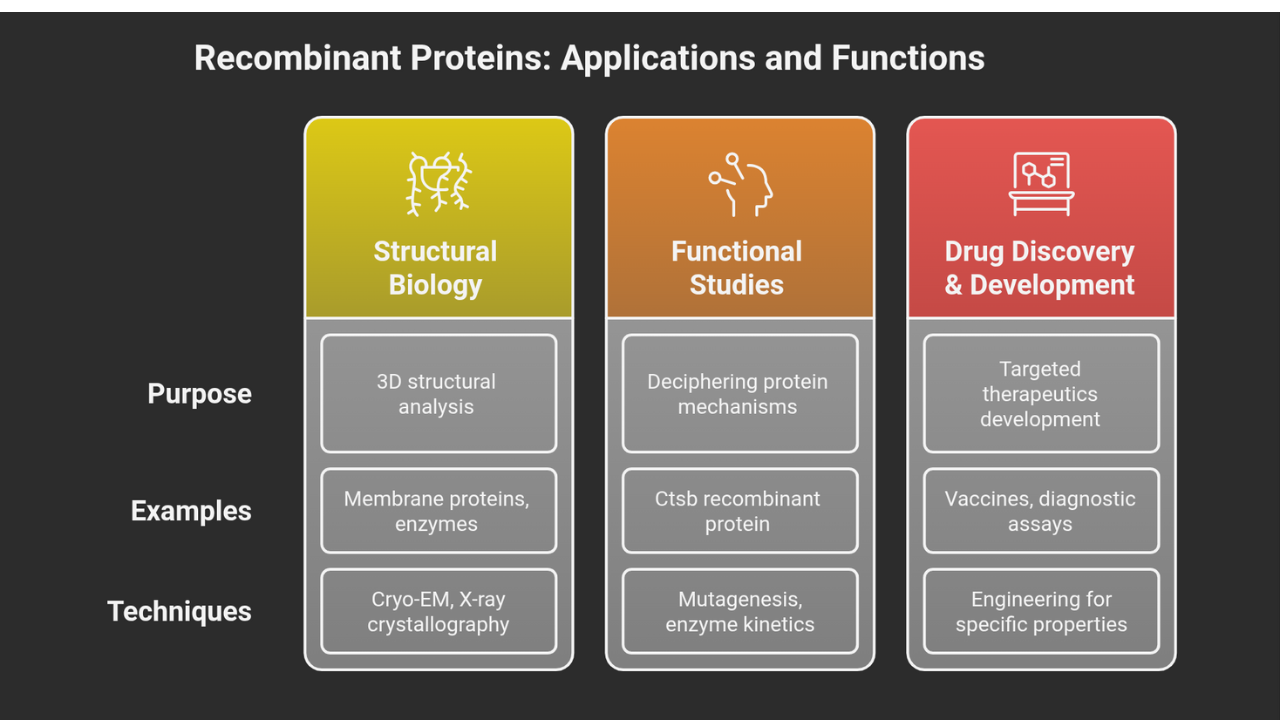
Studying structural biology to understand 3-D models of biomolecules such as proteins and nucleic acids is crucial to building a bridge between structure and function.

Particularly for inaccessible proteins with complex structures, this approach is needed to analyze multi-subunit complexes, membrane proteins, and mutations specific to proteins.

Recombinant proteins remain integral to modern research. We will study their crucial role and importance in structural biology and functional studies.

Protein Membrane Structures: GPCR Breakthrough

GPCRs are G Protein-coupled receptors (GPCRs) and are among the families of drug targets. Their quantity in native tissues is quite low, and the hydrophobic nature of GPCRs makes it hard for their structural studies.

The development of recombinant protein expression systems was the breakthrough point for these receptors.

Researchers have now produced the mg quantities of functional GPCRs from cryo-EM and crystallization by:

  • Introducing stabilized mutations
  • Optimizing the codon usage
  • Co-expressing the chaperone proteins in insect or mammalian cells
NOTE: Detailed insights have been gained into ligand binding and protein technology through the acquisition of high-resolution structures of the ฮฒ2-adrenergic receptor and the adenosine A2A receptors using recombinant protein technology. Some of these structures now lay the foundation for next-generation drugs for neurological and cardiovascular diseases.

Relation to Protein Architecture & Biological Functions

There is a strong link between a proteinโ€™s 3D structure and its biological functions. Amino acids have a spatial arrangement in protein structure, which is responsible for how they interact with other molecules and determine cellular processes and physiological outcomes.

Researchers can map out the structure-function relationship by correlating different types of data with biochemical as well as biophysical assays. For rational drug design, this integrated approach is crucial because it identifies key structural features that need to be targeted to modulate protein activity.

Functional Studies for Mutagenesis: Introducing Enzyme Kinetics

The key player in functional studies for mutagenesis is the CTSB recombinant protein. There is an ability to genetically engineer site-directed mutations in the CTSB gene, which has helped in unlocking the relationship between structure and function.

Example – For the CTSB recombinant protein, many researchers have introduced point mutations at the occluding loop. The objective is to dissect the role of endopeptidase activity as well as exopeptidase activity.

When it comes to selective inhibition, enzyme kinetics assays using these mutants have shown that even a slight alteration in loop flexibility impacts catalytic efficiency and substrate specificity.

Functional Insights Through Recombinant CTSB Protein

Cathepsin B protein is in constant use to dissect the enzymeโ€™s dual proteolytic activity, making it significant for protein degradation and cellular homeostasis.

There are mutations that highlight the loopโ€™s role as a molecular switch. These mutations tend to increase loop rigidity by reducing exopeptidase activity and also preserving endopeptidase function.

Integration of Functional Data & Structural Data

For the study of specific proteins, one such example is the SARS-CoV-2 โ€spike protein,” which has revealed a strong synergy between recombinant protein production, structural biology, and functional assays.

Many major steps in the right direction, such as the identification of neutralizing antibody epitopes, the development of mRNA vaccines, and even the rapid determination of structure by cryo-EM, are allowed because of the recombinant expression of stabilized spike ectodomains.

If we look at certain applications and functions of rProteins, integration of both functional and structural data is crucial:

The Final Take

The reach of rProteins technology has surpassed the obvious uses and made it possible for structural and functional studies of relevant proteins.

From atomic-level structural analysis to robust drug discovery workflows and precise functional interrogation, itโ€™s no wonder that recombinant protein expression has taken the central stage for translational medicine and fundamental research.

How Can Hospitals Improve Patient Trust in 2025?

How Can Hospitals Improve

Trust is everything in healthcare. Patients wonโ€™t follow advice if they donโ€™t trust the people giving it. They wonโ€™t return to a hospital if they feel ignored. And one bad experience can reach thousands of people online in minutes.

So how can hospitals improve patient trust in 2025? This guide breaks it down into practical steps that work in the real world.

Why Trust Matters More Than Ever

Healthcare today moves fast. People want answers quickly. They read reviews. They compare services. They expect clear communication and basic respect. If they donโ€™t get that, they leave.

A 2023 report from Press Ganey showed that 84% of patients say trust is a deciding factor in where they receive care. That number keeps going up every year.

One hospital administrator in Manchester shared, โ€œWe had excellent doctors, but our review score dropped because of poor bedside manner and long wait times. Once trust goes, everything else suffers.โ€

You canโ€™t fix everything overnight, but there are clear ways to build trust and keep it strong.

Step 1: Improve Communication at Every Level

Clear and kind communication builds trust faster than any billboard or press release.

Train staff to speak with empathy. This includes doctors, nurses, and front desk staff. Everyone should know how to explain things in plain language.

Offer updates if patients are waiting. Tell them whatโ€™s happening. A five-minute check-in makes a huge difference.

Use signage thatโ€™s easy to understand. Avoid medical jargon when possible. Give clear discharge instructions.

One nurse in Leeds said, โ€œI started using a whiteboard in each patient room to list their care team and schedule. Families loved it. It lowered complaints in our unit by half.โ€

Step 2: Actively Listen to Feedback

Most hospitals collect feedback. Few use it well.

Donโ€™t just hand out a survey. Create real-time ways for patients to share concerns. Use follow-up calls or text check-ins after discharge.

Analyse patterns in the feedback. If three people complain about the same thing, fix it.

Let patients know when youโ€™ve made changes. Put up a sign that says, โ€œYou asked, we listened.โ€ Small gestures like this show you care.

Step 3: Train for Culture, Not Just Skills

Technical training is important. But soft skills matter just as much.

Offer regular workshops on empathy, cultural sensitivity, and non-verbal communication. Include role-playing sessions. Make it fun but realistic.

Reward staff who demonstrate great service. Celebrate those wins.

One facility manager in Bristol said, โ€œWe give monthly awards to team members based on patient shoutouts. It changed the mood across our whole department.โ€

Step 4: Create a Safer, More Comfortable Space

Patients trust hospitals that feel clean, calm, and safe.

Keep waiting areas tidy. Add quiet zones. Offer free water and phone charging points. Use natural light when possible. Even small design changes help.

Security also matters. Make sure patients feel safe entering and leaving your facility. That includes lighting in car parks and visible staff presence.

Post clear signs about who to contact for help. Make those staff available and easy to recognise.

Step 5: Build a Strong Online Presence

Most patients look up hospitals before they ever walk in the door. Your website and reviews shape their opinion fast.

Make sure your website is updated, easy to navigate, and mobile-friendly. Show real photos of your facility and staff. List services clearly. Make contact info easy to find.

Respond to online reviews. Thank happy patients. Address concerns politely. Never argue. Show youโ€™re listening.

If your hospital has been hit by false claims or unfair ratings, you can work with online reputation management companies. These firms help clean up search results, fix inaccurate listings, and monitor for new reviews or mentions. In the same way you clean a patient room, you need to keep your online space clean too.

Step 6: Let Patients Be Part of the Process

Give patients more control. Let them book appointments online. Let them view records. Let them choose follow-up times.

Ask for their preferences. Ask about their goals. Work together on care plans instead of giving orders.

One doctor in Birmingham said, โ€œWe started using shared decision tools for treatment options. Patients feel heard and are more likely to follow through. It also lowered re-admissions.โ€

Respect builds trust. Involve patients in their care, and theyโ€™ll respect you back.

Step 7: Build Community Outside the Hospital Walls

Trust grows through relationships, not just procedures.

Host health fairs. Offer free screenings. Partner with local schools or businesses. Show up in the community even when people arenโ€™t sick.

Use social media to share stories, staff spotlights, and helpful tips. Keep it simple and friendly.

One hospital in Newcastle created a Facebook group for maternity patients. It became a space for sharing stories, asking questions, and celebrating births. Trust shot up.

Step 8: Handle Mistakes with Transparency

Mistakes happen. What you do next makes all the difference.

If something goes wrong, apologise. Explain what happened. Outline what youโ€™re doing to fix it.

Avoid blame. Take ownership. Patients respect honesty.

The NHS published a study in 2022 that found transparency after an error increases patient trust by 36%, even when the outcome is serious.

Train your staff on how to disclose errors. Make it part of your process.

Step 9: Support Your Staff

Stressed staff canโ€™t give great care. Take care of your team so they can take care of patients.

Offer wellness support. Encourage breaks. Listen to staff concerns.

Use anonymous surveys to find pain points. Act on what you learn.

One ward manager in Liverpool said, โ€œWe let staff suggest one policy change per month. If it helps patients or staff, we try it. It gave people a voice and boosted morale.โ€

Happy staff make patients feel safe.

Final Thoughts

Hospitals donโ€™t need fancy slogans to earn trust. They need consistency. Clean spaces. Clear words. Kind actions.

Start small. Listen more. Fix whatโ€™s broken. Show up for your patients before they need to ask.

โ€œTrust in healthcare isnโ€™t built during surgery,โ€ says Dr. Andrej Grajn, a London-based organ procurement surgeon. โ€œItโ€™s built in the quiet moments before and after โ€” in how we speak, how we listen, and how we own our mistakes. Thatโ€™s what patients remember.โ€

Trust isnโ€™t built by accident. Itโ€™s built every day. In every room. By every person.

And when itโ€™s strong, patients feel it. They come back. They tell others. They trust your care, because they trust your people.

How Dermatologists Use Technology to Identify Skin Cancer

How Dermatologists Use Technology

Want to know how doctors are catching skin cancer faster than ever before?

The technology revolution in dermatology is absolutely mind-blowing. We’re talking about AI systems that can spot deadly melanomas in seconds, handheld devices that see beneath your skin, and digital tools that are literally saving thousands of lives every year.

Traditional skin cancer detection relied heavily on the naked eye and years of training. But even the most experienced dermatologists can miss early signs of cancer…

That’s where cutting-edge technology steps in to change everything.

What you’ll discover:

  • Revolutionary AI Detection Methods
  • Digital Dermoscopy Breakthroughs
  • Smartphone Apps That Actually Work
  • The Future of Skin Cancer Screening

Revolutionary AI Detection Methods

Artificial intelligence is completely transforming how dermatologists detect skin cancer.

And the results are incredible.

Recent studies show that AI algorithms achieve 87% sensitivity in detecting malignant lesions – that’s better than many human specialists working without tech assistance.

But here’s what’s really exciting…

AI doesn’t get tired. It doesn’t have bad days. And it can analyze thousands of images in the time it takes a doctor to examine just one patient.

The technology works by training deep learning models on massive datasets of skin lesions. These neural networks learn to recognize patterns that even trained eyes might miss. When a suspicious mole or lesion is photographed, the AI can instantly flag potential cancers with remarkable accuracy.

How AI Actually Works in Practice

Think of AI as your dermatologist’s super-powered assistant.

The process is surprisingly simple. A high-resolution image gets fed into the system, and within seconds, the AI provides a risk assessment. It’s not replacing doctors – it’s making them incredibly more effective.

Here’s why this matters:

Early detection is everything with skin cancer. Melanoma has a 99% survival rate when caught in its earliest stages. But once it spreads, survival rates plummet dramatically.

Professional skin cancer clinics are now integrating these AI systems into their daily workflows. The technology helps prioritize which patients need immediate attention and which can safely wait for routine follow-ups.

Digital Dermoscopy Breakthroughs

Remember when dermatologists used simple magnifying glasses?

Those days are long gone.

Digital dermoscopy represents one of the biggest leaps forward in skin cancer detection technology. These sophisticated instruments capture incredibly detailed images of skin lesions, revealing structures invisible to the naked eye.

The game-changer?

Modern dermoscopes can magnify skin lesions up to 100x while using specialized lighting to highlight different tissue layers. This level of detail allows doctors to spot cancer indicators that would be completely missed during standard visual examinations.

What Makes Digital Dermoscopy So Powerful

The technology reveals the “architecture” beneath your skin’s surface.

Cancerous lesions have specific patterns – irregular blood vessels, asymmetrical pigmentation, and chaotic cellular structures. Digital dermoscopy makes these warning signs crystal clear.

But here’s where it gets really interesting…

Many modern dermoscopes integrate directly with AI analysis software. The moment an image is captured, intelligent algorithms begin analyzing it for cancer markers. This combination of high-resolution imaging and artificial intelligence creates an incredibly powerful diagnostic tool.

Professional dermatologists report that digital dermoscopy increases their diagnostic confidence by over 40%.

The technology also creates permanent digital records, allowing doctors to track changes in suspicious lesions over time. This longitudinal monitoring is crucial for catching slow-developing cancers that might otherwise go unnoticed.

Smartphone Apps That Actually Work

Here’s something that might surprise you…

Your smartphone can now detect skin cancer with FDA-approved accuracy.

We’re not talking about those questionable health apps you see advertised everywhere. These are legitimate medical devices that happen to work through your phone.

FDA-Approved Mobile Technology

In 2024, the FDA authorized DermaSensor – the first AI-enabled device designed for primary care physicians to detect skin cancer. The device shows 96% sensitivity for detecting the three most common skin cancers.

Here’s how it works:

The handheld device connects to a smartphone and uses spectroscopic analysis to examine suspicious lesions. It takes multiple spectral recordings and provides an instant cancer risk assessment on a scale of 0-10.

But smartphone technology goes beyond specialized devices…

Several apps now use your phone’s camera combined with AI analysis to evaluate skin lesions. While these shouldn’t replace professional medical advice, they’re incredibly useful for monitoring changes and deciding when to see a dermatologist.

The Real-World Impact

Think about the accessibility factor here.

Traditional skin cancer screening requires a trip to the dermatologist, which can involve weeks of waiting and significant costs. Smartphone-based screening can happen instantly, anywhere.

This is particularly game-changing for rural areas where dermatology specialists are scarce. A primary care physician equipped with AI-powered smartphone technology can provide specialist-level skin cancer screening without referring patients to distant clinics.

The technology is literally bringing expert-level dermatology to every corner of the world.

The Future of Skin Cancer Screening

Want to know what’s coming next?

The future of skin cancer detection looks absolutely incredible.

Researchers are developing technologies that sound like science fiction. We’re talking about wearable devices that continuously monitor your skin, AI systems that can predict cancer risk before lesions even appear, and non-invasive scanners that can detect cancers at the cellular level.

Emerging Technologies

Multi-modal AI systems are the next big breakthrough.

These advanced platforms don’t just analyze images – they integrate patient history, genetic factors, environmental exposure data, and real-time skin monitoring to provide comprehensive cancer risk assessments.

Reflectance confocal microscopy is another exciting development. This non-invasive imaging technique can visualize skin structures at nearly cellular resolution, potentially eliminating the need for many surgical biopsies.

Here’s what’s really exciting:

Some research teams are developing “smart mirrors” equipped with AI analysis capabilities. Imagine looking in your bathroom mirror and receiving an instant skin cancer screening every morning.

The Statistics Tell the Story

The numbers around skin cancer are sobering but also hopeful.

Nearly 20 Americans die from melanoma every day, but advanced detection technology is rapidly changing these statistics. Death rates from melanoma have declined by nearly 4% annually since 2014, largely due to earlier detection and improved treatments.

With 104,960 invasive melanoma cases projected for 2025, the need for advanced screening technology has never been more critical.

Technology is also addressing healthcare disparities. While melanoma survival rates vary significantly by race and ethnicity, AI-powered screening tools are being specifically trained on diverse datasets to provide accurate results across all skin types.

Breaking Down Access Barriers

Here’s something most people don’t realize…

The biggest challenge in skin cancer detection isn’t the technology – it’s access.

Many people simply can’t get to dermatologists when they need screening. Wait times can stretch for months, and costs can be prohibitive. This is where technology becomes truly revolutionary.

Telemedicine and Remote Screening

Teledermatology platforms are exploding in popularity, and for good reason.

Patients can now upload high-quality images of suspicious lesions and receive expert analysis within hours or days instead of waiting months for appointments. AI pre-screening tools help prioritize urgent cases, ensuring that potentially dangerous lesions get immediate attention.

The technology also enables “store-and-forward” diagnosis.

This means images can be captured using standardized equipment and sent to specialists anywhere in the world for analysis. A patient in rural Montana can receive skin cancer screening from a world-class dermatologist in New York City.

Looking Ahead

The transformation happening in skin cancer detection is just the beginning.

As these technologies become more sophisticated and widely available, we’re going to see dramatic improvements in early detection rates. That means more lives saved and better outcomes for patients everywhere.

The combination of AI analysis, advanced imaging, and smartphone accessibility is creating a perfect storm of innovation.

But remember – technology enhances medical care, it doesn’t replace it. If you notice any changes in your skin, new growths, or suspicious lesions, don’t rely solely on apps or home screening tools. See a qualified dermatologist who can combine cutting-edge technology with years of medical expertise.

Wrapping Up the Tech Revolution

Technology is revolutionizing skin cancer detection in ways we couldn’t have imagined just a few years ago. From AI systems that outperform human specialists to smartphone apps with FDA approval, the tools available today are incredibly powerful.

The key takeaways:

  • AI detection achieves remarkable accuracy rates
  • Digital dermoscopy reveals cancer signs invisible to naked eyes
  • Smartphone technology brings expert screening to everyone
  • Future innovations will make detection even faster and more accessible

Early detection remains the most critical factor in skin cancer survival. With these technological advances, catching cancer in its earliest, most treatable stages is becoming easier than ever before.

The future of skin cancer detection is bright, and it’s happening right now.

Ethical AI Investment: The Key to Sustainable Healthcare Innovation in Europe

Keles

In this exclusive interview, HHM Global (Hospital& Healthcare Management) sits down with Laurent Van Lerberghe and David Buller, the Managing Partners of KELES, deeply engaged in ethical AI investments, particularly within the healthcare and pharmaceutical sectors. The conversation explores their insights into the role of ethical AI in business, challenges in transparency and accountability, compliance with evolving regulations, and how to effectively measure societal impact in AI-driven healthcare solutions.

____________________________________________________________________

HHM Global (Hospital & Healthcare Management):

Q. Ethical AI has become a widely discussed concept, especially in healthcare and pharmaceuticals. But when we speak specifically about ethical AI-driven businesses, how do you define them?

Laurent Van Lerberghe:

Iโ€™ll start here. Ethical AI, particularly in healthcare, is absolutely indispensable. Weโ€™ve worked closely with patients and treatments for many years, and ethics has always been our guiding principle. Now, with AI, that foundation remains unchanged โ€” but we must establish clear rules governing its use.

One of the most critical aspects is how we handle, access, and utilize patient data. Patient data is essential for developing robust AI tools that can support treatment and diagnosis. However, itโ€™s imperative that this data is anonymized and that we maintain absolute respect for patient privacy. We donโ€™t view these regulations as limitations; rather, they provide a structured framework within which we can responsibly harness AIโ€™s potential.

Another pivotal point is our ethical obligation to employ AI in healthcare. AI accelerates research, enables remote digital trials, supports diagnosis, and elevates overall patient care. So, in many ways, thereโ€™s an obligation to leverage AI to deliver better outcomes for patients.

_______________________________________________________________________

Q. Ethics is indeed the core of any business. But when it comes to transparency and accountability in healthcare, especially with AI, what are the biggest challenges you foresee? How are you ensuring that these principles are upheld?

David Buller:

One of the biggest challenges is the sheer number of stakeholders โ€” healthcare providers, payers, clinicians, patients, technology partners. Itโ€™s not a single entity overseeing everything, which naturally adds complexity.

The key is fostering trust across the entire ecosystem. Transparency and accountability must be embedded from the outset to engage all stakeholders effectively. This trust is fundamental to making AI in healthcare not only viable but genuinely impactful for patients and the broader community.

Laurent Van Lerberghe:

Exactly. Building this ecosystem responsibly is crucial. Together with David, weโ€™ve been very deliberate in choosing world-class partners โ€” not only the teams we work with directly but also the startups that KELES invests in.

In Europe, for example, GDPR has been a transformative force. Initially, it raised significant challenges, but over time, it has become standard practice, even for startups. GDPR has introduced essential guardrails, which enhance patient confidence in how their data is managed.

_______________________________________________________________________

Q. Speaking of compliance, there are many evolving regulations worldwide concerning data security. As investors, how do you evaluate AI startups to ensure they comply, especially with European data protection laws?

David Buller:

This is part of our SFDR framework. Ensuring compliance is absolutely essential. In some ways, itโ€™s become more straightforward โ€” regulations like GDPR, the EU AI Act, and others have become baseline expectations for companies. We require our portfolio companies to actively report on their compliance, and we conduct our own rigorous checks.

However, itโ€™s about more than just meeting regulatory requirements. Regulations are necessary but not always sufficient. We focus on ensuring that proper guardrails are established, not merely as control mechanisms, but as tools to drive ethical AI adoption. For example, AI can play a pivotal role in addressing bias and improving diversity in clinical trials and diagnostics, ensuring broader patient inclusion.

So, itโ€™s not just about ticking boxes โ€” itโ€™s about embedding ethics into practice through AI.

_______________________________________________________________________

Q. How should investors and startups work together to achieve social objectives, especially when both have different focuses? How do you measure the social impact of AI-driven healthcare solutions alongside your financial returns?

Laurent Van Lerberghe:

Measuring the social impact of AI-driven healthcare solutions, alongside financial returns, involves multiple layers. First, thereโ€™s regulatory compliance. Many of the companies we engage with must obtain local or European certifications, which set essential benchmarks. These companies often collaborate with platforms like Apple Store, Google Play, or partner directly with hospitals, all of which require strict certification protocols. These layers serve as critical safeguards.

Moreover, as investors, we proactively share insights with startups when we identify potential risks, helping them navigate challenges early. Take GDPR, for example โ€” companies have had to significantly elevate their standards, which has notably improved data protection practices.

With new regulations like the AI Act and Data Act, startups must remain agile. While they may not possess the same data access as tech giants, thereโ€™s a clear cultural shift toward integrating these regulations into daily operations. What once seemed complex has evolved into routine practice. We specifically seek out companies where compliance is not an afterthought but an integrated, automated part of their business model.

The second crucial factor is ensuring that these companies are genuinely leveraging AI. Honestly, in todayโ€™s healthcare landscape, itโ€™s becoming ethically questionable not to use AI. Our objective, through the funds we provide, is to accelerate AI adoption and propel the transformation of the healthcare sector.

David Buller:

To build on that, when it comes to measuring societal impact, we look at both macro and micro levels. Broadly, we aim for greater healthcare accessibility, improved service availability, and enhanced patient outcomes. These are our long-term benchmarks.

In the short term, we focus on tangible indicators:

  • Is healthcare becoming more efficient?
  • Are we reaching more patients at lower costs and in shorter times?
  • Are diagnoses happening faster?
  • Is prevention more achievable?
  • Can new drugs be developed more swiftly and affordably?

These metrics help us track the societal value of AI-powered healthcare solutions. Ultimately, they provide a clear pathway to understanding how these innovations are not only reshaping the healthcare landscape but making a meaningful difference in peopleโ€™s lives worldwide.

_______________________________________________________________________

Q. Youโ€™re also active in the Middle East and Singapore. How do you see the European healthcare system differing from other regions? What does it take for Europe to lead globally in AI for healthcare?

Laurent Van Lerberghe:

If weโ€™re discussing Europeโ€™s leadership in AI, itโ€™s clear that Europe โ€” including the UK and Switzerland โ€” has an exceptional talent pool, especially within our universities. Europe is undeniably at the forefront in knowledge creation and AI advancements. I recently attended a conference at Hรดtel-Dieu in Paris, one of Europeโ€™s oldest hospitals. We had American participants there, and they were genuinely impressed by the level of innovation here. They certainly donโ€™t view Europe as lagging; in some areas, they even see us leading.

However, one of the challenges they highlighted is scalability. In the U.S., despite its complexities, you can scale innovations relatively quickly due to the marketโ€™s size. For Europe, the next major step is mastering how to scale rapidly, and this is a priority for us at KELES.

Another critical point is ensuring that innovations are widely accessible across Europe. We want advancements in diagnostics and patient care to reach beyond wealthier populations or select facilities. Our goal in R&D is to accelerate the pipeline and deliver innovations to patients sooner. Iโ€™ll pause here and let David share insights about regions like the Middle East and Asia.

David Buller:

Yes, I think itโ€™s important to recognize that Europe โ€” including the UK โ€” is arguably third globally in healthcare innovation. Look at DeepMindโ€™s AlphaFold, developed alongside the European Bioinformatics Institute in Cambridge. Weโ€™re witnessing groundbreaking work, particularly between France and the UK, in AI and drug discovery.

We already have a strong foundation. The next step is to continue investing in R&D and supporting startups from university spinouts through their entire funding journey โ€” from seed stage to growth stage, where KELES typically steps in. Weโ€™re fully committed to building on this momentum and elevating Europeโ€™s position on the global stage.
_______________________________________________________________________

Q. When evaluating startups, two critical factors come to mind: innovation and ethical responsibility. What parameters do you consider when assessing startups, and what is KELESโ€™ long-term vision in this space?

Laurent Van Lerberghe:

You know, KELES is Europeโ€™s first digital health fund certified by PwC as an SFDR9 fund. This distinction stems from our firm commitment to these priorities. We collaborated closely with PwC to craft a highly specific framework, which ensures our investments are consistently steered in the right direction.

That framework reflects the clear vision that David and I share for KELES. To be specific, we place the โ€˜Sโ€™ of ESG and governance at the very heart of our approach to digital health and healthcare more broadly. One of our foremost criteria is accessibilityโ€”ensuring that the largest possible population can benefit from the solutions being developed. The next is availabilityโ€”guaranteeing that these treatments, diagnostics, and innovations are not just theoretical but actively implemented in real-world settings.

From an environmental standpoint, we prioritise solutions and companies that avoid causing significant harm, establishing appropriate safeguards from the outset. And of course, governance is absolutely vital. We ensure that the companies we back uphold robust governance structures and align with best practices.

Our approach is highly pragmatic and actionable, equipping us to genuinely guide companies towards achieving these standards. I firmly believe that this methodology not only fosters positive social impact and ethical responsibility but also propels superior performance in the market. Itโ€™s about achieving both: meaningful social contribution and strong returns.

David Buller:

Exactly, and to build on that, thereโ€™s obviously the crucial aspect of governance and ethical safeguards, particularly regarding ethical AI. As Laurent highlighted, itโ€™s all about striking the right balance between driving high returns and maintaining ethical integrity. Ultimately, superior returns are generated by breakthrough, transformative technologies โ€” innovations that revolutionise healthcare systems, redefine patient care pathways, and accelerate drug development in life sciences.

So, what weโ€™re actively seeking are innovative technologies with global scaling potential, while ensuring that these advancements operate within the essential frameworks of ethical AI and sound governance.

_______________________________________________________________________

Q. What specific gaps did you find in the market that motivated you to launch KELES?

Laurent Van Lerberghe:

The gap we identified primarily revolves around scaling innovative companies. Over the past decade, weโ€™ve witnessed incredible innovations emerge across various countries and regions. Now, the imperative is to elevate these innovations to a much larger scale, so they can truly drive availability and accessibility, and transform healthcare as patients experience it every day.

Our central mission at KELES is to target growth-stage opportunities, with the ambition of creating category leaders โ€” what we call alpha unicorns โ€” in Europe, and ultimately, global champions. These companies will expand patient options for managing their healthcare, which remains a clear objective for us.

If we look at the three segments we prioritise: firstly, accelerating R&D to bring new molecules to market โ€” an area still marked by significant unmet needs. Secondly, diagnostics, where AI and advanced imaging technologies are driving rapid progress and unlocking tremendous potential. Thirdly, patient care, both within hospital settings and beyond.

One more point โ€” without AI and funds like KELES, we risk continuing the situation we currently face in Europe and other parts of the world: aging populations, shrinking healthcare workforces, and overburdened hospitals. Digital tools and AI can empower the remaining healthcare professionals, allowing them to deliver high-quality care to more patients. Through a fund like KELES, which scales these solutions, we can enable the widespread adoption of these innovations across Europe and beyond.

David Buller:

To add to that, what KELES offers โ€” and what we identified as a major market opportunity โ€” is the chance to harness this immense wave of innovation within Europe. These trailblazing innovators urgently need funding at the growth stage, along with deep industry expertise.

Between Laurent, myself, and our extensive team of advisors, we bring profound experience across AI, global pharmaceuticals, and healthcare systems. Weโ€™re not merely providing capital; weโ€™re delivering a comprehensive framework โ€” encompassing SFDR compliance and ethical AI and healthcare data practices โ€” to truly improve healthcare outcomes. This complete package is what weโ€™re bringing to the table to advance innovation in AI and healthcare, especially across Europe.

_______________________________________________________________________

Q. Would you like to add anything further about KELESโ€™s objectives in the market, or share any advice or insights for our audience before we conclude?

Laurent Van Lerberghe:

Yes, to summarise a few essential points โ€” KELES is fundamentally a growth-stage digital health fund. Weโ€™re aiming for โ‚ฌ250 million in assets under management, and weโ€™re confidently on track for our first close in the first half of 2025. We have a pan-European scope, including the UK and Switzerland, because integrating diverse markets is key to achieving scale.

KELES is addressing a distinct market gap: there are remarkably few growth-stage funds capable of providing substantial investments. Moreover, profiles like David’s, mine, and those of our wider team โ€” all experienced healthcare operators โ€” are precisely what is required to guide these companies successfully through the scaling process in Europe.

Weโ€™re standing at the beginning of an exciting growth wave. We anticipate seeing several companies reach critical inflection points, unlocking remarkable value creation.

David Buller:

Building on Laurentโ€™s points, my advice to companies either embarking on their innovation journey or approaching a scaling inflection point is this: donโ€™t be disheartened by regulations or the perceived scarcity of growth-stage capital. KELES exists to bridge precisely this gap.

Thereโ€™s a tremendous opportunity waiting to be seized. And when itโ€™s done right โ€” with ethical AI, robust governance, and a relentless focus on improving health outcomes โ€” the impact can be truly transformative. Our entire team, along with the capital and expertise we bring, is committed to helping these companies realise their potential and deliver meaningful outcomes.

_______________________________________________________________________

As our conversation with Laurent Van Lerberghe and David Buller draws to a close, it becomes clear that KELES is not only investing in groundbreaking AI innovations but is equally steadfast in embedding ethics, transparency, and societal impact at the core of its mission. Positioned at the forefront of Europeโ€™s digital health evolution, KELES combines powerful capital, deep healthcare expertise, and an unwavering commitment to ethical AI and governance.

Their vision reinforces a future where healthcare solutions are not only pioneering but also accessible, trustworthy, and transformative on a global scale. By guiding visionary companies toward sustainable success, KELES is paving the way for a new era of healthcare innovation โ€” one where patients, providers, and innovators collectively benefit, and the promise of meaningful, lasting impact is fully realised.


The Role of Family Therapy in Overcoming Substance Abuse

The Role of Family Therapy

Want to help someone you love beat addiction?

Here’s the thing… Most people think addiction recovery is all about the individual. They focus on detox, medications, and personal willpower. But here’s what they’re missing:

Family plays a massive role in addiction recovery.

The statistics are clear. According to research from the CDC, 3 out of 4 people recover from addiction. And families who get involved in the recovery process see much better results.

More than one in 10 children under age 18 live with at least one adult who has a substance use disorder. That’s a lot of families dealing with this stuff…

But here’s the good news: When families work together through therapy, recovery rates improve dramatically.

Here’s What You’ll Discover:

  • Why Family Therapy Changes Everything
  • The Numbers Don’t Lie: Statistical Proof
  • Different Types of Family Therapy That Work
  • How to Get Started (Even When It’s Hard)

Why Family Therapy Changes Everything

Addiction doesn’t happen in a vacuum.

When someone struggles with substance abuse, the whole family feels it. Everyone gets affected. The spouse who lies awake at night worrying. The kids who walk on eggshells. The parents who don’t know what they did wrong.

Here’s the problem: Traditional addiction treatment focuses only on the person using substances. But addiction is a family disease. It changes how everyone in the family thinks, feels, and behaves.

Think about it…

If only one person changes but the family dynamics stay the same, what happens? The person in recovery comes home to the same environment, the same triggers, the same patterns. It’s like trying to plant a healthy seed in toxic soil.

That’s where family therapy comes in. It changes the entire ecosystem.

Family therapy doesn’t just help the person with addiction. It helps everyone heal together. The approach recognizes that children with an addicted parent are up to four times more likely to develop a similar disorder, but family support can be one of the strongest protective factors.

When families learn new communication skills, set healthy boundaries, and understand addiction as a disease rather than a moral failing, everything changes. That’s why comprehensive treatment programs like Red Ribbon Recovery Indiana emphasize family involvement as a cornerstone of effective addiction recovery.

The person in recovery gets the support they need. The family members get the tools they need to help without enabling.

Pretty cool, right?

The Numbers Don’t Lie: Statistical Proof

Hereโ€™s exactly why family therapy works so well…

A meta-analysis found family counseling for adolescent SUDs to be more effective than several individual and group approaches or treatment as usual. This isn’t just one study – it’s a comprehensive review of multiple studies.

But the statistics get even better. 48.5 million people aged 12 or older experienced substance use disorders in the past year. That’s a massive number. And most of these people have families who are struggling right alongside them.

Here’s what the research shows:

  • Family therapy increases treatment engagement
  • It improves retention rates (people stay in treatment longer)
  • It’s more cost-effective than other approaches
  • It reduces relapse rates significantly

The really interesting part? Family therapy doesn’t just help during treatment. It creates lasting changes that protect against relapse months and years later.

Different Types of Family Therapy That Work

Not all family therapy is created equal. There are several approaches that have been specifically designed for addiction recovery, and they all work a little differently.

Behavioral Couples Therapy (BCT)

This one’s for married couples or partners living together. It works by creating a daily “Recovery Contract” where the person with addiction commits to staying sober each day, and their partner commits to supporting them.

Multidimensional Family Therapy (MDFT)

MDFT is particularly effective for teenagers with substance abuse problems. It looks at the whole picture – the individual, the family, the school, the community.

Community Reinforcement and Family Training (CRAFT)

Here’s where it gets really interesting… CRAFT is designed for families where the person with addiction isn’t ready to get help yet. It teaches family members how to encourage their loved one to enter treatment without being confrontational.

Brief Strategic Family Therapy (BSFT)

BSFT focuses on changing the family interactions that might be contributing to the addiction. It’s called “brief” because it’s typically shorter than other approaches – usually 12-24 sessions.

How to Get Started (Even When It’s Hard)

Getting the whole family involved in therapy isn’t always easy. People have different levels of readiness, different schedules, and different comfort levels with sharing personal information.

Here’s how to make it work:

Start with whoever is willing. Even if the person with addiction isn’t ready for family therapy yet, other family members can begin their own healing process.

Find the right therapist. Look for someone who specializes in addiction and family systems. They should understand how addiction affects family dynamics and have experience with evidence-based approaches.

Set realistic expectations. Family therapy isn’t a quick fix. It takes time to change patterns that have been developing for months or years.

Be patient with the process. There will be difficult conversations. People might get defensive or emotional. That’s normal and often necessary for healing to occur.

For families seeking comprehensive therapy in addiction recovery, professional treatment programs offer specialized family therapy services. These programs understand that recovery works best when the whole family is involved in the healing process.

The Science Behind Family Systems

Understanding why family therapy works requires looking at how addiction affects family systems. Families naturally try to maintain balance, even when that balance is unhealthy.

When someone develops an addiction, family members often take on new roles to compensate. The spouse might become the sole breadwinner and caretaker. Children might become “parentified” and take on adult responsibilities.

Family therapy helps identify these roles and teaches everyone how to step into healthier patterns. It’s about understanding how the system works and making changes that support everyone’s wellbeing.

Breaking the Cycle for Future Generations

One of the most powerful aspects of family therapy is its ability to break generational cycles of addiction. When families learn healthy communication skills and effective problem-solving strategies, they pass these skills on to their children.

This is huge. Children of parents with addiction are at much higher risk of developing substance abuse problems themselves. But family therapy can dramatically reduce this risk.

Getting Past the Resistance

One of the biggest challenges with family therapy is getting everyone on board. People often resist for different reasons:

“It’s not my problem, it’s his problem.”

“I don’t want to air our dirty laundry to a stranger.”

“Therapy is for weak people.”

“We should be able to handle this ourselves.”

These concerns are understandable, but they often keep families stuck in unhealthy patterns. The reality is that addiction affects everyone, and healing requires everyone’s participation.

A skilled family therapist can help address these concerns and create a safe space for everyone to share their experiences.

Time to Get Moving

Recovery from addiction is challenging, but it’s absolutely possible. When families work together through therapy, they increase the chances of overcoming substance abuse while building stronger relationships, better communication skills, and healthier coping strategies.

The numbers prove it. The research supports it. And thousands of families are living proof that with the right help, recovery is not just possible – it’s probable.

Don’t wait for things to get worse. Don’t wait for rock bottom. If addiction has affected your family, family therapy could be the game-changer you’ve been looking for.

Your family’s healing journey starts with a single step. Are you ready to take it?

Translate ยป