














Close
Digital Health & Ai Innovation summit 2026
LiGHT26

How to Prevent Eczema Flare-Ups When Active Outdoors in Summer

How to Prevent Eczema Flare-Ups When Active Outdoors in Summer

The season of sunshine, picnics, pool days, and long hikes is finally here. Summer is perfect for getting outside, moving your body, and soaking up those golden rays.

But if youโ€™re living with eczema, this time of year can also bring some unwelcome challenges. Heat, sweat, sun exposure, and even certain fabrics can trigger flare-ups that leave your skin feeling itchy, irritated, and anything but happy.

You donโ€™t have to spend the season hiding indoors or missing out on your favorite outdoor adventures, however. You can absolutely enjoy all your favorite summer activities while keeping those annoying flare-ups at bay. It just takes a few smart strategies.

Here, weโ€™ll share some simple ways to keep your eczema calm while you enjoy all your favorite summer activities.

#1 Wear Breathable, Moisture-Wicking Clothing

What you wear during physical activity significantly impacts skin comfort. Certain fabrics can trap heat and create friction, leading to skin irritation.

Natural fabrics are often considered eczema-prone skin’s best companions. Cotton, especially 100% cotton, is a widely recommended choice. It is soft, cool, and highly absorbent of sweat.

Bamboo is another ideal choice. This soft, hypoallergenic material naturally resists bacteria, which can help prevent infections in areas prone to eczema. Bamboo is also highly effective at regulating temperature, keeping you cool during warm weather.

TENCEL, a fiber often blended with zinc, is also excellent. It feels super soft, wicks away moisture, and helps calm irritation while inhibiting bacterial growth.

Stay away from wool and many synthetic fabrics. These can feel rough or trap heat, exacerbating itching and irritation.

Fit is equally important. Avoid tight-fitting clothes. They trap sweat against your skin, which can lead to irritation and chafing. Choose looser-fitting garments that allow your skin to breathe and heat to escape. This also helps prevent rubbing, which can further irritate sensitive areas.

#2 Moisturize Pre- and Post-Activity

The skin barrier is weaker for people with eczema. That is why your skin is more prone to dryness and irritation, which causes eczema to flare.

Moisturizer acts as a vital protective layer for the skin. It works like a shield, helping repair the skin barrier and locking in essential moisture. This action combats dryness and helps keep irritants and germs from affecting sensitive skin.

About 15-20 minutes before you head out, apply a lightweight, fragrance-free moisturizer. This creates a protective layer on the skin, acting as a buffer. This barrier minimizes direct contact between the skin’s sensitive surface and the irritating components of sweat, such as sodium and urea.

After activity, rinse off as soon as you can. Allergy & Asthma Network advises against showering with hot water as it can dry out your skin and worsen eczema. Instead, it suggests taking a lukewarm water bath to wash off sweat and bacteria.

Donโ€™t forget to reapply a thicker moisturizer while your skin is still slightly damp. This helps lock in hydration and calm any irritation.

#3 Switch to an Eczema-Friendly Deodorant

Deodorant is non-negotiable when youโ€™re active outdoors in summer. But regular deodorants contain ingredients that can trigger an eczema flare-up.

Alcohol, such as ethanol or isopropyl alcohol, can dry out the skin and weaken its natural barrier. Other common irritants to watch out for include parabens, sulfates (like SLS), propylene glycol, lanolin, and synthetic colors or dyes. These can all cause irritation or allergic reactions.

Itโ€™s best to steer clear of regular deodorants; use eczema-friendly ones instead.

When searching for an eczema deodorant, look for hypoallergenic and fragrance-free options. Products labeled โ€˜dermatologist-testedโ€™ or โ€˜sensitivity-testedโ€™ are also good indicators of suitability for sensitive skin.

Bonus points if the deodorant contains magnesium hydroxide. MAGS Skin explains that itโ€™s a natural antibacterial powerhouse that tackles odor by neutralizing the bacteria causing it without absorbing into your skin. It also helps balance your body’s pH, eliminating odor-causing bacteria while keeping your skin moisturized and healthy.

Before applying a new deodorant widely, do a patch test. Apply a small amount to the inner arm, and leave it for 48 hours to observe any reaction. This can prevent widespread discomfort.

#4 Time Your Activities Wisely

When you exercise matters just as much as how you prepare for it.

The intense midday sun and heat can trigger eczema flare-ups through both direct UV exposure and excessive sweating. Timing your activities wisely can make a big difference in managing your skin’s comfort.

To minimize heat exposure, plan your activities early in the morning or evening. That is when the sun is less intense and the air is cooler.

If itโ€™s impossible to avoid outdoor activity during warmer hours, stay in shady areas whenever possible. Tree cover, pavilions, or even the shadow side of buildings can be good. Donโ€™t skip sun protection, however. UV rays can still reach you through clouds.

It is also important to be aware of other potential outdoor triggers. Summer can bring high pollen counts or air pollution. These environmental factors can also trigger eczema flares. On days with high pollen or pollution levels, staying indoors might be the best option.

During physical activity, take frequent breaks and stay well-hydrated. Also, keeping a clean towel handy to gently blot away sweat as it forms is preferable to rubbing, which can irritate the skin.

Go Out and Shine

Do not let eczema keep you from enjoying all the fun of summer activities. You can significantly reduce the likelihood of eczema flare-ups if you make these simple adjustments to your daily routines. Rest assured that you can stay active, enjoy the sunshine, and keep your eczema under control.

Johnson & Johnson Launches the Polyphonic AI Fund for Surgery to Advance Data-Driven Healthcare

Johnson Johnson Launches

Open call for innovation to help accelerate promising artificial intelligence (AI) solutions that target pressing challenges in surgery.

NVIDIA and Amazon Web Services (AWS) will join committee to evaluate and select awardees.

Effort builds on work within J&J MedTechโ€™s Polyphonicโ„ข Digital Ecosystem to provide AI innovation a path into ORs globally.

June 25, 2025 โ€“ย Johnson & Johnsonย MedTech, a global leader in surgical technologies and solutions, today launched the PolyphonicTMย AI Fund for Surgery to help develop AI solutions that solve challenges before, during, and after surgery. Joined by a coalition of companies including NVIDIA and Amazon Web Services (AWS), the initiative builds on the companyโ€™s work to advance AI that will help redefine modern surgical practices and improve patient outcomes.

The Polyphonic AI Fund for Surgery aims to ensure that innovation is both accelerated and responsibly governed and will focus on proposals that support AI model development, data engineering and management, and AI governance. One of the initial initiatives of the Fund will be to leverage the QuickFire Challenge program, which will seek submissions from applicants and grant funding for selected awardees from academic and non-academic institutions, researchers, developers, startups, and established companies.

Building onย Johnson & Johnsonย MedTechโ€™s nearly 140 years in surgery, NVIDIAโ€™s AI infrastructure, and AWSโ€™s cloud leadership, this effort brings together expertise from across the coalition. Innovators will benefit from best-in-class resources and mentorship, complete with developer workshops and programs onย Johnson & Johnsonย MedTech, NVIDIA, and AWS technologies.

โ€œOpen innovation and open minds breed the best solutions in service of patients,โ€ said Hani Abouhalka, Company Group Chairman, Surgery,ย Johnson & Johnsonย MedTech. โ€œSurgeons and their teams are asking for AI to make an impact. As global leaders in surgery, we are in a position to convene solutions that can improve surgery and offer the expertise and infrastructure to bring these solutions to light through our digital ecosystem. I am excited to hear from individuals and teams on a mission to use AI for good and to make the surgery experience better for everyone involved.โ€

Advancing AI for Surgery

The pressing need for healthcare innovation through digital transformation and AI solutions has never been clearer. Nearly 95% of healthcare professionalsย surveyed byย Johnson & Johnsonย MedTechย this year advocate for greater AI integration into daily healthcare practices.

The Polyphonic AI Fund for Surgery builds on the workย launched lastย year betweenย Johnson & Johnsonย MedTech and NVIDIA to accelerate secure, real-time analysis of surgical data through the Polyphonic Digital Ecosystem. The companies are now furthering AI-based solutions for surgery addressing key challenges with data privacy, surgical learning and proficiency building, automation of surgical data enrichment, and enabling efficiency in R&D processes.

Johnson & Johnsonย MedTech is also leveraging the collaboration to accelerate how AI innovation can reach global operating rooms (ORs) by creating high-quality data sets enriched with AI-based annotations, enabling collaborative AI model development, and establishing a governance framework for surgical video data science. NVIDIAโ€™s purpose-built solutions, including the NVIDIA IGX edge computing platform and the NVIDIA Holoscan platform are designed to help accelerate outcomes throughout the ecosystem and speed the development and deployment of AI-accelerated applications in a secure and scalable manner.

โ€œWe are just scratching the surface of whatโ€™s possible when surgeons and technologists come together to solve problems,โ€ said Dr. Amin Madani*, an endocrine and acute care surgeon. โ€œSurgeons and researchers want their work in AI to make an impact, but we are challenged to find a path from bench to bedside. I am excited about the potential to merge expertise across academia and private sector to build the necessary infrastructure and scale AI around the world and for the patients who need it most.โ€

Phillips Medisize Launches TheraVoltโ„ข Medical Connectors to Support Next-Gen Device Integration, Connectivity and Performance

Phillips Medisize Launches TheraVolt
  • Designed to address increasing demand for advanced medical connectors in growing specialties such as electrophysiology
  • Enhanced cross-platform compatibility helps simplify device integration, increase longevity of capital equipment, reduce customization development time and lower costs
  • The first of several Phillips Medisizeโ€“branded medical connectors planned to launch over the next 18โ€“24 months, TheraVolt provides device engineers enhanced functionality, offering solutions to handle both signals and high voltage lines
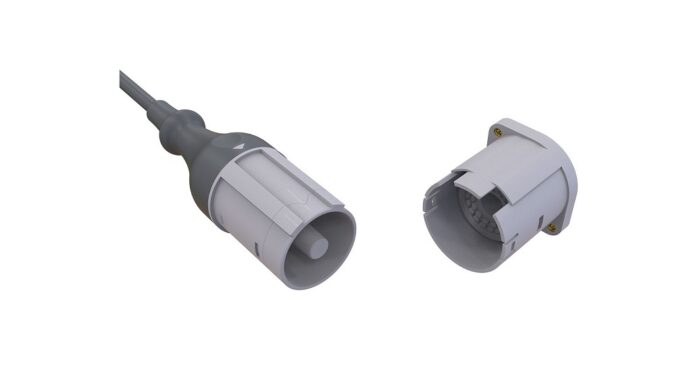
  • These tailored offerings for medical applications leverage 80+ years of global leadership in interconnect solutions from Molex, combined with Phillips Medisizeโ€™s 60+ years of medical experience.On June 9, 2025, Phillips Medisize, a Molex company and a leader in the design, engineering and manufacturing of medtech, pharmaceutical drug delivery and in vitro diagnostic devices, announces the launch ofย TheraVoltโ„ข Medical Connectors. As the first medical connectors launched under the Phillips Medisize brand, TheraVolt is engineered to optimize device integration, functionality, reliability and performance. TheraVolt provides device engineers enhanced functionality, offering solutions to handle both signals and high voltage lines.Emerging trends in electrophysiology (EP), most notably the rapid adoption of pulsed field ablation (PFA) technology, are driving increased demand for advanced medical connectors that support higher pin count densities and compact design. With enhanced cross-platform compatibility, TheraVolt Medical Connectors help simplify medical device integration, increase longevity of capital equipment, reduce customization development time and lower costs. This can enable more efficient solutions and greater flexibility for medical device companies developing PFA treatment for patients living with atrial fibrillation.

    โ€œWith the launch of TheraVolt, the first of several Phillips Medisizeโ€“branded connectors, we are excited to bring deeper collaboration and innovation to complement our exceptional contract design and manufacturing services and proven Molex connectivity solutions to our medtech customers,โ€ said Pete Soupir, vice president, MedTech segment at Phillips Medisize. โ€œTheraVolt Medical Connectors empower our medical device customers to develop next-gen EP devices with enhanced integration, connectivity and performance. Their high pin count and high voltage clearance is particularly valuable in medical devices used in electrophysiology treatments, with multiple therapy options, complex functions and expanded data collection.โ€

    These tailored offerings for medical applications leverage 80+ years of global leadership in interconnect solutions from Molex, combined with more than 60 years of medical experience from Phillips Medisize. TheraVolt Medical Connectors support next-generation medical device integration and performance through:

    • High Pin Count and Voltage Clearance: Enables the integration of more functionalities, allowing medical device engineers to design multi-therapy medical devices with expanded capabilities, advanced functions and increased data collection.
    • Design Flexibility and Customization: Available off-the-shelf with the flexibility to be tailored to meet diverse application demands, with customizable configurations for specific pin counts and precise electrical requirements.
    • Sterilization Compatibility: Engineered to withstand multiple autoclave cycles, maintaining integrity and performance even under repeated exposure to harsh sterilization processes.
    • Safety and Reliability: Designed to support compliance with IEC and IPC requirements, helping to promote dependable operation in medical applications.

    Additional Phillips Medisize Medical Connectors are in development and will be delivered over the next 18โ€“24 months.

Ethical Collaboration in Healthcare: New Principles Adopted

Ethical Collaboration in Healthcare

Leading healthcare organizations unite to develop a code of ethics for the use of health data and technology.

Six leading global organizations representing patients, physicians, nurses, and the pharmaceutical industry united to develop a historic joint ethical principle addressing the ethical use of health data and technology, including artificial intelligence (AI). This is a giant leap towards enhancing patient care and promoting ethical practice in the medical field. This project demonstrates that individuals from across the healthcare system are once more committed to collaborating in an ethical manner.

The International Alliance of Patients’ Organisations (IAPO), the International Council of Nurses (ICN), the World Medical Association (WMA), the International Federation of Pharmaceutical Manufacturers & Associations (IFPMA), the Pharmaceutical Research and Manufacturers of America (PhRMA), and the European Federation of Pharmaceutical Industries and Associations (EFPIA) are all members of these organizations.

The new principle is now incorporated into the International Consensus Framework for Ethical Collaboration (ICF), a voluntary agreement existing since 2014. The ICF is a code of rules that enables significant healthcare organisations to interact with one another ethically. It ensures their operations are open, responsible, and accountable. As the framework celebrates its tenth anniversary, the inclusion of this new principle indicates how significant it is to consider ethics in the rapidly evolving environment of electronic health.

The sixth one is “Securing Responsible and Ethical Use of Health Data and Digital Technologies, including AIโ€. It was drafted through an inclusive process involving stakeholder consultations in 2024 to ensure that it remains relevant and useful for all health systems globally.

The Necessity of Ethical Collaboration in Healthcare

With a healthcare system that is both complex and rapidly evolving, developed countries as well as developing ones are grappling with important health issues. In order to offer excellent and proper care to patients, all of us have to collaborate. Global codes and recommendations, such as the IFPMA Code of Pharmaceutical Marketing Practices and the WHO Ethical Criteria for Medicinal Drug Promotion, have established the groundwork for ethical practices in healthcare during the recent decades. However, whenever new technologies are introduced, we require integrated frameworks to guide us through these interactions immediately.

Five fundamental values guide the ICF: putting patients first, backing ethical research and innovation, guaranteeing independence and ethical practices, encouraging transparency and accountability, and ensuring the proper use of health data and technology. This structure urges all participants to collaborate to enhance health results and ensure that the patients receive what they require.

The 2025 addition extends these values by discussing ethical concerns that arise with digital health solutions, including algorithmic bias, patient privacy threats, and digital exclusion, particularly in low- and middle-income settings.

Key Principles of the New Ethical Framework

The new ethical principle emphasises several areas of emphasis for the application of health data and technology in an accountable manner. The concept of patient autonomy lies at its core. It empowers patients and their carers to make informed choices regarding their treatment and participate in discussions relating to their health. Healthcare professionals can establish greater connections with patients through prioritizing patient involvement and open communication.

The principle is that patients must be a part of developing and utilizing digital tools, and it emphasizes the respect, fairness, and culturally sensitive practices in dealing with people. This entails ensuring that all individuals, irrespective of their financial status, are able to access and understand technology.

The guideline also makes a call for ethical innovation and research, emphasizing the importance of integrity in clinical trials and the necessity of seeking informed consent from all participants. It also emphasizes transparency and responsibility in all healthcare encounters, ensuring that everyone involved abides by ethics that ensure the patient’s needs take center stage.

Some examples in the real world are the ethical use of AI for diagnostics, wearables to monitor chronic conditions, and health apps that comply with data privacy regulations and provide individuals with control of their own data.

Implications for Patient Care

The International Consensus Framework for Ethical Collaboration in healthcare is most likely to have a significant impact on patient care and public health. Patients are assured of improved care as healthcare organizations adhere to these ethical standards. This shall be the case since there will be greater trust, openness, and responsibility.

In addition, focusing on ethical use of data and technology, such as AI, will empower healthcare professionals and other stakeholders to enhance the health outcomes while still upholding individuals’ rights and privacy. The system promotes a culture of collaboration toward enhancing patient health and finding new means of providing healthcare.

Notably, the framework sets the stage for long-term monitoring and accountability systems to ensure that ethical promises are not merely phrases but are literally enacted.

A Call for Engagement

The International Alliance of Patients’ Organisations (IAPO), the International Council of Nurses (ICN), and the World Medical Association are all requesting that healthcare stakeholders actively endorse the new principle. The framework is a tool for managing the dilemmas of contemporary medical practice, with the mutual responsibility of ensuring that ethical benchmarks direct encounters in healthcare.

โ€œEthics is the cornerstone of effective global health policy. It ensures that decisions are guided by fairness, respect, and accountability. The World Medical Association believes that ethical collaboration is essential to building resilient health systems and delivering better care to all, especially the most vulnerable,โ€ said Dr. Ashok Philip, President of the World Medical Association.

Looking Ahead: A Sustainable and Ethical Healthcare Future

As the health system evolves, it will be crucial to integrate ethical guidelines in the use of health data and technology to ensure trust and accountability among the parties involved. The International Consensus Framework for Ethical Collaboration will ensure patient well-being remains at the forefront of healthcare practice if implemented properly.

In summary, applying this ethical model is a major step in making the healthcare sector more just and accountable. The healthcare industry can address the issues of the future while ensuring that all patients are treated with dignity and respect by making collaboration and transparency improved. Not only will adherence to these standards of ethics be beneficial for individuals, but it will also benefit the greater aim of enhancing health outcomes for communities across the globe.

Altera Digital Health Launches Sunrise CarePath Patient Engagement Platform

Altera Digital Health

Mobile-first app to help reduce patient harm, readmissions, care delays and financial barriers

Altera Digital Health, a global health IT leader, on 25 June 2025 announced the launch of Sunriseโ„ข CarePath, a mobile patient engagement platform designed to close communication gaps and reduce adverse events, readmissions and financial barriers. Fully integrated with the Sunriseโ„ข EHR, Sunrise CarePath delivers capabilities including real-time secure messaging, self-scheduling, patient notifications and appointment reminders, and online billing integration. Sunrise CarePath, compatible with version 22.1, is now generally available to mid-size hospital and health system clients.

Research suggests approximatelyย 20%ย of patients experience adverse events within three weeks of hospital discharge, many of which are preventable. To bolster patient-provider communication, during and beyond the critical post-discharge period, Sunrise CarePath includes on-demand messaging that connects patients to care team members. Enabling patients to quickly clarify discharge instructions and report side effects in real time will help prevent avoidable emergency department (ED) visits and readmissions while also supporting patient confidence and continuity of care.

Sunrise CarePath also offers instant appointment management and intelligent rescheduling/cancellation capabilities to help reduce missed appointments hindering proper medication management, timely interventions, care quality and hospital revenue. To further empower patients and encourage care plan adherence, Sunrise CarePath includes notifications for new health data and appointment reminders customized to the patientโ€™s communication preferences. Additionally, Sunrise CarePath integrates with hospital bill pay pages, enabling patients to pay medical bills in a paperless, convenient and secure manner. This removes friction from the patient financial experience and speeds up revenue collection, while also reducing administrative burdens for healthcare organizations.

“When patients canโ€™t easily message their care team, manage follow-up appointments or stay on track with medications, adverse events are inevitable,โ€ said Jay Adams, Executive Vice President and General Manager for Sunrise, Altera Digital Health. โ€œSunrise CarePath gives hospitals powerful tools to close these gapsโ€”helping clinicians protect patients and drive better outcomes after discharge. This level of engagement is key to delivering truly patient-centric care.โ€

About Altera Digital Health

A global healthcare IT leader, Altera Digital Health develops and elevates technology to bring next-level healthcare within reach. Alteraโ€™s approach to our solutions is changing the way healthcare is deliveredโ€”we see the summit of what healthcare can be, but rather than total transformation, weโ€™re focused on helping organizations take the steps they need to get there. Altera designs digital health services that lead healthcare to a higher place, while we guide those we partner with, all along the way.

NHNE 2025 Concludes with Record-Breaking Participation and Industry-Shaping Innovations

NHNE

Asiaโ€™s Leading Health & Nutrition Expo Highlights Breakthroughs,ย Global Collaboration, and Market Growth

12

Theย China International Health & Nutrition Expo (NHNE)ย reinforces its position as Asiaโ€™s choice platform for the health and nutrition industry with its recent Spring edition in Guangzhou. Marking itsย 10thย anniversary, NHNE 2025 welcomed an unprecedented number of industry professionals, exhibitors, and thought leaders, setting new benchmarks for innovation, collaboration, and market growth.

Over three dynamic days from 21-23 May 2025, NHNE took place alongside theย 90thย edition of PHARMCHINA and theย 92nd edition of API China at the China Import and Export Fair Complex in Guangzhou. Together, the three events brought nearly 4,000 exhibitors, over 550 industry experts and scholars, and an anticipated 200,000 attendees across 170,000 square meters and 19 exhibition halls. Showcasing a full industrial chainโ€”from APIs and pharma machinery to nutrition supplements and functional health foodsโ€”the joint exhibitions bolstered industrial growth while creating new momentum for high-quality development. The event also facilitated high-level discussions about emerging technologies, regulatory developments, and market expansion strategies, equipping businesses with valuable insights to navigate the evolving landscape of health and nutrition.

Comprehensive Thematic Conference Program

Comp 1Comp 2

NHNE 2025 also featured a robust conference program anchored on eight key themes: scientific research, technological innovation, policy and regulation, brand strategy, marketing, market insights, global trends, and distribution strategy. The sessions brought together researchers, product developers, business leaders, and policymakers to explore advancements in precision nutrition, synthetic biology, cross-border commerce, and sustainable development.

Highlights included discussions on ingredient innovation, AI-driven product development, updated regulatory frameworks, and international market access strategies. Experts also shared insights on consumer behavior and the digital transformation of health product marketing.

โ€œNHNE has always been a platform for driving industry transformation, and this yearโ€™s event proved that the future of the health and nutrition industry is more dynamic than ever,โ€ said a Reed Sinopharm Exhibitions spokesperson. โ€œFrom the groundbreaking innovations unveiled to the invaluable industry discussions, NHNE 2025 has once again reaffirmed its role as the industryโ€™s leading marketplace and knowledge hub.โ€

M1M 2M3

Groundbreaking Product Launches & Technology Showcases

This yearโ€™s NHNE featured a diverse array of new product and technology showcases, highlighting the latest breakthroughs in health and nutrition. From next-generation probiotics to functional food innovations and advanced supplement formulations, exhibitors demonstrated a clear commitment to science-backed, consumer-driven solutions.

Among this yearโ€™s first-time international exhibitors was FI Corporation, a Japanese health and wellness company known for its commitment to quality and safety. โ€œAs a debut participant at NHNE, we were truly impressed by the scale and professionalism of the event,โ€ said Mr Tomoaki Shioya, President of FI Corporation. โ€œThere is clearly strong interest in โ€˜Made in Japanโ€™ products, particularly those that reflect Japanโ€™s trusted standards of safety and assurance (ๅฎ‰ๅฟƒโ€ขๅฎ‰ๅ…จ). Weโ€™re very encouraged by the reception and are already planning our return next year.โ€

Returning to NHNE is Shanghai Richen Nutritional Technology Co., Ltd., a Chinese company with deep roots in nutritional science and supplement manufacturing. โ€œItโ€™s remarkable to see how much NHNE and its co-located shows have grown since we were last here,โ€ said Ms Wang Ye Mei, Technical Director of Richen. โ€œThe turnout has been exceptional, and weโ€™re excited to continue engaging with industry professionals at our booth throughout the show.โ€

Also making a strong return to the show floor was the Canada Pavilion, led by Mr Jonathan Brasnett, Trade Commissioner at the Embassy of Canada in China. โ€œThis is our third year bringing a Canadian delegation, and the group has expanded each time,โ€ he noted. โ€œThis Spring, we brought 28 brands covering everything from functional foods to vitamins and health supplements. The footfall has been especially strong this year, and our participating companies are very pleasedโ€”not only with the volume of attendees, but with the quality of industry professionals engaging at the booths.โ€

 Bottom 1Bottom 3

Prestigious Industry Recognition: Nutrition Look Awards

Theย Nutrition Look Awards, widely regarded as the โ€œOscars of the Nutraceutical Industry,โ€ once again recognized the sectorโ€™s most outstanding innovations, influential brands, and best performing distribution channels. This yearโ€™s awards celebrated breakthroughs in product development, sustainability initiatives, and market leadership, serving as a benchmark for excellence and innovation in the health and nutrition space.

Looking Ahead to NHNE Autumn Edition

As NHNE looks toward its next decade of leadership in the health and nutrition industry, it remains committed to fostering meaningful collaboration, cutting-edge innovation, and sustainable industry growth. Preparations are already underway inย Nanjingย for theย Autumn Edition of NHNEย fromย 19โ€“21 November, promising an even larger, more insightful, and business-focused event for the global nutraceutical community.

For more information, post-event insights, and participation details for next editions, visitย www.nhnexpo.com/en.

Spotting Early Signs: How Health Assessments Help Detect Hidden Conditions

Spotting Early Signs How Health

Many serious health conditions begin with few or no symptoms. Often, people feel fine and have no idea anything is wrong until the issue becomes more advanced. That is why regular health checks are so important. This can help spot early warning signs, allowing people to act before problems get worse.

The idea is simple: early detection leads to better outcomes. In many cases, treatment is easier, cheaper, and more successful when started early. Whether through the NHS or a private provider, health assessments give people a clearer view of their overall condition and help reduce the risk of long-term illness.

What Are Hidden Conditions?

A hidden condition is a health problem that doesnโ€™t show clear symptoms at first. These can include:

  • High blood pressure
  • Type 2 diabetes
  • Early-stage kidney or liver disease
  • Certain cancers
  • Heart disease
  • High cholesterol
  • Vitamin deficiencies
  • Mental health concerns like mild depression or anxiety

Because these problems often develop slowly, people might not notice them until damage has already been done. This is why regular checks can make a difference.

What Happens During a Health Assessment?

A health assessment is usually a short check-up that covers key areas. It might include:

  • Measuring height and weight
  • Taking blood pressure and heart rate
  • Asking questions about lifestyle, mood, and energy levels
  • Looking at diet, alcohol use, and physical activity
  • Reviewing family health history
  • Testing for things like blood sugar or cholesterol levels

This gives a broad view of someoneโ€™s health. It can also help spot patterns or changes over time. Many hidden conditions start in middle age or earlier. The Office for National Statistics: health trends shows a steady rise in preventable health problems, especially those linked to poor diet, lack of exercise, and smoking.

Why Early Detection Matters

Detecting a condition early often means it can be treated or managed more easily. For example:

  • High blood pressure can be reduced with changes in lifestyle or simple medicine.
  • Catching type 2 diabetes early can prevent nerve damage, sight loss, and kidney failure.
  • Some cancers, like bowel or prostate cancer, respond better to treatment when found early.
  • Mental health issues may be easier to treat with early support.

Health checks make it more likely that these problems will be picked up in time. Left undetected, they can lead to serious illness, disability, or even early death.

Real Benefits of Regular Checks

Regular assessments can:

  • Spot early signs of disease
  • Track changes in health over time
  • Encourage healthier habits
  • Offer peace of mind
  • Help people take action before itโ€™s too late

Many people say they feel more in control after having a check-up. They know what is going well and where they might need to improve.

Public and Private Options

In England, NHS Health Checks are available to people aged 40 to 74 who do not already have a long-term condition. These are done every five years and focus on things like heart disease, stroke, diabetes, and kidney problems.

Some people prefer to go privately, especially if they want results sooner or want a more detailed report. Vista Health offers private health assessments with fast access to scans and blood tests. These services can help spot a wider range of hidden problems and are sometimes used for work health checks or personal peace of mind.

Preventive Healthcare

Health assessments are one part of a larger goal: preventing illness rather than waiting to treat it. This idea is supported around the world. The WHO overview of preventive healthcare shows how regular checks, vaccines, and healthy habits can lower the risk of long-term conditions.

By spotting problems early, people are more likely to stay well and avoid costly treatment later on. It can also reduce pressure on health services.

What to Do Before and After a Check-Up

To prepare for a health assessment:

  • Write down any recent symptoms
  • Make a list of any medicines or supplements you take
  • Think about your familyโ€™s health history
  • Be honest about your lifestyle

After the check, follow any advice given. If results show a risk, your doctor may suggest more tests or changes to how you eat, sleep, or move. Even small changes can have a big impact if they are made early.

Final Thoughts

Many illnesses develop quietly, and by the time clear symptoms appear, the condition may already be serious. Health assessments offer a way to spot these hidden issues early. They support better health, clearer decision-making, and faster care when needed.

Whether through an NHS service or a private provider like Vista Health, regular checks are a wise choice. They help people catch problems before they grow and support longer, healthier lives.

For anyone unsure about their current health or simply wanting peace of mind, a simple check-up could make all the difference.


Liquid Magnesium for Anxiety: Can This Simple Mineral Help You Find Calm?

Liquid Magnesium for Anxiety

If youโ€™ve ever struggled with stress, racing thoughts, or restless nights, you may have come across people recommending liquid magnesium for anxiety โ€” and for good reason. Magnesium is one of the most essential minerals in the human body, playing a role in over 300 biochemical reactions that keep us feeling balanced, energized, and clear-headed. Yet, modern diets and lifestyles often leave us surprisingly deficient in this calming mineral โ€” and that can quietly make feelings of tension and anxiety worse over time.

โœ… Why Magnesium Matters for Stress & Anxiety

Magnesium acts as natureโ€™s relaxant. It helps regulate the nervous system by controlling how your brain and body respond to stress hormones like cortisol and adrenaline. When your magnesium levels are low, it can be harder to calm your mind, fall asleep, or handle daily stressors without feeling overwhelmed.

Low magnesium has even been linked to mood swings, irritability, trouble concentrating, and sleep issues โ€” all common symptoms people experience alongside anxiety.

โœ… Why Liquid Magnesium?

Magnesium supplements come in many forms: tablets, capsules, powders, and sprays. But liquid magnesium is becoming a favorite for people who want faster absorption and better tolerance.

When taken in liquid form, magnesium can be absorbed more efficiently through the digestive system compared to some pills or powders. Many people who experience digestive sensitivities find that liquid magnesium is gentler on the stomach and easier to adjust to, making it an appealing daily ritual for calming the mind and body.

โœ… How Magnesium Supports a Calm Nervous System

One of the main ways magnesium helps reduce anxiety is by supporting the production of GABA (gamma-aminobutyric acid), a neurotransmitter that acts like a brake for your nervous system. GABA helps slow down nerve activity, quiet racing thoughts, and ease you into restful sleep.

In addition, magnesium helps relax tight muscles, eases tension headaches, and may lower inflammation โ€” all things that tend to spike when your stress levels are high.

โœ… Signs You Might Need More Magnesium

Many people donโ€™t realize theyโ€™re not getting enough magnesium until they feel the difference when they add it back in. Some common signs that may suggest youโ€™d benefit from extra magnesium include:

  • Difficulty winding down at night
  • Muscle cramps or tension
  • Restless sleep or waking up frequently
  • Irritability or mood swings
  • Trouble focusing when stressed
  • Headaches or tight shoulders during busy days

โœ… How to Take Liquid Magnesium Safely

Liquid magnesium is easy to add to your daily routine. Most formulas come with a dropper or measured cap, so you can add it to water, juice, or a calming evening tea. Many people prefer taking it in the evening to help them settle down and prepare for restful sleep.

When starting magnesium, itโ€™s best to begin with a lower dose and increase gradually, especially if you have a sensitive stomach. Most adults benefit from 200โ€“400 mg of elemental magnesium per day, but itโ€™s wise to check with your healthcare provider to find whatโ€™s best for your body and any other supplements or medications you take.

โœ… Other Natural Tips for Managing Anxiety

While liquid magnesium for anxiety is a great addition, pairing it with other calming habits can multiply its benefits:

  • Practice deep breathing or meditation
  • Get daily sunlight and movement
  • Cut back on caffeine and sugar when possible
  • Prioritize good sleep hygiene
  • Stay hydrated and nourish your body with whole foods

If youโ€™re looking for a simple, gentle way to support your mind and body through stressful seasons, adding liquid magnesium for anxiety might be one of the easiest wellness upgrades you make this year. Itโ€™s safe, affordable, and backed by real science โ€” helping you feel more centered, clear, and calm from the inside out.

CMS in US Launches WISeR Model to Enhance Original Medicare

CMS in US Launches WISeR Model to Enhance Original Medicare

The Centers for Medicare & Medicaid Services (CMS) is announcing a very new innovation center model that is aimed at enabling to ensure that people with original Medicare to ensure they receive safe, necessary, and efficient care. By way of Wasteful and Inappropriate Service Reduction โ€“ WISeR model, CMS is going to collaborate with companies that specialize in enhanced technologies so as to test ways in order to provide enhanced as well as fast prior authorized processes, which are relative to the existing processes from original Medicare, and help patients and also the providers to avoid certain unnecessary or inappropriate care, thereby safeguarding federal taxpayers dollars. This kind of model happens to build on other changes that are being made to prior authorization, as has been announced by the US Department of Health and Human Services as well as CMS.

According to Dr. Mehmet Oz, who happens to be the CMS administrator, CMS is indeed committed to crushing any sort of fraud, waste, and abuse, and this WISeR model will help to root out waste within the original Medicare. Blending the speed of technology along with the experiences, this new model will enable to bring Medicare into the 21st century by testing and authorizing a process that is streamlined while at the same time also safeguarding the Medicare beneficiaries from getting unnecessary and often expensive procedures.

Wasteful care, which includes services that offer little to no clinical advantage, not just increases the cost, but at the same time, it also puts the patient’s life at risk. Waste in healthcare happens to represent almost 25% of healthcare spending in the United States. The Medicare Payment Advisory Commission goes on to estimate that around $6 billion in Medicare spending in 2022 alone happened to be spent on services that gave minimal benefit. According to Abe Sutton, the CMS Innovation Center director, low-value services like those that focus on WISeR go on to offer patients low benefits and, in some cases, can result in even physical harm as well as psychological stress. They also grow the cost of patients while, at the same time, inflating healthcare expenditure.

Apparently, the WISeR model is going to test a new process to see if enhanced technologies, which include artificial intelligence, can speed up the prior authorization processes for certain items and services that have been identified as especially susceptible to waste, fraud, and abuse, or even, for that matter, appropriate usage. These items as well as services include, however, are not limited to skin and tissue substitutes, knee arthroscopy for knee osteoarthritis, and electrical nerve stimulator implants. The model happens to exclude any inpatient-only services, emergency services, or even services that kind of pose a substantial risk to patients if they somehow get significantly delayed.

It is well to be noted that the companies that are selected to participate in the model are going to operate within the assigned geographic locations and have to have clinicians who possess actual expertise in order to conduct medical reviews as well as validate coverage determinations. Moreover, while the technology will support the review process, final decisions, which include a request for one of the selected services if it does not meet the requirements in Medicare coverage, are going to be made by licensed clinicians and not the machines.

Interestingly, model participants are going to receive payments based on their capacity to decrease the unnecessary or non-covered services and even lower the spending within the original Medicare. The payments of the participants will be adjusted based on their performance as per the established quality as well as process measures that take care of the model participants capacity in order to support decision-making, which isย faster for providers as well as supplies, and also enhance the supplier, provider, and beneficiary experience with a process that is prior authorized.

The WISeRย model is not going to change the Medicare coverage or even the payment criteria. Healthcare coverage coming from the original Medicare beneficiaries is going to remain the same, and the beneficiaries will retain the freedom in order to look out for care from their preferred provider or supplier.

Under this model, the providers and the supplies in the assigned regions are going to have the choice of submitting the prior authorization request for certain items as well as services, or else their claim will be subject to a prepayment medical review.

The providers and suppliers that choose to submit a prior authorization may as well either go to submit their request directly to the model participants or to the Medicare administrative contractor, who will forward the request to the model participant. CMS may as well include a path in the future that will enable the providers as well as suppliers with a robust compliance record in order to qualify for exemptions within the WISeR review, which would in a way further decrease the administrative burden and enable a much greater focus when it comes to high-risk areas. It is well to be noted that the WISeR model does not affect people who are already enrolled in the Medicare Advantage. Apparently, CMS has already gone on to issue a Request for Applications for companies interested in being a part of the WISeR model.

England GP IT Market Witnesses Shake-Up Unseen in 25 Years

Doctor Reviewing Patient

Englandโ€™s National Health Service, which is popularly known as NHS, has gone on to approve a new electronic patient record system, especially for general practitioners (GPs). This happens to be the first major upgrade within the core IT systems in the last 25 years. This kind of development is all set to elevate the integration when it comes to primary care with other healthcare settings and thereby enhance the service delivery by way of using cloud-based technology.

Apparently, the newly approved system, which is created by Medicus Health,ย happens to be now accessible to the GP practices throughout England, thereby signaling the first real shake-up within the GP IT market in the last 25 years, as per the NHS leaders.

This kind of move is anticipated to increase the competition, drive the productivity, and also decrease administrative burdens for all healthcare staff.

If we look from a historical point of view, GP practices have had limited options with just two suppliers that dominate the market. It is well to be noted that 4 early adopting sites are already making use of the new core clinical IT system, thereby covering more than 42,000 patients.

It is well to be noted that the medical health system happens to be the first to be completely assured by way of the NHS England Tech Innovation Framework, which goes on to guarantee compliance along with information, governance, data protection, benchmarks, and clinical safety while at the same time integrating with necessary NHS services.

The director of primary care and community services, Amanda Doyle, had said that this new kind of generation of systems is indeed the first shake-up that the GP IT market has seen in a quarter of a century, and this kind of transition will help to unleash more modern and also joined-up care for patients and at the same time enable the staff to go ahead and work better and even smarter.

Notably, the first to implement the new system is going to be the Wilmslow Health Centre in Cheshire, which serves over 16,000 patients. Apparently, Medicus Healthโ€™s platform is regarded for its compatibility along with 24 national NHS services and also due to its adoption of new national open standards when it comes to information exchange.

The fact is that the interest when it comes to this new system is indeed spreading, with over 25 integrated care boards. Going ahead and considering their adoption. Interestingly, the NHS expects that by April 2026, more core GP IT systems, which happen to meet the tech innovation frameworkโ€™s benchmarks, are going to be available, thereby widening the choices when it comes to practices.

Translate ยป