Close
Digital Health & Ai Innovation summit 2026
Medical Taiwan 2026

WellsCare to expand in Middle Eastern market with IASO launch

WellsCare to expand in Middle Eastern market with IASO launch

WellsCare, a member company of the Born2Global Centre, will be expanding its presence in the Middle East starting in July. WellsCare has been an active member company of the Born2Global Centre since 2019.

WellsCare recently signed a business partnership contract with Sharaf DG, the largest electronics distributor in the Middle East, and will be launching IASO in August at the Sharaf DG Times Square Centre flagship store.

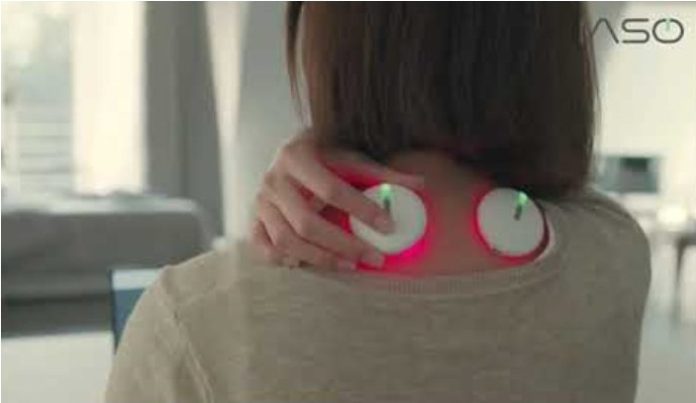
IASO is the global brand of Epione, a wearable laser pain treatment device that was developed by WellsCare. IASO is a homecare medical device that enables the treatment of diverse painful conditions, such as visual display terminals syndrome (caused by excessive PC/smart phone use) and everyday/sports-related pain (etc.) at home without having to visit a medical facility. The device’s most prominent feature is its use of laser technology, which is commonly used for pain treatment by orthopedic departments and rehabilitative care hospitals, as opposed to low-frequency massage or LED technology.

Sharaf DG has stores throughout the Middle East as well as online sales channels. It is an affiliate of the Sharaf Group, which operates real estate, construction, finance, distribution, and tourism businesses in the Middle East and Africa.

IASO also officially announced that it would soon be opening a store on Amazon.ae, an English-Arabic language e-commerce platform that is owned by Amazon. The products that will be featured in the Amazon.ae store are already finished and at the warehouse, with the store’s official opening scheduled for August. Negotiations are underway for IASO to be sold at Amazon EU as well as at Amazon Japan. If these negotiations are successful, IASO will soon be available in Amazons worldwide (including Amazon USA).

WellsCare CEO Lee Sung-won said, “Our initial foothold in the Middle Eastern market was made possible when Sharaf DG contacted us directly. Our debut on the Amazon.ae platform reflects an increased global demand for home healthcare devices, which can be attributed to the spread of COVID-19. Based on the increased shift toward an ‘untact economy,’ WellsCare will be using our previous success with online sales at Amazon USA as a springboard to progressively enter Amazon platforms in the Middle East, EU, and Japan to expand our global online sales network.”

WellsCare recently gained Class III medical device certification from the Korean government for Epione, which will be released in the Korean market in the second half of 2020. Clinical tests for the device (conducted by Korea University Anam Hospital) are also scheduled for completion in the second half of the year.

About WellsCare

WellsCare was founded in 2016 by a team of highly proficient and experienced engineers who aimed to introduce innovation in the field of pain management. Headquartered in Seoul, South Korea, WellsCare aims to lead the smart health device market with its advanced technology and innovation.

About Born2Global Centre

Born2Global Centre is a full-cycle service platform for global expansion. Since inception in 2013, Born2Global has been setting the standard for successful startup ecosystem as the main Korean government agency under the Ministry of Science and ICT. Born2Global has expanded and transformed startups to be engaged, equipped and be connected with the global market.

How Chelation Therapy Helps Your Body Detox

How Chelation Therapy Helps Your Body Detox

Today, it’s safe to say that the medical, health, and wellness industries are evolving to a great extent. There are so many changes now in place, which used to be unheard of. Some are purely medical, while others come in the form of alternative treatments. By this, it means straying away from the conventional forms of medication, should one’s body need it.

One of these alternative treatments that are gaining much popularity today is what’s known as chelation therapy. This refers to that treatment form that addresses heart disease and other ailments. In essence, it works like a detoxifying treatment form, as it takes away the massive build-up of metal in your body. For doctors that use this treatment and their respective patients, some of the benefits that they’ve noted to be exceptional have to do with a rejuvenation of the blood vessels and heart in general, increase in blood flow to the brain and improved function in some of the important internal organs in the body.

However, much still has to be known about chelation therapy. Perhaps that’s what even brought you here, as you’re interested to learn more about it. You’ve come to the right place. This article gives you all the basics that you need to know about chelation therapy, including its benefits and potential side effects.

A Brief Background On Chelation Therapy

If this is the first time that you’ve encountered the term “chelation therapy,” it might be worth starting first with a brief background on how this came to be.

As quickly touched in the introduction, chelation therapy is used to counter the massive build-up of metal in the human body. These heavy metals include arsenic, lead, and mercury. In large quantities, the danger is that it could potentially cause poisoning.

For those individuals identified to have significant traces of metal in their body, chelators are administered as medicines. The two common ways to administer these chelators are first, directly through the bloodstream through intravenous in a doctor’s clinic. The second option is to do it at home.

When the medicine enters the body, the chelating agent binds to these heavy metals and other toxins. In effect, the kidneys filter through these and then are eventually urinated away.

The Acceptance And Legality Of Chelation Therapy

Now you may also ask, do the appropriate health bodies and organizations approve chelation therapy? Yes, it is. But, it comes with a lot of warnings and limitations.

The Food And Drug Administration (FDA) has approved chelation therapy as a treatment for heavy metal poisoning in the body and anemia.

However, the FDA also warns that unapproved use of chelation therapy can lead to severe harm in the body, including death. Never use this therapy form without the guidance of a medical practitioner or an authorized physician. All FDA-approved chelation drugs need a prescription to be released. So, if you’re getting one even without a prescription, you’re only risking your health even more.

Along this line, the approved chelation drugs alongside an EDTA suppository, are only the following:

  • Succimer, which is taken orally and is used to treat poisoning due to arsenic, mercury, and lead
  • Penicillamine is used for acute poisoning and can sometimes be used to treat toxicity due to nickel and bismuth
  • Dimercaprol, which is administered in the body utilizing an injection for severe poisoning

The Benefits Of Chelation Therapy

Proponents of chelation therapy claim that it has numerous benefits to the body. This is precisely the reason why it has gained much popularity today in the medical industry. But, do note that this list isn’t to say for sure that these benefits are absolute. Much research is also still needed to prove the viability of these claims. So after looking through this list, if you feel that chelation therapy can benefit you in some way, speak about it with your trusted doctor. It’s only through your doctor that you can have absolute insights about whether or not this therapy form can indeed be of any benefit to you.

  1. Reduce The Symptoms Of Autism

For parents with children identified to be autistic, this may be one of the good news that they’ve long been waiting for if its effectivity for this purpose will be proven. This belief that chelation therapy can reduce the symptoms of autism stems from the premise that removing certain metals from the body, including mercury, can improve the symptoms of autism.

However, this isn’t highly recommended, especially because you’re dealing with children. A clinical trial is the only approved reason for using chelation therapy to learn more if it can surely and accurately help with autism.

  1. Improve Heart Conditions

The idea behind the promotion of chelation therapy for heart diseases comes from the thought that the chelation drugs or medicines stick to the calcium that’s found in the plaques of the arteries.

Many patients have used chelation therapy for this purpose. But, it’s effectivity is also still in its infancy. Much has yet to be known about whether or not this is, in fact, effective.

For instance, the only findings with chelation therapy concerning heart problems are:

  • Pending approval from the Food and Drug Administration for use in heart problems
  • Moderate protection only against future cardiovascular problems such as strokes and heart attacks for patients that are already suffering from diabetes
  1. Combat Alzheimer’s Disease

Alzheimer’s disease occurs when abnormal proteins, known as tau and beta-amyloid, build up in a person’s brain. Once this starts, the brain can get severely damaged. As of late, no treatment could yet reverse this disease once it happens.

The only basis that can support this claim that chelation therapy can help combat Alzheimer’s disease is that this disease may be caused by a build-up of copper, iron, and zinc. Once this research is proven to be accurate, then chelation therapy can be successful in this regard.

  1. Treat Metal Poisoning

The only approved use by the FDA of chelation therapy is metal poisoning. This is due to the success found in this area, where the chelation drugs are explicitly meant only for this purpose.

However, it’s also essential to identify what kind of metal poisoning it is that you have, and to what extent. That way, it’s easier for you to stay within the proper limits and dose of the chelation drugs that you’ll be taking.

Some of the most common types of heavy metal poisoning treated by chelation therapy include:

  • Lead poisoning is commonly caused by water carried through pipes made of lead, ingesting soil around house painted with lead-based paint, toys, and other jewelry that are accidentally eaten by young children
  • Mercury poisoning, usually due to contaminated fish and other industrial materials
  • Arsenic poisoning, which is prevalent in people who have a seafood diet
  • Iron poisoning is one of the most common causes of poisoning in children, leading to severe liver damage
  1. Less Bodily Pains

Chelation therapy is considered a treatment that can help fight toxins in the body. This means that it can also have some success in dealing with chronic inflammatory diseases. Examples of these are lupus and arthritis.

As the chelation drugs are administered in the body, these work like antioxidants do. Henceforth, it means an innate ability to protect the body from inflammation of the blood vessels and muscles.

The Risks And Side Effects Of Chelation Therapy

Just like any other treatment form, chelation therapy isn’t without any side effects. This is precisely why home use, without the advice and supervision of a medical professional, isn’t recommended. It has to be a hundred percent certain for those using chelation therapy to be administered the right way and for the right purpose. Else, adverse effects can also be experienced by the body.

Even more importantly, to ensure safe dosage, the doctor will administer several tests within the day, before giving the chelation drug. Generally, this is completed through urine tests, to determine how much metal is in the body for the chelation drug to fight.

Some of the common, and light side effects include burning on the IV site, fever, and headache.

On severe instances, complications of chelation therapy will include:

  • Death
  • Dangerously low calcium levels
  • Kidney damage
  • Dangerously low blood pressure
  • Heart failure

The Cost Of Chelation Therapy

Now that you have more information about what chelation therapy is, you might also start to consider and wonder how much it’s going to cost you to have this form of treatment done. It might be classified as an alternative therapy form, but this doesn’t mean that it’s cheap.

On average, each session costs an average of 75 to 125 US dollars. For this treatment to be completed, you’re going to have to go through multiple sessions. In total, the treatment course can cost a whopping 5,000 US dollars.

Conclusion

In closing, remember that this article isn’t meant to substitute any sound medical advice that you should only have from your trusted medical doctor. At the very least, this article should simply serve as an informative piece for you, such that you now know a little more about this treatment form. With this new-found knowledge, you can also make a better choice, especially when this treatment form might be offered to you. Because it affects your health, never take any second chances by deciding haphazardly. A sound choice is necessary to know you and your doctor are on the same page towards achieving the best results for your health.


Sonata System assists facilities impacted by CVOID-19 in restarting Elective Gynecologic Procedures

Sonata System assists facilities impacted by CVOID-19 in restarting Elective Gynecologic Procedures

Gynesonicsยฎ, a womenโ€™s healthcare company focused on the development of minimally-invasive solutions for symptomatic uterine fibroids, announced today that its Sonataยฎ System for Transcervical Fibroid Ablation (TFA) is an important technology for medical facilities and practitioners as they consider restarting and maintaining elective fibroid procedures following restrictions due to the COVID-19 pandemic.ย  Sonata integrates the first and only intrauterine ultrasound system with a proprietary advanced radiofrequency ablation device to treat symptomatic fibroids in a transcervical, incision-free, uterus-preserving manner.

The Sonata technology was one of the first gynecological procedures performed by Dr. Ladina Christoffel at Spital Oberengadin – Schweiz (Samedan, Switzerland) following the lifting of her hospitalโ€™s restrictions of elective cases.ย  โ€œThe outpatient setting and short hospital stay associated with the Sonata TFA treatment minimizes patient exposure related to treatment, and frees up precious operating room time for us to be able to treat more fibroid patients with Sonata in a single day compared to the other options like myomectomy or hysterectomy.ย  The clinical and procedural advantages provided by Sonata to fibroid patients are even more obvious in a patient backlog situation, as caused by the pandemic,โ€ said Dr. Christoffel.

Sonata is typically utilized in an outpatient setting or ambulatory surgery center (ASC) and does not require a hospital inpatient admission.ย  The clinical data for Sonata clearly demonstrates advantages in length of stay and recovery; it allows for minimal time to discharge, short length of stay, has quick recovery, and delivers an excellent safety profile; there have been no device-related adverse events in clinical studies of the Sonata System.ย  Studies also show that 50% of women return to normal activities the next day.ย  As a transcervical procedure, TFA is incisionless and does not require general anesthesia; in the SONATA pivotal trial, half of the patients were treated under conscious sedation.ย  Sonata is not a laparoscopic procedure, therefore avoids the peritoneal cavity and the potential risk to healthcare personnel from pneumoperitoneum or aerosolization of virus particles.

โ€œFibroid ablation with the Sonata System enables gynecologists to treat fibroids transcervically, conserving a womanโ€™s uterus, while delivering an efficient and straightforward incisionless procedure,โ€ said David Toub, M.D., M.B.A., FACOG, Medical Director at Gynesonics.ย  โ€œSonata will be an important technology in support of the resumption of elective fibroid procedures in the wake of the COVID-19 pandemic.ย  This is due to the characteristics of the TFA procedure itself, which is performed on an outpatient basis (including within ambulatory surgical centers) and is associated with a short length of stay of 2.5 hours, inclusive of procedure time.ย  Transcervical fibroid ablation with Sonata is thus consistent with guidance from major obstetrics and gynecology societies, such as the American Association of Gynecologic Laparoscopists (AAGL), the Society of Gynecologic Surgeons (SGS) and the European Society for Gynaecological Endoscopy (ESGE), to minimize blood/fluid droplet spray or spread, prefer regional anesthesia or conscious sedation, and reduce the patientโ€™s time in the hospital or ASC setting, minimizing her exposure to healthcare providers.โ€

โ€œThe clinical and procedural benefits of the Sonata system provides a compelling value proposition for all stakeholders and may be an important technology in restarting and maintaining elective procedures for facilities impacted by the effects of the COVID-19 pandemic,โ€ said Christopher Owens, President & CEO of Gynesonics.

Dr. Kelly Roy, founder and owner of Arizona Gynecology Consultants and a SONATA clinical trial investigator, has restarted performing TFA cases at her ambulatory surgery center.ย  โ€œMy patients appreciate the benefits of an incisionless fibroid treatment option that minimizes risk, procedure time and length of stay.ย  Our staff also appreciates that patients being treated with Sonata can be quickly and safely discharged, posing less risk to them since they donโ€™t need intubation and are not undergoing a laparoscopic procedure that might aerosolize the SARS-CoV-2 virus.ย  Our patients have also been pleased with the long-term benefits provided by the Sonata treatment.ย  These factors all contribute to why we prioritized patients desiring Sonata when restarting elective procedures.โ€

With an estimated volume of more than 1 million annual global fibroid procedures, Gynesonics projects a greater than $4 billion global market opportunity for its Sonata System for the treatment of uterine fibroids, including a market opportunity of more than $1 billion in the U.S. alone.ย  Sonata is the only technology that can treat up to 80% of fibroid types transcervically.

About Sonata System:

The Sonata System uses radiofrequency energy to ablate fibroids under real time intrauterine sonography guidance.ย  The Sonata System, including the SMART Guide, enables the operator to target fibroids and optimize ablations within them.ย  The Sonata systemโ€™s design provides a straightforward, transcervical access for a uterus-preserving, incision-free fibroid treatment.ย  This intrauterine approach is designed to avoid the peritoneal cavity.

About Gynesonics:

Gynesonics is a womenโ€™s healthcare company focused on advancing womenโ€™s health, by developing minimally invasive, incision-free, uterus-preserving, transcervical technologies for diagnostic and therapeutic applications.ย  Gynesonics has developed the Sonata System for diagnostic intrauterine imaging and transcervical treatment of symptomatic uterine fibroids.ย  The Sonata System is CE marked. Sonata is approved for sale in the European Union and the United States.ย  Gynesonics is a privately held company with headquarters in Redwood City, CA.ย  For more information, go to www.gynesonics.com.

Scientists develop stamp-sized wearable device to monitor COVID-19 patients

Scientists develop stamp-sized wearable device to monitor COVID-19 patients

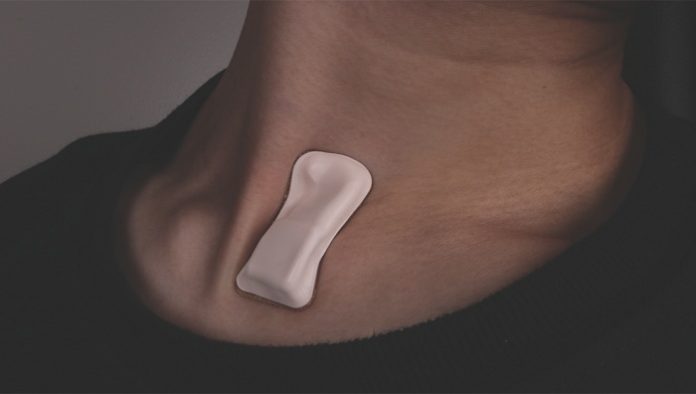
Researchers have developed a stamp-sized device, comprising a suite of sensors, including ones that record body temperature and blood oxygen levels, an advance that can be used to catch early signs and symptoms of COVID-19, and help monitor patients as the illness progresses.

The scientists, including John A. Rogers from Northwestern University in the US, said they have tested the novel device on more than 50 physicians, rehabilitation specialists, and patients at the country’s Shirley Ryan AbilityLab and at the Northwestern Memorial Hospital.

According to an editorial, published in the journal Science Advances, the sticker-like medical device, which is of the size of a postage stamp, is soft, flexible, and sits just below the suprasternal notch — the visible dip at the base of the throat.

The scientists said this part of the throat is an ideal location for monitoring respiratory health using the device which is wireless and streams symptom data to physicians.

“The device measures very tiny vibrations on the skin and has an embedded temperature sensor for fever,” Rogers said. “As you cough and breathe, it counts coughs, monitors the intensity of cough and senses laboured breathing. The location on the throat also is close enough to the carotid artery that it can measure mechanical signatures of blood flow, monitoring heart rate,” he added.

Shuai Xu, a dermatologist at the Northwestern University, who is part of the research team, said the sensor system targets key symptoms for COVID-19, with the goal to identify the infection earlier in patients.

“It’s a suite of clinical-grade sensors wrapped into one small device. And once it’s placed on the throat, people don’t even realize that it’s there,” Xu said.

From tests conducted so far, the researchers said they have collected 3,000 hours of data, which they said will continue to strengthen the device’s algorithms.

Eventually, they believe the self-learning algorithms will become smart enough to distinguish between a COVID-like cough and more benign coughs from allergies, colds or dryness.

The researchers noted in a statement that they expect to test 500 subjects by the end of the year. “We are already seeing clear vital sign differences collected by the sensor between patients with COVID-19 and healthy-matched controls,” said Arun Jayaraman from Northwestern University, who leads the algorithm development.

Bender UK selected to support the NHS in their fight against COVID-19

Bender UK selected to support the NHS in their fight against COVID-19

Turnkey operating theatre specialists Bender UK supported the urgent delivery of Nightingale and other NHS hospital projects in the fight against COVID-19. A trusted partner of healthcare prime contractors and a major supplier to the NHS and private medical groups, Bender UK was earmarked early on during the pandemic outbreak to be a potential supplier of critical care power for the high-profile Nightingale projects.

The company, who design and supply medical IT power systems and uninterruptible power supplies (UPS) for Group 2 medical locations and provide state-of-the-art Merivaara surgical and AV equipment, have played a major role in ensuring there is adequate life support across the UK for critically ill patients.

This involved specialist teams working on most of the NHS Nightingale Hospitals offering technical advice, design support and supplying and installing equipment.

The company have supported consultants, contractors and hospitals to help increase capacity, while Bender engineers have worked around the clock attending sites across the country for urgent repairs, call-outs, maintenance and commissioning to expand treatment areas and prevent shut down of critical areas.

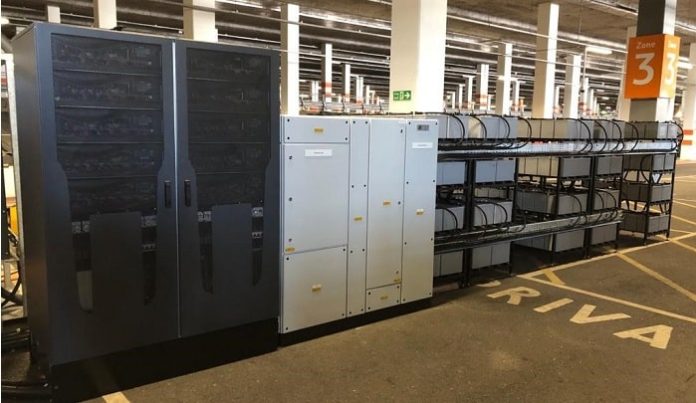
In addition, Bender have also carried out major power refurbishments at several existing NHS hospitals that required further capacity to cope with the increased demands. Bender have successfully delivered almost 15MW of Uninterruptible Power Supplies (UPS), supporting approximately 10,000 additional bed spaces, and all in a timeframe of six weeks.

Gareth Brunton, Managing Director, explains: โ€œAs a company that works extensively in the healthcare sector, Bender UK takes immense satisfaction and pride knowing that we are able to help these amazing people carry out their work, delivering world-class medical intervention and saving so many lives. It is extremely gratifying to have been able to contribute in what we see as a fairly small way.โ€

Gareth explains that Bender mobilised their highly skilled and dedicated workforce to work from home before lockdown began with direction and support from the head office based in Germany, and a strong UK leadership and management team. The company already had a reliable IT and phone infrastructure in place supported by a robust business continuity policy which took effect immediately.

The company also have a solid supply chain with long standing trusted and approved suppliers and partners, as well as an efficient stock policy which enabled them to respond quickly to hospitalsโ€™ needs and meet demands.

Gareth said: โ€œWe were contacted personally to help with these urgent projects. The fact that we were the go-to company when the pandemic was in its rapidly evolving stages, represents how well known and trusted we are as a company to deliver healthcare power systems of this magnitude, especially in such tight timescales. Our team worked day and night, including weekends, to facilitate the completion of these unprecedented projects, and I am extremely grateful to everyone involved for their commitment and resilience during these difficult times. Working on the Nightingale projects has been a major achievement for us.โ€

Gerry Connor, the lead electrical design consultant for the critical power infrastructure at NHS Nightingale London, was in no doubt that Bender UK were the company to approach for the provision of UPS.

He added: โ€œWith the facility being urgently required to handle a potential surge of patients requiring life support due to the Coronavirus outbreak, we were tasked with getting the first 500 beds up and running within a 9-day period. Failure to meet this deadline was not an option. We are very grateful to Bender UK and the rest of our supply chain for their commitment and contribution to the successful completion of the Excel Nightingale Hospital.โ€

About Bender Group

In the UK and the Republic of Ireland, Bender UK is a reputable market leader in the provision of critical care power and surgical packages for group 2 medical locations. Bender UK is a chosen partner of NHS Trusts, private medical groups, design consultants and facilities management companies, delivering resilient turnkey solutions for acute hospitals. The Bender Group provides technological solutions to key industries worldwide from engineering, healthcare, oil and gas, electric vehicle charging to renewable energy. The company is represented in over 80 countries globally.


Huawei’s 5G autonomous vehicle to deliver medical supplies in Thailand smart hospital

Huawei's 5G autonomous vehicle to deliver medical supplies in Thailand smart hospital

Huawei has announced that it has developed a self-driving 5G enabled vehicle that will deliver medical supplies to hospitals. To develop this vehicle, Huawei has joined hands with Thailand National Broadcasting, Telecommunication Communication (NBTC) and Siriraj Hospital.

As the tech firm said, the self-driving delivery vehicle takes advantage of 5G technology to bring about a contactless delivery solution of medical supplies, which will elevate the medical system to the 5G era.

It also said that such technology can replace manpower in logistics services as it can operate in complex environments. The autonomous car offers safe, convenient and cost-effective solutions while reducing workload for healthcare worker and improving patient safety.

Abel Deng, CEO of Huawei Thailand, said, โ€œAs a global leading company in technology, Huawei is honoured and delighted to continuously take part in assisting Thai medical staff. The pilot project of driverless vehicle for Siriraj Hospital will operate under Huaweiโ€™s 5G technology to help transport medical supplies within the hospital. This pilot project exemplifies the accelerated digitalization of Thailandโ€™s medical services as 5G will play a key role in the next generation of healthcare.”

Deng also said, “The 5G applications in the public health domain could also inspire businesses in other sectors to leverage 5G’s popularity and explore new applications of the technology. Most significantly, 5G technology will be the key driving force to recover the Thai economy and drive new economic and societal growth for the country across every aspect.โ€

As Huawei said, after the first test trial in Siriraj Hospital, the oldest and largest hospital in Thailand at the frontline of the fight against COVID-19, the NBTC will evaluate the benefits and efficiency of the 5G-enable unmanned vehicle before maximizing results from this pilot project to leverage the unmanned vehicle in different uses, as well as in other hospitals.

Eurofins Technologies launches rapid point-of-care testing devices that identify exposure to COVID-19 in only 10 minutes

Todos Medical Announces First Commercial Sale of COVID-19 Antibody Tests

Eurofins Technologies announces the launch of CE-IVD marked rapid point-of-care testing devices to identify a personโ€™s past exposure to COVID-19 (SARS-CoV-2) in only 10 minutes. The serology-based, finger-prick tests detect virus antibodies with a sensitivity of 94.5% from 19 days following the onset of symptoms.

The CE-IVD marked INgezimยฎ COVID-19 CROM dual-recognition immunochromatographic assays determine the presence of total antibodies (IgG, IgA and IgM) specific to SARS-CoV-2 in a single blood, serum, and plasma sample by using nucleoprotein (N protein) as an antigen for detection of virus antibodies. The N protein is one of the most abundant early-onset proteins of the virus and is highly immunogenic, making it a reliable antigen candidate for the diagnosis of SARS-CoV-2.

With the continued rise of new COVID-19 cases around the world, rapid, highly-sensitive, and cost-effective point-of-care testing is an essential component of healthcare measures to address the pandemic. The introduction of INgezim COVID-19 CROM is a demonstration of Eurofinsยด commitment to supporting healthcare providers and national and state authorities in their ongoing efforts to mitigate the spread and impact of the virus.

The CE-IVD marked kits include all materials required to perform the finger-prick test. The analysis can be performed outside of the laboratory, representing significant cost and time savings compared to other labor- and equipment-intensive methods. The tests are intended for use by healthcare professionals, not for self-diagnosis.

Validation of the assays was determined with a panel of more than 400 well characterised sera samples. No cross-reactivity with other respiratory coronaviruses (229E, NL63, OC43 and HKU1) was detected and a specificity of 99.3% was determined.

About Eurofins โ€“ the global leader in bio-analysis

Eurofins is the global leader in food, environmental, pharmaceutical and cosmetics products testing and in agroscience CRO services. It is also one of the global market leaders in testing and laboratory services for genomics, discovery pharmacology, forensics, advanced material sciences and in esoteric and molecular clinical diagnostic testing.

With over 47,000 staff across a network of more than 800 laboratories in over 50 countries, Eurofinsโ€™ companies offer a portfolio of over 200,000 analytical methods.

Mobile testing vehicles adopted in Xicheng District of Beijing

Mobile testing vehicles adopted in Xicheng District of Beijing

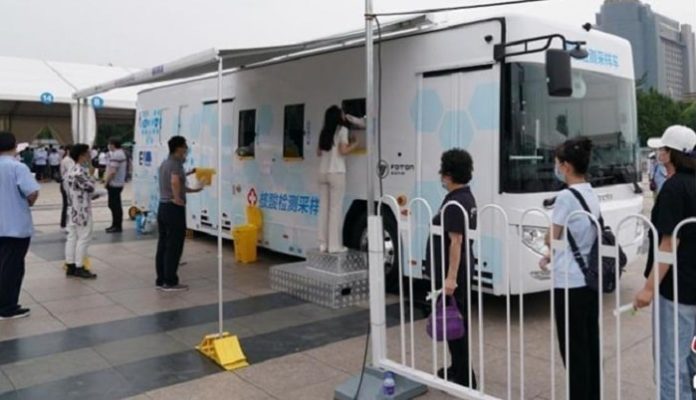
Beijing launched the operation of two mobile nucleic acid testing vehicles in the cityโ€™s Xicheng and Chaoyang districts to raise testing efficiency and improve the working environment for medical staff. Residents in the capital can receive the covid-19 tests conveniently near their communities or workplaces.

Report has it that China has successfully conducted covid-19 tests on over eight million people in Beijing, Capital city of China. Nearly 8.3 million residents of Beijing have received nucleic acid tests as of Sunday noon since the resurgence of domestically transmitted COVID-19 cases, local authorities said on Sunday.

The mobile testing vehicles are from the Foton Motor Group. Each vehicle can provide space for four groups of medical staff to take samples at the same time. In addition to the medical facilities, each vehicle is equipped with a rest area where people cool off in air-conditioning and enjoy protection under sun-proof shades, which are welcomed by medical staff, as well as those who received the tests Sunday afternoon.

Each vehicle can provide space for four groups of medical staff to take samples at the same time. In addition to the medical facilities, each vehicle is equipped with a rest area where people cool off in air-conditioning and enjoy protection under sun-proof shades, which are welcomed by medical staff.

Ford, Wayne State University & ACCESS Expands Mobile COVID-19 Testing

Ford, Wayne State University & ACCESS Expands Mobile COVID-19 Testing

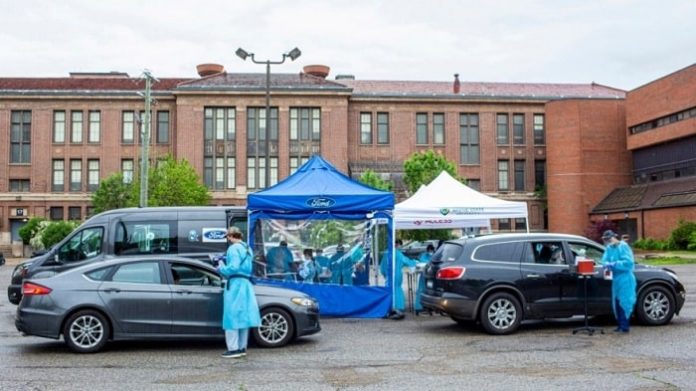
The coalition between Ford Motor Company, Wayne State University, the Wayne State University Physician Group and ACCESS expanded its mobile COVID-19 testing effort, increasing the number of test vehicles in the fleet, expanding its area of operation as well as the types of tests available, and opening the program to local communities in need. Since launching in mid-April, the initiative has tested more than 10,000 unique individuals throughout the state of Michigan, including first responders, health care workers, police officers and firefighters. Additionally, many individuals have also been tested multiple times to ensure they remain healthy and virus-free.

Ford and its in-house incubator Ford X have provided four Ford Transits, each fully equipped for mobile COVID-19 testing, as mobile screening units to conduct and support testing for symptomatic and asymptomatic patients. This includes a Transit thatโ€™s been upfitted to provide a better environment for health care workers, with built-in features such as drop-down tables, additional power sources, centrifuges for blood draws, refrigeration and more protective equipment.

Additionally, each vehicle is equipped with tents, sanitation, power and Wi-Fi to support mobile testing. Two Lincoln Personal Driver vehicles previously provided by Ford continue to be used to run medical equipment and supplies to the testing sites and lab facilities, and the company continues to consider other ways to expand the fleet.

While priority access continues to be given to first responders and others on the front lines of the pandemic, this effort is also providing testing services to local communities at large, serving those who are high risk, those who may have had exposure to the virus, and those who may be asymptomatic. Health care workers are providing tests at locations such as nursing homes, substance abuse centers, homeless/community shelters and more.

In addition to active virus and antibody testing related to COVID-19, the service has been expanded to include HIV testing and blood pressure screenings. These services have been added to support those who may have high risk for disease in general, underlying conditions, or who may not have access to more traditional health care services.

As part of this program, clinicians and professionals from Wayne State University, the Wayne State University Physician Group and ACCESS are providing free testing that does not require a prescription from a physician. Test results are typically returned within 24 hours.

CoreLink wins FDA clearance for standalone cervical spine system

CoreLink wins FDA clearance for standalone cervical spine system

CoreLink, LLC, a leading designer and manufacturer of spinal implant systems, announced the commercial launch and 510(k) clearance from the U.S. Food and Drug Administration (FDA) for the F3D-C2 Stand-alone Cervical System.

The system is comprised of an additively manufactured spacer with two bone screw anchors secured by a locking mechanism printed within the cage. Stand-alone cervical devices eliminate the need for a supplemental fixation plate, making anterior cervical discectomy and fusion (ACDF) procedures easier and faster to complete.

Patented and proven 3D printed Mimetic Metalยฎ technology is incorporated into the spacer to emulate key characteristics of natural bone. The technology provides lower stiffness than machined titanium and the reduced implant density minimizes imaging artifact. Comprehensive instrumentation allows the device to be placed using freehand or guided techniques and modular guides facilitate working under a microscope.

โ€œThe F3D-C2 Stand-alone Cervical System features the only 3D printed spine technology with both a trabecular structure and directional support lattices designed to allow for fusion throughout the entire implant,โ€ said Jay Bartling, CEO of CoreLink. โ€œDespite the challenges that have occurred in our industry recently, we have continued aggressively investing in new product development. We are committed to growing with our surgeon and distributor partners and expect several additional product launches this year.โ€

The F3D-C2 Stand-alone Cervical System will be available in multiple footprints, heights, and lordotic angles. The system is designed and manufactured at CoreLink in St. Louis, MO.

Translate ยป