






Close
Digital Health & Ai Innovation summit 2026
Medical Taiwan 2026

Health Care IT Standards: Challenges and Opportunities in 2020

Health Care IT Standards: Challenges and Opportunities in 2020

Even before the recent pandemic, the health care industry has continued to experience many new challenges and opportunities as a result of the fieldโ€™s forward momentum.

Shifting consumer and patient expectations, technological advancements, government regulations and even entirely new operational techniques all contribute to the ever-evolving state of the industry.

COVID-19, aka the coronavirus, is merely a catalyst for that change, especially over the past few months. So many things have evolved, but most of them were already heading that way.

What are the so-called challenges and opportunities the industry has yet to face? Whatโ€™s coming in 2020?

2020 Health Care IT Opportunities

Telemedicine

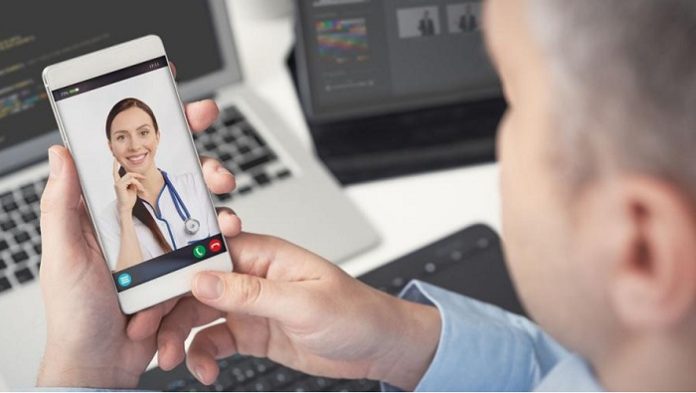
The requirements of the current pandemic have forced everyone to start using remote and telecommuting technologies in innovative ways. In health care, remote services have been growing more popular in recent years. Various apps and online physician services now allow you to meet with a health care provider from the comfort of your home. Doctors can even write prescriptions for patients, albeit in limited form, after meeting with them via remote medical communications.

Telemedicine presents many new opportunities in regards to how doctors and physicians can both care for and meet with patients. In the future, it may not be necessary to conduct in-person visits, unless thereโ€™s something specific that needs to take place โ€” such as physical interactions or visual confirmation of an ailment.

Simultaneously, it offers unique challenges to the world of health care IT. Developing the backbone of these services and technologies and bolstering cybersecurity is no small feat. Furthermore, health care IT teams also must prepare to support these innovative experiences with unprecedented levels of communication.

New Patient Experiences

One process that COVID-19 has made even more into a bottleneck is the entire patient experience โ€” from collecting and verifying insurance to sharing medical records, booking appointments and beyond. In particular, those sick from the coronavirus donโ€™t have the time to fill out forms and share personal information. Other patients visiting for either severe ailments or existing health problems are finding it more challenging to interact with professionals, mainly due to the massive influx of sick and infected individuals.

While many health care operations already have a digital patient portal in place, the severity of the pandemic has put into perspective how crucial it is to create a seamless program for all. Employees should be able to access the bulk of a patientโ€™s records from a central location. Patients should have always-on access to a platform that allows them to view, update and interact with records in the health care system.

They should also be able to communicate freely with health professionals, schedule appointments and see a list of prescriptions and test results. More importantly, the system should be secure and available precisely where the users are, whether thatโ€™s via a mobile app or web portal.

Health care professionals demand an experience that matches the level of customer service theyโ€™re getting in other industries and fields, and why shouldnโ€™t they?

Next-Generation Payment Models

Payers and patients alike demand new payment models for health care services and costs. Some examples include bundled payments, episodes of care, financing, shared savings, disbursement to patient care providers and much more. They help reduce overall costs, improve service quality, and streamline the financial side of the business.

The development of both the technical infrastructure and the direct systems for taking next-generation payments has already begun, with many of them slowly rolling out to health care centers. Organizations are already working on fine-tuning systems they have in place, like Medicaid, to improve patient experiences.

Overall, itโ€™s a welcome opportunity for health care providers and is undoubtedly a growing trend, albeit not free from challenges.

2020 Health Care IT Challenges

Cybersecurity

With everything in the field transitioning to digital and online-based platforms, thereโ€™s a growing concern for security and privacy. If patient records fall into the wrong hands, it could be disastrous for everyone, including hospitals and health care providers.

An alarming 15% out of all data breaches in 2019 came from health care organizations. Also, the estimated cybersecurity losses in 2019 for the entire health care industry are $25 billion. It makes perfect sense why, too. The health care industry deals with hundreds of thousands โ€” if not millions โ€” of sensitive records and information, making it a prime target for would-be hackers.

The situation requires the implementation of a robust cybersecurity solution to protect medical systems, telemedicine platforms, patient portals and just about everything electronic the health care industry touches. Of course, itโ€™s no small feat and poses one of the most significant challenges of our time for the health care industry.

Interoperability

With so many systems coming online, even from one health care center to another, itโ€™s never been more essential to standardize the practice. Interoperability, or the compatibility of all digital records and solutions, is of the utmost importance.

How do you take a record, report or form and aggregate the data for use across the entire industry? The information must be available to all systems, professionals and all instances. Itโ€™s a monumental challenge that extends far beyond simple data entry. Most importantly, it requires the compilation of any patient data into a single record, including EHR, HIE, financial, administrative, clinical and historical information.

Also, professionals must take the appropriate steps to protect it and lock it down enough so that only authorized users may view the information, but exclusively in necessary segments.

Modern Health Care Policies

As it stands, dealing with health care policies is an incredible challenge, but thatโ€™s only going to get tougher as the industry moves forward. The repeal, replacement and modification of existing health care policies is just one aspect. Local and federal government regulations also play a role, with no manner of certainty in the regulatory world, either.

Then, there are different medical programs, like Medicare, single-payer and Medicare buy-ins. Surprise billings crop up from time to time. Provider directories are a nuisance. The list seemingly goes on and on.

On top of all of that, the digitization of many of these programs and platforms is playing out concurrently. Health care IT is struggling to develop and serve the necessary systems adequately.

Improvements for All
Challenges aside, many of the new opportunities will translate to field improvements for doctors and patients alike. Telemedicine and new patient experiences are in place to revolutionize the entire medical industry, backed by some incredible and fresh next-generation payment models.

That said, there are certainly challenges created by all these new programs, alongside additional problems that already plague the field. Cybersecurity, medical interoperability and evolving health care policies comprise just a handful of potential issues.

Health care industry professionals undoubtedly have their work cut out for them in 2020.
CallMiner Collaborates with Customers to Improve Contact Center Operations, Performance and Service Amidst COVID-19 Pandemic

CallMiner Collaborates with Customers to Improve Contact Center Operations, Performance and Service Amidst COVID-19 Pandemic

A growing number of CallMiner customers โ€“ which include some of the worldโ€™s largest brands, financial institutions, communications companies, and business process outsourcers โ€“ are actively working together to develop and share resources and best practices for managing operations and solving COVID-19-related concerns in the contact center.

โ€œContact centers globally are experiencing a massive change in call volume and operational complexity. In some cases wait times are longer, the issues are more emotionally charged, and customers need fast and informative help, now more than ever,โ€ said Adam Walton, COO of CallMiner. โ€œMaking matters more difficult, many contact centers are suddenly thrust into a work-from-home customer engagement environment for the first time. Recognizing the urgent need, CallMiner has united with our customers to collaborate, share and learn.โ€

CallMinerโ€™s new Coronavirus Customer Think Tank, launched in March, provides contact center and speech analytics leaders a peer community for sharing operational and service-related best practices and asking questions. The Think Tank offers free, downloadable customer contributed and CallMiner-built speech analytics categories designed to uncover what matters most for callers and agents during the COVID-19 pandemic, which helps organizations respond more efficiently, sensitively and effectively. Specifically, the categories uncover intelligence that enables organizations to:

  • Understand the impact of COVID-19 on their customer base. New, contextual analytics categories enable organizations to identify how the coronavirus is impacting customers through โ€˜Voice of the Customerโ€™ and โ€˜Voice of the Agentโ€™ insights.
  • Prioritize business changes and customer response. The intelligence helps executives uncover and weigh the issues affecting their customers, as well as prioritize actions and response through data-driven evidence.
  • Coach agents to respond effectively, accurately and sensitively. Customer calls are growing increasingly complex and urgent. Contact center leaders can analyze how their team is responding and equip agents to improve outcomes and service.
  • Improve remote performance. New remote-working categories equip contact center leaders to maintain and improve team performance.

โ€œNeedless to say, world events have had a significant impact on both healthcare providers and their patients,โ€ saidย Pete Hamlin, Senior Director of Business Intelligence, Avadyne Health.ย ย โ€œOur team at Avadyne has been committed throughout the pandemic to meet the immediate needs of both and have found the peer-to-peer advice and insights in CallMinerโ€™s Think Tank very valuable in helping us navigate some of the changes needed to do just that.โ€

โ€œAt Revenue Assistance, we are very concerned with the well-being of our customers and are focusing our efforts on assisting them with the coronavirus crisis,โ€ said Tommy Moos, Collection Manager, Revenue Assistance Corporation. โ€œCallMinerโ€™s Customer Think Tank community has been invaluable for exchanging speech analytics ideas, technical resources and operational best practices. The community enables us to better understand and anticipate how we can help our customers and agents.โ€

โ€œWe are committed to delivering the highest level of support and assistance to our customers at a time when their needs and circumstances are quickly changing,โ€ said Kyle Carter, Vice President of Delivery and Founder at Zenylitics. โ€œOur team has been so grateful for the content, insights and advice provided by CallMiner and the community of our peers within the Coronavirus Think Tank. Itโ€™s been a tremendous help during these unprecedented times.โ€

CallMinerโ€™s community is open to both customers and non-customers. In addition, CallMiner is offering complimentary Coronavirus Business Impact Assessments for inbound calls into contact centers.

About CallMiner

CallMiner is recognized as aย leader in the speech analytics software industry, transforming your customer interactions with conversational insight to drive positive experiences and profound business change. Uniting with our customers and partners, our platform surfaces intelligence captured across your multiple communication channels and compels action that leads to improvement within and beyond the contact center for customer experience, employee performance, compliance, security, fraud and interaction automation.

The hidden benefits of products that can improve our health

The hidden benefits of products that can improve our health

We often hear about the negative side-effects of the ingestion of some food, prescription drugs or health products, but it’s not often that we hear about the positive sides. Certain products can have beneficial side-effects and can prove valuable in multiple scenarios. Your body’s response to these things can trigger many positive effects on your health.

Nowadays, we have access to activities and games that stimulate the brain and enhance the mind, such as mental or physical sports. But, although these options can be really great for our wellbeing, there are some products such as food and chemicals that also have a hugely beneficial effect on our health.

Medication with positive side effects

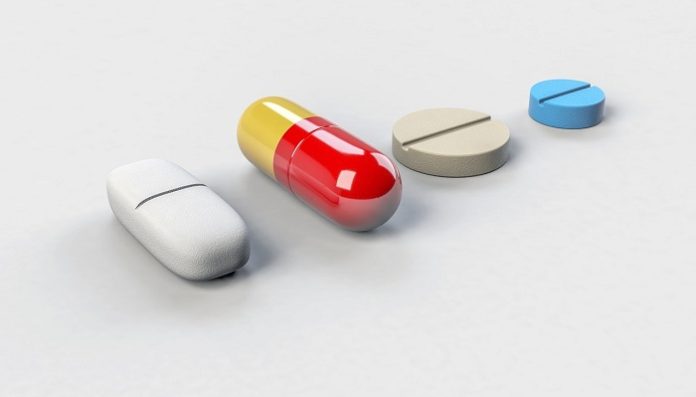
Aspirin has been linked with multiple benefits. It is traditionally used as a painkiller for fevers, aches and arthritis. However, it has also been shown to help with many other problems. People that have taken aspirin have seen a reduction in acne; it has also been shown to assist with heart problems and, if taken regularly, can reduce the likelihood of suffering a heart attack. New research suggests that the regular consumption of aspirin (one tablet per day) can dramatically improve the chances of survival from both colon and prostate cancer. It is thought that it might activate a protein that helps prevent the growth of cancer cells.

People take Beta Blockers to reduce their blood pressure, but these drugs also have other, unseen health benefits. They can reduce the risk of dementia, as they improve blood flow and relieve excess strain put on blood vessels in the brain.

Recent studies have shown that having the flu-jab can dramatically reduce a person’s risk of suffering heart disease or having a stroke. It acts to block the inflammatory response our body produces in reaction to flu and prevents arterial plaques from rupturing and causing a cardiac event.

Levodopa is a drug used to treat Parkinson’s disease, but it has been shown that in many cases of prescribing the drug, patients have since shown signs of increased creativity. Parkinson’s sufferers who started taking the drug went on to write books and become published authors. Patients often begin painting or writing during the time of treatment and although thereโ€™s so much research on this illness, it becomes apparent that this medication, in particular, can create a spike in creativity amongst sufferers.

Food and drinks that can have positive effects

Cider Vinegar is commonly used in cooking, baking and for salad dressings, but it also has many healthy hidden qualities. It can be used for a whole host of things; for example, killing bacteria and harmful pests. It has been linked with lowering blood sugar levels and assisting with treating diabetes and it is believed to aid with weight loss and improve both heart and skin health. People even use it to make eco-friendly cleaning products because of its anti-bacterial qualities.

Honey has a wealth of positive attributes. Of course, we all know it as a delicious, sweet treat that can be used in a whole host of different foods and drinks. It also has many remarkable qualities that have positive effects on the body. It can be applied to burns, wounds, ulcers, psoriasis, and infections and is said to reduce healing time after topical application. It reportedly improves both short and long-term memory; it is nature’s sweetener and provides a healthy alternative to sugar for those suffering from diabetes, and it is also a powerful natural antioxidant and antiviral treatment.

Other products

Epsom salts are primarily used with horses suffering from laminitis or pollen allergies but they can also benefit humans. In fact, they have multiple uses. They can be employed in a relaxing sedative bath, where they will soothe any aches and pains and can help bruises heal. They can be used in a foot baths to relax your feet and treat any odours; you can make exfoliating face cleaners from them and use them in face masks; they can also be applied to hair as a volumizer and to remove hair spray. Of course, you should research how to use the product before going ahead with any of the above and check for allergies beforehand.

It is fascinating to look into the various intriguing benefits that can be obtained from different products. Of course, it shouldn’t change the way that you approach prescribed medication, but it is an interesting subject to look into and there are some dietary changes you can make which will certainly improve your health. It should be noted that these positive side-effects don’t work for all and that all medication should be consumed responsibly and only with a doctor’s prescription and advice.

GE Healthcare Deploys Remote Patient Data Monitoring Technology to Help Clinicians Support Most Critical COVID-19 Patients across the Health System

GE Healthcare Deploys Remote Patient Data Monitoring Technology

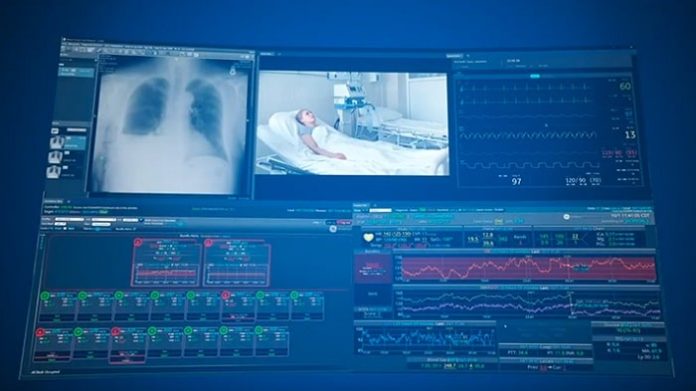
GE Healthcare introduced a new software solution to support clinicians and health systems in the treatment of COVID-19 patients. The company is bringing its Mural Virtual Care Solution, which is designed to give hospitals a broad view across their ventilated patient population and help identify patients at risk of deterioration, to the highly secure and trusted Microsoft Azure cloud platform. This is the latest step in the ongoing collaboration between GE Healthcare and Microsoft.

As more patients enter health systems for COVID-19 treatment, hospitals face increased demands on clinical resources. The Mural Virtual Care Solution 1,2 helps ease this pressure by enabling clinical surveillance of intensive care unit (ICU) patients โ€“ including those on mechanical ventilation โ€“ in a central place, giving a comprehensive view of each patientโ€™s data across the hospital network.

As both large and small hospitals treat the growing number of COVID-19 patients, the strain on healthcare providers and systems will be unprecedented,” said GE Healthcare President and CEO Kieran Murphy. Not only is GE Healthcare providing critically important medical devices to address this global challenge, but we are also rapidly scaling technologies to aid clinicians in delivering safe, effective and efficient care. We are excited to have a partner like Microsoft to help us arm clinicians with the software tools they need.โ€

A Mural installation across a 100-bed multi-site ICU network is monitored by three senior nurses and two intensivists around the clock. With a potential shortage of intensivists and bedside caregivers, Mural supports these teams by enabling additional oversight of patients across the hospital network. Bringing together near real-time data3 from ventilators, patient monitoring systems, electronic medical records, labs and other systems, Mural allows one clinician to monitor several patients at once, supplementing existing monitoring devices in patientsโ€™ rooms. Remote surveillance may also reduce cliniciansโ€™ exposure to COVID-19, while maintaining a broad view of patients across the hospital.

โ€œNow more than ever we need to manage a greater number of ventilated patients with limited resources. Mural Virtual Care on Microsoft Azure allows for remote management and surveillance of ventilated patients at scale,โ€ said Microsoft Global Chief Medical Officer Dr. David Rhew.

In addition to real-time remote management, Mural also enables health systems to activate care protocols relevant to treating COVID-19 patients and help caregivers ensure those protocols are being followed. Customized with hospitals to provide data and calculations based on their care protocols, Mural can also help identify patients needing intervention. This includes ventilation and lung injury management for patients on extended mechanical ventilation support. The technology can be used by hospitals or health systems of any size, and Oregon Health & Science University (OHSU), for example, has deployed the solution.

โ€œFacing the daunting outlook of a COVID-19 surge, it is imperative that I and my fellow healthcare workers use virtual ICU technology to safely monitor and care for our sickest patients while preserving PPE,โ€ said Matthias Merkel, M.D., Ph.D., OHSUโ€™s Chief Medical Capacity Officer, Vice Chair of Critical Care Medicine, and Professor of Anesthesiology and Perioperative Medicine. โ€œRemaining closely connected and supported through technology enables us to progress our patientsโ€™ care across a geographic distance that we would otherwise be unable to manage.โ€

About GE Healthcare

GE Healthcare is the $16.7 billion healthcare business of. As a leading global medical technology and digital solutions innovator, GE Healthcare enables clinicians to make faster, more informed decisions through intelligent devices, data analytics, applications and services, supported by its Edison intelligence platform. With over 100 years of healthcare industry experience and around 50,000 employees globally, the company operates at the center of an ecosystem working toward precision health, digitizing healthcare, helping drive productivity and improve outcomes for patients, providers, health systems and researchers around the world.

Bender UK adds Merivaara surgery and examination lights to its portfolio

Bender UK adds Merivaara surgery and examination lights to its portfolio

Bender UK – the reputable supplier of turnkey operating theatre and power solutions has introduced two smaller lights to its portfolio, offering clinicians and buyers even morechoice.

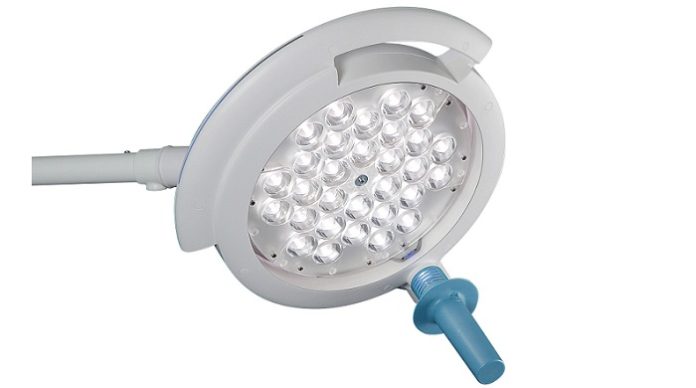
For use in examinations and minor procedures, Merivaaraโ€™s Merilux X1 and MV 100โ„ข lights can beused in health clinics, GP surgeries, treatment rooms, hospitals and temporary wards.

The Merilux X1 light fulfils the high quality and hygiene requirements of procedures and examinations and works best in emergency rooms, examination rooms, recovery rooms, and ICUs. It is available as a mobile floor, ceiling or wall mounted model.

The innovative minor LED surgical light MV-100โ„ขoffers better comfort for examinations and minor procedures. It is the perfect solution for procedures in clinics, hospitals and cliniciansโ€™ practices. It is available in mobile, wall and ceiling mount configurations.

The new additions complement the award-winning Merivaara Q Flow LED operating theatre lights already supplied and installed by Bender
UK, which dramatically improve some of the key problem areas concerning heat, staff fatigue and colour rendering.

From use in complex surgeries to the smallest operating procedure, Merivaara lighting is modern, streamlined and easy to use, enhancing the delivery of surgical procedures. They are also environmentally friendly, low energy, long-lasting LED lights that decrease power consumption and reduce the carbon footprint of NHS and private hospitals.

Lisa Hudson, Marketing Manager at Bender UK, comments: โ€œWe are delighted to be able to offer a range of superior options to cater for all clinical needs from complex surgery to the smallest operating procedure. Being mobile means they are ideal for temporary hospitals as they can be wheeled around to different parts of the hospital to assist where needed.โ€

Established for over two decades, Bender UK is heavily involved in the design and supply of critical care power technology for NHS and private hospitals. They offer complete turnkey theatre packages to their customers, including state-of-the-art operating tables, surgical light systems and digital imaging solutions across the UK and Ireland.

For more information about the full range of lighting options visit: https://www.bender-uk.com/products/operating-lights-overview

About Bender Group
In the UK and the Republic of Ireland, Bender UK is a reputable market leader in the provision of critical care power and surgical packages for group 2 medical locations. Bender UK is a chosen partner of NHS Trusts, private medical groups, design consultants and facilities management companies, delivering resilient turnkey solutions for acute hospitals.

The Bender Group provides technological solutions to key industries worldwide from engineering, healthcare, oil and gas, electric vehicle charging to renewable energy. The company is represented in over 80 countries globally.

Neustar launches free call registry for emergency service providers to eliminate incorrect spam tagging of COVID-19 calls

HIMSS and PCHAlliance Comment on Federal Health IT Strategic Plan

Neustar, Inc., a global information services and technology company and leader in identity resolution, is offering its Caller Name Optimization (CNO) Emergency Call Registry solution, free of charge, to hospitals, health care providers, state and local health officials, and other government officials to ensure emergency COVID-19 calls reach the public and are not blocked or mislabeled as spam. Emergency service providers that rely on the phone channel to deliver vital health and safety information related to COVID-19 can reach out to Neustar at EmergencyServices@team.neustar to confirm qualification and proceed with service implementation.

Health care providers as well as local, state and federal government sectors are reaching out to the public with phone calls to communicate critical COVID-19 information, but the calls are often being incorrectly tagged as spam, resulting in ignored calls and missed information. As a public service, Neustar is offering its CNOย Emergency Call Registry solution, which vets the emergency service provider, confirms its phone number ownership across all major carriers, manages how the entityโ€™s name appears on recipient device screens, and registers the entityโ€™s number to mitigate incorrect call blocking and mislabeling. This public service application leverages Neustarโ€™s commercial CNO caller name registration clearinghouse service โ€” currently deployed for many of the largest enterprises across finance, health care, insurance and retail industries โ€” as a centralized platform to register with leading mobile apps and more than 800 mobile, cable, VoIP and landline carriers.

โ€œThese are extraordinary circumstances, and we need to ensure our essential organizations can communicate effectively throughout this crisis,โ€ said James Garvert, senior vice president and general manager of Caller Identification Solutions at Neustar. โ€œOne way Neustar can help is to ensure critical health calls are getting through. Our aim is to swiftly correct the inadvertent spam mislabeling and call blocking that is catching legitimate emergency and COVID-19 related calls in the same net as scammers and spoofed robocallers, and to do so for any organization that needs it, at no expense.โ€

To date, Neustar has implemented the free CNO Emergency Call Registry service across major mobile carriers for the Township of Millburn New Jersey and has worked with leading emergency communications platforms to complete several emergency service provider registrations across Alabama, Arizona, Kansas and Pennsylvania. For the affected organizations, Neustar remedied the call mislabeling within 24 hours of service implementation.

ย CNO is widely used and readily available to all enterprises, but this no-charge CNO Emergency Call Registry offering is expressly for emergency service providers for the sole purpose of making COVID-19 emergency calls.

To qualify, organizations must meet both criteria outlined by the FCC in Section 7 of its COVID-19 TCPA Declaratory Ruling. โ€œFirst, the caller must be from a hospital, or be a health care provider, state or local health official, or other government official as well as a person under the express direction of such an organization and acting on its behalf. Second, the content of the call must be solely informational, made necessary because of the COVID-19 outbreak, and directly related to the imminent health or safety risk arising out of the COVID-19 outbreak.โ€

About Neustar

Neustar is an information services and technology company and a leader in identity resolution providing the data and technology that enables trusted connections between companies and people at the moments that matter most. Neustar offers industry-leading solutions in Marketing, Risk, Communications, Security and Registry that responsibly connect data on people, devices and locations, continuously corroborated through billions of transactions. Neustar serves more than 8,000 clients worldwide, including 60 of the Fortune 100.

Viventium and DailyPay Announce Strategic Partnership to Support Delivering On-Demand Pay Amid Healthcare Crisis

Viventium and DailyPay Announce Strategic Partnership to Support Delivering On-Demand Pay Amid Healthcare Crisis

Viventium, a SaaS-based human capital management solution, and DailyPay, a pay experience fintech solution with a comprehensive platform of offerings, including instant access to earned income, announced a critical strategic partnership. Viventium clients can now offer the full suite of DailyPay products to their employees at no additional cost to their organization and with no changes to their existing payroll setup.

This collaboration between the Viventium and DailyPay teams resulted in an integration that enables the two platforms to share data seamlessly, calculate a real-time available balance for employees that enroll in the program, and facilitate the instant transfer of funds when requested by an employee. Viventium clients will save time and effort when offering their employees this best-in-class benefit through an industry leader in compliance. Most importantly, in emergency situations such as the Coronavirus (COVID-19) pandemic, employees will have access to their pay even before payday.

โ€œIn an effort to support our clientsโ€™ employees, and in particular those in the healthcare industry, we are proud to offer a greater degree of financial flexibility during this tumultuous time,โ€ said Dan Neuburger, Viventium CEO. โ€œViventiumโ€™s partnership with DailyPay underscores our commitment to provide innovative HR technology solutions that enhance the employee experience for our clients. In light of the current pandemic, it is critical that we do everything we can to enable employees to access their pay as soon as they earn it. This program is especially beneficial for businesses in the healthcare space as they work to recruit and retain top staff, offer financial stability to their employees, and maintain compliance.โ€

With DailyPay, employees can transfer or save their earned and unpaid income to any bank account or pay card, prior to their next payday. Employees can also track their accumulated earnings during each pay period using the available balance feature. In this way, DailyPay provides employees with a safeguard against unexpected expenses and an incentive to work scheduled or even additional shifts to increase their available earned balance. And, during the Coronavirus (COVID-19) pandemic, DailyPay has waived fees for next-day access.

Rockaway Home Care was one of the first businesses to utilize the Viventium-DailyPay integration. The company, based in the New York City metropolitan area, was looking to improve employee retention and recruiting. โ€œAs a result of offering this benefit to our dedicated staff of home care professionals, we hope to alleviate any financial stress that they may experience so that they can continue to provide top-quality care to our patients, whom we consider family,โ€ Pinny Faska, COO of Rockaway Home Care, said. โ€œAllowing our staff to have this novel pay experience helps them to pay bills on time, and it also helps them to anticipate any emergencies that could arise.โ€

โ€œDailyPay works with a rapidly increasing number of businesses in the healthcare industry, and weโ€™ve seen firsthand how challenging employee retention can be especially during this crisis,โ€ said Jason Lee, CEO of DailyPay. โ€œWith healthcare workers being at the forefront of the pandemic, it is more important than ever that they have financial flexibility. Through this partnership with Viventium, we bring our solution to even more businesses like Rockaway Home Care and continue to improve stability in the American workforce.โ€

About Viventium

Viventium Software Inc. is a SaaS-based human capital management solution that provides a remarkable user experience and award-winning software. Viventium provides flexible software and expert guidance so clients can be sure their payroll is done right.

Viventium offers specialized solutions in the health services markets which include home care agencies and skilled nursing facilities. Viventium Software supports all 50 of the United States with payroll and HR solutions.

About DailyPay

DailyPay is the leading fintech provider of earned income software. We easily integrate with large companiesโ€™ payroll and time management systems to give employees control over their pay. OnCon named DailyPay a โ€œTop 25 HR Technology Vendor of 2020.โ€ The DailyPay PayExโ„ข platform demonstrates why by creating simple, powerful ways for employers to effortlessly provide a flexible, frictionless and compliant pay experience. PayEx strengthens the employee-employer bond as the most significant component of the employee experience, leading to increased employee engagement and retention, at no cost to the employer.

DailyPay proudly supports over two million employees at world-class companies across many industries, including Adecco, Berkshire Hathaway and Six Flags. DailyPay is headquartered in New York City with operations located in Minneapolis.

Microsoft Gives $20M to Fight COVID-19 with Artificial Intelligence

Microsoft Gives $20M to Fight COVID-19 with Artificial Intelligence

Microsoft is dedicating $20 million to advance the use of artificial intelligence and data science in COVID-19 research, with a particular focus on diagnostics, hospital resources, and other critical areas.

For more coronavirus updates, visit our resource page, updated twice daily by Xtelligent Healthcare Media.

The donation will bolster the efforts of Microsoftโ€™s AI for Health initiative, a five-year, $40 million project that aims to advance the health of people and communities around the world.

โ€œAs of the time of writing, the COVID-19 virus has infected more than 1.4 million people around the world. The crisis has made it painfully clear that health transcends every border, impacting every person on the planet,โ€ John Kahan, chief data analytics officer at Microsoft, wrote in a blog post.

โ€œGiven the urgency, we are mobilizing our AI for Health initiative to focus on helping those on the front lines of research of COVID-19. Weโ€™re focusing our efforts in five specific areas where we think data, analysis and the skills of our data scientists can have the biggest impact.โ€

COVID-19-related research efforts will focus on data and insights to inform safety and economic impacts, as well as the development of vaccines, therapeutics and diagnostics. Research will also explore the allocation of resources at hospitals across the country, dissemination of accurate information, and scientific studies to understand COVID-19.

โ€œData and computation will help light the path to mitigating the pandemic. Weโ€™re passionate about aiming our computing resources and expertise at empowering those with the most promising directions, including efforts in biomedicine, logistics, epidemiology and public health,โ€ said Eric Horvitz, Microsoftโ€™s Chief Scientific Officer.

The donation is part of Microsoftโ€™s larger commitment to combating COVID-19. The corporation is working to support remote education and empower students around the world, helping businesses work from home, and securing needed medical supplies.

โ€œGiven the global scale of the pandemic, technology will play a critical role in nearly every facet of addressing COVID-19, from using AI to crunch massive datasets to analyzing disease vectors and identifying treatment impacts,โ€ Kahan said.

โ€œWe will collaborate with nonprofits, governments and academic researchers on solutions, and bring our experience to the table, providing access to Microsoft AI, technical experts, data scientists and other resources.โ€

Microsoft has already engaged in several key partnerships to accelerate the fight against COVID-19, including the COVID-19 High Performance Computing Consortium, a public-private effort led by the White House Office of Science and Technology Policy. As part of the consortium, Microsoft is offering researchers access to the worldโ€™s most powerful computing resources, helping to speed the pace of scientific discovery during the COVID-19 pandemic.

Microsoft has also partnered with the Institute for Health Metrics and Evaluation (IHME), a global health research organization at the University of Washington School of Medicine. The institute is releasing a set of COVID-19 data visualizations and forecasts that the White House, governors, and hospital administrators can use to mobilize resources.

Additionally, Microsoft is collaborating with the Washington State Department of Health on a dashboard that aims to increase the speed, timeliness, and accuracy of data reporting to the public. The dashboard relies on data reported by local health jurisdictions, healthcare facilities, and labs.

Finally, to better track understanding and progress against COVID-19, Microsoft has developed a set of interactive visualizations that the company will continue to update and refine with new data and insights.

Combating the COVID-19 pandemic, a global challenge, is well-suited for the goals of Microsoftโ€™s AI for Health initiative. Launched in January 2020, AI for Health is designed to empower nonprofits, researchers, and organizations with AI and data science tools.

โ€œThrough AI for Health, we will support specific nonprofits and academic collaboration with Microsoftโ€™s leading data scientists, access to best-in-class AI tools and cloud computing, and select cash grants. As a tech company, it is our responsibility to ensure that organizations working on the most pressing societal issues have access to our latest AI technology and the expertise of our technical talent,โ€ Kahan said when Microsoft announced the initiative.

โ€œWe look forward to working with researchers, academics, nonprofits, health industry professionals and policymakers around the world as we accelerate research and insights. Together, we can improve the health of people and communities globally.โ€

With this $20 million contribution, Microsoft expects to accelerate the speed with which researchers and healthcare professionals understand and develop solutions for COVID-19.

โ€œCOVID-19 is a global problem and finding a solution will take all our efforts. We are humbled and honored to work with researchers across the globe and support them with this additional dedicated support from AI for Health,โ€ Kahan concluded.

ENT conditions start up Dianosic closes first funding round of 1.5M Euro

ENT conditions start up Dianosic closes first funding round of 1.5M Euro

First round of funding will enable Dianosic to support European launch of CAVI-Tโ„ข, its intranasal bleeding treatment device, and pursue development of disruptive solutions in treatment of chronic sinusitis

Dianosic, a Strasbourg-based start-up specializing in innovative solutions for Ear, Nose and Throat (ENT) conditions, today announces a first round of more than โ‚ฌ1.5 million ($1.63M) in capital and non-dilutive funding from PAF Kapital, a group of business angels, Bpifrance Alsace, the Grand Est Region and two banks, Caisse dโ€™Epargne Grand-Est Europe and Banque Populaire Rives de Paris.

This is the first round of funding for Dianosic since its creation in July 2017 by Marc Augustin, Philippe Bastide and Pr Christian Debry, head of the ENT & Head and Neck Surgery Department of the Strasbourg University Hospital.

The company won the i-Lab contest in 2019, organized by the French Ministry of Higher Education, Research and Innovation, in partnership with Bpifrance.

Dianosic offers disruptive answers to medical needs for pathologies of the nasal cavity that are currently insufficiently covered. Its first innovative device is the asymmetrical intranasal balloon, CAVI-T, which stops spontaneous or postoperative bleeding โ€“ hemostasis โ€“ with low pressure compression, adapting to the unique anatomy of the nasal cavity. The device was CE marked in February 2020. It is covered by a patent valid for France and it will soon be covered in Europe, the US, Japan and China.

โ€œFor doctors and surgeons, in their daily practice, this device will considerably ease the care of those patients who can benefit from this innovative product,โ€ said Prย Christian Debry.

With its second medical device, the Active Resorbable Intranasal Scaffold (ARIS), currently under development, Dianosic aims to revolutionize the management of chronic sinusitis, which affects 10% of the general population. Resorbable and minimally invasive, the ARIS device delivers a steroid in a targeted manner to patients over a long-term period (12 months) without needing prior surgery, unlike current solutions.

โ€œThis round of financing will allow us to accelerate the launch of our first product, CAVI-T, dedicated to the treatment of intranasal bleeding (epistaxis), and to strengthen our portfolio with the ARIS solution, a major breakthrough in the management of chronic sinusitis,โ€ said Marc Augustin, president of Dianosic. โ€œOur goal is to position Dianosic as a European leader in the treatment of nasal cavity pathologies.โ€

โ€œWith the ARIS device, Dianosicโ€™s ambition is to address the limitations observed with current treatments for chronic sinusitis. In this context, our solution will enable patients not responding to first-line drug treatments to benefit from an effective, long-term treatment whilst preserving quality of life for those living with this debilitating disease. The ARIS device will also provide hospitals with an adequate outpatient response to a pathology that is very costly for the community,โ€ said Philippe Bastide, CEO of Dianosic.

โ€œPAF Kapital is delighted to support Dianosic in the marketing and development of its innovative solutions for ENT pathologies,โ€ said Jean-Franรงois Auffret, PAF Kapital. โ€œWe believe in the technology developed by the company, but alsoย in its team and its know-how.โ€

Legal advisor: Vincent Baudouin, Cabinet Carrel
Financial advisors: Michel Jolly, Gilles Hoareau, Grant Thornton

About PAF Kapital
PAF Kapital, founded by seasoned entrepreneurs (Christophe Pasik, Jean-Francois Auffret and Pierre Ferran), is an investment structure for start-up companies in the healthcare sector.

About the business angels
The majority of investors come from the medical sector: founders of companies in the medical field (laboratories, service companies), some still in practice, others having sold their business, and executives from large groups in the medical device area.

About Dianosic SAS
Dianosic develops innovative solutions for the management of ENT conditions. Incubated by SEMIA, named โ€˜incubator of excellenceโ€™ for the Grand Est region since January 2018, the company is supported by the ecosystem of the Grand Est region, the SATT Connectus, Bpifrance Alsace, Biovalley France, the Eurometropolis of Strasbourg and Innouvo/Cajuba Finance. Dianosic is led by company president Marc Augustin and CEO Philippe Bastide. Professor Christian Debry, head of the ENT department at Strasbourg University Hospital Center, acts as a scientific advisor to the company.

Dianosic was a winner at i-Lab 2019, an innovation contest run by the Ministry of Higher Education, Research and Innovation and Bpifrance. Founded in July 2017 and based in Strasbourg, Dianosic aims to become a European leader in the management of intranasal bleeding and chronic sinusitis with its active, long-term resorbable treatment.

Australia’s first ‘virtual hospital’ for COVID-19 patients use Caretaker Medical wireless patient monitor for remote monitoring and reporting

Caretaker Medical wireless patient monitor

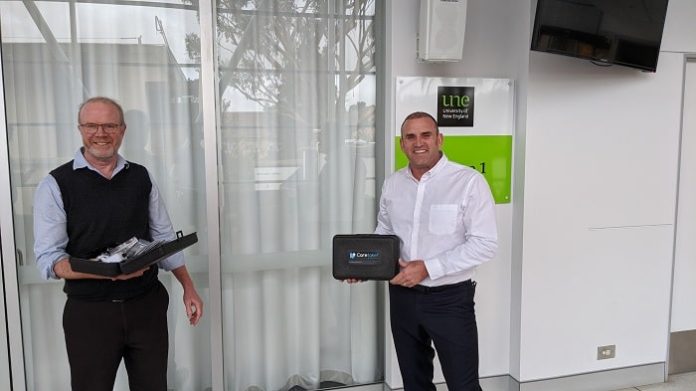
inTechnology Distribution, Australiaโ€™s leading Value Added Distributor announced that Caretaker Medical, the global leader in Remote Wireless Patient Monitoring, is the technology behind Australia’s first ‘virtual hospitalโ€™, and will be used to monitor COVID-19 patients in their homes, to help reduce the surge capacity on the Australian healthcare system.

Australiaโ€™sโ€™ first virtual hospital program has been the brainchild of Professor Rod McClure, Dean of Medicine at the University of New England, and public health expert. Professor McClure spent several years as a director at the US Centre for Disease Control and Prevention and has worked with similar virtual hospitals in America.

โ€œWith the increasing pressure on hospital emergency and ICU departments and their front-line staff, we neededa way to address this and we needed to take action nowโ€.โ€œThis has become an issue which has become global overnight, we need to access services when patients are in isolation,” he said. โ€œThe systems that support virtual access to services are not there, however the technology is and now we are deploying it.โ€ Professor McClure said,

โ€œThe Caretaker devices will be used to monitor patients in their homes who have moderate symptoms of the virus, and will continuously track their vital signs, including heart rate, temperature, oxygen saturation, beat-by-beat blood pressure and breathingโ€, Professor McClure, said. โ€œA team of doctors, supported by artificial intelligence technology, will continuouslymonitor their status, and if their conditions worsen, we will bring them into the hospital for emergency careโ€, he concluded.

โ€œWith Caretakerโ€™s ability to monitor patients remotely, and the forward thinking from Professor McClure to help Australia with this global pandemic, we will not only be able to reduce surge capacity, we will also help to protect clinicians and medical staff by allowing them to remain safely distanced from COVID-19 patients, while continuously observing vital signsโ€™ said Jeff Pompeo President and CEO of Caretaker Medical.

โ€œBeat by Beat Blood Pressure, Respiration Rate and other vitals are early indications of patient deterioration, and the Caretaker device triggers early intervention that save livesโ€. โ€œCaretaker brings โ€œICU Qualityโ€ patient data to all points of care viewable from anywhere in the world without restricting patient mobilityโ€, Jeff concluded.

โ€œItโ€™s a great privilege to be representing a vendor that not only provides world class technology, they are also at the forefront of the battle against this horrible disease that has affected so many across the worldโ€, said Mark Winter, Chief Executive Officer at inTechnology Distribution.

Professor McClure had been refining his idea for years as a way of providing better healthcare to regional areas. But the sudden need to care for potentially thousands of coronavirus patients – overwhelming hospitals across the nation – has led him to roll the project out now with full support of the University of New England.

More Virtual hospitals are expected to be rolled out across Australia, as Australia’s healthcare system braces for an enormous surge of coronavirus patients, potentially overwhelming hospital capacity. It is clear that there is an urgent need to find safe ways to keep non critically ill patients out of hospital and in the comfort of their own home.

About Caretaker Medical

Caretaker Medicalยฎ based in Charlottesville, Virginia, was founded in March 2014 to commercialize wireless patient monitoring devices built around its Patented Pulse Decomposition Analysis technology.

The company has developed the Caretaker wearable wireless vital signs monitoring system that sets a new standard in portability, simplicity, and medical-grade patient monitoring. Using a small, comfortable finger cuff, Caretaker accurately measures continuous non-invasive beat-by-beat Blood Pressure (โ€œCNIBPโ€), ECG-Accurate Heart Rate, and Respiration Rate, as well as Blood Volume (for hemorrhage detection), Arterial Stiffness, and other hemodynamic parameters.

Clinical trials have validated that Caretaker measurements are equivalent to other CNIBP patient monitors and heart rate methods. The company anticipates that its innovative approach to vital sign monitoring will be widely accepted in the medical community while disrupting existing patient monitoring solutions.

Translate ยป