Close
Digital Health & Ai Innovation summit 2026
Medical Taiwan 2026

Philips and the U.S. government collaborate in ventilator production ramp up to combat COVID-19 pandemic

Philips  ventilator production

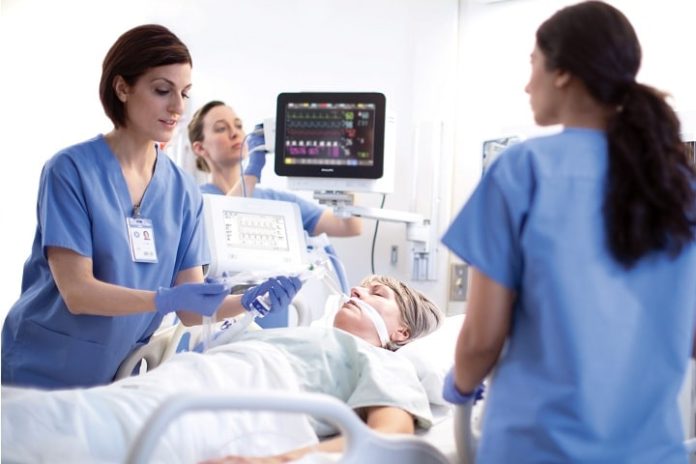
Royal Philips , a global leader in health technology, announced that the U.S. Government and Philips agreed to team up to increase the production of hospital ventilators in its manufacturing sites in the U.S. Philips plans to double the production by May 2020 and achieve a four-fold increase by the third quarter of 2020 for supply to the U.S. and global markets. Such ventilators are critical for the treatment of patients with the new coronavirus disease (COVID-19). Philips will invest several tens of millions in its ventilator manufacturing sites in the U.S.

โ€œWe are actively collaborating with the U.S. government to help save lives in the U.S. and across the globe,โ€ said Frans van Houten, CEO of Royal Philips. โ€œThere is an unprecedented global demand for medical equipment to help diagnose and treat patients with COVID-19. We welcome the support of the U.S. government in our efforts to aggressively increase the production of hospital ventilators. We believe in fair allocation of scarce medical equipment to those who need it the most, and we are ramping up to deliver 43,000 units to the most critical regions in the U.S. in the coming weeks and months through December 2020.โ€

In line with the recent call to action by the International Chamber of Commerce (ICC) and World Health Organization (WHO), Philips and the U.S. government have agreed to work together to accelerate access to critical materials and components, expedite logistics and regulatory approvals, in order to rapidly increase the production of ventilators.

In the first three months of this year, Philips already delivered several thousand ventilators to U.S. hospitals. As a result of its production ramp up, Philips was able to deliver an additional batch of ventilators to one of New Yorkโ€™s hospitals, to help provide immediate relief to the surge of COVID-19 patients within the city.

Philips believes that critical medical equipment, such as hospital ventilators, should be made available across the world using a fair and ethical approach to allocate supply to acute patient demands based on data such as the COVID-19 statistics per country/region (e.g. provided by the WHO and Johns Hopkins Coronavirus Resource Center) and the available critical care capacity. Philips may divide orders into batches to be delivered in phases, so that the company can simultaneously serve multiple countries/regions in need.

SuperTrans Medical Announces $2M Investment from Mediforum

SuperTrans Medical Announces $2M Investment from Mediforum

SuperTrans Medical , a privately held biopharmaceutical company with initial focus on the discovery and development of novel antibiotics, announced that leading South Korean biopharma Mediforum Pharm will make a $2M investment in SuperTrans. In return, Mediforum will collaborate with SuperTrans in the manufacturing and commercialization of SuperTrans’ products in Asia, including South Korea, China, and Japan. Additionally, Mediforum will fully commit and support SuperTrans’ future drug development programs.

The SuperTrans technology was discovered by chemists Prof. Paul A Wender (Professor of Chemistry, School of Humanities and Sciences, and by courtesy, of Chemical and Systems Biology Stanford Medical School, Stanford University) and Prof. Lynette Cegelski (Professor of Chemistry, School of Humanities and Sciences), both on the Scientific Advisory Board of the company. Professor Wender’s guanidinium-rich, molecular transporter technology, inspired by nature, is licensed from Stanford University by SuperTrans Medical and its partner, Mediforum. This technological approach could help bridge a gap to deliver urgently needed antibiotics to thwart multi-drug resistant bacterial pathogens.

In addition, SuperTrans is completing candidate assessments for the treatment of COVID-19 based on its transporter technology. The candidate compound will be aimed in preventing both viral and bacterial pulmonary infections. The company is currently preparing its drug development program.

SuperTrans Medical’s R&D team consists of individuals from Major Pharma’ with drug development successes, including antibiotics and HIV inhibitors. These are Dr. Lewis Neville, CEO, Dr. Jacob Rendell, CTO (Ex-Teva), Dr. Patricia Bradford (Ex-Wyeth, Novartis and AstraZeneca), Dr. Joseph Vacca (Ex-Merck and WuXi Apptec), Dr. Peter Warn (Ex-Evotec) and Prof. Itamar Shalit, a pediatric clinical infectious diseases specialist.

Mediforum is a Seoul-based pharmaceutical company which is specialized for researching and developing novel drugs against neuro-degenerative disease such as Alzheimer’s disease and Parkinson’s disease. “SuperTrans Medical is thrilled to partner with Mediforum as our lead strategic investor. We are looking forward to a long-term partnership to further develop and commercialize the SuperTrans technology,” commented Lewis F. Neville, CEO of SuperTrans Medical. “In a short period of time, we have made significant inroads into the design and evaluation of different FDA-approved antibiotics that were conjugated to the company’s unique transporter technology. This has already resulted in the identification of a number of compounds worthy of late stage development. Mediforum has identified the strength of our platform technology to improve the properties of existing FDA-approved antibiotics. Mediforum’s investment will allow a lead antibiotic-conjugate to enter Phase 1 testing within 12-15 months.”

“We are delighted to invest in SuperTrans. We have been impressed by their rapid progress during the last number of months that has culminated in the development of a number of lead compounds. We believe that their transporter technology can represent a paradigm-shift for the accelerated development of much needed antibiotics into human trials. Mediforum will proactively play its role as a strategic partner through the co-exchange of all research and development efforts. Although SuperTrans’ technology is at a relatively early stage of development, we anticipate the launch of a new generation antibiotic for testing will be relatively fast. This is because the technology can be easily conjugated to existing FDA-approved antibiotics,” commented Mr. Park Jaehyung, CEO of Mediforum. “Furthermore, SuperTrans is strengthening its pipeline through its support of Stanford University and other scholars. Also, SuperTrans is preparing for a Hong Kong IPO in 2022, which is highly attractive for Mediforum,” further commented Mr. Park Jaehyung.

About SuperTrans Medical

SuperTrans Medical is a biopharmaceutical company developing novel antibiotics by improving the properties of existing, FDA compounds following chemical conjugation to a unique transporter technology called Guanidinium-Rich Molecular Transporter (GRMoTr). A main obstacle in the development of effective antibiotics is to effectively overcome the structural complexities of the outer bacterial membrane. This is particularly pertinent for Gram-negative bacteria. The GRMoTr bestows upon antibiotics, a vastly improved capability to breach the outer membrane and effectively eradicate Gram-positive and Gram-negative pathogens including multi-drug resistant strains.

About Mediforum

Mediforum Pharm is a brain healthcare specialized pharmaceutical company that discovers and develops treatment for degenerative brain diseases such as Alzheimer’s and Parkinson’s diseases among others. Currently, the company is aggressively expanding its R&D pipeline together with its rapidly growing prescription drug sales. Furthermore, Mediforum is actively engaging with overseas research institutes in order to expand operations beyond domestic borders and penetrate the global market.

Tolomatic Develops Open-Source, Ventilator Actuation Prototypes

Tolomatic Develops Open-Source, Ventilator Actuation Prototypes

Tolomatic, a global company in linear motion technologies, has applied its expertise to develop automation solutions for manual resuscitators, which are needed worldwide to fight the COVID-19 pandemic.

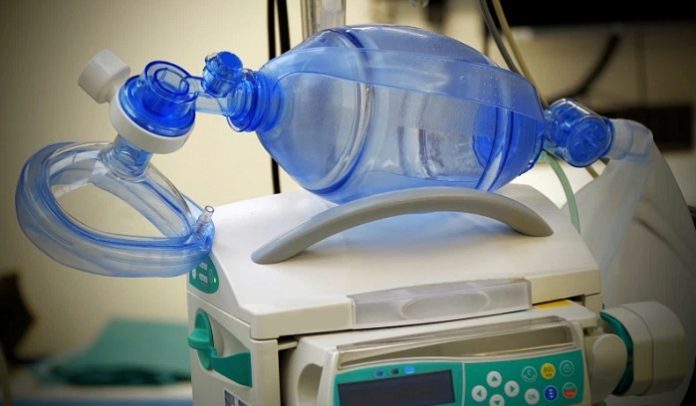
Tolomaticโ€™s solution is a new type of ventilator that operates using an electric linear actuator. These prototypes automate a non-invasive, positive-pressure resuscitator (also self-inflating bag, bag valve mask or AMBU bag/Artificial Manual Breathing Unit). The device, used primarily in emergency situations when traditional ventilators are not available, provides oxygen to patients requiring breathing assistance. The bag valve mask is positioned over the patientโ€™s nose and mouth. An assistant manually squeezes the bag to provide airflow via a combination of ambient air and an oxygen cylinder and connecting tube. Squeezing the bag manually is workable for short durations, but not viable for longer term care. It can also create air flow inconsistencies, as well as require extra time and labor to stabilize the patient. Tolomaticโ€™s approach is to automate this traditionally manual process using their electric linear actuators and ensure patients would continue to get air for days or weeks.

Tolomaticโ€™s hope is to spark interest and conversation with potential partners in developing a final design solution that can be submitted for approval.

Tolomatic screw-driven linear actuators convert rotary power from a servo motor into linear motion. This provides smooth and consistent operation of the system, allowing the device to control the velocity, the acceleration and the distance of any move at any point in time. This controlled motion allows for a more continuous volume of air per compression cycle and a more typical breathing cycle.

Ambu bags with an automated single-direction camming solution or pneumatic actuator do not allow for varying the stroke length; only the breath frequency. As a result, the tidal volume of air flow to the patient is always the same, and the motion profile is counter to a typical breath cycle.

In contrast, linear actuator systems can change the frequency of the induced respirations and also the volume, which is not possible with fixed displacement rotary devices. The total control of motion from a linear electric actuator allows for much more flexible air flow that could now be modified for a patientโ€™s age, size or current needs.

This solution offers reliable long life, and has the ability to integrate in alarm features in case of motor faults, or possible sensors around the airflow quantity and quality.

โ€œWe are not a medical device manufacturer and this design has not been approved by any regulatory bodies,โ€ said Andy Zaske, vice president of sales and marketing, Tolomatic. โ€œHowever, many of our customers are, and our hope is that this might spark some interest in partnering with us on an approved final design solution. We stand ready to offer our motion control expertise to help solve critical challenges during this time. Contact us for assistance with your applications. Together we will make it happen!โ€

GYANT Introduces COVID-19 Emergency Response Assistant, in use by OSF

GYANT Introduces COVID-19 Emergency Response Assistant, in use by OSF

GYANT, the patient connection and relationship management company, today announced a new virtual assistant solution specifically designed for health systems to offer an accessible COVID-19 screening assistant to patients. The solution, COVID-19 Emergency Response Assistant, offers screening and care navigation support as well as patient education on symptoms, prevention and preparedness.

With thousands of confirmed cases of COVID-19 in the U.S., hospitals and health systems are working tirelessly to care for patients and limit the spread of the disease. GYANTโ€™s COVID-19 Emergency Response Assistant screens for COVID-19 symptoms and risk factors, as well as directs patients to the appropriate resources and care settings. The solution also provides general information on symptoms and answers common questions about COVID-19, providing relief for overburdened call center and front desk resources.

โ€œAs a steward in the healthcare community, it is important for us to consider the needs of our industry, including our clients and their patients, at all times, particularly in extraneous circumstances,โ€ said Stefan Behrens, COO and co-founder, GYANT. โ€œObviously, these enhancements were not on our product roadmap, nor were they scoped with any client, but as a leading source of health information for patients and consumers, we considered it critical to incorporate COVID-19 into our medical protocols.โ€

Illinois-based OSF HealthCare (OSF) is already deploying the COVID-19 solution to help patients better understand their risk for contracting the virus and help them navigate to the appropriate type of care based on their symptoms. OSF first implemented GYANTโ€™s Digital Front Door solution in December 2019, serving patients across Illinois and Michigan where OSF operates 147 locations, including 14 hospitals. OSF originally partnered with GYANT to create a better digital health experience for patients, an aspect of care that is seeing increased utilization due to COVID-19.

โ€œWe are always looking for ways to better serve our patients and offer more personalized engagements. Our patients want the ability to communicate with us virtually, and this has only heightened with the spread of COVID-19,โ€ said Jennifer Junis, senior vice president of Saint Gabriel Digital Health, OSF HealthCare. โ€œWith GYANT, we created Clare, a friendly and informative virtual assistant that supports patients before and during their care journey. This level of connectivity is critical in times of healthcare crisis.โ€

Usage rates of the virtual assistant, Clare, have significantly increased since adding GYANTโ€™s COVID-19 solution. Clare had 14,000 interactions about COVID-19 in the first two days since her coronavirus update.

In addition, 85 percent of patients using Clare report a positive experience.

The COVID-19 Emergency Response Assistant will continuously update based on guidelines from the Centers for Disease Control and Prevention and the World Health Organization.

About GYANT

GYANT, the patient connection and relationship management company, drives more meaningful patient-doctor engagements while improving care utilization and pathways. Leveraging its customizable, artificial intelligence-enabled platform, which integrates into any EHR system, GYANT creates easy to navigate and enjoyable experiences for patients that equate to cost and time savings, and improved patient conversion rates for health systems. GYANTโ€™s unique combination of deep intelligence, physician oversight and a human-driven, empathetic approach allows health systems to solve for traditional complex care issues, ensuring that patients receive the right care โ€“ anytime and anywhere, increasing engagement, trust and loyalty along their entire healthcare journey.

About OSF HealthCare

OSF HealthCare is an integrated health system owned and operated by The Sisters of the Third Order of St. Francis, headquartered in Peoria, Illinois. OSF HealthCare employs more than 23,600 Mission Partners in 147 locations, including 14 hospitals โ€“ nine acute care, four critical access โ€“ with 2,097 licensed beds, and two colleges of nursing throughout Illinois and Michigan. The OSF HealthCare physician network employs more than 1,500 primary care, specialist and advanced practice providers. OSF HealthCare, through OSF Home Care Services, operates an extensive network of home health and hospice services. It also owns Pointcore, Inc., comprised of health care-related businesses; OSF HealthCare Foundation, the philanthropic arm for the organization; and OSF Ventures, which provides investment capital for promising health care innovation startups.

Geisinger expands telehealth services amid COVID-19 pandemic

Geisinger expands telehealth services amid COVID-19 pandemic

To give patients continued access to primary and specialty care while slowing the spread of COVID-19, Geisinger has expanded its telehealth services to include primary care and more than 70 specialties.

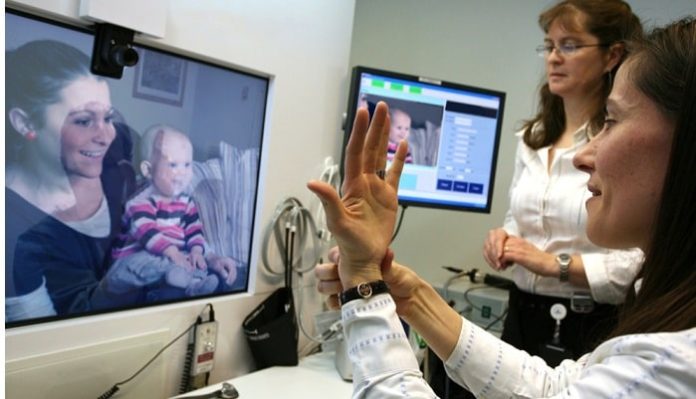
Telemedicine video visits allow patients to speak with providers in real time using video chat technology on a secure network. Telemedicine visits are available for a wide range of conditions including colds and flu, rashes, diabetes, mental health, neurologic conditions and many more.

โ€œTelemedicine video visits ensure that our communities continue to have access to primary and specialty care while practicing social distancing and slowing the spread of COVID-19,โ€ said David Fletcher, associate vice president of Telehealth. โ€œGeisinger providers answer patient questions and discuss concerns in real time, just like at a regular office visit, but from the comfort of the patientโ€™s home.โ€

Telemedicine visits are accessible through a smartphone (iPhone or Android), a tablet or a computer with a webcam and speaker, along with a high-speed internet connection.

To find out if telehealth is right for you or if your provider is offering virtual visits, call 866-530-6925. Patients who have an upcoming appointment with a Geisinger provider can contact their doctorโ€™s office directly and ask about the availability of a virtual visit. Telehealth services are available to Geisinger Health Plan members at no cost through June 15, and many other insurers are waiving copays for this service.

About Geisinger
Geisinger is committed to making better health easier for the more than 1.5 million consumers it serves. Founded more than 100 years ago by Abigail Geisinger, the system now includes 13 hospital campuses, a 600,000-member health plan, two research centers and the Geisinger Commonwealth School of Medicine. With 32,000 employees and 1,800 employed physicians, Geisinger boosts its hometown economies in Pennsylvania and New Jersey by billions of dollars annually.

HIMSS and PCHAlliance Comment on Federal Health IT Strategic Plan

15418 - digital_healthcare.jpg

HIMSS and PCHAlliance provided written comments in response to the Draft 2020-2025 Federal Health IT Strategic Plan.

Overall, we expressed support for the Strategic Planโ€™s outcomes-driven approach and goals focused on meeting the needs of individuals, populations, caregivers, healthcare providers, payers, researchers, developers and innovators.

In addition, HIMSS and PCHAlliance are aligned with how the Strategic Plan highlights the importance of the shift to value-based care through new incentives for healthcare providers to improve quality and patient outcomes.

The Planโ€™s strategic goals and objectives capture important themes that ONC should concentrate on over the next five years, although our comment letter offers thoughts and recommendations on specific objectives and strategies included in the Plan. Our overarching goal for the Plan is to create an environment where the federal government collaborates with all healthcare stakeholders to empower patients while delivering better outcomes as well as higher quality and more cost-effective care.

HIMSS and PCHAlliance suggest there is considerable value in the Strategic Plan placing greater emphasis on advancing health information infrastructure that enables individuals to take more control over their personal health and wellness through access to their personal health data and digital tools that educate and guide personal health decisions that support health and wellness.

We also note how the COVID-19 global pandemic is having a devastating impact on populations, and we highlight how to advance and strengthen population health and wellness: transform todayโ€™s healthcare system toward the future, digitally-enabled health system; and, mobilize data into knowledge and insights that inform care delivery focused on keeping people and populations healthy.

HIMSS and PCHAlliance also look at revising the Strategic Planโ€™s definition of interoperability and utilizing HIMSSโ€™s work on Interoperability in the Healthcare Ecosystem and our Four Levels of Interoperability.

If you have questions, or need more information, about HIMSS and PCHAllianceโ€™s efforts to develop comments on the Strategic Plan, please reach out to policy@himss.org.

Medocity launches COVID-19 digital platform with Hillcrest Home Care

Medocity launches COVID-19 digital platform with Hillcrest Home Care

To help slow the spread of COVID-19, Hillcrest Home Care, one of Nebraskaโ€™s largest skilled home health and telehealth agencies, will immediately begin real-time screening, remote monitoring and risk assessment of COVID-19 symptoms for employees and at-home patients using Medocityโ€™s Digital Care Platform.

Medocity, a leader in enterprise virtual care technology, today launched its COVID-19 screening and remote monitoring solution for Hillcrest Home Care, part of Nebraskaโ€™s largest post-acute health services provider. Built upon Medocityโ€™s flagship Digital Care Platform, the population-based COVID-19 program enables virtual screening, remote symptom monitoring, vital signs tracking, and proactive interventions personalized for any population, including high risk patients with multiple comorbidities.

โ€œWe recognized that during this health care crisis, we needed to quickly provide for the safety and well-being of both team membersย and clients in order to continue personalized skilled medical care in the home,โ€ said Lauren Wright, Administrator of Hillcrest Homeย Care. โ€œCoronavirus puts many of our home health clients, particularly those with complex conditions such as COPD and CHF, at farย greater risk than before. We can now remotely monitor and track changes to temperature, oxygen levels, and other COVID-19ย specific symptoms every day. This allows us to quickly identify those requiring additional healthcare attention, so that we can provideย the right service at the right time. This customized service is a game changer to supplement our in-home nursing and therapy visits,ย and it also provides us with a HIPAA-compliant telemedicine platform for virtual visits as needed.โ€

In response to the expanding global threat, Medocity accelerated development of a targeted digital program with COVID-19 specific clinical protocols to:

  • Aid in the early identification of possible COVID-19 cases in a population
  • Proactively push frequent, consistent, relevant communications and guidance personalized to each user
  • Allow for real-time active monitoring of individuals and reported symptoms
  • Facilitateย timely escalation of careย asย changes in health status are noted
  • Track and report evolvingย COVID-19ย population health statistics and trends over time to ensure resourcesย are appropriately deployed

โ€œThe Medocity platformโ€™s data and reporting capability allow for a systematic view of usersโ€™ COVID-19 symptoms and status in real-time and by location. There have been examples from around the globe where this type of systematic monitoring and targetedย response is proving to be a key component in the fight to stop the spread of the disease,โ€ said Robert Epstein, MD, epidemiologist,ย CEO of Epstein Health and member of Medocityโ€™s Medical Advisory Board. โ€œAs hospitals and doctors-offices become inaccessible,ย we now see that we have to move away from reliance on in-person patient visits and use digital solutions to shift to remote, cost-effective, large-scale population surveillance and targeted intervention that would otherwise be impossible to do.โ€

Hillcrest Home Care clinical team members will use their own mobile devices to provide daily self-reported symptom checks toย ensure they are healthy and able to report to work. Separately, low-risk at-home patients can use their own mobile devices to performย the same self-assessments. For high-risk COPD and CHF patients, Hillcrest will utilize its existing remote monitoring program withย pre-configured tablets and devices supplied by Medocity. Any reported patient-vitals such as temperature, heart rate, or oxygenย levels (pulse ox) that are outside pre-determined parameters will trigger real-time clinician alerts and appropriate, proactive COVID-19 interventions.

โ€œOur remote patient monitoring capabilities can be used for chronic and complex condition management, including comorbidities, orย for crisis management as we are demonstrating with our COVID-19 digital solution,โ€ said Raj Agarwal, President, and CEO ofย Medocity. โ€œBacked by recent FDA encouragement, Hillcrest Home Care providers now have visibility to patientโ€™s at-home healthย status which may reduce the need for in-person visits and decrease the risk of coronavirus exposure. During this uncertain time,ย Medocityโ€™s highly configurable, cloud-based digital platform allows any sponsor โ€“ including health care providers, payers, clinicalย researchers or public health agencies โ€“ to easily and quickly go virtual.

About Medocity
Medocityย is the leading healthcare technology company transforming the management of chronic or complex disease. The Medocity Digital Careย Platform is the next generation in early and proactive intervention, enabling our clients to deliver comprehensive virtual care programs for patients withย any condition, anywhere in the world. The company’s award-winning HIPAA compliant solution connects all stakeholders in care, continuously monitorsย patient-reported data from hundreds of sources, and applies artificial intelligence to identify anomalies, send out alerts, and intervene when necessary โ€”ย all in real-time, through one common ecosystem. Clinically proven across multiple chronic conditions and settings, the Medocity Platform increasesย engagement, improves outcomes and lowers total healthcare costs.

About Hillcrest Home Care
Hillcrest Home Care offers skilled medical home health and telehealth services to aging adults in 11 counties in Nebraska and Iowa. The agency is part of Hillcrest Health Services, which offers the widest array of senior health care and housing services in the region, including independent and assisted living, memory support, post-acute rehabilitation, long-term care, adult day services, outpatient therapy, home health, hospice and in-home personal care. Hillcrestโ€™s 1,600+ team members enhance the lives of more than 1,500 aging adults every day.

Intermountain Healthcare COVID-19 Response Teams to Provide Support to New York Hospitals

Intermountain Healthcare COVID-19 Response Teams to Provide Support to New York Hospitals

Hundreds of Intermountain Healthcare clinicians recently expressed interest in providing assistance to states facing major surges in COVID-19 cases that are also currently experiencing severe staffing shortages.

In response, Intermountain has created two COVID-19 Response Teams that will deploy to the New York City area to assist hospitals the week of April 13.

Intermountain has partnered with New York-Presbyterian Hospital and Northwell Health, both located in the New York City area. These healthcare systems will aim to return the favor by supporting Intermountain as much as they can when Utah faces its own surge with COVID-19 patients.

Each Intermountain team will have 50 caregivers who will serve for a maximum of 14 days. These voluntary teams are made up of physicians, nurse practitioners, physician assistants, nurses, respiratory therapists, and other caregivers.

โ€œIโ€™m incredibly proud that so many of our caregivers want to help others in need, and we have the capacity right now to share our staff with others in the middle of their COVID-19 surge,โ€ said Paul Krakovitz, MD, Intermountain Healthcareโ€™s chief medical officer for specialty based care. โ€œNot only will they provide care for patients in New York, they will bring back knowledge and experience to share with their Utah colleagues that will help us serve Utah patients.โ€

The first team is scheduled to fly out of Salt Lake City on Tuesday, April 14, and will assist caregivers at Northwell Health.

Experts anticipate that Utahโ€™s COVID-19 surge will happen in May or June, so caregivers will be back to the Intermountain service area when help is needed most. โ€œThis temporary sharing of staff experienced in treating COVID-19 will greatly benefit patients in Utah and elsewhere,โ€ said Dr. Krakovitz.

LabCorp, Ciox partner on COVID-19 patient database

LabCorp, Ciox partner on COVID-19 patient database

Life-sciences-technology specialist LabCorp and health-information-management company Ciox Health are teaming up to create a U.S.-based COVID-19 patient data registry that aims to help researchers accelerate diagnosis, treatment and prevention strategies.

WHY IT MATTERS

The registry will hold HIPAA-compliant de-identified data sets that clinical researchers will use to better understand and characterize COVID-19 diagnoses and treatments, with an initial data set based on LabCorp’s nearly 500,000 completed COVID-19 tests.

Ciox’s Real Word Data division will access and curate those clinical data sets, which will scale over the coming weeks and months to eventually aggregate millions of data points.

Dr. Oren Cohen, chief medical officer of LabCorp’s Covance drug development business and Fellow of the Infectious Diseases Society of America, will serve as co-investigator of the patient data registry, and the registry’s lead investigator is LabCorp Diagnostics’ chief scientific officer Marcia Eisenberg.

The two companies hope to tackle a multitude of other questions about the disease course of the virus, and have also formed a scientific advisory committee to guide the usage of the registry and support ongoing partnerships for research.

Among the central areas of focus for the research partnership are risk factors associated with the severity of disease and environmental factors that drive susceptibility to, or protection from, the virus.

THE LARGER TREND

As the COVID-19 pandemic continues to spread, hospitals’ abilities to cope with an onrush of infected cases have been challenged in multiple ways. The use of various digital technologies to combat the pandemic could hold important lessons for the industry as a whole going forward.

The outbreak has also put a spotlight on population-health demands and on the importance of services like telehealth and remote patient-monitoring, while also highlighting the benefits and challenges of current electronic health record architectures.

Adaptive Biotechnologies and Microsoft recently announced a plan to leverage their existing partnership to map population-wide adaptive immune responses to diseases at scale in order to study COVID-19.

In March, the German Society of Infectious Diseases (DGI) initiated the establishment of a European case registry to collect clinical data of infected patients, but included multi-layered safety features that demand strict anonymity, so permitting patients who are no longer able to give their informed consent to be included in the registry.

ON THE RECORD

“Healthcare practitioners and researchers need dynamic and real-time insights about COVID-19 to address this healthcare crisis and develop better treatment options for patients,” LabCorp’s Chief Information and Technology Officer Lance Berberian, said in a statement. “Combining life sciences and data sciences, including artificial intelligence and natural language processing, is the next frontier in the battle against the virus.

CMU-Developed Microneedle Patches Ready for COVID-19 Fight

 CMU-Developed Microneedle Patches Ready for COVID-19 Fight

As healthcare professionals battle the COVID-19 pandemic on the front lines, engineers are working behind the scenes with innovative technologies to tip the scales in this global fight.

Carnegie Mellon University’s Burak Ozdoganlar, who developed the manufacturing technique for dissolvable microneedle arrays, is offering to fabricate these patches for researchers working on potential vaccines and treatments.

These are the same microneedle patches co-developed by Carnegie Mellon University and the University of Pittsburgh Medical Center and recently announced for use with the PittCoVacc vaccine.

“I’m seeking researchers who are working on a vaccine against, or treatment for, SARS-CoV-2 to collaborate with me,” said Ozdoganlar, a professor of mechanical engineering at Carnegie Mellon. “My lab can fabricate hundreds of microneedle arrays with your viable vaccine or antiviral drug very quickly for testing in your vaccine and drug development, and we can ramp up to thousands if needed.

“Furthermore, once a viable vaccine is identified, we can provide the necessary expertise, experience, and connections to scale up the manufacturing of the vaccine patches using Good Manufacturing Practice (GMP) guidelines to the levels that will effectively address the COVID-19 vaccination needs. We are here to do our part in providing support throughout this epidemic.”

Ozdoganlar has been developing and innovating microneedle array drug delivery devices since 2006.

Microneedle arrays contain hundreds of tiny needles clustered on a miniature patch about the size of a contact lens. The microneedles are made from biodissolvable sugar-like natural materials, and the vaccine or drug to be delivered is mixed with this water-soluble material when fabricating the microneedles. When applied onto the skin, the microneedles quickly dissolve and deliver the medication. Due to the small size of the needles, the microneedle patch causes no pain or bleeding.

While the arrays are being tested on humans to deliver chemotherapy as a treatment for skin cancer, they also hold strong potential for use in vaccination and other treatments.

The technology is particularly promising for delivering vaccines or antibodies to fight pathogens since abrasions to the skinโ€”even very tiny onesโ€”produce an immediate and powerful response from the immune system. Traditional syringe vaccines that enter muscle tissue do not elicit quite as effective a response; they require a much larger dose of vaccine than microneedles do to achieve the desired immunity or treatment. Therefore, vaccination and treatment through microneedle array patches can be significantly more effective and faster than using hypodermic needles.

Translate ยป