











Close
Digital Health & Ai Innovation summit 2026
Medical Taiwan 2026

MIT Begins Mass Manufacture of Disposable Face Shields

MIT Begins Mass Manufacture of Disposable Face Shields

The shortage of personal protective equipment (PPE) available to healthcare professionals has become increasingly problematic as Covid-19 cases continue to surge. The sheer volume of PPE needed to keep doctors, nurses, and their patients safe in this crisis is daunting—for example, tens of millions of disposable face shields will be needed nationwide each month. This week, a team from MIT launched mass manufacturing of a new technique to meet the high demand for disposable face shields.

The single piece face shield design will be made using a process known as die cutting. Machines will cut the design from thousands of flat sheets per hour. Once boxes of these flat sheets arrive at hospitals, healthcare professionals can quickly fold them into three-dimensional face shields before adjusting for their faces.

“These face shields have to be made rapidly and at low cost because they need to be disposable,” explained Martin Culpepper, professor of mechanical engineering, director of Project Manus, and a member of MIT’s governance team on manufacturing opportunities for Covid-19. “Our technique combines low-cost materials with a high-rate manufacturing that has the potential of meeting the need for face shields nationwide.”

Culpepper and his team at Project Manus spearheaded the development of the technique in collaboration with a number of partners from MIT, local-area hospitals, and industry. The team has been working closely with the MIT Medical Outreach team and the Crisis Management Unit established by Vice President for Research Maria Zuber and directed by Elazer R. Edelman, the Edward J. Poitras Professor in Medical Engineering and Science at MIT.

Extending the Life of Face Masks
When used correctly, face masks should be changed every time a doctor or nurse treats a new patient. However, over the past month, many healthcare professionals have been asked to wear one face mask per day. That one mask could carry virus particles—potentially contributing to the spread of Covid-19 within hospitals and endangering healthcare professionals.

“The lack of adequate protective equipment or the idea of reusing potentially contaminated equipment is especially frightening to healthcare workers who are putting their lives, and by extension the lives and well-being of their families, on the line every day,” explained Edelman, who is also the director of MIT’s Institute for Medical Engineering and Science (IMES) and leader of MIT’s PPE task force.

Face shields can address this problem by providing another layer of protection that covers masks and entire faces while extending the life of PPE. The shields are made of clear materials and have a shape similar to a welder’s mask. They protect the healthcare professional and their face mask from coming in direct contact with virus particles spread through coughing or sneezing.

“If we can slow down the rate at which healthcare professionals use face masks with a disposable face shield, we can make a real difference in protecting their health and safety,” explained Culpepper.

Culpepper and his team at Project Manus set out to design a face shield that could be rapidly produced at a scale large enough to meet the growing demand. They landed on a flat design that people could quickly fold into a three dimensional structure when the shield was ready for use. Their design also includes extra protection with flaps that fold under the neck and over the forehead.

As much of MIT’s campus came to a halt in light of social distancing measures being put in place, Culpepper started prototyping using a laser cutter he had in his house. Along with some design input from his children, he tested different materials and made the first 10 prototypes at home.

“When you’re thinking of materials, you have to keep supply chains in mind. You can’t choose a material that could evaporate from the supply chain. That is a challenging problem in this crisis,” explained Culpepper. After testing a few materials that cracked and broke when bent, the team chose polycarbonate and polyethylene terephthalate glycol—known more commonly as PETG—as the shield’s material.

In addition to making more prototypes at the Project Manus Metropolis Makerspace using a laser cutter, Culpepper worked with Professor Neil Gershenfeld and his team at MIT’s Center for Bits and Atoms (CBA) on rapid-prototyping designs for testing using a Zund large-format cutter.

Gershenfeld’s team at CBA is working on a number of projects for coronavirus response using its digital fabrication facility at MIT as well as the global Fab Lab network it launched. “The coronavirus response site is a great resource for those that are interested in working on solutions for PPE and devices for the Covid-19 pandemic,” Culpepper adds.

“It’s been a pleasure in this difficult time collaborating with such an impressive group, drawing on all of the Institute’s strengths to quickly define and refine a solution to an urgent need,” said Gershenfeld. “The work at MIT will be valuable beyond its immediate local impact, as a best-practices reference for the many other face shield projects emerging around the world.”
Testing the shield at local hospitals

With a number of working prototypes built, Culpepper and his team moved to the testing phase after consultation with, and practical feedback from, Edelman, who is also a physician.

“The single greatest insecurity of a healthcare provider is the thought that we will become infected and in doing so be unable to perform our duties or infect others,” added Edelman.

Edelman demonstrated how to store, assemble, and use the face shields for nurses and physicians at a number of area hospitals. Participants were then asked to use them in real-life situations and provide feedback using a one-page survey.

The feedback was overwhelmingly positive—participants found that in addition to being easy to assemble and use, the MIT-designed shields provided good protection against coming in contact with virus particles through splashes or aerosolized particles.

Armed with this feedback, Culpepper’s team made a few minor adjustments to the design to maximize coverage around the sides and neck of users. With the design finalized, the project has this week shifted to high-rate mass manufacturing.

High-Rate Mass Manufacturing
The die cutter machines used in mass manufacturing will produce the flat face shields at a rate of 50,000 shields per day in a few weeks. The manufacturer will continue to ramp up and increase the rate of manufacturing further with the ability to fabricate in more than 80 facilities nationwide.

“This process has been designed in such a way that there is the potential to ramp up to millions of face shields produced per day,” explained Culpepper. “This could very quickly become a nationwide solution for face shield shortages.”

MIT plans on purchasing the first 40,000 face shields to donate to local Boston-area hospitals this week and the fabrication facilities will donate 60,000.

“Having an adequate and perhaps even endless supply of PPE is absolutely critical to ensuring the safety of the entire population, especially those who care for Covid-19 patients,” adds Edelman.

Throughout the process, Culpepper’s team received help from a number of colleagues and departments across MIT. This includes MIT’s Office of the Vice President for Research, Professor Elazer Edelman, Tolga Durak, managing director of the MIT Environment, Health and Safety Office, the Center for Bits and Atoms, MIT Procurement Operations, MIT’s Office of the General Counsel, MIT’s Department of Mechanical Engineering, and colleagues from MIT Lincoln Laboratory, who helped source material to build the face shields and supported design iterations. They also received advice from MIT colleagues working with the Massachusetts Technology Collaborative, which is helping organize manufacturers for Covid-19 response.

“This project was a great example of collaboration across MIT and the employment of mind-heart-hand. When we reached out to others, they dropped everything to put their minds and hands to work helping us make this happen quickly,” said Culpepper. “It is also a great example for others to look to safely and rapidly innovate PPE for Covid-19.”

How to protect yourself from falsified medical products?

How to protect yourself from falsified medical products?

At a time when the Covid-19 epidemic is posing unprecedented challenges to the health sector, the Council of Europe calls on governments to be extremely vigilant against counterfeit or falsified medicines and medical products. Faced with this threat, states can rely on the MEDICRIME Convention to safeguard public health and target the criminal behaviour of those who, like criminal networks, take advantage of the loopholes in our systems and of the current crisis.

In an opinion published, the MEDICRIME Committee warns of the increased risk, in these times of shortage, of the sale of falsified medical products: medicines, medical devices, protective masks and rapid screening tests, which may prove ineffective or dangerous for those who use them.

It also makes a number of recommendations:

Online platforms offering medical products to the public health system or to individuals should be monitored, and States should work together to break the
supply chain of falsified medical products that are traded between their territories;

Staff should be assigned to hot spots to detect and stop the trafficking of falsified medical products;

In order to prevent criminals from exploiting shortages, measures must be taken to prevent the unauthorised diversion of essential medical products from State health systems and supply channels;

Close cooperation between national agencies and services is necessary to ensure that measures to prevent falsified medical products from entering the health services do not affect the legitimate supply of medical products needed by beneficiaries. Similarly, health professionals and health services must ensure that they do not obtain medical products from unverified sources;

National and international cooperation must be intensified to gather evidence of the criminal nature of medical product-related offences committed during the pandemic;

The rights of victims, including the right to be informed of the effects of falsified medical products on their health, must be guaranteed.

Read more on this topic:
The Convention on the counterfeiting of medical products and similar crimes involving threats to public health of 2011 (“MEDICRIME Convention”), the only international treaty on the subject, has been ratified by 16 countries and signed by 16 others in Europe and beyond.

The Convention establishes a framework for national and international cooperation between the competent national and international health, police and customs authorities, the adoption of measures to prevent crime with the involvement of the private sector, the effective prosecution of offenders and the protection of victims and witnesses.

B. Braun Receives FDA Emergency Use Authorization for Use of Infusion Pumps with Nebulizers to Treat COVID-19 Patients

B. Braun Receives FDA Emergency Use Authorization for Use of Infusion Pumps with Nebulizers to Treat COVID-19 Patients

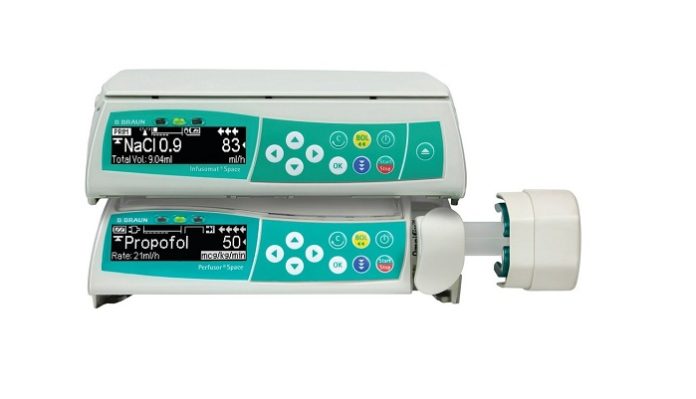
B. Braun Medical Inc. announced that the US FDA issued EUA of B. Braun’s Perfusor Space Syringe Infusion Pump, Infusomat® Space Volumetric Infusion Pump, and Outlook® ES Pump systems for use in the “tracheal delivery of continuous nebulized medications into a nebulizer to treat patients of all ages with or suspected of having the Coronavirus Disease 2019 (COVID-19) and to decrease the exposure of healthcare providers (HCP) to such patients during the COVID-19 pandemic.”

“This authorization allows for an alternative method to administer continuous nebulized medications to patients who are critically ill with COVID-19, many of whom are on ventilation,” said Wes Cetnarowski, MD, Chief Medical Officer and Senior Vice President, Scientific Affairs at B. Braun. “As hospitals struggle to cope with the surge of patients suffering from this deadly disease, this action provides another tool for healthcare professionals on the front line to treat some of the most serious cases while helping to protect clinicians by reducing their exposure to infected patients.”

Studies have shown that using infusion pumps with nebulizers can help provide steady, controlled delivery of nebulized medication to patients with acute respiratory distress syndrome (ARDS). Some of the most critical COVID-19 patients suffer from severe ARDS.

“We applaud this decisive action taken by the FDA to help some of the most seriously ill COVID-19 patients,” said Jean-Claude Dubacher, Chairman and Chief Executive Officer of B. Braun Medical Inc. “The rapid review and authorization of this and other COVID-19 countermeasures demonstrate the agency’s commitment to ensure that healthcare providers have the medical devices and treatments they need to fight this disease.”

The EUA also authorizes ground medical transport use of the Infusomat® Space Volumetric Infusion Pump System. The Perfusor® Space Syringe Infusion Pump System is already cleared for ground transport.

B. Braun submitted the EUA request to FDA on April 8, 2020 under the agency’s January 2017 “Guidance for Emergency Use Authorization of Medical Products and Related Authorities,” which enhances FDA’s authority to support emergency preparedness and response and foster the development and availability of medical products for use in public health emergencies.

The B. Braun Space and Outlook Pumps have not been FDA cleared or approved for this emergency use in the tracheal delivery of continuous nebulized medications into a nebulizer to treat patients with or suspected of having COVID-19 and for ground medical transport use of the Infusomat Space Volumetric Infusion Pump System;

The B. Braun Space and Outlook Pumps have been authorized for emergency use by FDA for use in the tracheal delivery of continuous nebulized medications into a nebulizer to treat patients of all ages with or suspected of having COVID-19 and for ground medical transport use of the Infusomat Space Volumetric Infusion Pump System;

The B. Braun Space and Outlook Pumps for use in the tracheal delivery of continuous nebulized medications into a nebulizer to treat patients of all ages with or suspected of having COVID-19 and for ground medical transport use of the Infusomat Space Volumetric Infusion Pump System are authorized only for the duration of the declaration that circumstances exist justifying the authorization of the emergency use of the B. Braun Space and Outlook Pumps under section 564(b)(1) of the Act, 21 U.S.C. § 360bbb-3(b)(1), unless the authorization is terminated or revoked sooner.

Additional information is available on the Emergency Use Authorizations page of the FDA website and the COVID-19 Information page on B. Braun’s website.

About B. Braun

B. Braun Medical Inc., a leader in infusion therapy and pain management, develops, manufactures, and markets innovative medical products and services to the healthcare industry. Other key product areas include nutrition, pharmacy admixture and dialysis. The company is committed to eliminating preventable treatment errors and enhancing patient, clinician and environmental safety. B. Braun Medical is headquartered in Bethlehem, PA and is part of the B. Braun Group of Companies in the U.S., which includes B. Braun Interventional Systems, Aesculap® and CAPS®.

Globally, the B. Braun Group of Companies employs more than 64,000 employees in 64 countries. Guided by its Sharing Expertise® philosophy, B. Braun continuously exchanges knowledge with customers, partners and clinicians to address the critical issues of improving care and lowering costs. To learn more about B. Braun Medical, explore our website.

Alexis Multispeciality Hospital Enables Telemedicine Services for Patients

Alexis Multispeciality Hospital Enables Telemedicine Services for Patients

Alexis Multispeciality Hospital in Nagpur, India has successfully enabled Telemedicine services for patients. Patients can now easily access medical consultations from the comfort of their homes with this facility. The telemedicine services have come handy at an apt time when the nation is fighting the global pandemic of corona virus and social distancing is the norm to break the chain of the disease.

Individuals can call the hospital and book their appointments with any of the hospital’s multispecialty doctors throughout the day, seven days of the week. Dedicated officers coordinate with patients and doctors to fix the desired appointments and receive any reports or documentation via the hospital’s WhatsApp for Business platform. Payments can be conveniently made through multiple channels including the hospital’s application, Google Pay and PayTM. The specialists speak to patients over a call and advise necessary course of treatments or investigations required.

Introducing the services to help the healthcare system and the patrons, Managing Director Mr. Taher Shams said, “Telemedicine services will not only benefit the needy in such times of crises when they cannot leave their homes and need to consult with their treating doctors, but also ensure access to high-quality healthcare services from remote locations at all times.”

Like many other nations, India has definitely taken a step forward in enabling e-health services in the wake of the pandemic and the country will stand to benefit from these services in the long run. Alexis Multispeciality Hospital has been at the forefront of providing international standards of health services to the residents of Nagpur and neighboring regions in India and keen on developing the region as a super hub for critical medical care.

About Alexis Multispeciality Hospital

Alexis Multispeciality Hospital, a JCI Accredited multispeciality hospital is an offering and initiative of the Zulekha Healthcare Group, UAE to help serve the entire Central India community by providing the highest quality of medical care across various disciplines. The Hospital has a team of renowned specialists and medical personnel supported by latest cutting-edge technology offering all-round care and comfort. This state-of-the-art distinctive 200 bedded set up offers end-to-end multispecialty services in the areas of Comprehensive Oncology Care & Radiotherapy, Cardiac Sciences, Neurosciences, Orthopedics, Critical Care, Minimal Invasive Surgery, Urology, Nephrology, Gastroenterology, Endocrinology, Gynecology, Paediatrics& Neonatology, Critical Care (CCU, ICU, NICU, SICU) & Internal Medicine, Joint Replacement & Arthroscopy, Trauma Services, Interventional Radiology & Preventive Medicines. To address the clinical requirement of Central India, Alexis Hospital has also added a Comprehensive Organ Transplant Unit.

Porter expands telehealth services to ensure safety of patient and health care providers

Porter expands telehealth services to ensure safety of patient and health care providers

Porter Medical Center has a client base of 16,000 adult and pediatric patients in Addison County. That’s a lot of potential patient visits during any given year.

But what’s an ailing person to do when he or she has been ordered to self-isolate during a pandemic?
The answer: Telehealth visits, through which patients receive remote, “virtual” checkups — through a phone and/or computer monitor — with their physician. Though not as ideal as an in-person visit, telehealth appointments are allowing physicians to diagnose patients from afar and either link them with medications and directions for healing, or tell them to get to the hospital or doctor’s office pronto for a more in-depth assessment.

It was just a few years ago that telehealth was being piloted in Addison County. It’s now being fast-tracked and expanded, to great effect, in the COVID-19 era.

“It’s exciting to see that it’s catching on and patients are really benefiting during this pandemic,” Dr. Natasha Withers, medical director for primary care at Porter Medical Center, said during a recent telephone conference with the Independent. She and Porter Medical Center Regional Physician Leader Dr. Carrie Wulfman provided a tutorial on how telehealth is being used — not only in this county, but also throughout the state. Porter and other affiliates of the University of Vermont Medical Center are all offering the service.

“We’ve seen a big increase in video visits daily,” Dr. John R. Brumsted, president and CEO of the UVM Health Network, said through a written statement. “Last week, we reached more than 4,000 meetings — a number that includes patient visits as well as internal staff meetings. We’ve worked quickly to equip all clinical practices with devices, education and technical support. We’re also supporting patients who make Zoom appointments by offering technical assistance prior to their visit, and we have addressed concerns regarding Zoom’s security and privacy… We expect these telehealth programs to continue long after pandemic restrictions have ended.”

Here’s how it works.

Porter staff works with the patient to schedule an appointment. The patient must sign an “Informed Consent” form prior to the telehealth visit, indicating he or she understands and agrees to the benefits and risks of a telehealth videoconference.

The patient might get a call form a Porter official the day before the appointment to make sure the appropriate technology is set up at both ends.

Patients should ideally prepare for the videoconference by having weight and height measurements ready, as well as pulse and blood pressure readings. The patient should also be ready to describe any illness symptoms and prepare questions for the attending physician.

“I’ve been quite impressed with my patients,” Withers said. “They are very prepared when I sign on. They often have their blood pressure, their weight, their pulse — they know all the things I want them to have, and they have all of those things teed up for me ahead of time.”

Health care providers have complete access to the patient’s electronic medical record, and can electronically order prescriptions and write medical orders based on the person’s need.

A patient visit is private and confidential, and the technology — the Zoom platform — includes privacy safeguards and security of patient health information. State law doesn’t allow any recording to be made of a telemedicine session, nor are patients allowed to record it from their end.

“UVM has taken a close look at the safety of Zoom and we are confident this is the best platform to use,” Withers said. “We’ve added a new level of security by adding a password, in an effort to eliminate any hacking into the system. All of our patients have both an individualized meeting ID, and a password.”

Resolution Medical using Carbon DLS technology to 3D print nasopharyngeal swabs for COVID-19 testing

Resolution Medical using Carbon DLS technology to 3D print nasopharyngeal swabs for COVID-19 testing

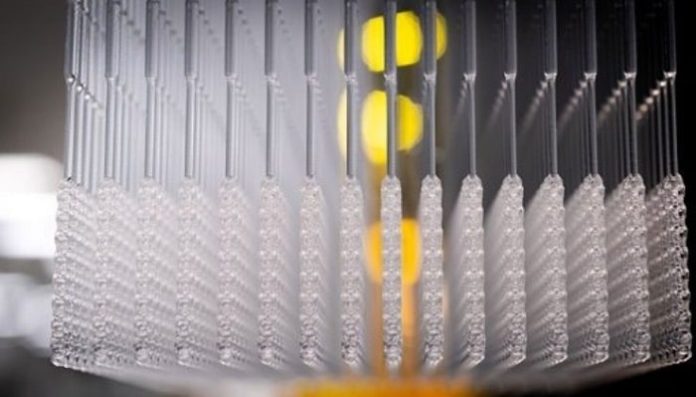
Resolution Medical, an FDA registered, in vitro diagnostic and medical device manufacturer, announced the launch of The Resolution Medical Lattice Swab, Crafted with Carbon Technology.

Resolution Medical has already sent the new 3D printed nasopharyngeal swabs for COVID-19 testing to healthcare organizations and is able to provide swabs to others in the United States who order on its website. Manufactured using Carbon Digital Light Synthesis™ (DLS™) technology and KeySplint Soft® Clear material for Carbon printers from Keystone® Industries, the Lattice Swab is classified by the FDA as a Class I 510(k) Exempt in vitro diagnostic medical device.

Patient testing swabs are among the most critical medical supplies needed by healthcare providers for COVID-19 testing. Expanding the availability of testing supplies, and thus testing frequency, is a vital part of the timely identification of COVID-19 patients and helping to curb the pandemic’s spread. The new Resolution Medical Lattice Swab exhibits a conformal lattice design made with Carbon’s Lattice Engine software. The hollow structure of the lattice is designed for specimen collection efficiency, with a geometry that is also flexible to promote functionality and comfort for patients. The product is now undergoing clinical evaluation by clinicians at multiple institutions, including Beth Israel Deaconess Medical Center (BIDMC), a teaching hospital affiliated with Harvard Medical School, and Stanford Medicine.

“We are proud to be collaborating with digital manufacturing company, Carbon, to produce the Lattice Swab,” said Shawn Patterson, Founder and President of Resolution Medical. “We have worked together urgently to get this product into the hands of healthcare workers to help address immediate needs for increased COVID-19 testing. At scale, we plan to supply over 1 million swabs per week.”

To produce the Lattice Swab, Resolution Medical works with Carbon’s network of dental labs and production partners, as well as its internal printing team, who use Carbon M2 printers and Keystone Industries’ KeySplint Soft® Clear material, indicated for the fabrication of orthodontic and dental appliances such as mouthguards, night guards, and snoring appliances in the US, Canada, EU, Australia, and New Zealand. The swabs, which are biocompatible and autoclavable, are currently printed hundreds at a time with a unique serialization present on each strip to facilitate traceability.

“Triggered by the COVID-19 pandemic, Carbon’s engineers and material scientists quickly sprung to action to identify the KeySplint Soft® Clear material as having the right balance of properties to make a soft, flexible swab with appropriate strength that could be printed with precision using the Carbon M2 at 75 micron pixels,” said Dr. Joseph DeSimone, Co-Founder and Executive Chairman at Carbon. “Resolution Medical, our production partner since 2018, has been amazing in leading the effort to launch the product.”

In developing, testing, and refining the Lattice Swabs, the team collaborated with a coalition of researchers led by clinical pathologist Ramy Arnaout, MD, PhD, associate director of the clinical microbiology laboratories at BIDMC and assistant professor of pathology at Harvard Medical School. His group performed clinical assessments of the swabs based on design, materials testing, usability, and a variety of human factors; collection sufficiency of biological samples; and PCR compatibility using their in-house commercial COVID-19 test. Leading an open and public process, Dr. Arnaout’s group tested and provided feedback on over 160 designs, materials, and prototypes from over a dozen manufacturers, resulting in a decision to launch an ongoing clinical trial of the Lattice Swabs.

“Resolving the national shortage of nasopharyngeal testing swabs is critical to the global fight against COVID-19,” Dr. Arnaout said. “We have brought together a multi-disciplinary team of scientists, academics, and industry partners in a shared effort to resolve this crisis and have begun a clinical trial of Lattice Swabs and other prototypes here at Beth Israel Deaconess Medical Center.”

Carbon and Resolution Medical also collaborated with Kit Parker, PhD, a lieutenant colonel in the United States Army Reserve and a professor of bioengineering and applied physics at Harvard University, who played a key role in convening and coordinating efforts, as well as assessing the mechanical properties of various swabs submitted by several providers.

Additionally, Carbon and Resolution Medical have been working with a team of faculty and laboratory and nursing staff at Stanford Medicine, including Ryan Van Wert, MD, clinical assistant professor of medicine; Christina Kong, MD, medical director of the Pathology and Clinical Laboratory; and Jennifer Fralick, administrative director of Laboratory Services. The 3D Printing for COVID-19 Taskforce at Stanford Medicine has been led by Sridhar Seshadri, PhD, Chief Administrative Officer, Destination Service Lines.

Prime Healthcare to Acquire Verity Health Systems St. Francis Medical Center

Prime Healthcare to Acquire Verity Health Systems St. Francis Medical Center

Prime Healthcare and Verity Health System announced that the U.S. Bankruptcy Court for the Central District of California in Los Angeles has approved the Asset Purchase Agreement for the sale of St. Francis Medical Center (“St. Francis”) in Lynwood, California. Under the agreement, Prime will acquire St. Francis for a net consideration of over $350 million, including a $200 million ($200,000,000) base price and $15 million in payroll and benefits for staff.

Prime has committed to investing $47 million in St. Francis to fund capital improvements, including substantial technology investments and system upgrades, in addition to agreeing to make offers of employment to substantially all St. Francis employees. The sale is being conducted through a court-supervised process under Section 363 of the Bankruptcy Code and is subject to regulatory review, in addition to other closing conditions. Prime has agreed to honor the Attorney General and Bankruptcy Court conditions recently issued for this sale and preserve the hospital, trauma care, service lines, charity commitments, and community benefit programs.

“St. Francis Medical Center plays a crucial role in providing high-quality care for patients in Lynwood and the surrounding communities,” said Rich Adcock, CEO of Verity Health. “Prime has time and time again saved hospitals to support communities. We are confident that Prime will continue this record of excellence and look forward to working in partnership through the sale close process.”

“Our agreement with Verity reflects our decades-long mission of saving, improving and investing in community hospitals,” said Dr. Sunny Bhatia, Prime Healthcare’s Region I CEO and Corporate Chief Medical Officer. “We are honored and look forward to continuing St. Francis’ legacy of compassionate, critical medical care for the communities it serves, especially during this unprecedented health crisis.”

St. Francis Medical Center remains fully operational during the sale close process and Prime Healthcare will be supporting the hospital staff as they continue to provide critical care during this COVID pandemic.

Avacta, Cytiva collaborate to develop COVID-19 rapid test

Avacta, Cytiva collaborate to develop COVID-19 rapid test

Avacta Group plc , the developer of Affimer® biotherapeutics and reagents, is pleased to announce that it has entered into a collaboration with Cytiva, formerly known as GE Healthcare Life Sciences. The companies will develop and manufacture an Affimer-based point-of-care rapid test intended for screening of large populations to diagnose the COVID-19 coronavirus infection.

The World Health Organisation recently highlighted the need for the development of rapid tests to quickly diagnose COVID-19 at point-of-care to assist in limiting and tracking infections. Existing tests are not suitable for screening large numbers of people for the infection as they are laboratory based and it can take up to several days to get the results.

Avacta is already generating Affimer reagents that detect the COVID-19 virus and together with Cytiva will develop and manufacture a test capable of diagnosing the infection in minutes using a respiratory sample such as saliva. Cytiva will transfer this diagnostic assay onto its proprietary point-of-care test strip platform and both companies will work together to complete analytical and clinical validation of the test as quickly as possible.

Avacta will own the intellectual property relating to the COVID-19 Affimer-reagents and will retain all the commercial rights to future products. Further commercial details have not been disclosed.

Dr Alastair Smith, Chief Executive Officer of Avacta Group, commented:

“I am delighted that we have established this collaboration with Cytiva to develop, manufacture and commercialise a rapid test for COVID-19 infection. Importantly the test will indicate if a person has the virus now, whether they are showing symptoms or not, and will do so in minutes, in-situ with no need for laboratory equipment.

Unfortunately, many millions of people around the world will ultimately become infected and it is likely to be an annual occurrence. There is a clear and urgent need for a test that can be carried out quickly in the community to limit the spread of the virus and track its progress.

We have demonstrated before in the case of the Zika virus that the Affimer platform can very quickly provide highly specific reagents in response to an outbreak of an infectious disease. Our partnership with Cytiva means that we now have a global technology partner for a COVID-19 diagnostic which is essential if a practical and commercial solution is to be provided to governments and healthcare providers around the world promptly.

Hundreds of millions of tests will be needed for population screening and we will be working hard to deliver an Affimer based solution on Cytiva’s platform, and potentially on the platforms of other partners with whom we are in active discussion, as soon as possible. We are aiming to have developed Affimer reagents for a COVID-19 test by the end of May that can be transferred to Cytiva and potentially to other global diagnostic manufacturers to implement in a test strip”.

Klaus Hochleitner, Global Lead, Technology Product Specialist at Cytiva, commented:

“There is an urgent unmet need for rapid tests to screen large numbers of people for COVID-19. Affimers are tools that can be designed quickly and very specifically for specific epitopes. We will support Avacta with technology transfer and usability to ensure the test is ready at the earliest point for use in the field.”

PharmaCyte Biotech Enters into License Agreement for COVID-19 Diagnostic Kits

PharmaCyte Biotech Enters into License Agreement for COVID-19 Diagnostic Kits

PharmaCyte Biotech, Inc. , a biotechnology company focused on developing cellular therapies for cancer and diabetes using its signature live-cell encapsulation technology, Cell-in-a-Box®, announced that it entered into a License Agreement with Hai Kang Life Corporation Limited, a corporation organized under the laws of Hong Kong (Hai Kang), pursuant to which Hai Kang granted to the PharmaCyte a license to certain technology owned or controlled by Hai Kang related to COVID-19 diagnostic kits (Kits).

Pursuant to the Agreement, PharmaCyte may directly (or through a third party) conduct research, use, develop, market, sell, distribute, import and export Products for human and veterinary uses in North America, the United Kingdom and certain other European cites (Territory). A “Product” is defined as any existing Kit of Hai Kang or any future Kit derived from Hai Kang’s Kits and includes an in vitro diagnostic test that is designed, manufactured and used within a single laboratory for which the U.S. FDA is not enforcing any premarket review or other regulatory approval requirements.

PharmaCyte is required to use commercially reasonable efforts to develop and commercialize at least one Product in the Territory. This obligation to develop and commercialize a Product includes, among other things, the performance of non-clinical and clinical studies of any Product, the preparation, filing and prosecution of certain regulatory approvals for such Product (including to allow PharmaCyte to market and sell the Product and to get the Product approved for reimbursement). Hai Kang is responsible for all aspects of the manufacture and supply of the Products to be developed and sold under the Agreement.

During the term of the Agreement, PharmaCyte is required to pay a monthly fee to Hai Kang in the amount of $6,000; this monthly fee increases to $50,000 once the first Product receives regulatory approval from the U.S. FDA. In addition, upon the first commercial sale of a Product, PharmaCyte is required to make quarterly royalty payments equal to 10% of Net Sales (as defined in the Agreement) of any Product sold pursuant to the Agreement.

This Agreement has a perpetual term but may be terminated: (i) unilaterally by PharmaCyte with 120 days prior written notice; (ii) in the event one party believes the other party to be in breach of the Agreement by the non-breaching party if the breaching party does not cure the breach within 60 days after the date the breaching party was given notice of such breach; or (iii) by PharmaCyte with the prior written consent of Hai Kang (acting in its sole discretion), but such consent is not to be withheld or delayed if PharmaCyte wishes to terminate on account of demonstrable safety or efficacy concerns in respect of the Product. The Agreement also provides for indemnification by Hai Kang and PharmaCyte under certain circumstances set forth in the Agreement. PharmaCyte may not sell a competing COVID-19 diagnostic kit during the term of the Agreement.

PharmaCyte believes it will need to engage a partner to be able to do the testing necessary to validate the claims made by Hai Kang regarding the sensitivity and specificity of the technology covered by the Agreement, and the technology’s potential clinical utility.

Due to the early stage of both this relationship and the licensed technology, PharmaCyte cannot assure that it will be able to successfully: (i) develop such a Product with PharmaCyte’s current resources, on a timely basis, or at all; (ii) obtain the necessary regulatory approvals for such a Product; (iii) commercialize any such Product; and (iv) get such Product approved for reimbursement in the U.S. and elsewhere. In addition, while Hai Kang is obligated to manufacture any such Product, PharmaCyte cannot assure that the Hai Kang’s manufacture of any Products will comply with U.S. regulatory requirements or that any health care facility or provider will be willing or able to use Products manufactured by Hai Kang.

About PharmaCyte Biotech

PharmaCyte Biotech, Inc. (PharmaCyte) is a biotechnology company developing cellular therapies for cancer and diabetes based upon a proprietary cellulose-based live cell encapsulation technology known as “Cell-in-a-Box®.” This technology will be used as a platform upon which therapies for several types of cancer and diabetes are being developed.

PharmaCyte’s therapy for cancer involves encapsulating genetically engineered human cells that convert an inactive chemotherapy drug into its active or “cancer-killing” form. For pancreatic cancer, these encapsulated cells are implanted in the blood supply to the patient’s tumor as close as possible to the site of the tumor. Once implanted, a chemotherapy drug that is normally activated in the liver (ifosfamide) is given intravenously at one-third the normal dose. The ifosfamide is carried by the circulatory system to where the encapsulated cells have been implanted. When the ifosfamide flows through pores in the capsules, the live cells inside act as a “bio-artificial liver” and activate the chemotherapy drug at the site of the cancer. This “targeted chemotherapy” has proven effective and safe to use in past clinical trials and results in little to no treatment related side effects.

PharmaCyte’s therapy for Type 1 diabetes and insulin-dependent Type 2 diabetes involves encapsulating a human cell line that has been genetically engineered to produce and release insulin in response to the levels of blood sugar in the human body. PharmaCyte is developing the use of genetically modified liver cells and stem cells, as well as beta islet cells, to treat diabetes. The encapsulation will be done using the Cell-in-a-Box® technology. Once the encapsulated cells are implanted in a diabetic patient, they will function as a “bio-artificial pancreas” for purposes of insulin production.

BOGE accelerates efforts to combat global COVID-19 pandemic with its medical compressed air systems

BOGE accelerates efforts to combat global COVID-19 pandemic with its medical compressed air systems

The Coronavirus SARS-CoV-2 has resulted in a state of emergency worldwide. At BOGE, the collective aim is to ensure that healthcare systems do not become overstretched, caring for critical cases of COVID-19 as countries work around the clock to increase hospital capacity.

Leading compressed air specialist, BOGE is directing all its efforts to address this pandemic quickly.

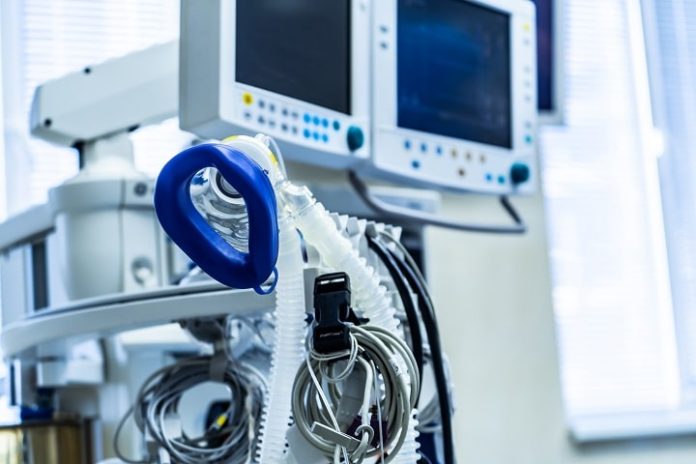
“Clinics need compressed air on a daily basis to provide machine ventilation to patients in intensive care units and to operate different medical devices. As a major supplier to plant constructors and device manufacturers, BOGE is giving top priority to orders from the medical and healthcare sectors,” says Nalin Amunugama, General Manager, BOGE Kompressoren Asia Pacific.

Medical compressed air is a medicinal product. This vital gas needs to be supplied uninterruptedly around the clock and needs to guarantee the highest quality at all times. When providing machine ventilation to patients in intensive care units, the respiratory air must be completely clean, as well as dry and free from all oils and pathogens. BOGE compressors are capable of producing the very highest quality clean compressed air.

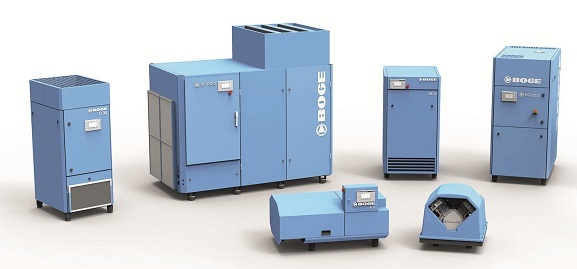
BOGE recently launched a portable compressor for small operations. The BOGE EO Med mobile solution offers a simple installation process, with the potential to extend in medical air installations or as a complete new medical air system, within hours and minimum installation works. Oil-free and silent, the EO series is ideal for sensible areas as well as to feed temporary ventilation centres as well as exhibition and sports halls which are potentially being used as quarantine facilities. The compressed air quality at the outlet of the unit is in compliance with European rules, Australian rules / HTM 02-01 or NFPA 99.

At the regulatory level, compressed air systems in clinics are already designed to cope with extreme circumstances. One example is the concurrent supply of compressed air to exceptional numbers of patients – something which is to be expected across the globe and which BOGE is already seeing in several regions.

“The demand for medical compressed air will skyrocket with the increasing number of COVID-19 patients. We are working closely with medical companies and hospitals in this extraordinary situation and are doing everything to intensify the manufacture of our machines and devices. Our competence and experience in plant engineering and our medical expertise guarantee a reliable medical compressed air supply,” Mr Amunugama assures.

BOGE Singapore has already supplied large numbers of its EO air compressors to a local hospital throughout March, and will continue to accelerate its efforts to save as many lives as possible. This, Mr Nalin adds, is a fight, not just for Singapore but for the Asia-Pacific region and beyond.

In addition, BOGE has also set up a corona crisis committee which is following closely the development of the coronavirus and is implementing all the necessary precautions. With the help of different safety precautions to protect its employees, the drawing up of contingency plans and the roll out of additional measures, BOGE can continue to maintain its business operations.

About BOGE Singapore
As one of Germany’s oldest manufacturers of compressors and compressed air systems, BOGE KOMPRESSOREN Otto Boge GmbH & Co. KG has more than 111 years of experience in the field. The company is also one of the market leaders in turbo compressors, screw compressors, piston compressors, scroll compressors, complete systems and individual devices. For more than 50 years BOGE has worked with well-known hospital equipment outfitters and manufacturers of medical devices to develop customised yet standards-compliant system solutions for a highly sensitive area: the supply of medical-grade compressed air. With this application, the safety of patients is always a top priority for BOGE. Today, BOGE offers comprehensive services to its international customers and supplies its products and systems to more than 120 countries worldwide.

Translate »