












Close
Digital Health & Ai Innovation summit 2026
Medical Taiwan 2026

Mondi adapts production line in Germany to make much-needed face mask components

Mondi adapts production line in Germany to make much-needed face mask components

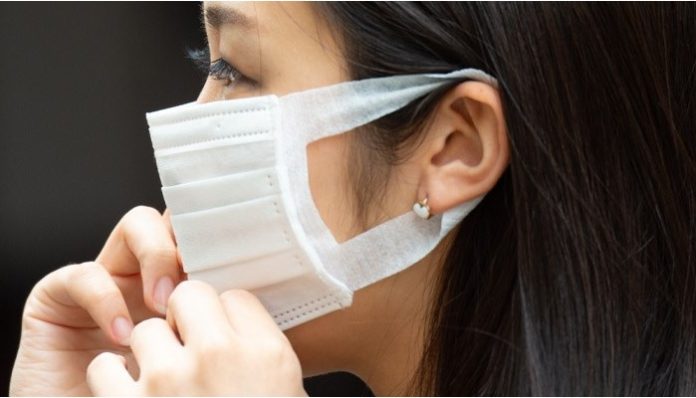
Mondi is committed to playing its part to produce important supplies and components during the COVID-19 outbreak. As a global leader in packaging and paper, Mondi’s Personal Care Components team has found a way to convert a production line at its Gronau plant in Germany to manufacture soft, elastic straps which are now being used for face masks and used by medical professionals and consumers globally.

Mondiโ€™s plant in Gronau, Germany, typically focuses on making materials used in hygiene products such baby diapers, adult incontinence pads and feminine care items. However, the plant was able to quickly adapt one of its manufacturing lines to produce a three-layer, laminated strap that binds a stretchable plastic film between layers of soft, nonwoven material. The straps, which Mondi supplies to its mask-making customers on a reel, are then cut and attached to each side of a mask, which can loop comfortably over the userโ€™s ears to hold the mask in place.

This elastic material replaces a rubberised band that holds the mask to the face, thereby increasing operational speed of the machines in comparison to rubber which is slower.

โ€œMondi Gronau is working to provide straps that will fit more than one billion nonwoven face masks. As there is increasing demand for such types of face masks, we are building up our capability to meet this demand. By producing this soft elastic strap, we are able to produce more volume to meet growing demand,โ€ says Dr. Michael Trinkaus, director of R&D and application engineering for Mondiโ€™s Personal Care Components division.

Our support in China
Mondi also operates a plant in Taicang, China, that laminates film made in Gronau to make nonwoven hygiene products similar to those manufactured in Germany. While closely monitoring developments, assessing risks, and implementing preventative policies in line with the local government regulations and recommendations, the company was able to meet orders for mask straps from customers in China when the COVID-19 virus epidemic first broke out. Demand is now growing for more of such supplies from customers across Europe, prompting the Gronau plant to increase production of this material.

About Mondi
Mondi is a global leader in packaging and paper, contributing to a better world by making innovative, packaging and paper solutions that are sustainable by design. Our business is fully integrated across the value chain โ€“ from managing forests and producing pulp, paper and plastic films, to developing and manufacturing effective industrial and consumer packaging solutions. Sustainability is at the centre of our strategy and intrinsic in the way we do business. We lead the industry with our customer- centric approach, EcoSolutions, where we ask the right questions to find the most sustainable solution. In 2019, Mondi had revenues of โ‚ฌ7.27 billion and underlying EBITDA of โ‚ฌ1.66 billion.

Mondi has a premium listing on the London Stock Exchange (MNDI), and a secondary listing on the JSE Limited (MNP). Mondi is a FTSE 100 constituent, and has been included in the FTSE4Good Index Series since 2008 and the FTSE/JSE Responsible Investment Index Series since 2007.

About Mondi PCC
Mondi Personal Care Components is a global leading supplier of elastic and nonwoven solutions for the hygiene industry, offering comprehensive baby care, adult incontinence, feminine care, and nonwoven materials. Mondi PCC strives to make comfort a way of life and supports every generation. The product portfolio includes elastic stretch laminates and nonwoven components for baby diapers and adult incontinence products, film and nonwovens for femcare, and nonwovens for wipes.


What Is It Called When Doctors Mess Up?

When a doctor makes an unavoidable mistake that another doctor would have made in the same circumstances, itโ€™s just a mistake. However, if they made a mistake as a result of negligence, itโ€™s called medical malpractice.

In order to have a valid malpractice case, you must be able to prove that the doctorโ€™s actions were not what another physician would have done under the same circumstances. You will also need to prove that the doctor treated you and that their mistake caused you to have damages like healthcare costs or missed work.

These cases happen more often than you may think. Keep scrolling to learn more about how often malpractice happens and what to do if you were a victim.

How Often Do Doctors Mess Up?

Most surgeries and other medical procedures will go smoothly. Doctors may not make mistakes often, but when they do, the consequences can be devastating. Even if the odds are in your favor as a patient, good odds wonโ€™t make any difference to you if youโ€™re in the minority of patients who are injured.

Anesthesia errors are both the most frequent medication mistake and the most deadly. Receiving too much anesthesia can damage your brain, and it can also be fatal. Not getting enough anesthesia has caused patients waking up during surgery, feeling everything but being left unable to move or let anyone know.

According to one study published by the medical journal Surgery, some other common surgical errors include:

  • Operating on the wrong body part – 20 times per week
  • Operating on the wrong patient – 20 times per week
  • Foreign objects left in the body – 39 times per week

Nerve damage can be treated by surgery, but it can also be caused by surgery if a surgeon makes a mistake and nicks a nerve or otherwise causes nerve damage. This can lead to lifelong pain and emotional anguish.

What Happens When a Doctor Makes a Mistake?

When a doctor makes a mistake, you can report them to the hospital or the stateโ€™s medical board. However, this doesnโ€™t mean theyโ€™ll have to stop practicing, even if your injury is serious. In fact, in most cases, the medical board will permit the doctor to continue treating patients instead of revoking their license, even if they lose a medical malpractice lawsuit.

Like anyone else, doctors can and do make mistakes. Some are understandable and some are unavoidable, and the law knows this. However, in other cases, the mistakes were the result of completely preventable negligence. This can be on the part of the doctor or the medical institution where your injury happened.

Can You Sue if a Doctor Makes a Mistake?

Not every medical mistake constitutes medical malpractice. Another thing that doesnโ€™t constitute malpractice is a surgery that didnโ€™t work. If your doctor warned you of the risks of taking a certain medication or undergoing a procedure and you agreed, you canโ€™t sue if the worst happens and the outcome wasnโ€™t what you expected.

If you believe your doctorโ€™s mistake was the result of negligence, you may want to consult an injury lawyer to find out if you have a valid case. Filing a lawsuit can help you to cover the expenses that happened as a result of the doctorโ€™s mistake. It can also hold the physician accountable so they will need to be more careful in the future.

To prove your damages, you will need to collect evidence like medical bills, paycheck stubs, and your medical record. Your attorney may also call expert witnesses who can testify about what another physician would have done in the same situation.

When you file a case, the doctor or medical facilityโ€™s insurance company may try to negotiate directly with you. It is best to leave any negotiations up to an attorney. You may end up settling for less than you need to cover the full cost of your recovery.

Global Revenue of Gene Therapy Estimated to Touch a Valuation of US$ 5 Bn by 2026, Concludes Fact.MR

Global Revenue of Gene Therapy Estimated to Touch a Valuation of US$ 5 Bn by 2026, Concludes Fact.MR

Gene therapies have emerged as a promising treatment approach to address various diseases such as cancer, and certain inherited disorders with a single curative dosage. Although they are poised to ensure cost savings in the long run, their high initial expenses and uncertainties regarding their prolonged efficacy are an existing challenge for market players.

Government agencies including, the Food and Drug Administration (FDA), and the European Medicines Agency (EMA), have approved the usage of drug โ€“ Kymriah, and Yescarta โ€“ to treat elapsed/refractory B-cell Acute Lymphoblastic Leukemia (ALL), and diffuse large B-cell lymphoma (DLBCL). However, the market uptake of both these gene therapy products have been below par.

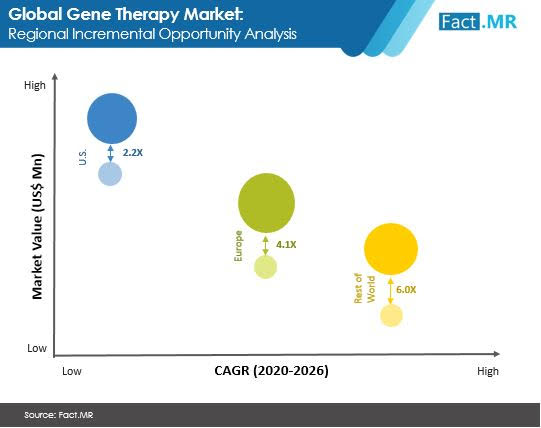
Despite the ongoing issues, the worldwide revenue of gene therapy market will surpass US$ 5 Bn by 2026, exhibiting a stellar growth rate. At-scale investments in the field of gene-related R&D, and increasing number of late-stage gene therapy candidates in oncology and other genetic disorders are likely to oil the growth engine.

Key Takeaways of the Gene Therapy Market:

  • In terms of revenue, Yescarta holds prominence in the gene therapy market, while Luxturna stays ahead in terms of annual growth rate.
  • Over half of gene therapy research studies are focused on the field of oncology, attributable to notable rise in caseloads of various cancer types.
  • The US currently represents the most lucrative opportunities in the gene therapy market; while Europe is expected outpace the region towards the end of forecast period.
  • Fast uptake of regulatory bodies in the US and Europe for approval and commercialization of gene therapy products are likely to propel market growth.

โ€œCancer types including, DLBCL, andย acute lymphoblastic leukemia (ALL) are among the major causes of mortalities across the globe, especially in developed regions. Realizing the immense potential of gene therapy in treating rare diseases, governments are investing in gene therapy treatment centers to increase access to enhanced patient poolโ€, Says an Analyst at Fact.MR.

Market Players to Establish Proprietary Manufacturing Units

Amidst rising pool of patients suffering from cancer, governments, biopharmaceutical companies, and research institutes are significantly driving their attention towards gene-centric R&D projects. This is setting high hopes for gene therapy market players. However, as a response to increasing costs and delays associated with pulling in third-party contract manufacturers, leading market players are establishing proprietary manufacturing plants.

For instance, Novartis AG has invested US$ 500 Mn to set up its own gene therapy manufacturing facility, following Pfizer Inc. which has allocated US$ 600 Mn for the same. Such a tactic will help manufacturers safeguard proprietary production techniques and deal with concerns issued by regulatory authorities more efficiently.

As third-party contract manufacturers house limited production capacity for upcoming gene therapy methods under development stage, internal manufacturing units in the long run is an imperative for gene therapy market players.

Key players with strong market presence in global gene therapy market are, but not limited to, Novartis AG, Gilead Sciences Inc., Spark Therapeutics Inc., Sibiono GeneTech Co. Ltd., Spark Therapeutics, Inc., CELGENE CORPORATION, and Orchard Therapeutics Limited, among others.

Looking for more information?

The research study on the gene therapy treatment market by Fact.MR includes an in-depth analysis of major demand-driving factors and trends and a comprehensive evaluation of crucial aspects that are projected to carve the growth of the gene therapy market during 2020โ€“2026. Market statistics have been elucidated based on product (Yescarta, Kymriah, Luxturna, Strimvelis, and Gendicine), application (Ophthalmology, Oncology, and Adenosine Deaminase-deficient Severe Combined Immunodeficiency (ADA-SCID)) and across key regions (The US, Europe and Rest of World).

To Get More Insights on Gene Therapy Treatment Market, Visit- https://www.factmr.com/connectus/sample?flag=S&rep_id=4648

Baptist Health Among the First Hospital Systems to Use Robots to Disinfect N95 Masks During COVID-19

Baptist Health Among the First Hospital Systems to Use Robots to Disinfect N95 Masks During COVID-19

In response to the nationwide shortage of personal protective equipment (PPE) during the COVID-19 crisis, Baptist Health is expanding its use of robotic disinfecting technology to clean and preserve N95 masks, which help team members protect themselves and others from the spread of infectious diseases such as COVID-19. The health system is one of the first in the region to use this approach, an innovative response to a shortage that has impacted hospitals across the U.S.

โ€œOur use of LightStrike robots is just one part of our broader effort to provide the best possible care to all patients.โ€
Tweet this

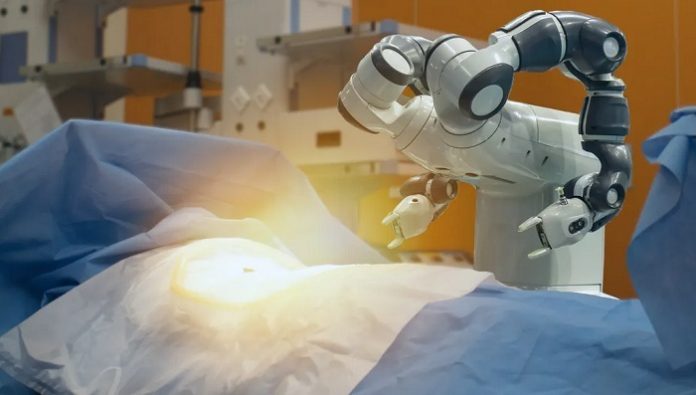
The LightStrikeโ„ข robots are designed and manufactured by Xenexยฎ Disinfection Servicesโ„ข and use pulsed xenon ultraviolet (UV) light to quickly deactivate microorganisms and disinfect high-touch surfaces in healthcare facilities. By damaging the DNA of bacteria and viruses, the intense UV light prevents them from multiplying or mutating. Baptist Health already uses LightStrike robots to disinfect patient and operating rooms, and now one robot at each hospital has been set aside specifically for cleaning N95s.

โ€œAs COVID-19 continues to spread, our teams are working hard to research and implement evidence-based strategies to address projected needs,โ€ said Elizabeth Ransom, MD, FACS, executive vice president and chief physician executive at Baptist Health. โ€œOur use of LightStrike robots is just one part of our broader effort to provide the best possible care to all patients.โ€

As the mask cleaning program is rolled out this week, each facility will have a room dedicated to disinfecting the masks, which will be strung along wire shelving, resembling clothes on a clothesline. After a five-minute disinfection cycle, the masks are rotated and then exposed for five minutes on the other side, allowing both their exterior and interior to be decontaminated. Units with high N95 use, such as the COVID-19 units and the emergency departments, are among the first to have their masks cleaned, and there are plans for the program to expand to other departments across the hospital system.

โ€œDuring an ongoing crisis like the one we are facing now, our health system is applying innovative ideas that are shown to be effective,โ€ said David Rice, MD, senior vice president and chief quality officer for Baptist Health. โ€œThe use of Xenex robots to disinfect our masks is just one of the ways we are rethinking how we do things so that we can benefit our patients and team members alike.โ€

If you are interested in setting up an interview to discuss the use of this Xenex technology at Baptist Health, please contact Cindy Hamilton at Cindy.Hamilton@bmcjax.com or 904.202.4907.

About Baptist Health

Baptist Health is a faith-based, mission-driven system in Northeast Florida comprised of Baptist Medical Center Jacksonville; Baptist Medical Center Beaches; Baptist Medical Center Nassau; Baptist Medical Center South; Baptist Clay Medical Campus and Wolfson Childrenโ€™s Hospital โ€“ the regionโ€™s only childrenโ€™s hospital. All Baptist Health hospitals, along with Baptist Home Health Care, have achieved Magnetโ„ข status for excellence in patient care. Baptist Health is part of Coastal Community Health, a highly integrated regional hospital network focused on significant initiatives designed to enhance the quality and value of care provided to our contiguous communities. Baptist Health has the areaโ€™s only dedicated heart hospital; orthopedic institute; womenโ€™s services; neurological institute, including comprehensive neurosurgical services, a comprehensive stroke center and two primary stroke centers; a Bariatric Center of Excellence; a full range of psychology and psychiatry services; urgent care services; and primary and specialty care physiciansโ€™ offices throughout Northeast Florida. The Baptist MD Anderson Cancer Center is a regional destination for multidisciplinary cancer care which is clinically integrated with the MD Anderson Cancer Center, the internationally renowned cancer treatment and research institution in Houston. For more details, visit baptistjax.com.

optimize.health releases free SMS-based survey to aid healthcare workers in their battle against COVID-19

optimize.health releases free SMS-based survey to aid healthcare workers in their battle against COVID-19

optimize.health,ย the digital healthcare platform that powers provider reimbursements for the new wave of remote patient care, today announced the release ofย a new COVID-19 screening survey designed to help healthcare workers assess patient risk remotely and analyze their local communities at scale. The company will make the COVID-19 screening tool available at no cost to physician practices, hospitals and patients.

The free digital survey can be sent directly by physicians and nurses to their patients who are concerned about potential exposure to the novel coronavirus that was last monthย classifiedย by the World Health Organization as a pandemic. After viewing the patientโ€™s responses, healthcare providers can quickly determine the best course of action for each patient and coordinate next steps โ€“ whether that is to stay home, seek testing, or pursue medical care.

โ€œA patient often enjoys a long-standing relationship with their existing healthcare provider, who has access to their full medical records and is therefore better positioned than a purely online-based tool to provide appropriate care,โ€ said optimize.health CEO and co-founder, Jeff LeBrun. โ€œWe designed this screening survey and additional tools to help those on the front lines of this pandemic give the best care to their communities while reducing the number of in-person visits required.โ€

The new COVID-19 screening tool can be used independently or in conjunction with optimize.healthโ€™s existing remote patient monitoring platform, which includes software that integrates with Bluetooth and cellular-based devices for monitoring pulse oximetry, blood pressure, blood glucose, weight, and medication adherence. The company became a national leader in outpatient remote patient monitoring after Medicare and private insurers began reimbursing these services in 2019.

โ€œThe patients considered at risk of suffering greater complications from COVID-19 generally have the same types of chronicย conditionsย โ€“ including heart disease, diabetes and respiratory issues โ€“ that physicians are already monitoring and managing through our platform,โ€ added LeBrun. โ€œThis type of technology can help protect our nationโ€™s healthcare workers and reserve our limited hospital resources for the people who need it the most during this crisis. We hope that by making this free to healthcare workers we can help combat this virus and prevent infection among those who are risking their lives to care for their affected communities.โ€

optimize.healthโ€™s corporate headquarters are based in Seattle, WA, with additional employees in Phoenix, Houston and Charlotte, NC. The company, which has been growing rapidly since 2019, includes employees and advisors whose backgrounds span some of the worldโ€™s leading health and technology institutions, including Google, Microsoft, Apple, Facebook, Amazon, Novartis, Duke University and the Institute for Health Metrics. The team includes clinicians (MDs and nurses), software engineers, designers and data scientists. The companyโ€™s investors include Bonfire Capital (Los Angeles), Jumpstart Capital (Nashville) and many angel investors, over 10 of which have medical degrees.

Since its founding in 2015 asย Pillsy Inc., optimize.health has worked with several top-tier research and university hospitals, as well as independent and government-owned medical facilities. The firm is also the recipient of anย NIH HEAL Initiative grant, awarded for development of a digital health solution designed to facilitate treatment of the opioid epidemic.

AI-Pathway Companion Prostate Cancer from Siemens Healthineers approved for use in Europe as medical device

AI-Pathway Companion Prostate Cancer from Siemens Healthineers approved for use in Europe as medical device

AI-Pathway Companion Prostate Cancer, a digital companion from Siemens Healthineers to support clinical decision-making, has recently received the CE mark for use in the clinical pathway of prostate cancer, the second most common cancer (after lung cancer) affecting males worldwide. The conformity mark confirms that the application AI-Pathway Companion Prostate Cancer is CE-compliant in accordance with Directive 93/42/EEC and can therefore be marketed in the EU as a medical device.

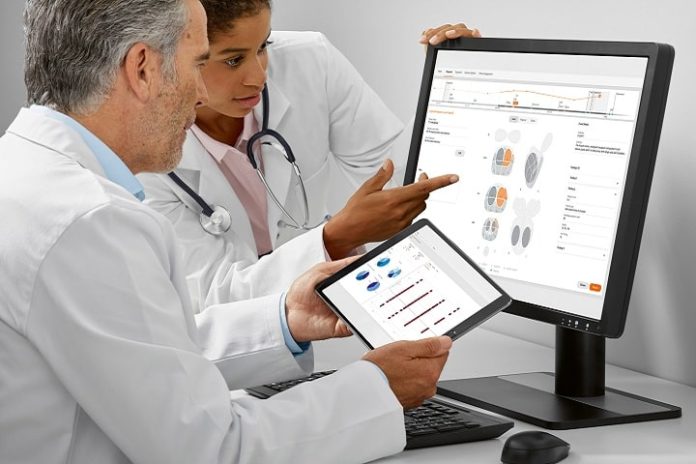
The AI-Pathway Companion product suite uses Artificial Intelligence, including Natural Language Processing4, to bring together data on a patientโ€™s disease and treatment status and presents it via an intuitive graphical user interface. AI-Pathway Companion Prostate Cancer also draws the physiciansโ€™ attention to the appropriate treatment recommendations1 from the prostate cancer guidelines of the European Association of Urology and the National Comprehensive Cancer Network5 to suit the patientโ€™s current treatment status.

โ€œThe AI-Pathway Companion helps multidisciplinary teams in particular with decision-making for diagnosis and treatment along the entire clinical pathway on the principles of evidence-based medicine. That means we can assist healthcare providers to put the individual patient at the center of the treatment process. We are very excited about AI-Pathway Companion as one of the first elements in our strategy of expanding to clinical decision making based on integrated diagnostics,โ€ says Andrรฉ Hartung, head of Diagnostic
Imaging at Siemens Healthineers.

Decision-making for treatment and the follow-up process for prostate cancer is extremely complex and time consuming, since many individual patient parameters must be considered. This includes the stage at which the disease was discovered, whether it is a first
diagnosis, whether various treatments have already been applied, and whether the tumor has reappeared following an initial treatment success. Lab results, like the PSA (prostatespecific antigen) value, pathology findings from a prostate punch biopsy, or the PI-RADS
(Prostate Imaging โ€“ Reporting and Data System) score, which identifies the probability of a clinically significant carcinoma, and the Gleason score, which classifies the aggressiveness of a prostate tumor, are other examples of criteria used by physicians to help determine the next stages of examination and treatment.

In the process, the physicians use evidencebased international medical guidelines which generally may run to well over 100 pages and often recommend appropriate, scientifically justified, and up-to-date processes for diagnostics and treatment; these also include the prostate cancer guidelines of the European Association of Urology6 and the National Comprehensive Cancer Network. It is not hard to see that the mass of data contained in both the results and guidelines can pose a major challenge to decision-making.

AI-Pathway Companion Prostate Cancer helps match the data available for the individual patient with the guidelines to identify the recommended treatment approach and facilitate the appropriate disease management. The digital companion searches the patient record
and other sources, like the hospital information system or PACS (Picture Archiving and Communication System), and compiles the longitudinal data for the cancer patient in question.4 Natural Language Processing is used to extract and compile data relevant to the
decision-making process from the radiology, pathology, genetics, and lab results, and present it via an intuitive user interface.

The PI-RADS score is also automatically correlated with the Gleason score to help physicians estimate the aggressiveness of the tumor and determine the course of the disease on that basis. Algorithms search through the prostate cancer guideline for recommendations that suit the patientโ€™s individual disease status based on his or her current available data. The algorithms automatically show where the
patient is in the pathway and recommend next options, including any missing information that is required.

Based on this data, AI-Pathway Companion Prostate Cancer displays the patientโ€™s current clinical situation and offers guideline-based recommendations for further steps to provide treatment in accordance with the medical evidence. The digital companion can thus help
multidisciplinary teams at tumor boards, for example, to make optimized decisions throughout the treatment process.

โ€œOur multidisciplinary team (MDT) discussions can greatly vary in time. If a clinical decision support solution could integrate and display the patient context in a smart and standardized way, while providing evidence-based diagnosis and therapy recommendations, it could help make the discussions shorter and save time for all the MDT participants,โ€ says Prof Helge Seifert, MD Chairman, Clinic for Urology at University Hospital Basel.

โ€žI spend a lot of time entering patient information manually in our MDT solution. If this information could be integrated automatically and in a smart and standardized way, it would save us a lot of time and let us focus on what’s important: the patient,โ€œ says Christian Wetterauer, MD Senior Urologist at University Hospital Basel.

FDA Clears Siemens Healthineers RAPIDPoint 500e Blood Gas Analyzer Used for Critically Ill Patients in Acute Care Settings

FDA Clears Siemens Healthineers RAPIDPoint 500e Blood Gas Analyzer Used for Critically Ill Patients in Acute Care Settings

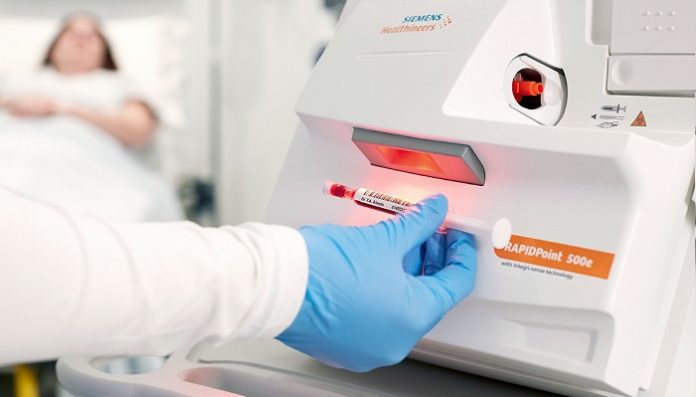
Siemens Healthineers announced that its latest critical care testing solution, the RAPIDPointยฎ 500e Blood Gas Analyzer, has received clearance from the U.S. Food and Drug Administration. The analyzer generates blood gas, electrolyte, metabolite, CO-oximetry, and neonatal bilirubin results, which are used to diagnose and monitor critically ill patients in the intensive care unit, operating room, or emergency room. Already available in countries requiring the CE mark, the RAPIDPoint 500e Blood Gas Analyzer is now available for critical care testing in the United States.

โ€œPoint-of-care teams monitoring respiratory conditions in critical care settings need a blood gas testing solution that delivers fast, accurate results and increases workflow efficiencies. A safe operating environment amid growing concerns about cybersecurity threats in healthcare is also important,โ€ said Christoph Pedain, PhD, Head of Point of Care Diagnostics, Siemens Healthineers. โ€œThe RAPIDPoint 500e Blood Gas Analyzer has become a trusted instrument in Europeโ€™s endeavor to combat COVID-19 and to help address an unprecedented demand for blood gas testing in affected respiratory patients.โ€

The RAPIDPoint 500e Blood Gas Analyzer is an essential instrument supporting COVID-19 response efforts, where blood gas testing plays a critical role in managing infected patients and monitoring their respiratory distress. Routine blood gas testing is also performed when patients require mechanical ventilation. Arterial blood gas tests provide the status of a patientโ€™s oxygenation levels and enable healthcare providers to determine whether adjustments to ventilator settings or other treatments are required.

The analyzer elevates confidence in patient results with Integri-senseโ„ข Technology, a comprehensive series of automated functional checks designed to deliver accurate test results at the point-of-care.

โ€œAs an ICU physician, I know that the values I am handed during an emergency allow me to confidently make life-saving decisions. The RAPIDPoint system is easy to use and allows me to not worry about the machine and focus my attention on my patients,โ€ said Dr. Daniel Martin, Royal Free Hospital, London.

Additionally, the RAPIDPoint 500e Blood Gas Analyzer integrates seamlessly into hospital networks with the Siemens Healthineers Point of Care Ecosystemโ„ข, which offers convenient, remote management of operators and devices located across multiple sites.

$2M Grant Will Galvanize COVID-19 Response at Zuckerberg San Francisco General Hospital

$2M Grant Will Galvanize COVID-19 Response at Zuckerberg San Francisco General Hospital

To help combat the public health crisis presented by the COVID-19 pandemic, the Heising-Simons Foundation has made a $2 million grant to UC San Francisco to establish a COVID Response Initiative at UCSF partner hospital Zuckerberg San Francisco General Hospital and Trauma Center (ZSFG), a public hospital operated by the San Francisco Department of Public Health (SFDPH).

Despite Californiaโ€™s shelter-in-place mandate, the number of new COVID-19 cases is predicted to increase significantly in San Francisco in the coming weeks. Patients served by ZSFG who are homeless or unemployed, or who lack health insurance or documented immigration status, are especially vulnerable to the illness.

โ€œFor these patients, and all others served by the hospital, the new Response Initiative will increase access to diagnostic testing, expand clinical capacity, and support our entire care team at ZSFG to provide the highest level of treatment and service,โ€ said ZSFG CEO Susan P. Ehrlich, MD, MPP.

For nearly 150 years, ZSFG has partnered with UCSF to provide the highest quality health care to San Franciscans in need. All ZSFG physicians are UCSF faculty, and UCSF students and medical residents train and provide care there. With resources provided by the new grant, these physicians and trainees will be able to better triage and treat COVID-19 patients who require hospitalization, and also create appropriate plans of care for those who do not. The grant will also support COVID-19 screening and on-site testing at ZSFG.

In addition, the new grant will help protect frontline healthcare workers, including nurses, respiratory technicians, and physicians, by increasing availability of the personal protective equipment, or PPE, required to treat COVID-19 patients safely.

โ€œZSFG has a long history of providing outstanding care to the people of San Francisco, regardless of their ability to pay or immigration status,โ€ said Kirsten Bibbins-Domingo, PhD, MD, MAS, vice dean for population health and health equity in the UCSF School of Medicine and a general internist at ZSFG. โ€œUCSF is deeply committed to health equity and proud to partner with ZSFG in doing this work, which will be especially important during this COVID crisis.โ€

The Heising-Simons Foundationโ€™s grant complements a recently launched collaboration between UCSF and the Chan Zuckerberg Initiative that increased COVID-19 testing by expanding UCSFโ€™s clinical laboratories into space adjacent to the CZ Biohub at Mission Bay. That lab is now conducting testing for patients at ZSFG and other sites operated by SFDPH.

Deanna Gomby, CEO and president of the Heising-Simons Foundation, said, โ€œAs we face this crisis of unknown magnitude, we know that Zuckerberg San Francisco General Hospital and Trauma Center represents a unique and remarkable ability to provide treatment for the most vulnerable populations in California. We feel deeply appreciative of the national expertise and heroes working at UCSF right now, and the hope they bring us all.โ€

About UCSF: UC San Francisco (UCSF) is exclusively focused on the health sciences and is dedicated to promoting health worldwide through advanced biomedical research, graduate-level education in the life sciences and health professions, and excellence in patient care. UCSF Health, which serves as UCSF’s primary academic medical center, includes top-ranked specialty hospitals and other clinical programs, and has affiliations throughout the Bay Area.

About Priscilla Chan and Mark Zuckerberg San Francisco General Hospital and Trauma Center (ZSFG): Part of the San Francisco Health Network, ZSFG is an essential component of San Franciscoโ€™s health care system, serving close to 110,000 patients each year and providing 20 percent of the cityโ€™s inpatient care. Recognized as one of the nationโ€™s top hospitals, it serves the community with a full complement of inpatient, outpatient, emergency, diagnostic and psychiatric services for adults and children 24 hours a day. ZSFG is San Franciscoโ€™s safety net hospital, the cityโ€™s only trauma center and a top academic medical center, with medical staff from the faculty of internationally renowned UCSF. More information is available at zuckerbergsanfranciscogeneral.org.

Artificial Intelligence Tool Predicts Which Patients with Pandemic Virus Will Develop Serious Respiratory Disease

Artificial Intelligence Tool Predicts Which Patients with Pandemic Virus Will Develop Serious Respiratory Disease

An artificial intelligence (AI) tool accurately predicted which patients newly infected with 2019 coronavirus disease (COVID-19) would go on to develop severe respiratory disease, a new study finds.

The work was led by NYU Grossman School of Medicine and NYU Courant Institute of Mathematical Sciences, in partnership with Wenzhou Central Hospital and Cangnan Peopleโ€™s Hospital, both in Wenzhou, China.

Named severe acute respiratory syndrome coronavirus 2 (SARS-CoV-2), the new virus causes the disease called COVID-19. As of March 30, the virus had infected 735,560 people worldwide. According to the World Health Organization, the illness has caused more than 34,800 deaths to date, more often among older patients with underlying health conditions. The New York State Department of Health has reported 33,700 cases to date in New York City.

Published online March 30 in the journal Computers, Materials & Continua, the study also revealed the best indicators of future severity, and found that they were not as expected.

โ€œWhile work remains to further validate our model, it holds promise as another tool to predict the patients most vulnerable to the virus, but only in support of physiciansโ€™ hard-won clinical experience in treating viral infections,โ€ says corresponding study author Megan Coffee, MD, PhD, clinical assistant professor in the Department of Medicine and member of the Division of Infectious Diseases and Immunology at NYU Langone.

โ€œOur goal was to design and deploy a decision-support tool using AI capabilitiesโ€”mostly predictive analyticsโ€”to flag future clinical coronavirus severity,โ€ says co-author Anasse Bari, PhD, a clinical assistant professor in computer science at NYU Courant Institute of Mathematical Science. โ€œWe hope that the tool, when fully developed, will be useful to physicians as they assess which moderately ill patients really need beds, and who can safely go home, when hospital resources are stretched thin.โ€
AI Tool Finds Surprise Predictors

For the study, demographic, laboratory, and radiological findings were collected from 53 patients as each tested positive in January 2020 for the SARS-CoV-2 virus at the two Chinese hospitals. Symptoms were typically mild to begin with, including cough, fever, and stomach upset. In a minority of patients, however, severe symptoms developed within a week, including pneumonia.

The goal of the new study was to determine whether AI techniques could help to accurately predict which patients with the virus would go on to develop acute respiratory distress syndrome, or ARDS, the fluid buildup in the lungs that can be fatal in the elderly.

For the new study, the researchers designed computer models that make decisions based on the data fed into them, with programs getting โ€œsmarterโ€ the more data they consider. Specifically, the current study used decision trees that track series of decisions between options and that model the potential consequences of choices at each step in a pathway.

The researchers were surprised to find that characteristics considered to be hallmarks of COVID-19, like certain patterns seen in lung images (for example, ground glass opacities), fever, and strong immune responses, were not useful in predicting which of the many patients with initial, mild symptoms would go on to develop severe lung disease. Neither were age and gender helpful in predicting serious disease, although past studies had found men over 60 to be at higher risk.

Instead, the new AI tool found that changes in three featuresโ€”levels of the liver enzyme alanine aminotransferase (ALT), reported myalgia, and hemoglobin levelsโ€”were most accurately predictive of subsequent, severe disease. Together with other factors, the team reported being able to predict risk of ARDS with up to 80 percent accuracy.

ALT levelsโ€”which rise dramatically as diseases like hepatitis damage the liverโ€”were only a bit higher in patients with COVID-19, researchers say, but still featured prominently in prediction of severity. In addition, deep muscle aches (myalgia) were also more commonplace, and have been linked by past research to higher general inflammation in the body. Is there an immune element causing worse outcomes?

Lastly, higher levels of hemoglobin, the iron-containing protein that enables blood cells to carry oxygen to bodily tissues, were also linked to later respiratory distress. Could this be explained by other factors, like unreported smoking of tobacco, which has been linked to increased hemoglobin levels. Of the 33 patients at Wenzhou Central Hospital interviewed on smoking status, the 2 who reported having smoked also reported that they had quit.

Limitations of the study, say the authors, included the relatively small dataset and the limited clinical severity of disease in the population studied. The latter may be due in part to an as yet unexplained dearth of older patients admitted into the hospitals during the study period. The average patient age was 43.

โ€œI will be paying more attention in my clinical practice to our data points, watching patients closer if they for instance complain of severe myalgia,โ€ adds Dr. Coffee. โ€œItโ€™s exciting to be able to share data with the field in real time when it can be useful. In all past epidemics, journal papers only published well after the infections had waned.โ€

Along with Dr. Coffee and Dr. Bari, authors of the study included first author Xiangao Jiang, along with Jianping Huang, Jichan Shi, Jianyi Dai, Jing Cai, Zhengxing Wu, and Guiqing He, in the Department of Infectious Diseases at Wenzhou Central Hospital. Also from Wenzhou Central Hospital was author Yitong Huang of the Department of Gynaecology.

Also study authors were Junzhang Wang of NYU Courant Institute of Mathematical Sciences, Xinyue Jiang of Columbia University, and Tianxiao Zhang in Department of Infectious Diseases at Cangnan Peopleโ€™s Hospital. Dr. Coffee is also adjunct faculty in the Department of Population and Family Health at Columbia University Mailman School of Public Health.

UCSF Health Collaborates with City and Local Hospitals to Increase Inpatient Capacity

UCSF Health Collaborates with City and Local Hospitals to Increase Inpatient Capacity

As part of its broader COVID-19 response, UCSF Health is working with hospitals across the City of San Francisco to expand inpatient and critical care capacity to meet the anticipated surge in demand due to the novel coronavirus disease.

San Francisco Mayor London Breed on March 25 announced the opening of a new COVID-19 facility at Saint Francis Memorial Hospital to help the city prepare for a surge in patients. The facility will include 40 beds on a dedicated floor at Saint Francis, with an additional eight-bed intensive care unit. The first 10 beds will be available the first week in April.

The facility is the product of a collaboration across San Francisco hospitals โ€“ led by the Hospital Council, the San Francisco Department of Public Health, Zuckerberg San Francisco General Hospital and Trauma Center, Dignity Health and UCSF Health โ€“ that aims to address the epidemic on a united front.

In addition to providing medical staff, UCSF Health is contributing $1 million to help build out the unit and providing nursing leadership to replicate the staffing model used in the UCSF COVID-19 unit at Parnassus Heights. UCSF School of Pharmacy is also contributing clinical pharmacy expertise. Kaiser Permanente, Sutter Health and Chinese Hospital will supplement physician staffing.

The collaboration also includes a new predictive modeling system, developed in partnership with UC Berkeley researchers, in which all city hospitals will collectively track the numbers and outcomes of COVID-19 patients in hospitals citywide.

The city estimates that if the current shelter-in-place efforts are not successful, San Francisco will need significant numbers of additional beds to meet the needs of a surge in the coming weeks. This effort is one of several steps that San Francisco hospitals are taking to help meet that demand.

Translate ยป