










Close
Digital Health & Ai Innovation summit 2026
LiGHT26

Jill Warren, RN and SVP of Clinical Operations at Sagility, Speaks about Top Nursing Issues

National Nurses Month is underway, offering an important opportunity to reflect on the challenges and opportunities facing today’s nursing workforce. In this Q&A  Jill Warren, senior vice president of clinical operations and global clinical governance at Sagility, shares insights on the top issues impacting nurses in 2025 – from burnout and staffing shortages to the role of technology – and explores what healthcare organizations can do to support and retain this essential part of the care team.

With National Nurses Month approaching, what are the top three issues impacting nurses today?

Nurses face many issues today. When I think of the top three, here’s what I read, see, hear, and experience in the market.

1. Burnout persists. Unfortunately, the impact of COVID-19 is still with us. For those nurses who were really engaged in clinical practice during the pandemic, the aftereffects of COVID-19 continue to drive an even higher amount of burnout, causing nurses to leave the profession.

2. Working conditions. As leaders, we need to monitor the impact of work/life balance to prevent burnout. Many nurses are called in to work even on their days off because of the nursing shortage, which in turn drives even more burnout. Nurses are moving out of the field entirely or retiring early, which results in even more shortages.

3. Tech innovations. Digital advancements are also impacting nurses today. As technology becomes more entangled in healthcare, more mature nurses will have to adjust how they practice nursing and deal with all the modernizations, including AI, telehealth, and wearable devices.

The National Council of State Boards of Nursing (NCSBN) released data revealing that more than 138,000 nurses have left the workforce since 2022, and by 2029, almost 40% of nurses – 1.8 million – intend to leave the workforce. This shift in personnel threatens the national healthcare systems at large, especially as Baby Boomers retire, if solutions are not enacted to address this.

These changes over the last several years will continue to affect nursing in the future.

Is there a nursing shortage in 2025? What’s causing it?

The data show that the shortage will continue for quite some time. When you consider the 1.8 million anticipated to leave the field, it’s a significant problem.

Given the current shortage, how are we going to replace nurses in the future? The downward spiral really accentuates the need for nursing education. But even in nursing education, we have a shortage of highly qualified instructors.

As these people leave, the question is: How will we backfill and train the numbers necessary to overcome the shortage?

The shortage becomes more acute as we all live longer, suffer from chronic conditions, and need more care at home or in facilities.

It’s a Catch-22. The demand for nurses continues to grow, but the supply struggles to keep up.

What can be done to ease the shortage in 2025? And in the future?

We have to support nursing education and invest in nursing faculty so that we can enroll the number of nurses needed in the future. Focusing on the higher education system is the foundation for helping us overcome the nursing shortage.

How can recruitment and retention strategies improve nursing as a career?

It really comes down to training, education, wages, and benefits.

Lifelong learning is really, really important to nurses. Sagility’ staff wants continued training and to grow professionally. Motivation is a very important component relative to recruitment and retention.

Investing in programs that support higher education is imperative; when a nurse has an associate nursing degree, they can take advantage of opportunities to support them in gaining their bachelor masters, and even doctoral degrees.

Employers offering training and education to address the desire for lifelong learning will have an advantage in terms of retention.

Nursing is an extremely competitive market, which has driven up salaries. Wages increased during COVID and have continued to rise, although growth has slowed recently. Companies that want to offer competitive wages must understand that pay is very regional. The Northeast and Northwest have very high salary structures, compared to certain areas of the Midwest and the South.

A benefit structure is also extremely important. Once again, we see this in our own organization, and we’ve taken action to address retention and recruitment issues within Sagility as they relate to the benefit structure, including paid time off.

Schedule flexibility has become an important factor affecting the recruitment and retention of nurses. Does the employer support them when they want to attend their children’s activities? Are they able to volunteer within the community that the employer supports?

In addition, employee mental health and behavioral health support is another key area. This support helps address burnout and the response to stress before it takes hold, while also helping to improve work/life balance.

What’s the future of nursing? How will it be affected by AI or other technologies

AI and other technologies are affecting nursing now and will continue to into the future. Nurses are faced with using technology every day, and this occurrence will continue to expand within healthcare. And that’s a good thing.

However, we do need more training heavily focused on AI and machine learning, for example, because both will change how nurses spend time delivering care.

For many, using these technologies can cause anxiety. But I think it’s important as nurses that we focus on new ways of doing things and embrace these changes.

We need to be less concerned with the thought that AI is going to replace our work and more focused on how AI can support our work in the future.


Experience the Benefits of Botox Injections for a Youthful Glow

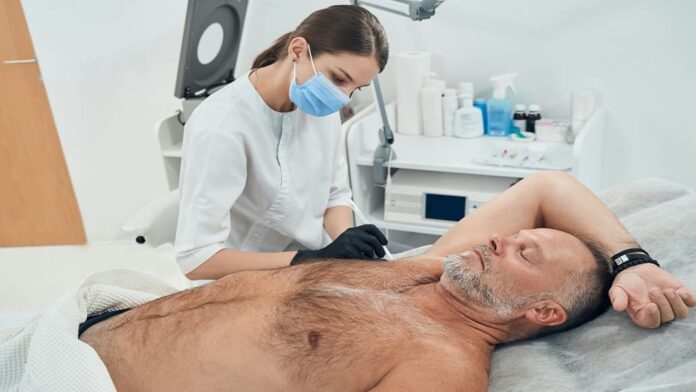
Injection for Youthful glow

In Las Vegas, where first impressions often matter and the spotlight never seems to dim, maintaining a youthful, refreshed appearance has become a priority for many. With its blend of nightlife, entertainment, and year-round sunshine, it’s no surprise that residents and visitors alike are turning to aesthetic solutions to enhance their confidence. Among the most trusted options is Botox, a non-surgical treatment that softens fine lines and smooths wrinkles with remarkable ease. 

Known for its quick application and lasting effects, Botox offers a convenient solution for those looking to rejuvenate their look without significant downtime. Whether you’re aiming to refresh your appearance before a big event or simply want to feel more confident in your everyday skin, this treatment has proven benefits. Opting for a Las Vegas botox injectable can help you achieve a natural, youthful glow while fitting seamlessly into your busy lifestyle.

What is Botox?

Botox is a purified protein used in cosmetic procedures. It works by temporarily relaxing the muscles responsible for wrinkles, particularly in areas like the forehead, around the eyes, and between the eyebrows. This relaxation smooths the skin, reducing the appearance of lines and creases.

The Benefits of Botox

Botox is one of the few treatments that yields significant results with little recovery time. Usually, the patient can go back to regular activities right after the treatment. The effects usually develop a few days after receiving the treatment and can last for several months. Therefore, it is a long-term method of keeping younger-looking skin.

Quick and Convenient

Busy schedules day in and day out can also mean that Botox injections are a simple and effective answer. Botox is a minimally invasive cosmetic surgical procedure. As such, it is a very quick 10-15-minute procedure, so it can easily be slotted into your lunch break. It still allows individuals to have a regular skincare routine without significant disruptions.

Safety and Efficacy

When used by trained professionals, Botox has been extensively examined and is generally accepted to be safe. This ancestral treatment is used worldwide in both cosmetics and therapy. Its proven effectiveness in achieving this has encouraged many people to opt for it.

Beyond Cosmetic Benefits

Botox is not only used to improve cosmetic appearance but also for other therapeutic advantages. It cures anything from chronic migraines to hyperhidrosis to some muscle disorders. This versatility makes Botox a great tool to beautify and feel well.

Customizable Treatment

Everybody’s facial structure and problems are special. Botox is flexible enough to be customized to treat each need, but the ideal result is always a natural look. Practitioners can increase their appearance by improving areas of concern without losing individuality.

Minimal Discomfort

It is a series of small injections, and most feel only minor discomfort. Most describe it as a slight pinch. To help those worried about pain, a topical anesthetic can be applied to numb the area, increasing comfort during the procedure.

Final Preparations Before the Procedure

If you’re going to get Botox, you should definitely have a thorough consultation with a qualified practitioner first. In this session, they can discuss their goals and learn about the process. Analyzing the facial muscles will help the practitioner decide on the technique that will yield the best results. Since many healthcare providers are using AI tools, they may be able to show how your face will look after Botox.

Aftercare and Results

Post-procedure, patients are usually counseled not to rub the areas treated and to remain upright for a few hours. These safety measures help make sure that the product settles properly. That is why following up regularly not only helps to maintain the results but also helps to make any modifications if necessary.

Cost Considerations

As the Botox price depends on the area and how many units are required, it also differs. Although it takes a lot of money, for a lot of people, it is worth paying the bill. Comparing prices and looking for a well-known provider helps to get the money spent paid off.

Conclusion

For anyone wanting to retain that youthful shine, there is a very quick and easy way to do it — Botox injections. Botox, as always, has remained one of the most common procedures carried out, owing to its ability to reduce wrinkle appearance and make the face look more aesthetically pleasing. With a sense of confidence to follow a clearer path to having that restored and revitalized look and radiance, an informed connection to the benefits and processes one can expect of Botox helps to understand the process.

Navigating Weight Loss Challenges with Zepbound Medication

Navigating Weight Loss

People across the globe face ongoing battles with weight loss problems with effective solutions seeming elusive. Your diet and exercise attempts haven’t produced your desired results which could make you think about medication alternatives. Many patients are finding they can benefit from Zepbound as part of a comprehensive approach to managing obesity.

Zepbound represents a new entry in the weight loss medication field. But is Zepbound right for you? How does it work? What possible obstacles may arise during your use of Zepbound?

This guide will explain how to handle weight loss difficulties while using Zepbound medication and will show you how Zepbound might help you manage your weight sustainably while improving your health in the long term.

What you’ll discover:

  1. Understanding Zepbound: How It Works
  2. Zepbound vs. Other Weight Loss Medications
  3. Common Challenges When Taking Zepbound
  4. Insurance and Cost Considerations
  5. Maximizing Your Results with Zepbound

Understanding Zepbound: How It Works

Tirzepatide-based Zepbound marks a major step forward in weight loss treatment. Zepbound functions through several pathways in your body in contrast to older medications that only suppress appetite.

Here’s what makes Zepbound different:

The active ingredient in Zepbound, tirzepatide functions by imitating two natural hormones present in the body.

  • GLP-1 (glucagon-like peptide-1) functions to delay stomach emptying while increasing satiety levels and managing blood glucose levels.
  • GIP (glucose-dependent insulinotropic polypeptide) functions in tandem with GLP-1 to enhance your body’s ability to break down sugar and fat

The combined mechanism of Zepbound makes it stand out from other treatments. Zepbound functions by acting on several mechanisms of hunger regulation and metabolism which helps you.

  • Feel fuller longer after eating smaller portions
  • Experience fewer cravings between meals
  • Improve your metabolic function
  • Better regulate blood sugar levels

The science behind Zepbound is compelling. Patients usually administer Zepbound through weekly injections which begin with a reduced dosage before gradually rising over time.

But does it actually work? Clinical trials show that adults using Zepbound lost 20.2% of their body weight while participants on Wegovy lost 13.7%.

Zepbound vs. Other Weight Loss Medications

Recent years have seen substantial growth in the weight loss medication market. What makes Zepbound stand out compared to other weight loss medications?

Zepbound’s main competitors include:

  • Wegovy consists of semaglutide which the FDA has approved specifically for weight reduction purposes.
  • Mounjaro (tirzepatide) uses the same active ingredient but receives approval specifically for diabetes treatment.
  • Traditional weight loss drugs include phentermine, orlistat and the combination of naltrexone-bupropion.

Here’s what sets Zepbound apart:

Superior weight loss results. Clinical research demonstrates that Zepbound achieves higher mean weight reduction at 20.2% while Wegovy reaches only 13.7%. The superior weight loss results stem from its dual-action mechanism.

Metabolic benefits. The medication Zepbound delivers important health improvements beyond weight loss by decreasing blood pressure and cholesterol levels and enhancing insulin sensitivity.

Growing popularity. Tirzepatide prescriptions rose from 1.1 million to 1.4 million following its November 2023 approval through February 2024. The data indicates that physicians are gaining greater trust in the drug’s effectiveness.

Common Challenges When Taking Zepbound

The effectiveness of Zepbound is notable but it presents some significant challenges. Comprehending these challenges allows you to successfully overcome them.

Gastrointestinal side effects. Most common issues include:

  • Nausea, especially after starting or increasing doses
  • Diarrhea or constipation
  • Reduced appetite
  • Occasional vomiting

Many patients find that their side effects decrease as time goes on. Patients can lessen these effects by beginning with a small dosage and slowly raising it.

Injection anxiety. Patients must self-inject Zepbound weekly which initially creates some fear. The pen injector is designed to be user-friendly which enables most people to become comfortable with it quickly.

Maintaining weight loss. Zepbound achieves optimal results when patients implement lifestyle changes alongside medication use. Common challenges include:

  • Developing sustainable eating habits
  • Incorporating regular physical activity
  • Patients need to plan for future weight gain after stopping medication usage.

Effectively overcoming challenges with Zepbound requires close collaboration with knowledgeable healthcare providers.

Insurance and Cost Considerations

The main obstacle people face when thinking about Zepbound is its cost. Cost.

Current data paints a challenging picture:

  • Commercial insurance holders face coverage restrictions because a mere 9% receive unrestricted access.
  • The cost of Zepbound ranges from $1,000 to $1,300 monthly for patients without insurance coverage.
  • Employer-sponsored healthcare expenses will rise by 9% in 2025 due to GLP-1 medications such as Zepbound.

These strategies will assist you in managing financial challenges.

Insurance advocacy. Collaborate with your healthcare provider to create documentation that establishes medical necessity. The majority of insurance plans demand medical records proving patient BMI levels at or above 30 and also consider those at or above 27 for weight-related medical conditions.

Manufacturer assistance. Eli Lilly provides savings cards that eligible commercial insurance patients can use to lower their treatment expenses.

Patient assistance programs. Healthcare providers offer financial assistance to qualifying patients based on income requirements.

Many patients achieve affordable treatment options through perseverance and effective strategies.

Maximizing Your Results with Zepbound

For best results with Zepbound it should be utilized as one component of an integrated weight management approach.

Nutritional planning:

  • Aim to consume foods rich in protein because they help you feel full for longer periods.
  • Choose nutrient-dense options to maintain energy levels
  • Stay well-hydrated to manage side effects

Physical activity:

  • Build muscle mass during weight loss
  • Boost your metabolism beyond what medication provides
  • Do activities that you find enjoyable first and then slowly raise their intensity level.

Behavioral strategies:

  • Practice mindful eating rather than distracted consumption
  • Develop stress management techniques
  • Build a support system for accountability

Zepbound functions as an enhancement to lifestyle modifications rather than a substitute for them.

Who Should (and Shouldn’t) Consider Zepbound

Zepbound isn’t right for everyone. Determining whether you qualify for Zepbound can help you avoid wasting time and money while preventing future disappointment.

Potential good candidates include:

  • Adults who have a body mass index of at least 30 but also those with weight-related issues who have a BMI of 27 or above qualify for treatment.
  • Individuals who have pursued lifestyle changes but failed to achieve sufficient results
  • People who have weight-related health conditions including prediabetes or hypertension
  • Individuals prepared to adopt both lifestyle changes and medication

Zepbound may not be appropriate for:

  • Pregnant women or those planning pregnancy
  • The medication is unsuitable for individuals who have had medullary thyroid cancer themselves or who have family members with this disease.
  • Individuals with severe gastrointestinal diseases
  • Those unable to afford the medication long-term
  • People unwilling or unable to self-administer injections

You must consult a healthcare provider before starting Zepbound because they will assess your specific situation.

Wrapping it up

Zepbound opens up new opportunities for weight loss to people who suffer from obesity. This medication can save you:

  • Time savings occur through Zepbound’s ability to speed weight loss by using its dual-action approach.
  • Zepbound minimizes hunger and cravings which often disrupt weight loss programs.
  • Zepbound delivers meaningful weight loss outcomes that succeed where other approaches have not worked.

Zepbound’s ability to target GLP-1 and GIP hormones provides users with a biological framework that promotes weight loss. To quickly recap:

  • Zepbound stands apart from other weight loss drugs because it operates through an innovative approach that targets two hormones.
  • Clinical trials demonstrate better outcomes through Zepbound therapy compared to other treatments with 20.2% weight loss against 13.7%.
  • Although side effects and cost barriers are present they can be effectively managed through the correct treatment strategy
  • Success requires combining medication with lifestyle strategies
  • Medical consultation is vital to assess medical suitability for this treatment.

Patients who meet medical requirements and successfully manage insurance obstacles may find Zepbound essential for achieving lasting weight management results.

Where Low-Intensity Therapies Fit in Men’s Clinical Care Pathways

Men s Clinical Care

Non-invasive treatments are becoming more widely integrated into men’s care plans. As patient needs shift, so too does the approach from practitioners looking for alternatives that reduce side effects and downtime. Treatment providers are giving more attention to low-intensity therapies, particularly where long-term management and preventative strategies are required.

Clinical teams are exploring these methods not as replacements but as additions to support traditional interventions. This includes a range of device-led solutions designed to stimulate healing responses without surgical procedures or daily medication.

This approach is being welcomed by both specialists and patients who value simplicity, safety and evidence-backed outcomes. Keep reading to find out more.

How Low-Intensity Therapies Operate Across Specialties

Low-intensity therapies typically involve controlled use of acoustic or mechanical energy to encourage natural tissue regeneration. Devices are used to apply focused sound waves or pressure stimuli to affected areas, stimulating blood flow, reducing inflammation or promoting cellular repair.

Such methods are increasingly being used in clinics focused on musculoskeletal injuries, chronic pain and vascular issues. Patients often report gradual improvements over a few sessions, with minimal disruption to daily life. This is especially relevant for men managing long-term conditions who may be balancing work, family or physical commitments.

Urologists, physiotherapists and sports rehabilitation professionals are all recognising the potential benefits. These therapies provide an option for those unable to tolerate medications or those looking to delay or avoid more invasive procedures. This is particularly helpful where underlying vascular health or tissue function is involved.

Supporting Men’s Health Through Targeted Application

One area where this approach is gaining recognition is in male-specific care pathways, particularly where vascular function or tissue health needs addressing. Men presenting with symptoms related to circulation, chronic strain or reduced function may find that traditional medication does not resolve the underlying issue.

This has encouraged some clinics to adopt low-intensity solutions that target root causes rather than only alleviating symptoms. As these therapies do not rely on pharmaceuticals, they often appeal to patients looking for fewer side effects or more sustainable outcomes.

For example, ED shockwave therapy for men is being explored as a non-surgical alternative for those with circulation-related conditions. By applying low-frequency acoustic waves to the affected area, clinicians can support tissue regeneration and improve function without the need for long-term medication. The treatment is typically administered across several sessions and has been noted for its ability to stimulate natural repair mechanisms.

While it may not be suitable for all patients, its inclusion in clinical pathways reflects a growing demand for adaptable and low-risk solutions. It allows practitioners to offer options that focus on the wider physiological picture, rather than addressing surface-level symptoms alone.

Integrating Non-Invasive Options Into Clinical Planning

Effective integration starts with awareness and proper patient selection. Clinicians must assess the patient’s underlying condition, expectations and overall health before recommending device-led therapies. These treatments work best when supported by diagnostics and structured follow-up.

Education plays a role too. Patients benefit from understanding what to expect during treatment and how results are likely to develop over time. This includes discussing the number of sessions required, any short-term side effects and how the treatment fits within a broader plan.

Care teams should also remain up to date with the latest data. As research continues to expand, studies highlight where these therapies deliver most benefit and which patient groups respond most consistently. This helps practitioners refine their approach, ensuring effective and safe application.

What’s Next for Technology in Men’s Care

More clinics are now seeking out solutions that offer practical, affordable and safe outcomes without extended recovery periods. This has driven innovation in device technology, with manufacturers producing equipment designed for clinic or outpatient use. These systems are often compact, adjustable and suitable for different treatment intensities.

Looking ahead, there is potential for even broader use. Ongoing studies into acoustic-based therapies explore their role in conditions like tendon repair, soft tissue regeneration and neurological recovery. For male patients in particular, this could open new opportunities to manage pain, restore function and support longer-term wellness goals.

Wider access depends on continued clinical evidence and cost-effectiveness. Health systems are more likely to adopt therapies that reduce follow-up visits, improve recovery timelines or lessen reliance on medication. This pressures suppliers and clinicians to collaborate closely, ensuring that technology matches real patient needs.

Supporting Men with Forward-Thinking Treatment Options

Men’s healthcare is shifting towards earlier intervention, flexible solutions and treatments that fit into busy routines. Low-intensity therapies contribute to this shift, offering patients an evidence-based way to support recovery without the risks linked to surgery or long-term drug use.

When used properly, these therapies give clinicians more choice and patients more control. As more research emerges and devices become widely available, clinics can continue building on these options.

Now is the time for providers to expand what’s possible within non-invasive care, not as a replacement, but as a reliable and responsible part of men’s treatment planning.

Comprehending Mental Health Challenges in Melbourne’s Youth

Comprehending Mental

Are you curious about the current state of youth mental health in Melbourne?

Statistical evidence shows our young people are experiencing mental health challenges like never before that warrant immediate action. Melbourne’s young population faces a complicated mental health environment because of growing anxiety levels and increased demand for mental health services along with isolation effects from the pandemic.

Once we understand these challenges and learn to spot warning signs we will be able to provide better support to young people around us and help them access the resources they need.

Inside This Guide:

  • The Mental Health Crisis Among Melbourne’s Youth
  • How Melbourne’s Youth Are Accessing Help
  • The Pandemic’s Long Shadow on Youth Mental Health
  • Beyond Mental Illness: Substance Use and Contemporary Challenges
  • Recognizing Warning Signs in Young People

The Mental Health Crisis Among Melbourne’s Youth

Recent years have seen young Australian citizens living in urban centers such as Melbourne experience significant increases in mental health problems. The proportion of Australians aged 16-24 who experienced a mental health disorder reached 40% in 2022 which represents a significant rise from the 26% reported in 2007 based on government data.

The data shows that 45.5% of young women face mental health challenges while this rate stands at 32.4% for young men. Recent social pressures and pandemic disruptions together with online experiences have intensified existing patterns which create this gender-based mental health disparity.

The statistics regarding anxiety become equally concerning when we examine this condition which stands as the leading mental health issue among young Australians. The largest mental health issue for young people manifests in anxiety disorders since two-fifths of young women and one-quarter of young men are affected.

Mental health issues begin to impact individuals during earlier stages than you might expect.

Mental health issues affect children between the ages of 8 and 13 at a high rate. Research indicates that 16% of young children show signs of anxiety while 23% demonstrate depressive symptoms. Rates of mental health issues show higher levels in regional locations and female populations which underscores the necessity to address geographical differences and gender-specific risks.

How Melbourne’s Youth Are Accessing Help

Although various barriers continue to exist, recent trends indicate that young people show greater readiness to pursue mental health assistance. During 2021-22 approximately 643,000 young people between the ages of 12 and 24 made up 23% of all recipients of Medicare-subsidized mental health services. The data indicates that social stigma towards mental health issues appears to be diminishing while public understanding of mental health support is expanding.

Significant challenges regarding service availability and accessibility still persist throughout specific areas of Melbourne. The mental health statistics in Melbourne show that demand often outpaces supply, with many young people facing long wait times for specialized care.

The divide between mental health needs and available services is especially significant for:

  • The mental health care system has created significant access barriers for young individuals who come from linguistically and culturally varied communities.
  • Indigenous youth
  • Those experiencing socioeconomic disadvantage
  • LGBTQ+ young people

Distinct barriers exist for each group that prevents access to care and necessitates specialized mental health support approaches.

The Pandemic’s Long Shadow on Youth Mental Health

Let’s be honest…

COVID-19 transformed daily life significantly for all individuals – but young people already facing mental health challenges faced the biggest impact. The educational interruptions and social development setbacks alongside daily routine changes during the pandemic have produced long-standing consequences for young people in Melbourne.

Melbourne faced Australia’s toughest lockdown restrictions which included prolonged school closures and isolation of young people from their peers at vital development phases. The unprecedented situation during the pandemic led to mental health effects that continue to affect people today.

The primary pandemic-related influences on youth mental health involve disrupted education and career pathways, limited social interaction during developmental years, heightened family tensions because of lockdown stress, increased exposure to domestic violence among vulnerable youth and intensified anxiety about the future.

  • Disrupted education and career pathways
  • Limited social interaction during formative years
  • Increased family tensions due to lockdown stress
  • Certain vulnerable youths experienced more domestic violence during the pandemic.
  • Heightened anxiety about the future

Studies from 2018-2022 reveal that between 44-53% of young people maintained “flourishing” mental health characterized both by the absence of illness and the presence of strong wellbeing factors. The resilience observed in youth populations is positive news but pandemic-related disengagement continues to pose a major problem.

Beyond Mental Illness: Substance Use and Contemporary Challenges

Mental health challenges don’t exist in isolation. Multiple social behaviors and external factors intersect with mental health issues to make recovery more complex for young people.

Data reveals that 5% of seventh through tenth graders vape frequently yet this percentage climbs to 15% for students in eleventh and twelfth grades. The growing prevalence of vaping presents a dual health threat which typically accompanies psychological health issues.

Multiple studies reveal high rates of psychological distress because 30-40% of surveyed young people report significant distress. The data indicates that Melbourne’s young population faces severe pressures as their distress rates surpass national averages.

Recognizing Warning Signs in Young People

Early detection of mental health problems leads to significantly better outcomes. These indicators help to recognize when a young person may be facing difficulties:

  • Long-term mood swings reflect ongoing emotional distress through persistent irritability or feelings of sadness.
  • Withdrawal from previously enjoyed activities and relationships
  • Changes in sleeping or eating patterns
  • Declining academic performance
  • Expressions of hopelessness or worthlessness
  • Increased risk-taking behaviors
  • Substance use

The presentation of these signs can vary depending on gender, cultural background and individual personality traits. Young men are more likely to demonstrate their mental health difficulties by showing anger instead of sadness.

How Melbourne’s Support Systems Are Responding

Multiple strategies have been created to address youth mental health problems in Melbourne.

  • Headspace centers offering youth-friendly mental health support
  • School wellbeing programs focused on early intervention
  • Healthcare providers increased their online and telehealth services during pandemic restrictions.
  • Community-based youth services with mental health components

These mental health services represent vital progress toward solving the crisis but continue to leave service gaps for specific groups and locations.

What Parents and Caregivers Can Do

Young person caregivers have multiple practical methods at their disposal to support their charge’s mental health.

  1. Establish opportunities for honest discussions about emotions and mental health
  2. Demonstrate effective coping methods through your personal experiences
  3. Learn about available resources before they’re needed
  4. Learn to identify situations that require professional mental health support and understand how to obtain that support.

Supporting adolescents with mental health conditions requires considerable effort. To deliver ongoing support you need to maintain your personal wellbeing.

Melbourne-Specific Resources for Youth Mental Health

Multiple local Melbourne resources are especially beneficial for young people who need support.

  • Headspace centers are located in Melbourne CBD and Collingwood along with multiple other sites.
  • The mental health program at Royal Children’s Hospital offers intensive support services.
  • Orygen Youth Health for specialized early intervention
  • Kids Helpline offers 24/7 telephone counseling through its 1800 55 1800 number.
  • Online support and informational resources can be found through Youth Beyond Blue.

Wrapping Up: The Path Forward

Melbourne’s youth face major mental health challenges which can be overcome with the right strategies. Through enhanced awareness and earlier interventions alongside expanded youth-friendly services we can build a future where young people receive stronger support.

Clinical evidence and statistical data show that mental health support yields the best outcomes when it follows specific guidelines.

  • Early
  • Appropriate to developmental stage
  • Culturally responsive
  • Comprehensive

If we identify warning signs and build protective factors while connecting youth to suitable support we can prevent mental health challenges from controlling their futures.

Remember: Accessing help demonstrates a commitment to developing personal strength and resilience which will benefit young people throughout their life.

The Benefits of Opting for Dental Implants Over Other Treatments

Dental Implants

Missing teeth can impact not only your smile but also your confidence, speech, and even the structure of your face. While several treatment options exist, dental implants stand out as one of the most reliable, durable, and natural-looking solutions available. Let’s explore why choosing dental implants can be a life-changing decision and who they might be most suited for.

What are Dental Implants?

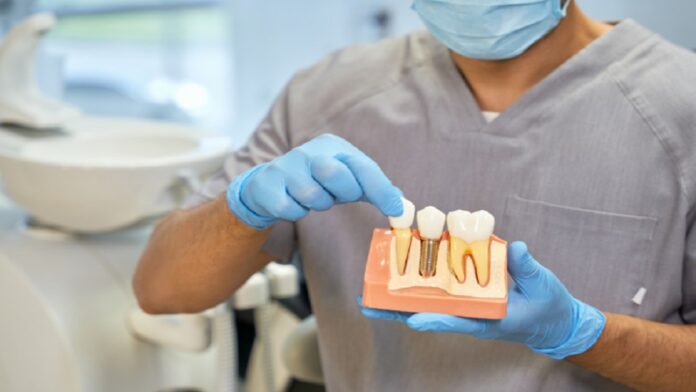
Dental implants are small, screw-like posts typically made from titanium. They are surgically inserted into the jawbone, where they serve as artificial tooth roots. Once the implant integrates with the bone (a process known as osseointegration), a custom-made crown is attached, completing the restoration and giving the look and feel of a natural tooth.

Benefits of Dental Implants Over Other Treatments

Durability and Longevity

Unlike dentures or bridges, which may need replacing every few years, dental implants are designed to last for decades. With proper care, many implants can last a lifetime. This long-term durability makes them a worthwhile investment for patients seeking a permanent solution to tooth loss.

Improved Appearance and Confidence

Dental implants are crafted to match the shape, size, and color of your existing teeth, creating a seamless and natural look. Because they are anchored firmly in the jaw, they eliminate concerns about slipping or shifting – common issues with traditional dentures. This stability provides greater confidence when talking, eating, and smiling.

Better Oral Health

Traditional bridges often require dentists to reduce adjacent healthy teeth to anchor the prosthetic. Dental implants, however, don’t compromise neighboring teeth. This helps preserve the natural tooth structure and supports long-term oral health.

Moreover, because implants replace the tooth root, they stimulate the jawbone. This stimulation prevents bone loss, which is a common consequence of missing teeth, and maintains the natural contours of your face.

Easier Eating and Speaking

Dentures can sometimes make eating and speaking uncomfortable. Dental implants function like natural teeth, restoring full chewing power and making it easier to enjoy your favorite foods without restriction. They also improve speech clarity, eliminating the worry of slurred or mumbled words.

Convenience and Comfort

Dentures require daily removal for cleaning and overnight soaking. In contrast, implants are a permanent part of your mouth. You care for them just like your natural teeth: brushing, flossing, and routine dental visits. This simplicity adds to overall comfort and ease of life.

Predictable Outcomes

Dental implant procedures are highly safe and predictable when performed by experienced professionals. Thanks to advances in technology and materials, success rates for implants are very high, giving patients confidence in their decision.

Who is a Good Candidate for Dental Implants?

Dental implants can benefit a wide range of individuals, but they may be particularly well-suited for:

Those Missing One or More Teeth

Whether you’re missing a single tooth or multiple teeth, dental implants can provide a sturdy, aesthetically pleasing replacement. Single implants can replace individual teeth, while implant-supported bridges or dentures can restore multiple teeth at once.

Those With Sufficient Bone Density

Because implants require a stable foundation, adequate bone density is crucial. Patients with significant bone loss may require bone grafting before receiving implants. However, newer techniques like “All-on-4” implants – available through trusted dentists like Smile Now – make implants accessible to those who previously weren’t candidates due to bone loss.

Patients Looking For a Long-Term Solution

If you prefer a one-time investment in a permanent solution rather than the repeated maintenance and replacement cycles of dentures or bridges, dental implants may be ideal.

Individuals Committed to Oral Hygiene

Successful implants require healthy gums and a commitment to daily brushing, flossing, and regular dental checkups. Patients willing to maintain excellent oral hygiene are more likely to experience long-term success with implants.

Those Seeking a Natural Look and Feel

For many patients, the top priority is a restoration that looks, feels, and functions like their natural teeth. Dental implants deliver on all these fronts, offering unparalleled realism and comfort.

Alternatives to Dental Implants – and Why Implants Often Win

Dentures

Dentures are removable prosthetics that sit on top of the gums. They are less expensive upfront but come with certain drawbacks, including discomfort, reduced chewing efficiency, and the need for adhesives. Over time, dentures can contribute to jawbone deterioration due to the lack of stimulation.

Dental Bridges

Bridges involve crowning the teeth adjacent to a missing tooth to support a false tooth (pontic) in between. While effective, bridges require altering healthy teeth and do not prevent bone loss in the missing tooth area. They also typically have a shorter lifespan compared to implants.

Compared to these options, dental implants stand out by offering greater stability, preserving oral health, and providing a more natural appearance and feel.

Considerations Before Choosing Dental Implants

While dental implants are an excellent solution for many, it’s important to undergo a thorough consultation with a qualified dentist or oral surgeon. A complete evaluation will assess bone density, gum health, and overall medical history to ensure the best outcome.

Some factors that could influence implant suitability include:

  • Smoking (which can interfere with healing)
  • Certain chronic illnesses (like diabetes)
  • Medications that affect bone healing

That said, advancements in implant technology mean that even patients with some of these risk factors may still be candidates, especially with options like All-on-4 implants.

Conclusion

Dental implants offer a remarkable solution for those seeking a permanent, natural-looking, and functional replacement for missing teeth. Their benefits – including durability, improved oral health, ease of use, and enhanced confidence – make them a superior choice over traditional dentures and bridges for many patients. Choosing dental implants could be the first step toward a future filled with confident smiles and lasting oral health.

Shaping The Future Of Global Healthcare Innovation – Medical Taiwan 2025

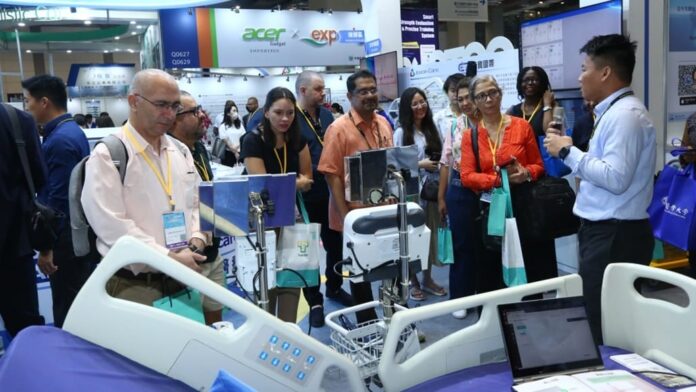
Taiwan has gone on to emerge as a powerhouse when it comes to global medical supplies and is known for its precision manufacturing, cutting edge technology, and supply chains. Medical Taiwan, 2025 is all set to showcase the nations latest advancements when it comes to smart healthcare, AI-driven diagnostics, and veterinary medicines, reinforcing the country’s leadership in Medtech innovation. Let us discover how Taiwan is redefining healthcare solutions for tomorrow’s challenges.

1. How would you sum up Taiwan‘s reputation in the global medical supplies market? What specific advantages does Taiwan offer as a medical equipment manufacturer as compared to the other countries?

Taiwan’s medical supplies are renowned in the global market for their reliability, high quality, and innovation. Compared to other countries, Taiwan holds advantages such as a strong foundation in precision manufacturing, competitive costs, a flexible supply chain, and quick responsiveness. Moreover, Taiwan adheres to strict quality standards and actively invests in medical technology innovation, giving it a unique position in the global market.

2. How has Taiwan gone on to maintain supply chain stability in the face of the recent global disruptions when it comes to products as diverse as medical equipment?

In the face of global supply chain disruptions, Taiwan has maintained stability in its medical equipment supply chain through several strategies. These include supplier diversification, strengthening domestic supply chain resilience, flexible production adjustments, proactive inventory management, enhanced international collaboration, and leveraging technology to improve visibility. These measures have helped Taiwan reduce risk and ensure a steady supply of critical medical products.

3. Taiwan is known for its prowess in the semiconductor industry. What advantages does that hold in terms of medical device production?

Taiwan’s robust semiconductor industry brings multiple advantages to medical device manufacturing. These include the stable supply of high-quality electronic components, cutting-edge miniaturization and precision technologies, support for the development of smart medical devices, cost reduction, and faster product innovation and time-to-market. This gives Taiwan a competitive edge in producing advanced medical equipment.

4. What groundbreaking product or technology are you debuting at Medical Taiwan 2025? And why do you think it will disrupt the market?

As product information from exhibitors is still being collected, we are currently unable to provide a specific answer to this question.

5. Describe how Medical Taiwan 2025 will demonstrate Taiwan’s edge when it comes to smart healthcare solutions?

Medical Taiwan 2025 highlights Taiwan’s strengths in smart healthcare through comprehensive showcases of cutting-edge technologies and applications. Two major thematic areas—the Smart Medical Pavilion and the Telemedicine & Smart Medical Devices Pavilion—will offer immersive experiences demonstrating Taiwan’s innovation in AI medical imaging, remote healthcare, smart surgery, and hospital management systems. These pavilions not only highlight the nation’s ability to integrate ICT and biomedical technologies, but also reflect Taiwan’s agility in providing scalable, intelligent solutions tailored to global healthcare needs.

6. What live demos or interactive experiences have been planned for attendees at Medical Taiwan 2025 that will highlight the innovation within the medical equipment space in Taiwan?

Visitors at Medical Taiwan 2025 can experience the innovation of Taiwan’s medical equipment sector through immersive live demos and interactive simulations. Key highlights include AI-powered medical imaging, telemedicine systems, smart surgical solutions, and intelligent hospital management platforms. These will be showcased in two major areas: the Smart Medical Pavilion and the Telemedicine & Smart Medical Devices Pavilion, offering attendees a hands-on understanding of how these technologies are shaping the future of healthcare.

7. Are there any specific products or solutions you are prioritizing at Medical Taiwan 2025, and why?

This year’s Medical Taiwan centers around four major themes: All-Ages Healthcare, Smart Medical, Medical Supplies Gallery, and Innovation & Startups, with a particular focus on the wellness industry. Among these, AI and smart medical technologies are given special attention, which is why the Smart Medical Pavilion and the Telemedicine & Smart Medical Devices Pavilion have been established to highlight Taiwan’s strength in this rapidly growing field.

8. How do you think Medical Taiwan 2025 will evolve from previous editions in order to address the MedTech challenges of today, and what new events have been added to the exhibition so as to enhance the attendee-exhibitor connection?

Medical Taiwan 2025 is taking a dual approach to meet the needs of both domestic and international audiences. For local industry players, a dedicated seminar on AI medical device regulations will be held to enhance understanding of compliance and approval processes. Meanwhile, for global buyers, the show will feature suppliers of high-end AI medical devices that have already obtained international certifications—ensuring that visitors can discover complete and trustworthy medical solutions aligned with global standards.

9. Tell us something more about the M-Novator start-up zone this year, and how will it be different from the previous edition?

The M-Novator Startup Zone continues its mission to spotlight rising innovators in MedTech. Each year, this section features a curated selection of startups from Taiwan and abroad. In 2025, 11 cutting-edge startups from 5 countries will unveil their breakthrough health solutions, including the latest in AI-powered medical imaging analysis, digital therapeutics, and health tracking technologies. It’s a unique opportunity to witness the future of healthcare innovation all in one space.

10. This is the first time that veterinary medical supplies are also going to be a part of the exhibition. What was the thought behind it? How do you view Taiwan‘s leadership when it comes to veterinary healthcare, and how is that going to benefit the attendees?

According to international market research, the global pet care market is projected to reach USD 350 billion by 2027. Recognizing this immense potential, Taiwanese companies are leveraging their strong background in medical device manufacturing and veterinary healthcare to develop advanced veterinary medical products tailored for global needs. By participating in Medical Taiwan 2025, these companies aim to introduce their high-quality, innovative veterinary solutions to the international market.

11. What is the idea behind setting up a smart healthcare experience pavilion? This time around, the pavilion has been divided into two dedicated zones. Tell us something more on that?

The Smart Healthcare Experience Pavilion was designed to offer attendees an interactive and immersive environment that showcases how Taiwan’s advanced technologies are transforming healthcare delivery. This year, the pavilion is divided into two focused zones: the Smart Medical Pavilion and the Telemedicine & Smart Medical Devices Pavilion.

The Smart Medical Pavilion highlights innovations in AI-assisted diagnostics, smart surgery, and hospital management, while the Telemedicine Pavilion focuses on cross- border remote care and wearable health devices. This dual-zone approach enables visitors to experience how Taiwan integrates medical expertise with ICT to create holistic, efficient, and patient-centric solutions for the future of healthcare.

12. Marching forward, how do you think Medical Taiwan 2025 is going to influence the global medical equipment industry in the years to come?

The 2025 Medical Taiwan is Taiwan’s leading trade fair for the medical and healthcare industries, now entering its 19th edition. As a major event in the industry, it brings together top providers specializing in operating rooms, hospital facilities, post-operative care, home care, diagnostics, patient monitoring, and veterinary medical supplies. It serves the needs of hospitals, clinics, elderly care facilities, rehabilitation centers, home healthcare providers, and veterinary clinics.

Medical Taiwan is the ultimate destination for buyers to source high-quality products, secure procurement opportunities, and build valuable global connections. By spotlighting AI-driven innovation, cross-border telemedicine, and smart healthcare solutions, the exhibition not only strengthens Taiwan’s role in the global medical device ecosystem but also serves as a vital bridge for international collaboration and business matching.

Manhattan Personal Injury Lawyers: Protecting Your Legal Rights

Manhattan Personal

Were you hurt in a Manhattan accident that was not caused by you?

Unexpected injuries that disrupt your life make Manhattan personal injury lawyers your top legal champions within New York City’s complicated legal framework. The fast-paced streets of Manhattan produce distinctive situations which require legal experts with specialized knowledge.

The truth is…

The majority of people harmed in accidents remain unaware about the complete compensation they deserve. Insurance companies take proactive measures to reduce financial payouts which forces injured individuals to handle increasing medical expenses and lost wages.

What You’ll Discover

  1. How Manhattan Personal Injury Cases Are Unique
  2. When You Should Contact a Personal Injury Lawyer
  3. Types of Accidents Manhattan Lawyers Handle
  4. Finding the Right Attorney for Your Case
  5. Recent Manhattan Injury Statistics
  6. What Compensation You Might Recover

How Manhattan Personal Injury Cases Are Unique

Individuals seeking representation in Manhattan personal injury cases must acquire specialized legal knowledge because these cases involve distinctive challenges. The crowded urban setting of Manhattan generates complicated liability situations which bring together numerous parties including property owners and government bodies.

In Manhattan’s fast-paced environment, evidence disappears quickly. Surveillance clips get erased while finding witnesses becomes increasingly difficult and accident locations get cleared quickly. A lawyer who knows Manhattan and specializes in personal injury cases is essential due to the city’s distinctive legal environment.

The city’s legal system operates differently too. The heavy caseloads in Manhattan courts produce procedural obstacles which inexperienced attorneys often find difficult to navigate. The ability to navigate these systems relies heavily on possessing local knowledge.

Additionally, Manhattan personal injury cases often involve:

  • Multiple insurance policies with complex coverage issues
  • Corporate defendants with substantial legal resources
  • Unique municipal liability laws
  • Personal injury claims filed in New York City face specific short deadlines for filing.

The chances of obtaining fair compensation rise significantly when you work with a personal injury lawyer who understands these complex nuances.

When You Should Contact a Personal Injury Lawyer

Accident victims who delay contacting a lawyer make a serious mistake that can harm their cases. Insurance companies start building their defense right away.

You should contact a personal injury lawyer as soon as possible after an accident when:

  • You’ve suffered serious injuries requiring medical treatment
  • Your accident involved multiple parties
  • An insurance adjuster contacts you
  • The insurance company is pushing you to settle your claim quickly.
  • Your injuries have the potential to leave you with permanent disability or long-term disabilities.
  • The accident you were involved in included either a government entity or a commercial vehicle.

Current studies show how insurance companies work hard to reduce settlements which highlights the necessity of early legal representation to achieve maximum financial recovery. The strength of your case increases when your attorney starts their investigation early.

Personal injury claimants in New York must adhere to strict filing deadlines which can be just 90 days for lawsuits against government entities. Failing to meet these deadlines will permanently eliminate your chances of receiving compensation.

Types of Accidents Manhattan Lawyers Handle

Manhattan lawyers who specialize in personal injury represent clients who have suffered diverse accidents which demonstrate the particular dangers associated with city life. The most common include:

Traffic Accidents

Manhattan’s crowded streets produce hazardous situations for every type of road user. The most recent statistics reveal that Manhattan experienced nine injuries on April 20, 2025 including three pedestrians and four cyclists as well as two motorists with unsafe backing being the main cause. A Manhattan traffic accident on April 7, 2025 resulted in 4 injuries which included pedestrians and motorists.

These accidents often involve:

  • Taxi and rideshare collisions
  • Delivery vehicle accidents
  • Bus and public transportation incidents
  • Pedestrian knockdowns
  • Bicycle and e-scooter crashes

Premises Liability Cases

Due to the high number of commercial buildings in Manhattan along with apartment complexes and construction sites many premises liability cases occur here. Premises liability cases in Manhattan consist of slip and fall accidents as well as elevator malfunctions paired with inadequate security that leads to assaults and building code violations which cause injuries.

Construction Accidents

The ongoing development of Manhattan’s skyline generates substantial risk from construction accidents. These incidents present complex liability challenges due to scaffold collapses, falls from heights, equipment failures, crane accidents and electrical injuries leading to permanent disabilities.

Medical Malpractice

World-renowned medical facilities exist in Manhattan yet medical errors continue to happen. Attorney representation for claims of surgical errors, misdiagnosis, medication mistakes, and birth injuries demands medical knowledge from legal professionals.

Finding the Right Attorney for Your Case

Selecting an appropriate Manhattan personal injury lawyer plays a crucial role in determining the success of your legal case. Look for attorneys with:

  • Specific experience with your type of accident
  • Attorneys who understand the procedures of Manhattan courts can successfully navigate this distinct legal setting.
  • Your claim requires comprehensive examination through dedicated resources and support staff.
  • Clear communication style that makes you comfortable
  • Transparent fee structure with no upfront costs

During your initial attorney consultations, inquire about their experience with cases similar to yours and their knowledge of Manhattan’s judicial system and judges. Reputable lawyers provide free initial consultations which help you determine if they’re suitable for your case.

Recent Manhattan Injury Statistics

Knowing about Manhattan’s personal injury situation demonstrates why skilled legal representation is essential.

Traffic-Related Injuries

The greatest source of injuries in Manhattan stems from traffic-related incidents. According to recent data:

  • Manhattan recorded nine injuries on April 20, 2025 which included 3 pedestrians, 4 cyclists and 2 motorists with “backing unsafely” identified as the main contributing cause.
  • The Manhattan crash incidents on April 7, 2025 resulted in four injuries including two pedestrians and two motorists.
  • The first nine months of 2024 brought a 16% increase in serious pedestrian injuries in Manhattan when compared to 2023.

Contributing Factors

Multiple known factors have caused injury rates to rise in Manhattan.

  • Hazardous conditions for every road user emerge from Manhattan’s heavily congested streets.
  • The fast-paced schedules of construction projects frequently result in safety precautions being neglected.
  • The borough faces multiple safety risks because of the aging infrastructure that has been neglected.

The NYC Health Department’s data shows injuries continue to be a main cause of death across New York City from 2017 to 2019 but recent reports lack 2025 mortality statistics.

What Compensation You Might Recover

An injury in Manhattan may make you eligible for different compensation types. By grasping potential damages you can assess the fairness of settlement offers.

Economic Damages

Economic damages provide compensation for tangible financial losses such as:

  • Medical expenses comprise both current bills and projected costs for future medical treatment related to your injury
  • The lost income category covers wages you did not earn during your recovery period along with any long-term reduction in your earning ability.
  • Property damage refers to the financial costs required to repair or replace destroyed property
  • Home modification costs represent the financial outlay required to adjust your residence to meet disability needs.
  • Transportation expenses cover the cost of attending medical appointments and therapy sessions.

Assessors can determine these damages with relative accuracy by examining bills and receipts and utilizing expert forecasts for subsequent expenses.

Non-Economic Damages

The purpose of non-economic damages is to provide compensation for losses which lack specific financial values including:

  • Pain and suffering encompasses both physical discomfort and emotional distress
  • Loss of life enjoyment means you cannot engage in activities that were previously enjoyable to you.
  • The psychological consequences of emotional trauma manifest as anxiety disorders, depression episodes or PTSD development.
  • The disruption of your marital relationship constitutes loss of consortium.

While these damages require subjective assessment they usually follow established formulas that evaluate injury severity and life impact.

Punitive Damages

Under exceptional circumstances where conduct demonstrates extreme negligence or intentional wrongdoing punitive damages are possible. These damages serve to punish the offender while discouraging similar behavior from happening again.

Key Takeaways

The special urban features of Manhattan lead to specific personal injury situations which demand specialized legal representation. As injury rates climb along with a 16% increase in serious pedestrian injuries expert legal representation becomes essential.

Selecting the appropriate Manhattan personal injury lawyer ensures you receive advocacy and guidance throughout your toughest life experience. Most lawyers operate on contingency fees which means you only pay them if they win your case.

Your recovery and future well-being become your main focus when you understand your rights and team up with skilled legal representatives in Manhattan’s complex personal injury system.

The Ultimate Guide to Boosting Your Daily Energy Levels

Boosting Your Daily Energy Levels

Do you experience fatigue throughout your day while needing to exert effort to complete tasks? You’re not alone.

Millions of people experience low energy which turns basic activities into enormous challenges. Your overall energy is determined by more than just your caffeine intake and sleep duration.

Understanding how to feel energized involves studying science which this article will guide you through with straightforward terms. 

Do you want to revolutionize your daily energy with sustainable sources that persist past the mid-afternoon slump? We will explore proven strategies that increase energy levels.

What You’ll Discover

  1. Why Your Energy Levels Matter
  2. The Science Behind Energy Fluctuations
  3. Nutrition for All-Day Energy
  4. Movement for Energy Boosting
  5. Sleep Optimization

Why Your Energy Levels Matter

Your energy levels extend beyond mere pep and affect all aspects of your existence. Your level of energy determines how well you perform at work and how you respond to family members.

When you’re consistently low on energy, you’re:

  • A decrease in energy leads to decreased productivity because simple tasks now require more time to finish.
  • You will more often choose unhealthy foods because you seek quick energy through sugar.
  • A lack of exercise leads to a continuous loop of inactivity which then generates fatigue.
  • More irritable and less present in relationships
  • Less creative and inspired in your passions

The Daily GEM wellness approach shows that maintaining vibrant energy levels throughout the day requires small actions performed consistently to achieve remarkable results.

The Science Behind Energy Fluctuations

The feeling of energy extends beyond intangible sensations because its foundation lies in biochemical processes. The body generates energy by transforming consumed food into ATP which serves as its cellular energy currency.

Key factors influence energy production:

  • Your body’s cells contain “power plants” called mitochondria which produce ATP.
  • Maintaining consistent blood sugar levels produces consistent energy.
  • The levels of cortisol and thyroid hormones along with insulin affect your body’s capacity to produce energy

The underlying mechanisms determine which habits sap your energy and which enhance it.

Nutrition Strategies for All-Day Energy

What you eat becomes your energy. Americans use 279 million Btu annually to fulfill their total energy requirements but still experience fatigue. Why? Because nutrition quality matters more than quantity.

Energy-Boosting Foods

Sweet potatoes and oats as complex carbohydrates deliver sustained energy to prevent fatigue episodes. Eggs, lean meats, and legumes stabilize blood sugar because they are rich in protein. Healthy fats from avocados, nuts, and olive oil generate sustained energy while simultaneously aiding hormone production.

Spinach and grass-fed beef that contain iron boost oxygen transportation throughout the body while whole grains and leafy greens rich in B-vitamins enhance the cellular energy metabolism process.

Energy-Draining Foods to Minimize

Processed foods contain insufficient nutrients for energy production and refined sugar generates energy spikes followed by crashes. Alcohol impairs sleep quality and causes body dehydration while heavy caffeine consumption results in adrenal fatigue and periodic energy crashes.

Hydration: The Overlooked Energy Source

A body that is 1-2% below its optimal hydration level will experience a significant reduction in energy. People should consume at least 64 ounces of water each day but increase intake when exercising or during hot weather.

Pro tip: Drinking 16 ounces of water before your morning coffee helps rehydrate your body after sleeping.

Movement and Exercise for Energy Boosting

The concept that physical activity can lead to increased energy levels seems contradictory at first glance. Studies reveal regular exercise can increase energy levels by 20% while decreasing fatigue by 65%.

Here’s why exercise works:

  • Consistent exercise leads to the formation of more cellular powerhouses.
  • Enhanced blood flow through your body results in higher oxygen delivery to your cells.
  • Releases endorphins: Natural mood-boosters that fight fatigue
  • People who stay active go to sleep quicker and reach deeper sleep stages.

You don’t need marathon training. Try these simple strategies:

  • A brief 5-10 minute stretching session at the start of your day stimulates your body’s energy systems.
  • Taking a 10-minute walk at midday restores your energy more effectively than consuming caffeine.
  • Performing strength training for two to three times per week will improve resting energy levels.
  • Every hour takes time to stand up and stretch for two to three minutes.

Remember, consistency trumps intensity. Regular 15-minute daily walks provide better results than a single exhausting 2-hour weekly gym session.

Sleep Optimization Techniques

While the average U.S. home requires more than 36 million BTUs of energy each year to operate, people need different methods to recharge their bodies since electronic recharging options are unavailable. Quality sleep serves as an essential process for restoring your body’s energy.

Create a Sleep Sanctuary

The quality of your sleep is affected by your bedroom environment. Setting your bedroom temperature to remain between 65-68°F ensures optimal sleep conditions. Turn off all light sources together with electronic devices and employ white noise machines or earplugs if necessary. Choosing quality mattresses and pillows represents one of the most effective ways to invest in your energy levels.

Power-Down Routine

The body requires a period of transition from day activities before it can enter sleep mode. Ensure your sleep environment is ready by dimming lights 90 minutes before bedtime and stop using electronics at least 60 minutes prior to sleep. Gentle stretching or reading paired with a warm bath may help your body achieve natural sleepiness.

Time Your Sleep Cycles

If you wake up while in deep sleep your mind remains sluggish. Establish regular sleep routines to align with your body’s natural rhythms. Sleep cycle apps enable adults to set optimal bedtimes to gain about 7.5 hours of sleep through five full 90-minute sleep cycles.

Stress Management for Energy Conservation

Stress acts as one of the leading sources that drain your energy. During stress your body redirects energy toward fight-or-flight mechanisms and this depletes your energy reserves.

Increased cortisol levels alongside unnecessary muscle tension and mental rumination as well as shallow breathing patterns consume our energy when we experience stress. Try these techniques to preserve your energy:

Mindful Breathing

The 4-7-8 technique helps reset your nervous system: Inhale for 4 counts followed by a 7-second hold before exhaling for 8 seconds.

Energy Boundaries

Say “no” to energy-draining activities and people. Evaluate each “yes” against its energy cost.

Nature Immersion

A 20-minute nature experience lowers cortisol levels and rejuvenates mental energy.

Environmental Factors Affecting Your Energy

Your surroundings significantly impact your energy levels. Even though individual CO2 emissions related to energy have diminished throughout the years people can improve their energy levels through personal environmental adjustments.

You can maintain your circadian rhythm through exposure to natural light by getting 10-30 minutes of morning sunlight exposure and reducing evening blue light while using full-spectrum indoor lighting.

Daily window opening combined with energy-enhancing plants provides better oxygen intake and air purifiers can be considered for additional benefits.

A cluttered environment uses up mental resources so organize your living space to diminish unnecessary decisions and arrange your workspace to improve concentration.

Energize Your Life

With your understanding of energy influences complete, you should now work on developing an individualized energy management strategy. Energy inflation rates decreased in mid-2023 but managing your energy requires ongoing attention.

Countless elements affect your energy but you hold power over the majority of them. Analyze your energy patterns to discover which elements most significantly impact your individual body.

Track your energy for one week:

  1. Assess your energy levels between 1 to 10 multiple times throughout the day
  2. Note food, drinks, and activities
  3. Identify patterns of peaks and dips

Develop an energy investment strategy by assessing which habits deplete your energy and which improve your energy levels. Consistent small actions lead to long-term vitality transformation.

Your vitality is worth the investment.

LifeSignals launches UbiqVueTM Holter System in partnership with UltraLinQ at Heart Rhythm 2025

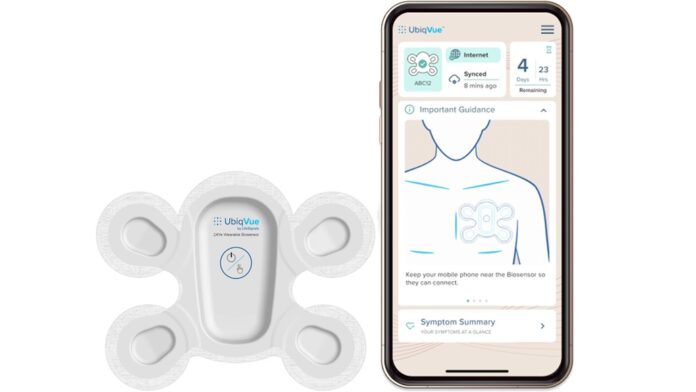
Milpitas, California, USA:  LifeSignals, Inc. today announced the launch of the UbiqVue 2AYe Holter System at Heart Rhythm 2025 (Booth #943) in San Diego. Distributed in partnership with UltraLinQ Healthcare Solutions, the new Holter solution accelerates cardiac monitoring workflows by delivering diagnostic reports in a fraction of the typical turnaround time and eliminates the need to mail or recover the Biosensor device.

Central to the UbiqVue Holter System is the 2AYe Biosensor—a single-use, chest-worn device that continuously collects 2-channel ECG and event data for up to 5 days. Encrypted data is securely transmitted directly from the Biosensor, via the patient-facing app to a secure cloud-based system throughout the monitoring period. Within minutes of Holter test completion, the patient’s data is automatically processed by cloud-based ECG analytics—significantly reducing certified cardiac technician over-read time, and enabling report delivery within hours for physician review and sign-off.

The disposable Biosensor is simple to distribute, quick to apply by clinicians or patients at home, and automatically connects to the app. With no device retrieval, the system eliminates return logistics, streamlining workflows and reducing administrative burden for clinics and care teams.

“UbiqVue Holter is the first Holter system purpose‑built for the digital age,” said Surendar Magar, Co‑founder and CEO of LifeSignals. “By stripping away workflow complexity, cost barriers, and other operational hurdles, it turns our vision of anytime, anywhere wireless patient monitoring—from hospital beds to living rooms—into a practical reality for population health delivery.”

“For over 15 years, UltraLinQ has empowered cardiologists with specialized tools, platforms, and expert support to optimize workflows and enhance diagnostic precision,” adds Theo Vouniseas, UltraLinQ Head of Finance & Operations. “We are thrilled to unveil the UbiqVue Holter System at Heart Rhythm 2025 and believe its reliability, ease of implementation and scalability will exceed expectations.”

UltraLinQ will be presenting UbiqVue Holter at Heart Rhythm, San Diego Convention Centre, CA 25-27th April. Booth #943.

Translate »