







Close
Digital Health & Ai Innovation summit 2026
LiGHT26

Revolutionize Your Fitness Journey with Performance Gym Insights

Are you ready to advance your current fitness regimen? Performance gyms provide specialized resources to help you overcome fitness standstills and reach your ambitious exercise targets.

But here’s the thing…

Not all fitness facilities are created equal. Performance gyms deliver a unique experience through specialized equipment and expert coaching that creates a results-oriented atmosphere unlike what traditional gyms provide.

Inside Your Fitness Future

  1. What Makes Performance Gyms Different
  2. Finding the Right Performance Gym for Your Goals
  3. Essential Features in Top Performance Facilities
  4. Technology in Modern Performance Training
  5. Building Your Personal Training Plan

What Makes Performance Gyms Different

Performance gyms go beyond having weights and treadmills to offer comprehensive fitness solutions designed to maximize physical potential. Performance gyms serve as complete fitness ecosystems that focus solely on helping you reach your maximum physical potential.

The difference starts with the approach. Traditional gyms offer equipment and generic classes but performance gyms focus exclusively on measurable outcomes through personalized training methods.

A performance gym generally includes functional training zones with open floor spaces.

  • Functional training zones with open floor spaces
  • Olympic lifting platforms and bumper plates
  • Performance testing equipment
  • Recovery tools like compression systems and cryotherapy
  • Specialist coaches with advanced certifications

Recent data shows the worldwide fitness industry currently stands at a $257 billion valuation while experiencing a 5.6% yearly growth rate. The enormous expansion in the fitness sector has allowed specialized training facilities to emerge and prosper.

Finding the Right Performance Gym for Your Goals

Your particular objectives must lead you to the best performance training facility. Are you training for a sport? Looking to improve overall strength? Focused on endurance?

If you’re trying to find the ideal spot, you might start by searching for performance gyms near me to see what specialized options are available in your area. To achieve your training goals you need to find a facility that provides coaches and equipment which matches your specific needs.

Your search should focus on more than just the attractive marketing and glossy equipment. Pay attention to:

  • Coach qualifications and specializations
  • Success stories from current members
  • Training philosophy and methodology
  • Assessment processes for new members
  • Progression tracking systems

The superior performance gyms specialize in developing personalized programs instead of offering generic solutions for all. The United States hosts 64.19 million gym members which fuels the ongoing increase in demand for tailored fitness programs.

Essential Features in Top Performance Facilities

Top performance gyms feature advanced fitness machinery paired with intelligent training solutions. These are the essential components to identify in a premier performance gym.

Advanced equipment: Modern performance gyms utilize technology including force plates to measure power output and velocity-based training devices that provide actionable data.

Specialized coaching: Select performance facilities that employ coaches who hold advanced certifications in strength and conditioning along with sport-specific training or rehabilitation.

Recovery zones: Hard workouts achieve their full benefit only through appropriate recovery. Elite performance gyms offer specialized recovery spaces that feature foam rolling stations and percussion therapy equipment.

Performance testing: Regular assessment is crucial for tracking progress. Leading fitness centers perform scheduled evaluations through established testing methods.

Industry experts report that the wearable technology market generated $61.3 billion in 2022 and will experience a CAGR of 14.6% until 2030. The rapid expansion of technology is revolutionizing the functioning of performance gyms.

Technology in Modern Performance Training

Performance gyms lead the digital transformation reshaping the fitness landscape. The virtual fitness market reached a valuation of $16.4 billion in 2022 and analysts forecast its growth at 26.72% from 2023 through 2030.

Technology is transforming the experience of performance gyms through multiple innovative advancements.

  1. Performance tracking apps: A number of facilities currently provide their own apps which work with gym equipment to allow users to monitor their workout sessions and track their progress over time.
  2. Wearable integration: Training sessions benefit from real-time feedback provided by wearable technologies such as heart rate monitors and power output trackers.
  3. Video analysis: The practice of refining techniques through slow-motion video analysis has expanded beyond elite sports to become standard in performance gyms.
  4. Virtual coaching: Performance gyms deliver extended experiences through hybrid coaching models that merge physical sessions with remote coaching.

The predicted increase in fitness app downloads to over 5 billion by 2025 demonstrates the essential role technology now plays in today’s fitness routines.

Building Your Personal Training Plan

A proper assessment followed by a personalized plan is essential for achieving success at a performance gym. These elements constitute the standard experience within a high-quality performance-oriented gym facility:

Initial assessment: Your fitness journey requires an extensive initial evaluation process which may involve multiple assessments.

  • Movement screening to identify mobility restrictions
  • Body composition analysis
  • Strength and power testing
  • Cardiovascular capacity assessment
  • Sport-specific skill evaluation (if applicable)

Periodized programming: People who train at performance gyms benefit from access to training programs that follow a structured periodization approach. Your exercise program will advance through distinct stages that build sequentially.

Fitness demographics research shows that millennials and Gen Z generate significant demand for digital fitness solutions because 79% place health and wellness at the top of their priorities. The 50+ age group demonstrates growing involvement in performance training through their pursuit of personalized options.

Getting the Most From Your Membership

When you move from a traditional gym to a performance-focused facility you need to change your mental approach and methodology. Use these guidelines to enhance your fitness journey at the performance gym.

Set clear, measurable goals: The statement “I want to get fit” lacks enough specificity. Develop specific targets with your coach such as “raise your squat performance by 15%” and “cut your 5K time by 30 seconds.”

Embrace the assessment process: Though initial assessments may appear daunting they generate essential baseline data. Accurately report your fitness abilities and limitations to your coach.

Follow the program: Performance training is systematic and progressive. Believe in your training plan and refrain from incorporating unscheduled workouts that could disrupt recovery time.

Use technology wisely: Fitness apps and wearables function as tools and they do not provide complete solutions to fitness challenges. Concentrate your attention on tracking the metrics that align closely with your defined fitness objectives.

Common Training Mistakes to Avoid

Despite working out at top performance gyms people continue to make errors which hinder their fitness progress.

Program hopping: Many people make the mistake of switching between training programs before completing a full training cycle. The results from performance training become evident only through consistent practice over a period of time.

Neglecting recovery: Many fitness enthusiasts spend too much time training while failing to adequately address recovery needs. Adaptation takes place when resting rather than during the exercise session itself.

Chasing numbers instead of quality: Although performance gyms focus on tracking metrics the proper exercise form must remain a priority over lifting heavier or faster workouts. Long-term progress depends on maintaining quality movement.

Ignoring nutrition: Perfect training routines cannot compensate for inadequate nutritional habits. Performance gyms provide nutritional guidance because they recognize its essential role.

The Value Proposition

Let’s address the elephant in the room: Memberships at performance gyms generally require higher fees than memberships at traditional fitness centers. Is the premium price worth it?

Here’s what you’re really paying for:

Expert coaching: Certified strength and conditioning specialists and performance coaches deliver invaluable guidance to their clients. Certified experts provide guidance that leads to smarter training methods which prevent injuries while accelerating your progress.

Advanced equipment: Performance gyms contain specialized tools and technology that serve functional purposes beyond their advanced appearance. Performance gyms offer training solutions that surpass standard gym equipment in both efficiency and effectiveness.

Personalized programming: Cookie-cutter workouts don’t deliver optimal results. You will reach your fitness objectives more quickly through performance gyms because of their personalized approach to training.

The substantial benefits received from membership at performance gyms justify their higher costs for dedicated fitness enthusiasts. How can you measure the benefits of reaching your fitness targets months or even years ahead of schedule?

In Conclusion

Performance gyms showcase the advanced stage of fitness training which blends scientific research with technological innovations and tailored coaching to maximize results. The specialized approach is worth exploring for individuals who are dedicated to their fitness goals.

Sustainable fitness progress towards your peak physical condition starts with tracking measurable improvements and practicing quality movements.
How Portable Ultrasounds Improve Patient Outcomes in Emergency Care

In emergency medicine, every second counts. When a patient arrives with a critical condition, rapid and accurate diagnosis can mean the difference between life and death.

This is where portable ultrasound machines are transforming emergency care.

By providing real-time bedside imaging, handheld ultrasound devices allow medical professionals to quickly assess a patientโ€™s condition, speeding up decision-making and ultimately improving patient care.

The Role of Ultrasound in Emergency Medicine

Ultrasound technology has long been a staple in medical diagnostics, offering a non-invasive and radiation-free way to examine internal organs. Ultrasound machines are particularly valuable in emergency medicine because they allow healthcare professionals to quickly assess various conditions, including:

  • Cardiac emergencies โ€“ Detecting heart abnormalities, fluid buildup, or valvular heart disease.
  • Internal bleeding โ€“ Identifying free fluid in the abdomen or chest, which can indicate trauma-related hemorrhage.
  • Pulmonary complications โ€“ Assessing lung conditions such as COVID-19-related pneumonia or pleural effusion.

Why Portable Ultrasound Machines Are a Game-Changer

Recent advancements in ultrasound technology have led to the rise of portable ultrasound machines, offering a compact, handheld alternative to traditional systems.

These devices provide the same diagnostic accuracy while allowing point-of-care ultrasound (POCUS) that can be performed without needing to transport the patient.

This is particularly beneficial in:

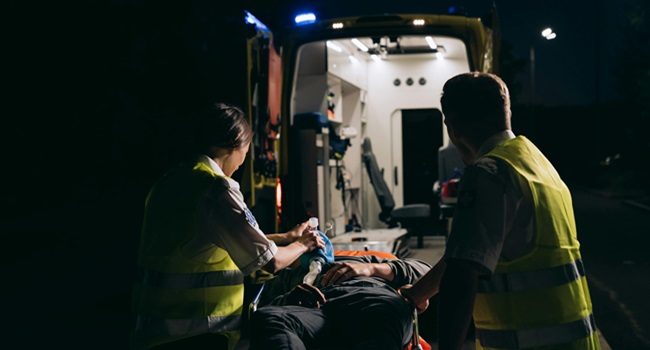
  • Ambulances and pre-hospital settings โ€“ Pocket-sized ultrasound devices give paramedics the ability to evaluate trauma patients before reaching the hospital.
  • Disaster relief and remote care โ€“ In resource-limited settings, mobile ultrasound units help diagnose patients when standard imaging isnโ€™t available.
  • Critical care situations โ€“ Immediate visualization of internal injuries or cardiac distress saves precious minutes in treatment decisions. Just as real-time imaging improves emergency care, accurate signal measurement using a keysight oscilloscope is crucial in medical equipment testing, ensuring devices operate reliably in high-stakes environments.

How Portable Ultrasounds Improve Patient Outcomes

Speed and Efficiency in Diagnosing Emergencies

By allowing clinicians to perform quick, on-the-spot assessments, portable ultrasound machines help reduce dependency on centralized radiology departments, cutting down wait times and expediting life-saving decisions.

Several life-threatening conditions demonstrate how portable ultrasound devices improve survival rates:

  • Cardiac Ultrasound โ€“ Rapid detection of heart failure, valvular heart disease, and pericardial effusion allows for early intervention in patients presenting with chest pain or shock.
  • Abdominal Aorta Assessments โ€“ Identifying aortic aneurysms early can prevent rupture, a condition that has a high mortality rate if undiagnosed.
  • Pulmonary Ultrasonography โ€“ Bedside lung scans can quickly detect covid-19-related pneumonia, pulmonary embolisms, and pleural effusions, ensuring timely treatment in respiratory distress cases.

Portability and Accessibility in Critical Situations

Unlike traditional ultrasound systems, which are confined to hospitals, handheld POCUS devices can be used in:

  • Ambulances and pre-hospital settings โ€“ Portable ultrasound devices enable paramedics to assess trauma patients before reaching the emergency department.
  • Remote areas and resource-limited settings โ€“ In locations where medical facilities are scarce, mobile ultrasound technology provides life-saving diagnostics.
  • Disaster zones and military operations โ€“ Earthquakes, conflicts, and other emergencies often leave hospitals overwhelmed. Handheld ultrasound devices help triage patients quickly, guiding treatment decisions in real time.

Accuracy and Improved Diagnosis

A systematic review of handheld ultrasound devices has shown that they are highly effective for quick assessments, providing results comparable to standard ultrasound systems.

  • Similar diagnostic accuracy โ€“ Studies indicate that pocket-sized ultrasound devices perform just as well in bedside examinations, especially for cardiac ultrasound, trauma assessment, and abdominal imaging.
  • Faster decision-making โ€“ Because portable ultrasound units provide immediate real-time imaging, clinicians can make critical decisions on the spot, improving patient care without delays.
  • Greater accessibility โ€“ The ability to use handheld POCUS devices outside traditional settings enhances diagnostic imaging in pre-hospital and emergency medicine environments.

Preventative Care: Staying Healthy to Avoid Emergencies

While emergency medicine is essential, preventing medical emergencies in the first place is just as important. Certain health issues can often be avoided with better overall health and mobility.

For example, foot injuries are a common reason for urgent medical visits, often caused by poor circulation, weak muscles, or lack of movement. Staying active and healthy can reduce these risks, helping individuals maintain stronger muscles, better balance, and improved mobility.

Health and fitness apps help promote an active lifestyle and support preventative health measures. By encouraging regular movement, stretching, and fitness routines, these help individuals stay mobile, reduce the risk of injuries, and maintain long-term well-being.

How Portable Ultrasound Breaks Barriers in Healthcare

The impact of portable ultrasound technology on emergency medicine is profound. By enabling real-time, remote consultations with radiologists and specialists, clinicians can receive expert guidance for faster and more accurate diagnoses. This advantage becomes even more pronounced in rural and low-resource settings.

In emergency and prehosp (pre-hospital) care, pocket-sized ultrasound devices provide POCUS capabilities, allowing first responders and medical teams to assess life-threatening conditions before a patient even reaches the hospital. This early intervention can significantly improve survival rates and treatment outcomes.

By eliminating geographical barriers, portable ultrasound technology is revolutionizing healthcare, ensuring that critical, life-saving decisions are no longer limited by distance and can be made anytime, anywhere.

Second Opinion Doctor: The Importance of Seeking a Second Medical Opinion

When faced with a medical diagnosis or recommended treatment plan, many patients feel uncertainty or concern about their next steps. This is where consulting a second opinion doctor can make a significant difference. A second medical opinion not only provides reassurance but also helps patients make informed decisions about their health.

Why Seek a Second Opinion?

1. Ensuring Diagnostic Accuracy

Medical errors, including misdiagnoses, are more common than one might think. Research shows that up to 20% of patients receive an incorrect or incomplete diagnosis. Consulting a second opinion doctor helps confirm whether the initial diagnosis is accurate, ensuring that the patient receives the most appropriate treatment.

2. Exploring Alternative Treatment Options

Different doctors may have different approaches to treating the same condition. While one physician may recommend surgery, another may propose non-invasive therapies such as medication or lifestyle changes. By obtaining a second opinion, patients can explore a wider range of treatment options and choose the one that best aligns with their health goals.

3. Avoiding Unnecessary Procedures

Medical treatments and surgeries come with risks. A second opinion doctor might determine that a recommended procedure is unnecessary or that a less invasive alternative is available. This can help patients avoid unnecessary risks, costs, and recovery time.

4. Access to Specialized Knowledge

Some medical conditions require expertise from specialists with extensive experience. If a diagnosis involves a complex or rare condition, consulting with a second opinion doctor who specializes in that field can provide valuable insights that general practitioners might not have.

When Should You Consider a Second Medical Opinion?

Seeking a second opinion is particularly important in the following situations:

  • Life-altering diagnoses such as cancer, heart disease, or neurological disorders
  • Major surgical recommendations that involve significant risks or long recovery times
  • Chronic conditions that do not improve despite ongoing treatment
  • Rare diseases where specialists may have differing perspectives
  • Conflicting medical advice from different healthcare providers

The Convenience of Online Second Opinions

With advancements in telemedicine, getting a second opinion has never been easier. Online platforms such as Second Opinions provide fast and secure access to board-certified specialists without requiring patients to travel or wait for appointments.

Benefits of Online Second Opinions:

โœ” Expert evaluations from top specialists in various medical fields
โœ” Quick turnaround times for medical reviews and recommendations
โœ” Secure and confidential consultations from the comfort of your home
โœ” Elimination of unnecessary travel and long waiting periods

Final Thoughts

Healthcare decisions should be made with confidence and clarity. Consulting a second opinion doctor ensures that patients receive the most accurate diagnosis and best treatment options available. Whether verifying a medical condition, considering alternative treatments, or avoiding unnecessary procedures, a second opinion can be life-changing.

For those seeking expert medical evaluations, Second Opinions offers a trusted platform to connect with experienced specialists and make informed healthcare decisions.

Sunglasses and Eye Health: How UV Protection Saves Your Vision

More than just a fashion accessory, sunglasses are essential for protecting eye health. Prolonged exposure to ultraviolet (UV) radiation can cause irreversible damage, leading to conditions such as cataracts, macular degeneration, and photokeratitis.

Investing in high-quality eyewear, including men’s or womenโ€™s sunglasses, can significantly reduce these risks. Understanding how UV protection works and its long-term benefits can help you make informed decisions about your eye care.

The Dangers of UV Radiation to Eye Health

UV radiation from the sun consists of UVA and UVB rays, both of which pose serious threats to your eyes. Unlike your skin, which can regenerate to some extent, eye damage is often cumulative and permanent. UV exposure can accelerate the aging process of ocular tissues, leading to severe complications over time.

Short-term exposure to excessive UV rays can cause photokeratitis, a painful condition similar to sunburn but affecting the cornea. Symptoms include redness, tearing, and temporary vision loss.

Long-term exposure, however, increases the likelihood of cataracts, a condition where the lens becomes cloudy, impairing your vision. Macular degeneration, another serious concern, affects the central part of the retina, leading to gradual vision loss and, in severe cases, blindness.

Protecting your eyes from these harmful effects starts with selecting sunglasses that offer comprehensive UV defense.

What to Look for in UV-Protective Sunglasses

Not all sunglasses are created equal, and wearing the wrong pair can give you a false sense of security.

Quality eyewear should offer complete protection from both UVA and UVB rays, blocking 100% of harmful radiation. Lenses labeled โ€œUV 400โ€ are ideal as they filter out all wavelengths up to 400 nanometers, covering the full spectrum of ultraviolet light.

Lens material and coatings also play a significant role in UV protection. Polycarbonate and high-index plastic lenses naturally block UV rays, while additional coatings can enhance protection. Polarized lenses, although excellent for reducing glare, do not inherently provide UV defense unless specified.

It is crucial to verify the sunglassesโ€™ UV rating rather than assuming that darker lenses equate to better protection.

How UV Exposure Affects Different Eye Conditions

If you have pre-existing eye conditions or have undergone eye surgery, you are at even greater risk of UV damage. Those with light-colored eyes, such as blue or green, tend to be more susceptible to UV-related harm due to lower melanin levels in the iris, which provides natural protection.

If you have had cataract surgery, intraocular lenses (IOLs) often include UV-blocking technology. However, wearing UV-protective sunglasses remains essential, as artificial lenses do not offer the same level of defense as natural ones.

Similarly, if you have retinal disorders, such as diabetic retinopathy, you should take extra precautions since UV exposure can exacerbate existing conditions.

The Role of Sunglasses in Preventing Eye Strain and Fatigue

Beyond UV protection, sunglasses help reduce eye strain caused by excessive brightness. Prolonged exposure to intense sunlight forces your eyes to work harder, leading to fatigue and discomfort. This is particularly relevant in environments with high-reflective surfaces, such as water, snow, and sand, where glare can intensify visual stress.

Wearing the right sunglasses minimizes squinting and helps you maintain clear, comfortable vision. This is especially beneficial if you spend extended hours outdoors, whether driving, working, or engaging in sports. Polarized lenses are particularly useful in these scenarios, as they reduce glare and improve overall visual clarity.

The Importance of Year-Round UV Protection

UV exposure is not limited to summer months. Even on cloudy days, up to 80% of UV rays penetrate the atmosphere, making year-round protection necessary. In winter, snow reflects a significant amount of UV radiation, increasing the likelihood of eye damage. If you engage in winter sports, such as skiing or snowboarding, you should wear wraparound sunglasses or goggles with UV protection to shield your eyes from direct and reflected sunlight.

Additionally, altitude plays a role in UV exposure. The higher the elevation, the stronger the UV radiation. If you live in or travel to high-altitude areas, take extra precautions to protect your eyes from increased exposure levels.

Balancing Fashion and Functionality

While style is an important factor in choosing sunglasses, it should never come at the expense of eye protection. Many high-end brands now incorporate advanced lens technologies into fashionable designs, offering both aesthetics and safety. When selecting a pair, prioritize UV protection over appearance, ensuring that your sunglasses meet industry standards.

Wraparound styles provide enhanced protection by blocking peripheral light, reducing the chances of UV rays reaching your eyes from the sides. Larger frames also help shield the delicate skin around your eyes, preventing premature aging and the development of fine lines caused by sun exposure.

Conclusion

Sunglasses are a crucial investment in your long-term eye health. Hence, selecting high-quality UV-protective lenses can help safeguard your vision from the harmful effects of ultraviolet radiation. Whether it is preventing cataracts, reducing eye strain, or enhancing overall visual comfort, the benefits of proper eyewear cannot be overstated.

Prioritizing protection, regardless of the season or setting, ensures that your vision remains clear and healthy for years to come.

Optimizing Network Settings for Secure Healthcare Data Transmission

The current healthcare system cannot do without medical data transmission. This transfer is one of the most important components. The speed and security of information exchange between medical institutions, patients, and doctors directly affect the most important things. Namely, the quality of diagnosis, treatment and management of chronic diseases. At the same time, patient health data is extremely confidential. Therefore, protecting them from leakage and unauthorized disclosure is a critical task. Modern technologies create new opportunities to improve healthcare services. At the same time, they place stringent requirements on network settings. The latter must not only ensure the uninterrupted transfer of large amounts of information, but also guarantee the security of data and data processing in healthcare.

Secure Transfer of Medical Data. Challenges

We will talk about the impact of network settings and cybersecurity threats in healthcare.

Impact of network settings on information availability

It is not uncommon for a doctor to need to access vital information about a patient. However, they face the problem of downloading this information.

ย This is often due to inappropriate network settings. That is, your network settings may prevent you from downloading content privately. This causes a download error and can make it difficult to access important medical data. Accordingly, all of this affects not only the speed of doctor’s decision-making, but also the quality of medical care. To avoid such problems, you need to understand how network settings prevent content from loading and what measures you should take to optimize them. It is also worth considering that your network settings prevent stable data exchange not only within the hospital, but also when accessing electronic medical records remotely. If the problem is not resolved, the loading error may recur. Thus, delays in receiving critical information will be created. This is especially dangerous in emergency situations. In particular, when the speed of access to data determines further treatment tactics.

Cybersecurity threats in healthcare

As medical information is one of the most valuable categories of personal data, it is often targeted by cybercriminals. Vulnerabilities in network settings can lead to the following problems.

  • ย  Data leakage. Accordingly, it violates patient confidentiality.
  • ย  Manipulation of medical data. This can have serious consequences for patient treatment.
  • ย  Ransomware attacks. They block access to medical records.

Medical institutions are increasingly using IoT-based medical organization. This adds new attack vectors. Therefore, due to this growth of big data in the healthcare market, effective cybersecurity strategies need to be implemented.

Network Settings Optimization

Below we will discuss network segmentation, VPN, and encryption.

VPN usage. Network segmentation

One of the most effective ways to reduce the risk of attacks is to segment your network. This means dividing the overall network into isolated segments.

  • Segment for guest access

Patients should not have access to the main network.

  • A separate segment for critical medical systems

These can be electronic medical record servers.

  • VPN usage

ย For secure connection of doctors and mobile devices.

Encryption to protect transmitted data

Encryption remains one of the key methods of protecting information in healthcare networks. Encryption provides the following.

  • Storage security

Even if servers are hacked, attackers will not be able to read encrypted information.

  • Protection during transmission

Encrypting data before it is sent prevents it from being intercepted.

Recommended encryption protocols include:

รผย  TLS 1.3 for web connections,

รผย  AES-256 for data storage.

Medical Networks. The Use of Modern Technologies

We will discuss data reduction techniques and security automation using AI and ML.

Using data reduction techniques

It is important to use these techniques to reduce the network load because medical institutions generate huge amounts of information every day. This includes data compression and information filtering. That is, transmitting only important data for analysis.

Optimizing the volume of transmitted data reduces the risks associated with network channel congestion and increases the speed of information processing.

AI and ML assistance

The use of artificial intelligence and machine learning helps to detect threats more effectively in real time. They do the following to prevent potential attacks:

  • analyze anomalies in network traffic,
  • block suspicious activity.

Staff Training as an Important Stage of Optimization

The human factor often plays a key role in network security. Medical data security is not limited to technical solutions. Raising awareness among healthcare professionals significantly reduces the risk of cyber threats. Therefore, medical staff should receive regular training on:

  • Recognizing phishing attacks
  • Strong password management
  • Compliance with cybersecurity policies

Summary

Optimizing network settings for the secure transmission of medical data is a multi-level process. It includes technical measures, cybersecurity, and staff training. The growing impact of big data on healthcare requires medical institutions to adapt to new security challenges. The use of an IoT-based medical organization opens up new opportunities but also creates additional risks. Therefore, it is necessary to use modern encryption protocols and optimize the network infrastructure. It is also necessary to implement AI to monitor threats and train staff on the basics. Only a comprehensive approach will guarantee the safe operation of healthcare facilities in the digital age.

How Healthcare Facilities Can Enhance Patient Care and Outcomes

Providing quality treatment requires more than just advanced technology and medical breakthroughs. A well-structured system that prioritizes education, training, and proper accreditation plays a significant role in ensuring excellence. Understanding these standards and their impact on the workforce is essential for maintaining a high level of service in medical environments.

Here’s how you can ensure a high quality of care at your healthcare facility:

Implementing Evidence-Based Practices

Relying on research-backed methods helps improve accuracy in diagnoses and treatments. Those working in medical settings should stay updated with the latest clinical guidelines to provide the best support possible. Institutions can encourage this by offering continuous learning opportunities and access to recent studies. Proper implementation of proven strategies reduces errors and improves overall experiences for those seeking assistance.

Training programs focusing on practical applications also enhance expertise. Regular workshops and seminars ensure that personnel can apply theoretical knowledge in everyday situations. When facilities prioritize evidence-based approaches, outcomes improve, and trust in the system strengthens.

Hiring the Right Professionals for Quality Care

Selecting qualified personnel is one of the most important aspects of improving medical services. Employers must look beyond basic certifications and assess whether candidates have received training from reputable programs. Accreditation plays a major role in determining the quality of these programs.

Two widely recognized accrediting bodies assess nursing programs: CCNE and ACEN. While both organizations focus on upholding high academic standards, their approaches and criteria differ. Online resources can help understand the CCNE accreditation vs ACEN comparison and the key distinctions in how they evaluate curricula, faculty qualifications, and program outcomes. These evaluations help institutions determine whether a program aligns with industry demands.

Hiring graduates from accredited programs ensures that new team members have been trained under rigorous academic guidelines. By prioritizing candidates who have completed structured coursework approved by recognized organizations, employers can improve service quality and enhance trust in their institutions.

Enhancing Communication Between Providers and Patients

Clear communication reduces misunderstandings, improves adherence to treatment plans, and fosters trust. Those receiving care should feel comfortable discussing their concerns without fear of judgment. Similarly, practitioners must develop active listening abilities to provide appropriate responses.

Encouraging an open dialogue between medical teams and those seeking assistance leads to better cooperation. Interactive training that focuses on clear messaging, cultural sensitivity, and non-verbal cues can help improve these interactions. Also, simplifying medical jargon makes information more accessible, ensuring individuals fully understand their treatment plans.

Investing in Advanced Medical Technology

Innovations in diagnostics, treatment procedures, and monitoring tools have transformed the industry. Cutting-edge equipment allows for faster detection of conditions, leading to timely interventions. Facilities that integrate modern tools improve accuracy and provide more efficient services.

Beyond diagnostics, artificial intelligence and automation streamline administrative tasks, allowing staff to focus on direct interactions. Electronic health records reduce paperwork and minimize the risk of errors, ensuring that important details are not overlooked. Keeping up with technological advancements enables institutions to deliver improved experiences while optimizing workflow.

Strengthening Infection Control Measures

Preventing the spread of infections is a fundamental aspect of providing safe medical services. Strict hygiene protocols, proper sanitation, and the use of protective equipment reduce the risk of contamination. Institutions must implement clear guidelines and enforce compliance among all staff members.

Regular training on infection control helps reinforce best practices. Simple actions like hand hygiene, equipment sterilization, and proper waste disposal significantly minimize risks. Encouraging routine assessments and updating protocols based on emerging threats ensures continued protection.

Addressing Staff Burnout and Improving Work Environments

A demanding work environment can lead to exhaustion, stress, and reduced performance. High workloads, extended shifts, and emotional strain contribute to burnout, which affects both morale and service quality. Creating a balanced system that prioritizes well-being leads to better retention and improved performance.

Medical institutions should offer flexible scheduling, mental health resources, and peer support programs to create a more sustainable work atmosphere. Regular check-ins and open discussions about workload concerns allow for early intervention before exhaustion leads to mistakes or dissatisfaction. When employees feel supported, they can provide better services to those who rely on them.

Expanding Access to Mental Health Services

Mental health is an essential component of overall well-being, yet it is often overlooked in traditional medical settings. Integrating behavioral support into routine services allows individuals to receive holistic care. Screening for psychological conditions alongside physical assessments ensures that concerns are addressed early.

Institutions should also invest in specialized training for staff members to help them identify signs of distress. Referral programs that connect people with appropriate resources reduce gaps in support. Prioritizing emotional and psychological health improves satisfaction rates and leads to better long-term results.

Personalized Treatment Approaches

Every personโ€™s needs are unique, and a one-size-fits-all approach does not always yield the best results. By tailoring treatment plans to individual circumstances, medical teams can provide more relevant support. This includes adjusting medication plans, therapy techniques, and lifestyle recommendations based on a personโ€™s specific history and preferences.

Data-driven decision-making helps practitioners analyze trends and predict effective interventions. Technology such as electronic records and predictive analytics streamlines this process, ensuring that each case is treated with precision. When services are customized, individuals experience better recovery rates and higher satisfaction.

Strengthening Emergency and Critical Care Services

Emergency situations require swift decision-making and seamless coordination. Ensuring that response teams are adequately trained and equipped is crucial for saving lives. Regular simulation exercises prepare professionals for high-pressure scenarios, helping them act quickly when needed.

Institutions should also invest in upgrading their emergency response infrastructure. Well-equipped trauma centers, advanced life-support systems, and specialized transport units improve survival rates. Streamlining communication between departments minimizes delays and improves preparedness for urgent cases.

Prioritizing Patient Education and Preventive Care

Prevention is just as important as treatment. Educating individuals about their conditions, lifestyle modifications, and early warning signs of illness empowers them to take proactive steps toward maintaining wellness. Interactive workshops, digital resources, and one-on-one counseling help bridge the gap between knowledge and action.

Medical professionals should focus on making information accessible and easy to understand. Encouraging questions and offering personalized guidance leads to better adherence to preventive measures. When people have the right knowledge, they are more likely to make choices that contribute to long-term well-being.

Improving care quality requires a combination of well-trained personnel, technological advancements, and strong support systems. Institutions that prioritize accreditation targeted hiring, and ongoing training creates environments where people feel safe and supported. By addressing communication gaps, preventing burnout, and investing in innovative solutions, organizations can improve overall service quality.

By focusing on long-term strategies rather than short-term fixes, medical facilities can continue to evolve and meet changing demands. A well-structured system benefits both those providing care and those receiving it, leading to better outcomes and a more resilient industry.

Health Education in Communities: Importance and Tips

Health education is more than just sharing facts about diseases and treatments. It empowers individuals and communities to make informed choices about their health. When people understand how their lifestyle, environment, and healthcare options affect their well-being, they take proactive steps to stay healthy. This is why informed communities are healthier, more resilient, and better equipped to prevent illness.

This article explores why health education is a crucial pillar of community well-being. Whether youโ€™re a public health professional, a community leader, or simply someone who cares about the well-being of those around you, these insights will help you promote better health in your community.

Disease Prevention Through Education

Preventing disease starts with awareness. Many health conditions, such as diabetes, heart disease, and certain infections, can be avoided or managed through lifestyle changes. However, without proper education, people may not recognize the early warning signs or understand the importance of preventive measures.

Public health professionals play a key role in educating communities about disease prevention. Through workshops, campaigns, and health screenings, they provide people with the knowledge and tools needed to maintain good health. Simple yet effective initiatives, such as promoting handwashing, explaining the benefits of vaccines, or encouraging routine check-ups, can drastically reduce the spread of illness.

For those interested in contributing to this field, a career in public health offers many opportunities. With the flexibility of online learning, it is now easier than ever to pursue a Masterโ€™s in Public Health (MPH) without interrupting current work commitments. By pursuing a masters public health degree online, individuals can specialize in areas such as epidemiology, health promotion, or policy-making, giving them the ability to drive meaningful change within their communities.

Encouraging Healthier Lifestyles

Many chronic illnesses stem from unhealthy habits. Lack of exercise, poor diet, and unmanaged stress contribute to conditions like obesity, hypertension, and depression. Health education helps individuals understand the long-term impact of their choices and motivates them to adopt healthier routines.

Teaching people about proper nutrition can prevent diet-related diseases. Many individuals are unaware of the dangers of excessive sugar and processed foods or the importance of portion control. By providing clear, science-based information, communities can combat the misinformation that often surrounds diet and wellness.

Regular physical activity is another crucial aspect of a healthy lifestyle. When communities promote exercise through local events, fitness programs, or accessible recreational spaces, they encourage people to stay active. The key is to make health education practical and engaging so that individuals feel empowered rather than overwhelmed.

Reducing Health Disparities

Not all communities have equal access to healthcare and health education. Socioeconomic factors, geographic location, and cultural differences can create disparities in health outcomes. Education serves as a powerful tool in bridging these gaps, ensuring that everyone has access to essential health knowledge.

Health disparities often stem from a lack of resources or awareness. Low-income communities, for example, may struggle with limited access to nutritious food or medical services. By providing education on affordable ways to maintain health, such as growing fresh produce at home or utilizing community health clinics, we can help reduce these inequalities.

Initiatives that focus on culturally appropriate health education are also important. What works for one group may not be effective for another, so outreach efforts must be tailored to the specific needs and values of different communities.

Mental Health Awareness and Support

Even today, many people hesitate to seek help for mental health conditions due to stigma or a lack of understanding. Health education helps break these barriers by normalizing conversations around mental health and providing information on available resources.

Communities that actively promote mental health awareness might experience lower rates of anxiety, depression, and suicide. Simple steps, such as educating people on stress management techniques, encouraging open discussions, and providing access to professional support, can make a profound difference. Schools, workplaces, and local organizations can all play a role in fostering environments where mental health is taken seriously.

It is also important to challenge misconceptions about therapy and psychiatric treatment. Many individuals avoid seeking help due to myths about medication or fear of being judged. By sharing accurate information and real-life success stories, communities can create a more supportive atmosphere for those struggling with mental health challenges.

Leveraging Technology for Health Awareness

In todayโ€™s digital world, technology is transforming the way health education is delivered. Social media platforms, health apps, and online courses provide easy access to information, making it possible for people to learn about wellness anytime and anywhere. With a simple internet search, individuals can find reliable resources on disease prevention, healthy eating, and mental health management.

One of the most noteworthy advancements in health technology is telehealth. Virtual consultations with healthcare professionals allow people to seek medical advice without having to visit a clinic. This is especially beneficial for those in remote areas or individuals with mobility challenges. Telehealth also provides an opportunity for professionals to educate patients about lifestyle modifications and early disease detection.

Community Engagement: A Key to Success

Health education is most effective when communities actively participate in spreading awareness. Grassroots movements, local workshops, and public health campaigns create opportunities for people to engage in meaningful conversations about well-being. When health education is community-driven, it becomes more relatable and impactful.

One way to encourage community involvement is by organizing events such as health fairs, fitness challenges, and mental health seminars. These initiatives bring people together, allowing them to learn from experts while sharing personal experiences. Collaboration with local healthcare providers, schools, and businesses can strengthen these efforts and ensure that health information reaches a broader audience.

Practical Tips for Promoting Health Education

Spreading health awareness does not require a formal degree or professional background. Anyone can contribute to educating their community by sharing knowledge in simple and accessible ways. One of the easiest ways to do this is by starting conversations with friends, family, and colleagues about the importance of healthy habits.

Hosting small informational sessions at workplaces, schools, or local gatherings can also make a difference. Topics such as stress management, balanced nutrition, and exercise benefits can be presented in an engaging manner, encouraging people to apply what they learn in their daily lives.

Another effective approach is using social media to share credible health tips. Whether it is posting informative articles or recommending helpful resources, digital platforms allow individuals to reach a wide audience. However, it is essential to ensure that the information being shared comes from reputable sources, such as government health agencies or medical professionals.

Health education is a powerful tool for improving community well-being. When people have access to accurate information, they are better equipped to make choices that promote long-term health.

Whether through conversations, workshops, or social media advocacy, everyone has a role to play in making health education more accessible. The more knowledge people have, the stronger and healthier their communities will become. Investing in health education today leads to a future where well-being is a priority for everyone.

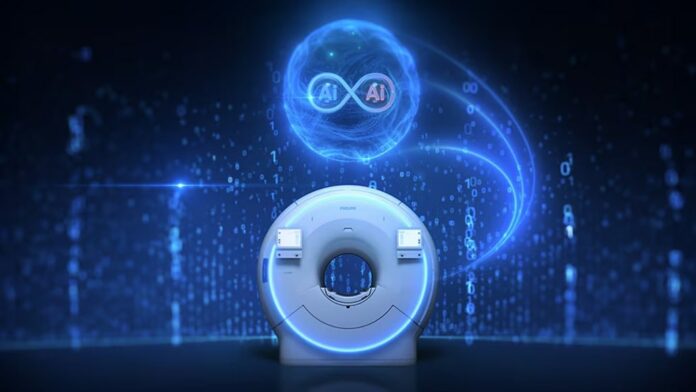
Philips accelerates precise imaging with unique AI technologies in MRI to improve patient outcomes

  • Philips integrates advanced AI algorithms into its MRI systems, featuring Dual AI-driven engines in SmartSpeed Precise [1] to enable faster scanning
  • Innovations include the latest AI-enabled MR Workspace software to enhance patient throughput, reduce scan times, and improve image qualityโ€”leading to more accurate diagnoses, shorter wait times, and reduced backlogs for MRI scans
  • The latest technology is available across Philips’ 1.5T and 3.0T MRI scanners [2], including the latest helium-free 1.5T high-performance BlueSeal wide-bore system [3,4], supporting healthcare providers worldwide

Amsterdam, The Netherlands and Vienna, Austria โ€“ Royal Philips (NYSE: PHG, AEX: PHIA), a global leader in health technology, strengthens its MRI leadership with the launch of SmartSpeed Precise [1], powered by Dual-AI engines. Building on its award-winning [5] Compressed SENSE and SmartSpeed technologies, this next-generation solution delivers faster scans with higher image quality. Debuting at the 2025 European Congress of Radiology (ECR 2025, Feb. 26-Mar. 2, Vienna, Austria), SmartSpeed Precise significantly improves scan speed and diagnostic image quality, extending AI-driven efficiency across the entire Philips MR portfolioโ€”including existing customer systems. Also showcased will be the latest MR Workspace software release 12 [6], which streamlines workflows and empowering clinicians to deliver faster, more accurate diagnoses. These innovations reflect Philips’ commitment to enhancing efficiency, accessibility, and precision in MR imaging.

Additionally, ECR 2025 marks the European debut of Philipsโ€™ next-generation helium-free [3] 1.5T BlueSeal, the industry-first wide-bore MR scanner [4], reinforcing Philipsโ€™ commitment to sustainable, patient-friendly imaging solutions. Together, these advancements highlight how Philips is accelerating better patient outcomes through unique AI-driven technologies and innovative MR solutions that meet the evolving needs of healthcare providers worldwide.

“With SmartSpeed on our BlueSeal scanner, we have reduced exam times to less than 60 minutes per slot for a multi-parametric diagnostic quality whole-body exam, making it possible to scan 2 more patients per day.”
– Wayne Picker, VP of Clinical Technology at Prenuvo, Inc.

Customers have seen the efficiency gains of SmartSpeed which help reduce patient wait times and optimize scanner utilization, allowing facilities to deliver high-quality imaging with greater speed and reliability. โ€œWith SmartSpeed on our BlueSeal scanner, we have reduced exam times to less than 60 minutes per slot for a multi-parametric diagnostic quality whole-body exam, making it possible to scan 2 more patients per day,โ€ said Wayne Picker, VP of Clinical Technology at Prenuvo, Inc.

Customers also anticipate significant time savings and workflow improvements with Philipsโ€™ dual-AI SmartSpeed Precise [1] technology, which helps streamline their imaging processes, enhance efficiency, and increase patient throughput. โ€œWe are impressed by the extremely sharp and crisp images, diagnostic confidence, and fast scans delivered by the dual-AI SmartSpeed Precise solution. We expect it will set a new standard in clinical performance with its ease of use, high image quality, and acceleration controlled by a single parameter,โ€ Picker added.

Marking a major step toward autonomous MRI scanning

The latest SmartSpeed Precise [1] technology further enhances productivity, enabling scans to be completed up to three times faster [7], significantly cutting scan times while maintaining exceptional image quality. At the core of SmartSpeed Precise is its dual-AI engine, which delivers an 80% improvement in image sharpness [8], enhancing visualization for more confident and accurate diagnoses. This powerful combination of speed and precision enables radiologists to detect subtle abnormalities with greater clarity, ultimately leading to better patient outcomes. Philips’ new release โ€“ MR Workspace R12 [6] โ€“ introduces a โ€˜zero-clickโ€™ workflow [9], seamlessly guiding the entire imaging process from scan initiation to report generation. By reducing manual intervention and optimizing efficiency, MR Workspace R12 [6] empowers radiology departments to boost patient throughput and reduce backlogs, addressing the increasing demand for faster and more precise imaging. A key innovation within MR Workspace R12 [6] is its AI-powered SmartExam feature, which automates 80% of MR procedures [10], streamlining operations and standardizing imaging workflows.

Additional groundbreaking innovations include Smart Reading [4], the industryโ€™s first solution that seamlessly [11] integrates cloud-based AI-driven quantitative reporting. Smart Reading leverages cutting-edge AI platforms such as icobrain (icometrix) for neurology โ€“ including Alzheimerโ€™s disease detection โ€“ and QP-Prostate (Quibim) for advanced prostate cancer diagnostics. By delivering objective, high-confidence diagnoses, these zero-click [9] AI solutions help ensure streamlined, data-driven decision-making for clinicians. With MR Workspace R12 [6], SmartSpeed Precise [1], and Smart Reading [4], Philips continues to push the boundaries of AI in MRI, driving efficiency, accuracy, and accessibility in diagnostic imaging while paving the way for the future of autonomous MR scanning.

Leading the way in Eco-friendly MRI with next-gen helium-free BlueSeal scanner

Launching in Europe at ECR 2025, Philipsโ€™ latest 1.5T BlueSeal MR wide-bore scanner reinforces the companyโ€™s commitment to sustainability. Featuring a helium-free magnet system [3], it eliminates the need for helium refills, even in the event of a shutdown, ensuring long-term reliability and reducing environmental impact. Since 2018, Philips BlueSeal technology has saved nearly 5 million liters of liquid helium, helping preserve this finite resource. With more than 1,500 installations worldwide, Philips BlueSeal MR systems cut energy consumption by nearly 40 MWh per year, lowering operational costs and carbon footprint. Their lightweight design enhances installation flexibility, including use in mobile MRI units, supporting global access to sustainable, high-quality imaging. With these innovations, Philips continues to lead the shift toward eco-friendly and efficient MR solutions.

“Perfectly aligned with this yearโ€™s ECR theme, โ€˜Planet Radiologyโ€™ โ€“ which emphasizes better patient care while protecting the planet โ€“ Philips is tackling two critical challenges: expanding global access to precision care and advancing environmental sustainability,” said Ioannis Panagiotelis, PhD, Global Business Leader MRI at Philips. “By integrating high performance-enhancing AI engines across our entire portfolio of new and installed helium-free BlueSeal scanners, we are revolutionizing MRI efficiency while reducing environmental impact. These innovations ensure that more patients worldwide can access high-quality imaging, while healthcare providers benefit from more sustainable and cost-effective operations.”

For more information on the next-generation Philips BlueSeal magnet system and the latest AI technologies in MRI, visit Philips at #ECR2025.

Reference

[1] SmartSpeed Precise is considered work in progress and is not CE marked and not available for sale.
[2] SmartSpeed Precise will become available for Philips portfolio of MR systems except for Prodiva 1.5T and Multiva 1.5T.
[3] Helium-free operations. 7 liters of helium is permanently enclosed in the cryogenic circuit.
[4] BlueSeal XE/SE and Smart Reading are considered work in progress, not being regulatory approved/cleared and not yet available for sale, in any region.
[5] Adaptive-C-SENSE-Net technology is the winner of the FastMRI Challenge hosted by Facebook AI Research and NYU Langone Health (2019).
[6] MR Workspace R12 is available for the entire portfolio of Philips 1.5T and 3.0T MR systems.
[7] Compared to Philips SENSE imaging.
[8] Sharpness was evaluated with phantom scanning.
[9] Zero-click workflow refers to steps after data acquisition is completed for AI processing. No additional user interaction is required to send data to the External application cloud and receive reports in PACS.
[10] With SmartExam, not available to patients with MR Conditional Implants.
[11] Seamless indicates the workflow is an automatically enabled post-processing step in MR-console. Validation of the AI applications is done by the 3rd party and not by Philips.

The Role of Medical Evidence in Personal Injury Lawsuits

Are you pursuing a personal injury claim? You will soon understand why medical evidence serves as the foundation of your legal case when you pursue a personal injury claim.

A solid foundation of medical documentation in personal injury cases isn’t just an advantageโ€”it’s crucial to winning your case. Legitimate personal injury claims can quickly collapse without appropriate medical documentation.

But here’s the good news…

The appropriate medical evidence will allow you to fortify your case and enhance your possibility for receiving equitable compensation for your injuries.

What You’re Going To Discover:

  1. Medical evidence plays a vital role in the success of personal injury claims.
  2. Certain medical evidence can determine the success or failure of your case.
  3. How medical records impact your compensation
  4. Common mistakes to avoid with medical documentation
  5. Partnering with medical professionals helps to enhance the validity of your legal claim.

Why Medical Evidence Is Crucial in Personal Injury Cases

Medical documentation serves as the vital basis for every successful personal injury lawsuit. The medical evidence demonstrates that your injuries resulted from another party’s negligence by establishing the direct connection between the accident and your suffering.

The success or failure of your case depends entirely on the quality of your medical evidence. Insurance companies along with opposing lawyers will examine your documentation in detail to find inconsistencies or missing information that they can use against you.

McWhirter, Bellinger & Associates personal injury lawyers understand that comprehensive medical documentation is often the difference between a dismissed case and a substantial settlement. Their professional experience demonstrates that personal injury cases supported by complete medical evidence earn settlements 3 to 4 times greater than those with insufficient medical documentation.

Think about it this way:

Your medical evidence narrates your injury story when you’re unable to. It provides objective proof of:

  • Medical evidence must clearly demonstrate the specific type and severity of your injuries.
  • The treatment you’ve received
  • Your prognosis for recovery
  • Medical evidence demonstrates how your injuries have affected your capacity to perform daily tasks and work functions.

Without supporting medical evidence insurance companies and defense attorneys will rapidly dispute your injury claim claiming minimal injury severity or pre-existing conditions.

Types of Medical Evidence That Make or Break Your Case

Different types of medical proof vary in their effectiveness when trying personal injury cases. The following are the most important types of documentation you need to collect.

1. Emergency Room Records

The records taken right after your accident provide crucial evidence to directly associate your injuries with the incident itself. Medical professionals create emergency room records before any legal considerations which makes them highly reliable as objective evidence.

2. Doctor’s Treatment Notes

Your physician’s notes detail:

  • Your symptoms
  • Physical examination findings
  • Diagnosis
  • Treatment recommendations
  • Limitations on activities

The ongoing records demonstrate the development of your injury and healing process to establish a timeline that validates your claim.

3. Diagnostic Test Results

Diagnostic test results deliver undeniable objective proof which resists easy challenge.

  • X-rays showing fractures
  • MRIs revealing soft tissue damage
  • CT scans documenting internal injuries
  • Laboratory tests confirming medical conditions

Diagnostic tests expose hidden injuries which provide indisputable physical evidence of your health situation.

4. Specialist Evaluations

Expert evaluations hold substantial importance particularly when dealing with complex injuries.

  • Neurologists for brain injuries
  • Orthopedic surgeons for skeletal damage
  • Pain management specialists for chronic pain
  • Psychiatrists for emotional trauma

Medical professionals lend authority to your injury severity claims through their expert evaluation.

How Medical Records Impact Your Compensation

The compensation you receive depends entirely on how comprehensive and reliable your medical evidence proves to be. Here’s why:

Establishing Damages

Your medical records contain detailed documentation of economic damages such as medical expenses and lost wages as well as non-economic damages like pain and suffering and loss of enjoyment of life.

Recent data indicates that the United States sees around 20,000 medical malpractice lawsuits filed every year. The National Practitioner Data Bank recorded 11,440 medical malpractice claims in 2023 which led to settlement payouts totaling approximately $4.8 billion while the average settlement amount reached about $420,000 per claim.

The presented statistics demonstrate the significant implications involved in proving damages through medical evidence.

Proving Causation

Medical records should demonstrate that the accident directly caused your injuries rather than pre-existing medical conditions. The need to prove detailed causation between injuries and accidents stands as the most hotly debated element in personal injury lawsuits.

When medical evidence fails to demonstrate a clear causal connection insurers will claim your injuries were either pre-existing or caused by different incidents.

Common Mistakes That Destroy Medical Evidence Value

Strong cases become vulnerable when medical evidence is handled incorrectly. Here are the pitfalls to avoid:

1. Delaying Medical Treatment

The lengthy interval between your accident and when you received medical treatment raises questions about the direct connection between the two. You must receive medical evaluation right away regardless of how minor your injuries seem to you.

The U.S. experiences over 200,000 annual deaths due to medical errors according to recent estimates. Medical malpractice cases rarely lead to financial settlements. The National Practitioner Data Bank recorded 3,046 medical malpractice payments related to wrongful death claims for the year 2022.

2. Being Inconsistent with Treatment

If you fail to keep medical appointments or disregard your doctor’s advice you are demonstrating that your injuries must not be severe. Follow your doctor’s instructions exactly and make it to every planned appointment.

3. Failing to Report All Symptoms

Soft tissue damage and concussions can appear minor at first but have the potential to turn into long-term health complications. Inform your healthcare providers about all symptoms regardless of how insignificant they appear.

4. Not Disclosing Previous Injuries

Defense lawyers will examine your medical history from past medical records. Concealing prior injuries or medical conditions will undermine your reliability. Disclose your complete medical background and entrust your lawyer to demonstrate how the recent accident aggravated any existing medical conditions.

How Medical Records Impact Your Compensation

Medical experts provide testimony in strong personal injury cases to help insurance adjusters, judges, and juries understand complex injuries.

Finding the Right Medical Experts

The most qualified medical experts for your case need to possess relevant specialization for your injury type.

  • Your medical expert should specialize in the specific injury you have suffered.
  • Be well-respected in their field
  • Have experience testifying in personal injury cases
  • Be able to explain medical concepts clearly

Medical evidence plays a crucial role in determining the settlement values for personal injury cases.

From 2016 through 2023 personal injury cases settled for an average amount of $113,391. The quality of medical evidence leads to significant variations in this figure.

Consider these contrasting scenarios:

Case A: Minimal Medical Evidence

  • Visited doctor once after accident
  • No diagnostic tests performed
  • Generic diagnosis of “neck strain”
  • No additional treatment
  • Result: Settled for $15,000

Case B: Comprehensive Medical Evidence

  • Emergency room visit immediately after accident
  • MRI showing cervical disc herniation
  • Ongoing treatment with orthopedic specialist
  • The patient underwent physical therapy sessions three times each week over a six-month period.
  • Expert testimony from neurosurgeon
  • Result: Settled for $175,000

The difference is clear: thorough medical documentation substantially increases compensation.

How Insurance Companies Attack Medical Evidence

Expect insurance companies to use common strategies to dispute your medical documentation.

Looking for Pre-existing Conditions

When evaluating your claim insurance companies will conduct an exhaustive examination of your medical records to identify any previous health issues that resemble your present injuries. The insurance companies will assert that your pain stems from pre-existing conditions rather than the accident.

Questioning Treatment Necessity

Insurance companies will assert that specific medical treatments were excessive or not required to decrease their financial responsibility.

Surveillance

Insurers may employ investigators to track your behavior when high-value cases are involved so they can find evidence of physical activities that conflict with your reported limitations.

Detailed medical records provided by reputable healthcare providers serve as your strongest defense against these deceptive tactics.

Final Word: Your Medical Evidence Action Plan

The success of your personal injury claim is determined primarily by how strong your medical evidence is. Implementing these measures will help you construct a strong case that is tough to challenge.

  1. Seek immediate medical attention after any accident
  2. Always provide full and accurate information to each of your healthcare professionals.
  3. Adhere to treatment plans diligently
  4. Keep a detailed record of all aspects concerning your injuries and healing process.
  5. Team up with seasoned legal professionals who recognize how vital medical documentation is in personal injury cases.

Insurance companies operate with the goal of reducing the amount of money they pay out. Medical evidence provides your most powerful strategy when making your case for full compensation.

How Global Healthcare Systems are Integrating Mental Health and Wellness Services

In recent years, mental health has become a focal point in global healthcare systems, moving from the periphery to a core aspect of overall wellness. Historically, mental health services were often seen as separate from physical healthcare, with patients facing barriers to accessing the help they needed. However, the growing recognition of mental healthโ€™s impact on physical health has led to a shift in how care is delivered. Today, many countries are working to integrate mental health and wellness services within primary healthcare, emphasizing a holistic approach to patient care. This change is driven by the need for more accessible, comprehensive support for mental health, which plays a crucial role in overall health outcomes. As we explore how healthcare systems worldwide are addressing this issue, weโ€™ll look at the benefits, challenges, and innovative solutions being implemented to improve mental health care.

Global Trends in Mental Health

Mental health is increasingly being recognized as an essential component of overall healthcare, and this shift is evident in global trends. Many countries are integrating mental health services into primary healthcare settings to provide more accessible and comprehensive care. This integration allows for early intervention, reduces stigma, and improves outcomes by addressing both physical and mental health in tandem. For instance, nations like the UK and Canada have implemented programs that provide mental health support within community health centers, aiming to reduce the burden on specialized mental health facilities. Mental health is now being considered in national health policies and frameworks, reflecting a global acknowledgment of its importance.

Note: According to the World Health Organization, one in four people worldwide will be affected by mental health issues at some point in their lives, highlighting the urgency of integrating mental health services into healthcare systems.

Benefits of Integrated Care

Integrating mental health and wellness services within general healthcare systems offers numerous benefits, including improved access to care, early diagnosis, and more holistic treatment approaches. By providing mental health services alongside physical health care, patients can receive comprehensive care that addresses both aspects of their well-being. This integrated approach not only improves the overall patient experience but also helps reduce stigma around seeking mental health support. For individuals dealing with addiction, combining mental health treatment with drug rehabilitation services, such as those offered at drug rehab Legacy Healing Center, allows for a more effective recovery process. The combination of mental health care and specialized addiction treatment ensures that individuals receive the full spectrum of support needed for lasting recovery and overall wellness. This approach ultimately leads to better health outcomes, as it takes into account the interconnectedness of physical, emotional, and mental health.

Challenges in Integration

Despite the growing movement towards integrating mental health services into healthcare systems, several challenges remain. One significant hurdle is the shortage of trained mental health professionals, which can limit the availability of services. Another challenge is the stigma surrounding mental health, which often prevents individuals from seeking help. Additionally, there are financial and structural barriers, such as inadequate funding or fragmented healthcare systems, that hinder the effective delivery of integrated care. To address these challenges, healthcare systems are working to develop strategies that include increasing mental health training for general healthcare providers, launching public awareness campaigns to reduce stigma, and securing funding for mental health services. However, overcoming these barriers will take time and require a collective effort from governments, healthcare providers, and communities alike.

Technological Innovations

Technological advancements are playing an increasingly important role in integrating mental health and wellness services into global healthcare systems. Digital health platforms, telemedicine, and mobile applications are making it easier for individuals to access mental health support, especially in underserved areas where access to traditional services may be limited. Telehealth, in particular, has gained popularity as it allows patients to receive care from the comfort of their own homes, breaking down geographical and logistical barriers. Mobile apps designed for mental health tracking, therapy sessions, and wellness management are helping people stay connected with resources and maintain their mental well-being. These innovations not only make mental health services more accessible but also offer more personalized care, as data from digital platforms can help providers tailor treatments to individual needs. As technology continues to evolve, it is expected to further transform mental health care by improving both the efficiency and quality of services available to people worldwide.

Facts: Research indicates that telemedicine for mental health care has increased by 38% globally, demonstrating its growing role in delivering accessible care to diverse populations.

Case Studies from Leading Countries

Several countries have taken innovative steps to integrate mental health services into their healthcare systems, each with varying approaches and results. For example, in the United Kingdom, the NHS has made significant progress by implementing a โ€œmental health in primary careโ€ model, which places mental health professionals directly in GP offices. This has reduced waiting times for treatment and made mental health care more accessible. However, challenges remain, including funding constraints and staff shortages, which sometimes delay services. In contrast, Canada has focused on integrating mental health support through online platforms and telemedicine, particularly in rural areas. This has allowed people in remote locations to access services they would otherwise lack. While both strategies have had success, they also highlight the need for consistent funding and infrastructure. In some cases, telehealth can be limited by technology access, while on-site professionals may face high caseloads.

Case Study: In Australia, the integration of mental health services into community health centers has led to notable improvements in patient outcomes. One case study found that patients receiving combined physical and mental health care showed a 25% improvement in overall health after six months of integrated treatment.

The Future of Integrated Care

The future of healthcare lies in the continued integration of mental health and wellness services. As awareness grows and technology advances, more healthcare systems are likely to adopt holistic models that treat both physical and mental health as interconnected. With greater emphasis on early intervention, telemedicine, and comprehensive care, the hope is that mental health support will become a standard part of everyday healthcare, leading to better patient outcomes and overall well-being. A more inclusive healthcare system can help reduce the stigma around mental health while improving global health standards.

Translate ยป