Close
Digital Health & Ai Innovation summit 2026
LiGHT26

Women in Fitness Gyms: Breaking Stereotypes & Building Confidence

Women are very strong – this is the truth. Unfortunately, we tend to relate this to perseverance, mental resilience, and determination.

We only recently started going to weight sections at an exclusive fitness gym. We are strong, and it feels good to go to the gym regularly.

But if you haven’t felt this sheer power, euphoria, and strength just yet from exercising, then be ready to get inspired by breaking fitness stereotypes surrounding women in the gym and building confidence.

Understanding Fitness Stereotypes

In the fitness world, exercising at the gym has always been associated with men only, testosterone-driven environments, and bulging muscles.

However, times have changed; today, women go to the gym to get the benefits of working out. As more women attend fitness facilities, they shatter many stereotypes about women and exercise. Let’s narrow down to some of the most common stereotypes and see whether they hold up to scrutiny:

  • Women’s fitness centers aren’t for difficult workouts: If you see a fitness center full of women, don’t assume that they are just doing simple or light stretches. The truth is that gyms provide a spectrum of exercises, from light stretches to heavy-weight lifting. The goal is to create a suitable environment where everyone will exercise in a manner that works best for them.
  • Men bulk, while women tone: The idea that men must do heavy weight-lifting to build muscles and women should still use only lighter weights to prevent getting bulky is just a myth. This is the truth – light weights, particularly heavy ones, result in more defined and stronger muscles, regardless of gender. As a woman, your muscles might or might not get bulky based on your workout style. Ultimately, whether you are looking to build muscle or not is completely up to you and not your gender.

Breaking Stereotypes and Empowering Women through Workout

One way to break stereotypes and be empowered as a woman is to go to the gym and exercise. By working out, you won’t just build confidence through empowerment. You will also achieve the following benefits:

1. Mental Resilience & Stress Relief

Exercising at the gym strengthens our body, improves mental resilience, and serves as a strong stress reliever. The concentration and focus we need during exercise allow us to disconnect from life’s stressors. As we push toward our limits and overcome various physical challenges, we develop discipline, mental fortitude, and the capability to handle those challenges outside and inside the gym. In addition, releasing endorphins as we work out minimizes stress levels and improves mood.

2. Physical Strength

Working out is important for building physical strength as a woman. Contrary to what people believe, exercising by lifting weights doesn’t result in bulky muscles. Instead, it helps to sculpt toned and muscular physiques. As a woman, you may increase your muscle strength, boost physical performance, and improve bone density throughout your training. This strength doesn’t just translate into improved athletic capabilities. It also empowers you as a woman to confidently deal with any physical challenge in your everyday life.

In conclusion, women going to gyms go beyond building muscle. It helps to build confidence and dismantle stereotypes about women exercising or visiting fitness centers. This great movement is a testament to the real power of celebrating the different abilities of women’s bodies and redefining norms.

BLS Training Solutions: Master CPR, First Aid & Life-Saving Skills

Enhance your emergency response skills with BLS training solutions. Learn CPR, first aid, and life-saving techniques to save lives confidently.

Have you ever wondered what it takes to save a life? BLS training solutions give you the knowledge and confidence to act fast in an emergency. Every second counts and the right skills can make all the difference.

Learning CPR, first aid, and life-saving techniques can change the outcome of a crisis. With BLS training, you gain the power to step in when help is needed most. Be ready to make a real impact when it matters.

Keep reading for more info on enhancing your emergency response skills with BLS training solutions.

Mastering CPR: The Key to Saving Lives in Critical Moments

CPR is a vital skill everyone should learn. It helps save lives during emergencies. Knowing how to perform CPR can make a difference.

When someone’s heart stops, quick action is essential. CPR keeps blood flowing until help arrives. This simple technique can save lives.

Essential First Aid Skills: Responding Effectively to Medical Emergencies

First aid skills are important in crises. They help you respond quickly to injuries. Knowing what to do can help someone feel better.

Basic first aid includes treating cuts and burns. Learning these skills can help you stay calm. You can manage an emergency until professional help arrives.

Life-Saving Techniques: Building Confidence in High-Stress Scenarios

Practicing life-saving techniques builds confidence. You learn to act calmly during emergencies. This confidence can turn fear into action.

Training in stressful situations helps prepare you. You learn how to manage your emotions. This practice makes you ready to help others.

The Role of BLS Certification in Workplace and Community Safety

BLS certification plays a key role in safety. It prepares people to handle emergencies well. This training is valuable in workplaces and communities.

Having certified individuals means fewer accidents. Communities become safer with trained responders. BLS training empowers people to act when needed.

Hands-On Training vs. Online Learning: Choosing the Right BLS Course

Hands-on training lets you practice life-saving skills in real-time. You learn by doing, which builds confidence and quick thinking. This type of training helps you feel ready for real emergencies.

If you prefer a flexible option, you can earn your BLS certification online. Online courses let you study at your own pace while still learning essential skills. No matter which path you choose, you’ll be prepared to help when it matters most.

Keeping Your Skills Sharp: The Importance of Regular BLS Recertification

Regular BLS recertification keeps skills updated. This is important for an effective response. Skills can fade without practice over time.

Staying current with techniques is essential. This ensures the best care during emergencies. Regular practice helps you stay prepared and confident.

Stay Prepared with BLS Training Solutions

Emergencies can happen anytime, and knowing what to do makes all the difference. Proper training helps you stay calm and take action when every second matters. With the right skills, you can be the person others rely on in a crisis.

BLS training solutions equip you with the knowledge to respond effectively. Whether in the workplace or your community, your training can save lives. Take the next step and be ready when it counts.

Did this article help you? Browse our blog for more interesting topics.

AvaSure Previews Bedside AI Virtual Care Assistant, Accelerated by Oracle Cloud Infrastructure and NVIDIA

BELMONT, Mich., – AvaSure, a market leader in acute virtual care, is proud to announce the launch of its new Virtual Care AssistantTM. Developed leveraging advanced technology from Oracle Cloud Infrastructure (OCI) and NVIDIA, this innovative solution is designed to improve patient care, streamline clinical workflows, and enhance operational efficiency within hospitals and healthcare systems.

The Virtual Care Assistant, powered by AI, is a transformative tool designed to bridge gaps in communication, prioritize urgent patient needs, and support healthcare teams in delivering timely, high-quality care. This innovation leverages the power of AvaSure’s Intelligent Virtual Care Platform, OCI’s AI infrastructure offerings—including OCI Compute—and NVIDIA full-stack hardware and  software tools, including NVIDIA Riva and NVIDIA ACE, as part of the NVIDIA AI Enterprise software platform.

Transforming Patient Care and Clinical Workflows

Hospitals and healthcare systems are under constant pressure to balance patient care with operational demands. Patients often struggle to get timely responses to their needs and clinical staff face overwhelming workloads. The AvaSure Virtual Care Assistant addresses these challenges by enabling patients to directly request assistance virtually, while on the back end helping healthcare providers quickly assess and prioritize those clinical and operational needs.

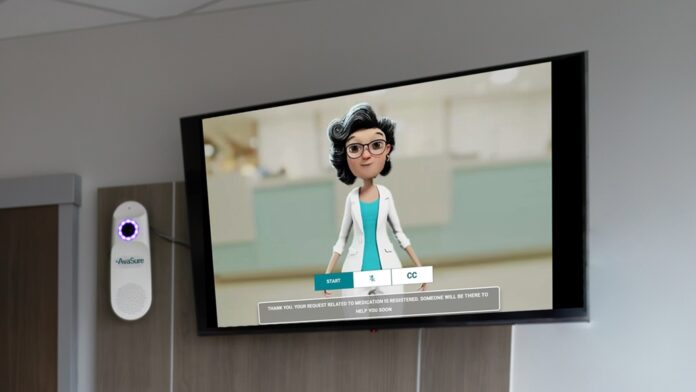
The AvaSure Virtual Care AssistantTM appears to the patient as an avatar named “Vicky,” but is also an intelligent, AI-driven tool that efficiently triages that patient’s question, need or request based on urgency and importance. Requests are categorized into clinical and operational groups, and the assistant ensures they are directed to the appropriate personnel or team. For example, a patient reporting chest pain is flagged as urgent and immediately routed to the on-floor clinical team, while a request to adjust room temperature is categorized as operational and directed to the maintenance team. All requests are centralized into a dashboard that is centrally managed, allowing hospitals to allocate resources effectively and respond to patient needs promptly.

Driving Breakthrough Innovation with Industry Leaders

“The future of healthcare demands smart, responsive solutions that not only assist clinicians but also improve the patient experience,” said Adam McMullin, CEO of AvaSure. The AvaSure Virtual Care Assistant is our response to the growing needs of hospitals and healthcare teams—enabling a more efficient, organized, and compassionate care environment. By combining the power of AvaSure’s Virtual Care Platform with OCI and the NVIDIA accelerated computing platform, we are delivering a transformative tool that not only empowers healthcare providers to tackle today’s challenges but also sets a new standard for the future of care delivery.”

“We’re committed to helping AvaSure and other organizations improve patient care with AI and cloud infrastructure,” said Mahesh Thiagarajan, executive vice president, Oracle Cloud Infrastructure. “With OCI AI infrastructure, AvaSure will be able to speed up clinical workflows while leveraging OCI’s full-stack protection that is secure by design to accelerate innovation in care delivery.”

“AI is transforming healthcare by enabling smarter workflows that enhance both staff and patient experiences,” said Brad Genereaux, global lead for healthcare alliances at NVIDIA. “With NVIDIA technologies—ACE, Riva, and generative AI—integrated into AvaSure’s Virtual Care Assistant, we empower clinicians with real-time support, allowing them to focus on patient care. This represents a crucial step toward AI-driven virtual care that improves outcomes and enhances the experiences of healthcare providers.”

“We’ve spent countless hours listening to and observing patients, caregivers, and clinical staff to truly understand their unique needs,” said Brad Smith, Principal Product Manager of AI Strategy at AvaSure. “This deep collaboration has allowed us to build a virtual assistant that goes beyond simply responding to requests—it provides critical decision support, helping prioritize what matters most. By leveraging the power of AI, we are enhancing clinical workflows and improving patient care, creating a more supportive and efficient healthcare environment for all.”

The AvaSure Virtual Care Assistant is anticipated to be commercially available in late 2025 and is currently accessible to select development partners, providing hospitals and health systems with a powerful tool to transform patient care.

For more information, visit AvaSure at HIMSS booth 4672 to meet Vicky, the Virtual Care Assistant.

InterSystems Unveils IntelliCare: A Next-Generation, AI-Powered Electronic Health Record

New Platform Leverages the Latest AI Technology to Enhance Clinician Workflows and Optimise Operations for Healthcare Enterprises

SYDNEY, Australia and SINGAPORE – March 5, 2025 – InterSystems, a creative data technology provider managing over one billion health records globally, today announced the launch of InterSystems IntelliCare, an AI-powered electronic health record (EHR) and healthcare information system designed to fundamentally change the way clinicians, administrators and patients engage with healthcare technology.

Introduced at HIMSS25, IntelliCare brings next-generation AI capabilities to EHRs, delivering streamlined workflows, reduced administrative burden, enhanced patient interactions and improved operational efficiency – all while maintaining rigorous human oversight for accuracy and safety. Built on InterSystems industry-proven TrakCare electronic medical record, IntelliCare is designed specifically for healthcare systems undergoing rapid digital transformation and seeking modern, seamlessly connected solutions without the constraints of legacy systems.

“IntelliCare represents the next step in the evolution of EHRs,” said Don Woodlock, head of global healthcare solutions at InterSystems. “By building an EHR solution with AI at its core, we’re helping healthcare providers focus on what matters: More face time with patients and less screen time.”

“AI is a seismic shift in healthcare technology,” said Jusup Halimi, President Director of EMC Healthcare. “With its advanced AI functionality and decades of proven reliability, InterSystems IntelliCare was the obvious choice to provide our hospitals with the most advanced solution available.”

InterSystems IntelliCare will streamline the EHR experience by integrating AI-driven intelligence across clinical, administrative and financial workflows. Healthcare systems leveraging IntelliCare can benefit from:

  • AI-Driven Efficiency. IntelliCare harnesses generative AI to eliminate administrative inefficiencies, allowing clinicians to spend more time interacting with patients instead of navigating complex data entry screens. Its AI Assistant enables natural language commands and automatic patient history summarisation.
  • Enhanced Patient Engagement. IntelliCare fosters more natural interactions between patients and providers by removing the need for data entry during office visits. With real-time capture and generation of encounter notes powered by ambient listening and AI-driven documentation tools, clinicians can focus on meaningful conversations with their patients instead of being bogged down by note-taking during visits.
  • Optimised Healthcare Operations. Designed to support healthcare administrators and IT teams, IntelliCare streamlines workflows, reduces operational inefficiencies, and facilitates interoperability between systems. Using AI to prepopulate the codes required for billing within the end-to-end revenue cycle management solution helps optimise financial operations and reduce errors while accelerating reimbursement cycles.
  • A Future-Ready EHR. Unlike legacy systems, IntelliCare is built with interoperability at its core, seamlessly integrating with existing healthcare IT infrastructures. The solution is available for on-premises, cloud or SaaS deployment, ensuring flexibility for organisations of all sizes.

InterSystems IntelliCare is available now in the Middle East, Oceania, Latin American and Southeast Asian markets. InterSystems will showcase IntelliCare at HIMSS25, offering attendees a firsthand look at its AI-powered capabilities. For a full schedule of InterSystems HIMSS25 activities or to coordinate a meeting, please visit: www.intersystems.com/himss/#meet-with-us

Contract Engineering vs. In-House Development: Which is Best for Your Healthcare Device?

When developing a healthcare device, one of the key decisions you’ll face is whether to go with contract engineering or in-house development for your product. Both approaches come with their own set of advantages and challenges, and the best choice depends on your company’s needs, resources, timeline, and long-term goals. In this article, we’ll explore the differences between contract engineering and in-house development, specifically in the context of healthcare device development, to help you make an informed decision.

What is Contract Engineering?

Contract engineering involves hiring external experts or third-party firms to handle specific aspects of your product’s design, development, and manufacturing. These external engineers or development firms often have specialized knowledge in areas like mechanical, electrical, or software engineering, as well as expertise in regulatory compliance, which is particularly crucial in the healthcare industry. By outsourcing the engineering work, you can tap into specialized expertise and avoid the overhead of hiring and training full-time staff.

Key Characteristics of Contract Engineering:

  • Specialized Expertise: Access to highly skilled professionals with specific knowledge in healthcare devices, often saving you time and effort in finding in-house experts.
  • Scalability: Contract engineering allows you to quickly scale your engineering team up or down depending on the project’s needs.
  • Cost-Efficiency: It can often be more cost-effective in the short term, as you don’t have to bear the ongoing costs of full-time employees.
  • Flexibility: Contract engineers can work on specific parts of the development process, like prototyping or compliance, without requiring a long-term commitment from your company.

What is In-House Development?

In-house development, on the other hand, involves assembling and managing an internal team of engineers, designers, and other specialists within your company. This team is responsible for the entire process of designing, developing, testing, and manufacturing your healthcare device. In-house development typically offers more direct control over the project and a more integrated approach to product development.

Key Characteristics of In-House Development:

  • Direct Control: You have complete control over the project, timelines, and the development process. This can help ensure alignment with company culture and goals.
  • Team Cohesion: In-house teams tend to work closely together, fostering better communication and collaboration, which is essential in healthcare device development where precision is critical.
  • Long-Term Investment: Building an in-house team means you’re investing in internal resources and knowledge that can be used for future projects.
  • Company Loyalty: An in-house team is usually more invested in the success of the product since they are part of the company’s vision and long-term goals.

Factors to Consider in Choosing Between Contract Engineering and In-House Development

1. Expertise and Knowledge

Healthcare device development requires specialized knowledge, especially regarding medical regulations, safety standards, and user needs. If your company doesn’t have the necessary expertise, contract engineering can give you access to highly skilled professionals with the experience needed to navigate these complexities.

  • Contract Engineering: Ideal if you need expertise in a specialized area (e.g., regulatory compliance, specific technologies like sensors or software development) that your team lacks.
  • In-House Development: Best if you want a team that has deep, ongoing knowledge of your company’s products and can respond to changes in product design or strategy more quickly.

2. Cost and Budget

The decision between contract engineering and in-house development often comes down to budget constraints. In-house teams require long-term investment, including salaries, benefits, and training. On the other hand, hiring a contract engineering firm may cost more per hour but can be more cost-efficient in the short term.

  • Contract Engineering: Typically more cost-effective for short-term, specific tasks or when you need specialized expertise that doesn’t justify the cost of a full-time hire.
  • In-House Development: More economical in the long term if you plan to develop multiple products or need an ongoing team for product iterations and improvements.

3. Time to Market

The speed of your product development is critical, especially in the fast-paced healthcare industry. Time to market can be a decisive factor when considering whether to hire contract engineers or build an in-house team. Contract engineers can typically start working on your project immediately, whereas assembling an in-house team could take more time.

  • Contract Engineering: If you need to meet tight deadlines or want to get started quickly, contract engineers may be the better choice. They can hit the ground running, particularly if they have experience with similar devices.
  • In-House Development: If time is less of an issue and you want to ensure ongoing development and faster decision-making, an in-house team might work best. This is especially true for companies that expect to have multiple rounds of product development.

4. Flexibility

The healthcare device development process often involves multiple iterations, pivots, and adjustments. Flexibility in handling changes to the design or project scope can be a crucial factor in determining which approach to take.

  • Contract Engineering: Offers flexibility in scaling the team up or down based on project needs. If your project has well-defined stages, contract engineers can jump in for specific phases (e.g., design, testing, or regulatory submission) and adjust as needed.
  • In-House Development: Less flexible than contract engineering since in-house teams are tied to the company’s long-term strategy. However, an in-house team provides ongoing support and adaptability for future product iterations.

5. Long-Term Vision

Consider whether your company plans to continue developing healthcare devices beyond the current project. If you anticipate a long-term commitment to product development, building an in-house team may be the most strategic option.

  • Contract Engineering: Ideal for companies that need expertise for a specific product or short-term project. Contract engineers are also helpful for companies that do not foresee a long-term need for engineering staff.
  • In-House Development: Best for companies looking to continuously innovate, improve, and iterate on healthcare products over time. Having an in-house team can help maintain consistent quality and a deeper understanding of your product’s development lifecycle.

Conclusion: Which is Best for Your Healthcare Device?

Ultimately, the choice between contract engineering and in-house development depends on your company’s specific needs, resources, and long-term strategy. Contract engineering is a great option if you require specialized expertise, need to scale quickly, or are working within a defined budget for a single product. It offers flexibility and efficiency without the long-term commitments of in-house development.

On the other hand, in-house development provides deeper control over the development process, fosters a cohesive team culture, and is ideal for companies that plan to develop multiple products or want to establish long-term internal engineering capabilities.

When it comes to healthcare devices, which have strict regulatory requirements and require high attention to detail, balancing these factors carefully will lead you to the best decision for your product’s success. Whether you choose contract engineering or in-house development, the goal is to create a high-quality, compliant, and functional healthcare device that meets the needs of both patients and healthcare providers.

Siemens Healthineers and the European Society of Radiology Share Mission of Advancing Sustainable Radiology for People and Planet

At this year’s European Congress of Radiology (ECR), Siemens Healthineers and the European Society of Radiology (ESR) join forces to promote sustainability in radiology, underlining their shared mission to make medical imaging more resource-efficient, accessible, and environmentally responsible. As the healthcare sector strives to balance the challenges of reducing its 4.4% of global greenhouse gas emissions while meeting rising demand for healthcare, this collaboration highlights the critical role radiology plays in shaping a healthier future for both people and the planet. Leading the way on championing sustainability in radiology, ECR’s key theme “Planet Radiology” challenges the radiology community to examine how the medical radiology field can adopt practices, technology, and mindsets that support planetary health while improving healthcare delivery and access.

Both partners emphasize that sustainability in healthcare extends beyond reducing environmental impact. “When we talk about creating a sustainable future in healthcare, we also have to pay close attention to ensuring equitable access to quality care, optimizing resources to prevent waste, and investing in technologies that improve efficiency. For example, digital imaging solutions help reduce unnecessary repeat scans, while AI-driven diagnostics enhance accuracy, minimizing both patient burden and resource consumption. A truly sustainable healthcare system prioritizes long-term patient outcomes, operational resilience, and environmental responsibility in equal measure,” said Andrea Rockall, ESR president.

André Hartung, head of Diagnostic Imaging at Siemens Healthineers, said: “The responsible and sustainable use of all available resources – including materials, time, or workforce capacity – is crucial. Remote scanning, for example, allows radiologists to assess medical images without requiring on-site presence, reducing travel emissions and saving costs as well as valuable time. Also, innovations like our Dry Cool technology, which minimizes helium use in MRI systems and ensures functionality during short-term power outages enable critical diagnostic operations to continue uninterrupted. At the same time, these advancements expand access to healthcare in underserved regions.”

Expanding access to healthcare is the cornerstone of the sustainability strategy of Siemens Healthineers. In line with the company’s purpose – pioneering breakthroughs in healthcare for everyone, everywhere, sustainably – the company advances technology and harnesses artificial intelligence to make innovations more accessible worldwide, with a special focus on remote and underserved communities. With its innovations, Siemens Healthineers addresses the four key levers to support healthcare providers in reaching their goals: resource efficiency, workforce productivity, patient and disease impact, and effective fleet management. For example, the Dry Cool technology in MRI systems requires only 0.7 liters of liquid helium –– significantly reducing dependence on critical supply chains and scarce resources, while cutting costs.

Energy-saving features can reduce consumption by up to 30% during off-peak hours, and AI-supported image reconstruction can reduce scan times by up to 50% while doubling image quality1. Prioritizing lifecycle sustainability with products designed to be recyclable, upgradable, and ready to be refurbished to an as-good-as-new condition makes it possible to save on emissions, material and costs alike. One single upgrade of an MRI system to the very latest generation can reduce up to 71% of CO2e emissions, resulting in 33,400 kg CO2e saved2. A refurbished CT can save up to 86% of the materials’ CO2e emissions in comparison to a new system, which corresponds to 24 tons of emissions. A factor that should not be underestimated is that both upgrades and refurbished systems provide healthcare providers with state-of-the-art equipment while requiring a lower investment3. AI solutions as well as streamlined workflows play pivotal roles in reducing administrative burdens, operating more effectively and automating repetitive tasks, allowing healthcare professionals to focus on patient care. Equally important for achieving broader, more efficient, and higher-quality patient care is supporting a qualified and highly skilled workforce through continuous education and training.

The collaboration underscores the dedication of Siemens Healthineers and the ESR to fostering long-term resilience in healthcare systems worldwide. Together, they aim to support healthcare providers worldwide in sustainable practices that ensure better outcomes for patients and the environment alike.

Siemens Healthineers is proud to team up with the ESR, putting the urgent issue of sustainability at the top of the agenda. Dive deeper into the topics and join the ECR Studio Session “Reduce – reuse – recycle: tackling climate change in the healthcare sector” and the In Focus Session “In the face of adversity: delivering healthcare to challenging environments”.

In its 2024 Sustainability Report, Siemens Healthineers announced an ambitious new healthcare access target and shared progress on resource preservation and sustainable outcomes, driven by its diverse and engaged workforce. Learn more here.

Reference

  1. Data on file.
  2. All values comparing MAGNETOM Sola and Sola Fit. Comparison based on closed delivery. Data on file.
  3. Based on the average of components re-used per returned CT SOMATOM Definition Edge eco system in 2022-2024. Whether components are actually refurbished versus harvested for parts or otherwise recycled is dependent on the state of the system.
  4. The products/features mentioned herein are not commercially available in all countries. Their future availability cannot be guaranteed.

End-To-End Encryption Importance in Healthcare Communication

End-to-End Encryption in Healthcare Communication – Its significance in today’s times

To protect personal information in the digital world that we are in today is very imperative. This is more so very important in the sectors that take care of data that’s very sensitive – healthcare being one of them. Due to the rising dependence on digital elements, right from scheduling an appointment to also sharing medical records, it becomes all the more significant that privacy is well-maintained.

It is well to be noted that one of the most resounding and dependable ways to safeguard such sensitive health data is by way of end-to-end encryption – E2EE that helps prevent unauthorized parties from getting access or compromising the medical data during the transmission phase.

What is End-to-End Encryption when it comes to healthcare – What’s the buzz all about?

End-to-End encryption is a kind of method of data transmission wherein the information gets encrypted by the sender in a way that only those who are supposed to get the data can go on to decrypt it. As far as healthcare is concerned, this kind of encryption makes sure that medical records, results of tests, messages, and details on appointments, as well as other data that’s private and confidential, are secure from any sort of a looming threat. Be it a text message that circulates between a patient and a doctor or even, for that matter, an electronic health record – EHR that’s shared, E2EE makes sure that the information that is sent is unreadable to the person who has not been granted access.

Unlike the encryption methods that were mostly used in the past, which used to safeguard only the data while it was stored on the server, the gamut of end-to-end encryption makes sure to secure the data as soon as it leaves the device of the sender until the time it is opened by its authorized recipient. This is especially very important in the healthcare landscape, wherein unauthorized access to patients’ records can go on to have very dreadful legal, ethical, and also privacy-related ramifications.

Digi-Com in Healthcare – An Unprecedented Rise

In the modern complexities that we live in today, it will be only fair to say that confidential data protection is becoming all the more important – all due to a very unprecedented and fast rise in mediums of digital communication. The fact is that in everyday life, throughout the healthcare and business space, emails, messaging applications, and also social media platforms have gone on to become a very significant and integral part of how one communicates. It is a known phenomenon that users are now sharing a range of information – be it personal, financial or even for that matter sensitive medical data by way of these platforms. For instance, there are many individuals as well as healthcare offerors who happen to depend on apps such as WhatsApp secure so as to transfer private messages in a secured way and also transmit important data pertaining to appointment schedules, prescriptions, advice, etc.

People have gone on to become more comfortable when it comes to sharing their medical histories, details on their banking, and their addresses, as well as other kinds of private information through these tools. But the fact remains that sans appropriate security measures, such kinds of sensitive information, which have loads of data in them, become all the more susceptible to outside unauthorized access, which can very well exploit it for its own benefit. That’s where end-to-end encryption goes on to offer a very important role, making sure that confidential patient data happens to be safeguarded all across its transmission.

Healthcare And End-To-End Encryption – A Match Made In Heaven

It is a well-known, accepted, and appreciated fact that healthcare systems across the globe are embracing digital tools in a much faster way so as to manage patient care. Right from the phase of telemedicine consultations to the flow of data pertaining to patients throughout the network, there is undoubtedly an ever-increasing need for very dependable and strong privacy protection. The fact is that medical information isn’t just very sensitive – it also happens to be protected by very strict regulations pertaining to privacy, like HIPAA – Health Insurance Portability and Accountability Act across the US as well as GDPR – General Data Protection Regulation across Europe. These regulations expect that healthcare providers go on to execute some very robust safeguarding measures in order to protect the very precious and private patient data and information. Without having proper encryption steps, healthcare data, without a shred of doubt, is very vulnerable to hackers, cybercriminals, and even an exposure that’s unintentional. In the case of a breach, the confidentiality of patients could get compromised, thereby leading to theft of identity, fraud pertaining to insurance, and also malpractices in the medical gamut.

The End-to-End Encryption Advantages in Healthcare

Elevated privacy for patients – E2EE makes sure that patients’ health information, which is anyways sensitive, like medical conditions, personal identifiers, and prescriptions, is secure all across the communication phase. This is especially imperative when it comes to telehealth sessions wherein a patient may as well discuss private health issues with health personnel.

Safeguarding against cyber-attacks & also breaches in data – It is a well-known fact that healthcare institutions happen to be regular targets when it comes to cyberattacks. With E2EE in place, even if the hackers get into a server, they won’t be able to decipher any sort of information without making use of a decryption key. This goes on to add an additional layer of protection when it comes to ransomware as well as other kinds of malicious-intent attacks that often target healthcare service providers.

Developing a layer of trust between patients and their healthcare providers – By way of embracing end-to-end encryption, healthcare providers go on to give out a very robust commitment when it comes to safeguarding data of their patients. The fact remains that patients are most likely to trust those healthcare systems that happen to take privacy in all its seriousness and hence are more than willing to transfer required information, due to the assurance of their data remaining private and not rolling out elsewhere.

Compliant pertaining to health privacy regulations – The healthcare sector happens to be one of the most regulated verticals as far as data privacy is concerned. Compliance with regulations like GDPR, HIPAA as well as others, needs to have some very strong protocols in place. End-to-End encryption makes sure that healthcare providers ace these legal requirements and hence, in a way, avoid penalties due to breaches in data.

End-to-End Encryption in Healthcare – Hurdles & Misreading That’s Common

Although end-to-end encryption goes on to offer major security benefits, hurdles also form an integral part of it. There are some healthcare professionals who worry about the fact that this kind of technology can, in a way, complicate information sharing within the circles and, at the same time, hinder coordination when it comes to varied healthcare setups. That said, these barriers can very well be addressed by way of secure data-sharing frameworks that happen to put patient privacy right at the top.

There also happens to be a misunderstanding that end-to-end encryption goes on to offer complete immunity from all sorts of security risks and challenges. Although E2EE is indeed a very powerful tool, it certainly cannot safeguard against vulnerabilities that crop up from various other elements like devices that are not appropriately secured, software that’s outdated, or even a human error, which is always a possibility.

For instance, if there is a user phone that is already compromised with malware, encryption in no way is going to prevent the attack from exposing the information. It is therefore very important that end-to-end encryption happens to be a part of a much broader, multi-faceted, and layered strategy that has in it devices that are secure, robust methods when it comes to authentication, and consistent tracking.

End-to-End Encryption – A phenomenon that will drive healthcare

It is well to be noted that in this modern healthcare spectrum, data protection pertaining to patients has become very significant. As the communication in healthcare transitions towards a digital space, the need for E2EE has never been more crucial. It goes on to make sure that sensitive information like treatments, diagnoses, and even health and medical histories remain very private between care providers and patients. Today, we live in an era where cyber threats happen to be increasingly sophisticated. The data breaches are becoming very common. End-to-End encryption, hence, serves as a major defense mechanism against any kind of unauthorized access and serves as a base for medical data confidentiality. Be it in the gamut of telemedicine, correspondence between patients and healthcare providers by way of emails, or even sharing of health records across networks, it is E2EE that ensures communication is secure and very private.

At the end of the day, as end-to-end encryption takes center stage, healthcare providers, along with patients, can depend on their private conversations not leaking anywhere and their health data staying protected, thereby throttling trust and also compliance when it comes to the emerging digital healthcare world.

Where to Buy the Best Off-Road Ambulance for Extreme Terrain and Emergency Use

Emergency medical teams operating in remote locations require specialized vehicles capable of navigating challenging terrain while maintaining essential medical capabilities. Modern off-road all-terrain ambulances combine rugged performance with advanced medical equipment, ensuring critical care reaches patients in the most difficult environments.

Leading manufacturers produce specialized emergency response vehicles equipped with full-size medical cots, space for multiple attendants, and comprehensive medical equipment storage. These purpose-built units feature reinforced chassis, enhanced suspension systems, and all-terrain tires to handle rough landscapes and extreme weather conditions.

UTV-based ambulance designs offer an excellent balance of mobility and functionality for emergency response teams. These vehicles provide enclosed patient compartments while maintaining the agility needed to access remote areas traditional ambulances cannot reach.

Key Takeaways

  • Advanced off-road ambulances combine medical equipment capacity with all-terrain capability
  • Specialized UTV-based designs ensure reliable patient transport in extreme conditions
  • Purpose-built emergency response vehicles offer customizable features for specific terrain needs

Selecting the Right Off-Road Ambulance

Emergency medical providers need reliable vehicles that can navigate challenging terrain while maintaining patient care standards. Off-road ambulances must balance rugged performance with medical functionality to ensure successful rescue operations.

Understanding Off-Road Ambulance Capabilities

Off-road ambulances come in two primary formats: modified 4×4 vehicles and UTV-based units. Each type offers distinct advantages for different scenarios.

4×4 ambulances provide more interior space and can carry additional medical equipment. These vehicles maintain similar comfort levels to traditional ambulances.

UTV ambulances excel in extremely tight spaces and offer superior manoeuvrability on narrow trails. They typically accommodate one patient and two medical staff members.

Ground clearance and approach angles significantly impact an ambulance’s ability to traverse obstacles. The most capable units feature at least 30 cm of clearance and reinforced undercarriage protection.

Features for Durability and Versatility

Heavy-duty suspension systems with adjustable settings help maintain stability across rough terrain. This feature proves essential for patient comfort and crew safety.

All-terrain tires with deep treads and puncture-resistant construction reduce the risk of getting stranded. Many units include an integrated tire inflation system.

Essential Safety Features:

  • Roll cage protection
  • Rearview cameras
  • LED flood lighting
  • Winch systems
  • Emergency extraction equipment

Reinforced body panels and sealed electrical systems protect against damage from branches and water crossings.

Considering Terrain and Weather Adaptability

Climate control systems must function effectively in temperature extremes from -40°C to +45°C. Dual heating and cooling systems ensure patient comfort.

Four-wheel drive systems with selectable modes optimize traction for snow, mud, sand, and rocky conditions.

Advanced filtration systems protect the engine from dust and water intrusion. This proves crucial for maintaining reliable operation in harsh environments.

Customization Options

Patient compartments can be configured with various mounting options for medical equipment. Modular storage systems allow for mission-specific customization.

Popular Customization Features:

  • Oxygen system integration
  • Power supply systems
  • Communication equipment mounts
  • External equipment storage
  • Specialized lighting packages

Interior layouts can accommodate different stretcher types and medical team configurations. Custom exterior colours and markings help match fleet requirements.

Operational Considerations for Emergency Services

Operating off-road ambulances requires specialized knowledge, proper equipment, and robust maintenance protocols to ensure reliable emergency response in challenging environments. Emergency services must carefully evaluate terrain accessibility, equipment needs, and vehicle maintenance to maintain consistent service delivery.

Navigating Remote and Rural Areas

Off-road ambulances must navigate diverse terrains including dense forests, mountainous regions, and snow-covered paths. These vehicles require advanced 4×4 systems with selectable terrain modes to handle mud, snow, and rocky surfaces.

High ground clearance and reinforced suspension systems are essential for clearing obstacles and maintaining stability. Snorkel air intakes protect engines during water crossings and heavy rain.

GPS navigation systems with offline mapping capabilities help crews locate patients in areas without cellular coverage. Emergency teams should establish multiple route options to account for seasonal changes and weather-related obstacles.

Equipping First Responders

First responders need specialized gear suited for extreme conditions:

  • Weather Protection: Thermal clothing, waterproof gear, and emergency shelter equipment
  • Communication Tools: Satellite phones, two-way radios, and emergency beacons
  • Medical Equipment: Shock-resistant storage, temperature-controlled compartments for medications
  • Rescue Tools: Winches, recovery straps, and portable stretchers

Vehicle compartments must secure equipment during rough travel while maintaining quick access for emergencies. Storage systems should protect sensitive medical devices from vibration and temperature extremes.

Maintenance and Servicing Requirements

Regular maintenance schedules must account for increased wear from rough terrain operation. Critical components require frequent inspection:

  • Suspension systems and shock absorbers
  • Tire condition and pressure monitoring
  • Transfer case and differential fluid levels
  • Brake system integrity
  • Winch cables and mounting points

Service intervals should be shorter than standard ambulances due to harsh operating conditions. Maintenance facilities need specialized equipment and trained technicians familiar with off-road modifications.

Parts inventories must include robust spares for remote repairs. Mobile service capabilities help minimize response delays in distant locations.

Conclusion

Selecting an off-road ambulance requires careful evaluation of terrain requirements, vehicle specifications, and manufacturer expertise. Leading suppliers like Rowland Emergency and Advanced 4X4 Vans have proven solutions with robust 4×4 capabilities, specialized medical equipment configurations, and reliable performance in extreme conditions.

The Toyota Land Cruiser and converted Ford/GM chassis ambulances stand out as dependable options that combine essential medical transport features with rugged all-terrain capability. These purpose-built emergency vehicles enable life-saving response times in remote areas while maintaining the clinical standards of traditional ambulances.

When investing in an off-road ambulance, partnering with experienced manufacturers who understand both medical transport needs and off-road engineering ensures optimal vehicle performance and patient care delivery in challenging environments.

Peptide Therapy for Enhanced Mental Health Outcomes: A Comprehensive Guide

If you’re interested in discovering a novel approach to mental health treatment options, read on.

Recent developments show that peptide therapy provides exciting new possibilities for improving mental health treatment. This treatment strategy functions by employing distinct sequences of amino acids which may offer potential benefits in various ways.

  • Improve stress resilience
  • Regulate mood
  • Enhance cognitive function
  • Support emotional wellbeing

But here’s what’s really exciting…

New studies demonstrate that peptides show potential as effective treatments for various mental health conditions. This next-generation treatment method holds important information that you should understand.

Your Mental Health Transformation Guide:

  • Understanding Peptides in Mental Health
  • The Science Behind Peptide Therapy
  • Key Peptides for Mental Health
  • Latest Research and Clinical Evidence
  • Implementation and Safety Considerations

Understanding Peptides in Mental Health

Peptides serve as biological messengers in the body through their structure as short amino acid chains. In mental health treatment these powerful compounds serve essential functions to control mood and cognitive processes.

But here’s the thing…

Not all peptides are created equal. The most important step is discovering which precise peptides offer the greatest potential for mental health treatments.Those working in mental health treatment can find wholesale peptides for research and clinical applications, ensuring access to high-quality compounds for therapeutic use.

New studies have provided intriguing information about the effects of peptides on mental health. VA research reveals that PTSD-afflicted Veterans show significantly diminished levels of Neuropeptide Y (NPY) which indicates this peptide’s vital involvement in emotional resilience and stress management.

The Science Behind Peptide Therapy

Peptides operate as natural control systems in the brain. They help regulate crucial functions like:

  • Neurotransmitter production
  • Stress response
  • Emotional processing
  • Cognitive performance

UCLA research reveals strong evidence that peptides play a significant role in shaping our emotional state. Research demonstrates that hypocretin peptide levels rise during positive emotional states and drop during negative emotional states.

New treatment possibilities for mental health emerge from this discovery which shows that particular peptides can help regulate mood and emotional wellbeing.

Key Peptides for Mental Health

Recent scientific research has discovered multiple peptides with significant potential to benefit mental health treatment. Scientific research shows that multiple peptides within the prefrontal cortex (PFC) such as NPY, corticotrophin-releasing factor (CRF), and somatostatin (SST) serve essential functions in the development of schizophrenia, bipolar disorder and major depressive disorder.

What makes these peptides so special?

These peptides function as specific molecular messengers that direct their effects toward particular neural circuits which control mood regulation and emotional processing. The targeted method delivers fewer side effects than standard psychiatric drugs which usually impact numerous brain systems at once.

Latest Research and Clinical Evidence

Research on peptide therapy for mental health develops quickly as new studies continue to emerge. The newest research reveals how particular peptides can be applied in mental health treatment.

Neuropeptide Y (NPY)

The powerful peptide Neuropeptide Y (NPY) has become a central element in managing stress resilience and anxiety. Studies indicate lower NPY levels among people with PTSD which points to its essential function in:

  • Stress response regulation
  • Anxiety reduction
  • Emotional resilience building
  • Fear memory processing

The most exciting part? Ongoing clinical trials are investigating NPY-focused therapies for anxiety disorders and PTSD and they show promising preliminary results.

Hypocretin and Mood Regulation

Groundbreaking research by UCLA on hypocretin reveals new treatment methods for depression. Researchers found that this peptide functions as an organic mood stabilizer with levels that change according to emotional conditions. This discovery has led to:

  • New therapeutic approaches for depression
  • Better understanding of mood disorders
  • Development of targeted peptide treatments
  • Enhanced treatment protocols

Implementation and Safety Considerations

A comprehensive understanding of both potential benefits and vital safety considerations is essential when evaluating peptide therapy for mental health treatment. Like any therapeutic approach, peptide therapy requires:

  • Proper medical supervision
  • Individual treatment planning
  • Regular monitoring and adjustment
  • Quality-controlled peptide sources

But here’s something important to remember…

High-quality and properly synthesized peptides form the basis for successful peptide therapy. Practitioners prefer to collaborate with trustworthy wholesale peptide suppliers because they adhere to rigorous quality control standards.

Treatment Protocol Optimization

Practitioners use a structured method to implement peptide therapy for mental health which consists of several key components.

  • Comprehensive initial assessment
  • Customized treatment planning
  • Regular progress monitoring
  • Ongoing protocol adjustments

To succeed in peptide therapy treatments practitioners must recognize that patient reactions can differ greatly. Medical professionals need to design specific treatment protocols that suit each patient’s unique requirements and adjust these plans according to their treatment responses.

Maximizing Treatment Outcomes

Applying these key considerations will help optimize the mental health benefits of peptide therapy.

  • Timing of administration
  • Proper storage and handling
  • Consistent monitoring of response
  • Integration with other therapeutic approaches

Remember this important point…

Combining peptide therapy with established mental health treatments tends to produce better results. This integrative treatment strategy delivers complete care by targeting several mental health dimensions at once.

Therapeutic Applications and Potential

Research advances in understanding peptide mechanisms continue to broaden their use in mental health treatment applications. Current therapeutic applications include:

Anxiety and Stress Management

Peptide therapy demonstrates great potential for treating anxiety and conditions linked to stress. Here’s why this matters:

  • Natural stress response regulation
  • Reduced anxiety symptoms
  • Enhanced emotional resilience
  • Better stress adaptation

Peptides provide a significant benefit because they integrate with your body’s natural systems instead of taking control of them.

Depression and Mood Disorders

Peptide therapy brings distinct advantages for treating mood disorders.

  • Targeted neurotransmitter regulation
  • Enhanced mood stability
  • Improved emotional processing
  • Better treatment response

Research findings indicate specific peptides may control brain chemistry related to mood disorders which could provide new treatment options for resistant cases.

Cognitive Function

But here’s something really exciting…

Peptide therapy demonstrates potential beyond mental health management since it also shows effectiveness in boosting cognitive function. Research indicates potential benefits for:

  • Memory enhancement
  • Focus and concentration
  • Mental clarity
  • Cognitive processing speed

Peptide therapy proves valuable for treatment because it addresses both emotional and cognitive mental health components.

Future Directions in Peptide Therapy

Peptide therapy in mental health treatment continues to advance quickly. Researchers and practitioners have shown great enthusiasm for the following developments:

Personalized Treatment Protocols

Personalization represents the future direction for peptide therapy development. New developments include:

  • Genetic testing for peptide response
  • Biomarker-based treatment selection
  • Custom peptide formulations
  • Individual response tracking

Using personalized methods allows patients to achieve improved treatment results while experiencing reduced side effects.

Emerging Research Areas

Scientists keep discovering new mental health applications for peptide therapy.

  • Novel peptide combinations
  • Advanced delivery methods
  • Long-term effectiveness studies
  • Prevention strategies

But here’s what’s really promising…

New research indicates specific peptides offer protection from cognitive decline related to aging which creates unprecedented therapeutic opportunities.

Taking Action: Your Next Steps

Want to investigate mental health treatments using peptide therapy? Here’s what you need to know:

  • Consult with qualified healthcare providers
  • Research treatment options thoroughly
  • Understand quality control importance
  • Consider comprehensive treatment plans

Remember this crucial point…

Successful peptide therapy depends on maintaining high standards and consistent medical supervision throughout the treatment procedure.

Unlocking Mental Health Potential

Peptide therapy emerges as a groundbreaking approach for treating mental health disorders. Peptide therapy provides benefits through its integration with the body’s natural physiological systems.

  • Targeted therapeutic effects
  • Reduced side effect profiles
  • Customizable treatment options
  • Comprehensive health benefits

Successful treatment depends on accurate execution of protocols and consistent monitoring.

Bringing It All Together

Our comprehensive guide has shown that peptide therapy opens up many promising new directions for mental health treatment. Here’s what makes it particularly promising:

  • Natural biological mechanisms
  • Targeted therapeutic approach
  • Customizable treatment options
  • Growing research support

Think about this…

Precisely targeted biological interventions could hold the key to advancing mental health treatment in the future. Peptide therapy uses the body’s natural signaling networks to introduce revolutionary treatments.

  • Managing stress and anxiety
  • Treating mood disorders
  • Enhancing cognitive function
  • Supporting overall mental wellbeing

The effectiveness of peptide therapy for mental health relies on multiple factors.

  1. Working with qualified healthcare providers
  2. Using high-quality peptide sources
  3. Following proper treatment protocols
  4. Maintaining consistent monitoring
  5. Taking an integrated treatment approach

Peptide therapy has established itself as an integral part of contemporary mental health treatment despite ongoing changes in the field.


New SWLP laboratory at Croydon Hospital transforms the diagnostic facility into one of the most advanced and innovative in the UK

  • SWLP is a key part of the London medical infrastructure, serving over 3.5 million people via 5 hospital sites and 450 GP practices
  • The SWLP labs network consists of 5 labs featuring cutting-edge technology that will perform over 30,000 daily tests when operating at full capacity, allowing for faster test result turnaround times and improved patient outcomes
  • The new laboratories will deliver unified clinical blood science services, ensuring a wide range of medical services and diagnostic tests, enhancing the overall efficiency of healthcare delivery in the region

London – South West London Pathology (SWLP) introduces cutting-edge technologies to its laboratories to create one of the most modern, innovative, and efficient clinical blood science services in the country. The installation of the analysers at Croydon is the first step of the rollout of new blood sciences services at all SWLP sites across the network, covering clinical chemistry, haematology, coagulation, serology, and pre-analytical automation, in collaboration with Beckman Coulter, a global leader in clinical diagnostics.

South West London Pathology is an NHS pathology partnership providing a wide range of services to a large population of over 3.5 million people across South West London, made up of 5 hospital sites: St George’s University Hospitals NHS Foundation Trust, Croydon Health Services NHS Trust, Kingston Hospital NHS Foundation Trust, Epsom Hospital, and St Helier University Hospitals NHS Trust, to provide a single, integrated pathology service across South West London and beyond. It offers a wide range of diagnostic and clinical support services to these five hospitals, 450 GPs across London and surrounding areas, and other NHS institutions and private organisations.

Simon Brewer, SWLP Managing Director, says, “The successful introduction of the Beckman Coulter analysers at Croydon Hospital marks our first step towards an exciting new future for our clinical blood science services. As we continue to introduce new analysers across our network, we will be able to push the boundaries of diagnostic services in this area. I am confident that our partnership with Beckman Coulter will allow us to become a leading blood sciences service.”

Rob Young, UK General Manager for Beckman Coulter, added: “We are proud to provide Croydon with critical laboratory equipment which utilises the newest technologies and performs in line with the world’s most advanced laboratories. By enhancing the capabilities of the laboratory staff, we are enabling them to not only increase the volume of tests but also to improve the quality of the results they provide to the clinical community. Our fundamental mission is to improve the operation of the laboratory, allowing the Croydon Health Services team to focus on safeguarding and improving patient health across the community.”

Translate »