Close
Digital Health & Ai Innovation summit 2026
LiGHT26

Choosing the Right ABA Software for Your Small Business

Running a small business in the field of Applied Behavior Analysis (ABA) comes with unique challenges. From managing client schedules to collecting and analyzing data, there are countless tasks that require attention. The right ABA software can streamline these processes, saving time and improving outcomes. However, with so many options on the market, it can be overwhelming to choose the best one for your growing practice. This article will highlight the key features to look for when selecting ABA software for your small business.

1. User-Friendly Interface

Ease of use is one of the most important factors to consider. Your team should be able to navigate the software with minimal training. Look for a clean, intuitive interface that simplifies complex processes like data collection and reporting. The goal is to reduce the learning curve so your staff can focus more on clients and less on figuring out the software.

2. Comprehensive Data Collection and Analysis

Data is the backbone of any ABA program. Effective software should offer robust tools for tracking progress and generating insights. This includes features like customizable data sheets, automated graphing, and real-time updates. A solution that integrates seamlessly with mobile devices is especially valuable for on-the-go data collection during sessions.

3. Scheduling and Appointment Management

Scheduling clients, therapists, and supervisors can quickly become complicated without the right tools. Opt for software that includes built-in scheduling features, such as calendar integration and automated reminders. Raven Health, for example, offers a platform that simplifies scheduling, ensuring better resource allocation and reducing the likelihood of missed appointments.

4. Billing and Insurance Support

For small ABA businesses, managing billing and insurance claims can be a significant pain point. The software you choose should include features for creating invoices, processing payments, and managing insurance claims. Automation in these areas can save hours of administrative work each week.

5. HIPAA Compliance

ABA providers handle sensitive client information, making compliance with the Health Insurance Portability and Accountability Act (HIPAA) non-negotiable. Verify that the software youโ€™re considering meets all HIPAA requirements for data security and confidentiality. This ensures the protection of your clientsโ€™ personal and clinical information.

6. Scalability

Your small business may be small today, but growth is likely a goal. Choose software that can grow with you, whether itโ€™s adding new clients, expanding your team, or opening additional locations. Scalability ensures that you wonโ€™t have to switch systems as your practice expands.

7. Customer Support and Training

Even the most user-friendly software comes with a learning curve. Opt for a provider that offers robust customer support and training resources. This might include live chat support, video tutorials, or in-person training sessions.

Final Thoughts

Choosing the right ABA software for your small business is a critical decision. By focusing on features like ease of use, comprehensive data tools, scheduling, billing, HIPAA compliance, scalability, and customer support, you can find a solution that simplifies your operations and enhances client care. Take the time to assess your practiceโ€™s unique needs and explore options to set your business up for success.

Why Does Estrogen Decline With Age?

Estrogen plays a vital role in women’s overall health and well-being. It influences everything from reproductive health to mood regulation and even bone strength. However, estrogen levels naturally begin to decline as women age, leading to changes in their bodies.ย 

This article looks into the science behind estrogen, the reasons why it declines with age, and the impact it has on women’s health. Learn about how menopause supplements can be a potential solution to navigate through this transformative phase.

What Is Estrogen?

Estrogen is a group of hormones that are primarily produced in the ovaries and responsible for the development of female secondary sexual characteristics. This hormone regulates the menstrual cycle, supports pregnancy, and maintains bone density.ย 

The three main types of estrogen โ€” estradiol, estrone, and estriol โ€” each have specific functions in the body. Estradiol, in particular, is the most potent form of estrogen and is essential for numerous physiological processes.

Why Does Estrogen Decline?

As women grow older, especially as they approach menopause, estrogen levels naturally start to decrease. This decline is a normal part of the aging process and is largely influenced by several factors. One major contributing factor is the gradual decline in ovarian function as women reach their late 30s and 40s.ย 

Lifestyle factors, including stress, poor diet, and lack of exercise, can also impact estrogen levels. The decrease in estrogen can lead to symptoms like hot flashes, night sweats, mood swings, and vaginal dryness.

Menopause: The Major Player

Menopause marks a significant milestone in a woman’s life and is closely associated with the decline in estrogen levels. Defined as the cessation of menstrual periods for 12 consecutive months, menopause typically occurs around the age of 45 to 55.ย 

During menopause, the ovaries gradually reduce estrogen and progesterone production, leading to hormonal imbalances. As mentioned above, symptoms such as irregular periods, hot flashes, insomnia, and mood changes often accompany this transition phase.

What Are Hormonal Changes During Menopause?

The hormonal changes that take place during menopause are complex and can have a profound impact on a woman’s body. In addition to decreased estrogen levels, there is also a decline in progesterone and testosterone production.ย 

These hormonal fluctuations can result in a variety of symptoms, ranging from physical discomforts like hot flashes and night sweats to emotional challenges such as anxiety and irritability. It’s important for women going through menopause to understand these changes and seek support to manage their symptoms effectively.

What Lifestyle Factors Influence Estrogen Levels?

Various lifestyle factors can influence the levels of estrogen in a woman’s body. Maintaining a healthy lifestyle can help support optimal estrogen levels. Regular physical activity, including weight-bearing exercises, can help stimulate estrogen production.ย 

A balanced diet rich in fruits, vegetables, whole grains, and lean proteins can also affect hormonal balance. On the other hand, factors like obesity, smoking, excessive alcohol consumption, and chronic stress can negatively impact estrogen levels. By making conscious lifestyle choices, women can potentially support their estrogen levels and overall well-being.

How Does Estrogen Decline Impact Bone Health?

One significant consequence of estrogen decline is its impact on bone health. Estrogen plays a crucial role in maintaining bone density by inhibiting the activity of cells that break down bone tissue. As estrogen levels decrease, the rate of bone loss can accelerate, leading to conditions like osteoporosis, a condition characterized by weak and fragile bones.ย 

Due to the sharp decline in estrogen levels, postmenopausal women are particularly at risk for osteoporosis. To mitigate the risks of bone-related issues, women must focus on lifestyle habits that promote bone health, including adequate calcium intake, weight-bearing exercises, and regular bone density screenings.

How Can You Manage Estrogen Decline?

Menopause supplements have gained popularity as complementary approaches to managing the symptoms associated with estrogen decline. These supplements typically contain vitamins, minerals, and plant-based compounds that aim to support hormone balance and alleviate menopausal symptoms.ย 

Common ingredients found in menopause supplements include black cohosh, ashwagandha, and B vitamins. While menopause supplements can offer relief for some women, always consult with a healthcare provider before starting any new supplement regimen to ensure safety and efficacy.

Improving Your Life During Menopause

Understanding the natural decline of estrogen with age is crucial for women to navigate through the various phases of their lives. Estrogen decline is a normal part of the aging process. By being mindful of lifestyle factors influencing estrogen levels, women can take proactive steps to support their hormonal balance and overall health.ย 

Ultimately, empowering women with knowledge about estrogen decline and available options can help them make informed decisions about their health and well-being as they embrace this transformative stage of life.

5 Key Benefits of Hormonal Replacement Therapy for Adults

Your body’s hormone levels naturally decline as you age, leading to various physical and emotional changes. Hormone Replacement Therapy (HRT) can help alleviate these effects by restoring hormonal balance.

In this article, we’ll explore the key benefits of HRT for adults, focusing on its impact on menopausal symptoms, bone health, cardiovascular well-being, cognitive function, and sexual health.

1. Alleviation of Menopausal Symptoms

Menopause brings symptoms like hot flashes, night sweats, and mood swings. HRT is an effective treatment for these issues. By replacing estrogen and progesterone, HRT can significantly reduce the frequency and severity of hot flashes and night sweats. This improvement leads to better sleep quality and overall comfort.

A 2024 study published in the Journal of the American Medical Association found that hormone therapy can safely ease middle-aged womenโ€™s symptoms during early menopause. Additionally, the study concluded that postmenopausal women with historical HT use were biologically younger than those not receiving HT, suggesting that promoting HT could be essential for healthy aging.

In addition to physical symptoms, menopause can bring emotional challenges, such as irritability or anxiety. Restoring hormonal balance through HRT can improve mood stability and alleviate feelings of depression during a challenging phase of life.

Furthermore, HRT helps with sexual health issues, such as vaginal dryness and low libido. By restoring moisture and elasticity, HRT makes sexual activity more comfortable and can enhance sexual desire and satisfaction. These improvements contribute to a better overall sense of well-being during menopause.

2. Improvement in Energy and Muscle Mass

Testosterone is crucial in menโ€™s health, affecting energy levels, muscle mass, bone density, and sexual function. As men age, testosterone levels gradually decrease, leading to fatigue, reduced muscle mass, low libido, and potential mood changes. Testosterone replacement therapy (TRT) can address these issues, restoring vitality and improving quality of life. Studies have shown that TRT can increase energy levels, improve muscle strength, and enhance sexual performance.

While testosterone therapy provides significant benefits, it’s critical to monitor hormone levels regularly to avoid complications, such as cardiovascular risks or excessive red blood cell production. Clinics like Ohio Men’s Health offer comprehensive TRT programs, ensuring that therapy is tailored to an individual’s needs and health conditions through regular consultations and monitoring.

3. Bone Health Preservation

Estrogen plays a crucial role in maintaining bone density. As estrogen levels drop during menopause, osteoporosis becomes more likely. HRT helps maintain bone density, lowering the chances of fractures. Recent studies suggest that starting HRT early in menopause can have a positive effect on bone health. MHT has been shown to prevent menopause-related bone loss, decrease fracture risk, and improve bone mineral density, even with ultra-low doses.

For men, while estrogenโ€™s role in bone health is less emphasized, it still contributes significantly. As testosterone levels decrease, bone density can also suffer, making fractures more probable. Both men and women benefit from HRT in maintaining a strong skeletal structure, especially if it’s introduced before significant bone loss has occurred.

4. Cardiovascular Protection

The relationship between HRT and heart health is complex. According to a recent study titled “The Benefits and Risks of Menopause Hormone Therapy for the Cardiovascular System in Postmenopausal Women,” published in BMC Women’s Health in January 2024, HRT may offer cardiovascular benefits when started before the age of 60 or within 10 years of menopause. Specifically, HRT can help improve the function of blood vessels.

However, starting HRT later in lifeโ€”especially after 60โ€”does not seem to offer the same protective benefits and may even increase cardiovascular risks, such as blood clots and strokes. This highlights the importance of beginning HRT in the right window and under a healthcare providerโ€™s supervision.

5. Cognitive Function Support

Cognitive decline is a concern as you age. A 2024 systematic review published in Frontiers in Endocrinology, investigates how menopausal hormone therapy affects cognitive function. The study found that initiating estrogen therapy in midlife or close to menopause onset was associated with improved verbal memory, suggesting a potential benefit for cognitive health when started early in menopause.

However, the evidence is mixed, and more research is needed to fully understand this benefit. Some studies have found no significant cognitive improvement with HRT, particularly in women who start the treatment later in life. The varying results underscore the need for further investigation into the timing and specific hormonal formulations that best support brain health.

Final Insights

Hormone Replacement Therapy offers a wide range of benefits, from alleviating menopausal symptoms and supporting sexual health to preserving bone density and cardiovascular function. It can also help improve energy levels and muscle mass in men with testosterone replacement therapy.

While there are promising results, ongoing research is essential to refine our understanding and ensure the best possible outcomes. Consulting with a healthcare provider is crucial to tailor the therapy to your unique health needs and make informed decisions about HRT.

The Best Time to Get Dental Implants: Is Las Vegas the Right Place for You?

Determining the best time for dental implants can be a complex process, deeply influenced by factors such as personal health and age. Las Vegas, with its high concentration of experienced professionals and advanced dental clinics, provides an intriguing location for this procedure. The cityโ€™s commitment to patient-oriented care, coupled with an array of financing options, raises an essential question: could Las Vegas be your perfect destination for dental implants? As we explore this topic further, you might find that the answer is more multifaceted than it initially appears.

Understanding Dental Implants

Dental implants, a cornerstone of modern dentistry, are a viable and efficient solution for those seeking to replace missing or damaged teeth. With a variety of implant types available, each designed to address specific patient needs, dental implants not only restore function but also enhance aesthetics, contributing to improved self-confidence and overall quality of life.

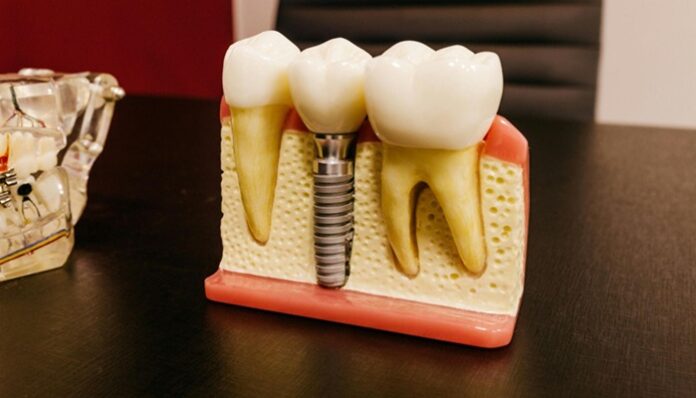
Endosteal and subperiosteal implants are the two main types employed by dental professionals globally. Endosteal implants, the most common type, are inserted directly into the jawbone, while subperiosteal implants rest on top of the bone but under the gum. The choice between these implant types depends on the patientโ€™s bone health and personal preferences.

Understanding the recovery process is crucial for those considering dental implants. While the process varies from one individual to another, most patients experience some discomfort, swelling, and bleeding immediately after the procedure. However, these symptoms are temporary and manageable with appropriate care and medication.

Ideal Timing for Dental Implants

Steering through the domain of dental health and its various treatment options, an essential factor to reflect upon is the ideal timing for dental implants. The timing factors for this procedure are vital and can greatly impact the treatmentโ€™s success and the patientโ€™s comfort during the recovery period.

One of the primary timing factors to take into account is the patientโ€™s overall health status. The bodyโ€™s ability to heal and adapt to the implant is paramount, so itโ€™s advisable to schedule the procedure when the patient is at their healthiest. This not only guarantees a smoother recovery period but also increases the likelihood of successful implant integration.

Additionally, the timing of dental implants should ideally align with the patientโ€™s personal schedule. The recovery period after an implant procedure can be demanding, requiring ample rest and a temporary shift in diet. Therefore, itโ€™s best to plan the treatment when the patient can afford to take some time off for recovery.

Age Considerations for Implants

Steering through the sea of age considerations for dental implants, itโ€™s clear that age can be an important factor in the success of this procedure. However, the โ€˜implant age,โ€™ or the age when one gets the implants, is not the sole determinant of success. Both young patients and seniors can be suitable candidates, given certain health factors are taken into consideration.

For younger patients, itโ€™s vital to guarantee that their facial growth is complete before the installation of implants. This typically occurs around the age of 16 for girls and 18 for boys. Dental implants at too early an age could potentially disrupt natural growth patterns, leading to complications.

Senior considerations are equally important. While there is no upper age limit for dental implants, overall health status plays a key role in determining candidacy. Conditions like uncontrolled diabetes or heart disease may complicate the implant process and recovery.

In essence, age is a mere number in the domain of dental implants. The overall health condition, oral hygiene, and commitment to proper aftercare greatly influence the outcome more than the chronology of oneโ€™s years. Consequently, irrespective of age, if youโ€™re in good health, dental implants could be a viable option for you.

Las Vegas: Dental Care Hub

Bursting with a plethora of dental care options, Las Vegas has emerged as a leading hub for oral health services, including dental implants. Renowned for its advanced and innovative dental solutions, the city is a prime destination for dental tourism, attracting both domestic and international patients.

What makes Las Vegas stand out is its combination of exceptional dental services and a vibrant, dynamic city life. It is home to numerous highly-rated clinics, offering a broad range of treatments from general dentistry to cosmetic dentistry. Cosmetic dentistry, in particular, has gained significant popularity, with dental implants being one of the most sought-after procedures.

Moreover, Las Vegasโ€™s dental care providers are renowned for their expertise, professionalism, and the use of state-of-the-art technology. Their commitment to delivering high-quality, patient-centered care has helped solidify the cityโ€™s reputation as a go-to destination for dental care.

Benefits of Dental Surgery in Vegas

Las Vegas, renowned for its high-quality healthcare services, offers exceptional benefits when it comes to dental surgery. The city is home to a multitude of affordable dental procedures, allowing patients to prioritize their oral health without straining their finances. In addition, the proficiency and expertise of dental surgeons in Vegas are unparalleled, ensuring that patients receive top-tier care and outstanding results from their procedures.

Affordable Vegas Dental Procedures

Offering a blend of affordability and quality, dental procedures in Vegas have emerged as a popular choice for many. The cityโ€™s dental clinics have developed a reputation for providing exceptional services without the exorbitant costs often associated with such procedures in other locations. These clinics have made it their mission to guarantee that everyone can afford the dental care they need.

One of the key aspects that sets Vegas apart is the range of affordable financing options. These are designed to alleviate the financial burden and allow patients to receive essential treatment now, while paying for it over time. This flexibility in payment, coupled with the assurance of quality, makes these dental procedures more accessible to a larger demographic.

Additionally, discount programs are often available, further increasing the affordability of these services. These programs can greatly reduce the cost of both routine and specialized treatments, making it possible for individuals to maintain their oral health without breaking the bank. These benefits, along with the cityโ€™s commitment to quality, make Vegas an appealing destination for those seeking affordable dental procedures.

Quality Dental Surgeons in Vegas

While affordability is a driving factor, itโ€™s the quality of dental surgeons in Vegas that truly sets it apart. The city is a magnet for top-tier professionals who bring with them a wealth of surgeon experience and extensive dental certifications. This guarantees patients receive high-level care with the latest dental implant techniques.

The selection of experienced dentists in Vegas is vast, offering a range of specialties and approaches. This gives you the opportunity to choose a surgeon who not only meets your specific needs but also aligns with your comfort levels. These professionals have proven their proficiency through rigorous dental certifications, a demonstration of their commitment to excellence.

Furthermore, the surgeon experience in Vegas is unparalleled. Many have been practicing for years, perfecting their craft and accumulating a wealth of knowledge that benefits their patients. This experience allows them to handle complex dental implant cases with ease and precision, resulting in successful outcomes that stand the test of time.

Choosing the Right Dental Clinic

Choosing the right dental clinic in Las Vegas for your implant procedure requires careful consideration on several key factors. It is imperative to scrutinize the clinicโ€™s expertise, consider its location for convenience, and assess the costs associated to guarantee that it suits your budget. A well-thought-out decision can make the difference in your overall dental implant experience, affecting not only your comfort and satisfaction, but also the success of the procedure itself.

Evaluating Clinicโ€™s Expertise

A multitude of dental clinics in Las Vegas offer implant services, but discerning the level of expertise among these providers is crucial to achieving ideal results. The quest to find the best clinic for your dental implant procedure should not be reduced to a gamble. Instead, it requires a careful evaluation of the clinic qualifications and the specialist experience.

First, scrutinize the clinic qualifications. Are they accredited by recognized dental institutions? Do they adhere to stringent safety protocols? The best clinics maintain high standards of cleanliness, use advanced dental technologies, and employ a patient-centered approach. They also have a proven track record of successful implant procedures, which speaks volumes about their professionalism and competence.

Next, consider the specialist experience. The skill and expertise of the dentist performing your procedure can greatly influence the outcome. Look for a dentist with extensive experience in implantology, who stays updated with the latest advancements through continuous professional learning.

Considering Clinicโ€™s Location

Location convenience plays a significant role when selecting a dental clinic for your implant procedure in Las Vegas. An easily accessible clinic reduces traveling stress, making the treatment process smoother. The clinicโ€™s proximity to your home or workplace can offer comfort, enhance regular visits and guarantee timely follow-ups.

Clinic accessibility is not just about physical distance. It also encompasses easy appointment scheduling, reasonable waiting times, and efficient patient management. Around the clock services or emergency provisions can be beneficial, especially in post-operative scenarios.

Moreover, considering local regulations is critical as they govern dental practices and standards. A clinic that adheres to these rules assures a high level of care, guaranteeing safety and efficacy of the dental implant procedure. Local regulations also mean that the clinic is regularly inspected and held accountable, providing you with peace of mind.

When choosing a dental clinic in Las Vegas for your implant procedure, donโ€™t just focus on the expertise of the dental professionals. Consider the clinicโ€™s location, accessibility, and adherence to local regulations. Your decision can influence your overall experience, and play an essential role in your journey towards a healthier smile.

Assessing Implant Procedure Costs

Maneuvering through the myriad costs associated with dental implants can be a challenging task. The price tag of a dental implant procedure can vary greatly depending on a number of factors, including the clinic you choose. This is why it is vital to assess the procedure costs and consider various financing options before committing to a specific dental clinic in Las Vegas.

Insurance coverage can play a considerable role in managing the costs associated with dental implants. Some dental insurance plans may cover a portion of the procedure, but it is important to confirm this with your provider. If your insurance does not provide adequate coverage, you may want to explore alternative financing options. Many dental clinics offer payment plans or collaborate with healthcare credit companies to facilitate the process for their patients, making high-quality dental implants more accessible.

Personal Stories: Dental Implants in Vegas

Venturing into the heart of Nevada, one quickly realizes that Las Vegas is a city teeming with life, and among them are individuals with inspiring tales of dental transformation. These personal stories from Las Vegas residents reveal a city thatโ€™s not just about entertainment, but also a hub for quality dental care.

Patient experiences with dental implants in Las Vegas greatly vary, but a common thread among them is satisfaction with the outcome. One patient, a 45-year-old local, shared her incredible journey from battling severe gum disease to finally restoring her confident smile with dental implants. Another testimonial from a 60-year-old retiree details his seamless experience, praising the local dental professionals for their expertise and compassionate care.

Local testimonials also attest to the cityโ€™s cutting-edge dental technology and state-of-the-art implant procedures. Patients report minimal discomfort and speedy recovery times, which they attribute to the high standard of dental care in the city.

These personal narratives underscore the promise of Las Vegas as an excellent choice for those considering dental implants. The city offers not just superior dental services, but also an environment that fosters recovery and overall wellbeing.

Frequently Asked Questions

What Is the Average Cost of Dental Implants in Las Vegas?

The average cost of dental implants in Las Vegas ranges from $1,000 to $3,000 per tooth, before insurance coverage. Dental tourism in this region is popular due to competitive pricing and high-quality dental care services.

Can I Finance My Dental Implant Surgery in Las Vegas?

Yes, many dental practices in Las Vegas offer various payment options, including financing plans, to make dental implant surgery more affordable. Itโ€™s advisable to consult with the clinic about their specific financing options.

Are There Specialized Dentists for Dental Implants in Las Vegas?

Yes, Las Vegas is home to numerous implant specialists who utilize cutting-edge dental technologies. These experts are dedicated to providing extensive, high-quality care for patients seeking dental implants, ensuring a successful and seamless procedure.

What Is the Recovery Time After Getting Dental Implants in Las Vegas?

Recovery time after dental implant surgery varies, typically ranging from two weeks to several months. In Las Vegas, specialized dentists provide effective pain management and monitor the healing process to guarantee a successful recovery.

How Often Will I Need to Return for Follow-Ups After Getting Implants?

After receiving dental implants, regular follow-ups are essential for ideal post-op care and implant maintenance. Typically, you may need to return every 3-6 months initially, depending on your dentistโ€™s recommendation and your individual healing process.

What Is IV Hydration Therapy and How Does It Work?

You may have heard about IV hydration therapy as a way to rehydrate, recover, or boost energy levels. But what exactly is it? Unlike drinking fluids, this therapy delivers nutrients and fluids directly into your bloodstream, bypassing the digestive system entirely. This efficient process makes it a sought-after option for a range of health needs.

The Process Behind IV Hydration Therapy

IV hydration therapy uses an intravenous (IV) drip to deliver fluids, vitamins, minerals, and other nutrients directly into the bloodstream. Administered by a trained professional, the treatment typically takes place in clinics like Fresh Treatments and other reputable wellness centers. The method allows for faster absorption and higher bioavailability of nutrients compared to oral consumption.

When you drink water or take supplements, your digestive system processes them before the body can use the nutrients. During this process, some nutrients may be lost. IV therapy bypasses this entirely, making it an effective solution for quick hydration and targeted nutrient delivery.

What Is in an IV Hydration Bag?

An IV hydration bag is customized based on your specific needs. The contents may include:

  • Fluids: Saline or electrolyte solutions to rehydrate your body.
  • Vitamins: Often, these include vitamin C, B-complex vitamins, and others to support energy and immune function.
  • Minerals: Magnesium, calcium, and zinc are common additions to support recovery and overall health.
  • Medications (optional): Some bags include medications for pain relief, nausea, or other specific conditions.

Each formulation is tailored to address issues such as fatigue, dehydration, or immune support.

Reasons People Opt for IV Hydration Therapy

IV hydration therapy is recognized for its efficient and effective approach to rehydration and nutrient replenishment. People turn to this therapy for various practical reasons, each addressing specific needs and situations.

Fast and Effective Hydration

IV hydration therapy is faster than drinking fluids, especially when you need quick results. This is why itโ€™s popular among athletes, travelers, or those recovering from illness.

Hangover Relief

Alcohol dehydrates the body, leading to symptoms like headaches and fatigue. IV hydration can replenish lost fluids and electrolytes, providing rapid relief.

Boosting Energy Levels

The therapy delivers nutrients directly into your bloodstream, which may help combat fatigue. Many people report feeling more energized after a session.

Supporting Recovery

IV hydration is often used to speed up recovery after intense workouts, surgery, or illness. The tailored nutrients help the body repair and regain strength.

IV hydration therapy addresses these varied needs and provides a versatile solution for rehydration and wellness. Whether youโ€™re seeking quick relief, energy, or recovery support, this treatment provides an effective option tailored to different lifestyles and goals.

Is IV Hydration Therapy Right for You?

This treatment is not just for athletes or those recovering from illness. If you experience dehydration, frequent fatigue, or need extra support for your immune system, IV hydration could be worth considering. Itโ€™s also used for beauty-focused goals, such as improving skin hydration and elasticity.

However, itโ€™s always wise to consult your healthcare provider before trying any new treatments, especially if you have underlying medical conditions or take regular medications.

What Happens During an IV Hydration Session?

A typical session begins with a consultation to discuss your goals and health history. Once the IV bag is prepared, a trained professional inserts the IV line into a veinโ€”usually in your arm. The process is relatively painless, aside from a slight pinch when the needle is inserted.

The session lasts about 30 to 60 minutes, during which you can relax, read, or use your phone. Afterward, most people feel immediate benefits, although the exact experience varies.

Benefits vs. Potential Risks

Weighing the benefits and potential risks of IV hydration therapy helps you make an informed decision about this treatment. Hereโ€™s a breakdown of what to consider:

Benefits:

  • Rapid rehydration and nutrient absorption
  • Customizable to your needs
  • May improve energy, focus, and recovery

Potential Risks:

  • Bruising or discomfort at the insertion site
  • Rare allergic reactions to ingredients
  • Risk of infection if not performed in a sterile environment

While the benefits make IV hydration therapy appealing, understanding the potential risks ensures you approach the treatment with realistic expectations. Choosing a reputable clinic minimizes risks and makes this therapy a safe and effective option for most people.

Final Words

IV hydration therapy offers a straightforward way to rehydrate, recover, and replenish your body with essential nutrients. Delivering fluids and vitamins directly into your bloodstream allows the therapy to bypass the digestive system, leading to faster and more effective results. Whether youโ€™re an athlete, recovering from illness, or just looking for an energy boost, this therapy could be a practical addition to your wellness routine.

A Comprehensive Guide to Understanding and Treating Sciatica

Sciatica is one of those general terms that most people have heard, but very few of them know what it really is. It is pain running along the sciatic nerve- the pathway running from the lower back through the hips, buttocks, and legs. While most of the time, the cause is a problem in the spine itself, the condition can sometimes be very complex, considering many different underlying causes and symptoms. The following article deals deeply with the nature of sciatica, the causes, symptoms, and different modes of treatment, besides shedding light on how individuals can cope with and relieve this commonplace complaint.

Common Causes of Sciatica

Sciatica is an indication of other disorders, and therefore, identifying the cause is important in order to know the appropriate therapy to use. Let’s explore some of the most common causes that lead to sciatica:

Herniated or Bulging Discs

Among the most frequent causes of sciatica is a herniated or bulging disc. Intervertebral discs are spongy and are located between two vertebrae; if one of the discs becomes herniated or bulged, pressure is applied to the neighboring nerves, including the sciatic nerve. When this occurs, the sessions spread along the trail of the neural pathway to the legs, hence resulting in the symptoms of sciatica.

Spinal Stenosis

Spinal stenosis deals with the space in the spinal cord that may apply pressure on the spinal nerves. As the tissue around it gradually becomes constricted, pain, tingling, and numbness that shoots down the leg are experienced.

Degenerative Disc Disease

With time, the discs situated in the spine start to wear out. This wear and tear can also make them lose their height and elasticity, thus compressing the nerves. โ€˜Sciaticaโ€™ arises when the sciatic nerve is compressed and may produce from a dull ache to compelling pain.

Piriformis Syndrome

Piriformis syndrome is a troublesome syndrome that results from the contraction of the deep buttock piriformis muscle, and this contraction irritates the sciatic nerve. This condition may simulate sciatica and, hence, may result in pain that resembles that which results from nerve compression.

Spondylolisthesis

In cases involving spondylolisthesis, one of the vertebrae in the spinal column lies over another vertebra, both occurring in the vertebral column โ€“ an event that can lead to nerve pinching. When this happens, the sciatic nerve is compressed, and this may lead to pain and discomfort that will go down the leg.

Symptoms of Sciatica

In any case, it is possible to distinguish certain common characteristics of the symptoms of sciatica: they are all associated with local pain that radiates along the sciatic nerve. Here are some of the most common symptoms that individuals with sciatica experience:

Radiating Pain

The typical sign of sciatica is pain that shoots from the lower back or glute down to the leg. This pain may be a mild throbbing or a severe burning sensation and may localize to one part of the body or spread to the entire body. It is worse when sitting or standing for a long time and gets worse when doing some physical activity.

Numbness and Tingling

Sciatica may lead to the development of a โ€œpins and needlesโ€ sensation in the appropriate leg or foot, which is a result of irritation or even compression of the sciatic nerve inhibiting signals.

Weakness

Some patients with sciatica also exhibit weakness in the muscles of the affected leg. Such patients may experience difficulty in standing, walking, or even climbing stairs. Development of muscle weakness usually occurs when the nerves supplying the muscles become involved due to compression or irritation of the sciatic nerve.

Worsening Symptoms with Movement

The sciatic pain flares up with movement. Bending, lifting, and twisting provide the impetus for exacerbating the pain or even initiating it. Besides, prolonged sitting makes this condition worse, especially without good posture or if your spine is straining.

Diagnosing Sciatica: How is it Done?

If you go to your doctorโ€™s office with sciatica symptoms, he or she will examine your motor and sensory functions as well as reflexes. They also ask you to do some movement exercises that can easily help the doctor identify where the pain is originating from.

In conjunction with performing the physical examination, your doctor may order diagnostic testing to confirm what is irritating the nerve causing symptoms of sciatica. Various tests include the following:

  • X-rays: They are necessary for illustrating the bones. Sometimes, in the case of an injured spine, a herniated disk, or if there’s spinal stenosis, this might help.
  • CT or MRI Imaging: Much more advanced with respect to imaging, such that greater detail of the spine is offered, pinning disk herniation, compressed nerves, and other structural concerns.
  • EMG: Electromyography measures muscle activity that helps determine any injury or damage to nerves.

A combination of these diagnostic tools will ascertain the most effective treatment option for sciatica.

Treatment Options for Sciatica

Sciatica mainly depends on the severity and underlying cause of the disease. While some patients get relief with conservative measures, other patients might require more aggressive treatments for pain relief and to treat the actual cause. Following are some of the common options for sciatica treatment:

Physical Therapy

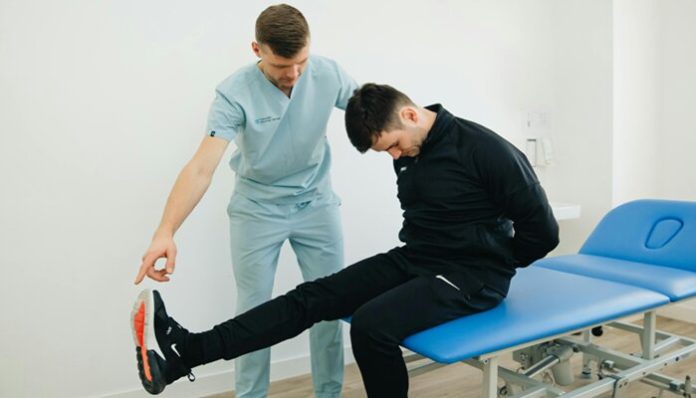
Sciatica can be treated with the help of physical therapy. A physical therapist can provide you with instructions on movements that encourage the muscles of your back and which would take pressure off the sciatic nerve. They can also reduce the occurrence of future sciatica as well as, of course, increase flexibility during bending and stretching to avoid tight muscles pulling on nerves. Physical therapist: Most people can benefit from physical therapy to improve their condition without having to endure drugs or surgeries.

Chiropractic Adjustments

Chiropractic care utilizes the manipulation of the spinal column as well as the overlying tissues to create sciatic nerve decompression. Sciatica can be treated using spinal manipulation techniques that ease nerve compression and pain tremendously. Specifically, spinal manipulation can be a suitable approach to sciatica that is a result of a herniated disc, spinal stenosis, or misaligned spine.

Medications

It is, therefore, important to have methods of treating the pain associated with sciatica. For mild pain, they can be relieved with over-the-counter drugs such as ibuprofen or acetaminophen. In case of a more severe kind of pain, your doctor will provide you with stronger drugs, including muscle relaxants and/or anti-inflammatory medications or even corticosteroids administered near the affected nerve.

Surgery

In some other cases, especially when other treatments have not been effective, surgery might be recommended. Sometimes, surgery may be inevitable and involves operations that include sciatic discectomy (removal of part of a herniated disc) or laminectomy (removal of part of the vertebrae) with the aim of reducing pressure on the nerve. Surgery is usually considered the last option once other non-invasive treatments are tried out.

Preventing Sciatica: Tips for Long-Term Relief

Some Sciatica might be avoided, but not all of it; here are some ways to minimize your chances of getting this shooting pain. Some key preventative tips include:

Maintain a Healthy Weight

Being obese can also exert extra pressure on your back, thus contributing to sciatica. Staying at a healthy weight, as well as eating a nutritionally balanced diet and carrying out weight-bearing exercise, will also help to prevent nerve compression in the back.

Exercise Regularly

If you strengthen the surrounding muscles of your spine and your abdomen, you can reduce sciatica. To support prevention from future occurrences of sciatica, you need to take regular exercises, which include walking, swimming, or doing yoga activities for your spine.

Practice Proper Posture

Ergonomics also points to the fact that proper posture is very important when it comes to handling our spine. When in a sitting position, working, walking, or sleeping, make sure your spinal column doesnโ€™t bend or twist unnaturally. When sitting for a long time, it may be advisable to use an ergonomic chair and supportive pillows/rolls.

Lift with Care

When lifting any heavy object, ensure that you bend at your knees. Do not rotate your body when lifting since this puts pressure on the lower back and threatens the lifterโ€™s well-being.

Conclusion: Taking Control of Sciatica

Despite being an agonizing and bothersome condition at its worst, it is important for sufferers to be aware of some of the causes and management of sciatica. Most cases of sciatica can be managed and best prevented by using a combination of physical therapy, chiropractic, and the recommended changes in behavior and lifestyle. If you are suffering from sciatica symptoms, by all means, consult a healthcare practitioner to get advice on your specific situation.

Adapting Cardiovascular Care with Emerging Tech Innovations

In recent years, new and exciting derivatives of breakthroughs in the field of cardiovascular care have been driven by technology.ย 

This process of heart disease diagnoses, treatments, and innovations in AI-powered diagnostic tools and wearable health trackers transform management.ย 

Here’s a look at some of the most exciting tech developments that are changing the face of cardiovascular care:

AI and Machine Learning in Diagnosis

Medical diagnostics are at the forefront of artificial intelligence and machine learning. Now, algorithms can sift through vast volumes of patient data such as medical images, electrocardiograms, clinical records, to exactly pinpoint abnormalities.ย 

For instance, an AI can figure out tiny signs of heart disease, as shown in imaging studies that are not picked up by the human eye.This makes it easier for medical experts providing cardiac services to pinpoint what is wrong. Preventing severe cardiac events is critically dependent on early detection capability.

In addition to diagnostics, AI is used to predict patient outcomes and recommend personalized treatment plans. The systems develop the ability to analyze patterns on large datasets and give insight into the most effective interventions for particular patient profiles.ย 

Such precision decreases trial and error approaches, bringing good results and improved patient satisfaction.

Wearable Technology for Real-Time Monitoring

Wearable devices include smartwatches and fitness trackers, a potent combination in heart health monitoring. These fit bits measure heart rate, blood pressure, and oxygen concentration, providing real-time data.ย 

The more advanced models have gone even further: an ECG capability in these medical devices that detects irregular heart rhythms and notifies the concerned health care provider.

Patients become their advocates in heart health as they shift to a more proactive approach. Apart from personal use, wearable devices are increasingly important in clinical research. The devices provide insights into changing long-term trends in cardiac health for assessing new therapies.

Advanced Imaging and Robotics in Treatment

The 3D echocardiography and cardiac MRI revolutionize imaging technology with unparalleled clarity and precision to heart structures. These new approaches help plan complex procedures and tailor treatments to specific individuals. For example, precise imaging enables surgeons to bypass challenging anatomical situations correctly.

In the meantime, robotic-assisted surgeries are more precise, more manipulable, less invasive, and much faster. Robotics technology decreases the margin of error and increases procedural outcomes. They have shorter hospital stays, less postoperative pain, and quicker daily activities.

Telemedicine and Remote Patient Monitoring

Regular vital signs and other health metrics can be forwarded from devices connected to a patient’s home to a doctor’s office. It complements telemedicine by performing virtual consultations, thus easing access to specialized care with less travel and cost involved, especially for those in far-flung areas.ย 

Telemedicine is the bridge that nourishes the relationship between the doctor and the patient. It provides constant follow-ups and check-ins to prevent complications from long-term conditions like heart failure and increases patient adherence to treatment. The ease of virtual care ensures that patients feel connected and involved in their healthcare journey, fostering a sense of care and support.

Precision Medicine and Genomics

The integration of genomics in cardiovascular care has opened the door to precision medicine.ย 

A doctor is in a position to predict susceptibility to heart diseases by analyzing one’s genetic profile and may allow for treatments tailored to the individual, such as medication adjustments or particular lifestyle changes.ย 

For example, some genetic markers can depict how a patient would react to a particular drug, thus enabling personalized therapy.

The development of gene editing, including CRISPR, offers hope for treating genetic heart conditions.ย 

These techniques allow researchers to correct the mutations responsible for inherited cardiovascular disorders, offering hope to patients with previously limited treatment options. This potential for advanced treatments is a source of optimism and hope in cardiovascular care.

Collaborating with Specialized Providers

These technologies call for collaboration in their adoption with specialized healthcare providers who can understand the fine nuances of tech-driven cardiovascular care. Expert cardiology teams can deliver better outcomes and quality of life using advanced tools.

Cardiovascular medicine is also advancing through the interdisciplinary collaboration of cardiologists, data scientists, and engineers in teams to develop new technologies. These collaborations ensure the acceleration of innovation while emerging tools are brought to meet the needs of both patients and clinicians.

Endnote

And with each further step in technology, possibilities in cardiovascular care continue to develop. From AI breakthroughs to personalized treatment, the future of innovation-meets-medicine is bright.ย 

It may mean a healthier and more resilient heart for one and all simply by being informed and embracing such advantages. Awareness and collaboration can only help bring a new era in heart health that benefits everyone.

How Private Home Nursing Care Enables Faster Recovery Times

When a patient returns home from the hospital with recovery medications, it’s not just the medicines that have to do the job. There is an entire home care regimen that must be followed. In most cases, the approach required is minimalistic. However, if the patient has suffered from a major accident or is chronically ill, it’s important to get more professional home care. That’s where private home nursing care is considered the best option.

The benefits of private home nursing care extend far beyond making things “convenient” for family members. They can also help patients recover faster. But what is the reason behind this? This article will highlight the key factors contributing to faster recovery.

Why People Recover Faster with Private Home Nursing Care

Listed below are the key reasons patients heal quickly when they receive private home nursing care.

Personalized Care

As the name suggests, private home nursing care is personalized. When care is personalized, every aspect is tailored to a person’s needs. This includes medication timing and constant patient monitoring to track progress, ensuring proper care can be delivered at the right time.

It also has an emotional impact on the patient. The positivity they feel towards the care they receive helps reduce their anxiety, supporting proper recovery.

Comfort and Familiarity

While hospital nursing care is unparalleled, there’s the matter of residing in an unfamiliar environment. Although hospitals try to make things as accessible and tailored to patients’ needs as possible, the environment is shared with other patients, which can adversely impact a patient’s psychology.

With private home nursing care, this issue is eliminated. Being surrounded by familiar things makes the mind more relaxed, which is key to achieving faster recovery. Furthermore, when a patient is relaxed, medications can work more effectively.

Reduced Risk of Infection

One of the core reasons most patients prefer not to stay in hospitals is the risk of infection. Although uncommon, there’s always a risk of infections such as MRSA and C. difficile. A home can provide a more hygienic environment, reducing the chance of infection. When infection risks are lower, the recovery speed of the patient is higher.

Flexibility in Care

There are no rigid schedules with private nursing. Nurses can tailor care according to a patient’s needs. The lack of a strict schedule is relaxing and helps patients easily adapt to the health regimen needed for quick recovery.

Family Involvement

With private nursing, family members have an easier time getting involved in the care process. They don’t feel overburdened and are less prone to panic when something unexpected happens. This ensures proper communication between the patient and care provider, and the comprehensive support provided benefits everyone.

Preventing Complications

Patient recovery accelerates when there are fewer complications. Private home nursing care offers the perfect setting to prevent them. These nurses, who continuously monitor the patient, act quickly to deal with any unexpected events. Furthermore, the chances of complications are reduced since nurses focus on providing skilled care continuously.

How to Find the Best Private Home Nursing Care

While faster recovery is possible with persistent home care through private nursing, this can only happen if the care provided is top-tier. Therefore, finding the best service providers is a priority. Here are some tips to follow for obtaining optimal private home nursing care services.

Keep Tabs on Your Needs

The first factor to focus on is your needs. What kind of services do you require? Do you want skilled nursing, rehabilitation, or palliative care? Understanding these requirements will ensure you can look for the right service providers.

Check the License and Credentials

The second factor to consider is licensing and credentials. It’s crucial that those providing nursing services are licensed and accredited by proper health authorities. Furthermore, it’s beneficial to ask about the qualifications and credentials of the nurses chosen to provide healthcare service. Their registration is paramount, as is looking into the type of training they have received.

Seek Referrals and Read Reviews

If you’re searching for a healthcare professional online, pay close attention to reviews and testimonials, as they will help you gauge the quality of healthcare provided. When reading testimonials, it’s important to look deeper since many false testimonials exist in online marketing.

Ask around as well, as word-of-mouth recommendations can provide the clearest insight into a nurse’s reputation. These referrals can help you decide which type of nursing is best.

Discuss the Availability of the Nurses

While most private home nursing care service providers have flexible timing, they may not always be available at the specific times a patient wants. Therefore, it’s important to get clarity about timing issues from the very start.

If there is a lack of nurses, ask at what time they might be available later. The other alternative is to look for an alternative private home nursing care that can also help.

Create a Care Plan

While private home nursing care providers develop clear plans for patient care, it’s also important to contribute to these care plans to ensure patient care happens in a tailored fashion. Furthermore, your involvement will ensure that the care plan created takes the entire household into account.

Final Words

Private home nursing care is a boon for all, not only because of the high level of convenience but also due to how quickly it can help patients recover. Finding the right service provider is equally important, as they can deliver the care the patient deserves.

Innovation in Supplements: Why Tocotrienols Are the Future

The supplement industry has always been at the forefront of health innovation. From foundational vitamins to the very latest probiotics, the evolution of dietary supplements has reflected our growing understanding of human health and nutrition. Perhaps one of the most exciting developments in recent years is the increasing recognition given to tocotrienols. These powerful compounds are a part of the vitamin E family and are ready to revolutionize how we look at supplementation and wellness.

A Brief Look at Vitamin E

Vitamin E is an extremely popular nutrient, primarily recognized for its role as an antioxidant, maintaining healthy skin, immune function, and cellular repair. Traditionally, the major emphasis has been on the family of compounds known as the tocopherols; tocopherols are one of two groups that constitute the vitamin E family. Newer research, however, points to even greater potential among their lesser-known counterparts: the tocotrienols.

Tocotrienols possess a similar chemical structure to that of the tocopherols, but in their peculiar molecular constitution, properties and superiority are exhibited in certain areas of their applications. These differences create new frontiers in their supplementation.

The Unique Benefits of Tocotrienols

What sets them apart? It starts with their incomparable antioxidant activity. Tocotrienols have been reported to be up to 50 times more potent as antioxidants than their homologs, the tocopherols. Such potency in their action confers a very strong potential against oxidative stress, one of the main causes of aging and chronic diseases.

Another very substantial benefit of the tocotrienols is their action on the cardiovascular system. They have been said to reduce cholesterol levels, promote arterial elasticity, and even prevent plaques from depositing on the arterial lining. While the tocopherols could at times antagonize certain cholesterol-lowering mechanisms, the effects of the tocotrienols tend to be rather focused upon the heart.

It should also be noted that some studies have demonstrated neuroprotective properties of tocotrienols. In general, data suggest a possible reduced incidence of neurodegenerative diseases, such as in the cases of Alzheimer’s and Parkinson’s diseases. Because they can penetrate the blood-brain barrier, the antioxidants can be specifically supplemented to the brain-a uniqueness among the vitamin E compounds.

Tocotrienols in the Spotlight: A Breakthrough for Modern Wellness

Despite the impressive benefits of tocotrienols, history has always favored tocopherols. But then, with better extraction and formulation techniques, harnessing their power became quite manageable. Today, innovative supplement companies are bringing high-quality tocotrienol products to market and offering consumers access to this groundbreaking nutrient.

One such product is tocotrienols, which stands out as a tocopherol-free formulation specifically designed to maximize the unique benefits of tocotrienols. By excluding tocopherols, this supplement ensures that the efficacy of tocotrienols is not diluted, delivering targeted health support in its purest form.

Applications for Health and Beyond

Tocotrienols also display a wide range of health applications for their versatility. In relation to skin health, the reduction of inflammation, improvement in skin elasticity, and promotion of wound healing have shown great promise. This is also due to the antioxidant properties of tocotrienols in protecting skin cells from UV damage and environmental stressors.

Tocotrienols in metabolic health may help modulate blood sugar levels and decrease the complications associated with diabetes. Further, their potential is enhanced by their ability to deal with oxidative stress and inflammation in managing metabolic disorders.

Tocotrienols have also received attention in the fields of cancer research. Some initial studies indicate that it is anti-cancerous because it inhibits the growth of certain cancer cells and promotes apoptosis, or programmed cell death. Although still being researched, these results allude to a promising future for tocotrienols in oncology.

Addressing Common Concerns

Safety and efficiency are, of course, the usual questions, as with any dietary supplement. Most people tolerate well-taken tocotrienols in recommended dosages; due to their natural origins, the supply chain for tocotrienols can stay clean and sustainable.

Consumers should, therefore, seek supplement products that ensure clear labeling and transparent sourcing. The product above, for example, is a pure and quality supplement product that would give users confidence in the product.

The Future of Supplementation

The rise of tocotrienols also signals a larger trend in the supplement industry: as science teases apart the interrelated dance of nutrients in the body, we are moving away from the one-size-fits-all approach. Tocotrienols speak to a subtle understanding of just how particular compounds can address specific points of health with great effectiveness.

This is an innovation that reflects the growing demand by consumers for evidence-based products that deliver measurable results. Supplements can’t just promise benefits anymore; they have to be research-backed and tailored to meet specific needs. Tocotrienols represent this trend-a peek into what the future of personalized wellness might look like.

Embracing Tocotrienols for a Healthier Tomorrow

Tocotrienols represent the most groundbreaking new innovation that has emerged to date in the dietary supplement category. Their unparalleled antioxidant capacity, cardiovascular support, and neuroprotective benefits make it an indispensable tool for modern health management. In all, many will have a chance to tap into a transformative potential that comes forth with increased awareness and accessibility.

For those who want to stay ahead of the pack, deep diving into supplements based on tocotrienol is the only way forward. Tocotrienols are an innovative product in science, and a commitment to quality that leads the future of supplementation.

By embracing the power of tocotrienols today, weโ€™re not just addressing immediate health concernsโ€”weโ€™re laying the foundation for a healthier, more resilient tomorrow.

An Overview of Urine Drug Testing

Among all the techniques that enable the identification of forbidden substances or medicines in the human body, urine drug testing is one of the most popular. Overall, urine drug testing has various relevant uses in certain types of industries, including transport, the health sector, security, and sports. This paper provides a critical analysis of the rationale, procedure, reliability, and use of urine drug testing.

Overview of Urine Drug Testing

Urine drug testing is a forensic method of establishing the presence of drug metabolites in the urine of an individual. This is rather useful in getting a view of the recent past use of drugs and is thus very frequent, even for civil and professional use.

Why Urine Drug Testing Is Necessary?

Urine drug testing has become vital in one’s personal life, workplace, and even social responsibilities. Itโ€™s not just a tool used inclusive of the detection of drugs to improve safety, compliance, and health management among personnel. Here’s why it is so important:

  • Workplace Safety: Health checks/maintenance that employees are suitable to work so as to support organizations where safety is paramount, such as transport or construction.
  • Legal Compliance: Assists an organization in staying current with state and federal regulations in any particular field.
  • Healthcare Applications: Aids doctors in their prescriptions and oversees the progress of the patientโ€™s healing process.
The Science Behind Urine Drug Testing

Knowing how the process of testing is performed first requires an understanding of how the substances work in the human body and are usually traced in urine.

How Substances Are Metabolized

Consumed substances are metabolized by the liver in the body and excreted through urine. It is this process that generates metabolites, which are really the markers of detection for urine tests.

Detection Windows

The detectable period is based on the following criteria:

  • Type of drug
  • User’s metabolism
  • Number and amount taken
  • Hydration

The Procedure for Urine Drug Testing

Urine drug testing requires a simple but controlled process to ensure fairness and accuracy in the results.

  • Collection: A sample is taken out into a sterile container, under supervision in many instances, to prevent cheating.
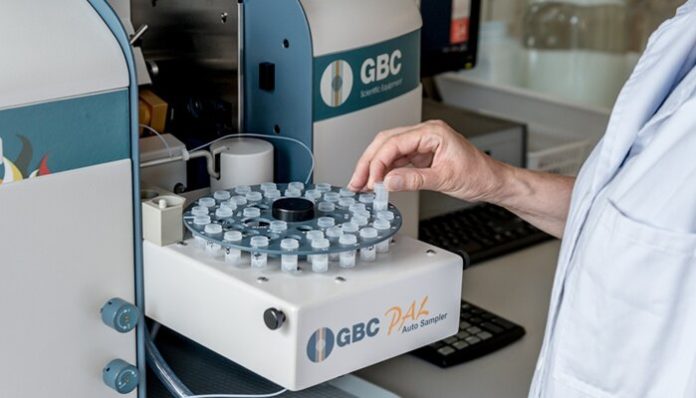
  • Laboratory Testing: Lab testing entails the analysis of the specimen by immunoassay screening, amongst other methods, and by gas chromatography-mass spectrometry (GC-MS).
  • Results Interpretation: The lab delivers a report showing positive or negative for specific substances.

Common Substances Detected

Urinalysis tests can detect many substances, both illegal and prescription drugs. The most common types of substances these tests usually screen for are as follows:

  • Illicit drugs: cocaine, marijuana, heroin, and methamphetamine
  • Prescriptive Drugs: Opioids, benzodiazepines, and amphetamines
  • Alcohol: While less common, some detect recent alcohol consumption

Type of Urine Drug Screens

Urine drug screens come in a few different varieties to provide the required testing necessary to fit the needs of a given situation. A quick view of the most widely available types is provided here:

  • Standard Drug Screens: Typically screen for five to ten classes, such as THC, cocaine, and opioids.
  • Extended Panels: Used for more extended screenings, often including added prescription drugs.
  • DOT-Approved Tests: Catered to fit the Department of Transportation requirements, these ensure safety for trucking and aviation industries.

Accuracy and Limitations

Urine drug testing is widely recognized for its reliability, but like any diagnostic tool, it has strengths and limitations. Understanding these aspects helps ensure informed use of the method and appropriate interpretation of results.

Strengths:

  • High degree of accuracy when done properly
  • Inexpensive compared with other methods of testing
  • Non-invasive and easy to administer

Disadvantages:

  • Potential for false positives/negatives
  • Limited drug detection window
  • Vulnerable to tampering/adulteration

Applications of Urine Drug Testing

Urine drug testing has served a variety of purposes in several industries. Due to its versatility and efficiency, it has always remained a prime tool to ensure safety, compliance, and accountability. The following sections outline in detail the significant uses of urine drug testing:

1. Workplace Testing

Companies use them as a way of maintaining safety and employment productivity through urine drug tests. There are generally three scenarios: pre-employment, at random, and post-incident.

2. Legal and Law Enforcement

Drug tests are in high demand by courts and the police department for parole cases, among others.

3. Sport

Anti-doping agencies demand a urine test in order to check for athletes who have administered substances in prohibited classes.

4. Medical

A physician orders a drug test for treatment purposes and also to establish cases of substance use.

Urine Drug Test Preparation

There is a procedure to know for urine drug testing, information about medication, and the importance of drinking before the test. Here are some essential tips to help you get ready:

  • Understand the Purpose: For which purposes will the test be conducted, and what compounds will be tested for?
  • Be Honest About Medications: In case you are under prescription or other over-the-counter medicines, you should inform the administrator of the test.
  • Hydrate: Intake of water is encouraged; however, you should not consume large amounts of water as this will dilute the sample.

Future Trends in Drug Testing

Drug testing also continues to evolve. Innovative fixes concentrate on testing requirements for better accuracy, efficiency, and improved access. The following are the future trends of drug testing.

  • Point-of-Care Testing: Portable devices, which are easily set up and taken down, produce results faster.
  • Artificial Intelligence: Better measurement accuracy on a target count.
  • Wider Panels: Increased capacity to identify very recent designer drugs.

Wrapping Up

Urine drug testing, as is conventional in so many industries today, is a vital component towards safety and compliance as well as fairness in most ventures. However, even with the working of this methodology and the theories supporting it, it is moving ahead and becoming even more reliable and effective due to advancements in technology and working methodology. Thus, learning about the science, process, and practical uses of urine drug tests helps people and companies avoid potential pitfalls of one of the key spheres of todayโ€™s functioning.

Translate ยป