Close
Digital Health & Ai Innovation summit 2026
LiGHT26

Improve Patient And Therapist Health With Mechanical Therapy Tables

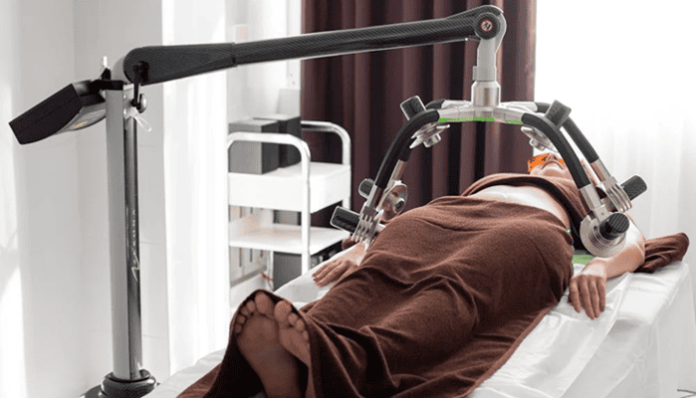
The quality of a physical therapy workout often depends on the quality of the physical therapy equipment available. Basic tools and tables may be too restrictive for effective progression. They may also put your patients and staff at risk. Switching to state-of-the-art mechanical tables can make a big difference.

Why Are Mechanical Treatment Tables So Important?

Protecting Patients

The end goal of any physical therapy treatment plan is to heal injuries, strengthen the body, and get patients back to their best. There should be no risk of further damage or physical harm. However, working with outdated therapy tables and equipment can put patients at risk. If patients have to climb onto equipment or are physically manipulated into position, there is a chance of something going wrong. The last thing anyone wants is a patient slipping or being dropped because the team used equipment that wasn’t fit for purpose. Secure mechanical tables and other forms of equipment can limit this risk by gently moving users into position while keeping them secure at all times.

The efficiency of these solutions is ideal for complex, personalized plans involving various exercises. Rather than have patients switch between stations and rooms or even between therapists, they can work through different exercises and tests in one place. This can increase patient comfort and allow for some positive results. When centers put their money into buying the best possible mechanical therapy tables for their centers, these benefits can only increase. Comfort features and convenient details set the high-end models apart from more basic units and can make a big difference.

Patients who have confidence in their safety and on these tables may also be more inclined to carry out more difficult exercises and maybe push their limits. As a result, those with mobility issues could find themselves improving faster than expected because they could extend their range of motion in a secure environment. No patient should be rushed into completing a plan before they’re ready, but these high-end tables can help facilities cut recovery times.

Protecting Therapists

In addition to helping patients get the best out of their therapy sessions, these tables can also prove to be beneficial for therapists. Physical therapy is physical work for all concerned, especially when therapists are expected to help lift or move their patients into position.

Over time, these repeated motions and strains can lead to some significant health problems. Musculoskeletal disorders develop, placing workers at risk of chronic back and joint pain and mobility issues. Some who take on the heavy lifting of physical therapy end up needing time off work for aggravated injuries and sprains. They may also find they have to give up the profession they love far too early. This shouldn’t be the case. Skilled practitioners of physical and occupational therapy should feel secure in their work and be able to create treatment plans with confidence. When these therapists have that security and peace of mind in handling patients, they can create better plans with more effective exercises while offering support and encouragement from the sides.

There’s also the chance of a more advantageous one-on-one relationship through a comprehensive plan. Before, therapists may have been limited in what they could offer because of the lack of suitable equipment and the fear of harming the patient or themselves. The multi-functional mechanical tables can allow users the option to try different exercises under the supervision of one carer. This benefits the care team in two ways. For a start, dedicated one-on-one care allows for better relationships and understanding. Staff can follow a patient’s progress long-term and feel a greater sense of satisfaction while viewing the noticeable changes. This approach also means that there should be more staff members free to take on new patients rather than worrying about spreading themselves thin between a bigger list of clients.

Choose Top-Of-The Line Tables For Noticeable Results

Centers dealing with physical and occupational therapy should invest in the best possible equipment available within their budget. The initial expense may be a lot at first, but it pays off when patients start recovering faster and staff can work with greater peace of mind.

To begin with, centers will need something easy to operate with enough mechanical elements to help raise and lower patients into the correct position. Top models offered by esteemed leaders in this field, such as theย Barihab by Therapeutic Industries, include various supports for the table, backrests, chest plates, and knee blockers. The moving elements of the lifting seat are smooth, easily accommodating patients up to 500 pounds from a high-low mat seated to a fully upright standing position without the need to transfer the patient from one apparatus to another. The table is revolutionary in the way that it has a built-in seat and leg lift. The controls maneuver both the seatlift and the height of the table, all in a hands-free environment for the therapist. Again, this feature mitigates the need for any weight-bearing transfers of patients that may cause physical injury to the therapist, as the table is adjustable to the gurney height, allowing for safe sliding transfers. Therapists can work comfortably without the need to bend, thereby decreasing possible back-related injuries.ย  The controls will also enable the digital displays to precisely chart the patientโ€™s progress while measuring the seat and leg positions to ensure maximum comfort and support during the treatment session. Correct support is vital to the patient and therapist administering the treatment.

Therapy should be about safety and patient autonomy. With the implementation of the best high-low mat table, the patient can rotate in a sitting position, adjust the backrest, and use the stand frame independently- and, ultimately, maximize the session’s outcome.

Only The Best For Physical Therapy

If your center requires some new physical therapy equipment and wants the very best tables to support clients, mechanical models are the way to go. These user-friendly systems are a must for creating a safe and comfortable space for patients to work through their plans. However, it’s the impact on staff health and safety that makes these products so special. The right physical therapy table can help protect your therapists from muscle strains and skeletal issues from repeated hands-on care. Your teams can work more comfortably and get more satisfaction from their work, which in turn lets patients thrive more easily. It’s a bold investment that will soon pay off in many ways.

The Role of Medical Evidence in TBI Lawsuits: What You Need to Know

Traumatic Brain Injuries (TBI) are detrimental as they endanger victims’ lives physically, emotionally, or cognitively. In personal injuries, when brain injuries appear in the causative context, evidence related to that injury attracts the foremost attention in the lawsuit.ย 

Whether as victims, a lawyer, or an insurance adjuster, grasping the essence and ways of medical evidence helps shape navigating through these disputes.

The Importance of Medical Evidence

Medical evidence is the foundation of a TBI lawsuit, supportive of establishing the existence of an injury, its linkage with the injury incident, and the extent of damage to the victim’s existence.ย 

Hiring an expert St. Louis brain injury lawyer will make collecting the evidence easier. They can help you in the evidence-collection process. Key reasons medical evidence is vital include:

Demonstrating Causation

It is vital to show that the injury directly resulted from the event being dealt with for liability to attach.ย 

This usually requires the contribution of a myriad of carefully constructed medical expert testimony, witness testimony, and accident reconstruction reports to connect the traumatic event with the injury to the brain. In some cases, examination of medical records predating the incident has been to rule out previous medical conditions.

Assessing Damages

Medical evidence will help determine anticipated medical costs, lost income, pain and suffering, and necessary long-term care. Projections by occupational therapists, life care planners, and economic analysts may include various components to conclude financial loss during the victim’s lifetime, such as home modifications and equipment for assistance, in-home care services, and other things.

Validating Non-Economic Damages

Psychiatric evaluations and therapy records can also substantiate emotional upset, loss of enjoyment of life, and mental anguish. Testimony from mental health professionals, alongside journals kept by the victim detailing their emotional state and daily struggles, adds depth to non-economic damage claims. Family members’ testimonies regarding changes in the victim’s personality and relationships further substantiate these claims.

Proving the Injury

Medical records, imaging scans (such as CT or MRI), and expert testimony confirm the presence and severity of the injury. Detailed records of emergency room visits, hospitalization, and neurological assessments create a strong basis for demonstrating the initial injury.ย 

Advanced imaging technologies like diffusion tensor imaging (DTI) can reveal subtle brain abnormalities that traditional scans might miss, providing additional evidence.

Types of Medical Documentationย 

Medical evidence of a TBI lawsuit may include the following:

  • Medical Records and Reports include hospital records, doctor notes, emergency room reports, neurologists, psychologists, and physical therapist reports.
  • Imaging and Diagnostics consist of CT, MRI, and PET scans as objective evidence for brain aberrations.
  • Neuropsychological Testing refers to cognitive and emotional deficits assessment following the injury.
  • Expert testimony may include evidence from neurologists and rehabilitation specialists relating to the type and consequences of the injury.
  • The Victim could write down logs of complaints and behaviors, including how their quality of life has changed since their injury.
  • Testimonies from Family Members and Caregivers: Observations made by or on behalf of the very close family or caregivers may add to the picture of what the victim faces daily-wise through hardships and limitations.

Endnote

In every TBI suit, medical proof is the backbone of evidence that sustains the injury, shows causation, and closes with fair compensation. Well-documented and decisive medical reports will serve as a shield in favor of a victim and an idea of fairness in the distribution of justice.ย 

Realizing the pivotal role of medical evidence, all parties carrying the case will aid the case of TBI more readily, thus favoring the parties affected by the grievous injuries.ย 

Why a Security-First Culture Is Essential for Digital Health Evolution

The shift toward digital health brings unparalleled convenience but introduces critical challenges. Sensitive patient data, now primarily online, demands rigorous protection against growing cyber threats. Building security-first systems isn’t optionalโ€”it’s essential for trust and innovation in healthcare.

What steps can ensure digital health evolves securely? How does prioritizing safety improve outcomes?

Explore below, the role of strong cybersecurity practices to protect what matters most: patient confidence and care quality.

The Role of Cybersecurity in Patient Trust

When a patient shares their sensitive, personal info with healthcare providers, they expect one thing. For it to remain confidential!

Because trust drives the patient-provider relationship, cybersecurity isn’t just about complianceโ€”itโ€™s foundational. Any breach risks not only data but also reputation and patient confidence.

By safeguarding digital systems, health organizations reinforce this trust. Proactive security measures ensure that patients feel safe embracing the conveniences of modern digital care platforms.

Integrating Security into Health Tech Development

Often, digital health technology takes immense time and resources to develop to the point of working reliably. An important phase that shouldnโ€™t by any chance be overlooked involves security integration at every step of development.

Proactive measures like vulnerability assessments or early penetration testing reveal weak points before theyโ€™re exploited. Incorporating shift-left security in SDLC, for instance, ensures potential risks are addressed upfront, strengthening system reliability.

These practices save costs while building resilient platforms that protect sensitive medical data long-term.

Protecting Patient Data with Innovative Approaches

Healthcare data remains a prime target for cybercriminals due to its sensitive and valuable nature. Building a security-first culture ensures this critical information stays protected amidst rapid digital advancements.

Examples of helpful innovative solutions here include:

  • AI-powered threat detection systems.
  • Blockchain for secure data sharing.
  • Biometric authentication tools.
  • Encryption-based cloud storage services.

Leveraging these technologies, combined with vigilant monitoring and regular updates, fortifies health tech infrastructures against emerging threats while preserving patient trust effectively.

Challenges in Digital Health Security Adoption

Adopting robust cybersecurity in digital health isnโ€™t just about access to advanced tools. Itโ€™s about addressing complex barriers like outdated infrastructure, budget constraints, and limited expertise.

Legacy systems often struggle with modern threats, leaving gaps that attackers exploit. Many healthcare organizations also face resource shortages for security training or staffing.

Without tackling these hurdles directly, even the best technologies fail to secure sensitive data effectively against evolving risks.

Bridging the Gap Between Healthcare and IT Teams

Misaligned priorities between healthcare providers and IT specialists often hinder effective cybersecurity strategies. While clinicians focus on patient care, tech teams emphasize system integrity.

Collaboration is vital to address these differing goals. Regular communication ensures that workflows remain seamless without compromising security protocols.

When both sides align, they create a unified approach, making digital health systems safer while maintaining efficiency in daily operations across departments.

A security-first culture strengthens trust. It ensures patient safety and drives innovation in digital health. By prioritizing robust protections today, the healthcare industry safeguards its future. It does so while empowering patients to confidently navigate a connected and secure care landscape tomorrow.

5 Ways Health Savings Accounts Empower Employees in 2024

The cost of healthcare can be a daunting thing to contend with. Employees may have a health insurance plan offered by their place of work. However, the coverage of the policy itself may not be enough. As such, we will be taking a look at five ways you can utilize Health Savings Accounts (HSAs) and Flexible Spending Accounts (FSAs) to your advantage. Letโ€™s jump right in and give you the details.

1. It can boost financial flexibility

If you really want to maximize your healthcare savings, having an HSA will certainly come in handy. Thatโ€™s because HSAs and FSAs both contain money that is pre-taxed so you can use it for any medical expenses that qualify. Employees can be able to use these accounts without hindering their regular income in the process. The expenses that are covered include copays, medication, and similar expenses that are applicable to HSAs and FSAs.

2. Excellent tax advantages

Tax time can be an intimidating time for many employees. However, they can breathe easy knowing that HSAs and FSAs are tax-free when it comes to growing their account as well as taking money out for any healthcare needs. Not only that, it will also encourage people to save more money into these accounts and use it whenever the needs do indeed arise.

3. Make Future Plans For Potential Healthcare Costs

Planning for future healthcare costs can keep you ahead of the curve. This includes any checkups, medication refills or renewals, and much more. HSAs can also be beneficial for future healthcare costs in retirement as well. No matter what your healthcare needs might be, youโ€™ll have confidence and peace of mind knowing that you are well-prepared for the future and have the funds to cover the healthcare needs you are looking to fulfill.ย 

4. Better Spending Control and Transparency

Autonomy is something an employee would like to have when it comes to the money they spend. HSAs and FSAs provide you with that ability. Youโ€™ll be able to decide how you can spend your healthcare funds and when. Once again, you can make plans to make such decisions if you have any healthcare appointments or needs in the future. In the event of emergencies, you can use your HSAs/FSAs at any time (after all, thatโ€™s what they are there for).

5. Increased Health Awareness and Better Decision Making

Your healthcare funds will also give you the best opportunities in making healthcare decisions. You can use the funds on specific funds. At the same time, youโ€™ll be able to prioritize your preventative care needs as well as shop around for any options regarding healthcare providers and more.

Final Thoughts

HSAs and FSAs will ensure that your healthcare expenses are covered now and in the years that follow. Employees deserve to have the best control possible over these accounts and be able to plan accordingly for any healthcare needs that they can fulfill in the future (and in case of emergencies). Nonetheless, starting one right now will be better than never starting one at all.ย ย ย 

Overcoming the Language Barrier: Translation Difficulties in the Hospital Setting

No health facility should have a language barrier, for it has a direct effect on patient safety and welfare. The repercussions of poor translation practices are of great gravity: underestimation of diagnosis and, hence, poor prescription to patients or low patient satisfaction. Every hospital with patients representing different populations needs to value communication and take several important risk minimization approaches through professional translation services. Here are translation difficulties and solutions for hospital patients.

The Prevalence of Translation Issues in Hospitals

Communication problems in understanding and expressing information between a patient and his or her provider are often realized in hospitals, especially when population diversity is multifaceted. These problems can be due to linguistic hurdles, complex medical terminology, or cultural differencesโ€”all of which challenge quality patient care. They require an understanding of causes for appropriate solutions.

Linguistic Diversity among Patients

For instance, city hospitals, such as those in Chicago, would have to cater to patients in various languages, including Spanish, Mandarin, and Arabic. Without professional translation services, many would have to depend on bilingual staff or family members, which could lead to a few errors or omissions in communications. These inaccuracies can lead to misunderstandings in treatment plans or diagnoses, thus jeopardizing patients. Professional medical translation services are thus highly important in bridging these gaps and ensuring patient safety.

Specific Medical Terminology

Medical terminology is tricky and specialized. Translations need translators with specialized knowledge in the field to be correct. Without knowledge, translations of terms such as “acute respiratory distress syndrome” or “hyperlipidemia” may be invalid, leading to misdiagnosis or improper treatment. Certificated translators who were taught medical language can provide clarity and precision for accurate patient care and maintain the integrity of medical documentation.

Cultural Nuances in Communication

Describing symptoms and the mode of obtaining information about a patient’s health can also be culturally different. For instance, some cultures do not discuss their mental health status; others will use traditional practices to treat themselves. Any ignorance in any culture would result in miscommunication in a way that the patients feel that they are being misunderstood or even uninterested in talking to the health professionals. Translators who are competent in culture can promote good communication and build rapport.

Inability to Find Rare Language Translators

With increased globalization, hospitals are beginning to see more patients whose languages are less common. Certification of translators in those languages, such as Somali or Pashto, is hard to find, thus leading to delayed care. Hospitals must invest in resources and partnerships to bridge these gaps and provide all patients with fair communication support.

Inconsistent Use of Translation Technology

While technology has advanced language access, inconsistent use of translation apps or devices creates gaps in communication. Over-reliance on these tools without human oversight risks inaccuracies, especially for medical terms. Combining technology with professional translators ensures better outcomes and patient understanding.

What are the Implications of Translation Challenges?

Misdiagnosis and Incorrect Treatment

Inaccurate communication can lead to either a wrong diagnosis or inappropriate treatment. A specific example is that a patient may describe chest pain in a language that the provider is not familiar with, leading to a failure to communicate critical symptoms that delay urgent care.

Increased Risk of Medical Errors

Patients with limited proficiency in the English language are more vulnerable to medical errors due to poor communication. This may subsequently translate into adverse health outcomes when patients misunderstand dosing instructions or treatment regimes.

Legal and Ethical Implications

Title VI of the Civil Rights Act requires that all hospitals provide services and include language access. If this is not done, there will be more litigation and penalties that will definitely taint the hospital’s name.

Lower Patient Satisfaction

Whoever is misunderstood or made to look mistreated during the experience tends not to develop a good relationship with their health caregivers. They record low satisfaction scores and comply less with the treatment regimen.

Effective Solutions for Overcoming Translation Difficulties

Effective communication in healthcare is always imperative, yet it is considered one of the biggest challenges because of language barriers. Each hospital and medical facility should develop particular solutions that guarantee the most accurate and culturally sensitive communication with a patient. The following proven solutions and new approaches will help to overcome the difficulties of translation:

Utilizing Professional Medical Translation Services

Professional medical translation services ensure that even the most complex healthcare information is communicated correctly and that the chances of mistakes are minimal. Certified translators with profound knowledge of medical terminology accurately translate medical records, instructions, and diagnoses. For example, hospitals using medical translation in Chicago draw from a pool of experts who understand the nuances of culture for better patient outcomes. These services offer safety and trust, especially in life-critical situations that require clear and accurate information sharing.

Implementing Language Access Technology

Language access technology equips hospitals with the ability to bridge the communication gap effectively. Real-time interpretation devices grant instant access to certified interpreters, while multilingual patient portals place the power of accessing medical records and schedules in the patient’s preferred language. While translation apps can work for quick, non-critical interactions, they are best deployed in concert with professional services in critical cases. These innovations ensure inclusivity, streamlining care delivery for diverse patient populations.

Training Healthcare Staff

The cultural competence training will ensure that the healthcare staff conducts sensitive conversations with patients of different cultural backgrounds. These training programs teach providers respect for cultural differences and the appropriate use of translation tools, such as real-time interpreters or multilingual databases. It melts cultural awareness with technology as hospitals create an environment where patients feel understood and their dignity respected. This will help reduce miscommunication and, at the same time, improve the satisfaction of the patients. It will also help strengthen the relationship between the patient and the provider.

Collaboration with Local Communities

Engagement with community organizations helps hospitals identify the need for languages and recruit interpreters familiar with regional cultures. In turn, through close collaboration, healthcare providers earn the trust of local groups and reassure non-native speakers that they can visit the hospitals without fear of miscommunication. This ensures that hospitals can offer linguistically and culturally sensitive care. For example, community partnerships, in concert with professional translation services, ensure a comprehensive approach to patient communications for the hospitals in Chicago.

Development of Standardized Translation Protocols

Developing standardized protocols for translation ensures consistency in communication within healthcare. This kind of guideline would spell out how to access the interpretation service, double-check translations, and prioritize various language needs. The structured way will minimize discrepancies and allow smooth, fluent communication- even on urgent matters. If professional medical translation services are integrated, this protocol enhances reliability and creates trust in patient care, ensuring equity is maintained and further advances among diverse demographics.

Tapping into Telehealth for Language Support

Large telehealth platforms with integrated interpretation solutions minimize these language barriers in virtual consultation. Patients can discuss all concerns in real time with a provider, supported by live interpreters or multilingual options on the interface. The solution is especially meaningful to patients living in rural or underserved regions: through telehealth, hospitals ensure that even out-of-town populations receive better medical care, linguistically approachable medical care, and thus equally for their sakes or needs.

Case Studies: Translation Solutions Applied to Real Life

Case Study 1: Multilingual Patient Portal for a Chicago Hospital

A large Chicago hospital serving one of the largest populations of patients in various languages introduced an online portal in multiple languages. Through this portal, patients could view key medical records, schedule appointments, or review test results in their native language to ensure greater accessibility and clarity. In addition to making these digital services more responsive to the linguistic needs of their patients, the hospital reported a 20% increase in overall patient satisfaction scores, underlining the importance of inclusivity.

Case Study 2: In-House Medical Translation Team

However, at one such hospital, the facility sought to hire a certified, on-site team of medical translators, who did so in the five languages most commonly spoken by the service population. The professionals do exact and culturally specific translations throughout any critical medical procedure; for obvious reasons, this significantly limits the possibility of any mistake. This went a long way in the proper care practice and ultimately toward consumer satisfaction.

These cases, however, further outline the transformation that can occur from prioritizing tailored translation solutions in health settings.

Future Medical Translation Trends

AI-powered translation tools

Artificial intelligence is among the latest disruptive elements in medical translation. AI-powered service can process volumes of text extremely fast, which is great for non-critical documents such as consent forms, discharge summaries, and patient instructions. Advanced algorithms using AI identify and translate medically appropriate terms correctly. Again, human validation will be necessary to validate translations where nuances or contextual language are involved- very important in ensuring patient safety and respecting cultural sensitivity.

Remote Interpretation Services

With the expansion of telemedicine, so is the demand for remote interpretation. Today, video conferencing systems support languages that allow a patient and healthcare professionals from anywhere in the world to interact with each other immediately. A virtual consultation can instantly be joined by a remote interpreter, thus allowing flawless discussions in many languages. This will notably be helpful in rural or underserved areas, finally allowing patients who do not speak English equal opportunities for medical treatment.

Focus on Rare Languages

With globalization, the number of patients in hospitals who speak less common languages is increasing. The availability of translation resources in such languages guarantees equal access and limits communication barriers. This will be achieved by directly hiring specialized interpreters or partnering with agencies offering rare language support. That means developing the tools and technologies for low-resource languages will guarantee equity in healthcare access, even for patients from smaller linguistic communities.

Incorporation of Augmented Reality for Training and Translation in Medicine

AR is applied to medical training and translation. Tools based on AR can create interactive simulations where one can practice conversations in multiple languages while improving one’s cultural awareness and communication abilities. Additionally, AR-enabled translation systems can overlay texts or instructions in translation while performing procedures to assist in real-time. This innovation is key in emergencies where precise communications are critical to patient outcomes.

Standardized Multilingual Medical Databases

Standardized multilingual medical databases centralize the translated medical terms, procedures, and protocols repository. These databases reduce inconsistency and enhance accuracy across languages. Hospitals can utilize these to ensure that interpreters and healthcare providers are on the same platform as far as communication goes. Since such databases keep the same standards everywhere in the world, medical translations can be done with more ease, and thereby, better trust is built between patients and providers even for complex cases.

Bottomline

Effective communication in healthcare is not a luxury; it’s a necessity. Translation barriers in hospitals ensure that patients get proper diagnosis and treatment, building trust and improving their outcomes. Professional translation services, cultural competence training, and advanced technology are needed to help hospitals meet the needs of their diverse populations. By investing in such solutions, health providers bridge the language gap, helping provide quality care for all patients.


Is It Time To Get Your Ear Wax Removed?

Ear wax gets a bad reputation as being something disgusting and unhygienic when it’s actually there for a good reason. The right amount of ear wax can prove to be highly beneficial in protecting our ears from harm. The material helps to trap all kinds of problematic particles and germs as they enter the ear canal. This means less chance of dirt, debris, and bacteria making it up deeper in the canal and into the eardrum, and therefore fewer risks of infections and earache. However, there are times when ear wax can get out of hand and build up within the ear. If left untreated, it can cause a lot of problems.

Ear cleaning services are the best way to tackle these problematic earwax build-ups. You can make an appointment with a specialist to get all that wax out of your ears safely and effectively so you can feel a lot better. You should not try to remove it yourself at home as you could end up making things worse. Before we look at how these professional ear-cleaning experts can help, here are some of the common signs that you need an ear cleaning.

5 Signs Of Ear Wax Problems

1) Changes In Your Hearing

Changes in your hearing can be alarming if they go on for a long time, but the answer could simply lie in the levels of ear wax in your ears. Any blockage in the ear will restrict ear function. You might find that your hearing is a little muffled, and you need to turn the TV a little more than normal. If you’re otherwise healthy and haven’t been dealing with any sort of respiratory issue like a cold or sinus infection, ear wax may be the problem. Take note of the amount of hearing loss and whether it’s only affecting one ear or both.

2) Tinnitus

Often, patients find that it’s not just hearing loss they’re dealing with but also some tinnitus. Tinnitus is the medical term for that buzzing or ringing sensation in your ears. It can sound like you’re picking up interference from another frequency or someone’s used a tuning fork. Temporary tinnitus isn’t uncommon. However, if you’ve been dealing with it for a while, or it’s particularly strong in one ear, there may be an ear wax blockage. You don’t have to put up with this noise. You can get help removing ear wax in Belfast to resolve the issue. Of course, if the problem remains after ear cleaning, you will need to seek further guidance.

3) Pain And Discomfort

Significant ear wax build-ups can also lead to uncomfortable sensations within the ear, where you can literally feel the wax building up and causing problems. It could be that the ear feels full or heavier, and it’s irritating you. Or, it could be that the wax has compacted to the point of there being a much more painful sensation. Any sign of pain in the ear is worth checking out. If it is an ear wax problem, you can book a removal and have it sorted very easily. If it’s not, you can find out if there’s an infection, eardrum issue, or something else to treat.

4) Vertigo

Another concerning symptom is vertigo. Vertigo isn’t just something people get at high heights. Ear problems are also a cause. The main symptoms are a sense of dizziness and nausea, and this can become so bad that you’re unable to carry out basic tasks. It stems from an inability to maintain your equilibrium because of the impact of ear wax or other damage to the ear. This tends to happen when there’s a blockage on one side. The dangers of vertigo mean you can ignore this symptom. It could result in you injuring yourself if you don’t address the cause.

5) Loose Wax And Discharge

Finally, there’s the issue of wax or discharge on your pillow. Don’t assume that this is the ear completely cleaning itself out and that any previous issues with pain, muffled hearing, or tinnitus will go away. You may lose some wax that’s dried and fallen out, but more may be impacted within the ear canal. The discharge could be a sign of an infection that requires further medical attention.

How To Get Ear Wax Removed Safely

Now you know when to contact an expert team about ear wax removal. You want to be sure you make the right appointment. Some clinics will use ear syringing as their go-to ear-cleaning method. While there are plenty of services that do so with a great safety record and effective results, it isn’t always the best option. Syringing means dislodging wax by adding high-pressure jets of water. Ideally, you don’t want to be adding anything to your ears if you don’t have to because of the risk of damage. Misjudged water jets could result in a perforated eardrum.

That’s why top ear cleaning centres will use micro-suction instead. As the name suggests, this process lets technicians use a small suction device to essentially vacuum up the wax from the ear. The process should be clean and effective enough to remove the wax without any risk of harm. An extra benefit here is that the tool comes with a microscope, so technicians can see the progress and make sure nothing is left behind. The low-impact option can also be effective on impacted ear wax, although the session may take a little longer.

Book An Appointment Today

If you’re reading this with any discomfort in your ears, vertigo, or noticeable discharges from your ears, consider booking an ear cleaning appointment. You can set up a session with a skilled practitioner to gently suck the wax out of your ears and get them clean and unrestricted again. Once the process is over, you’ll be able to get back to your normal routine with better balance, better hearing, and less pain. The sooner you get the wax dealt with, the sooner you’ll feel a lot better.

Understanding Miscarriage Risks: A Guide to Pregnancy and Loss

Pregnancy loss is a terrible mishap that many people and couples have to go through. It is a tragic occurrence that is associated with feelings of loss and confusion and, at some times, even physical suffering. Parenthood lost through miscarriage can pose several dangers that people must know to handle this occasion maturely.

What is a Miscarriage?

A miscarriage is the natural ending of pregnancy before the 20th week of pregnancy period. It can be caused by either defects in genes, health problems of the mother, or problems the fetus may encounter while still in the womb. This type of complication is not the result of the motherโ€™s actions or inaction and is fairly frequent, occurring in around 10-20% of all known pregnancies within the United States.

Types of Miscarriages

Miscarriages can be categorized into many types, and each has its attributes:

Chemical Pregnancy:

A chemical pregnancy refers to an early loss. This miscarriage could be due to early implantation failure or failure of the embryo to develop further after the pregnancy test has come out positive.

Threatened Miscarriage:

In threatened miscarriage, there is often vaginal bleeding or pain, and the Pas process may be active, but the cervix will not dilate. In most cases, it runs to its full term. But there are certain with this being that the pregnancy may get to face premature termination.

Inevitable Miscarriage:

In a threatened miscarriage, the cervix is softened, but the pregnancy is not endangered, while in an inevitable miscarriage, the cervix has dilated, and the pregnancy cannot be salvaged. The most common form of miscarriage is characterized by persistent bleeding and pain.

Complete Miscarriage:

There is a complete evacuation where all pregnancy tissue is passed through the vagina; any pregnancy symptoms do not follow this.

Incomplete Miscarriage:

A missed abortion is an incomplete miscarriage in which some pregnancy tissue remains in the uterus, and the woman experiences some pregnancy symptoms.

Missed Miscarriage:

A missed miscarriage means that a womanโ€™s body has failed to expel a fetus, which has either stopped growing or has no sign of life. The mother may still experience pregnancy symptoms like nausea, vomiting, and weight gain.

Prevalence of Miscarriage

Every woman knows that miscarriage is quite normal, and statistics show that 10-20% of pregnancies end in miscarriage. The majority of these events happen in the first trimester of pregnancy and, therefore, are the leading cause of pregnancy loss.

Miscarriage risk differs across people and depends on different factors as much as revealed in the research study by Chrissie Yu. Most cases of miscarriage happen during the first three months of pregnancy.

The Primary Causes of Pregnancy Loss

While miscarriage can occur in any pregnancy, certain factors can increase the risk:

Age-Related Risks:

This paper also cites age as being one of the initial causes that lead to miscarriage. These are some of the causes of miscarriage; women who get pregnant before the age of 30 years or when they are above 35 years of age are bound to get a miscarriage. This risk is particularly high after age 35 because of defects in the egg or sperm chromosome.

Genetic and Chromosomal Factors:

Genetic factors are the biggest, accounting for between 50 and 75 percent of first-trimester pregnancy loss. That is why chromosomal abnormalities are associated with errors in the development of an egg or a sperm cell or with an abnormally paired balanced number of fetal chromosomes.

Health Conditions:

Other things that may also raise a woman’s risk of miscarriage include diabetes, high blood pressure, and thyroid problems. However, they discovered that lupus, antiphospholipid syndrome, and other conditions can also lead to pregnancy loss.

Lifestyle and Environmental Factors:

Toxins, alcohol, and some medications are also likely to tip the risk of miscarriage. Another contributory factor to pregnancy loss is caffeine use by smokers.

Medical and Medication Factors:

Certain illnesses, like endometriosis or polycystic ovary syndrome (PCOS), can also put you at an increased risk of miscarriage. Also, some drugs that help thin the blood and medications used for treating depression may be causes of pregnancy loss.

Warning Signs and Symptoms

Common Miscarriage Indicators:

Vaginal bleeding or spotting:

Vaginal bleeding after the first trimester of pregnancy is suggestive of miscarriage. This is particularly the case when assessing pregnancy status since the amount and duration of bleeding can contain useful information.

Severe abdominal cramping:

Backache, breast pain, abdominal pain, and cramping during pregnancy may be a sign of a miscarriage. This is felt by the uterus, possibly to expel the pregnancy, and is often an indicator of contractions.

Passing tissue from the vagina:

Bleeding through the vagina, movement of tissue, clots, or fluid may be a sign of miscarriage. This should be taken seriously and should lead to the doctor being consulted.

Sudden decrease in pregnancy symptoms:

Reduced symptoms of pregnancy, which might be in terms of morning sickness or movement within the womb, can also be a sign that the pregnancy is no longer viable.

Unexplained weight loss:

Weight loss during pregnancy is the loss of more than two pounds during a week or losing a number of pounds rapidly; losing weight during pregnancy may indicate that something is wrong with the pregnancy; therefore, consultation with a doctor is recommended.

Prevention Strategies

While not all miscarriages are preventable, certain steps can aid in promoting a healthy pregnancy:

Regular Prenatal Care:

Prenatal care is vital in checking and counter-checking the health status of both the mother and the fetus during the prenatal period. Concerning the course and outcome of pregnancy, it is important to emphasize that timely diagnosis of possible complications will help to prevent miscarriage.

Healthy Lifestyle Choices:

However, poor diet, lack of exercise, and vices like smoking and heavy drinking increase the chances of miscarriage.

Avoid Known Risk Factors:

Measures to reduce these risks include well managing chronic medical illnesses during pregnancy and following the doctorโ€™s instructions on medication use during pregnancy.

Emerging Medical Technologies

Advancements in medical technology are providing new insights into miscarriage and improving our ability to support those who experience it.

Genetic screening:

With improved technology, couple karyotyping, though costly, using chromosomal microarray analysis and next-generation sequencing may enable one to find chromosomal anomalies that are probable causes of miscarriages.

Advanced ultrasound techniques:

These technologies include 3D and 4D Ultrasound, Doppler imaging, and other more advanced imaging that can give more information about fetal health and development than high-risk pregnancies, which can show micro complications.

Comprehensive hormone testing:

Advanced diagnosis of hormones such as progesterone and human chorionic gonadotropin(hCG) can help track pregnancy progress and check for difficulty at an early stage.

Immunological assessments:

Studying immunological aspects of miscarriage, e.g., antibodies, contributes to developing new therapeutic approaches for the enhancement of pregnancy prognosis.

Conclusion

Knowledge of miscarriage hazards is the first step toward minimizing loss occurrences among women. Knowledge and understanding of different types of miscarriages, as well as the signs and preventive measures, would go a long way in helping those going through it โ€“ and their partners โ€“address the physical and emotional issues involved in the experience. In addition, enhanced healthcare technology and care can help enhance the identification and handling of miscarriage threats and, therefore, provide hope as well as assistance to families who have experienced this terrible/lamentable loss.

Interclean Shanghai 2024 transforms the Chinese cleaning and hygiene industry with innovation and opportunity

Theย Intercleanย Shanghaiย 2024ย trade show, held from 11 โ€“ 13 December at theย Shanghaiย New International Expo Centre, has been called an outstanding success!ย Industryย professionals gathered in Chinaโ€™s business and economic hub from far and wide, all eager to tap into the many lucrative opportunities for succeeding in the rapidly evolvingย Chineseย market.ย 

Following the successful launch ofย Intercleanย China in 2021, this year marked its third edition, attracting more than 150 exhibitors, 160 brands and visitors from more than 80 countries. The exhibition covered 6,500+ m2 floorspace and included numerous co-located conferences and seminars, featuring 40+ speakers.

โ€œTheย Chineseย professionalย cleaningย andย hygieneย industryย is undergoing a remarkable transformation, driven by the rapid adoption of AI-powered solutions and a strong commitment to sustainability through ESG initiatives. As technology advances at an unprecedented pace, China is not only setting new benchmarks forย innovationย but is also creating vast opportunities for investors to capitalise on cutting-edge products and solutions. With an increasing demand for cost-effective, high-qualityย cleaningย products, the show served as a vital gateway for international companies looking to tap into the dynamicย Chineseย cleaningย market,โ€ says Director ofย Intercleanย Robert Stelling.

A showcase of cutting-edge trends with a global presence

The exhibition showcased the latest advancements from leading manufacturers inย cleaningย andย hygiene, offering a broad range of solutions fromย cleaningย machines, accessories, and robotics to washroom appliances, chemicals, detergents, and healthcareย cleaningย equipment. Of particular interest were AI applications, smart technology and sustainability solutions.

The show had an energetic atmosphere, with visitors from many countries, including Malaysia, Korea, South Africa, the Middle East and Europe.ย Intercleanย Shanghaiย 2024ย attracted a highly engaged audience of distributors, service providers and end-users, including property managers with significant purchasing power. The event provided a uniqueย opportunityย for international buyers to explore Chinaโ€™s thrivingย cleaningย industryย and connect directly with local suppliers and manufacturers. Many visitors mentioned how convenient it was to compare a wide range of prices, quality, and suppliers all under one roof.

Global knowledge and insights

This yearโ€™s vibrant programme included expert sessions featuring prominent professionals from around the world in the field ofย cleaning,ย hygiene, and healthcare. Included in the key speaker line-up were Jill Frey, CEO of Cummins Facility Services, Kelsey Hargreaves, Technical Manager at BICSc, Dr Gavin Macgregor-Skinner, Senior Director of ISSA, Bill Basset, Global Director of theย Intercleanย Group, Michael di Figlia, Managing Director of DTO and Professor Didier Pittet, MD, MS, CBE, Chair of Clean Hospitals.

Other exciting events duringย Intercleanย Shanghaiย include theย Intercleanย China Elite Awards,ย Cleaningย and Infection Control in China’s Senior Care Facilities, China Urban Environmental Sanitationย Cleaningย Industryย Meeting, International Exchange Meeting for Buyers, Healthcare Demonstrations, Hospitality Greenย Cleaningย Development Summit and various Meet The Expert sessions. During these knowledge sharing sessions, some of the most pressing topics facing theย industryย came under the spotlight, including intelligentย cleaningย equipment to enhance efficiency and reduce waste, the growing concern for health andย hygiene, the rise of greenย cleaningย technology and environmentalย cleaningย in healthcare settings.

Healthcareย Cleaning Forumย 

One of the most anticipated segments ofย Intercleanย Shanghaiย 2024ย was the Healthcareย Cleaningย Forum (HCF), co-organised with Fudan Hospital Facility Service Institute which took place on Saturday, December 14, at Zhongshan Hospital. This yearโ€™s forum focused on comparing and fostering mutual learning between China and the Netherlands. The discussions highlighted development trends in hospital support services and facilitated academic exchanges among professionals and experts in this field. Key speakers included Anneloes Klijn (Head ofย Cleaning, Amsterdam UMC), Heavenly Tang (Project Manager Asito, Amsterdam UMC), and Bill Bassett (Clean Hospitals Partner in Healthcareย Cleaningย Science).

โ€œLooking back, it was a highly successful trade show, held for the first time in the business hub of China. Highlights included an international visitor base, a strong programme featuring renowned international speakers, and a seamless continuation of the experience concept introduced in Amsterdam. Notable successes included the interactive 5-day trade mission tour, the Happy Hour, Dinner Party, and the HCF on Saturday, December 14,โ€ comments Daniรซlle Inostroza, Exhibition Managerย Interclean.

See you at our next events!

If you missed this yearโ€™s amazing event, be sure to catch us at our next ones! We look forward to welcoming you all atย Intercleanย Shanghaiย 2025 from 22 โ€“ 24 October 2025 (at theย Shanghai New International Expo Centre) and Intercleanย Amsterdam 2026 from 14 โ€“ 17 April 2026 (at RAI Amsterdam).

Signs and Symptoms of Ovarian Cyst: What You Should Watch For

Ovarian cysts refer to fluid-filled sacs that form in or on an ovary. Although several ovarian cysts are benign and heal on their own without treatment, some can lead to serious health complications if left unaddressed. Early recognition of symptoms and timely medical intervention are critical for optimal outcomes.

Understanding the signs and symptoms associated with ovarian cysts is also particularly important for professionals in the hospital and healthcare management sector, as they often coordinate care for patients experiencing these conditions.

Read on to learn the signs and symptoms of ovarian cyst that you should watch for.

Common Symptoms of Ovarian Cystsย 

Many ovarian cysts are asymptomatic, especially functional cysts that form during the menstrual cycle. However, when symptoms occur, they can range from mild to severe. Some key symptoms include:

Pelvic Painย 

This is one of the most common symptoms of ovarian cysts. This discomfort may be sharp, sudden, or chronic, often localized to one side of the pelvis. Pain intensity can also fluctuate, especially during menstruation or physical activity.

Menstrual Irregularitiesย 

Ovarian cysts can interfere with hormonal balance, leading to changes in menstrual cycles. These changes may include irregular periods, unusually heavy or light bleeding, or spotting between periods.

Abdominal Bloating or Swellingย 

A noticeable swelling or bloating in the lower abdomen is another potential symptom. This occurs when larger cysts press against surrounding organs, causing discomfort.

Pain During Intercourseย 

Dyspareunia, or pain during sexual intercourse, can be a sign of an ovarian cyst. This symptom typically occurs when a cyst exerts pressure on the reproductive organs.

Difficulty Emptying the Bladder or Bowelย 

Ovarian cysts may press against the bladder or intestines, leading to symptoms such as frequent urination, difficulty emptying the bladder fully, or constipation.

Therefore, for individuals requiring specialized medical care, exploring options for treatment for ovarian cyst can help ensure better outcomes. This includes procedures like laparoscopic removal, which are recommended by gynecological experts to manage persistent or complex cysts effectively.

Severe Symptoms Requiring Immediate Medical Attentionย 

In some cases, ovarian cysts can cause complications such as rupture or ovarian torsion. These conditions require immediate medical attention. Common symptoms may include:

Sudden, Severe Pelvic Painย 

A ruptured ovarian cyst can lead to sudden, intense pain that requires emergency care. The pain is typically accompanied by internal bleeding.

Nausea and Vomitingย 

Severe nausea or vomiting, particularly when paired with intense pelvic pain, may indicate ovarian torsion. This condition occurs when a cyst causes the ovary to twist, cutting off its blood supply.

Fever or Dizzinessย 

These symptoms may signal an infection or significant blood loss, both of which are medical emergencies.

Risk Factors for Ovarian Cystsย 

While ovarian cysts can affect anyone with ovaries, certain factors increase the likelihood of developing them. Healthcare professionals should consider the following risk factors when assessing patients:

  • Hormonal Imbalances: Conditions such as polycystic ovary syndrome (PCOS) often lead to the development of multiple ovarian cysts.
  • Pregnancy: Functional cysts are common during pregnancy, especially in the early stages.
  • Endometriosis: This condition can cause endometriomas, which are cysts formed by endometrial tissue.
  • Previous Ovarian Cysts: A history of ovarian cysts increases the likelihood of recurrence.

By understanding these risk factors, you can look for ways to prevent the likelihood of developing a large ovarian cyst.

Diagnostic Methods for Ovarian Cystsย 

Healthcare providers utilize various diagnostic tools to confirm the presence of ovarian cysts and assess their severity. These include:

Ultrasound Imagingย 

Ultrasound imaging is the primary diagnostic tool for ovarian cysts, as it allows visualization of the cyst’s size, shape, and composition.

Blood Testsย 

Tests such as CA-125 can help evaluate whether a cyst is benign or malignant, particularly in postmenopausal individuals or those with a family history of ovarian cancer.

Laparoscopyย 

For complex cases, laparoscopic procedures allow direct observation and removal of ovarian cysts, offering both diagnostic and therapeutic benefits.

Treatment Options for Ovarian Cystsย 

Treatment approaches depend on factors such as the cystโ€™s size, type, and associated symptoms. Healthcare management professionals also play a pivotal role in coordinating appropriate care plans. Some treatment options for ovarian cysts can include:

Watchful Waitingย 

For functional cysts, a watchful waiting approach is recommended. This involves monitoring the cyst over time to ensure it resolves naturally.

Medicationย 

Hormonal contraceptives may help regulate the menstrual cycle and prevent the formation of new cysts.

Surgical Interventionย 

Larger or symptomatic cysts may require surgical removal. Minimally invasive procedures like laparoscopy are typically preferred due to shorter recovery times and reduced risks.

Importance of Early Interventionย 

Delaying treatment for ovarian cysts can lead to severe complications, including infertility or life-threatening conditions. For hospital administrators and healthcare professionals, ensuring timely diagnosis and treatment is crucial to optimizing patient outcomes. You can enhance the quality of care by establishing streamlined protocols for referral to gynecology specialists.

Final Thoughtsย 

Ovarian cysts are a common gynecological issue with various symptoms, from mild discomfort to life-threatening complications. Early recognition and management are also essential to prevent adverse outcomes. Therefore, by prioritizing comprehensive diagnostic and therapeutic strategies, the healthcare sector can improve outcomes and ensure individuals receive the care they need.

Theranexus And Exeltis (INSUD PHARMA) Announce Licensing Agreement To Commercialize Theranexus TX01 For Two Rare Neurological Disorders

  • Exeltis will be granted an exclusive license to market and distribute Theranexusโ€™ย novel formulationย TX01ย for the treatment ofย twoย rare neurological diseasesย notably in Europe.
  • Theranexus will be eligible to receiveย up-front payment,ย development and commercial milestones andย double-digit royaltiesย on net sales.

Lyon, France – Madrid, Spain โ€“ Theranexus, a biopharmaceutical company innovating in the treatment of rare neurological diseases, and Exeltis, a global pharmaceutical company and part of the Insud Pharma group, are pleased to announce the execution of a license and supply agreement to commercialize Theranexusโ€™ TX01, a novel formulation of a compound already approved in the indication for the treatment of rare neurological diseases.

Under the terms of the agreement, Exeltis will acquire exclusive rights to market and distribute Theranexus’ proprietary product across key regions, including the European Union, UK, Latin America, and selected Middle Eastern countries. This collaboration will target both Gaucher and Niemann-Pick type C diseases. The agreement includes a 2 Mโ‚ฌ upfront payment to Theranexus and aggregated development and commercial milestone payments. Theranexus will also receive tiered double-digit royalties on Exeltisโ€™ net sales, reflecting the anticipated growth and impact of this novel therapeutic approach. Whole or part of the upfront and development milestones already paid at that time may be refunded to Exeltis should Theranexus not provide the documentation to support filing of a market approval application by October 31st, 2025.

This partnership underscores the complementarity of expertise between Theranexus, with its specialized drug development capabilities, and Exeltis / Insud Pharma group โ€“ a global pharmaceutical company with โ‚ฌ2.2 bn sales revenues and direct presence in 44 countries worldwide, whose extensive market reach and regulatory experience are instrumental in bringing similar innovative treatments to patients worldwide.

Mathieu Charvรฉriat, Chairman and CEO of Theranexus, commented: โ€œOur agreement with Exeltis marks a significant milestone in the development of Theranexus, a validation of our strategic focus on rare neurological disorders and a confirmation of the value of our assets. Exeltisโ€™ global infrastructure and deep market knowledge make them an ideal partner to maximize the impact of our innovative formulation.โ€

Salustiano Perez, CEO of Exeltis, adds: โ€œWe are thrilled to join forces with Theranexus and leverage our commercial capabilities to bring this much-needed therapy to patients globally. This partnership aligns with Exeltisโ€™ mission to enhance patient care by broadening access to life-changing treatments.โ€

Julien Veys, Chief Business Officer at Theranexus, concludes: โ€œWe are delighted to build this alliance with the Exeltis team, addressing the needs of an underserved patient population. With an addressable market exceeding โ‚ฌ200 million globally and a formulation tailored for a specific segment of rare disease patients, this partnership reflects our shared commitment to advancing therapeutic innovation and improving patient outcomes.

Translate ยป