Close
Digital Health & Ai Innovation summit 2026
Medical Taiwan 2026

BVI Virtuoso Receives CE Mark for Dual Eye Surgery System

Eye Surgery

BVI Medical has secured CE Mark certification under the European Union Medical Device Regulation (EU MDR) for its Virtuoso platform, positioning the system for commercial rollout across Europe later this year. The approval, granted in April 2026, enables the company to introduce the dual-function system to CE Mark-recognizing markets, with a European launch scheduled for the third quarter of 2026. Designed to support Eye Surgery procedures spanning both cataract and vitreoretinal interventions, the platform consolidates multiple surgical capabilities into a single system.

The Waltham, Massachusetts-based ophthalmic device manufacturer previously presented Virtuoso to the European surgical community during the 2025 EURETINA and European Society of Cataract and Refractive Surgeons (ESCRS) congresses. According to the company, the system is engineered to deliver stable intraocular pressure (IOP) management, controlled energy output, and advanced vitreous cutting and aspiration, all within a compact footprint intended to streamline operating room workflows. “Virtuoso represents a significant advance in surgical equipment design, bringing together precision, intuitive ease of use that supports OR efficiency, and world-class versatility for both the front and the back of the eye,” said Jim Hollingshead, president and CEO of BVI. “With CE Mark certification under the European Medical Device Regulation, we are making this leading-edge platform available to surgeons across Europe, designed to elevate surgical control, efficiency, and outcomes, reflecting BVI’s continued commitment to meaningful innovation in eye health.”

The platform is designed for anterior, posterior, and combined procedures, with a focus on multi-specialty centres and ambulatory surgical settings. It integrates proprietary technologies across fluidics, energy delivery, and workflow optimisation, including the Equality system for maintaining consistent target IOP, the inVITe valved entry system supporting intraoperative stability, and EvenFlow technology for controlled IOP during fluid-air exchange. The Resolute ultrasound system is intended to maintain consistent energy delivery regardless of lens hardness, while the Velvet probe enables high-speed dual-pneumatic cutting for vitreoretinal applications. The EasyFit setup system is designed to reduce operating room turnover time, reinforcing efficiency in Eye Surgery environments.

A prospective, single-centre, single-arm pre-market clinical investigation is currently underway at LMU Klinikum in Munich, Germany, led by Prof. Siegfried Priglinger, MD, with the first patient procedure completed in December 2025. Scientific data on system performance, including post-occlusion break surge, energy consistency, aspiration efficiency, and cutter stiffness, has been presented at the 2025 EURETINA, ESCRS, and FloRETINA congresses. The platform was also featured in a live surgical demonstration at the Munich Retina Meeting in early 2026. BVI stated that Virtuoso is designed to integrate with its broader portfolio of consumables and intraocular lenses, supporting its global presence across more than 90 countries.

Johnson & Johnson Advances Cardiac Mapping with AI Module

Cardiac Mapping

Johnson & Johnson has outlined plans to introduce a new artificial intelligence-enabled module within its cardiac mapping ecosystem, reinforcing its long-standing focus on electrophysiology innovation. The company confirmed that the CartoSound Sonata module will be formally presented at Heart Rhythm Society (HRS) 2026, marking a significant step in the evolution of cardiac mapping technologies. Designed to work within the Carto platform, the module applies AI to convert intracardiac echocardiography (ICE) images into highly detailed anatomical maps, allowing physicians to construct accurate visual models of multiple heart chambers while also enabling automated identification and labeling of cardiac structures.

The new module is engineered to integrate with Johnson & Johnsonโ€™s SoundStar Crystal (2D ICE) and NuVision Nav (4D ICE) ultrasound catheters, extending its applicability across a range of clinical scenarios. It is intended to support both the planning phase and real-time execution of procedures targeting various heart rhythm conditions, including AFib, ventricular tachycardia and complex concomitant interventions. By embedding AI into the workflow, the company aims to streamline imaging processes and improve procedural efficiency, further strengthening the role of cardiac mapping as a central tool in electrophysiology practice.

Johnson & Johnson continues to align its mapping innovations with its broader therapy platforms. The Carto system remains a foundational component of the companyโ€™s Varipulse pulsed field ablation (PFA) platform, which is used in the treatment of AFib. At HRS 2026, the company is also set to present new real-world data related to Varipulse, following the recent introduction of its next-generation platform in Europe. These developments reflect a coordinated strategy to integrate imaging, mapping and therapeutic capabilities within a single connected ecosystem.

โ€œIn my experience, CartoSound Sonata elevates imaging capabilities by streamlining the process of building detailed maps of the heart across multiple chambers using both 2D and 4D ICE technologies, even during the most complex concomitant procedures. This new module continues to demonstrate the power and versatility of the CARTO System and is a clear example of its continued evolution as a key platform in electrophysiology,โ€ said Luigi Di Biase, system director, Electrophysiology, Montefiore Health System.

โ€œFor 30 years, the Carto system has led progress in electrophysiology, serving as the foundation of a connected platform that brings together imaging, mapping, and therapy. Looking into the future, we are decisively moving forward with continuous advancements toward new frontiers in cardiac mapping. As we introduce CartoSound Sonata and continue to progress our PFA technologies, we remain committed to innovation that improves how arrhythmias are understood and treated, while evolving and pushing whatโ€™s possible in AFib care,โ€ said Michael Bodner, company group chair, Electrophysiology & Neurovascular, MedTech, Johnson & Johnson.

Creating Pain-Free Dental Visits for Kids: How Sunnyside Dentistry For Children Builds Better Experiences for Patients

pain free dental visits for kids

A childโ€™s earliest dental experiences can have a lasting impact on how they view oral health and dental care throughout their lives. At Sunnyside Dentistry For Children, their mission is to build a foundation of trust and comfort during these formative years. Parents and dental professionals each play a vital role in supporting young patients by easing nerves before appointments or making the dental office feel inviting and safe.

Small moments like a gentle explanation or a fun waiting room can make all the difference in shaping a childโ€™s attitude. When children are introduced to dental routines in a positive and supportive way, itโ€™s much more likely theyโ€™ll maintain those routines well into adulthood.

Common Sources of Anxiety for Children

Many children feel nervous about dental visits due to worries about pain, unfamiliar sights and sounds, and being away from their parents during the appointment. These anxieties can make even routine check-ups seem overwhelming for young patients. A child who has a difficult or uncomfortable first visit may be hesitant to return, which can lead to ongoing fear and avoidance of dental care.

Consider a child who hears stories about dental drills or sees older siblings anxious before appointments; these experiences can shape their own perception and increase their apprehension. Addressing these concerns early helps prevent future dental issues linked to missed care. Sometimes, even the smells of a dental office or the sound of a polishing tool can trigger unease for children, making every detail matter in creating a gentle atmosphere.

The Importance of Trust in Dental Visits

Trust plays a key role in how children experience dental care. When a child feels secure with their dentist, worries about pain or unfamiliar procedures start to fade. A trusting relationship opens the door for honest conversations, allowing the dentist to explain treatments in ways that are easy for young patients to understand.

This comfort encourages cooperation and helps children feel more in control during their visit. An atmosphere of trust can turn a potentially stressful appointment into a manageableโ€”and sometimes even enjoyableโ€”experience. Trust isnโ€™t built overnight; repeated positive interactions with dental staff help reinforce a childโ€™s sense of safety and belonging during each visit.

How Parents Can Support Positive Dental Experiences

Parents have a unique ability to shape their childโ€™s attitude toward dental care. Scheduling visits early in life, ideally by the first birthday, helps kids become familiar with the sights and sounds of a dental office. When parents describe dental check-ups using cheerful language or turn toothbrushing into a fun game at home, children often approach appointments with greater confidence.

Selecting a practice that specializes in pediatric care also makes a difference, as these offices are designed to make kids feel welcome and safe. By staying calm and supportive, caregivers provide reassurance that can make all the difference on appointment day.

Techniques for Building Comfort and Trust

A dental office designed with children in mind can make each visit far less intimidating. Bright murals, playful waiting areas, and gentle staff help set a positive tone from the moment a child walks in. Dentists who use simple explanations and let children handle safe tools often see youngsters grow more curious than fearful.

Small gestures, such as giving out stickers or a high-five after a successful check-up, turn appointments into achievements. Some offices even offer small rewards or allow children to choose a favorite cartoon to watch during treatment, helping lessen anxiety and promote relaxation.

Encouraging Lifelong Habits

Positive experiences at the dentistโ€™s office can lay the groundwork for a lifetime of healthy habits. When children associate dental visits with encouragement and minimal discomfort, they are more likely to stick to regular appointments as they grow older. A child who learns to brush and floss with enthusiasm at home typically enters adulthood with fewer dental issues and less anxiety.

Supporting children through their early dental experiences is a shared responsibility according to Dr. Dustin Davis. Both parents and dental teams can help ensure visits are calm, informative, and empowering for young patients. When everyone works together to create a safe, welcoming environment, children are more likely to maintain strong oral health routines well into the future. The benefits of these early efforts can last a lifetime, helping children grow into adults who care for their teeth.

Philips Spectral CT Verida Secures FDA Clearance Approval

Spectral CT

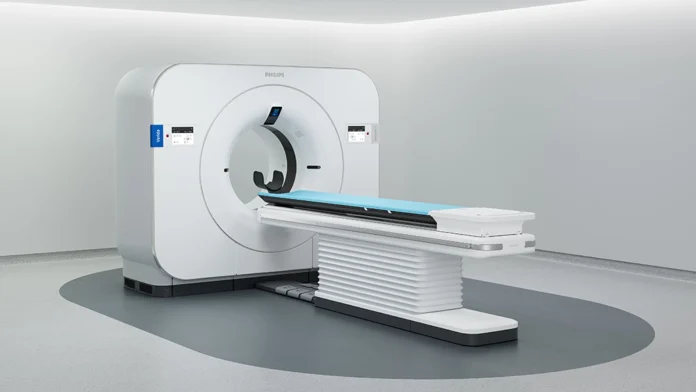
Philips has secured FDA 510(k) clearance for its AI-powered Spectral CT Verida system, marking a significant step in advancing imaging capabilities. Introduced in December 2025, the platform is positioned as the first detector-based spectral CT system fully powered by artificial intelligence. The development reflects the companyโ€™s push to integrate AI across diagnostic imaging processes, aiming to enhance performance and clinical usability.

The system has been engineered to optimize the entire imaging workflow, from acquisition to reconstruction. By leveraging AI, it reduces system noise, improves image clarity, and accelerates clinical processes. Designed for seamless integration, the platform delivers PACS-native outputs and embeds directly into existing workflows. Spectral imaging enables the analysis of how tissues absorb varying X-ray energy levels, allowing detector-based systems to generate multiple spectral outputs from a single scan without compromising scan time or performance.

The technology is intended for broad clinical application, including radiology, interventional radiology, and cardiology. It also supports oncology workflows, particularly in treatment preparation and radiation therapy planning. The system combines high-definition conventional imaging with advanced spectral capabilities, while AI-driven reconstruction delivers enhanced image quality with reduced noise. Additionally, the platform is designed to lower radiation dose without affecting diagnostic output and can cut energy consumption by up to 45%.

Powered by third-generation Nano-panel Precise dual-layer detector technology, the system significantly improves processing efficiency. It can reconstruct up to 145 images per second and complete full exams in under 30 seconds, enabling throughput of up to 270 exams daily. This represents a twofold speed increase compared to earlier models. The platform builds on proprietary Spectral Precise Imaging technology, incorporating deep learning to refine imaging outcomes.

Dan Xu, Business Leader of CT at Philips, said:
โ€œWith FDA clearance for Verida, we are bringing the next evolution of spectral CT to more markets. By combining always-on spectral imaging with AI-powered reconstruction, Verida enables clinicians to see more, first time right, supporting faster, more informed decisions and expanding the role of CT across clinical pathways.โ€

GE HealthCare Expands AI Mammography Partnership with RadNet

AI Mammography

GE HealthCare has widened its collaboration with RadNet subsidiary DeepHealth, advancing efforts to accelerate the development and deployment of AI mammography solutions. The announcement aligns with the Society of Breast Imaging (SBI) Annual Symposium taking place in Seattle, underscoring the companiesโ€™ continued focus on innovation in breast cancer screening technologies.

The partnership, initially established in 2024, was designed to support the integration of artificial intelligence across imaging workflows. At its core, the initiative combines DeepHealthโ€™s AI-driven breast cancer screening tools with GE HealthCareโ€™s Senographe Pristina mammography platform. Since then, both companies have progressively expanded the scope of their collaboration, including plans to extend their offerings beyond the U.S. market and enhance the capabilities of their integrated solutions.

Recent developments center on DeepHealthโ€™s Breast Suite, a cloud-based platform comprising modular and interoperable applications tailored for breast imaging environments. When integrated with GE HealthCareโ€™s Pristina Via system, the suite is positioned to enable scalable and efficient screening programs. The updated Breast Suite introduces additional tools designed for compatibility with GE HealthCare systems, including ProFound Pro, which combines Cancer Detection capabilities with Automated Density Assessment. These features provide automated lesion localization, consistent density classification, and improved diagnostic support. The Safeguard Review functionality further enhances workflows by identifying complex cases that may require secondary evaluation.

Commenting on the collaboration, Jyoti Gupta, president and CEO, Womenโ€™s Health and X-ray at GE HealthCare, said:
โ€œAt GE HealthCare, weโ€™re advancing womenโ€™s health through precision care built around the unique needs of women and enhanced by the power of AI. By integrating Breast Suite AI with our Pristina Via mammography system, weโ€™re helping clinicians detect breast cancer early with greater confidence. These innovations move us closer towards truly personalized prevention and care for women.โ€

Dr. Niccolo Stefani, business leader, Population Health & Clinical AI, DeepHealth, added:
โ€œAt DeepHealth, we are committed to bringing the next era of AI-powered health informatics to help stage shift disease. Through our expanded collaboration with GE HealthCare, we are bringing the power of our new Breast Suite to providers around the world to enable early cancer detection, deeper clinical insights, and more confident decisions.โ€

The expanded initiative reflects a continued push toward improving clinical accuracy, workflow efficiency, and global accessibility of AI mammography technologies, reinforcing both companiesโ€™ commitment to advancing womenโ€™s health through data-driven imaging solutions.

Revenue Cycle Management: The Key to Improved Financial Outcomes in Health Care

revenue cycle management healthcare

Margins in health care rarely slip all at once. Instead, they leak in tiny places you barely see until cash gets tight and everyone feels it. Revenue cycle management is where you find and patch those problems so your financial performance starts matching the care you already deliver.

Revenue Cycle Management and Financial Performance

Revenue cycle management (RCM) is the process of turning clinical work into clean revenue. It covers the full path, from scheduling and registration through coding, claims, payment posting and patient billing. When it runs well, your cash flow feels steadier, your reporting looks cleaner and your leaders can plan with fewer surprises.

Financial performance in a hospital setting usually shows up through a handful of practical signals like days in accounts receivable, denial rates, net collection rate, cost to collect and patient responsibility collections. RCM touches every one of those levers, so when you improve RCM, youโ€™re usually improving the important rhythm of money in and out.

Where Revenue Gets Lost

Most revenue loss shows up as small breaks in the process that pile up across hundreds or thousands of encounters. This could be a missing authorization, an eligibility mismatch or a registration error that triggers a claim rejection. It can also occur when a coding miss causes underpayment or a denial fails to be appealed because the work queue is overloaded. A confusing patient statement may sit unaddressed on a counter somewhere.

You can deliver excellent care and still feel financial strain when these gaps stack up. Thatโ€™s why itโ€™s best to start with the basics, like where work slows down, where accuracy slips and where the follow-up stalls.

How Does RCM Increase Revenue?

Rather than chasing โ€œmore billing,โ€ youโ€™re building a system that captures what you already earned so you can collect it with less friction.

Front-End Accuracy

Front-end work sets the tone for everything downstream. Eligibility verification and authorization checks reduce avoidable denials. Accurate demographics decrease billing and follow-up work. Clear financial conversations help patients understand what they owe and when they owe it.

A consistent front end reduces touches per claim, cuts down on resubmissions and gives teams room to breathe, which shows up later as faster cash and fewer write-offs.

Charge Capture and Coding

Charge capture is where revenue can quietly drift. You might notice missing supplies, missed procedures or unlinked documentation. Coding alignment helps you translate clinical reality into payer-ready claims that match guidelines.

Good RCM teams tighten documentation workflows so coding support feels routine. Then you rely on best practices to reduce audit risk and maintain clean compliance.

Denials Prevention and Faster Appeals

Denials are a revenue cycle tax. You can lower it by treating denials like data. Strong claim edits catch issues earlier, and denial tracking shows patterns by payer and department. Targeted training then fixes the root cause.

Appeals also move faster when your queues are structured and your documentation is easy to find. You prevent leakage and recover revenue that would have otherwise been abandoned.

Patient Collections

Patient responsibility is a bigger slice of the pie than it used to be. That shifts the revenue cycle from payer-only mechanics to real communication. Clear statements, easy payment options and consistent follow-ups are all part of this.

Even small improvements matter. If patients understand what they owe, they pay sooner. If they can pay in a way that fits their life, they do so more often. This is one of the more subtle benefits of revenue cycle management in health care because it supports both experience and cash performance.

What Better RCM Does for Hospital Financial Health

When you improve RCM, you should see movement in a few predictable places. It might feel gradual at first and start to compound later.

Days in accounts receivable tend to decline as claims go out cleaner and follow-ups run more smoothly. Denial rates can drop when front-end checks and claim edits are consistent. The net collection rate can rise when fewer claims fall into preventable write-offs and when appeals are kept on track. The cost to collect can be improved by reducing manual touches and repetitive work.

You also get better forecasting. Cash becomes easier to predict, and leadership decisions feel more proactive. That stability supports hiring planning, service line growth and capital decisions. The RCM impact on hospital financial health often shows up as confidence.

Where Health Care Administrative Partners Fits

When you want RCM improvements that stick, you usually prefer a partner over a distant vendor. Healthcare Administrative Partners positions its work to maximize revenue for the physicians it serves through best-practice processes and strict compliance. The focus is to collect all appropriate income, reduce avoidable audit risk and keep your workflows clean so your teams can stop relying on temporary workarounds.

If you have hesitated to change because a past switch went poorly, this model speaks to that inertia. HAP supports clients through the transition process, aiming to keep it as painless as possible. In some cases, clients see a temporary lift as missed revenue is found during transition cleanup.

The team also brings credibility through active membership in the Radiology Business Management Association (RBMA) and the Healthcare Business Management Association (HBMA). It has also spoken at RBMA, HBMA and Society of Interventional Radiology (SIR) conferences.

Frequently Asked Questions

Here are some common questions about revenue cycle management in health care.

How long does it take to see results from RCM changes?

You can see early wins within weeks when front-end fixes reduce rejections and denials. Bigger performance shifts often take a few months because you are working through aging claims and process adoption.

What usually drives the biggest revenue lift?

Denials prevention and faster follow-up tend to create the clearest lift. Charge capture accuracy and coding alignment also matter because they prevent underpayment and avoidable delays.

How do you measure RCM’s impact on hospital financial health?

Track a small set of KPIs consistently, like days in accounts receivable, denial rate, net collection rate, cost to collect and patient responsibility collections. Then review trends by payer and service line to see where improvements are noticeable.

What should you ask an RCM partner before switching?

Ask how companies plan for transitions and handle weekly reporting during cutover. Also, find out how they standardize workflows across teams and how they handle compliance best practices and denial prevention without adding friction.

Close the Books

RCM works best when it feels a little boring. There are fewer surprises, fewer โ€œwhy is this claim still hereโ€ conversations, and more predictable cash that lets you plan staffing and service growth without holding your breath. If you want to improve financial performance, start by tightening the front end. Then, clean up denials and make patient billing easier to understand. When you are ready to switch partners, choose one that treats the transition like a protected runway rather than a leap of faith.


IgniteData CEO Zach Taft on Data Innovation in Trials

In an exclusive interview with HHM Global, Zach Taft, CEO of IgniteData, provides key insights into the transformation of clinical trial data management and the growing role of seamless data exchange in modern healthcare.

As the clinical research landscape continues to evolve, the need for faster, more efficient data processes has become critical. IgniteData, having achieved significant sponsor growth in 2025, is at the forefront of enabling frictionless data exchange that accelerates drug development and enhances operational efficiency.

During the conversation, Taft discusses how streamlined data integration is helping reduce delays in clinical trials and ensuring that life-saving treatments reach patients sooner. He also highlights IgniteDataโ€™s collaborations with leading U.S. cancer centers and its role in addressing long-standing challenges in oncology trials, particularly in reducing administrative burdens and improving data accessibility for research teams.

The interview further explores the industryโ€™s transition away from traditional Electronic Data Capture (EDC) systems. Taft shares his perspective on what reduced reliance on EDC could mean for clinical research sites and how organizations can adapt to this shift while maintaining data integrity.

Additionally, the discussion touches upon the complexities of expanding across global markets and the importance of ensuring data efficiency across diverse regulatory environments.

Looking ahead, Taft outlines the next wave of innovation in clinical research, emphasizing the importance of interoperability, efficiency, and patient-centric approaches in shaping the future of healthcare.

EMA Pilot to Fast-Track Breakthrough Medical Devices in EU

Medical Devices

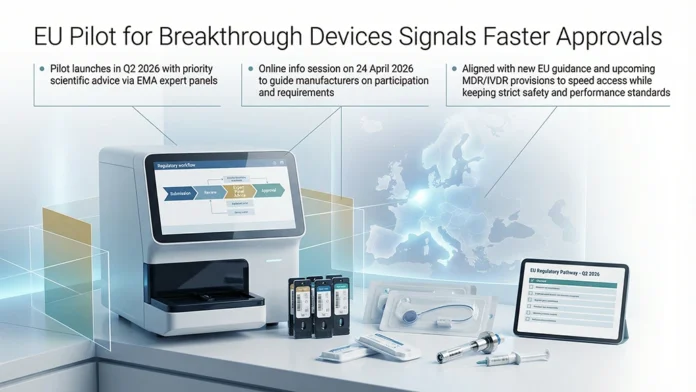
The European Medicines Agency is set to introduce a pilot programme in the second quarter of 2026 aimed at advancing support for breakthrough medical devices and in vitro diagnostics. The initiative is designed to evaluate a regulatory pathway that enables quicker patient access to cutting-edge technologies, without compromising the European Unionโ€™s established standards for safety and performance. Under this programme, manufacturers of designated products will receive enhanced regulatory engagement alongside priority scientific advice delivered through expert panels managed by the agency.

In preparation for the rollout, the European Medicines Agency has scheduled an online information session on 24 April 2026. The session will outline key elements of the Breakthrough Devices framework and address practical considerations for stakeholders intending to participate. This step is expected to help manufacturers better understand procedural requirements and align early with regulatory expectations.

The pilot draws from the recently adopted MDCG 2025-9 guidance issued by the Medical Device Coordination Group. It also aligns with broader regulatory revisions proposed by the European Commission in December 2025, which introduced new provisions under Article 52a of the Medical Devices Regulation and Article 48a of the In Vitro Diagnostic Regulation. These updates aim to formalise a future framework for breakthrough medical technologies within the EU.

Positioned as a strategic move, the programme reinforces efforts to foster an innovation-oriented regulatory landscape across Europe. To secure a breakthrough designation, manufacturers must seek an opinion from the agencyโ€™s expert panels, with additional guidance and application templates expected ahead of the launch. The pilot also supports wider objectives tied to public health priorities, ensuring that advanced medical technologies entering the EU market continue to meet stringent quality, safety, and performance benchmarks. The Breakthrough Devices pilot is therefore expected to play a defining role in shaping future regulatory processes while strengthening confidence in high-impact innovations. The Breakthrough Devices pilot further underlines the EUโ€™s commitment to balancing innovation with robust oversight.

Siemens Healthineers, Cook Medical Introduce iMRI Suite

Siemens Healthineers

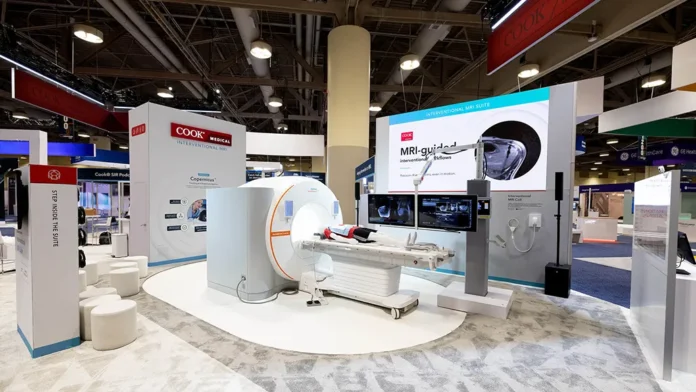
Siemens Healthineers and Cook Medical have introduced a fully integrated interventional magnetic resonance imaging suite, marking a new phase in their collaboration on MRI-guided procedures. The announcement was made at the Society of Interventional Radiology (SIR) 2026 Annual Scientific Meeting, where both companies showcased the system designed to support minimally invasive interventions without the use of ionizing radiation. This MRI Suite launch represents a significant step forward in combining imaging, devices, and workflow systems into a single clinical environment.

The integrated solution brings together real-time MRI capabilities with MR-conditional interventional tools and structured clinical workflows. It builds on a partnership formalised in September 2025, when the two companies aligned their expertiseโ€”pairing Siemens Healthineersโ€™ imaging technologies with Cook Medicalโ€™s procedural specialisation. The system incorporates devices specifically developed for MRI environments alongside the Magnetom Free.XL platform, creating a unified framework for interventional imaging and treatment delivery.

Within the suite, multiple components are integrated to streamline clinical use and expand procedural capabilities:

  • Advanced imaging technology designed for real-time guidance during interventions
  • Purpose-built interventional devices tailored for MRI compatibility
  • Suite planning support and clinical education resources
  • Integration with SIR VIRTEX, a clinical data registry and analytics platform
  • Continuous data feedback to enhance procedural learning and outcomes

The companies state that this MRI Suite launch enables physicians to perform procedures that benefit from enhanced soft-tissue visibility while avoiding radiation exposure. Applications include oncology and soft-tissue interventions, with use cases spanning biopsies, ablations, and procedures in pediatric and cardiac care. According to Peter Polverini III, VP of Cook Medicalโ€™s iMRI division, โ€œThe iMRI Suite is more than a technology; itโ€™s a fundamental shift in how we approach intervention. By bringing together advanced imaging, purpose-built devices, and integrated workflows, we are enabling physicians to see more, treat with greater precision, and ultimately deliver better outcomes without exposing patients or care teams to radiation.โ€

Pete Yonkman, president of Cook Medical and Cook Group, added: โ€œMRI offers unique advantages for image-guided intervention, particularly for procedures involving soft tissue. Through our collaboration with Siemens Healthineers and leading clinicians, we are working to advance the development of radiation-free interventional approaches.โ€ Andreas Schneck, head of Magnetic Resonance at Siemens Healthineers, said: โ€œAt Siemens Healthineers, it is our goal to elevate health globally. Magnetom Free.XL is designed to unlock the full potential of MR in the interventional suite, expanding the imaging toolbox by matching the right modality to the right patient at the right time.โ€

Helium Shortage Impact Reshapes Global Healthcare Operations

helium shortage impact

The global helium shortage impact is increasingly reshaping healthcare operations, moving from a supply-side concern to a direct clinical and operational risk. While helium has long been treated as a background industrial input, recent geopolitical disruptions and structural supply limitations are exposing its critical role across diagnostic imaging, research, and broader healthcare infrastructure.

The current shortage is largely driven by concentrated global production and geopolitical instability. A significant share of helium supply originates from Qatar, with exports heavily dependent on transit routes such as the Strait of Hormuz. Disruptions in this corridor, alongside damage to production infrastructure, have constrained global availability. Since helium is a by-product of natural gas extraction, its supply cannot be easily scaled in response to demand, further tightening market conditions.

MRI systems at the centre of the disruption

Magnetic Resonance Imaging (MRI) remains the most exposed segment within healthcare. These systems rely on liquid helium to cool superconducting magnets to temperatures close to absolute zero, enabling stable, high-resolution imaging.

  • MRI scanners typically require around 1,500 litres of liquid helium
  • Healthcare accounts for nearly 30% of global helium consumption
  • Helium has no viable substitute in MRI cooling systems
  • Periodic refilling is required throughout a scannerโ€™s lifecycle

As supply tightens, radiology departments face increasing uncertainty around maintenance and refilling cycles. Unlike sudden equipment failures, helium shortages create a gradual decline in system reliability. Reduced helium levels can limit scanning capacity, increase downtime risks, and complicate servicing.

This directly affects diagnostic workflows. Delays in MRI availability can extend timelines for cancer detection, neurological assessments, and surgical planning, placing additional strain on already burdened healthcare systems.

Expanding impact across clinical and research applications

Beyond MRI, the helium shortage impact extends into multiple layers of healthcare and life sciences:

  • Nuclear Magnetic Resonance (NMR): Essential for drug development, molecular analysis, and pharmaceutical quality control
  • Cryogenic research systems: Used in advanced biological and medical research requiring ultra-low temperatures
  • Specialised surgical and laboratory processes: Where inert, ultra-cold environments are necessary

These applications rely on heliumโ€™s unique ability to maintain extremely low temperatures without chemical reactivity. Its physical properties make substitution impractical, meaning shortages can halt or delay critical research and laboratory operations.

Cost pressures and procurement instability

The shortage has triggered sharp price increases, with helium costs rising by an estimated 50โ€“70% in recent months. For healthcare providers, this translates into immediate financial pressure, particularly for institutions operating multiple MRI units or large research facilities.

Procurement is further complicated by heliumโ€™s storage limitations. Due to its low boiling point and tendency to escape containment, long-term stockpiling is not viable. Most healthcare systems depend on continuous supply, leaving them exposed to market volatility and logistical disruptions.

This has forced procurement teams to prioritise allocation, renegotiate supplier contracts, and explore alternative sourcing strategies, often under tight operational constraints.

System-wide ripple effects on healthcare infrastructure

The helium shortage is also revealing deeper interdependencies within healthcare supply chains. The same geopolitical disruptions affecting helium are influencing energy markets, shipping routes, and industrial inputs.

  • Semiconductor productionโ€”dependent on heliumโ€”may face constraints, affecting medical devices and digital health technologies
  • Pharmaceutical manufacturing faces rising costs due to energy and logistics disruptions
  • Transport bottlenecks are increasing lead times for critical medical supplies and equipment

These interconnected pressures highlight how upstream resource constraints can cascade into healthcare delivery, affecting both clinical services and supporting infrastructure.

HHM Global notes that such disruptions underline the growing need for resilience across healthcare systems, where access to critical materials directly influences service continuity and patient outcomes.

Industry response: reducing dependency and improving resilience

Healthcare providers and equipment manufacturers are actively adapting to mitigate supply risks. Several strategies are gaining traction:

  • Low-helium MRI systems: Newer designs significantly reduce helium usage, with over 1,000 units deployed globally
  • Helium recycling technologies: Systems that capture and reliquefy helium, enabling reuse within facilities
  • Supplier diversification: Reducing reliance on single geographic sources
  • Operational prioritisation: Allocating helium to critical applications during shortages

Helium recovery systems, in particular, are emerging as a key solution. By creating closed-loop usage models, hospitals can reduce dependence on external supply while maintaining imaging and research continuity.

HHM Global highlights that such technological adoption reflects a broader shift toward operational self-sufficiency, particularly in environments where uninterrupted diagnostic capability is essential.

Long-term outlook: from commodity to critical asset

The current crisis is repositioning helium as a strategic healthcare resource rather than a routine consumable. Its role in sustaining diagnostic capacity, research capability, and advanced medical technologies makes it integral to modern healthcare infrastructure.

In the long term, addressing the helium shortage impact will require a combination of supply diversification, technological innovation, and more efficient resource management. Expanding production, improving recycling systems, and prioritising critical healthcare usage will be central to stabilising the market.

For healthcare systems, the lesson is structural: resilience now depends not only on clinical expertise and infrastructure, but also on securing access to critical materials that underpin everyday medical operations.

Translate ยป