










Close
Digital Health & Ai Innovation summit 2026
Medical Taiwan 2026

Best ABA Practice Management Platforms to Improve Clinic Workflow

ABA practice management platforms to improve clinic workflow

Workflow problems in ABA clinics rarely announce themselves all at once. They accumulate gradually a billing error here, a missed authorization there, a supervisor spending an extra hour tracking down session data that should have been available in seconds. Over time, these friction points add up to something significant: therapists buried in documentation, administrators chasing claims, and clinical leaders without the real-time visibility they need to make good decisions.

The right practice management platform does not just digitize existing processes. It restructures them. It removes the manual steps between care delivery and billing, gives every role in the clinic the information it needs without requiring someone else to compile and send it, and makes routine administrative tasks scheduling, reminders, authorization tracking, progress reporting happen automatically in the background while the clinical team focuses on clients.

This guide covers the five best ABA practice management platforms for improving clinic workflow in 2026. Each review examines what the platform does best, where it has limits, how it affects day-to-day operations for different roles in the clinic, and which type of practice it fits.

Platform Reviews

1. Theralytics โ€” Best Overall for Clinic Workflow Improvement
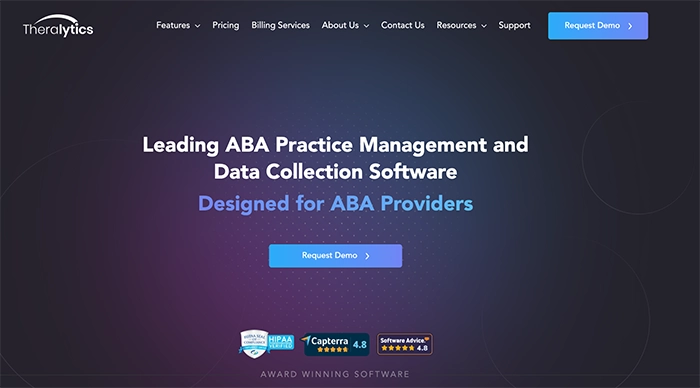
Theralytics

Theralytics is the platform most directly built around the goal of workflow efficiency. Every major function a clinic needs data collection, scheduling, billing, authorization management, progress reporting, parent communication sits inside a single connected system. That connection is not just a convenience. It is the mechanism through which workflow improves. When clinical data does not have to be manually transferred into billing, when schedules update in real time across every device, when progress graphs generate automatically after each session, the hours that administrative and clinical staff spend on manual tasks shrink significantly.

The design philosophy behind Theralytics is visible in how each role in the clinic interacts with the platform. RBTs get a fast, intuitive data entry experience with offline capability no dropped sessions because of unreliable internet, no end-of-day scramble to recreate data that was not saved. BCBAs get automated graphing and real-time progress data that supports timely treatment decisions without manual charting. Administrators get billing that integrates directly with session records, reducing the re-entry and reconciliation work that is one of the most common sources of claim errors. Supervisors get a real-time view of the schedule and session activity across the entire team.

For clinics dealing with the specific workflow problem of staff onboarding every new hire representing a temporary dip in operational efficiency Theralytics is notable for how quickly new users reach proficiency. Most staff are fully comfortable within two to three days of implementation. That speed matters not just for individual hires but for the cumulative impact on a clinic that is growing and onboarding regularly.

Theralytics also addresses workflow at the administrative level through authorization tracking, reports, and caregiver portal that gives families scheduling visibility and progress access without requiring staff to manually communicate that information. These automations remove a category of routine tasks from the administrative workload entirely.

On the compliance side, the platform meets 2026 HHS Technical Safeguard requirements including biometric MFA and real-time audit trails. SOC 2 Type II certification provides independently audited proof of ongoing data security a meaningful distinction from platforms that rely on self-reported compliance claims.

Theralytics is also the only platform on this list with publicly listed pricing. The per-client model scales predictably, and a free startup tier gives new clinics a runway to get established before costs begin. For practices evaluating software against a budget, the ability to model costs without entering a sales process is a practical workflow improvement before the platform is even implemented.

Pricing: Free startup package (6 months or until first client) | $20/client/month for Practice Management or Data Collection | $30/client/month for both combined.

Ideal for: Clinics of any size that want comprehensive workflow improvement across clinical and administrative functions in one connected, scalable platform with fast staff onboarding and transparent pricing.

2. Raven Health โ€” Best for Improving Workflow in Field-Based and Mobile Teams
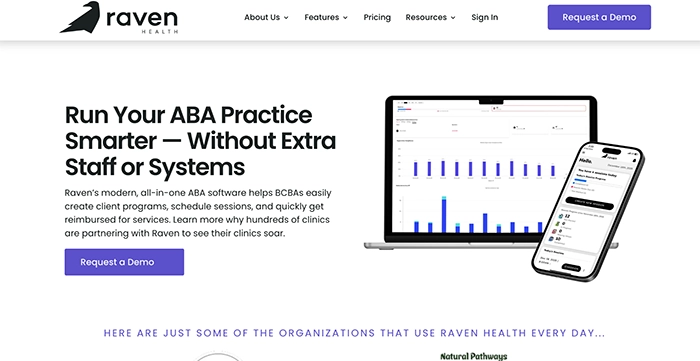
Raven Health

Raven Health addresses a specific and common workflow problem: the friction that builds up when therapists are delivering services across multiple locations homes, schools, community settings and the tools they are using were designed for a desk. Data gets entered late, session notes accumulate at the end of the day, coordination between field therapists and supervisors requires separate communication channels, and the result is a documentation lag that affects both clinical accuracy and billing timeliness.

Raven Health was built by a BCBA who worked in exactly those conditions, and the platform reflects that origin directly. The mobile app is the core product built for phones and tablets first, with an interface designed for the pace and physical constraints of in-home and school-based therapy. Data entry happens at the point of care. Offline mode keeps the workflow running in settings where internet access is unreliable, with automatic syncing when connectivity returns. There is no version of Raven Health where field therapists are entering session data hours after the fact because the mobile experience was too cumbersome to use in the moment.

AI-generated session notes are one of the platform’s most direct workflow improvements. Session documentation is one of the largest non-clinical time commitments for field-based therapists, and reducing that burden meaningfully while maintaining clinical quality translates into time that can be redirected toward clients or toward ending the workday at a reasonable hour. The built-in caregiver communication tools streamline family coordination that would otherwise happen through phone calls, texts, or separate messaging apps.

For clinics that want to simplify the billing workflow alongside the clinical one, Raven Health’s managed billing service is available as an add-on. Rather than building an internal billing operation, clinics can keep their clinical and financial data in one system while the revenue cycle work is handled by the vendor.

The platform is best suited for small to midsize clinics rather than large enterprises, and some features continue to mature as the product develops. Pricing requires a direct conversation with the vendor.

Pricing: Custom contact Raven Health directly.

Ideal for: Clinics whose workflow problems are rooted in field-based delivery documentation lag, mobile data entry friction, coordination gaps between therapists and supervisors and who need a platform designed for the reality of in-home and school-based ABA.

3. ABA Matrix โ€” Best for Improving Clinical Workflow Through Customization
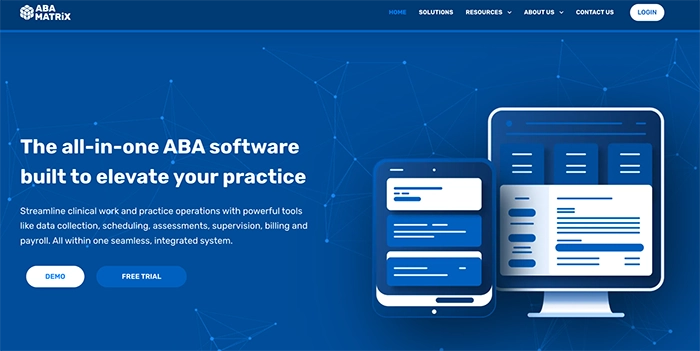
ABA Matrix

Most workflow problems in ABA clinics fall into one of two categories: administrative friction or clinical friction. ABA Matrix is built to address the second kind. When BCBAs are spending time building workarounds because the software does not support their clinical approach, when data collection formats do not match the way the clinic actually measures behavior, when reporting has to be manually reformatted before it is useful those are clinical workflow problems, and they are the ones ABA Matrix is designed to solve.

The platform allows BCBAs to configure programs, data collection formats, target structures, and reporting outputs to match the clinic’s clinical model precisely. Multiple ABA methodologies can run within the same system without conflict. The assessment and curriculum libraries provide a strong clinical foundation that reduces the time BCBAs spend building programs from scratch for each new client. Reporting is flexible enough to reflect the clinical priorities the team has actually defined, rather than defaulting to generic templates that have to be interpreted before they are actionable.

The workflow improvement ABA Matrix delivers is the reduction of clinical workarounds the manual adjustments, the parallel spreadsheets, the offline documentation that happens because the software cannot accommodate the way the clinic operates. For teams that currently spend time working around their platform’s clinical limitations, moving to a system that matches their approach can reclaim significant hours each week.

The tradeoffs are real and worth naming. ABA Matrix carries a steep learning curve. Initial configuration is involved and requires dedicated time from experienced clinical staff. The interface is less modern than newer platforms. Support responsiveness has been noted as inconsistent. These are genuine friction points during implementation that a clinic needs to plan for. Once the system is configured, however, the clinical workflow it enables is difficult to match with off-the-shelf alternatives.

Pricing: Custom contact ABA Matrix directly.

Ideal for: Established clinics with experienced clinical teams where workflow problems are rooted in clinical limitations mismatched data collection formats, inflexible programming structures, reporting that does not reflect the clinic’s actual clinical model.

4. Rethink Behavioral Health โ€” Best for Improving Workflow Through Staff Consistency
Rethink Behavioral Health

There is a category of workflow problem that does not appear on any feature comparison chart: the inefficiency created by inconsistency across a clinical team. When different therapists document sessions differently, when new hires require weeks of one-on-one supervision before they can work independently, when clinical quality varies depending on who is assigned to a case those inconsistencies create workflow friction for supervisors, for administrators, and for the families receiving care.

Rethink Behavioral Health addresses workflow at that level. Rather than optimizing individual tasks, it builds consistency across the entire team through integrated training, standardized clinical resources, and a staff development infrastructure that reduces the supervisory overhead that inconsistency creates. The built-in RBT certification program allows clinics to train and certify new hires without external costs or scheduling dependencies. The video training library covers ABA principles through specific intervention strategies, and the evidence-based curricula give BCBAs structured program content that reduces the time spent building from scratch.

The workflow benefit is most visible in how quickly new staff reach the point where they can operate independently. When onboarding includes both clinical training and software proficiency simultaneously when a new therapist is learning ABA procedures and the documentation platform at the same time, using the same system the supervisor’s involvement tapers off faster and the workflow impact of bringing on new staff is smaller.

The parent portal and family education resources extend this consistency beyond the clinic. Families who understand treatment goals and know how to support skill development at home generate fewer clarification calls, fewer re-explanations, and fewer coordination tasks for the clinical team. That reduction in external communication friction is a real workflow improvement even if it does not appear in a list of platform features.

The clinical and administrative tools treatment planning, data collection, scheduling, billing are solid and cover day-to-day operational needs. Some users note the interface is less modern than newer platforms, and occasional syncing delays have been reported.

Pricing: Custom contact Rethink Behavioral Health directly.

Ideal for: Clinics where workflow inefficiency is driven by team inconsistency variable documentation quality, high onboarding overhead, supervision bottlenecks and where building standardized clinical practices across a growing team is the primary goal.

How to Choose

Workflow improvement starts with identifying where your workflow is actually breaking down. A clinic losing hours to billing corrections needs a different solution than one losing hours to documentation lag in the field. A clinic whose BCBAs are building clinical workarounds needs a different platform than one whose supervisors are spending too much time onboarding new therapists. The clearer you are about the specific problem, the easier the platform choice becomes.

When evaluating any platform, require SOC 2 Type II certification, mandatory biometric MFA, and AES-256 encryption these are the baseline security standards for 2026, not optional extras. Use trial periods to test platforms against the actual workflows your team uses every day, not scenarios the vendor has set up to look good. Speak with current users at clinics similar to yours in size and service model. Their experience will reflect the platform’s real performance under the conditions you will face.

Factor in the total cost of implementation, not just the monthly fee. Training time, configuration effort, data migration, and onboarding overhead are real costs that vary significantly across platforms. A platform that costs more per month but gets your team operational in three days may cost less in practice than one that is cheaper per month but takes six weeks to implement.

Conclusion

Workflow improvement in an ABA clinic is not about adding more software it is about removing the friction between the work your team is already doing. The five platforms reviewed here each address that friction from a different angle.

Theralytics delivers the most comprehensive workflow improvement across clinical and administrative functions, with transparent pricing and fast staff onboarding that makes it the strongest overall choice for most clinics. Raven Health solves the documentation and coordination friction that builds up in field-based teams. ABA Matrix removes clinical workflow limitations for established teams that need precise control over how programs and data are structured. Rethink Behavioral Health builds the team consistency that reduces supervision overhead and onboarding friction as a practice grows.

The right platform is the one that removes the specific friction slowing your clinic down and gets out of the way so your team can focus on delivering care.
Predictive Maintenance for Biomedical Equipment Reliability

predictive maintenance

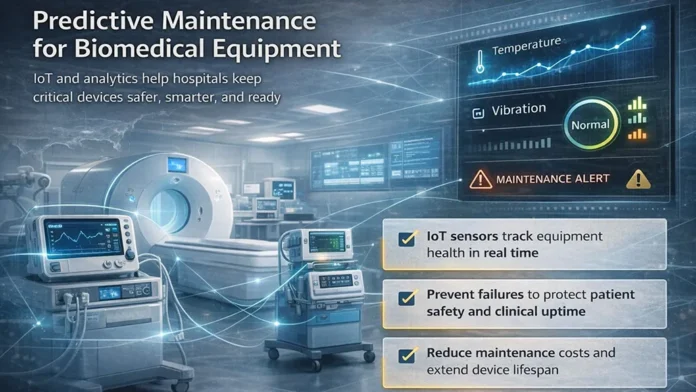
The reliability of biomedical equipment is a cornerstone of modern healthcare delivery. From life-sustaining ventilators and infusion pumps to complex diagnostic tools like MRI and CT scanners, the seamless operation of these devices is directly linked to patient outcomes and hospital efficiency. Historically, the maintenance of such systems followed two primary models: reactive maintenance, where repairs occur after a failure, and preventive maintenance, which involves scheduled servicing based on time intervals or usage metrics. While both have their place, they are increasingly being superseded by the more sophisticated paradigm of predictive maintenance. This data-centric approach uses advanced sensors, the Internet of Things (IoT), and machine learning to monitor the real-time health of medical devices, identifying potential issues before they manifest as critical failures.

The Limitations of Traditional Maintenance Strategies

Reactive maintenance is perhaps the most disruptive and costly approach in a clinical setting. When a vital piece of equipment fails unexpectedly, it can lead to canceled procedures, emergency repair costs, and, most importantly, compromised patient care. Preventive maintenance, while an improvement, often leads to “over-maintenance” or “under-maintenance.” Servicing a machine simply because a calendar date has arrived can result in unnecessary downtime and the premature replacement of perfectly functional components. Conversely, a machine that is heavily used might develop a fault between scheduled services, leading to a breakdown that preventive schedules failed to catch. Predictive maintenance addresses these inefficiencies by basing maintenance actions on the actual condition and performance of the equipment.

The Technological Engine: IoT and Data Analytics

At the heart of any predictive maintenance strategy is the continuous flow of data from the equipment to a central monitoring system. Modern biomedical devices are increasingly “smart,” equipped with internal sensors that track everything from temperature and vibration to power consumption and duty cycles. By integrating these devices into a hospital-wide IoT network, clinical engineers can gain a holistic view of the entire asset fleet. Data analytics platforms then process this information, using historical performance data to establish a “normal” baseline for each device. When the system detects a subtle deviation from this baseline such as a slight increase in operating temperature or a minor change in a motor’s vibration pattern it can flag the device for inspection long before a human operator would notice a problem.

Enhancing Patient Safety and Clinical Uptime

The most compelling argument for adopting predictive maintenance in healthcare is its direct impact on patient safety. In high-stakes environments like intensive care units or operating rooms, equipment failure is not just an inconvenience it is a life-threatening risk. By anticipating failures, hospitals can ensure that backup units are ready or that repairs are conducted during low-usage periods, such as overnight or between scheduled surgeries. This level of foresight eliminates the chaos associated with emergency repairs and allows clinical teams to focus entirely on patient care with full confidence in their technology. Moreover, predictive maintenance ensures that devices are always operating at their peak calibrated performance, which is essential for accurate diagnostics and effective treatment.

Cost Optimization and Asset Lifecycle Extension

From a financial perspective, predictive maintenance offers significant advantages over traditional models. By intervening only when necessary, hospitals can reduce the labor and parts costs associated with unnecessary preventive servicing. Additionally, because the system catches minor issues before they escalate into major mechanical failures, the overall cost of repairs is typically lower. Over the long term, this proactive care extends the useful life of the asset. A well-monitored machine that never experiences a catastrophic failure will naturally last longer and provide a better return on investment than one that is subject to the stresses of repeated breakdowns and emergency fixes. This optimization of the maintenance cycle allows for more strategic capital planning and better budget allocation across the biomedical department.

Integration with Hospital Information Systems

To be truly effective, predictive maintenance data should not exist in a silo. Integrating these insights with broader Hospital Information Systems (HIS) and Computerized Maintenance Management Systems (CMMS) creates a powerful ecosystem for healthcare management. When a predictive alert is triggered, the system can automatically generate a work order, check the inventory for necessary spare parts, and even look at the clinical schedule to suggest the best time for the technician to access the device. This level of automation reduces the administrative burden on clinical engineers and ensures that maintenance activities are perfectly aligned with the hospital’s operational flow.

Challenges in Implementing Data-Driven Maintenance Models

Despite its clear benefits, the transition to predictive maintenance is not without obstacles. One of the primary challenges is data interoperability. Hospitals often have a diverse mix of equipment from different manufacturers, many of which use proprietary data formats. Creating a unified platform that can ingest and analyze data from multiple sources requires significant technical expertise and investment. Furthermore, there is the human element: clinical engineering teams must be trained to work with data analytics and AI-driven alerts. Moving from a “wrench-turning” culture to a “data-interpreting” culture requires a shift in mindset and ongoing professional development.

HHM Global observes that security is another critical concern. As biomedical devices become more connected, they also become potential entry points for cyberattacks. A predictive maintenance system must be built on a secure foundation, with robust encryption and strict access controls to protect both the equipment’s operational integrity and any patient data that might be associated with the device’s usage logs. Ensuring that the pursuit of maintenance efficiency does not compromise the hospitalโ€™s cybersecurity posture is a paramount responsibility for IT and biomedical leadership.

The Role of Artificial Intelligence and Future Trends

As artificial intelligence (AI) and machine learning (ML) continue to evolve, the capabilities of predictive maintenance will only grow. Future systems will likely move beyond simple threshold-based alerts to complex “prescriptive” analytics. Not only will the system predict a failure, but it will also recommend the specific repair steps and provide a probability score for different outcomes. We may also see the rise of “digital twins,” where a virtual model of a physical piece of equipment is maintained in the cloud. This digital twin can be used to simulate different usage scenarios and stress-test the equipment without taking the physical unit out of service. This level of sophistication will make biomedical equipment management more precise and predictable than ever before.

In conclusion, the adoption of predictive maintenance represents a fundamental shift in how we manage the lifeblood of modern medicine. By moving away from the limitations of the past and embracing the data-driven possibilities of the future, healthcare organizations can create a more resilient, efficient, and safer environment for both staff and patients. The journey toward a fully predictive clinical environment requires investment in technology and people, but the results higher uptime, lower costs, and better care make it an essential path for any forward-looking healthcare system. The era of waiting for things to break is over the era of knowing they might break and stopping it before it happens has begun.

Equipment as a Service: CAPEX to OPEX Shift in Healthcare

equipment as a service

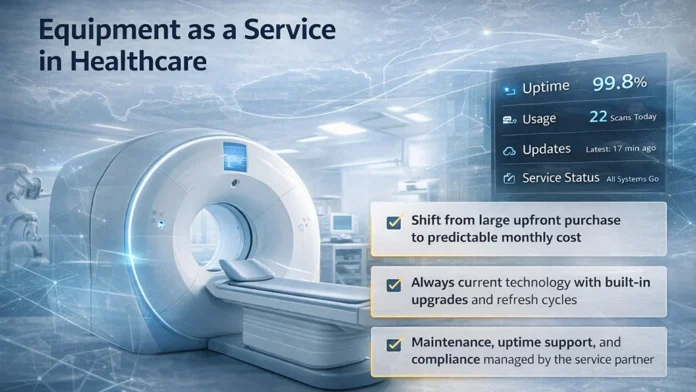
The global healthcare landscape is currently undergoing a profound structural shift driven by the dual pressures of rapid technological advancement and tightening fiscal constraints. For decades, the acquisition of high-value medical assets like MRI scanners, robotic surgical systems, and linear accelerators followed a rigid capital expenditure (CAPEX) model. Hospitals and healthcare systems would commit massive upfront sums to own these assets, often tethering themselves to technologies that might become obsolete within a few years. However, the emergence of equipment as a service has fundamentally altered this paradigm, offering a more agile, subscription-based approach that mirrors the “as-a-service” revolution seen in the software industry. By shifting financial responsibility from capital budgets to operational expenditure (OPEX), healthcare organizations can align their spending with actual utilization and clinical outcomes.

The Economic Imperative for Financial Flexibility

Traditional procurement methods often force healthcare administrators into difficult choices between maintaining a healthy balance sheet and providing clinicians with the latest diagnostic tools. When a facility chooses a CAPEX approach, it locks up liquidity in a depreciating asset. This frozen capital cannot be easily redeployed for urgent operational needs or emergency upgrades. In contrast, equipment as a service allows for a pay-per-use or monthly subscription model. This ensures that cash flow remains predictable and manageable, reflecting the actual revenue generated by the equipment. This synchronization of cost and revenue is particularly vital for private clinics and community hospitals that operate on thin margins and require high levels of fiscal transparency.

The transition to an OPEX-centric model also simplifies the accounting complexities associated with asset depreciation and tax implications. Under many equipment as a service agreements, the service provider retains ownership and responsibility for the asset’s lifecycle. This means the healthcare provider does not have to worry about the declining value of the machine or the eventual costs of decommissioning and disposal. Instead, they focus on the clinical value delivered. This shift essentially transforms a lumpy, unpredictable capital expense into a smooth, recurring operational cost that is much easier to forecast and justify to stakeholders and boards of directors.

Technological Agility and the Battle Against Obsolescence

One of the most significant risks in healthcare technology management is the speed of innovation. A state-of-the-art imaging system purchased today might be surpassed by a more precise, faster model in three years. In a CAPEX world, the hospital is stuck with the older machine until it is fully depreciated or until a new capital cycle begins. Equipment as a service mitigates this “obsolescence trap” by building technology refreshes into the service contract. Since the provider owns the fleet, they are incentivized to keep the equipment updated to ensure peak performance and customer satisfaction. This ensures that patients always have access to the highest standards of care without the hospital needing to initiate a new procurement battle every few years.

Streamlining Maintenance and Operational Uptime

Beyond the financial and procurement advantages, equipment as a service integrates maintenance, repairs, and software updates into a single comprehensive package. In the old model, a machine breakdown often triggered a sequence of bureaucratic hurdles: getting quotes, securing approvals, and then waiting for parts. When equipment is delivered as a service, the provider is typically bound by strict service level agreements (SLAs) that guarantee a certain percentage of uptime. This places the burden of reliability squarely on the shoulders of the manufacturer or service partner. They are motivated to perform proactive maintenance and use remote monitoring to prevent failures before they occur, as their revenue is often tied to the machineโ€™s availability.

Data-Driven Insights and Utilization Tracking

The “as-a-service” model naturally lends itself to deeper data integration. Providers of equipment as a service often include sophisticated tracking and analytics tools that monitor how frequently a machine is used and for which types of procedures. This data provides healthcare administrators with invaluable insights into clinical workflows and asset utilization. If a particular piece of equipment is underutilized, the contract might allow for it to be swapped for a different asset or for the service level to be adjusted. This level of granular control was previously impossible under ownership models, where an idle machine simply sat as a “sunk cost” on the balance sheet.

Risk Mitigation and Lifecycle Management

The lifecycle of medical equipment involves more than just purchase and use it includes rigorous regulatory compliance, cybersecurity updates, and ethical disposal. Managing these aspects in-house requires a significant amount of specialized expertise and administrative overhead. By leveraging equipment as a service, hospitals effectively outsource these risks to specialists. The service provider ensures that the equipment remains compliant with the latest healthcare regulations and that all data security protocols are strictly followed. This is especially critical in an era where medical devices are increasingly interconnected and vulnerable to cyber threats. The providerโ€™s expertise in device security becomes a protective layer for the hospitalโ€™s overall network.

Furthermore, HHM Global notes that the environmental impact of medical waste is a growing concern. Professional equipment as a service providers usually have established “circular economy” practices for the end-of-life stage of their products. They can refurbish, recycle, or ethically dispose of old units far more efficiently than an individual hospital could. This not only supports the healthcare facilityโ€™s sustainability goals but also ensures that no hazardous materials or sensitive patient data are left on decommissioned hardware.

The Future of Procurement in Modern Healthcare Systems

As healthcare systems continue to consolidate and seek greater efficiencies, the adoption of equipment as a service is likely to accelerate. We are moving toward a future where hospitals see themselves as providers of care rather than owners of hardware. This “asset-light” strategy allows for greater focus on patient outcomes and staff satisfaction. Clinicians benefit from always having the most modern tools at their disposal, while administrators benefit from a financial model that is resilient to market volatility and technological disruption. The shift from CAPEX to OPEX is not merely an accounting trick it is a strategic repositioning that prepares healthcare organizations for the complexities of the 21st century.

In conclusion, the rise of equipment as a service represents a milestone in the maturity of the healthcare industry. It acknowledges that the value of medical technology lies in its use, not its ownership. By embracing this model, healthcare facilities can ensure they remain at the forefront of clinical excellence, maintain robust financial health, and offer the best possible care to their communities. The transition requires a change in mindset, moving away from the pride of ownership toward the efficiency of partnership, but the rewards in terms of flexibility, reliability, and innovation are well worth the effort.

Healthcare Financing Models Supporting Modern Care Delivery

Healthcare financing models supporting modern care delivery

The Shift Toward Value-Based Care and Outcomes

The central theme of modern medical economics is the move toward value-based care a model where providers are reimbursed based on the quality and effectiveness of the care they provide, rather than the quantity of services performed. For decades, the fee-for-service model inadvertently encouraged a “more is better” approach, leading to redundant testing, unnecessary procedures, and a fragmented patient experience. Today, healthcare financing models supporting modern care delivery are designed to reverse this trend, rewarding clinicians for keeping patients healthy and for successfully managing chronic conditions. This shift is essential for the long-term health of the entire healthcare system, as it aligns the financial interests of the provider with the health interests of the patient. By focusing on outcomes, we are moving toward a more rational and effective allocation of resources that prioritizes the most impactful interventions.

Furthermore, value-based care models such as Accountable Care Organizations (ACOs) and bundled payments foster a more collaborative and multidisciplinary approach to medicine. When a single payment covers the entire episode of care for a procedure like a knee replacement, the surgical team, the physical therapist, and the home health nurse are all incentivized to work together to ensure the best possible result. This coordination reduces the risk of complications and readmissions, which are both costly for the system and detrimental to the patient. This integrated approach is a hallmark of modern healthcare financing models, proving that fiscal responsibility and clinical excellence are not mutually exclusive but are in fact deeply interdependent. By breaking down the financial silos of the past, we are creating a more unified and supportive care environment for every patient. It is a commitment to quality that is backed by the economic power of the system.

Insurance Innovation and the Rise of Precision Financing

The insurance sector is undergoing a profound transformation as it adapts to the needs of modern care delivery. Health insurance innovation involves the use of advanced analytics and behavioral economics to create more personalized and responsive coverage plans. Instead of a “one-size-fits-all” premium, insurers are increasingly offering incentives for healthy behaviors, such as meeting exercise targets tracked by a wearable device or participating in preventative screening programs. This proactive approach is a key part of healthcare financing models supporting modern care delivery, as it shifts the focus of insurance from a reactive “payer of claims” to a proactive “partner in health.” By encouraging wellness and early intervention, innovative insurance models are helping to reduce the long-term burden of chronic disease and lower the overall cost of care for everyone.

Moreover, the rise of “precision financing” allows for the coverage of high-cost, high-impact treatments that were previously difficult to fund. For example, some insurers are now offering specialized payment models for gene therapies and personalized oncology treatments, which can cost hundreds of thousands of dollars but offer the potential for a cure. These models might involve “pay-for-performance” contracts, where the cost of the therapy is only paid if it achieves a specific clinical milestone. This level of financial innovation is essential for ensuring that the most advanced medical science is accessible to the patients who need it most. By managing the financial risks of innovation, insurers are playing a vital role in the advancement of medicine. They are providing the economic “bridge” that allows scientific discovery to be translated into clinical reality, ensuring that the next generation of therapies is not only discovered but also delivered.

Healthcare Cost Management and Operational Optimization

In an environment of constrained resources, effective healthcare cost management is a fundamental requirement for every clinical institution. This involves more than just cutting expenses; it is about the “smart” optimization of every dollar spent. Modern financing models utilize data-driven insights to identify inefficiencies in clinical workflows, supply chain management, and administrative operations. For example, by analyzing the “total cost of care” for different patient populations, hospital leaders can identify which interventions are providing the most value and which are not. This level of financial transparency is a cornerstone of healthcare financing models supporting modern care delivery, as it allows for a more evidence-based approach to budgeting and resource allocation. When we know exactly where the money is going and what it is achieving, we can make the strategic choices that protect the long-term viability of the hospital.

Operational optimization also involves the use of technology to automate routine tasks and reduce the overhead costs of care. From AI-driven billing and coding to digital inventory management, automation is helping to “bend the cost curve” of healthcare. By reducing the administrative burden on the clinical team, these tools ensure that a higher percentage of the healthcare budget is dedicated to direct patient care. Furthermore, the move toward telehealth and home-based care models offers the potential for significant cost savings by reducing the need for expensive hospital stays and physical infrastructure. This decentralization of care is a primary theme of modern financing, where the goal is to provide the right care in the lowest-cost setting possible. By embracing these efficiencies, the medical community is ensuring that it can continue to provide high-quality care even in a challenging economic climate. Efficiency is the fuel for innovation.

Sustainable Healthcare Investment and Global Health Equity

The long-term health of society depends on a steady flow of investment into the healthcare sector, and healthcare investment strategies are increasingly focusing on sustainability and impact. This involves not only investing in the latest medical technology but also in the underlying infrastructure and human capital that make care possible. Sustainable financing models prioritize investments that provide a long-term benefit, such as building green hospitals that reduce operational costs or investing in primary care networks that improve the health of the entire community. This “long-view” approach is a vital part of healthcare financing models supporting modern care delivery, as it ensures that the healthcare system is prepared for the challenges of the future. By prioritizing impact over short-term gain, we are building a more resilient and equitable health system for all.

Furthermore, addressing global health equity requires innovative financing models that can provide care to underserved and impoverished populations. This might involve “blended finance” models that combine public and private investment to fund clinical facilities in developing nations, or the use of micro-insurance to provide basic coverage for individuals in the informal economy. By making healthcare more affordable and accessible, these financing models are helping to break the cycle of poverty and illness that affects millions of people around the world. This commitment to social responsibility is a primary driver of the modern healthcare financing movement, proving that our economic systems can be a force for global good. By investing in the health of the world’s most vulnerable people, we are creating a more stable and prosperous future for everyone. Equity is not just a moral goal; it is a vital component of a healthy global economy.

The Role of Big Data in Financial Decision-Making

The ability to capture and analyze massive datasets is fundamentally changing how financial decisions are made in the healthcare sector. Big data analytics allows for a more precise and predictive approach to financial planning, moving away from historical averages toward a real-time understanding of cost and value. For a health system, this means being able to predict the financial impact of a new treatment or a change in clinical protocol with a high level of accuracy. This data-driven foresight is a vital part of healthcare financing models supporting modern care delivery, as it allows for more confident and strategic investments. By basing financial decisions on high-quality clinical and operational data, we are ensuring that the resources of the system are used in a way that is transparent, accountable, and profoundly impactful. This trend, widely observed in HHM analyses, underscores the growing importance of data-driven decision-making in modern healthcare ecosystems.

Furthermore, big data is essential for the management of population-based payment models. By analyzing the data from thousands of patients, insurers and providers can identify the “risk profile” of different groups and allocate resources accordingly. This allows for a more personalized approach to financing, where patients with complex needs receive a higher level of support. It also facilitates a more nuanced understanding of the social determinants of health such as housing, nutrition, and education and how they impact clinical outcomes and costs. By integrating these factors into the financial model, healthcare organizations can address the root causes of illness more effectively. This holistic approach is the future of healthcare financing, where the “bottom line” is not just about dollars and cents, but about the total health and well-being of the community. Data is the bridge between clinical care and economic sustainability.

Challenges and the Path to Economic Resilience

Despite the clear benefits of value-based care and innovative financing, the transition faces significant challenges. One of the primary hurdles is the “two-bucket” problem, where providers must manage both traditional fee-for-service and new value-based contracts at the same time. This creates administrative complexity and financial uncertainty that can be difficult for smaller practices to navigate. To overcome this, we need a clear and consistent regulatory path that provides the incentives and the support needed for all providers to make the transition. Furthermore, the move toward data-driven financing requires a significant investment in healthcare IT and data security. We must ensure that the financial systems of the future are as robust and secure as the clinical systems they support. Protecting the integrity of financial data is a vital part of maintaining trust in the system.

From an ethical perspective, we must ensure that value-based models do not inadvertently lead to “cherry-picking” of healthy patients or the denial of care to those with complex needs. Financial models must be designed with robust risk-adjustment mechanisms that account for the clinical and social complexity of the patient population. This ensures that providers are rewarded for achieving the best possible results for every patient, regardless of their health status. By prioritizing equity and transparency, we can build a financial system that is not only efficient but also profoundly just. The path to economic resilience in healthcare is a journey of constant adaptation and improvement, guided by the singular goal of a healthier society. It requires a commitment to innovation, collaboration, and the common good. We are building the future of healthcare one sustainable investment and one value-based outcome at a time.

Conclusion: Financing the Future of Healing

From an HHM perspective, the evolution of healthcare financing represents more than an economic transitionโ€”it is a foundational shift influencing how care systems operate, collaborate, and deliver value at scale. The ongoing journey of healthcare financing models supporting modern care delivery is a testament to the power of alignment and the pursuit of a more sustainable medical system. We have moved from a past of volume and fragmentation to an era of value and integration. By prioritizing outcomes over service counts and innovation over the status quo, we are ensuring that the healthcare system is prepared for the challenges of the 21st century. Financing is the “economic engine” of medicine, providing the resources and the incentives that drive clinical excellence and scientific discovery. When the money follows the health, the entire system flourishes.

Ultimately, the success of a modern financing model is measured by the health and well-being of the patients it serves. When the system is working perfectly, the financial mechanisms are invisible, providing a silent layer of support that allows clinicians to focus on their vocation and patients to focus on their recovery. This is the ultimate goal of all our economic efforts. By investing in the highest levels of sustainability, transparency, and equity, we are safeguarding the future of healthcare, ensuring that the healing process is supported by a stable and responsive economic foundation. This is the promise of modern healthcare financing, and it is a promise we are fulfilling every day, for every patient. This is how we finance the future of healing with integrity, innovation, and a profound commitment to the health of all.

Regulatory Compliance in Healthcare Technology Advancements

Regulatory compliance in healthcare technology advancements

The Dynamic Landscape of Medical Device Regulations

In the early days of medical innovation, regulatory oversight was primarily focused on the physical safety and mechanical reliability of hospital equipment. However, the emergence of Software as a Medical Device (SaMD) and the widespread adoption of digital health platforms have required a complete reimagining of the regulatory landscape. Today, regulatory compliance in healthcare technology advancements is a dynamic and multi-layered discipline, involving everything from clinical validation to cybersecurity assessments. Agencies like the FDA in the United States and the EMA in Europe are continuously updating their frameworks to keep pace with the speed of innovation, ensuring that new tools are both effective and safe before they reach the market. This proactive approach is essential for maintaining the publicโ€™s trust in the technological foundations of modern medicine, as it provides a provable and transparent standard of excellence for every new device.

Furthermore, the global nature of the medical technology industry has led to a push for greater international harmonization of healthcare standards. Manufacturers now design their products for a global market, and navigating a patchwork of different regional regulations can be a significant barrier to the rapid deployment of life-saving tools. By aligning on core principles such as risk-based classification and post-market surveillance regulatory bodies are streamlining the certification process without compromising on safety. This alignment is a key driver of clinical excellence, as it allows the best available technology to reach patients more quickly and efficiently. For a medical device company, compliance is no longer just a hurdle to be cleared; it is a strategic advantage that demonstrates a commitment to quality and a deep respect for the clinical mission. Compliance frameworks healthcare provide the roadmap for this ethical and professional journey. From a regulatory and industry intelligence standpoint, HHM Global highlights that globally aligned compliance frameworks are becoming critical in accelerating innovation while maintaining consistent safety and quality standards across markets.

Safety and Quality Through Certification Processes

At the heart of a robust regulatory framework is the certification process a rigorous and detailed evaluation of a new technologyโ€™s design, performance, and clinical utility. For a new diagnostic software or a robotic-assisted surgical system, this process involves extensive clinical trials to prove that the device performs as intended and that its benefits outweigh any potential risks. This scientific validation is a cornerstone of regulatory compliance in healthcare technology advancements, as it ensures that “marketing hype” never takes precedence over clinical evidence. By requiring manufacturers to provide high-quality data and peer-reviewed studies, regulators are safeguarding the patient-provider relationship from the influence of unproven or ineffective tools. When a clinician uses a certified device, they can have full confidence that it has been thoroughly vetted by experts in the field.

Certification also extends to the manufacturing and quality control processes used to create the technology. Standards like ISO 13485 ensure that every medical device is produced within a controlled and consistent environment, minimizing the risk of defects or contamination. This “industrial-grade” quality assurance is vital for maintaining the safety of the clinical environment, where a single failure can have catastrophic consequences. By insisting on the highest standards of production, regulators are ensuring that the reliability of a device is as strong as the science behind it. This commitment to quality through the entire life cycle of a product is a hallmark of the modern medical device regulations movement. It ensures that innovation is built on a foundation of excellence, providing patients with the best possible chance for a safe and successful outcome.

Risk Management and Post-Market Surveillance

Risk management is an ongoing process that does not end when a product receives its initial certification. Regulatory compliance in healthcare technology advancements requires manufacturers to implement robust post-market surveillance systems to monitor the performance of their devices in the real world. By tracking adverse events, device failures, and user feedback, companies can identify potential issues that may not have been apparent during the controlled environment of a clinical trial. This “real-world evidence” is a vital part of the regulatory loop, as it allows for the rapid identification and resolution of safety concerns. In some cases, post-market data can even lead to the discovery of new clinical uses for a device, further driving the pace of medical progress. This constant vigilance is essential for protecting the health of the public in an era of rapid change.

Furthermore, advanced risk management involves the use of digital tools to anticipate and mitigate potential failures before they occur. For example, predictive maintenance algorithms can analyze the sensor data from a piece of equipment to identify subtle changes that indicate an impending breakdown. By alerting the hospital staff to perform maintenance before the device fails, these systems ensure a higher level of availability and safety for patients. This proactive approach to risk is a primary theme of modern compliance frameworks healthcare, where the goal is to prevent harm rather than just respond to it. By making risk management an integral part of the technologyโ€™s design and operation, the medical community is building a more resilient and reliable care environment. Every bit of data collected from the field contributes to a deeper understanding of how to make healthcare safer and more effective for everyone.

Data Privacy and Cybersecurity Compliance

As healthcare technology becomes increasingly connected, the protection of patient data has become a primary regulatory concern. Laws such as HIPAA in the United States and GDPR in Europe establish strict standards for the collection, storage, and sharing of health information. Regulatory compliance in healthcare technology advancements now requires every new digital tool to undergo a rigorous cybersecurity assessment to ensure that it is protected from unauthorized access and cyberattacks. This “security by design” principle is essential for maintaining the sanctity of the medical record and for ensuring that the digital transformation of medicine does not lead to a loss of privacy. When a patient uses a mobile health app or participates in a telehealth session, they must have the absolute confidence that their data is being handled with the highest level of care.

Cybersecurity compliance is a continuous process of adaptation, as the nature of the threats continues to evolve. Regulators now require manufacturers to provide regular software updates and patches to address new vulnerabilities as they are discovered. This ongoing support is a vital part of the regulatory requirements medical technology, ensuring that devices remain secure throughout their entire operational life. Furthermore, hospitals and clinics must also implement robust internal cybersecurity policies, including staff training and regular network audits. By creating a culture of security and accountability, the medical community can protect its digital infrastructure from the risks of the modern world. This commitment to data privacy is not just a legal requirement; it is a professional and moral obligation to the patients we serve. It is the foundation upon which the future of digital health is being built.

AI, Machine Learning, and the Future of Oversight

The integration of artificial intelligence and machine learning into medical technology presents a unique challenge for regulators. Insights shared by HHM Global indicate that evolving governance models for AI-driven healthcare solutions will play a defining role in ensuring transparency, accountability and sustained clinical trust in next-generation medical technologies. Unlike traditional software, AI systems can “learn” and change their behavior over time as they are exposed to new data. This “black box” nature of AI requires new regulatory approaches that prioritize transparency, explainability, and continuous monitoring. Regulatory compliance in healthcare technology advancements is now evolving to include frameworks for “Locked” and “Adaptive” algorithms, ensuring that the performance of an AI tool remains consistent and safe as it evolves. By requiring manufacturers to provide a clear “AI Management Plan,” regulators are ensuring that the development of these tools is guided by clinical evidence and ethical principles. The goal is to harness the power of AI to improve patient care while maintaining the high standards of safety that the public expects.

Furthermore, the use of AI in diagnostics and treatment planning requires a high level of “human-in-the-loop” oversight. Regulators insist that AI tools should be used to support, rather than replace, the judgment of a trained medical professional. This ensures that the final clinical decision always remains in the hands of a human who can account for the unique context and preferences of the individual patient. As these AI systems become more integrated into the clinical workflow, the role of regulatory oversight will be to ensure that they are used in a way that is ethical, unbiased, and profoundly patient-centered. By building a robust framework for AI in medicine, we are ensuring that the next generation of healthcare technology is a powerful ally in the pursuit of health, rather than a source of risk. The future of oversight is one of constant learning and adaptation, mirroring the technologies it aims to govern.

Economic Impact and the Burden of Compliance

While the benefits of regulation are clear, the high cost and complexity of compliance can be a significant burden for smaller companies and startups. Regulatory compliance in healthcare technology advancements requires a substantial investment in clinical trials, quality management systems, and regulatory expertise. To ensure that innovation is not stifled, some regulators are introducing “expedited” pathways for breakthrough technologies that address an unmet medical need. These pathways allow for more frequent interaction between the manufacturer and the regulator, ensuring that the clinical evidence is collected as efficiently as possible. This balanced approach is essential for maintaining a vibrant and innovative medical technology sector while still upholding the highest standards of safety and quality. It recognizes that in medicine, “speed to market” must always be balanced with “safety for the patient.”

From an economic perspective, compliance should be viewed as an investment in the long-term success of the product and the reputation of the company. A single recall or a major data breach can have devastating financial consequences, far outweighing the cost of a robust compliance program. By getting the regulatory strategy right from the very beginning, companies can avoid costly delays and ensure a more predictable path to market. Furthermore, a commitment to compliance can open up new markets and opportunities, as clinicians and healthcare systems increasingly prioritize products that meet the highest standards of certification and safety. Regulatory compliance is therefore a primary driver of value in the medical technology industry, ensuring that the most effective and reliable tools are the ones that succeed. It is the invisible hand that guides the market toward excellence.

Conclusion: The Ethical Foundation of Innovation

The ongoing journey of regulatory compliance in healthcare technology advancements is a testament to the power of oversight and the pursuit of clinical integrity. We have moved from a time of simple mechanical safety to an era of high-tech digital certainty. By prioritizing certification, risk management, and data privacy, we are ensuring that the healthcare system is prepared for the challenges of the 21st century. Regulatory compliance is the “ethical anchor” that keeps the fast-moving world of technology grounded in the clinical needs and the fundamental rights of the patient. It is the assurance that every new tool, every new software, and every new algorithm is dedicated to the singular goal of healing.

Ultimately, the success of regulation is measured by the safety and quality of the care it enables. When the regulatory system works perfectly, it is invisible, providing a silent layer of protection that allows clinicians to focus on their patients and patients to focus on their recovery. This is the ultimate goal of all our oversight efforts. By investing in the highest levels of compliance and professional standards, we are safeguarding the future of healthcare, ensuring that the healing process is supported by the best that modern science and technology have to offer. This is the promise of modern regulatory frameworks, and it is a promise we are fulfilling every day, for every patient. This is the foundation upon which the future of medicine is being built, one certified device and one safe treatment at a time.

Healthcare Interoperability Enabling Connected Care Systems

Healthcare interoperability enabling connected care systems

The Strategic Necessity of a Connected Digital Infrastructure

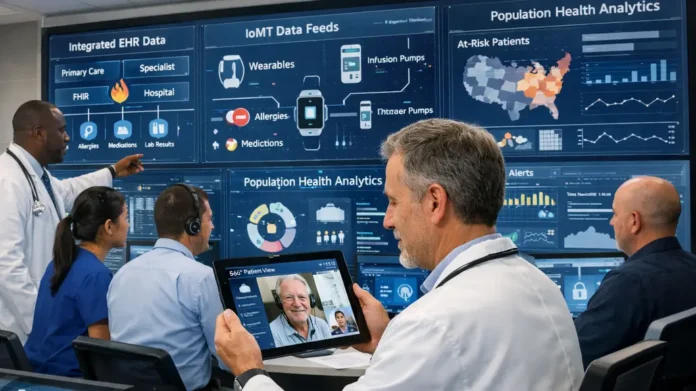
In the early years of medical digitization, many healthcare organizations operated as “information silos,” with data locked within proprietary systems that were unable to communicate with one another. This fragmentation forced clinicians to rely on fax machines, phone calls, and the patient’s own memory to piece together a medical history a process that was both inefficient and error-prone. Today, healthcare interoperability enabling connected care systems is a strategic necessity, as the volume and complexity of medical data continue to grow. Interoperability is the “bridge” that allows data to flow securely across different organizations and geographic boundaries, ensuring that a patient’s medical history follows them wherever they go. This continuity is essential for providing safe and effective care, particularly in emergency situations where immediate access to allergy lists or current medications can be life-saving.

Furthermore, the move toward value-based care has increased the demand for a more holistic view of the patient’s health. To truly improve outcomes and reduce costs, providers must be able to see the “big picture” including everything from primary care visits and specialist consults to hospital stays and laboratory results. Healthcare interoperability allows for the aggregation of this diverse data into a single, longitudinal record that provides a 360-degree view of the patient. This comprehensive perspective is vital for identifying trends, predicting risks, and coordinating complex treatment plans. By breaking down the silos of the past, we are creating a more intelligent and responsive healthcare system that is better equipped to manage the health of both individuals and entire populations. Interoperability is not just a technical requirement; it is a fundamental pillar of modern clinical excellence. From a broader ecosystem perspective, HHM Global notes that interoperability is increasingly shaping the foundation of connected healthcare, enabling providers to transition from fragmented data environments to unified, insight-driven care delivery models.

Seamless Data Exchange and the End of Fragmented Care

The true power of interoperability is felt most strongly at the point of care, where the seamless exchange of data allows for a more fluid and efficient clinical workflow. When systems are fully integrated, a primary care physician can instantly view the notes from a patient’s recent specialist visit, or an emergency room doctor can access the results of a lab test performed at another facility. This immediate access to information eliminates the need for redundant testing and ensures that every provider is working from the most up-to-date and accurate data. This level of coordination is a cornerstone of healthcare interoperability enabling connected care systems, as it reduces the cognitive load on the clinician and ensures that no critical piece of information is overlooked. When the data is connected, the care is connected.

Moreover, the standardization of data formats such as FHIR (Fast Healthcare Interoperability Resources) is playing a vital role in enabling this exchange. These global standards ensure that data is not only transmitted but also “understood” by the receiving system, maintaining the clinical context and meaning of the information. This “semantic interoperability” is essential for supporting advanced decision-support tools and AI-driven analytics, which require high-quality, standardized data to function effectively. By speaking a common digital language, healthcare organizations can collaborate on a scale never before possible, sharing insights and best practices that drive the entire industry forward. This collaborative spirit is a hallmark of the modern healthcare IT integration movement, ensuring that the benefits of innovation reach every patient and every provider.

Integrated Health Records and Patient-Centered Coordination

At the heart of a connected care system is the integrated health record, which provides a unified and accessible view of the patient’s entire medical journey. This record is not just a collection of documents; it is a dynamic and interactive tool that supports the entire care team. For a patient with a complex, chronic condition like heart failure or cancer, coordination across multiple specialists is essential. Interoperability ensures that every member of the team from the cardiologist and oncologist to the physical therapist and home health nurse has access to the same treatment plan and historical data. This shared understanding prevents conflicting orders, reduces the risk of medication errors, and ensures that the patient is receiving a consistent and supportive care experience. Healthcare interoperability enabling connected care systems is therefore a vital tool for improving the quality of life for the most vulnerable patients.

The benefits of integrated records also extend to the patients themselves. Through interoperable patient portals, individuals can access their own health data from multiple sources in one place. They can see their latest vitals from a wearable device alongside their hospital discharge summary and their upcoming appointments with various providers. This consolidated view empowers patients to take an active role in their own care, fostering a deeper sense of engagement and self-efficacy. By providing a “single source of truth” for health information, interoperability reduces the confusion and stress that often accompany complex medical care. It allows the patient to focus on their healing, knowing that their entire care team is aligned and informed. This patient-centered coordination is the ultimate goal of all our interoperability efforts, ensuring that the technology always serves the human need.

The Role of Health Data Exchange in Population Health

Beyond individual care, health data exchange (HDE) is a powerful tool for managing the health of entire communities. By aggregating anonymized data from thousands of interoperable systems, public health officials can identify emerging health trends, track the spread of infectious diseases, and monitor the effectiveness of community-wide health initiatives. This high-level oversight is essential for building a more resilient and proactive healthcare system that can respond quickly to public health threats. Interoperability ensures that the “early warning signals” of a potential outbreak are not lost in the fragmented records of individual hospitals but are captured and analyzed at a population level. This collective intelligence is a vital part of healthcare interoperability enabling connected care systems, as it provides the data needed to protect the health of the entire society.

Furthermore, data-driven population health management allows for the identification of “at-risk” groups who may benefit from targeted interventions. For example, by analyzing interoperable records, a health system can identify a group of patients who are consistently missing their preventative screenings or who have a high risk of developing a chronic condition based on their family history and lifestyle factors. The system can then automatically trigger outreach and support to these individuals, providing them with the resources they need to stay healthy. this proactive approach is only possible when data flows freely and accurately across the entire healthcare ecosystem. By leveraging the power of interoperability, we are moving from a reactive “sick-care” model toward a proactive “well-care” model that prioritizes prevention and health maintenance. This shift is essential for the long-term sustainability of the healthcare system and for the well-being of the communities it serves.

Overcoming the Technical and Cultural Barriers

Despite the clear benefits, achieving full interoperability is a complex challenge that requires overcoming both technical and cultural barriers. Technically, the industry must continue to move away from legacy systems and proprietary formats toward a common, open-standard architecture. This requires a significant and ongoing investment in healthcare IT integration and a commitment to maintaining high levels of data security and privacy. As data moves more freely between systems, the risks of unauthorized access increase, requiring robust encryption and authentication protocols to protect patient information. By prioritizing security alongside connectivity, the medical community can ensure that the benefits of interoperability are achieved without compromising the fundamental right to privacy.

Culturally, the shift toward interoperability requires a change in mindset from competition to collaboration. In the past, some organizations viewed their data as a “competitive asset” and were reluctant to share it with other providers. Today, there is a growing recognition that the “patient’s story” belongs to the patient and that sharing data is a professional and moral obligation. This change in culture is being driven by both regulatory mandates and the realization that the best outcomes are achieved through a team-based approach to care. By fostering a culture of transparency and mutual support, healthcare organizations are building the trust that is essential for a truly connected care system. The journey of interoperability is therefore as much about the human relationship as it is about the digital connection, ensuring that the technology is a tool for unity rather than division.

Future Horizons: The Internet of Medical Things (IoMT)

As we look toward the future, the expansion of the Internet of Medical Things (IoMT) will further increase the demand for interoperability. Industry insights highlighted by HHM Global suggest that the growing convergence of connected devices and data ecosystems will make interoperability a critical enabler of real-time, intelligence-driven healthcare delivery. We are moving toward a world where every medical device from the infusion pump in the hospital to the heart rate monitor on the patient’s wrist is connected and sharing data in real-time. This explosion of “edge data” provides a wealth of information for clinicians, but it also creates a massive interoperability challenge. To be useful, this data must be integrated into the clinical workflow and interpreted in the context of the patient’s overall health record. Healthcare interoperability enabling connected care systems will be the primary filter and engine for this data, turning raw signals into actionable clinical insights.

Furthermore, the rise of artificial intelligence will further accelerate the need for high-quality, interoperable data. AI models are only as good as the data they are trained on, and a fragmented data landscape is the biggest obstacle to the development of effective AI tools. By creating a unified and standardized data ecosystem, interoperability provides the “fuel” for the next generation of medical innovation. From predictive analytics that identify the early signs of sepsis to AI-driven drug discovery that identifies new treatments for rare diseases, the future of medicine depends on our ability to connect and share data. As we continue to build this digital foundation, we are not just connecting computers; we are connecting the best minds and the best evidence in medicine to ensure a healthier future for all.

Conclusion: The Foundation of a Modern Clinical Ecosystem

The ongoing journey of healthcare interoperability enabling connected care systems is a testament to the power of integration and the pursuit of a more coordinated healthcare system. We have moved from a past of fragmentation and isolation to an era of connectivity and collaboration. By prioritizing seamless data exchange, integrated health records, and population-level insights, we are ensuring that the healthcare system is prepared for the challenges of the 21st century. Interoperability is the “glue” that holds the various parts of the medical institution together, providing a unified and consistent standard of care for every patient, regardless of where they are or who they see.

Ultimately, the success of interoperability is measured by the clarity and continuity it provides for the patient’s journey. When the data flows perfectly, the transition from primary care to surgery to home health is seamless, and every provider along the way has the information they need to support the patient’s recovery. This is the ultimate goal of all our technical and cultural efforts. By investing in the highest levels of interoperability and data connectivity, we are safeguarding the future of healthcare, ensuring that the healing process is supported by the best that modern science and technology have to offer. This is the promise of connected care, and it is a promise we are fulfilling every day, for every patient.

Patient Engagement Technologies Enhancing Care Experience

Patient engagement technologies enhancing care experience

The Digital Revolution of the Patient-Provider Relationship

In the traditional medical model, the patient was often a passive recipient of information, with clinical encounters limited to physical visits and brief phone calls. Today, the integration of patient engagement technologies enhancing care experience is breaking down these barriers, creating a continuous and interactive care environment. Patients no longer have to wait for days to receive lab results or call a busy office to schedule an appointment; instead, they have 24/7 access to their health information and care team through secure, digital channels. This accessibility is a fundamental requirement for modern healthcare, as it ensures that the patient remains connected and informed throughout every stage of their treatment. By making the “clinical conversation” an ongoing process rather than a sporadic event, these technologies are deepening the trust and engagement that are essential for long-term health success. Reflecting broader industry evolution, HHM Global observes that continuous digital interaction is redefining how healthcare providers build long-term relationships with patients, shifting engagement from episodic communication to an always-connected care model.

Furthermore, the rise of the “activated patient” is driving a more proactive approach to health management. When individuals have easy access to their medical records and educational resources, they are more likely to ask informed questions and participate in shared decision-making. This collaborative approach is a key component of the digital patient experience, as it ensures that the care plan is not only clinically sound but also aligned with the patient’s personal goals and lifestyle. By providing the tools for self-efficacy, healthcare institutions are helping patients move from a state of dependence to one of empowerment. This shift is particularly important for managing chronic conditions, where the patient’s daily actions and decisions have a significant impact on their health. In this context, engagement technology is not just a convenience; it is a vital support system for living a healthier life.

Patient Portals and the Power of Information Access

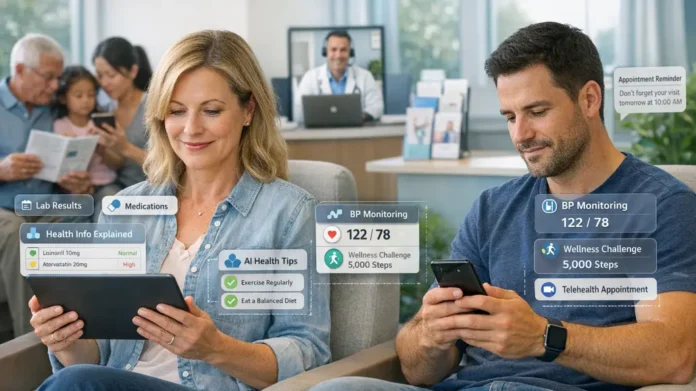
At the core of a successful engagement strategy is the patient portal a secure, web-based gateway that provides individuals with a comprehensive view of their medical history. Modern portals go far beyond simple record-keeping; they allow patients to view detailed lab reports, manage their medication lists, and even access personalized health education based on their specific diagnoses. This transparency is a cornerstone of patient engagement technologies enhancing care experience, as it eliminates the mystery and anxiety that often accompany medical testing. When a patient can see their results as soon as they are finalized and read a plain-language explanation of what they mean, they are better prepared to discuss the next steps with their physician. This immediate access to information reduces the “black box” effect of medicine, fostering a more open and honest clinical environment.

Portals also serve as a vital administrative hub, streamlining the logistical aspects of care that often cause frustration for patients. Secure messaging allows for direct, non-urgent communication between the patient and their care team, bypassing the need for phone tag and ensuring that every question is documented and answered. Online scheduling and prescription refill requests provide a level of convenience that matches the standards set by other service industries, such as banking or retail. By reducing the “friction” of interacting with the healthcare system, portals make it easier for patients to stay on track with their care. This operational efficiency is not just a benefit for the patient; it also frees up the clinical staff to focus on more complex, high-touch interactions. When the system handles the routine tasks, the human team can focus on the healing.

Healthcare Mobile Apps and Continuous Wellness Monitoring

The proliferation of smartphones has made healthcare mobile apps a ubiquitous and powerful tool for patient engagement. These applications allow for the continuous monitoring of physiological data such as heart rate, blood pressure, and activity levels outside the walls of the clinic. For a patient with a chronic condition like hypertension or diabetes, this real-time data flow is transformative. It allows the clinical team to see how the patient is doing in their everyday environment, rather than just during a brief office visit. If a reading falls outside a safe range, the app can automatically alert the patient and their provider, allowing for an immediate intervention that can prevent a costly emergency room visit. This proactive monitoring is a prime example of patient engagement technologies enhancing care experience, as it brings the care to the patient wherever they are.

Beyond monitoring, mobile apps are also used to deliver “just-in-time” support and motivation. Whether it is a reminder to take a medication, a prompt to perform a physical therapy exercise, or a suggested meal plan based on current health data, these apps provide a level of personalized guidance that was previously impossible. This constant “nudging” helps patients build the habits and behaviors that lead to long-term wellness. Furthermore, apps can facilitate virtual visits through integrated telehealth platforms, ensuring that geography is never a barrier to receiving expert care. By turning the smartphone into a powerful medical tool, healthcare organizations are meeting patients where they live, making health management an integrated part of their daily routine rather than an external chore. This level of integration is essential for fostering a lifelong commitment to health.

Digital Patient Communication Platforms and Collaboration

Effective communication is the lifeblood of a positive healthcare experience, and modern patient communication platforms are designed to ensure that every interaction is clear, timely, and supportive. These platforms use a multi-channel approach including text messaging, email, and automated voice calls to keep patients informed about upcoming appointments, preparation requirements, and follow-up tasks. By providing clear and consistent messaging, hospitals can significantly reduce the “no-show” rate and ensure that patients are properly prepared for procedures. This logistical clarity is a vital part of patient engagement technologies enhancing care experience, as it reduces the stress and confusion that often accompany complex medical journeys. When the system handles the coordination, the patient can focus on their recovery.

Furthermore, these platforms allow for the collection of real-time feedback through Patient Reported Outcome Measures (PROMs) and satisfaction surveys. By asking patients how they are feeling and how their care is progressing while they are still in the recovery phase, clinicians can identify and address issues before they escalate. This “continuous feedback loop” ensures that the care experience is constantly being refined and improved based on the actual needs and perceptions of the patient. This commitment to listening is a powerful tool for strengthening the patient-provider bond and for building a culture of empathy and excellence. When a patient feels that their voice is heard and that their experience matters, their engagement with the healthcare system increases, leading to a more collaborative and successful outcome for everyone involved.

Personalization and the Future of Engagement

As we look toward the future, the next great frontier of patient engagement is the move toward hyper-personalization. Insights from HHM Global indicate that data-driven personalization is becoming a key differentiator in digital health strategies, enabling healthcare providers to deliver more relevant, timely, and patient-specific interventions. Artificial intelligence and machine learning are now being used to analyze patient data to deliver highly tailored content and interventions. Instead of receiving a general brochure about heart health, a patient might receive a customized video message that explains their specific condition and offers a diet plan based on their personal food preferences and cultural background. This level of personalization is a direct result of patient engagement technologies enhancing care experience, as it ensures that the information provided is as relevant and impactful as possible. When the content is tailored to the individual, the engagement rate increases, leading to better adherence to treatment plans and more positive long-term behaviors.

Furthermore, the integration of behavioral economics into engagement platforms is helping to drive healthier choices. By using “gamification” techniques such as rewards, badges, and progress tracking apps can make the process of managing health more enjoyable and social. Patients can join “challenges” with their friends or family members, providing a level of social support and accountability that is difficult to achieve in a clinical setting. This social integration is a powerful tool for overcoming the psychological barriers to health management, such as procrastination or lack of motivation. By making health a team sport, engagement technology is fostering a community-wide commitment to wellness. As these systems continue to evolve, they will become an increasingly intelligent and intuitive part of our lives, dedicated to helping us live our best and healthiest stories.

Overcoming the Digital Divide and Ensuring Equity

While the benefits of engagement technology are immense, we must ensure that these tools do not exacerbate existing health disparities. The “digital divide” the gap between those who have access to high-speed internet and digital literacy and those who do not is a significant challenge that must be addressed through inclusive design and targeted support. Healthcare organizations have a responsibility to provide tools that are accessible to all patients, regardless of their technological proficiency or socioeconomic status. This involves creating “low-tech” options such as SMS-based reminders and providing hands-on training for patients who are less comfortable with digital tools. Ensuring equity is a fundamental component of patient engagement technologies enhancing care experience, as the goal is to improve the health of the entire population, not just those who are the most digitally savvy.

Ethical considerations regarding data privacy and security are also of paramount importance. Patients must have the absolute confidence that their health information is protected from unauthorized access and that it is being used in their best interest. This requires robust cybersecurity measures and transparent data policies that clearly explain how data is collected and used. By building a foundation of security and trust, healthcare organizations can encourage deeper engagement with digital tools. When patients know that their data is safe, they are more willing to share the intimate details of their health, providing clinicians with the information they need to deliver the most effective care. The future of engagement technology is therefore built on a bedrock of trust, ensuring that the digital age of medicine is defined by both innovation and integrity.

Conclusion: The Patient as the Heart of the Healthcare System

The ongoing journey of patient engagement technologies enhancing care experience is a testament to the power of connection and the pursuit of a more humanized healthcare system. We have moved from a time of passive participation to an era of active partnership, where the patient is the central and most important member of the care team. By embracing the power of digital communication, mobile monitoring, and personalized support, we are ensuring that every individual has the tools they need to live their healthiest life. This transformation is not just about the technology itself; it is about the stories it enables and the relationships it strengthens. The patient is no longer just a diagnosis; they are a person with a voice, a story, and a vital role to play in their own healing.

As we look ahead, the potential for technology to further enhance the patient experience is limitless. From virtual reality tools that help patients manage pain and anxiety to AI assistants that provide constant, empathetic support, the future is bright. By continuing to innovate and collaborate, the medical community is ensuring that the healthcare system of tomorrow is more accessible, more responsive, and more deeply connected to the needs of the individual. The legacy of this work will be a healthier and more empowered society, where everyone has the opportunity to achieve their best health. This is the promise of modern patient engagement, and it is a promise we are fulfilling one digital interaction and one empowered patient at a time.

Healthcare Supply Chain Resilience Improving Operations

Healthcare supply chain resilience improving operations

The Strategic Importance of a Resilient Medical Supply Chain

Historically, the healthcare supply chain was often viewed as a “back-office” function, primarily focused on cost reduction and just-in-time delivery. However, recent global events have exposed the inherent vulnerabilities of this lean model, highlighting the need for a more comprehensive and durable approach. Today, healthcare supply chain resilience improving operations is a top priority for clinical leaders, who recognize that a shortage of even the most basic items such as sterile gloves or IV fluids can lead to cancelled surgeries and compromised patient outcomes. A resilient supply chain is characterized by its ability to anticipate disruptions, absorb shocks, and recover quickly, ensuring that the clinical team always has the tools they need to perform their duties. This shift toward resilience requires a fundamental move away from transactional relationships with vendors toward long-term, strategic partnerships built on transparency and mutual support. In line with broader industry trends, HHM Global underscores that supply chain resilience is increasingly viewed as a strategic imperative, with healthcare organizations recognizing its direct impact on patient safety, operational continuity, and long-term sustainability.

Furthermore, the complexity of the medical supply chain has increased exponentially with the rise of specialized pharmaceuticals and high-tech medical devices. These products often require stringent temperature controls and careful handling throughout the entire logistics process. Managing these requirements at scale demands a level of sophistication that traditional manual systems simply cannot provide. By adopting advanced medical supply chain management practices, institutions are creating a “digital twin” of their physical inventory, allowing them to track the movement and condition of products in real-time. This visibility is essential for identifying bottlenecks before they lead to shortages and for ensuring that every item used in a clinical setting meets the highest standards of quality and safety. The move toward resilience is therefore as much about quality assurance as it is about availability.

Real-Time Tracking and the End of Invisible Inventory

One of the primary obstacles to efficiency in the hospital setting is “invisible inventory”ย  supplies that are hidden in nursing stations, operating room cabinets, or emergency carts without being properly logged into the central system. Real-time tracking technologies, such as RFID and advanced barcoding, are revolutionizing how hospitals manage these assets. By placing a digital tag on every item, from expensive implants to basic bandages, the system can provide a precise, up-to-the-minute view of what is available across the entire facility. This transparency is a cornerstone of healthcare supply chain resilience improving operations, as it eliminates the need for “panic ordering” and prevents the waste associated with expired products. When the supply chain team knows exactly what is on the shelf, they can make more informed decisions about when and how much to order.

Beyond the walls of the hospital, real-time tracking extends to the global transit of goods. IoT-enabled sensors can monitor the location and environment of a shipment as it moves from the manufacturer to the distribution center. For a critical batch of vaccines or biological samples, this means that the clinical team can be alerted immediately if a temperature excursion occurs, allowing them to take corrective action before the product is compromised. This level of oversight is vital for maintaining the integrity of the healthcare logistics network. It provides the medical community with the confidence that the supplies they are using are not only available but are also safe and effective. As these tracking technologies become more integrated, the “blind spots” in the supply chain will be eliminated, leading to a more predictable and reliable flow of essential goods.

Inventory Optimization and the Role of AI

Managing the inventory of a large hospital is a monumental task, involving tens of thousands of individual SKUs and highly fluctuating demand. Drawing from ongoing industry developments, HHM Global highlights that AI-powered inventory optimization is fundamentally transforming how healthcare systems balance efficiency with preparedness. Traditionally, this was managed through “par levels” static inventory targets that often led to overstocking of low-use items and shortages of high-demand ones. Modern hospital inventory systems are now utilizing artificial intelligence and machine learning to move toward a more dynamic and predictive model of inventory optimization. These algorithms can analyze years of historical usage data, combined with current patient census and seasonal trends, to predict the exact amount of each item that will be needed in the coming days or weeks. This predictive capability is a key benefit of healthcare supply chain resilience improving operations, as it ensures that capital is not tied up in excess inventory while still maintaining a safe “buffer” for emergencies.

AI can also identify patterns in usage that might indicate a larger clinical trend or a potential issue with a specific product. For example, if the system notices a sudden increase in the use of a particular type of suture, it can alert the procurement team to investigate the cause whether it is a change in surgical technique or a batch of defective products. This “intelligent oversight” allows the supply chain to be a proactive participant in the clinical mission, rather than just a reactive responder. By optimizing inventory levels based on actual and predicted need, hospitals can significantly reduce their operational costs and decrease the environmental impact of medical waste. This focus on efficiency and sustainability is a vital part of the long-term vision for a resilient healthcare supply chain.

Supplier Diversification and Risk Management Systems

The reliance on a single supplier for a critical item is a significant risk that many healthcare organizations have learned to address through supplier diversification. A resilient supply chain requires a network of multiple, geographically dispersed suppliers who can provide redundant capacity in the event of a localized disruption. This strategy is an essential component of healthcare supply chain resilience improving operations, as it ensures that the hospital is never dependent on a single point of failure. Diversification also fosters a more competitive and innovative marketplace, as suppliers are encouraged to differentiate themselves through quality, reliability, and service rather than just price. By building a diverse and robust supplier network, healthcare institutions are creating a “safety net” that protects their patients from the vagaries of global trade and environmental events.

Supporting this diversification are advanced risk management systems that continuously monitor the health and stability of the supply base. these systems can analyze a wide range of data from financial reports and news sentiment to weather patterns and geopolitical events to identify potential risks to a specific supplier or a particular region. When a risk is identified, the system can automatically suggest alternative sourcing options or trigger a pre-planned “contingency order” to build up a temporary safety stock. this proactive approach to risk management is a hallmark of supply chain resilience healthcare, moving the organization away from crisis management toward a state of constant readiness. By understanding the vulnerabilities in their supply base, clinical leaders can make strategic decisions that protect the continuity of care for their community.

Integrating Logistics with Clinical Workflows

The true potential of a resilient supply chain is only realized when it is fully integrated with the daily clinical workflows of the hospital. For many clinicians, “supply chain” is something that happens in the basement or on a loading dock, far removed from the patient’s bedside. However, when the two are connected through a unified digital platform, the benefits are profound. For example, when a surgeon schedules a procedure, the system can automatically verify that all the required implants and specialized instruments are in stock and reserved for that specific case. If an item is missing, the system can trigger an immediate alert, allowing the team to resolve the issue days in advance rather than minutes before the surgery. This seamless integration is a prime example of healthcare supply chain resilience improving operations, as it reduces the administrative burden on the clinical team and ensures a more focused and safe environment for the patient.

Furthermore, integrated systems allow for the automated capture of “utilization data” exactly which product was used for which patient and by which provider. This information is invaluable for both clinical research and financial management. It allows the hospital to track the outcomes of specific medical devices and to identify the most cost-effective treatment paths. It also facilitates a “per-patient” cost analysis that is essential for the move toward value-based care. By making the supply chain a visible and active part of the clinical process, healthcare organizations are fostering a culture of accountability and continuous improvement. The data generated through these connected systems is a powerful tool for optimizing both the clinical and operational performance of the entire institution, ensuring that the hospital remains a resilient and sustainable place of healing.

Future Horizons: Automation, Robotics and the Last Mile

Looking toward the future, the integration of robotics and autonomous systems will further enhance the resilience and efficiency of healthcare logistics. Autonomous mobile robots (AMRs) are already being used in many hospitals to handle the internal transport of goods, freeing up human staff for more complex tasks. In the future, we may see the use of drones for the “last mile” delivery of critical medical supplies to rural or hard-to-reach areas, ensuring that the benefits of a resilient supply chain reach every patient, regardless of their location. These technological advancements represent the next phase of healthcare supply chain resilience improving operations, where automation provides a level of speed and reliability that was previously unimaginable. By embracing these tools, the medical community is ensuring that it remains at the forefront of logistical innovation, dedicated to the singular goal of patient health.

Moreover, the rise of 3D printing (additive manufacturing) offers the potential for “on-demand” production of certain medical supplies directly at the point of care. This would allow hospitals to bypass traditional manufacturing and shipping delays for specific items, such as custom-fitted prosthetic components or specialized surgical guides. This level of local production would be the ultimate expression of supply chain resilience, providing a nearly instantaneous response to clinical needs. While still in its early stages, the move toward localized, digital manufacturing is a clear indication that the healthcare supply chain of the future will be more agile, more decentralized, and more responsive than ever before. As we continue to build these resilient systems, we are not just moving boxes; we are building a more secure and healthy future for all.

Conclusion: The Foundation of a Reliable Healthcare System

The ongoing journey of healthcare supply chain resilience improving operations is a testament to the power of integration and the pursuit of operational excellence. We have moved from a time of manual, fragmented logistics to an era of high-tech, data-driven resilience. By prioritizing visibility, diversification, and clinical integration, healthcare organizations are ensuring that their essential resources are managed with the same level of care and precision as their patients. The supply chain is no longer a hidden cost center; it is a vital organ of the medical institution, providing the lifeblood of supplies that allow the clinical mission to flourish. As we continue to push the boundaries of what is possible in logistics, the healthcare sector will remain a model of resilience and reliability in a complex world.

Ultimately, the success of a resilient supply chain is measured by the silence it produces the absence of shortages, the absence of delays, and the absence of administrative stress for the clinical team. When the system works perfectly, it is invisible, allowing the focus to remain entirely on the patient. This is the ultimate goal of all our logistical efforts. By investing in the highest levels of resilience and technology, we are safeguarding the future of healthcare, ensuring that the healing process is never interrupted by a missing bandage or a delayed shipment. This is the promise of modern medical supply chain management, and it is a promise we are fulfilling every day, for every patient.

Johnson & Johnson Launches Varipulse PFA Catheter in Europe

Varipulse PFA catheter

Johnson & Johnson has introduced its latest Varipulse Pro system in Europe, marking the regional debut of its next-generation pulsed field ablation technology following CE mark clearance. The updated system represents an advancement of the companyโ€™s pulsed field ablation platform designed for the treatment of atrial fibrillation (AFib), with a focus on improving both workflow efficiency and clinical performance.

At the core of the launch is a redesigned pulse sequence, which delivers ablation significantly faster than earlier iterations while maintaining equivalent lesion outcomes. According to the company, the updated system operates with a lower temperature profile and achieves ablation speeds up to five times faster than the previous sequence. Built on the foundation of the Varipulse platform that received CE mark approval in 2024, the system enters an increasingly competitive European market that includes technologies such as Volt (Abbott), Farapulse (Boston Scientific), PulseSelect (Medtronic), Globe (Kardium), Centauri (CardioFocus) and PulseMagic (MicroPort EP). The Varipulse PFA catheter is positioned as a continuation of Johnson & Johnsonโ€™s iterative approach to innovation in electrophysiology.

โ€œThe introduction of Varipulse Pro in Europe reflects our commitment to advancing our PFA platforms through continuous innovation, enhancing procedural experience while maintaining the consistency and precision physicians expect from the Varipulse Platform,โ€ said Michael Bodner, company group chair, Electrophysiology & Neurovascular, MedTech, Johnson & Johnson. โ€œThis launch demonstrates our dedication to continuously evolving PFA technologies based on real-world learnings and our scientific expertise, supporting physicians to deliver high-quality care and improved patient outcomes.โ€

The system maintains compatibility with the Carto 3 mapping system, which provides 3D cardiac mapping capabilities used in electrophysiology procedures. This integration enables features such as tissue proximity indicators to support accurate lesion placement. Early clinical use has been carried out within the VARIPURE multicenter, prospective, post-market follow-up study, with further data generation planned as part of the broader commercial rollout. The company also intends to present the technology and related findings at the European Heart Rhythm Association annual meeting and the EHRA PFA summit. The Varipulse PFA catheter remains investigational in the U.S.

โ€œIn our early experience, Varipulse Pro has been exceptionally smooth and easy to use,โ€ said Dr. Tom De Potter, head of electrophysiology and associate director of the Heart Center, OLV Hospital, Aalst, Belgium. โ€œThe speed is particularly striking and contributes to more efficient procedures without compromising precision. The integration with CARTO mapping and intracardiac echocardiography (ICE) facilitate accurate positioning and consistent lesion delivery, contributing to a very positive procedural experience.โ€

ShiftMed Highlights Open Shift Management Cost Gap in US

Open Shift Management

ShiftMed has released its 2026 Open Shift Management Report, highlighting a persistent labor cost imbalance across U.S. healthcare markets and identifying substantial savings potential for health systems. The report outlines a recurring premium pay gap ranging from $15 to more than $30 per hour between agency-based staffing and local on-demand clinicians. This disparity, observed across major cities including Philadelphia, Chicago, New York, and Washington, DC, underscores what the company describes as a structural inefficiency in workforce allocation when scheduling becomes reactive. The findings position Open Shift Management as a key lever for addressing escalating labor costs while maintaining operational continuity.

The report comes as health systems continue to face workforce shortages, reimbursement pressure, and tightening operating margins. According to ShiftMed, open shifts frequently trigger the use of overtime or external agency contracts, leading to unpredictable expenditure and sustained margin pressure. By contrast, local on-demand clinicians consistently command lower hourly rates, creating a measurable gap that, when scaled across large volumes of shifts, translates into significant financial implications. In 2025, health systems using ShiftMedโ€™s platform filled 630,966 shifts, generating $189 million in documented savings by avoiding premium labor channels. The company indicates that this figure represents only a fraction of the broader market opportunity, suggesting that the full potential of Open Shift Management could extend into multi-billion-dollar savings nationwide.

ShiftMed attributes these efficiencies to its embedded workforce intelligence capabilities, which integrate directly into existing scheduling systems. The platform automatically identifies open shifts in real time and routes them to qualified clinicians before escalation to higher-cost staffing options occurs. This enables internal staff, float pools, and local on-demand professionals to self-schedule into available shifts, reducing administrative burden and limiting reliance on agencies. The report also highlights workforce stabilization benefits, noting that 18% of on-demand clinicians transition into permanent roles, thereby strengthening internal hiring pipelines and reducing long-term dependence on premium labor.

Commenting on the findings, Todd Walrath stated, โ€œReactive staffing models are eroding margins in plain sight. Open Shift Management restores control at the shift level, where labor costs are determined. The premium pay gap is structural. When coverage is routed with discipline, the savings are predictable and scalable.โ€ The report provides health system leaders with localized wage benchmarks, enabling more precise evaluation of cost-saving opportunities and workforce strategies.

Translate ยป