












Close
Digital Health & Ai Innovation summit 2026
LiGHT26

Understanding Compensation: What You Can Claim in a Personal Injury Case

Suffering an injury due to someone elseโ€™s negligence can be a life-altering experience, both physically and financially. If youโ€™ve been injured in an accident, you may be entitled to compensation that covers a wide range of damages. However, understanding what exactly you can claim in a personal injury case can be confusing. Itโ€™s essential to know your rights and the types of compensation available to you. This guide will walk you through the different kinds of damages you can pursue in a personal injury claim, helping you better navigate the legal process.

Working with an Experienced Lawyer

Navigating the complexities of a personal injury claim can be overwhelming, especially when dealing with an injury’s physical, emotional, and financial impact. To ensure that you receive the full compensation you deserve, it’s crucial to work with a knowledgeable personal injury lawyer. A lawyer can help you gather the necessary evidence, negotiate with insurance companies, and represent your interests in court if needed, as these Kogan & DiSalvo Personal Injury Lawyers explain. Their deep understanding of personal injury law ensures that every aspect of your claim is handled with care, maximizing the compensation you receive. Filing a personal injury claim involves many moving parts, and having a lawyer who knows the ins and outs of the legal system can make a significant difference in the outcome of your case.

Medical Expenses: Covering the Cost of Care

Medical bills are often the most immediate and significant financial burden that comes with a personal injury. You are entitled to compensation for any medical expenses related to the injury, whether they occur immediately after the incident or over time as you recover. These expenses may include:

  • Emergency room visits
  • Hospital stays
  • Surgeries
  • Doctor appointments
  • Prescription medications
  • Physical therapy and rehabilitation
  • Assistive devices (crutches, wheelchairs, etc.)

Even if you have insurance, out-of-pocket costs like co-pays and deductibles can add up. Be sure to keep detailed records of all your medical expenses, as they play a critical role in determining your total compensation. Future medical costs should also be considered if your injury requires long-term treatment or ongoing care.

Lost Wages: Compensation for Missed Income

An injury can cause you to miss work, either temporarily or permanently, depending on the severity of the accident. In personal injury cases, you can claim compensation for the income you have lost as a result of your injury. This includes the days, weeks, or months that you were unable to work while recovering.

In addition to lost wages, you may also be eligible to claim future income if your injury impacts your ability to work in the future. For example, if you suffer a long-term disability or cannot return to your previous job due to the injury, your compensation may include whatโ€™s known as โ€œloss of earning capacity.โ€ This calculation can be complex, as it factors in your potential future income and how the injury has diminished your ability to earn it.

Pain and Suffering: Non-Economic Damages

In many personal injury cases, you can seek compensation for non-economic damages, such as pain and suffering. These damages compensate for the physical and emotional distress caused by the injury, which can often be more challenging to quantify than tangible losses like medical bills or lost wages.

Pain and suffering can include:

  • Physical pain and discomfort
  • Emotional distress, such as anxiety or depression
  • Loss of enjoyment of life
  • Inconvenience due to long-term physical limitations

Because pain and suffering are subjective, courts and insurance companies often use a multiplier method to determine their value. They may multiply your actual economic damages (such as medical expenses and lost wages) by a number between one and five, depending on the severity of the injury and the long-term effects on your life.

Property Damage: Compensation for Damaged Belongings

If your personal property was damaged in the accident, you could also claim compensation for those losses. For instance, if you were involved in a car accident, you can seek damages to repair or replace your vehicle. Other personal items, such as electronics, clothing, or jewelry, may also be covered if they were damaged as a result of the incident.

Keep in mind that you will need to provide proof of the value of the damaged property, such as receipts or repair estimates, to support your claim. Your compensation will reflect the repair or replacement cost of the property lost or damaged due to the injury.

Emotional Distress: The Psychological Impact of Injury

An injury doesn’t just affect your physical healthโ€”it can also take a significant toll on your mental well-being. Emotional distress is a compensable category in personal injury cases, particularly if the trauma from the incident leads to severe anxiety, depression, PTSD, or other mental health conditions.

Emotional distress claims can be more complex to prove because they deal with mental and emotional suffering, which is often invisible. However, working with a mental health professional can help document your condition and provide the necessary evidence to support your claim for emotional damages.

Loss of Consortium: Impact on Relationships

In some cases, a personal injury can negatively affect your relationships with your spouse or family members. This is referred to as “loss of consortium.” Spouses or family members can claim loss of consortium for damages related to the loss of companionship, affection, support, or intimacy that may result from the injury.

Although not every personal injury case includes a claim for loss of consortium, it can be an important consideration if the injury significantly impacts your family dynamics or relationships. For example, if a spouse is unable to provide physical or emotional support due to a severe injury, the uninjured partner may be entitled to compensation.

Punitive Damages: Holding the Responsible Party Accountable

In some personal injury cases, punitive damages may be awarded in addition to compensatory damages. Punitive damages are designed to punish the at-fault party for particularly reckless or egregious behavior and to deter others from engaging in similar actions.

Punitive damages are not awarded in every case, and they are generally reserved for instances where the defendantโ€™s actions were especially harmful or intentional. These types of damages can significantly increase the total compensation you receive, but they are also more challenging to obtain, as you must prove that the defendant acted with gross negligence or malicious intent.

Receiving compensation for a personal injury isn’t just about covering medical billsโ€”it’s about ensuring that your financial future is secure while you recover. By understanding the different types of damages available and working with the right legal team, you can claim the compensation you deserve and focus on your path to recovery.


The Best of Both Worlds: Adding Concierge Medicine to Your Health Plan

If youโ€™ve ever felt frustrated by long wait times or rushed appointments with your doctor, youโ€™re not alone.

The traditional healthcare system simply does not provide the personalized attention many patients seek.

The good news?

Concierge medical services can be integrated into your current health plan so you can finally enjoy longer appointment times, direct access to your doctor, and care tailored to your specific needs. These services often include comprehensive annual physicals, chronic disease management, mental health support, and preventive screenings among others.

In this article, weโ€™ll explore exactly how to integrate concierge medicine with your existing healthcare plan, some financial considerations you should be aware of, and how to choose the right concierge doctor.

What Does Concierge Medicine Offer?

Within the concierge medicine model, your physician does not just treat your symptoms as they arise. Instead, he can spend more time with you to:

  • Make a more in-depth analysis of your health
  • Develop personalized wellness strategies
  • Focus on preventive care

The way concierge medicine works is you pay an annual membership fee (typically ranging fromย $1,200 to $10,000), separate from your health insurance premiums. This gives you unlimited access to your doctor, telemedicine, same-day appointments, and comprehensive wellness plans.

How Concierge Medicine Complements Your Health Insurance

While concierge medicine offers lots of benefits, itโ€™s important to note that it typically does not cover hospital stays or specialist visits. This is where your traditional insurance comes in, ensuring comprehensive coverage for emergencies, surgeries, and other specialized care.

In other words, concierge medicine and your insurance work hand in handโ€”concierge doctors handle your personalized day-to-day care, while your insurance covers more extensive medical needs.

Let’s take a closer look:

Filling the Gaps in Traditional Coverage

One of the most common frustrations with traditional healthcare is the lack of accessibility. From long wait times to rushed 15-minute appointments, many people feel they arenโ€™t getting the care they need when they need it.

But with a concierge doctor, you have direct access via phone, email, or even telemedicine for same-day or next-day appointments. The relationship is built around your health goals, giving you the ability to address concerns as they arise.

Optimizing Preventive Care and Chronic Disease Management

Preventive care is often overlooked in traditional healthcare due to time constraints and limited access to doctors. But in concierge medicine, your doctor works with you to create a tailored preventive plan, which may include regular screenings, wellness coaching, or personalized fitness advice.

For those managingย chronic conditions, such as diabetes or hypertension, concierge medicine offers continuous monitoring, frequent check-ins, and early intervention. Rather than waiting for an issue to escalate, your concierge doctor monitors your progress and adjusts treatments on the go.

Meanwhile, your traditional insurance can still be used to cover larger, more complex health issues. This integrated approach allows you to prevent complications while staying protected in case of emergencies.

Financial Considerations to Keep in Mind

Concierge care can cost you up to $10,000 per year, depending on the level of care and services provided. These fees cover personalized care, immediate access, and extended visits but are separate from your traditional insurance premiums.

Though concierge medicine has a hefty price tag, this type of healthcare model helps you prevent costly medical events in the long term, potentially saving you thousands of dollars.

Can You Use HSA or FSA to Cover Concierge Medicine?

One of the most common questions about concierge care is whether it can be paid for usingย Health Savings Accounts (HSA) orย Flexible Spending Accounts (FSA).

Both HSAs and FSAs allow you to set aside pre-tax dollars for medical expenses, but not all concierge services are covered. Generally, expenses related to actual medical services provided by your concierge doctor, such as lab tests or treatments, may be eligible, but the membership fee itself is often not.

Tip: Always check with your HSA/FSA provider to see what can be covered and how you might use these accounts to help offset some of the costs of concierge care.

H2: How to Choose the Right Concierge Doctor to Work Alongside Your Insurance

Choosing the right concierge doctor is key to getting the most out of your integrated healthcare system. For example, you should:

  • Look for doctors who specialize in preventive and personalized healthcare. This means your care provider will focus on your long-term well-being rather than just addressing immediate issues.
  • Ensure that the doctor offers 24/7 access, telemedicine options, and comprehensive wellness plans that align with your health goals.
  • Choose a concierge doctor who works with your existing insurance plan. This is particularly important for referrals to specialists or for hospital care, as your insurance will cover the bulk of these costs.
  • Understand if the doctor knows how to coordinate care within your insurance network.

Questions to Ask Before Integrating Concierge Medicine

Before committing to a concierge practice, ask critical questions to ensure the model works well alongside your traditional insurance.

Start by asking about the doctor-patient ratioโ€”lower patient loads usually mean more personalized care and better attention to your health needs. Also, inquire about how the concierge doctor handles care coordination with insurance-based specialists and hospitals.ย Will they help you navigate insurance referrals when you need to see a specialist?ย 

Finally, itโ€™s important to ask about emergency protocols. In a medical emergency, will the concierge doctor coordinate with your insurance plan’s hospitals, or will you be directed to in-network specialists?

Ensuring that your concierge doctor works in tandem with your insurance is key to a smooth and effective healthcare experience.

Conclusion: Finding Balance for the Best Healthcare Experience

Combining concierge medicine with your traditional health insurance gives you access to the best possible healthcare experience. Concierge care offers the personalized, on-demand attention thatโ€™s often missing from traditional plans, while your insurance provides the comprehensive coverage needed for more specialized care.

Take the time to evaluate your healthcare needs and do financial research to determine how concierge medicine fits into your life. By creating a balanced healthcare plan that works for you, you can enjoy the benefits of personalized care without sacrificing the security of comprehensive insurance coverage.

Testosterone Pellet Therapy for Men: Boost Energy, Libido, and Vitality

Introduction

Testosterone plays a major role in men’s health. It affects energy levels, mood, muscle strength, and even sex drive. As men age, their testosterone levels naturally decline, which can lead to feeling tired, having a low libido, and losing the vitality they once had.

Testosterone pellet therapy is a treatment designed to help men with low testosterone. These small pellets are placed under the skin and slowly release testosterone. This therapy can help boost energy, improve sexual health, and restore overall vitality.

In this article, we will explore how testosterone pellet therapy works and why it can be a great option for men looking to feel more like themselves again.

What Are Testosterone Pellets?

Testosterone pellets are tiny implants about the size of a grain of rice placed under the skin. These pellets are made from bioidentical hormones, which means they mimic the natural testosterone your body produces. Once implanted, they release a steady dose of testosterone into your bloodstream over time, usually lasting anywhere from 3 to 6 months.

This method is different from other forms of testosterone therapy, like injections, gels, or patches. With pellets, you don’t have to worry about daily applications or regular shots. Instead, the pellets offer a long-term solution that works continuously without the hassle of frequent treatments.

Testosterone pellet therapy is often chosen by men who want a simple, low-maintenance option to help manage their low testosterone levels. It’s discreet and convenient, making it a popular choice for many.

Benefits of Testosterone Pellet Therapy

Increased Energy

One of the biggest benefits of testosterone pellet therapy is the boost in energy. When testosterone levels are low, men often feel tired and sluggish. This can make daily tasks feel more difficult and even lead to a lack of motivation. By balancing testosterone levels, these pellets can help bring back that much-needed energy, making it easier to stay active and focused throughout the day.

Enhanced Libido

Testosterone plays an important role in sexual health. When levels drop, men often experience a decrease in libido or sexual drive. Testosterone pellet therapy can help restore normal testosterone levels, which in turn can improve sexual desire and performance. Many men report feeling a noticeable improvement in their sex life after starting this treatment.

Improved Vitality

Beyond energy and libido, testosterone pellets can also boost overall vitality. This includes better mood, mental clarity, and even improved muscle strength. When testosterone is balanced, men often feel more like themselves, experiencing a sense of well-being and motivation that may have been lacking.

How Testosterone Pellet Therapy Works

Testosterone pellet therapy is a straightforward procedure that begins with a visit to a healthcare provider. During the visit, your doctor will examine your testosterone levels to determine if pellet therapy is the right choice for you. If it is, the procedure is quick and simple.

The Implantation Process

The doctor will numb a small area, typically near your hip or buttocks, and insert the tiny testosterone pellets just under the skin. This is done through a small incision, which is then closed with a bandage. The entire process usually takes less than 15 minutes.

How the Pellets Work

Once implanted, the pellets begin to release a slow and steady stream of testosterone into your bloodstream. The hormone is absorbed naturally by your body, helping to restore your testosterone levels over the next few months. You wonโ€™t need to worry about daily treatments, as the pellets provide a continuous release of Testosterone.

Duration of Effects

Testosterone pellets typically last between 3 to 6 months, depending on your body’s needs and how quickly you absorb the hormone. After this time, you will need to return to your doctor for another round of pellet therapy. Regular checkups will help ensure your testosterone levels stay balanced and effective.

Who Is a Good Candidate for Testosterone Pellet Therapy?

Testosterone pellet therapy is a great option for men who are experiencing symptoms of low testosterone. These symptoms might include:

  • Low energy and constant fatigue
  • Decreased sex drive or erectile dysfunction
  • Mood swings or irritability
  • Loss of muscle mass or strength
  • Trouble concentrating or mental fog

Typically, men over the age of 40 are more likely to experience these symptoms as their testosterone levels naturally decline with age. However, younger men with low testosterone due to other medical conditions may also benefit from this treatment.

Before starting therapy, your doctor will run tests to confirm if your testosterone levels are low. Itโ€™s important to get an accurate diagnosis to ensure testosterone pellet therapy is right for you.

Potential Side Effects and Risks

While testosterone pellet therapy is generally safe, like any medical treatment, it comes with potential side effects. Most men experience mild side effects that go away quickly, but itโ€™s important to be aware of what might occur.

Common Side Effects:

  • Mild pain or discomfort at the implantation site
  • Temporary swelling or redness around the incision
  • Bruising near the area where the pellets were inserted

These side effects usually disappear after a few days and can be managed with basic wound care.

Possible Risks: In rare cases, some men may experience more serious side effects, such as:

  • Overproduction of red blood cells, which can increase the risk of blood clots
  • Acne or oily skin
  • Mood changes, such as irritability or aggression

To avoid these issues, it is important to have regular checkups and blood tests while undergoing testosterone pellet therapy. This helps your doctor monitor your hormone levels and make any necessary adjustments.

Conclusion

Testosterone pellet therapy offers a convenient and effective way for men to restore their testosterone levels and feel like themselves again. Whether you’re struggling with low energy, reduced libido, or a general lack of vitality, this treatment can help you regain control over your health and well-being.

By providing long-lasting benefits, from increased energy to improved sexual function, testosterone pellet therapy is a simple, low-maintenance solution that fits into most lifestyles. If you’re experiencing symptoms of low testosterone, consult with a specialist to determine if this therapy is the right option for you.

Finding the Best Heart Surgeon: 6 Key Factors To Consider

Finding the right heart surgeon is one of the most crucial decisions to make when faced with heart disease or the need for a complex heart procedure. The heart is one of the body’s most vital organs, and any surgery carries inherent risks. Therefore, choosing a skilled and experienced heart surgeon is critical to ensuring the best possible outcome for the procedure. Various factors need to be considered before making this critical decision.

Read on to learn the six key factors to consider when finding the best heart surgeon.

1. Board Certification and Specializationย ย 

The first step in identifying a qualified heart surgeon is checking for board certification. This ensures that the surgeon has undergone the rigorous training and assessments required to meet the standards of the American Board of Thoracic Surgery or a similar governing body. Surgeons who specialize in heart surgeries, also known as cardiothoracic or cardiovascular surgeons, possess advanced knowledge and skills in performing intricate procedures like coronary artery bypass grafting, heart valve repair, and heart transplants.

Patients should also inquire about the specific type of heart surgery that a surgeon focuses on. Different surgeons might specialize in various procedures, from minimally invasive heart surgeries to complex open-heart operations. By choosing a heart surgeon whose practice emphasizes the specific procedure needed, patients can increase their chances of success and reduce the risk of complications.

2. Surgeon-Patient Communication and Trustย ย 

Clear communication between the surgeon and the patient is essential for establishing trust and ensuring that all concerns are addressed. The best heart surgeons take the time to explain the procedure in detail, answer any questions, and discuss potential risks and benefits. Theyโ€™ll also outline the recovery process and provide a realistic expectation of the surgery’s outcomes.

Patients should feel comfortable with their surgeon and have confidence in their abilities. Itโ€™s important to evaluate whether the surgeon listens attentively to concerns, provides comprehensive answers, and makes an effort to alleviate anxieties. A surgeon who is patient, transparent, and empathetic can greatly improve the overall experience, from the initial consultation to post-surgical follow-ups.

Lastly, when looking for a heart surgeon, itโ€™s crucial to review their credentials and experience thoroughly. Those seeking reliable care should explore resources about a heart surgeon to find professionals who are trusted within the community and specialize in the necessary procedure.

3. Experience and Track Recordย 

One of the most significant factors to consider when selecting a heart surgeon is their experience level. A surgeon who has performed a high number of surgeries like the one being considered will have refined their skills and learned to handle various potential complications. Hence, when researching, itโ€™s important to ask the surgeon about their experience, including the number of surgeries theyโ€™ve conducted and their success rates.

Furthermore, evaluating the surgeonโ€™s track record goes beyond just looking at numbers. Patients should also ask about mortality rates and post-operative complications related to their surgeries. Although every surgery has inherent risks, a good heart surgeon should have a relatively low rate of complications.

4. Hospital Affiliation and Surgical Teamย 

A heart surgeon’s ability to provide top-quality care is closely linked to the hospital where they practice and the team that supports them. The best heart surgeons often work in hospitals known for their expertise in cardiovascular care. Therefore, itโ€™s essential to choose a hospital thatโ€™s well-equipped with modern technology, dedicated cardiovascular care units, and specialized post-operative care services. Patients should also research hospital ratings, focusing on those with high marks for cardiovascular surgery.

The surgical team is another key factor. Heart surgery is a collaborative effort that involves anesthesiologists, nurses, perfusionists, and other specialists. Ensuring that the surgeon works with an experienced and highly skilled team is crucial for a smooth operation and recovery process.

5. Recommendations and Referralsย 

Seeking referrals from trusted sources can be another valuable step in finding the best heart surgeon. Primary care physicians, cardiologists, and other healthcare providers often work with skilled surgeons and can provide recommendations based on their professional experience. Cardiologists, in particular, refer their patients to heart surgeons and have insights into their specialties and success rates.

In addition to professional referrals, personal recommendations from family members, friends, or acquaintances who have undergone heart surgery can also provide meaningful guidance. However, while recommendations are helpful, they shouldnโ€™t be the sole factor in decision-making. Always balance them with a thorough review of the surgeonโ€™s credentials, experience, and outcomes.

6. Patient Reviews and Testimonialsย 

Online patient reviews and testimonials offer valuable firsthand insights into the experiences of others who have undergone heart surgery. Many patients share detailed accounts of their interactions with surgeons, including pre-operative consultations, surgery, and post-operative care. While patient reviews should be taken with a grain of cautionโ€”since experiences can vary widely based on individual circumstancesโ€”they can help identify surgeons with a consistent record of patient satisfaction.

Patients should also focus on reviews that mention the surgeon’s communication skills, professionalism, and outcomes. Consistently positive feedback can help reassure prospective patients that theyโ€™re making the right choice, while recurring negative reviews may be a red flag.

Conclusionย ย 

Finding the best heart surgeon requires careful consideration of multiple factors, from board certification and experience to hospital affiliation and the use of advanced techniques. By focusing on these key areas, patients can ensure they select a heart surgeon who is not only highly skilled but also committed to providing personalized, comprehensive care.

10 Key Factors to Determine Who Qualifies for Hospice Care

Hospice care is a specialized form of care designed to provide comfort and support for individuals facing terminal illnesses. It focuses on improving the quality of life, managing pain, and offering emotional and spiritual support during the final stages of life.

Deciding when someone qualifies for hospice care can be a sensitive and complex process. Here are factors to consider:

1. Terminal Diagnosis

The most critical factor in qualifying for hospice care is having a terminal diagnosis. Generally, a person is considered terminal if their physician determines that their life expectancy is six months or less, assuming the illness runs its usual course.

Common conditions that might result in a hospice referral include advanced stages of cancer, heart failure, chronic obstructive pulmonary disease (COPD), kidney failure, liver disease, Alzheimerโ€™s disease, and other serious, life-limiting conditions.

A highly competent hospice care facility is critical to ensuring one receives the care they need during the final moments of their life, made possible by their team of qualified and certified healthcare providers.

2. Declining Functional Status

Another key criterion is declining functional status, which refers to the progressive loss of the ability to perform activities of daily living (ADLs). These activities include basic tasks like eating, bathing, dressing, walking, and managing medications.

A significant decline in a person’s ability to function independently often signals the need for end-of-life care. Tools such as the Karnofsky Performance Scale or the Palliative Performance Scale are often used to assess this.

3. Frequent Hospitalizations or ER Visits

So, hospitalizations or emergency room visits are becoming more frequent. It’s a strong indicator that hospice care may be appropriate. If a personโ€™s health has been deteriorating and theyโ€™ve required frequent acute care interventions within a short period of time, it may be time to consider hospice. This suggests that curative treatments may no longer be effective, and comfort care is a more appropriate option.

4. Increased Pain and Symptom Burden

As an illness progresses, individuals often experience a heightened burden of pain and other symptoms, such as shortness of breath, fatigue, nausea, and anxiety. When symptoms become increasingly difficult to manage despite aggressive treatment, hospice care can provide relief through specialized symptom management.

The goal isn’t to cure the disease but to ensure the patientโ€™s comfort and dignity during their final months.

5. Progressive Weight Loss

Unexplained or progressive weight loss is a common sign that an individual may qualify for hospice care, particularly in people with advanced illnesses such as cancer or end-stage dementia. This often occurs due to the body’s inability to absorb or utilize nutrients, signaling a decline in overall health.

Progressive weight loss is typically a marker of the bodyโ€™s inability to sustain itself and may indicate that the end of life is near.

6. Decision to Forego Curative Treatment

Curative options are no longer effective or desired. Aggressive treatments no longer sound like a virtuous solution. In such cases, patients may opt for hospice care to focus on comfort and quality of life. This decision is often influenced by a preference for reducing suffering and spending their remaining time in a supportive, less clinical environment.

7. Advanced Cognitive Decline

People with advanced cognitive decline, such as those suffering from late-stage Alzheimerโ€™s disease or other forms of dementia, may qualify for hospice care. These patients often experience severe impairments that limit their ability to communicate, recognize loved ones, or perform any self-care activities. In such cases, hospice care focuses on providing comfort, pain relief, and dignity as they approach the final stages of life.

8. Decreased Oral Intake

As the body prepares for the final stages, it may no longer have the capacity to process food or fluids. Hospice care teams can help manage this natural progression by providing appropriate interventions to keep the patient comfortable, such as offering small amounts of food or fluids, mouth care, and managing discomfort from dehydration.

9. Emotional Readiness for End-of-Life Care

Both patients and their families must also reach an emotional readiness for hospice care. This involves recognizing that curative treatments are no longer viable and making peace with the decision to focus on comfort and quality of life.

Hospice care includes emotional and spiritual support for both the patient and their family, helping everyone navigate the psychological and existential challenges of terminal illness.

10. Physician’s Recommendation

Doctors are typically involved in the assessment and referral to hospice, using their expertise to evaluate whether hospice care is appropriate. They work closely with the patient, family, and hospice care team to create a care plan that ensures a smooth transition to end-of-life care, based on the individualโ€™s health status and personal wishes.

Conclusion

Hospice care isn’t about giving up. Rather, it’s about choosing comfort, dignity, and support at the end of life. It can offer a compassionate path forward when curative treatments are no longer effective.

With a profound understanding of these criteria, patients and their loved ones can make informed decisions that prioritize comfort and quality of life during the most challenging time.

6 Reasons to Choose Primary Care House Calls for Your Loved Ones

Caring for your loved ones, especially when theyโ€™re dealing with health challenges, can be overwhelming. Between juggling appointments and navigating busy waiting rooms, you might wonder if thereโ€™s an easier way to ensure they get the attention they need. But what if healthcare could come directly to them?

Picture a doctor or nurse arriving at your door, offering the same quality care without the stress of leaving home. Itโ€™s convenient, comfortable, and makes life a little simpler.

In this article, youโ€™ll learn why you should choose primary care house calls for your loved one. Read on!

1. Convenience and Comfort ย 

Primary care house calls bring comfort and convenience to your loved oneโ€™s home. For elderly patients or those with mobility issues, traveling to medical appointments can be a challenge.

Dealing with traffic, finding transportation, and waiting for long periods add unnecessary stress to their day. With housecalls, the primary care provider comes directly to them, making the experience much easier.

The familiar surroundings also help patients feel more relaxed, easing their anxiety about the appointment. This is especially helpful for loved ones with dementia or cognitive issues, as they often feel more comfortable at home.

2. Personalized Care ย ย 

House calls provide a more personalized approach to healthcare. In a clinic, doctors often work under time constraints, which limits the attention they can give each patient.

With primary care house calls, physicians can focus more on each patient. This allows for a deeper understanding of the patientโ€™s health concerns.

This extended time enables more thorough evaluations and discussions. Patients can openly discuss their symptoms, medications, or worries without feeling rushed. As a result, doctors can create treatment plans that are more tailored to each patientโ€™s specific needs.

Moreover, medical house calls offer the unique advantage of seeing the patientโ€™s home environment. This allows the primary care physician to identify factors affecting the patientโ€™s well-being.

3. Reduced Exposure to Illness ย ย 

Visiting busy clinics or hospitals can expose patients to various illnesses, especially those with weakened immune systems. People with chronic conditions are more susceptible to infections, and waiting rooms can be filled with harmful germs. House calls offer a safer option, keeping your loved one away from crowded spaces and lowering the risk of exposure to contagious diseases.

During the flu season or when infections are more common, house calls provide a protective alternative to traditional visits. Vulnerable patients can avoid the risk of catching viruses or bacteria that easily spread in medical facilities. This extra layer of safety ensures they receive care without the added worry of illness.

Staying at home will help create a safer and more comfortable environment. Youโ€™ll sleep better knowing your loved one is safe from unnecessary exposure to germs. Itโ€™s a practical solution for maintaining health in a low-risk setting.

4. Better Management of Chronic Conditionsย ย 

For seniors with chronic illnesses like diabetes, dementia, heart disease, or Chronic obstructive pulmonary disease (COPD), regular monitoring will help maintain their health. Primary house calls offer consistent, ongoing senior care, which makes it easier to manage these conditions.

For instance, a patient with diabetes may need frequent check-ins to monitor blood sugar levels, assess foot health, or adjust insulin doses. On-call doctors can provide these primary care services without the need for the patient to travel, ensuring effective management of their condition.

This personalized medical care will help catch complications early and allow for timely treatment adjustments. Regular home visits create a more seamless way to manage chronic conditions, ultimately improving the patientโ€™s quality of life.

5. Improved Access to Medical Care

Primary care house calls are even more beneficial if you find it challenging to access traditional medical care services. This could include seniors, individuals living with disabilities, or people living in rural areas where medical facilities are far away. House calls remove these geographical barriers, making high-quality healthcare accessible to everyone.

For families, this service eliminated then need for arranging transportation or managing multiple appointments. Instead of worrying about logistics, they can trust that their loved one receives the care they need right at home. This makes it easier to provide consistent medical attention, especially for vulnerable populations.

These house call services ensure your loved one receives medical attention, even in challenging circumstances. It makes healthcare accessible, offering a reliable solution for individuals who might otherwise face barriers due to mobility or location.

6. Enhanced Doctor-Patient Relationshipย 

Building a solid connection between patients and physicians in traditional healthcare settings can be challenging due to limited time. Medical house calls, on the other hand, allow for a stronger bond to develop through one-on-one interaction in a more relaxed and private environment.

A doctor-patient relationship makes it easier for individuals to share their concerns openly and follow through on medical recommendations. When patients feel confident in their care, theyโ€™re more likely to adhere to treatments and actively participate in their health.

Over time, this deeper connection can lead to better health outcomes. The tailored medicine and trust fostered during house calls create a foundation for ongoing, effective healthcare. This makes it easier for patients to stay engaged in their treatment plans.

Conclusion ย ย 

Choosing a primary care house calls for your loved ones offers countless benefits, from convenience and comfort to personalized care and better management of chronic conditions. This service provides a practical solution for those who may struggle with mobility, live in remote areas, or need regular monitoring for ongoing health issues. With reduced exposure to illnesses and improved access to consistent medical care, house calls create a safer, more comfortable environment for your loved one.

The Benefits of Regular Exfoliation for Different Skin Types

A consistent skincare routine is key to maintaining healthy, glowing skin, and exfoliation plays a major role in that process. Regular exfoliation helps reveal the fresher, more radiant layers of skin beneath the surface. While the idea of exfoliation might sound complicated, it doesnโ€™t have to be. By choosing the right exfoliation method for your skin type, you can create a routine that is simple and effective. Whether your goal is to brighten your complexion, unclog pores, or improve skin texture, exfoliation can be tailored to meet your skinโ€™s unique needs.

Why Exfoliation Is Essential for Healthy Skin

Exfoliation is one of the most important steps in skincare because it addresses a number of common concerns. It helps improve skin texture, promotes the absorption of other skincare products, and reduces the likelihood of breakouts by keeping your pores clean. Exfoliation is also known for stimulating cell turnover, which encourages the growth of new skin cells. Letโ€™s take a closer look at the specific ways exfoliation benefits your skin.

Removing Dead Skin Cells

Every day, your skin naturally sheds dead skin cells, but sometimes these cells can build up on the surface, making your skin appear dull and uneven. Exfoliation removes this layer of dead skin cells, revealing the brighter, smoother skin underneath. By regularly exfoliating, you can help your skin maintain a healthier appearance and softer texture. This step is especially important if you struggle with rough patches or uneven skin tone.

Improving Skincare Absorption

Exfoliating not only clears away dead skin cells but also allows your skincare products to work more effectively. By removing the outer layer of skin that might block the absorption of moisturizers, serums, and other treatments, exfoliation ensures that your products penetrate more deeply into the skin. Here are a few benefits:

  • Anti-aging products: Serums designed to combat wrinkles and fine lines can be absorbed more efficiently, making them more effective.
  • Hydration: Moisturizers can hydrate the deeper layers of the skin when there is no barrier of dead cells on the surface.

Preventing Breakouts and Clogged Pores

One of the most significant benefits of exfoliation is its ability to unclog pores. For people with oily or acne-prone skin, excess oil, and dead skin can block pores, leading to blackheads, whiteheads, and breakouts. By exfoliating regularly, you clear away these pore-clogging substances and reduce the risk of acne. However, itโ€™s essential to choose the right type of exfoliation to avoid irritating already inflamed skin.

Different Types of Exfoliation: Which Is Right for Your Skin?

There are several methods of exfoliation, and choosing the right one depends on your skin type and specific concerns. The two main categories are physical and chemical exfoliation, each with its own benefits. Additionally, enzyme exfoliation offers a gentle alternative, especially for those with sensitive skin.

Physical Exfoliation

Physical exfoliation involves using scrubs or tools to manually remove dead skin cells. Common examples include:

  • Scrubs: Products with small, grainy particles that physically scrub away dead skin cells. These can be made with ingredients like sugar, coffee, or ground nuts.
  • Brushes: Soft-bristled brushes designed to gently exfoliate the skin.
  • Sponges: Natural sponges, like konjac sponges, that provide a gentle exfoliation experience.

Physical exfoliants are best suited for normal or oily skin types, but they can be too harsh for sensitive or acne-prone skin. If you have delicate skin, it’s important to avoid scrubbing too hard to prevent irritation.

Chemical Exfoliation

Chemical exfoliation uses acids or enzymes to break down and remove dead skin cells. The most common types of chemical exfoliants include:

  • AHAs (Alpha Hydroxy Acids): These water-soluble acids, such as glycolic and lactic acids, are great for dry or aging skin. They work by breaking down the bonds between dead skin cells, allowing them to be easily removed.
  • BHAs (Beta Hydroxy Acids): Salicylic acid is the most common BHA, and itโ€™s ideal for oily and acne-prone skin because it penetrates deeper into the pores, dissolving oil and dead skin buildup.

Chemical exfoliants can be gentler than physical ones, as they don’t involve scrubbing, making them ideal for a wider range of skin types. One highly effective chemical exfoliant that offers a balance of AHAs and BHAs is the Biologique Recherche P50. This cult-favorite product is designed to exfoliate, balance the skin’s pH, and regulate oil production, making it suitable for various skin types. It contains a combination of acids that work to clear clogged pores, improve skin texture, and even out complexion without being overly harsh. Regular use of Lotion P50 can help refine the skin and support overall skin health by promoting cell renewal.

Enzyme Exfoliation

Enzyme exfoliation uses natural enzymes derived from fruits like papaya and pineapple to gently dissolve dead skin cells. Unlike chemical or physical exfoliation, enzyme exfoliation is much more gentle, making it suitable for people with sensitive skin. These products break down proteins in the dead skin layer without causing irritation.

How to Exfoliate Based on Your Skin Type

Knowing how often and which method to use for exfoliation depends on your skin type. Over-exfoliation can cause more harm than good, so it’s important to follow a routine that works with your skinโ€™s needs.

Oily and Acne-Prone Skin

If you have oily or acne-prone skin, using a chemical exfoliant with salicylic acid 2-3 times a week can help keep pores clear and reduce excess oil. This type of exfoliant can penetrate deep into the pores, preventing blockages that lead to breakouts. Regular exfoliation can also help control shine and minimize the appearance of enlarged pores.

Dry or Sensitive Skin

For dry or sensitive skin, itโ€™s essential to exfoliate gently to avoid irritation. AHAs like lactic acid can hydrate while exfoliating, making them a better choice for dry skin. Sensitive skin types should stick to enzyme exfoliation or very mild chemical exfoliants. Itโ€™s recommended to exfoliate no more than once a week to prevent over-drying or irritation.

Combination and Normal Skin

For combination or normal skin, a balanced approach works best. You can use a mix of physical exfoliation (e.g., a gentle scrub) and chemical exfoliation (e.g., a glycolic acid product). This combination allows you to address both dry and oily areas of the skin without causing imbalance. Exfoliating 1-2 times a week is typically enough for maintaining smooth, healthy skin.

Mature Skin

Mature skin benefits from regular exfoliation, particularly with glycolic acid, to encourage cell turnover and stimulate collagen production. This can help reduce the appearance of fine lines, wrinkles, and uneven texture. Glycolic acid is effective in promoting brighter, smoother skin while supporting a youthful complexion.

Tips for Safe and Effective Exfoliation

Exfoliating regularly can transform your skin, but itโ€™s important to follow some basic guidelines to avoid damaging your skin.

Avoid Over-Exfoliation

Over-exfoliating can lead to redness, irritation, and even breakouts. Here are some signs that you may be exfoliating too often:

  • Redness and inflammation
  • Dry patches or peeling
  • Increased sensitivity to products

If you notice any of these signs, reduce the frequency of exfoliation and opt for gentler products until your skin recovers.

Always Moisturize and Protect After Exfoliating

Exfoliating can strip the skin of moisture, so it’s important to apply a moisturizer immediately afterward to lock in hydration. Additionally, exfoliation can make your skin more sensitive to the sun, so be sure to apply a broad-spectrum sunscreen with at least SPF 30 after exfoliating. This will protect your skin from harmful UV rays and prevent sun damage.

Why Regular Exfoliation Is a Skincare Game-Changer

Exfoliation is one of the most effective ways to keep your skin looking its best. By choosing the right exfoliation method for your skin type and sticking to a regular routine, you can achieve a smoother texture, brighter complexion, and clearer pores. Whether you have dry, oily, sensitive, or mature skin, exfoliation can be adapted to meet your specific needs. Incorporating this step into your skincare routine will lead to long-term benefits, helping you maintain healthy, glowing skin for years to come.

Preparing for winter respiratory virus season with point-of-care PCR assays

Respiratory viruses โ€“ including SARS-CoV-2, influenza A and B, and RSV โ€“ pose a major public health threat every year. The seasonal nature of these viruses leads to sudden surges in cases during winter, putting strain on healthcare systems. However, there is still a degree of unpredictability over when they will emerge, and which strains will dominate, making it incredibly challenging for healthcare providers to prepare for upcoming seasons. There are also several factors that can determine the timing and severity of flu seasons, such as sudden influxes of tourists in popular winter destinations, or viral mutations that affect diagnostic testing. To manage these unpredictable outbreaks, hospitals must ensure they are well-prepared for the upcoming winter season with accurate and timely diagnostic testing.

Variations in viral rates and timings in Nordic countries

Management of the winter respiratory virus season is always challenging, as the timeline of peaks for each virus varies every year, and even between countries. For example, the 2022/23 influenza season in Norway and Denmark was prolonged, marked by an early, sharp peak around Christmas, followed by two smaller peaks taking the season right up to April.1,2 In contrast, the 2023/24 Norwegian flu season developed more gradually, with influenza activity peaking at a lower intensity.1 The 2023/24 season in Denmark peaked at week 51, when 1,870 people were diagnosed, leading experts to expect an early season.3 However, this dropped off dramatically over Christmas, resulting in an unexpected second peak in January.3

For SARS-CoV-2, the Nordic regions had a relatively low number of cases during the pandemic and the following years compared to other European countries, however there was great disparity between the countries in timings and excess mortality.4 Sweden experienced high excess mortality in 2020, and lower in 2021, whereas Denmark, Finland and Norway experienced the opposite, with excess mortality peaking in 2022.4 This may partly be explained by the early roll out of the COVID-19 vaccine in Sweden.4

The demand on healthcare services each winter is further complicated by rates of RSV increasing across most of Europe, including the Nordic region.5 It is estimated that 28 to 60 percent of respiratory tract infection hospitalisations of children under three months are associated with RSV in Denmark, Norway and Sweden,6 and all three countries have reported three or more consecutive weeks of RSV positivity above three percent since 2022.5

Emerging viral threats

The predominant strains of each virus vary year-to-year, but they can also fluctuate within a single season; the first peak in the 2022/23 influenza season in Norway was dominated by A(H1N1) strains, while the second featured significant levels of both A(H3N2) and B/Victoria viruses, and the final was dominated by B/Victoria-lineage viruses.1 Understanding the prevalence of influenza strains is critical as, occasionally, strains appear that create a major public health emergency. For example, particularly virulent strains of influenza A(H1N1) were responsible for the 1918 and 2009 pandemics, with the former resulting in an estimated 50 million deaths worldwide.7 The constant evolution of new influenza strains in birds has forced the European Centre for Disease Prevention and Control to encourage enhanced influenza surveillance during the coming 2024 winter season, with guidance on influenza A and B testing for all patients admitted due to respiratory or other influenza related symptoms.8 As a result, the Public Health Agency of Sweden has tightened surveillance of influenza.9

The hidden threat of new strains

PCR testing offers greater specificity and sensitivity compared to immunoassay or culture-based methods,10 positioning the technology as the most effective method for monitoring respiratory viruses. However, the rapid evolution of novel viral strains, driven by their ability to cross between a wide range of hosts,8 also threatens the effectiveness of even these molecular tests, as these viruses can mutate to evade detection. A 2022 study found notable issues in the detection of A(H3N2) during the 2021-2022 influenza season in Denmark.10 Mutations in the primer binding sites of the matrix gene in A(H3N2) enabled it to evade detection by several commercially available diagnostic platforms, resulting in high rates of false negatives, particularly from assays that rely solely on the matrix gene for detection.11

Misdiagnosis from inadequate testing methods could have serious repercussions by compromising infection control measures, potentially leading to improper isolation and treatment, which increases the risk of hospital-acquired infections spreading among patients and staff. This emphasises the need for continuous surveillance of circulating influenza strains and adjustments to diagnostic assays to maintain their sensitivity. By opting for a test that can detect multiple targets, healthcare providers can reduce the risk of viruses evading detection, helping to ensure that patients get an accurate diagnosis.11

A more efficient approach to testing

The seasonal surge in respiratory virus tests during winter adds to the strain on labs already burdened with high testing volumes for various conditions. To address these challenges, many hospitals have turned to point-of-care (POC) PCR testing for respiratory viruses, aiming to speed up time-to-results and reduce the pressure on central laboratories. This can help to deliver accurate and actionable results with large reductions in result turnaround time compared with centralised laboratory PCR testing.12 Multiplex PCR assays โ€“ such as the Xpertยฎย Xpress CoV-2/Flu/RSV plus from Cepheid โ€“ take this one step further, streamlining the diagnostic process by allowing the detection of multiple pathogens from a single sample, eliminating the need for several swabs. In POC settings, multiplex PCR tests for SARS-CoV-2, influenza A and B, and RSV have demonstrated high sensitivity and accuracy, performing on par with individual tests for each virus, but with the added advantage of simultaneous detection.13 The faster turnaround times provided by these tests can help to triage high risk patients that need to be treated with antiviral drugs, ultimately reducing the length of hospital stays and decreasing costs.14 Crucially, these tests target unique sequences in three SARS-CoV-2, three influenza A, two influenza B, and two RSV genes, reducing the chances of new variants evading detection. By encompassing a wide range of genetic variations without sacrificing accuracy, the test helps to reduce false negatives and ensure effective surveillance as these viruses continue to evolve.11

Summary

The outlook for the upcoming winter remains uncertain, but data from the southern hemisphere indicates a rise in cases of both influenza and SARS-CoV-2.15 As healthcare settings brace for the pressures of winter, investing in POC PCR testing early, before the season hits, enables providers to respond quickly to respiratory threats and mitigate the impact of sudden surges in cases. However, as viruses continue to evolve and new influenza strains emerge, it is important to select tests that amplify several targets for each pathogen to avoid novel strains evading detection. By doing so, healthcare providers can be better prepared to manage increased patient loads and protect public health as winter approaches.

References

  1. Norwegian Institute of Public Health (2024). Interim influenza Virological and Epidemiological season report prepared for the WHO Consultation on the Composition of Influenza Virus Vaccines for the Northern Hemisphere 2024/2025. https://www.fhi.no/contentassets/de9d225ea2994b328b55e175f0688ba1/niph_nic-norway-interim-2023-2024-influenza-season-report-for-who-vcm-february2024.pdf
  2. Statens Serum Institut. (2023). Influenza 2022/2023. https://en.ssi.dk/surveillance-and-preparedness/surveillance-in-denmark/annual-reports-on-disease-incidence/influenza-2022-2023
  3. Statens Serum Institut. (2024). Integrated surveillance of respiratory infections in 2023/24 – combined report. https://en.ssi.dk/surveillance-and-preparedness/surveillance-in-denmark/annual-reports-on-disease-incidence/integrated-surveillance–of-respiratory-infections-in-2023-24—combined-report
  4. Forthun, I., et al. (2024). Excess mortality in Denmark, Finland, Norway and Sweden during the COVID-19 pandemic 2020โ€“2022.ย European Journal of Public Health, ckae091.
  5. European Centre for Disease Prevention and Control. (2022). https://www.ecdc.europa.eu/sites/default/files/documents/RRA-20221128-473.pdf
  6. Del Riccio, M., et al. (2023). Burden of respiratory syncytial virus in the European Union: estimation of RSV-associated hospitalizations in children under 5 years.ย The Journal of infectious diseases,ย 228(11), 1528-1538.
  7. St John A, Price CP. (2014) Existing and Emerging Technologies for Point-of-Care Testing. Clinical Biochemistry Review. 35(3), 155-67. PMID: 25336761; PMCID: PMC4204237
  8. European Centre for Disease Prevention and Control. (2024). Enhanced influenza surveillance to detect avian influenza virus infections in the EU/EEA during the inter-seasonal period. https://www.ecdc.europa.eu/en/publications-data/enhanced-influenza-surveillance-detect-avian-influenza-virus-infections-eueea
  9. (2023). Surveillance of communicable diseases. https://www.folkhalsomyndigheten.se/the-public-health-agency-of-sweden/communicable-disease-control/surveillance-of-communicable-diseases/
  10. S. Centers for Disease Care and Prevention. (2024). https://www.cdc.gov/mmwr/volumes/73/wr/mm7316a2.htm
  11. Jรธrgensen, R. L., et al. (2022). Emergence of circulating influenza A H3N2 viruses with genetic drift in the matrix gene: be alert of falseโ€negative test results.ย Apmis,ย 130(10), 612-617.
  12. Brendish N, J., et al. (2020) Clinical impact of molecular point-of-care testing for suspected COVID-19 in hospital (COV-19POC): a prospective, interventional, non-randomised, controlled study. Lancet Respir Med. 8(12), 1192-1200.
  13. Leungย E, C., et al. (2021). Evaluation of the Xpert Xpress SARS-CoV-2/Flu/RSV Assay for Simultaneous Detection of SARS-CoV-2, Influenza A and B Viruses, and Respiratory Syncytial Virus in Nasopharyngeal Specimens. Journal of Clinical Microbiology. 59(10). 1128/jcm.02965-20. https://doi.org/10.1128/jcm.02965-20
  14. Vecino-Ortiz, AI., et al. (2018). Impact of a multiplex PCR point-of-care test for influenza A/B and respiratory syncytial virus on an acute pediatric hospital ward. Diagnostic Microbiology and Infectious Disease. 91(4). 331-335.
  15. World Health Organization. (2024). Global respiratory virus activity weekly update No. 489. Accessed 22nd August 2024.

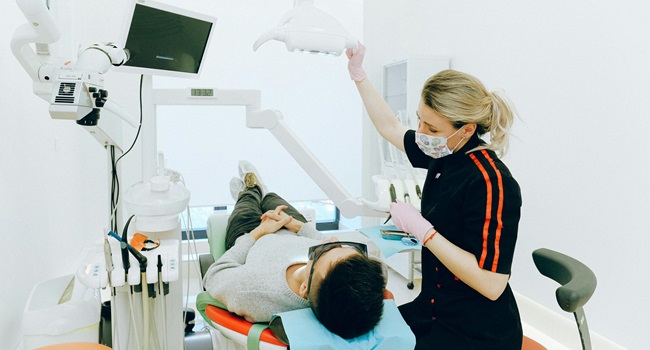
How to Find the Right Dentist For You In Marietta, Georgia

Finding the right dentist doesnโ€™t have to be a struggle. There are some tried-and-true considerations that you need to have in mind as you are looking for the right dental practice for you. Our suggestions will help you to find the right dentist for you and everyone in your family without stress or hours of shopping through the options.

Getting connected with the right dentist office in Marietta, GA is as simple as following these tips and tricks. Once you have these important considerations in mind, you will be able to find the dentist that you have always wanted to work with. Choosing to work with a dental office that is not located conveniently to you, does not accept your insurance, or cannot provide the services that you need is silly when there are so many excellent dentists to choose from.

How to Find the Right Dentist

Finding the right dental office can be tough if you live in a really remote area, but Marietta is a city that offers you a wide array of choices for a variety of different services. These factors are essential when it comes to looking around for the right dental office.

1. Ask About Insurance

One of the most important considerations that you need to have in mind when you are looking for a dentist, is whether or not they take your dental insurance. You might also need to ask if they will work with clients who do not have insurance as well. Dental insurance doesnโ€™t cover special services in most cases, but will often cover basics like regular cleanings.

The office should be able to confirm if they accept your insurance when you call to inquire, or at least by the next day if they need to do some research to answer the question. You should consider it a point of concern if they cannot confirm if they accept your insurance.

2. How do They Handle Emergencies?

Emergencies might not be something that you think about until something bad happens. However, this is one of the things that you should know about before you choose a dentistโ€™s office. If something should come up after hours or during a long weekend, you need to know whether or not you can get help with your problem.

It is also worth it to ask about what kinds of emergencies they are willing to attend to. Some clinics are not able to handle major dental emergencies and can only tackle things like lost crowns or loose fillings. You should know about this before you commit to seeing a dentist, particularly if this is a consideration that is common for you and your loved ones.

3. Ask Friends and Family

Sometimes, getting a referral is the perfect way to find the right dentist for you. Your family and friends will often understand your needs and be able to tell you if their dentist is the right fit for you and your family. This is often a great way to find a dentist who is the right fit for the needs of your kids. Not all dental offices are right for small children. However, if your friends and family have little kids as well, they will be able to help you track down a dentistโ€™s office for a family with children.

Family-focused dental offices will often also see adults, which means that selecting your dentist based on the needs of your kids can be perfect for the whole family.

4.ย Check Out Reviews of the Practice

You should also check out the reviews from other people who have been to the office. There are many places to look at reviews online, so you should have no trouble finding out information about the office from those who have been there for services.

Be sure that you take highly negative reviews with a grain of salt and, equally, that you are suspicious of overly glowing reviews. The reviews that are more practical in nature and which list information about the office and the people who work there in detail are where you should focus your efforts when looking at this kind of information.

5. Is the Office Close to Your Location?

Many people actually forget this important consideration and book an appointment with a dental office that is not convenient to their location. Be sure that you can get to the office easily so that you are not tempted to cancel appointments or reschedule on a regular basis. Many dental offices actually charge you a fee if you cancel without enough notice, so this needs to be something that you donโ€™t forget about when you are looking into dental care locations.

6. Are Their Hours Convenient For Your Schedule?

You should be sure that you verify that you will be able to get to the clinic at times that work with your schedule. Some offices offer late-night appointments and even weekend availability. These kinds of clinics tend to cater to those who work, which makes them perfect if you donโ€™t have a very flexible work schedule.

Inquiring about hours for both regular services and emergencies is always a good policy to follow so that you donโ€™t select an office and then realize that their hours are not going to work for you in the long run.

Finding the Right Dentist Can be a Piece of Cake

If you have been struggling to find a dentist for you and your family, these tips will help you pick an office that will make it easy for all of you to enjoy healthy smiles. Picking a dentist who accepts your insurance, can provide the right services, and is located close to you shouldnโ€™t have to be a struggle. Many people get overwhelmed as they are shopping around for options because they donโ€™t think about the practical considerations first and foremost.

If you have these important factors in mind, you should be able to find the right dental office in the Marietta area for your oral health goals.

How to Implement a Vaccine Management Plan in Your Organization

As organizations prioritize health and safety, a vaccine management plan is essential. This plan ensures that employees stay safe while meeting legal requirements. It also helps build trust and confidence within the workplace.

In this blog post, we will explore some tips to successfully implement a vaccine management plan. These practical strategies will guide your organization in fostering a healthy environment for everyone. Let’s get started on this important journey together!

Assess Current Vaccination Status

Before creating a vaccine management plan, it’s important to check the current vaccination status of your employees. You can do this by conducting a survey to find out how many employees are vaccinated and which vaccines they have received. This information will be the basis for making a focused vaccination policy.

Once you know your vaccination status, you can spot gaps and areas that need improvement. This will help your organization decide which vaccines to focus on first. It will also ensure that all health protocols are followed for a safer workplace.

Develop a Comprehensive Vaccination Policy

Creating a strong vaccination policy is important for your vaccine management plan. This policy should state the organization’s position on vaccinations and give clear guidelines for employees. Be sure to include key details. This includes which vaccines are offered and any deadlines for getting vaccinated.

Your vaccination policy should also highlight why employee health and workplace safety matter. By sharing the benefits of vaccination, you can motivate employees to get involved. This clear communication helps build a culture of safety and health in the organization.

Use Vaccine Management Software

Investing in vaccine management software can make the vaccination process easier in your organization. This software helps track employee vaccinations, send reminders, and manage schedules. By using technology, you can ensure compliance and keep accurate records with less effort.

There are many reasons to invest in vaccine management software. It can reduce the workload and cut down on mistakes, making your vaccination plan work better. A centralized system also allows for better data management and easier access to vaccination information.

Offer Incentives for Participation

To encourage employees to join the vaccination program, think about offering incentives. Incentives can include extra time off, gift cards, or health-related rewards. By motivating employees this way, you can increase participation and improve the overall success of your vaccine management plan.

Incentives not only help boost vaccinations but also create a culture of health in your organization. When employees feel valued and supported, they are more likely to follow health protocols. This positive approach helps everyone by making the workplace healthier.

Empower Your Organization Through a Vaccine Management Plan

A successful vaccine management plan is essential for a healthy workplace. By assessing vaccination status, developing clear policies, and using the right software, you can make the process easier for everyone. Offering incentives and maintaining open communication will encourage employees to participate.

These steps not only support compliance but also promote a culture of health and safety. With a solid vaccine management plan, your organization can ensure the well-being of all employees.

Did this article help you? If so, take a look at some of our other blog posts for more informative reads.

Translate ยป