







Close
Digital Health & Ai Innovation summit 2026
LiGHT26

How to Fully Understand Various Medical Exams & Prepare for Them

Medical exams are a vital part of healthcare, often required for a variety of purposes, including routine checkups, insurance claims, employment, or diagnosing medical conditions. These exams vary widely depending on their purpose, but understanding the different types and what is required for each can help you prepare effectively. Whether itโ€™s a physical exam for employment or a specialized diagnostic test, being well-prepared can reduce stress and lead to more accurate results.

Understanding the Requirements for Medical Exams

Before undergoing any medical exam, it’s essential to understand the specific requirements for the test or evaluation. Different exams have different preparation needs, documentation, and criteria for evaluation. For example, routine physicals might require you to fast before blood tests, while employment-related exams might include drug screening or vision tests. Knowing what is expected can help you avoid delays or complications during the process. The distinction between IME vs MDT is particularly important in understanding requirements. IMEs, or Independent Medical Examinations, are often required for legal or insurance purposes, while MDTs, or Multidisciplinary Team assessments, involve a collaborative approach among different medical professionals for more complex cases. Both types of exams have distinct requirements, and understanding which one you need can help you prepare appropriately.

For IMEs, it is crucial to bring relevant medical documentation, as the examining physician may not have access to your complete medical history. For MDTs, you may need to prepare for a series of tests or evaluations over multiple sessions. Preparation for medical exams can vary, but in most cases, itโ€™s important to bring any necessary documents, such as previous medical records, lists of medications, and insurance information. Understanding what is expected in terms of paperwork and health requirements can ensure that your exam goes smoothly.

Routine Physical Exams and Their Requirements

Routine physical exams are common for many reasons, including preventive healthcare, school admissions, or employment screenings. These exams are usually straightforward, but certain requirements may be in place depending on the purpose of the exam. For example, some physicals may require specific tests like blood work, urinalysis, or vision exams.

In preparation for a routine physical, itโ€™s important to know if there are any dietary restrictions beforehand, such as fasting for 12 hours before blood tests. Additionally, you should gather a list of any medications you are currently taking and be ready to discuss your medical history. This information allows the healthcare provider to have a clear understanding of your health status and detect any potential issues early.

For those undergoing employment-related physicals, be prepared for additional tests such as drug screenings or fitness evaluations, which may vary based on the job requirements. Understanding these specifics ahead of time can help ensure that you meet the necessary criteria for passing the exam.

Diagnostic Tests and Specialized Medical Exams

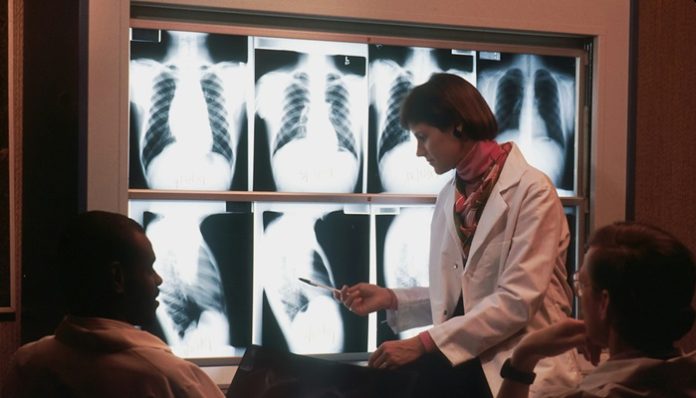
Diagnostic medical exams are typically conducted to investigate specific symptoms or conditions. These can range from imaging tests like MRIs and CT scans to more invasive procedures such as biopsies or endoscopies. Understanding the purpose of the diagnostic test and how it will be conducted is crucial for proper preparation and ensuring accurate results.

Many diagnostic tests have specific preparation requirements. For example, if you are scheduled for an imaging test like an MRI, you may be asked to avoid wearing metal objects, as they can interfere with the scan. For other tests, such as a colonoscopy, fasting, and taking prescribed medications beforehand are necessary to ensure the accuracy of the test.

Specialized medical exams may also require you to adjust your current medications or temporarily stop taking certain prescriptions. Itโ€™s important to follow these instructions carefully to avoid skewing the results of the exam. Consulting with your healthcare provider about the specific requirements of your diagnostic test will help you prepare thoroughly.

Many employers require medical exams as part of the hiring process, particularly for jobs that involve physical labor or high-risk environments. These exams ensure that candidates are fit for the demands of the role and are free from conditions that could hinder their job performance or pose safety risks.

Common requirements for employment-related exams include drug testing, vision and hearing tests, and physical fitness assessments. In some cases, you may also be required to undergo psychological evaluations or stress tests, especially for high-pressure roles. Understanding the specific requirements of the job and preparing for these tests is essential for passing the exam and securing employment.

To prepare for these exams, make sure you are well-rested and hydrated, and follow any specific instructions provided by your employer or the medical facility. If the exam includes a drug test, avoid substances that could result in a false positive, and be ready to provide a list of any prescription medications you take. Proper preparation will help ensure that your results accurately reflect your health and fitness for the job.

Preparing for Insurance-Related Medical Exams

Insurance companies often require them as part of the underwriting process to determine eligibility for coverage and assess risk. These exams typically include basic health evaluations, such as measuring height, weight, blood pressure, and heart rate, as well as blood tests and urine samples. The results of these exams are used to calculate premiums and coverage options.

To prepare for an insurance-related medical exam, itโ€™s important to review any specific instructions provided by the insurer. This may include fasting before the exam or avoiding certain activities that could temporarily affect your health metrics, such as strenuous exercise or smoking. Additionally, bringing a detailed medical history and a list of medications will help the examiner accurately assess your health.

Being honest about your medical history during an insurance exam is crucial, as inaccuracies can lead to complications with your coverage later on. By preparing thoroughly and following the required guidelines, you can ensure that your insurance-related exam goes smoothly and accurately reflects your health status.
Psychological and Cognitive Assessments

In addition to physical exams, psychological and cognitive assessments are sometimes required in situations like legal cases, job applications, or academic evaluations. These assessments measure mental health, cognitive function, and emotional well-being. Common tests may include interviews, standardized questionnaires, and performance-based tasks.

Preparation for psychological exams involves getting a good nightโ€™s sleep, maintaining a healthy diet, and reducing stress before the test. While there may be less physical preparation involved, being mentally ready is crucial for accurate results. Be honest and open during these assessments, as they are designed to provide a true picture of your mental and emotional state.

In some cases, psychological assessments may be part of a larger evaluation, such as an MDT, where multiple medical professionals assess various aspects of your health. Understanding the specific requirements and purpose of the exam will help you feel more confident and prepared.

Medical exams, whether for health monitoring, employment, or insurance purposes, require careful preparation to ensure accurate and timely results. Understanding the type of exam, the specific requirements, and how to prepare are key steps in completing the process. By gathering the necessary documentation, following guidelines, and consulting with medical professionals when needed, you can navigate various medical exams with confidence and peace of mind.

Finding The Best Treatment For Mental Health In Massachusetts

In 2023, a study by Leafwell suggested that Massachusetts was the second healthiest state in terms of mental health. It highlighted the culture, affluence, and overall quality of life. Yet, it is also claimed that around 30% of adults in the state have symptoms of anxiety or depression. It may be slightly below the national average, but it’s also far too high. That’s a lot of people in need of effective mental health care. So, what are the options for psychiatric services and mental health treatment in Massachusetts?

The Dangers Of Pharmaceutical Treatments For Mental Illness

The obvious route for many medical practitioners is to prescribe medication in the hopes the drugs will affect brain chemistry so far as to ease symptoms. While antidepressants and anti-psychotics can prove useful in some cases, they aren’t for everyone. Many dealing with mental health issues feel that the drugs merely mask deeper problems and leave them feeling like they aren’t getting any better.

To make matters worse, there are also various potential side effects patients are expected to face. For example, some who take antidepressants regularly also find they struggle with weight gain and sleep issues. Sleep problems are only going to exacerbate stress and anxiety levels, while weight gain can worsen feelings of low self-worth. There are also reported cases of people taking anxiolytics for anxiety and panic issues developing depression, paranoia, and memory issues. It’s understandable why many people dealing with mental health disorders wish to seek alternative treatments. So, what’s available that doesn’t involve potentially harmful drugs?

Non-Pharmaceutical Approaches To Mental Health Treatment

Lifestyle Changes

This first factor can be difficult for patients to hear. Often, doctors will tell people to make small changes to their lifestyle as a way of treating symptoms more than the underlying cause of anxiety, depression, or any other disorder. However, there are some benefits here that shouldn’t be overlooked. Dietary changes aren’t just there as a way to lose weight and build self-esteem. The right supplementation or shifts away from certain food products could alter your mood or brain chemistry positively. There’s also the potential of exercise for mental health, especially when enjoyed out in nature. You just have to find a form of exercise that brings joy rather than forcing yourself to follow a strict regime in the gym.

Psychiatric Services

On the opposite end of the scale, we have the potential of psychiatric services – more specifically, CBT. This form of talking therapy can prove to be an effective way of getting to the deeper issues at play. Therapists can help patients uncover deeper traumas and emotional triggers that make them more prone to anxiety or depression. It can take a while for patients to make breakthroughs, and sessions aren’t cheap. Yet, the right treatment plan with an empathetic therapist can work wonders on the right people. Don’t forget that if you’re not open to talking with a psychotherapist or doing intensive therapy sessions, it still helps to talk with someone. It could be a friend over a coffee date, a relative, or a beloved pet that won’t ask you any questions.

Alternative Therapies

Apart from traditional therapy practices, many alternative treatments are popular with people dealing with mental health issues. Many of the following are helpful for those who have mild symptoms and are working on self-regulated plans and self-care rather than intensive therapy. With that said mental health practitioners may still recommend group sessions in some of these practices or a regular treatment plan if it proves effective.

Two options that have become mainstream forms of relaxation are yoga and meditation. There are so many different types of yoga that there’s something to suit all tastes, and it can become a fun social activity. The hot yoga sessions aren’t as fun for relaxation and breathing techniques, but a session with puppies or goats has the added bonus of animal therapy. Yoga and meditation are also very easy to do alone, at home, in your free time. Others find that herbalism and aromatherapy are helpful tools for improving their mood and mental health. It can be fun to try different teas and essential oils to see which one has the best effect. Some herbs are deeply relaxing in baths and pillow sprays, while others are great mood enhancers for productivity.

TMS: Transcranial Magnetic Stimulation

A final option worth considering is TMS therapy. This alternative treatment is less well known, but it’s appreciated by those who enjoy its benefits. Trained practitioners carry out a non-invasive treatment that uses magnetic fields to interact with nerve cells within the brain. It’s a safe alternative to electroconvulsive treatment that can help restore a patient’s brain chemistry and mood. It’s all about the neuroplasticity of the brain. The organ is incredibly adaptive and receptive to new stimuli and ideas. You form new neural pathways all the time as you learn new behaviors and responses. This approach taps into that to enact positive change and reduce mental health symptoms.

Some of the best practitioners in Massachusetts, such as Dr. Jonathan Schwartz, MD, have seen success with this treatment and are trusted to provide treatment safely and effectively. It doesn’t work for everyone, with around 50-60% of patients seeing a significant reduction after finishing a course. Still, it could prove to be a great additional treatment on the road to recovery.

Is TMS Therapy The Right Option For You?

The main thing to take away from all this is that you have options. You aren’t limited to a long treatment plan with damaging pharmaceuticals because there are other choices out there. TMS may not be as widely talked about by MA doctors compared with other psychiatric services, but there are skilled professionals in Massachusetts ready to offer sessions. When balanced with other helpful remedies, like CBT, meditation, or whatever else seems to work for you, it could help. It could help you get to a better place with far less stress, fewer side effects, and a lot of hope for the future.

Medical Fair China 2024 Concluded Successfully in Suzhou

How Medical Cannabis is Transforming Pain Management: A New Era of Relief

Letโ€™s face itโ€”pain sucks. Whether itโ€™s a dull, chronic ache that wears you down over time or sharp, sudden discomfort that brings you to your knees, dealing with pain is a struggle nobody enjoys. Over the years, we’ve had our fair share of โ€œsolutionsโ€ to manage pain: popping aspirin like theyโ€™re candy, heating pads that never get hot enough, or stronger prescription meds that, while effective, often come with a laundry list of side effects (and sometimes even addiction). But hereโ€™s the thing: thereโ€™s a new player in town thatโ€™s causing quite the buzzโ€”pun fully intendedโ€”when it comes to pain management.

Yep, Iโ€™m talking about medical cannabis.

Once seen as a counterculture icon of tie-dye T-shirts and rebellious teenagers, cannabis is finally being recognized for what it truly is: a potent, natural remedy thatโ€™s helping people take control of their pain in a whole new way. Letโ€™s dive into how medical cannabis is transforming the world of pain management and why more and more people are making the switch.

The Problem With Traditional Pain Management

Before we get into the whole cannabis bit, itโ€™s important to understand why traditional pain management strategies donโ€™t always cut it. Sure, they can work, but they often come with trade-offs that arenโ€™t always worth the relief they provide.

1. Prescription Painkillers: A Double-Edged Sword

Letโ€™s start with prescription opioids. Theyโ€™ve been the go-to for severe pain for decades, and for good reasonโ€”they work. But hereโ€™s the catch: theyโ€™re also incredibly addictive. The opioid epidemic has shown us just how dangerous these drugs can be. You start off taking them for legitimate reasonsโ€”after surgery, for instanceโ€”but they can quickly lead you down a dark path of dependence, misuse, and in the worst cases, overdose. Not exactly a great option for long-term pain management, right?

2. Over-the-Counter Meds: A Band-Aid Fix

Then weโ€™ve got your over-the-counter pain relievers: aspirin, ibuprofen, acetaminophen. You know, the stuff we all grew up reaching for when we had a headache or muscle soreness. But using these regularly over a long period of time can take a toll on your liver, kidneys, and stomach. And they donโ€™t always tackle the root of the problem, only masking the pain temporarily.

Enter: Medical Cannabis

Thatโ€™s where medical cannabis suppliers come in. These licensed providers are making it easier than ever to access high-quality cannabis products specifically tailored to different types of pain. No longer do patients have to rely on unreliable sources or worry about whatโ€™s in their productโ€”todayโ€™s suppliers ensure consistency, safety, and the ability to customize treatment options. Cannabis isnโ€™t just about getting high or chilling out with some funky-smelling brownies. Over the last decade, more and more research has come out showing the incredible medicinal properties of cannabis, especially when it comes to pain relief. The best part? It doesnโ€™t come with nearly as many risks or side effects as the more traditional treatments weโ€™ve been talking about.

1. How Does It Work?

The magic lies in cannabisโ€™s two most famous compounds: THC (tetrahydrocannabinol) and CBD (cannabidiol). Youโ€™ve probably heard these terms thrown around a lot, but hereโ€™s the simplified version:

  • THC is the psychoactive compound, the one that gives you that โ€œhighโ€ feeling.
  • CBD is non-psychoactive, meaning it wonโ€™t make you feel stoned, but it still has a host of therapeutic effects.

When it comes to pain relief, both compounds are crucial. THC binds to specific receptors in your brain that help reduce the sensation of pain, while CBD works more subtly, interacting with your bodyโ€™s endocannabinoid system to reduce inflammationโ€”a major source of pain for many people.

Together, they create a powerful one-two punch that addresses both the mental and physical aspects of pain.

2. Different Forms for Different Folks

The cool thing about medical cannabis is that it comes in so many different forms. Whether youโ€™re not into smoking or donโ€™t like the idea of ingesting something psychoactive, thereโ€™s an option out there for you:

  • Smoking/Vaping: Traditional, fast-acting, but not everyoneโ€™s cup of tea.
  • Edibles: Longer-lasting, but they take a while to kick in.
  • Topicals: Creams or balms infused with cannabis that you apply directly to the skin. Perfect for localized pain like arthritis or muscle soreness, and they wonโ€™t get you high.
  • Tinctures and Oils: Drops you can place under your tongue or mix into your food or drink. These allow you to control the dosage more precisely.

Thereโ€™s truly something for everyone, and with some experimentation, patients can find what works best for them.

The Benefits of Using Medical Cannabis for Pain

Alright, now letโ€™s get into the real reasons why medical cannabis is such a game-changer for pain management. Spoiler: there are quite a few.

1. Itโ€™s Natural

One of the biggest appeals of cannabis is that itโ€™s a plant-based, natural remedy. Many people are tired of synthetic drugs and want a more holistic approach to managing their health. Cannabis fits the bill perfectly. Unlike opioids or other medications, cannabis doesnโ€™t come with the same risk of overdose or the dangerous chemical dependencies weโ€™ve seen cause so much harm.

2. Fewer Side Effects

Sure, if youโ€™re using a high THC strain, thereโ€™s a good chance youโ€™ll feel a little โ€œspacey.โ€ But in general, the side effects of medical cannabis are far milder compared to prescription painkillers. You might experience dry mouth, drowsiness, or mild dizziness, but nothing close to the dangerous side effects of opioids, which include respiratory depression, addiction, and cognitive impairment.

3. It Treats More Than Just Pain

Whatโ€™s really cool about cannabis is that it doesnโ€™t just target painโ€”it can also help with other symptoms or conditions that often go hand-in-hand with chronic pain. Think anxiety, depression, insomnia, or loss of appetite. This makes it especially beneficial for people who are dealing with more complex health issues. Instead of taking one medication for pain, another for sleep, and yet another for anxiety, many patients find that cannabis helps them manage multiple symptoms with one treatment.

4. Itโ€™s Non-Addictive

One of the greatest dangers with opioids is their potential for addiction. Cannabis, on the other hand, has been shown to have a much lower risk of dependence. While anything can technically be abused, cannabis is far less habit-forming than many traditional painkillers, and thereโ€™s no documented risk of fatal overdose. Thatโ€™s a huge relief for people concerned about long-term treatment options.

So, Is Medical Cannabis Right for You?

This is the million-dollar question, isnโ€™t it? While itโ€™s clear that medical cannabis offers a lot of benefits for pain management, itโ€™s not a one-size-fits-all solution. Your personal health history, pain condition, and even your tolerance for THC can all play a role in determining whether cannabis will work for you.

But hereโ€™s the good news: more states and countries are recognizing the value of cannabis as medicine, and with legalization spreading, access to this alternative form of pain relief is becoming easier.

If youโ€™re dealing with chronic pain and feel like traditional options arenโ€™t cutting it, it might be worth having a conversation with your doctor about medical cannabis. It could be the natural, effective solution youโ€™ve been waiting for.

Final Thoughts

In a world where weโ€™re constantly searching for new ways to deal with pain, medical cannabis offers a fresh perspectiveโ€”one thatโ€™s natural, holistic, and increasingly backed by science. Whether itโ€™s providing relief for conditions like arthritis, nerve pain, or even fibromyalgia, cannabis is quickly changing the game for people who are tired of living in discomfort.

So, what do you think? Could this ancient plant be the future of pain relief? It just might be.

From Acne to Clear Skin: How Red Light Therapy Improves Skin Health

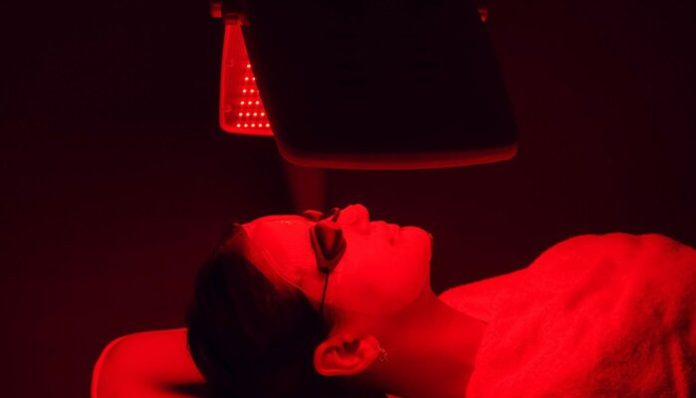
Achieving clear, healthy skin can be a challenge, especially for those battling persistent acne. Red light therapy has emerged as a promising treatment for various skin issues, including acne.

This non-invasive therapy uses specific wavelengths of light to penetrate the skin, promoting healing and reducing inflammation.

We will explore the benefits of red light therapy for skin health, focusing on how it can help clear acne and improve overall skin condition.

Red Light Therapy: A Comprehensive Guide

Red light therapy (RLT) involves the use of low-level red wavelengths of light to treat various skin conditions.

This therapy is believed to work by stimulating cellular activity, increasing collagen production, and enhancing blood circulation.

These effects can lead to improved skin texture, reduced inflammation, and accelerated healing of skin tissues. RLT is used to address a range of skin issues, from acne to wrinkles and scarsโ€‹.

The Solawave Wand

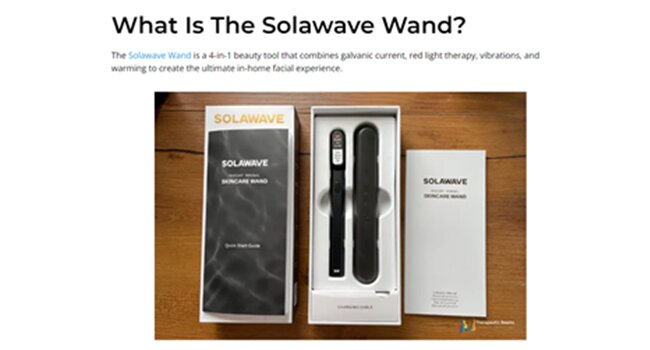
The Solawave Wand is a popular at-home red light therapy device designed to target acne and improve skin health. This compact, handheld device combines red light therapy with microcurrents, therapeutic warmth, and facial massage to enhance its effectiveness.

Users report significant improvements in skin clarity, reduced acne outbreaks, and overall smoother skin texture.

The Solawave Wand is particularly praised for its ease of use and the noticeable results it delivers with consistent useโ€‹.

Joovv Red Light Therapy Devices

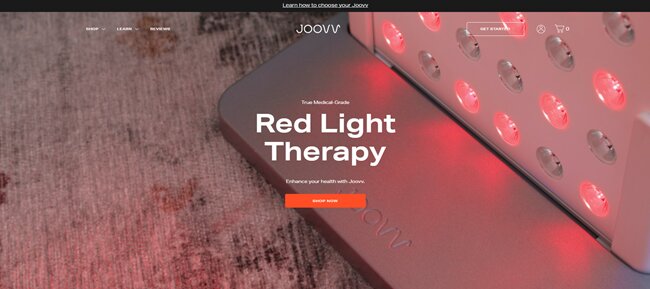
Joovv offers a range of red light therapy devices that are designed for both face and body treatments.

These devices are known for their high quality and effectiveness in promoting skin health.

Joovv devices use medical-grade LEDs to deliver targeted red and near-infrared light, which can penetrate deeper into the skin to reduce inflammation, stimulate collagen production, and enhance cellular repair processes.

Users of Joovv devices often report improved skin texture, reduced acne scars, and a more radiant complexionโ€‹.

Dr. Dennis Gross SpectraLite FaceWare Pro

The Dr. Dennis Gross SpectraLite FaceWare Pro is an FDA-approved LED mask that combines red and blue light therapy to treat acne and signs of aging.

This mask is designed to fit comfortably over the face, delivering a combination of red light to reduce inflammation and blue light to kill acne-causing bacteria.

Regular use of the SpectraLite FaceWare Pro can help clear existing acne, prevent future breakouts, and reduce the appearance of fine lines and wrinklesโ€‹โ€‹.

Project E Beauty LED Photon Therapy Mask

The Project E Beauty LED Photon Therapy Mask is another versatile device that offers multiple light therapy options, including red light.

This mask is designed to treat a variety of skin concerns, from acne to pigmentation issues. The red light therapy mode helps to reduce inflammation, stimulate collagen production, and improve overall skin texture.

Users appreciate the customizable settings and the ability to target specific skin concerns with this deviceโ€‹โ€‹.

LightStim for Acne

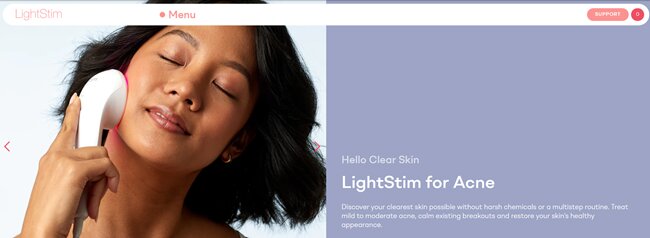
LightStim for Acne is a handheld device specifically designed to combat acne using a combination of red and blue light therapy.

The red light helps to reduce inflammation and promote healing, while the blue light targets and kills acne-causing bacteria.

This dual-action approach makes LightStim for Acne an effective tool for achieving clearer skin.

Users have reported significant reductions in acne severity and frequency with regular use of this deviceโ€‹.

Skin Gym Revilit LED Light Wand

The Skin Gym Revilit LED Light Wand is a budget-friendly option that offers red, green, and blue light therapy.

This handheld device is designed to be used on both the face and body, providing targeted treatment for various skin concerns.

The red light helps reduce inflammation and stimulate collagen production, while the blue and green lights address acne and pigmentation issues.

Users find the Skin Gym Revilit LED Light Wand to be an effective and affordable addition to their skincare routine.

Hooga Red Light Therapy Device

The Hooga HG300 Red and Near Infrared Light Therapy Device is perfect for those new to red and near-infrared light therapy.

It features 60 high-powered LEDs that emit red and near-infrared light at a 1:1 ratio, providing effective treatment for skin issues, boosting metabolism, and relieving joint pain.

This versatile device can be stood up, wall-mounted, or hung, making it an ideal addition to any home therapy routine. It is user-friendly and comes with a 30-day full refund policy and a 2-year warranty.

Therabody Theraface Pro

The Therabody Theraface Pro is a multi-tasking device that combines red light therapy with microcurrent, deep cleansing, and percussive treatments.

This FDA-cleared medical device is designed to improve overall facial health, reduce visible wrinkles, and increase contour definitions.

Clinical trials have shown high user satisfaction, with significant improvements in skin appearance, reduced eye puffiness, and enhanced facial contour.

The Theraface Pro is a versatile and effective tool for comprehensive facial treatment.

Vital Red Light Therapy Device

The Vital Red Light Therapy Device is designed to deliver powerful red and near-infrared light therapy to improve skin health and overall well-being.

This device is highly regarded for its effectiveness in reducing inflammation, stimulating collagen production, and accelerating skin healing processes.

It features a sleek design and is equipped with high-quality LEDs that emit therapeutic wavelengths ideal for penetrating deep into the skin.

Users of the Vital Red Light Therapy Device have reported significant improvements in their skin’s appearance, including reduced acne scars, fewer wrinkles, and an overall smoother complexion.

The device is easy to use, with straightforward controls and adjustable settings that allow for personalized treatment sessions.

It can be used on various parts of the body, making it a versatile addition to any skincare routine.

Before you get your Red Light Therapy device

In addition to clearing acne, red light therapy can also enhance the efficacy of topical skincare products by helping them penetrate deeper into the skin.

Incorporating red light therapy into your skincare routine can provide long-term benefits, ensuring healthier and more resilient skin over time.

Leveraging Advanced Expertise in Patient Care Coordination

Patient care coordination is crucial in ensuring efficient, high-quality care as healthcare systems grow more complex. As such, care coordinators act as vital liaisons between patients, families, and healthcare providers, navigating healthcare delivery challenges.

Thus, we want to discuss how developing advanced expertise in patient care coordination improves patient outcomes, streamlines processes, and reduces errors, all while enhancing patient satisfaction and ensuring seamless care transitions.

Skills for Advanced Patient Care Coordination

Coordinators help patients navigate their medical journeys by scheduling appointments, explaining medical procedures, and facilitating access to the necessary resources, especially for those with chronic or complex conditions. Their role is crucial in ensuring patients receive timely, appropriate care while avoiding the confusion and frustration that can arise from navigating the healthcare system alone.

Acquiring the advanced skills necessary for patient care coordination requires a blend of formal education, practical experience, and ongoing professional development.

Certification, such as by the Association of Social Work Boards (ASWB), covers vital topics, including care coordination, health information technology, and handling complex patient needs. You can boost your success rate in such exams with resources that offer insights into the specific content areas tested.

Advanced expertise in patient care coordination is essential for managing the increasing complexity of healthcare. With patients often seeing multiple specialists, undergoing various treatments, and navigating a wide range of healthcare services, a coordinator with in-depth knowledge becomes crucial.

Expertise allows coordinators to create seamless, integrated care plans that reduce inefficiencies and errors, ultimately improving patient outcomes.

Moreover, advanced expertise equips coordinators with the ability to handle the diverse needs of patients, particularly those with chronic or complex conditions. They must understand the intricacies of medical treatments, insurance policies, and healthcare regulations.

For instance, coordinators working with cancer patients must update each specialist with the patientโ€™s evolving care plan. It involves managing appointments and making informed decisions based on the latest medical advancements, which require continuous learning and specialised training.

Furthermore, as the healthcare landscape evolves with new technology and regulatory changes, care coordinators with advanced expertise are better equipped to adapt. As such, the skills of advanced patient care coordinators include the following:

Communication Skills and Organisation

Coordinators must ensure clear, effective dialogue between patients, healthcare providers, and families, translating medical jargon into understandable terms while advocating for patient needs.

In addition, coordinators juggle numerous tasks, such as managing appointments, coordinating treatments, and ensuring smooth transitions between healthcare settings. This level of organisation avoids gaps in care that could result in medical errors or unnecessary delays.

Knowledge of Health Information Technology and Adaptability

Proficiency in using electronic health records (EHRs) and other patient management systems helps track patient progress, coordinate care across different providers, and ensure that all team members have access to the most up-to-date information.

Further, coordinators must stay current with changes in healthcare regulations, policies, and best practices to ensure they provide the most accurate and relevant support to patients and healthcare teams.

Critical Thinking and Decision-Making

Advanced patient care coordinators must be adept at critical thinking, especially when faced with complex medical scenarios that require quick, informed decisions. They need to synthesise a variety of inputsโ€”medical data, patient history, and care team insightsโ€”into actionable plans that ensure the best outcomes.

It often involves balancing competing priorities, such as keeping long-term care goals in mind and addressing urgent medical needs. Effective decision-making prevents delays in care, avoids unnecessary treatments, and ensures the coordination process runs smoothly across multiple disciplines and providers.

Emotional Intelligence

Handling sensitive patient situations requires high emotional intelligence (EQ), enabling coordinators to empathise with patients and their families while maintaining professional boundaries.

Coordinators with strong EQ can navigate emotional and stressful interactions, such as end-of-life discussions or shocking diagnoses, with compassion. They must balance emotional support with clinical objectivity, ensuring they remain effective in their roles without being overwhelmed by the emotional demands of patient care.

Conflict Resolution

Coordinators must identify and overcome barriers to care, whether financial, logistical, or social. It often involves anticipating and addressing potential challenges, ensuring the patientโ€™s journey through the healthcare system is as smooth as possible.

In addition, conflicts can arise between patients, families, and medical teams due to differing opinions on treatment plans, goals of care, or logistical concerns.ย 

Advanced care coordinators must possess strong conflict resolution skills to mediate these disagreements, ensuring patient care continues smoothly. It involves listening actively to all parties, identifying the root causes of conflict, and negotiating solutions that satisfy everyone involved while prioritising patient well-being.

Time Management

Advanced care coordinators must balance administrative duties, patient meetings, and follow-ups without letting any aspect of care fall behind. This skill becomes even more essential when handling complex cases involving multiple providers and treatments.ย 

Good time management ensures that each patient receives timely care, that appointments and treatments are well-coordinated, and that the overall healthcare system operates efficiently, reducing the risk of burnout for the coordinator and gaps in patient care.

Conclusion

Leveraging advanced expertise in patient care coordination is essential for improving healthcare outcomes, streamlining processes, and enhancing patient satisfaction. Coordinators with advanced skills proactively manage patient transitions, ensuring continuity of care across various providers and specialities.ย 

They also utilise data-driven insights to anticipate potential issues and optimise treatment plans, reducing delays and avoiding unnecessary interventions. These actions create a more personalised and efficient patient experience.

How To Handle Patient Requests for Medical Certificates

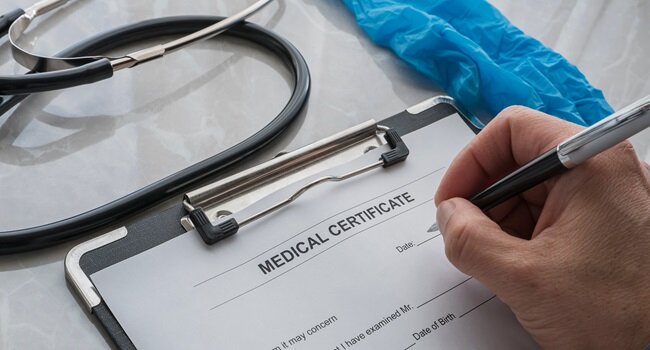
Handling patient requests for medical certification requires healthcare providers to navigate several complexities beyond issuing a simple note. People usually request certification for medical leave, an accommodation request, and other purposes like school or legal obligations. Attention to detail, legal knowledge, and a streamlined process ensures both accuracy and patient satisfaction. Below are best practices for managing medical certification requests, helping healthcare providers maintain compliance, adhere to legal guidelines, and foster good faith efforts to meet patient needs while streamlining workflows.

1. Understand the Reason for the Request

Itโ€™s essential to know the purpose behind the medical certificate request. Is it related to medical leave, foster care, or an accommodation request (from the Americans with Disabilities Act)? This context helps determine whether issuing medical certification is appropriate. For instance, sick leave, intermittent leave, or an extended medical leave under the Family and Medical Leave Act (FMLA leave) often require medical documentation that reflects the patient’s health condition accurately.

Healthcare providers must ensure that all medical information in the certificate is based on medical evidence, such as a recent medical examination or the patient’s history of medical conditions. Any new medical request should be verified with sufficient certification, ensuring that the patientโ€™s need is valid and supported by appropriate medical facts. Additionally, you can streamline the process by offering digital certificates through secure online platforms. You can offer digital certificates through online platforms, such as a doctor’s note from PDFRun.

2. Verify the Patientโ€™s Identity and Medical History

Before issuing any certificate, healthcare providers must review the patientโ€™s medical records and verify their identity. For first-time requests or if you lack prior knowledge of the patientโ€™s medical condition, an in-person medical examination may be required. Healthcare providers must avoid issuing certificates based solely on verbal claims to protect themselves and maintain ethical standards. Maintaining accurate and detailed medical documentation ensures that any certificate provided aligns with legal standards.

3. Assess the Appropriateness of the Request

Not every medical condition justifies a medical certificate. Providers need to assess the severity and duration of the condition and whether it qualifies for medical leave under the medical leave act. Conditions such as mental impairments, requiring reasonable accommodation under the disabilities act, need specific medical evidence to support requests like sick leave or extended leave.

Healthcare providers should explain the limitations of medical certificates to patients, especially if the condition doesn’t warrant the requested leave. Transparency in discussing the patientโ€™s health condition and medical information will help manage expectations.

4. Follow Legal Guidelines

Healthcare providers must be aware of their regionโ€™s legal requirements regarding medical certification. This includes understanding obligations under laws like the and the Equal Employment Opportunity Commission (EEOC) or Health Insurance Portability and Accountability Act (HIPAA). Providers should also familiarize themselves with FMLA leave regulations, including the minimum period for leave and the proper documentation needed for an accommodation request. Using a standardized certification form can help ensure consistency and compliance with local laws, including those governing health insurance or mental impairment.

5. Provide Clear Recovery Time and Recommendations

A thorough medical certificate should clearly outline the patient’s recovery timeline and any recommendations for returning to normal activities. This is particularly important for patients requesting medical leave or intermittent leave under FMLA. Be concise yet clear about the patientโ€™s medical condition, treatment, and recovery to avoid unnecessary follow-ups from employers or schools. Including precise medical documentation not only helps patients but also prevents disputes with employers or other parties regarding the length and validity of the medical leave.

6. Keep a Record of Issued Certificates

Healthcare providers must maintain a record of all issued certificates. This includes tracking the patientโ€™s reason for needing the certificate, the date of issue, and the medical information provided. Securely storing these records helps protect patient privacy and allows providers to quickly reference additional information if needed. Digital systems can assist by automatically saving copies of medical certificates to the patient’s file, reducing the risk of lost documentation and ensuring legal compliance.

7. Communicate the Process to the Patient

Itโ€™s essential to communicate the steps involved in obtaining medical certification. Whether itโ€™s an accommodation request, leave request under FMLA, or another need, informing patients of the process, including in-person evaluations and the calendar days it will take to issue the certificate, helps manage expectations and prevents delays.

Final Thoughts

Handling patient requests for medical certification doesnโ€™t have to be complicated, but it does require attention to detail, legal guidelines, and clear communication. Following these steps ensures that healthcare providers issue certificates that are accurate, ethical, and legally compliant. In doing so, healthcare providers can protect themselves from legal risks, streamline operations, and improve patient satisfaction. Issuing a medical certificate is a great opportunity to build trust and a means of ensuring that patients receive the proper documentation needed for sick leave, medical leave, or other accommodations without unnecessary delays.

From Prep to Recovery: A Complete Guide to Tummy Tuck Surgery

Undergoing tummy tuck surgery is a transformative decision that can significantly enhance self-esteem and body image. This procedure, also known as abdominoplasty, is designed to contour and firm the abdominal area by removing excess skin and fat while tightening the underlying muscles. Whether motivated by post-pregnancy changes, weight fluctuations, or aging, a tummy tuck offers a path to a rejuvenated physique. However, understanding the process from preparation to recovery is crucial for a smooth and successful journey. In this guide, we’ll walk you through everything you need to knowโ€”offering insights, tips, and guidance to ensure you are fully prepared for the path ahead.

Preparing for Surgery

Before undergoing a tummy tuck, it’s essential to have a thorough consultation with a board-certified plastic surgeon. During this consultation, the surgeon will evaluate your health status, discuss your goals and expectations, and recommend the appropriate procedure. You should also use this time to ask any questions about the surgery, recovery process, and potential risks. Understanding what to expect before and after a tummy tuck can ease your anxiety and prepare you for the changes. Once you decide to proceed with the surgery, there are several steps you can take to prepare yourself physically and mentally:

  • Quit smoking: Smoking cessation is highly recommended before undergoing any surgical procedure as it can significantly impact healing and increase the risk of complications. If you’re a smoker, quitting at least six weeks before surgery is ideal.
  • Maintain a healthy diet: Eating a well-balanced diet will help your body prepare for the surgery and promote healing afterward. Ensure you get enough protein, fruits, vegetables, and healthy fats to support your body’s needs.
  • Stay hydrated: Drinking plenty of water can help improve skin elasticity and overall health, aiding recovery after surgery.
  • Avoid blood-thinning medications and supplements: Your surgeon will provide a list of drugs and supplements to avoid before surgery, as they may increase bleeding during the procedure. Make sure to follow these guidelines strictly.
  • Arrange for post-surgery care: It is crucial to have someone with you during the first few days after surgery to help with daily activities and provide support. Make sure to arrange this in advance.
  • Prepare your recovery space: Create a comfortable and relaxing space at home where you can rest and recover comfortably. Have essential items such as medications, pillows, and loose-fitting clothing within reach.

The Surgery Process

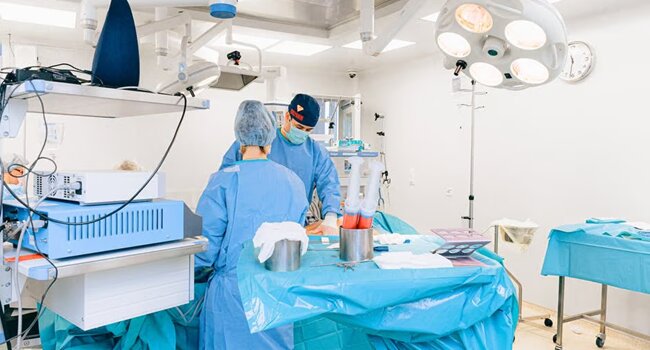
On the day of surgery, follow your surgeon’s instructions about fasting and avoiding certain medications. The procedure may take two to five hours, depending on the extent of correction needed. General anesthesia or IV sedation will be administered to ensure you are relaxed and comfortable throughout the surgery. Here’s what you can generally expect during a tummy tuck procedure:

  • Incision: The first step in a tummy tuck is an incision along the lower abdomen, usually below the bikini line. This incision allows access to remove excess skin and fat and tighten the abdominal muscles.
  • Removal of excess skin and fat: After making the incisions, your surgeon will carefully remove the excess skin and fat, creating a flatter, more toned appearance.
  • Muscle repair: If necessary, your surgeon may also tighten and repair the underlying abdominal muscles to achieve a smoother and firmer contour.
  • Closing incisions: Once all the desired corrections are made, your incisions will be closed using sutures or surgical glue.

Overall, tummy tuck surgery is a relatively safe procedure with minimal risks when performed by an experienced plastic surgeon. However, it’s essential to closely follow your doctor’s post-operative care instructions to ensure proper healing and optimal results.

Recovery Process

The first few days after surgery are crucial for healing and recovery. You may experience swelling, bruising, and discomfort as your body heals. These symptoms are typical. Your surgeon will prescribe pain medication to manage discomfort and recommend wearing a compression garment. This garment supports your abdomen, reduces swelling, and aids healing.

Carefully following your surgeon’s instructions during recovery is essential for smooth healing. Avoid strenuous activities like heavy lifting or intense exercise for at least 4-6 weeks. Wearing your compression garment as directed is crucial for proper healing and optimal results. Attending all follow-up appointments with your surgeon is vital to monitor progress and address concerns.

Maintaining a healthy diet and staying hydrated are crucial for recovery. Nutrient-rich foods like fruits, vegetables, lean proteins, and whole grains provide essential vitamins and minerals for tissue repair. Drinking plenty of water supports healing and helps remove toxins. These steps support your body’s healing and enhance surgery results.

A tummy tuck surgery can be life-changing, but preparing yourself physically and mentally for the journey ahead is essential. By following these guidelines and listening to your surgeon’s instructions, you can have a smooth and successful experience from prep to recovery. Remember that every individual is unique, so it’s crucial to have an open line of communication with your surgeon before, during, and after the procedure. You can achieve your desired body and boost your confidence with proper preparation and care.

Essential Training Resources for Career Advancement in Cancer Treatment

The field of cancer treatment is constantly evolving, with new advancements and discoveries being made every day. As a healthcare professional in this field, it is essential to continuously develop your skills and knowledge to keep up with these changes. This is where training resources come into play. In this guide, we will explore the essential training resources that can help you advance your career in cancer treatment. These resources not only provide valuable knowledge but also offer opportunities for networking and skill development. Whether you are just starting your career or looking to take the next step, these resources will be invaluable in helping you achieve your goals.

Why Continuous Training is Essential in the Field of Cancer Treatment?

Continuous training is essential in the field of cancer treatment because it allows healthcare professionals to stay updated with the latest advancements and techniques. As new treatments and technologies emerge, professionals need to have a thorough understanding of them in order to provide the best care for their patients. Continuous training also helps in developing critical thinking skills and staying up-to-date with industry standards and guidelines. Moreover, by attending training sessions or workshops, healthcare professionals can network with other experts in the field and exchange knowledge and experiences, leading to further growth and development. In such a dynamic field as cancer treatment, continuous training is necessary for career advancement and providing quality care to patients.

Conferences, Workshops, and Seminars

Attending conferences, workshops, and seminars is a great way for healthcare professionals to stay updated on the latest trends and advancements in cancer treatment. These events not only offer valuable learning opportunities but also provide a platform for networking with other experts in the field. Conferences designed for oncologists unite leading researchers, practitioners, and industry experts to exchange their knowledge and expertise. Workshops and seminars also offer hands-on training experiences that can enhance practical skills needed for effective cancer treatment. These events often feature keynote speakers who are renowned in the field, providing insights and inspiration for career growth and development.

Top Organizations and Institutions Offering Cancer Treatment Training Programs

There are several organizations and institutions that offer training programs specifically designed for professionals in the field of cancer treatment. The National Comprehensive Cancer Network (NCCN) offers a variety of educational resources, including conferences, webinars, and online courses focused on various aspects of cancer care. The American Society of Clinical Oncology (ASCO) also provides training opportunities through their meetings, workshops, and symposiums. Additionally, institutions such as Memorial Sloan Kettering Cancer Center and MD Anderson Cancer Center offer fellowship programs for physicians who wish to specialize in oncology. These training programs provide a comprehensive curriculum covering all aspects of cancer treatment, from diagnosis to survivorship, and are highly respected in the industry.

Online Courses

Online courses have become increasingly popular in recent years, and they are a convenient option for healthcare professionals looking to advance their careers in cancer treatment. Online courses offer the flexibility to study at your own pace and from the comfort of your own home. This is especially beneficial for those who may not have the time or resources to attend conferences or workshops in person. Many reputable institutions and organizations now offer online training programs specifically tailored for professionals in the field of cancer treatment. These courses cover a wide range of topics, from basic principles to advanced techniques, allowing participants to gain valuable knowledge and skills while balancing their work schedules.

The Role of Mentorship in Career Advancement in Cancer Treatment

Having a mentor who is experienced and knowledgeable in the field can provide valuable guidance, support, and career advice. A mentor can also help identify areas for improvement and offer opportunities for growth and development. In the dynamic field of cancer treatment, having a mentor can be especially beneficial, as they can share their experiences and insights on new treatments and technologies. Mentors can also introduce mentees to new networking opportunities, allowing them to expand their professional connections within the industry.

Self-study and self-evaluation are important components for career advancement in cancer treatment. Keeping up with current literature, research studies, and industry news can help healthcare professionals stay informed about new developments and advancements in the field. It is also important to regularly evaluate one’s own skills and knowledge, identifying areas that require improvement or further development. This can be done through self-assessment exercises or seeking feedback from colleagues or mentors.

Continuous training is crucial for career advancement in cancer treatment. Attending conferences, workshops, seminars, online courses, and seeking mentorship are valuable for enhancing skills. By evaluating progress and staying updated with industry advancements, healthcare professionals can provide the best care for patients while advancing their careers.

Translate ยป