















Close
Digital Health & Ai Innovation summit 2026
LiGHT26

Choosing the Right Mattress for Patient Comfort: The Benefits of Hybrid Options

When it comes to ensuring comfort and support for patients, the choice of mattress is paramount. Hybrid mattresses for patient comfort combine the best of both worldsโ€”supportive innerspring coils and plush foam layers. This unique design provides excellent pressure relief, which is crucial for individuals who may be bedridden or have limited mobility. In this article, we will explore the benefits of hybrid mattresses and why they are an ideal choice for patient care.

Understanding Hybrid Mattresses

Hybrid mattresses are designed to offer a balance of comfort and support. They typically consist of multiple layers, combining the firmness of innerspring coils with the softness of memory foam or latex. The innerspring layer provides the necessary support for the body, while the foam layers contour to the curves, alleviating pressure points. This construction not only enhances comfort but also promotes proper spinal alignment, which is essential for overall health.

Pressure Relief and Support

One of the primary concerns for patients is the risk of pressure sores, especially for those who are immobile for extended periods. Pressure sores can develop when sustained pressure is placed on certain areas of the body, leading to skin breakdown. Hybrid mattresses are particularly effective in reducing this risk due to their combination of support and cushioning.

The foam layers in a hybrid mattress distribute body weight evenly, alleviating pressure on high-risk areas such as the hips, heels, and tailbone. This is crucial for patients who may be spending significant time in bed, as it helps to minimize discomfort and prevent skin issues. Additionally, the innerspring support system provides the necessary firmness to ensure the spine remains aligned, reducing the risk of discomfort and pain.

Temperature Regulation

Another significant advantage of hybrid mattresses is their ability to regulate temperature. Many foam mattresses can trap heat, causing discomfort for patients who may already be sensitive to temperature changes. In contrast, hybrid mattresses often feature breathable materials and cooling technologies that promote airflow. The innerspring coils allow for better ventilation, keeping the mattress cool and comfortable throughout the night.

For patients who may have difficulty regulating their body temperature, this feature is particularly beneficial. A cooler sleeping environment can enhance sleep quality, allowing patients to rest more comfortably and wake up feeling refreshed.

Customizable Comfort

Hybrid mattresses come in a variety of firmness levels, making it easier to find the perfect fit for each patientโ€™s unique needs. Patients may have different preferences based on their specific health conditions, weight, and sleeping positions. For example, those with back pain may benefit from a medium-firm mattress that offers support while still providing some cushioning.

Additionally, many hybrid mattresses are designed to accommodate adjustable bases. This allows caregivers to elevate the head or feet of the bed, providing customized comfort and support for patients who require specific positioning due to medical conditions. The ability to adjust the mattress can help improve circulation, alleviate discomfort, and enhance overall patient comfort.

Durability and Longevity

Investing in a quality mattress is essential for any healthcare setting, and hybrid mattresses are built to last. The combination of high-quality materials, including durable coils and robust foam, ensures that these mattresses can withstand the wear and tear associated with regular use. This durability not only provides long-term comfort for patients but also offers cost savings for healthcare facilities, as they wonโ€™t need to replace mattresses as frequently.

Easy Maintenance

Hybrid mattresses are generally easier to maintain compared to traditional mattresses. Many models come with removable and washable covers, making it simpler to keep the mattress clean and hygienic. This is especially important in healthcare settings where cleanliness is paramount. Additionally, hybrid mattresses are often resistant to allergens and dust mites, contributing to a healthier sleeping environment for patients.

Conclusion

Choosing the right mattress for patient comfort is a vital aspect of healthcare that should not be overlooked. Hybrid mattresses provide an exceptional combination of support, pressure relief, temperature regulation, and durability. Their customizable comfort features make them suitable for a wide range of patient needs, ensuring that individuals receive the care and comfort they deserve.

By considering hybrid options, healthcare providers can enhance the quality of care and improve the overall patient experience. Investing in a high-quality hybrid mattress is an investment in patient health and well-being, making it a top choice for those seeking to provide the best in patient comfort.
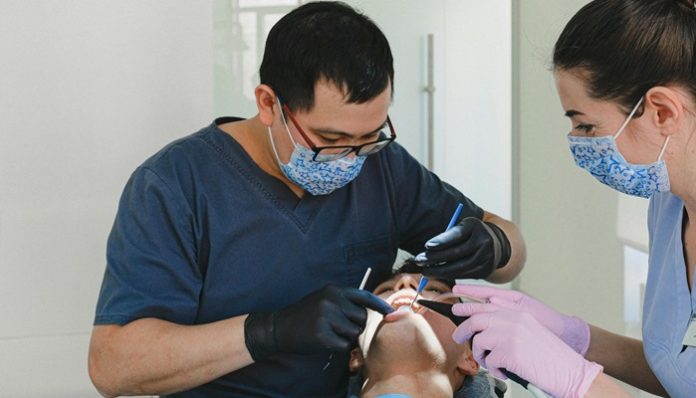

How Cosmetic Dentistry Can Lead to Better Oral Health

Good oral health can involve many factors and kinds of services. You might think of brushing and flossing when you think about oral well-being, but there are other dental services that are part of oral health. Services like dental cleanings and even cosmetic oral care can help your teeth and gums to be healthy.

Your dentist in Buckhead can help you find the right combination of dental healthcare services to ensure that you are able to enjoy oral health for years to come. There are many kinds of dentistry services that can improve the appearance of your teeth while also ensuring the health of your teeth and gums. Cosmetic dentistry can top the list of ideal solutions for better oral health.

Cosmetic Dentistry Can Improve Oral Health

Cosmetic dentistry can be ideal even if you are not concerned about the appearance of your teeth. Your gums and the roots of your teeth can also benefit from cosmetic dentistry as well. Your overall oral well-being often hinges on eliminating crowding in your mouth and gaps or spacing issues. Cosmetic dentistry can resolve many dental health concerns with ease.

There are many different kinds of cosmetic dentistry services that you can access, and an experienced dentist will help you select the right services for your needs.

1. Prevention of Further Damage

When you get quality cosmetic dental care services, you can prevent the progression of dental health issues that might impact other teeth or the health of your gums. Prevention of advanced dental disease is often one of the main goals of cosmetic dental services of all kinds. While these services can make your teeth look beautiful, they can also have a big impact on the stability and health of your teeth, gums, and jaw.

Many people write off cosmetic dental care services as being entirely aimed at the appearance of teeth, but that is not typically the case. Being able to stabilize nearby teeth and protect them from being damaged by oral health concerns is always a component of cosmetic dental care services both big and small.

2. Improve Alignment

Dental alignment can be a big factor in the long-term health of your entire mouth. Teeth that are crowded can become damaged or prone to dental decay. Crowded teeth can also end up getting cracked or broken over time as well. Pressure from dentition issues can lead to all kinds of dental health struggles.

Improved alignment can help patients to take better care of their teeth as well. Eliminating hard-to-reach areas and making sure that there are no large gaps in the mouth can help to ensure that flossing and brushing can do their job. Improved alignment can make teeth look much better, but it can also help to keep your teeth and gums healthy in the long run.

3. Restoration of Damaged Teeth

Broken or cracked teeth donโ€™t just look bad, they can also open your mouth up to the risk of infection. Cracked or damaged teeth can become openings for bacteria to get into the bones of the jaw, which can lead to significant health risks. In most cases, damaged teeth are also quite painful, which can be tiring and unpleasant and can also lead to nutrition issues over time.

Cosmetic dentistry can help to make sure that damaged teeth do not become significantly painful or lead to infection. There are various kinds of dental bonding services as well as more extensive solutions like implants, bridges, and dentures that can help to attend to issues related to damaged teeth.

4. Correction of Bite Issues

Bite issues can lead to things like TMJ pain, headaches, and nutritional struggles. Bite issues can be improved by braces, implants, and other solutions. There are also solutions for tooth grinding, such as bite guards, which can help correct bite problems that lead to pain and discomfort. Bite correction alleviates strain on the jaw and the teeth, as well as the soft tissues.

Correcting bite issues can help you avoid damaged teeth as well as soft tissue problems that can lead to long-term injury and pain. Braces are the most commonly used cosmetic dental care solution for bite issues, but there are a variety of other bite issue solutions that can help resolve bite problems with ease.

5.ย Prevention of Gum Disease

Gum disease takes advantage of things like crowded or broken teeth to be able to infect the gums. If gum infections progress, they can turn into jaw infections. Gum disease is much easier to keep from being a factor if your teeth are evenly spaced and if it is easy to floss and brush them. Hard-to-reach areas or crowded spaces can be tough to care for and can become havens for infection and other dental health issues.

Cosmetic dentistry can prevent these kinds of problems with ease. There are many different kinds of cosmetic dentistry services that can help to keep your gums healthy. From braces to veneers, there are many kinds of cosmetic dentistry services that straighten your teeth and help eliminate gaps and spaces, as well as crowding.

Cosmetic Dentistry Can Improve Your Oral Health

Cosmetic dentistry can do so much more than just make your teeth look pretty. Without cosmetic dentistry, many dental health conditions and concerns could not be addressed. There are various kinds of cosmetic dentistry services that you can access to make sure that your teeth and gums are in great health.

A skilled dental team can help you select the right cosmetic dentistry services to make sure that your teeth not only look their best, they feel their best too. Removing gaps and evening out spaces will help you to take better care of your teeth and these services can also help to fix broken or cracked teeth with ease. If you are looking for ways to make sure that your mouth looks and feels its best, contact us today to find out more about what cosmetic dental care can do for you.

Exploring Covid-19’s Impact on Kidney & Dialysis Patients

Although millions of people all across have been impacted by the Covid-19 epidemic, some groupsโ€”including those suffering kidney illness and those receiving dialysis treatmentsโ€”are more vulnerable. Complications from chronic diseases combined with impaired immune systems make them more prone to be severe. This post looks at the reasons kidney dialysis patients run more dangers, the particular difficulties Covid-19 presents, and how they could safeguard themselves.

The Connection Between Kidney Disease and Covid-19

A major disorder influencing waste and toxin filtering in the body is kidney disease. Dialysis is absolutely necessary for survival for people in later illness stages. Renowned for its effect on the respiratory system, the Covid-19 virus can also cause problems in persons with chronic medical conditions, especially those with weakened renal function.

Why Are Kidney & Dialysis Patients at Greater Risk?

Patients with chronic kidney disease (CKD) or on dialysis can have compromised immune systems. Fighting off diseases like SARS-CoV-2 (the virus causing Covid-19) is more difficult with this reduced immunity. For someone living with end-stage renal disease (ESRD) or on dialysis, infections that could be mild for a healthy person can be fatal.

Many dialysis patients may show up for their treatments many times a week at different facilities. Their exposure to the virus rises from their regular travel and close proximity with other patients and medical professionals. People with kidney failure are reportedly far more likely to experience serious Covid-19 problems including immediate kidney damage and long-term health effects.

Covid-19 and the Impact on Dialysis Treatments

Changes in Dialysis Procedures During the Pandemic

Dialysis centers have to change at the start of the epidemic to fit new safety procedures meant to safeguard staff members as well as patients. Standard practice became social distance, PPE (personal protection equipment), and regular sanitizing. These developments did, however, also bring difficulties such delays in treatments and restricted availability of home dialysis choices.

Though not every patient had access to this technology, many dialysis centers started using telemedicine for consultations and remote monitoring to cut patient exposure. For patients with kidney illness, the great risk of exposure in healthcare environments during dialysis sessions remained a major issue.

Increased Mortality Rates Among Dialysis Patients

Data indicates that dialysis patients had a far greater death rate from Covid-19 than the general population. The pre-existing diseases that frequently accompany renal diseaseโ€”such as diabetes, hypertension, and cardiovascular diseaseโ€”cause much of this higher risk. These disorders and the reduced immunological response of the body produce a perfect storm for major problems with Covid-19.

Protecting Kidney & Dialysis Patients During Covid-19

Vaccination and Kidney Disease

One of the most important weapons in lowering the effect of COVID-19 is vaccination. For patients on dialysis or with CKD, however, their compromised immune systems could mean less efficacy from the vaccination. Studies have indicated that although the vaccination provides protection, dialysis patients might not mount as robust of an immune response as those in general. Thus, maintaining additional preventative measures and boosting doses are absolutely vital.

Importance of Early Detection and Monitoring

Early COVID-19 symptom identification is absolutely vital for kidney and dialysis patients. Fever, coughing, dyspnea, and tiredness could all point to an infection; quick medical intervention is advised. For these high-risk patients, early interventionโ€”including antiviral treatmentsโ€”can dramatically increase outcomes.

Furthermore, as the virus has been found to directly affect renal function, constant observation for symptoms of acute kidney damage in Covid-19 patients is crucial. To avoid more difficulties, healthcare professionals have to closely monitor renal function in patients afflicted.

The Role of Healthcare Providers in Supporting Kidney Patients

The treatment of dialysis and kidney disease patients during the epidemic depends much on the healthcare providers. They have to combine reducing virus exposure with making sure patients get life-saving medicines. Among the tactics used include telehealth services, in-center infection control techniques, and, when practical, encouraging home dialysis.

Providers also have to be mindful of how Covid-19 might affect kidneys over long terms. Some Covid-19 survivors can have long-term kidney impairment, which could aggravate CKD or cause dialysis needs.

Managing Mental Health During the Pandemic

Remember too that the epidemic has caused psychological as well as bodily effects. The anxiety and stress kidney patients experience from their dread of catching Covid-19 and their isolation from frequent hospital trips can be extreme. These patients, who can already feel burdened by their chronic illness, depend on mental health support absolutely.

Conclusion

Kidney and dialysis patients especially suffer greatly from Covid-19; the virus increases their risk of serious sickness and death. These patients must be alert, get vaccinated, and closely coordinate with healthcare providers as the epidemic develops to control their renal health as well as possible Covid-19 exposure. Understanding the particular difficulties they experience and acting early will help us to shield this sensitive group from the harshest consequences of the infection.

How Counseling Can Transform Your Life

Embarking on a journey of self-discovery and growth can often seem daunting, but counseling offers a supportive and transformative path forward. Whether facing personal challenges, navigating complex emotions, or striving for greater self-awareness, counseling can provide the tools and insights necessary for meaningful change. By fostering a safe and non-judgmental environment, counseling encourages individuals to explore their thoughts and feelings, uncover latent strengths, and develop coping strategies for a more fulfilling life. It is both a partnership and a process, tailored uniquely to each person’s needs, and has the potential to be a life-changing experience โ€” look no further!

Improved Self-Understanding

Counseling provides an opportunity for individuals to develop a deeper understanding of themselves. Through introspection and guided reflection, therapists can help clients recognize patterns and underlying causes for thoughts, feelings, and behaviors. This increased self-awareness allows individuals to make more informed choices and take meaningful steps toward personal growth. Holistic counseling like Denver Wellness Counseling incorporates various approaches, from cognitive-behavioral therapy to mindfulness-based techniques, to facilitate a deeper understanding of one’s self. Know that when you understand yourself, everything else falls into place.

Enhanced Emotional Regulation

Emotional regulation is a crucial skill that counseling helps to enhance, allowing individuals to manage their emotions effectively. Thanks to various therapeutic techniques, clients learn how to identify and articulate their emotions, which can reduce the frequency and intensity of emotional outbursts.

Counseling provides strategies to handle emotions healthily, such as using mindfulness exercises and stress reduction techniques that promote calmness and resilience. By improving emotional regulation, individuals are better equipped to face daily challenges without becoming overwhelmed. In turn, this leads to improved relationships and overall well-being.

Increased Resilience

Resilience is the ability to bounce back from setbacks and adapt to challenging circumstances, and counseling plays a vital role in nurturing this important life skill. Therapists can help clients identify their inherent strengths and develop new coping strategies, fostering a sense of empowerment and self-efficacy.

Individuals learn how to harness their inner resources and find meaning in adversity. The result is improved confidence and the ability to navigate life’s ups and downs with greater ease. For anyone seeking to build resilience and overcome obstacles, counseling can provide the necessary support and guidance.

Better Relationships

Counseling can significantly improve interpersonal relationships by enhancing communication skills and increasing empathy. Individuals learn to actively listen, express themselves clearly, and understand the perspectives of others, crucial components of healthy relationships.

Work through personal issues and resolve underlying conflicts, and individuals can build stronger, more fulfilling relationships with partners, friends, and family. Counselors often use role-playing and other interactive techniques to model effective communication, further helping clients practice and refine these skills in a safe environment. With improved relationship dynamics, individuals experience more fulfilling and harmonious interactions with others.

Greater Clarity and Focus

In today’s fast-paced world, it can be challenging to find time for self-reflection and clarity. Counseling provides a dedicated space and time to focus on oneself, away from distractions and outside influences.

With the support of a therapist, individuals can gain clarity on their goals and values, identify areas for growth and change, and develop actionable steps to reach their full potential. This newfound focus and direction empower individuals to make positive changes in all areas of life โ€” from career to personal relationships and beyond.

Empowerment and Confidence

Perhaps one of the most transformative aspects of counseling is the empowerment and confidence it can instill in individuals. Clients can identify their strengths, build resilience, and develop coping strategies that allow them to take control of their lives.

By exploring thoughts, feelings, and behaviors in a safe and non-judgmental space, individuals gain a better understanding of themselves and their capabilities. As a result, they feel more confident in making decisions that align with their values and goals. Now, that’s transformation at its finest.

Stress Reduction

Engaging in counseling can significantly contribute to stress reduction by providing individuals with practical tools and strategies to manage stressors effectively. Therapy sessions often incorporate relaxation techniques such as deep breathing, progressive muscle relaxation, and guided imagery to help individuals cultivate a state of calm and reduce tension.

Clients are encouraged to explore the root causes of their stress, allowing them to develop a more profound understanding of their triggers and reactions. This awareness, combined with personalized coping mechanisms, fosters resilience and enables individuals to approach life’s challenges with renewed composure and balance.

Counseling is a transformative journey that offers numerous benefits, ranging from improved self-awareness to strengthened relationships. Providing a space for reflection and personal growth equips individuals with the skills and confidence needed to face life’s challenges head-on. With strategies tailored to individual needs, counseling fosters a profound sense of empowerment and resilience, guiding clients toward a more fulfilling and balanced life. Whether seeking clarity, emotional support, or personal development, counseling serves as a vital resource for anyone looking to enhance their well-being and quality of life.

Christian Drug Rehab: A Guide to Finding Hope and Healing

Overcoming addiction is an immense challenge that affects all aspects of life – physical, mental, emotional, and spiritual. For many, faith serves as a vital source of strength and guidance through difficult times. Christian drug rehab centers embrace this by integrating spirituality into evidence-based addiction treatment. This holistic approach supports long-term recovery and restored well-being.

Understanding the Christian Drug Rehab Approach

Christian drug rehab centers recognize that addiction stems from spiritual emptiness as much as physical cravings. Feelings of being disconnected from God, lacking purpose, and wrestling with guilt often underlie substance abuse. Their treatment philosophy addresses faith needs alongside medical therapies to promote complete healing.

Core Principles of Christian Drug Rehab

These core biblical principles establish the foundation for transformation:

Faith as the Foundation: Christian rehab centers encourage developing a sincere relationship with God, supported through prayer, Scripture reading, and church fellowship. Faith establishes hope and brings spiritual wisdom.

Surrender and Acceptance: Letting go of control over addiction enables acceptance of powerlessness, allowing Godโ€™s strength to fill the void. This surrender is the catalyst for deliverance.

Forgiveness and Reconciliation: Seeking forgiveness for hurts caused by addiction and granting forgiveness to oneself and others concerned facilitates emotional healing and restoring relationships central to recovery.

Community and Support: Connecting with supportive believers who have โ€œbeen thereโ€ provides encouragement to keep going when challenges arise while working through treatment.

Renewed Purpose and Identity: Discovering oneโ€™s God-given identity and unique Kingdom purpose cultivates lasting joy and satisfaction that diminish the appeal of destructive past escapes.

Therapeutic Approaches in Christian Drug Rehab

Effective faith-based treatment integrates the following traditional modalities:

Individual Counseling: One-on-one licensed therapy addresses root causes of addiction like trauma to change negative thought patterns into constructive beliefs and behaviors.

Group Therapy: Shared stories, wisdom, and coping strategies are gained from interactions within group counseling sessions consisting of peers pursuing recovery.

Cognitive Behavioral Therapy (CBT): CBT rewires brain connections between destructive thought or emotional triggers and harmful craving responses. New healthy rewards result.

Family Therapy: Family therapy heals past pain in addictive homes and resets constructive support dynamics vital to sobriety.

12-Step Programs: Proven programs like Alcoholics or Narcotics Anonymous provide structured milestones to achieve drug-free living guided by fellowship with sponsors.

Holistic Therapies: Activities like art, music, or equine therapy promote self-awareness, personal growth, and managing stress during recovery apart from dependence on substances.

The Benefits of Christian Drug Rehab

Faith-based treatment delivers comprehensive healing:

Spiritual Healing: Growing a sincere faith fills the inner God-shaped void, providing strength, purpose, and lasting joy that addiction falsely promised.

Emotional Well-being: Therapies address buried issues driving addiction while sharing emotional burdens improves mental health.

Relational Restoration: Rebuilding broken trust with loved ones and making amends guides individuals to give and receive forgiveness, reconciliation, and support.

Renewed Purpose and Identity: Discovering one’s God-designed potential and talents enables living life to the fullest without needing addictive escapes.

Long-Term Sobriety: Anchoring recovery to faith establishes a bedrock beyond willpower alone so individuals persevere through hard times ahead.

Choosing the Right Christian Drug Rehab Center

Picking an addiction treatment provider represents a crucial step with a lifelong impact. Keep these factors in mind when deciding:

Accreditation and Licensing: Centers should hold legitimate behavioral health accreditation and meet ongoing quality standards enforced through licensing. This reassures proper medical care standards are followed.

Treatment Philosophy: Seek centers holistically addressing the spiritual needs behind addiction โ€“ not just treating it purely as a medical disease. Confirm the theological approach aligns with your faith background.

Staff Qualifications: Multidisciplinary teams should present credentials spanning psychotherapy, addiction medicine, pastoral care, and supplemental therapies demonstrating competence.

Program Duration and Intensity: Treatment programs range from short-term detox to 60-90 day residential rehab to long-term care over 6-12 months focused on sustained life transformation enabling sobriety. Choose programs matching your personal situation and commitment ability at this stage while leaving room for potential step-up plans if needed.

Aftercare and Support Services: Robust aftercare programs provide ongoing recovery coaching, support groups, relapse prevention planning, and career guidance ensuring you maintain positive gains long after finishing formal treatment.

Location and Environment: Treatment center proximity to past triggers and unhealthy connections should be considered along with amenities supporting appropriate rest, nutrition, and recreation for handling recovery optimally.

Cost and Insurance Coverage: Seek facilities working with your provider network and offering reasonable self-pay options or sliding scale scholarships based on financial hardship. Avoid centers making unrealistic financial promises though.

Overcoming Challenges in Christian Drug Rehab

While rewarding, the treatment journey has pitfalls to anticipate:

Doubt and Fear: Crisis moments may arise questioning faith or oneโ€™s ability to leave addiction behind. Counselors help normalize doubt and build spiritual perseverance.

Shame and Guilt: Unresolved guilt over past behaviors or shame in admitting defeat requires confronting honestly to prevent emotionally running back to addiction for escape. Forgiveness brings freedom.

Relapse: Temporary setbacks like relapse remain common and should be met with grace, reassessing triggers, and getting back on course. Focus forward, not on regret.

Adjusting to Life After Rehab: Entering normal life sans structure and accountability that residential treatment centers provide may feel jarring and risky. Aftercare programs ease this transition.

The Importance of Aftercare

Focused aftercare enhances long-term success following Christian drug rehab:

Support Groups: Weekly meetings of understanding peers provide ongoing motivation, insider wisdom, and sounding boards when hard days hit.

Individual Counseling: Licensed counselors objectively challenge lingering denial risks, build healthy coping and communication skills, and teach managing trauma memories constructively so they no longer dictate harmful actions.

Sober Living Homes: Transitional sober housing offers a stable community reinforcing daily positive routines like mandatory counseling meetings, drug testing, and household responsibilities reducing idle time vulnerability.

Relapse Prevention Programs: Proactive relapse prevention training equips individuals to recognize and escape risks like tempting friends, sites, or substance access opportunities that emerge over the years.

Continued Spiritual Growth: Private and group faith practices nurture continuously growing spiritual intimacy as the bedrock for withstanding unexpected life hardships.

Conclusion

Embracing recovery fully requires committing to personal growth across physical, emotional, and spiritual areas of well-being. Christian drug rehab approaches bridge medical care with biblical truths and fellowship supporting this holistic healing transformation. By surrendering addiction burdens to the Creator of lasting joy, strength, and purpose, the freedom journey quickens. With rigorous aftercare cultivating these spiritual roots of change, living free from substance dependence becomes possible after darkness.

Breaking Down PTCB Calculations

Pharmacy calculations play a crucial role in the daily responsibilities of pharmacy technicians.

As part of the Pharmacy Technician Certification Board (PTCB) exam, students must demonstrate proficiency in performing a variety of pharmaceutical calculations.

Weโ€™ll break down key areas of PTCB calculations, providing essential formulas, techniques, and tips to help you prepare effectively for the exam.

Types of PTCB Calculations

The PTCB exam covers various types of pharmaceutical calculations. These calculations often involve understanding and applying medical dosages, concentrations, and conversion formulas to ensure patient safety and accurate dispensing of medications.

The core areas to focus on include:

1. Basic Math Skills: Proficiency in basic arithmetic, fractions, decimals, percentages, and ratios is foundational to pharmacy calculations.

2. Dosage Calculations: This includes determining correct doses based on patient weight, age, or body surface area.

3. Concentrations and Dilutions: Understanding how to calculate the strength of solutions and how to dilute or concentrate medications.

4. Alligations: A method for solving problems related to mixing solutions of different concentrations.

5. Conversions: Converting between units, such as milligrams to grams, milliliters to liters, or even from metric to household systems.

Dosage Calculations

One of the most critical sections on the PTCB exam involves calculating dosages. You may encounter situations where you need to calculate the correct amount of medication based on a doctor’s prescription and the patient’s body weight.

The most commonly used formula for weight-based dosing is:

Dose=Prescribed DoseWeight in kgร—Patientโ€™s Weight\text{Dose} = \frac{\text{Prescribed Dose}}{\text{Weight in kg}} \times \text{Patient’s Weight}Dose=Weight in kgPrescribed Doseโ€‹ร—Patientโ€™s Weight

For example, if the prescribed dose is 10 mg/kg and the patient weighs 70 kg, the total dose would be:

10โ€‰mg/kgร—70โ€‰kg=700โ€‰mg10 \, \text{mg/kg} \times 70 \, \text{kg} = 700 \, \text{mg}10mg/kgร—70kg=700mg

Concentration and Dilution Calculations

Concentration refers to the strength of a solution, usually expressed as a percentage (e.g., 5% solution) or ratio (e.g., 1:100). Calculating concentration is vital when preparing solutions or adjusting the strength of a compound.

The formula used for calculating concentration is:

Concentration=Amount of SoluteTotal Volume of Solutionร—100\text{Concentration} = \frac{\text{Amount of Solute}}{\text{Total Volume of Solution}} \times 100Concentration=Total Volume of SolutionAmount of Soluteโ€‹ร—100

In dilution problems, the C1V1 = C2V2 formula is often used to adjust the concentration of a solution:

C1ร—V1=C2ร—V2C_1 \times V_1 = C_2 \times V_2C1โ€‹ร—V1โ€‹=C2โ€‹ร—V2โ€‹

Where:

  • C1C_1C1โ€‹ = initial concentration
  • V1V_1V1โ€‹ = initial volume
  • C2C_2C2โ€‹ = final concentration
  • V2V_2V2โ€‹ = final volume

Alligations

Alligations help with mixing solutions of different strengths to achieve a desired concentration. It involves balancing the higher and lower concentrations against the desired final concentration.

Here’s how to set up an alligation grid:

  1. Write the higher and lower concentrations on the left.
  2. Write the desired concentration in the middle.
  3. Subtract diagonally to find the ratio of the amounts needed for each concentration.

Example: To make 100 mL of a 15% solution from 20% and 10% stock solutions:

  • Subtract 10% from 15% (get 5)
  • Subtract 15% from 20% (get 5)
  • The two stock solutions will be mixed in a 1:1 ratio.

Conversion Formulas

Conversions are a frequent part of PTCB calculations. Youโ€™ll need to convert between metric units (mg, g, mL, L) and household measures (teaspoons, tablespoons, etc.).

A few key conversions to memorize are:

  • 1 gram (g) = 1,000 milligrams (mg)
  • 1 liter (L) = 1,000 milliliters (mL)
  • 1 teaspoon (tsp) = 5 mL
  • 1 tablespoon (tbsp) = 15 mL

To convert units, youโ€™ll often use dimensional analysis, which allows you to cancel out units and ensure that your answer is in the correct form.

For example, converting 2 grams to milligrams:

2โ€‰gร—1,000โ€‰mg1โ€‰g=2,000โ€‰mg2 \, \text{g} \times \frac{1,000 \, \text{mg}}{1 \, \text{g}} = 2,000 \, \text{mg}2gร—1g1,000mgโ€‹=2,000mg

Common Pitfalls in PTCB Calculations

Understanding common mistakes in pharmacy calculations can help you avoid them on the test. Here are a few areas where students often go wrong:

1. Incorrect Unit Conversions: Not carefully checking units can lead to wrong answers, especially when converting between systems (e.g., from metric to household measures).

2. Misinterpreting Dosage Instructions: Pay close attention to the units in dosage calculationsโ€”whether the prescribed dose is based on milligrams, grams, or another unit.

3. Overlooking Dilution Steps: Dilution problems require careful application of the dilution formula. Be mindful of when to dilute versus concentrate a solution.

Tips for Success on the PTCB Practice Test

1. Practice, Practice, Practice: The more you practice pharmaceutical calculations, the more confident youโ€™ll feel during the exam. Use sample PTCB test questions to reinforce key concepts.

2. Memorize Key Formulas: Ensure you have all essential formulas memorized, including dosage, concentration, alligations, and conversion formulas.

3. Use a Calculator: A basic calculator is allowed on the exam. Make sure you’re comfortable using it for complex calculations, especially for dilution problems or converting units.

4. Double-Check Your Work: Always take a moment to double-check your calculations to ensure accuracy, especially for dosage and concentration problems, where a small error can lead to significant consequences.

Conclusion

Preparing for the PTCB exam requires mastering a wide range of pharmaceutical calculations, from dosage to dilution, and everything in between. With the right preparation and understanding of key formulas, youโ€™ll be well-equipped to tackle the calculations portion of the test with confidence.

Make sure to practice regularly, focus on accuracy, and remember the importance of these calculations in ensuring patient safety and medication accuracy.

Rising AMR Threat Could Lead To 39 Million Deaths By 2050

A major research project called the Global Research on Antimicrobial Resistance (GRAM) Project found that in the next 25 years, illnesses that are not easily treated with antibiotics could kill more than 39 million people.

This detailed study, which was released in The Lancet, shows how antibiotic resistance (AMR) is rising in a very worrying way and how the whole world needs to act right away to stop it.

The danger of AMR to world health is growing.

Antimicrobial resistance happens when bacteria and other pathogens change over time to become resistant to medicines. This means that standard treatments no longer work.

The new GRAM study shows that AMR is becoming more dangerous; it shows that over a million people die every year from illnesses caused by AMR.

This number is expected to hit 1.91 million by 2050, up 67.5% from 2022 if things keep going the way they are.

AMR is projected to be a factor in 8.22 million deaths a year by the middle of the century, which is almost 75% more than in 2021.

These numbers show that this health disaster affects people all over the world, and the number of diseases that are resistant to antibiotics is growing at a very worrying rate.

Changes in AMR deaths based on age

The big change in AMR-related deaths between age groups is one of the most important things that the GRAM study found.

Between 1990 and 2021, more than half fewer children under five years old died from illnesses that were not easily treated with antibiotics. This was made possible by better vaccinations and other ways to avoid getting infections.

However, the death rate among people aged 70 and older more than doubled. This was due to the fact that the world’s population is getting older and older people are more likely to get illnesses.

The study says that deaths from AMR will more than double in people aged 70 and up by 2050, but deaths in children under five will continue to go down.

This big difference makes it clear that different steps need to be taken to protect both age groups that are more likely to be hurt.

What pathogens do

Antimicrobial resistance is on the rise, and the GRAM study looks into which bacteria are to blame. One major reason is Methicillin-resistant Staphylococcus aureus (MRSA). From 1990 to 2021, the number of deaths caused by MRSA more than doubled, rising from 57,200 to 130,000.

Also, it’s getting harder and harder to treat Gram-negative bacteria, which are some of the most immune to medicines. The number of deaths from infections caused by bacteria that are not sensitive to carbapenem rose from 127,000 in 1990 to 216,000 in 2021.

This rise in viruses that are immune to antibiotics shows how important it is to find new medicines and treatments, especially for Gram-negative bacteria, which are extremely hard to kill with current drugs.

What AMR means for the world

Antibiotic-resistant diseases are a threat all over the world, but some places are more likely to get them than others. Five places where AMR-related deaths went up a lot from 1990 to 2021 were found by the GRAM study: western sub-Saharan Africa, tropical Latin America, high-income North America, Southeast Asia, and South Asia.

South Asia is likely to have the most deaths from AMR by 2050. Between 2025 and 2050, over 11.8 million deaths will be directly linked to AMR.

The fact that AMR deaths vary by area shows how important it is for the whole world to work together to fight this disease, paying extra attention to places that don’t have good healthcare or easy access to medicines that work.

Stopping the crisis

The GRAM study not only gives a bad outlook, but it also gives us hope by showing how to stop the spread of antibiotic resistance.

The study’s authors say that if we want to stop the expected rise in AMR deaths, we need to improve healthcare services, make it easier for people to get antibiotics, and stop people from using medicines in ways that aren’t necessary.

Improving methods to stop and control infections, like vaccine programs, can also help stop the spread of diseases that are immune.

Another important approach is to put money into study to find new medicines. The study emphasizes how important it is to quickly develop drugs that target Gram-negative bacteria. These drugs could avoid up to 11 million deaths by 2050 that are caused by AMR.

Without new medicines, people might not be able to treat even common diseases as well, which would undo decades of progress in medicine.

The costs to society and the economy

Resistance to antibiotics isn’t just a public health problem; it also causes big problems in the economy and society.

As infections that are resistant get harder to treat, healthcare costs are likely to go through the roof, putting even more stress on systems that are already very busy.

Losing medicines that work could also cause people to stay in the hospital longer, pay more for medical care, and put more financial stress on families and communities.

In addition, AMR has a huge effect on society. People who are already struggling will probably be hit the hardest by the crisis. This is especially true in low- and middle-income countries where healthcare is hard to get to.

The rising number of deaths linked to AMR could make current problems worse and bring new problems to world health.

The way forward

Even though things look bad, experts say that it’s still not too late to stop the worst effects of the AMR problem. Millions of deaths can be avoided if everyone works together right away.

The GRAM study says that between 2025 and 2050, better care for infections and easier access to medicines could save 92 million lives.

We can stop AMR from becoming an even deadlier global health disaster by putting money into study, making it easier for people to get medicines, and putting in place steps to stop infections. Now is the time to act.

Leapfrog Reports Gains In Hospital Hand-Washing Practices

As more hospitals hold their leadership responsible for hand hygiene, hand-washing adherence is increasing, according to patient safety watchdog The Leapfrog Group.

According to statistics from 2,149 surveyed hospitals published on Wednesday, the proportion of hospitals achieving Leapfrog’s hand hygiene criterion has increased from 11% to 74% in 2023 since it started collecting and reporting data on hospital hand cleanliness in 2020.

Hospitals must use best practices that have been approved by their expert panel and modified from World Health Organization framework guidelines in order to comply with the requirement. These specifications include the following five major domains: infrastructure (such as access to handwashing supplies), culture, training and education, monitoring, and feedback.

Even while Leapfrog’s analysis shows a seven-fold improvement in hand-washing compliance, the organization pointed out that 559 of the hospitals it studied failed to satisfy its standards, putting hundreds of thousands of patients at unnecessary risk. It also recognized that even among those who met its threshold, there were “gaps in compliance.”

Other particular areas where the hospitals examined may improve are included in the study. In the area of culture, for example, 99.3% of hospitals said that in the previous year, their CEO, CMO, and CNO had shown front-line staff members how important it is to wash their hands.

From 2020 to 2023, the percentage of hospitals that gave executives access to data on hand hygiene compliance and subsequently held them responsible for their actions via performance evaluations or pay increases increased from 48.6% to 86.3%.

In order to guarantee adherence, 92.4% of hospitals in 2023 reported using compliance officers or hand hygiene coaches, up from 58.7% in 2020.

During that time, the use of electronic compliance monitoring technology more than quadrupled, although it is still only 10% of the total. Leapfrog said in a press release that despite this rise, there is a wider trend toward incorporating sophisticated technologies to overcome the shortcomings of the human observer.

Leapfrog’s research lamented that over 14% of respondents, or 307 hospitals, still do not require employees to physically show correct hand washing technique in order to complete first training, despite the fact that this practice is far less widespread. Ninety-five percent of hospitals undertake audits to make sure the right quantity of hand sanitizer is being distributed, and 96.3% of hospitals indicated they had procedures in place to guarantee supplies are accessible to staff.

According to Leah Binder, president and CEO of The Leapfrog Group, “Leapfrog will continue to publicly report each hospital’s performance and uphold the highest possible standards for excellence.” They contend that openness and integrity are what really spark change, and we are honored to honor the hospital’s executives, physicians, and teams that carry out this transformation with such success.

Hand washing is a crucial part of infection control plans in hospitals and may reduce avoidable patient harm in addition to directly saving money.

Improvements in hospital infections and patient satisfaction metrics have been reported by Leapfrog since the company released its expanded Hospital Safety Grades in the spring. Although the agency’s data set from the BD Insights Research Database and the PINC-AI Healthcare Database only extended through 2022, a July update from the Centers for Disease Control and Prevention revealed an increase in hospital infections that are resistant to antibiotics since 2019.

Improving Antibiotic Use And Testing To Combat SSIs And MDR

According to recent research, hospitals in the Global South must use more targeted antibiotics and conduct appropriate testing for surgical site infections (SSI) in order to help stop the development of antimicrobial resistance (AMR).

Researchers examined procedures at fifty-four hospitals in Benin, Ghana, India, Mexico, Nigeria, Rwanda, and South Africa. They found that inadequate testing and the use of the wrong antibiotics were the main causes of SSIs and MDRs.

Experts from the University of Birmingham led an international study team that examined 5,788 individuals having abdominal surgery, with funding provided by the National Institute for Health and Care study (NIHR) in the United Kingdom.

The researchers from the NIHR Global Health Research Unit on Global Surgery found that 1,163 people (or 22%) had SSIs; however, 80.4% of these patients did not have a wound swab obtained, which would have allowed for more focused antibiotic therapy.

The most frequently detected bacteria in the swabs obtained was E. Coli, and a large number of these microbes were resistant to the medicines prescribed prior to surgery. When data were available, multidrug resistance was discovered in 69.4% of instances.

The paper lays forth a number of crucial actions required to address the issue, such as:

  • Lowering the total amount of antibiotics used by using antibiotics wisely and effectively;
  • Mapping the patterns of local microorganisms using an adaptive monitoring network;
  • Putting into practice evidence-based best practices on the front lines in conjunction with departmental communication, staff education, and behavioral modification;
  • Investigating the efficacy of a specialized infection control group;
  • Establishing the ability to screen microorganisms using quick, efficient, and affordable diagnostic methods; and
  • Depending on local microbiological and resistance tendencies and evidence-based prescription.

Multidrug resistance in SSI, despite limited microbial capacity, is a substantial problem in Global South countries โ€“ an issue likely to affect most hospitals where surgery is performed, said co-author Dr. Elizabeth Li of the University of Birmingham.

Targeted antibiotic usage and appropriate diagnostics for surgical site infections are lacking. To avoid SSIs and lower MDR, local standards should be established, testing capacity should be increased, and infection control teams should be established.

Systemic flaws

Professor Shereen Varghese, a co-author from Christian Medical College & Hospital in Ludhiana, India, said: They found systemic inadequacies in MDR prevention and testing capabilities. This is linked to high levels of AMR and non-targeted antibiotic usage.

Testing capacity is inadequate, turnaround time is considerable, and treatment resistance is prevalent when infections do develop. Thus, the indiscriminate and inefficient administration of antibiotics prior to surgery is widespread. Improving patient care by targeted antibiotic prevention of SSIs will benefit patients in ways that go beyond surgery.

SSSI affects 15โ€“25% of individuals following abdominal surgery and is the most common postoperative complication. It is also one of the most prevalent infections linked to healthcare in the world. Compared to patients from middle-income (14.0%) and high-income nations (9.4%), patients from low-income countries are disproportionately impacted (23.2%).

The emergence of SSIs raises the requirement for more antibiotic usage since they usually need treatment with antibiotics. Although the World Health Organization’s guidelines strongly advise against using prophylactic antibiotics to prevent SSI, it is routine practice to use undirected broad spectrum antibiotics inappropriately.

The formation and spread of antimicrobial resistance (AMR) is a natural process; nevertheless, improper use of antimicrobial drugs and inadequate infection prevention and control methods accelerate the development of MDR.

Re-evaluating Airborne Illness Control And MRSA Prevention

In the summer of 2024, scientific research and news articles abound about the growing danger posed by deadly illnesses. The public’s interest in these outbreaks has generally been low, and the government’s reaction to the risks they represent has been somewhat ineffective. In comparison to the previous year, COVID-19 office and ER visits have more than doubled, and hospitalizations have almost doubled. Both the Mpox virus, which now seems to be airborne, and the N1H5 avian flu pandemic are spreading.

We must reframe the way we think about infectious illnesses. Five topics of concern were covered in a recent opinion piece in the journal Medicine.

A segregated feedback loop is the first and most significant area of concern.The majority of those carrying out the interventions use recommendations from governmental advisory committees to support their tactics; however, the panelists are often business representatives who also write the proposals. Over 6 million people were represented by labor unions, public health organizations, and patient and worker advocacy groups when they brought up these issues.

The CDC leadership recognized the need to broaden the range of expertise on these panels and set about implementing procedures that would eventually allow members of the committee to have more diverse technical backgrounds from their experiences on the HICPAC Isolation Guideline Workgroup. These procedures would be carried out in compliance with Federal Advisory Committee Act (FACA) regulations and guidance.

An Occupational Safety Professional was appointed to HICPAC during the August 2024 meeting, and as a result, the Isolation Precautions Workgroup now includes experts in the areas of prevention, industrial hygiene, long-term care/post-acute care, healthcare epidemiology, employee occupational health, aerosol science, and prevention.

Adopting enhanced barrier (EB) measures for assisted living facilities is a clear illustration of this poor decision-making. In a recent study on antibiotic resistance, the CDC found a five-fold rise in Candida auris infections and a 20% overall increase in hospital-onset infections. However, as patients harboring and sometimes infected with important pathogens, including C auris, are permitted “to participate in group activities,” EB precautions implemented in nursing homes have a detrimental influence on community control of C auris.

A second example is the healthcare industry’s slow and almost nonexistent suggestion of the best ways to prevent the transmission of illness via the air. The CDC leadership requested that HICPAC expressly address whether N95 masks should be used for all infections that travel via the air (new WHO nomenclature), having identified potential flaws in their proposed recommendations.

An over dependence on randomized controlled trials is the second area of concern.Too often, the absence of encouraging randomized controlled trials (RCTs) is used as a justification for not issuing strong recommendations. Public health treatments are often complicated, and subject adherence may play a big role. This is in contrast to pharmaceutical studies, when the intervention typically entails taking a pill once or twice daily. Furthermore, certain related or surrogate outcomes are employed in place of RCTs since they are unethical to conduct.

For instance, Jason Abaluck and colleagues’ widely cited research on masking in Bangladesh was really an education study meant to promote masking. There were more than 342 thousand participants in this large research. Masks were worn by the experimental and control groups. The COVID-19 symptom reduction difference was just 11.6%, but the masking compliance difference was a little 28.8 percentage points, which increased the effect of the favorable findings.

Despite the fact that the individuals did not wear N95 masks and that the study’s design made it more difficult to identify mask efficacy, critics often see it negatively. The decrease in COVID-19 symptoms would be anticipated to be more than 40% if N95s were utilized, and even greater if all patients in one trial arm wore masks while those in the other trial arm did not.

Important biases may also be present. For instance, a research by Loren Miller and colleagues that assessed decolonization and chlorhexidine washing in nursing homes may have included bias. A decrease was seen by the researchers in the main result of hospital transfers brought on by infections. On the other hand, the study’s control arm did not experience the same level of promotion and support of best practices as the intervention arm. A comparable hospital-based trial, the ABATE trial, did not reduce clinical cultures for MRSA or vancomycin-resistant enterococci in general hospital populations, while encouraging optimal practices in both arms. Therefore, it may be argued that a bias contributed to the favorable outcome of Miller and colleagues’ research, but the absence of this bias in the ABATE study led to a negative outcome.

The overuse of hand hygiene is the third area of concern. Patient screens and an understanding of carrier statuses are necessary additions to horizontal therapies. The US Veterans Health Administration found that by establishing near-universal monitoring and isolation measures, the prevalence of methicillin-resistant Staphylococcus aureus (MRSA) was much lower than that of methicillin-susceptible Staphylococcus aureus (MSSA), notwithstanding the importance of hand cleanliness. Our first reaction was to concentrate on hand sanitizer rather than masks and improving ventilation, even with SARS-CoV-2, an airborne virus.

The acceptance of the status quo or the normalization of deviation is the fourth area of concern. Deviance cannot be accepted as usual. This is what happens when we treat MRSA with a strategy that prioritizes responding to outbreaks above avoiding them. The apparent acceptance by society of the need to avoid SARS-CoV-2 infections and the long-term impairment resulting from prolonged COVID-19 has likewise occurred with COVID-19. This acceptance is shown by the fact that we only refer to an illness as “severe disease” if it causes hospitalization or death. This reduces the risk of infection in patients who do not end up in the hospital but who afterwards acquire long-term COVID, a chronic impairment that alters their quality of life.

Our opinions on the cost-effectiveness or burden of interventions constitute the fifth area of interest. All too often, in comparison to existing services, our present understanding of cost-effectiveness results in higher or comparable profitability levels. When it comes to their nation’s hospitals, a business model that prioritizes profits over patient care and safety is unacceptable, said US Senator Charles Grassley. At the moment, a lot of health care systems are for-profit, and they are being bought by private equity groups. A recent research found that worse quality was linked to higher rates of falls and central line bloodstream infections. It is important to keep in mind that the US government has calculated that the loss of one life equals $9.6 million, and that each year that a person of high quality dies is worth $500,000 to society.

In light of this, we need to completely rethink our approaches in order to curb the spread of airborne illnesses and create safe indoor settings. This entails installing UVC lighting fixtures, installing HEPA filtration, and monitoring CO2 levels to provide adequate indoor ventilation. The fact that talking and breathing might transmit illnesses via the air is the most crucial realization we must have. An aerosolizing process is not necessary. AND in order to provide better defense against catching airborne infections, N95 masks are needed. N95 masks have been shown to lower the exhaled viral load of SARS-CoV-2 by 98% in human volunteers. Therefore, 2-way masking works best.

Furthermore, understanding the patient’s microbiome ought to be our ultimate objective. Nevertheless, we should at least test patients for identified infections that are often encountered in the community until this is completed. The price of death and disability will be far higher if we do nothing.

The public and local government faith in public health has to be restored. Our society has to be ready to put up with certain limitations (such 2-way or universal masking in high-risk situations) and invest in immunizations, ventilation, and N95 masks. It must also report diseases brought on by significant pathogens and establish an enhanced screening program for carriers.

Translate ยป