








Close
Digital Health & Ai Innovation summit 2026
LiGHT26

Hospital Patients Increase MRSA Risk For Family Members

A recent study that was conducted by the Society for Healthcare Epidemiology of America and published in the journal Infection Control & Hospital Epidemiology suggests that family members of patients who have been discharged from hospitals may be at an increased risk of contracting antibiotic-resistant infections, which are commonly referred to as superbugs. Despite the fact that the patient may not have been diagnosed with the illness in question, this danger continues to exist, which suggests that hospitals may be participating in the dissemination of germs that are resistant to treatment in the community.

During the time when newly hospitalized patients were identified with the superbug known as methicillin-resistant Staphylococcus aureus infection (MRSA), the danger to families who were living with them was much higher. Even in the absence of a diagnosis of MRSA, the danger to family members increases in proportion to the length of time that the relative is hospitalized.

Aaron Miller, PhD, who is the primary researcher on the study and a research assistant professor of infectious diseases in internal medicine at the University of Iowa, said that patients may get colonized with MRSA during their stay in the hospital and that they can also transmit MRSA to members of their household after their hospitalization. As a result, it seems that hospitals play a role in the dissemination of MRSA into the community by releasing patients who are carriers of the bacteria but do not exhibit any symptoms.

In the event that there are no signs or symptoms of infection, Miller suggests that hospitals improve their infection control measures, which should include testing for MRSA colonization, particularly at the time of release. He said that MRSA colonization and infections might be followed among hospital patients and their home contacts in order to detect and limit transmission in a more efficient manner.

SHEA President Thomas Talbot, M.D., who is also the head hospital epidemiologist at Vanderbilt University Medical center, said that this significant research exemplifies the danger of the spread of resistant infections associated with healthcare and underlines the fundamental necessity of core infection practices. Also, the study highlights the importance of core infection practices. In the course of the study, Talbot did not participate. In order to stop the spread of germs that are resistant to antibiotics in healthcare settings, it is essential to practice proper hand hygiene, clean the environment, and implement routine treatments to limit the amount of Staphylococcal colonization.

Comprehension of the MRSA

Infections caused by MRSA are referred to as “superbugs” due to the fact that they do not react to conventional antibiotics, which makes it challenging to treat them. The most common way for methicillin-resistant Staphylococcus aureus (MRSA) to spread is via skin-to-skin contact, although it may also be found in communities outside of hospitals. MRSA is most often found in persons who have been in hospitals or other healthcare settings, such as nursing homes. If the bacterium seeps beneath the skin, it may cause severe swelling, and if it spreads to other areas of the body, such as the blood or the lungs, it can be fatal. However, the majority of individuals who have MRSA do not have any symptoms with the infection.

A vast database of insurance claims was used by the researchers in order to get an understanding of the transmission of MRSA after a member of a household had been admitted to the hospital. The database had 158 million participants who had two or more family members on the same plan.

There were 4,724 instances of MRSA that may have been transferred to a family member from a relative who had just been hospitalized and received a diagnosis of MRSA, according to the findings of the research, which examined 424,512 cases of MRSA among 343,524 persons who were insured. In addition, they discovered 8,064 possible transmissions of MRSA after the hospitalization of a family member who did not have an MRSA infection while they were recovering.

Miller said that it is essential to avoid placing an excessive amount of emphasis on the possibility of a prolonged hospital stay. Despite the fact that we have identified a significant risk factor for transmission in the household and the community, the absolute risk continues to be relatively low.

When compared to participants who did not have a family member who had been hospitalized or exposed to MRSA in the preceding thirty days, those who were exposed to a family member who had recently been hospitalized with MRSA had a greater likelihood of contracting an MRSA infection by more than seventy-one times, which is equivalent to a seven hundred percent increase.

The presence of a family member in the home who was hospitalized but did not have MRSA results in a 44% increase in the likelihood of a relative contracting MRSA within the month after release from the hospital.

There is a one-to-one correlation between the length of time a family member spends in the hospital and the probability that another member of their home would get MRSA. An increase of 34% in the likelihood of a relative contracting MRSA was seen in cases where the patient had been hospitalized for one to three days in the preceding month. This was in comparison to those who had no recent hospitalizations in their home. When a member of the family was hospitalized for a period of four to ten days, the likelihood of a relative contracting MRSA infection was 49% greater. Furthermore, when the hospitalization lasted for more than ten days, the likelihood of a relative living in the same home contracting an infection increased by seventy to eighty percent.

There were a number of additional characteristics that were related with MRSA infections among members of the household. These associations included the presence of young children in the family, the total number of other diseases, and the use of antibiotics in the past.

Reference: โ€œHospitalizations among family members increase the risk of MRSA infection in a householdโ€ by Aaron C. Miller, Alan T. Arakkal, Daniel K. Sewell, Alberto M. Segre, Bijaya Adhikari, Philip M. Polgreen and For The CDC MInD-Healthcare Group, 7 August 2024, Infection Control & Hospital Epidemiology.
Hospital Hygiene Trends: Enhancing Patient Care And Safety

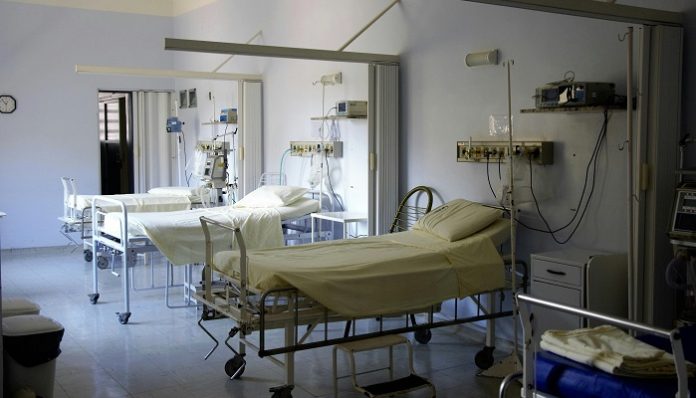
Hygiene in hospitals is more than just a habit; it is an essential component of both the safety of patients and the quality of treatment they get. Maintaining high levels of hygiene is vital for avoiding infections and establishing a safe environment for patients, family, and healthcare personnel in hospitals. This includes implementing stringent cleaning and disinfection routines as well as modern sterilization methods. The purpose of this blog is to investigate the relevance of hospital hygiene as well as the complete ways that contribute to a clean and safely operating healthcare environment.

The Necessity of Maintaining Hygiene in Hospitals

The term “hospital hygiene” refers to a variety of procedures that are performed with the purpose of preventing and controlling infections in order to keep the environment safe. Hand hygiene, skin antisepsis, instrument cleaning, disinfection, and sterilization, together with surface and environment cleaning, disinfection, and sterilization, as well as biomedical waste management are all components of this holistic approach. To protect patients, healthcare staff, and visitors from the dangers that are connected with hospital-acquired infections (HAIs), each component plays an important part in the overall protection of these individuals.

The setting of a hospital is one of a kind, and the stakes are quite high. Because patients often have immune systems that are already impaired, the presence of opportunistic microorganisms in the surroundings of the hospital may result in serious infections and the problems that are associated with them. It is vital to implement efficient hospital hygiene standards in order to reduce the hazards involved, as well as to create a secure environment for the patient to heal and recover, as well as a secure working environment for the medical personnel.

Components Fundamental to the Hygiene of Hospitals

Proper hand hygiene is one of the most straightforward and efficient ways to stop the transmission of illnesses. It is also one of the most important things you can do. In order to guarantee that all staff members, patients, and visitors adhere to the established hygiene regulations, hospitals are required to provide hand washing facilities and hand sanitizers that are easily available.

Disinfection and Cleaning of Surfaces and Environments It is essential to do routine cleaning and disinfection of surfaces. Hard surfaces like floors, walls, OT tables, trolleys, and OT lights are included in this category. Soft surfaces, such as linen (bed sheets, pillow covers, curtains, patient uniforms, and reusable personal protective equipment), as well as high-touch locations such as door knobs, bed rails, and medical equipment, are also included. Effective disinfection of surfaces and environments helps to maintain a safe environment by lowering the danger of cross-contamination and reducing the likelihood of contamination.

When it comes to avoiding diseases that are transferred via medical tools, sterilization is an essential step that must be taken. Cleaning, disinfecting, and sterilizing medical instruments and equipment are very important. When it comes to ensuring that all of their equipment is free of microbes, hospitals use a variety of techniques, such as autoclaving, chemical disinfectants, and sterilant.

Administration of Biomedical Waste: The effective administration of waste is an essential component in the prevention of the transmission of diseases. For the purpose of reducing the likelihood of contamination, hospitals are required to adhere to stringent regulations for the separation, processing, and disposal of medical waste.

Education and Training programs

Staff education and training are of the utmost importance in order to ensure that hospital cleanliness measures are successful. Hygiene procedures and practices are something that every member of staff, from those who offer medical treatment to those who work in cleaning and housekeeping, has to be familiar with. Regular training sessions and updates on best practices ensure that everyone is prepared to maintain high levels of cleanliness and to comply with infection control policies at the hospital to the fullest extent possible.

The Latest Developments in Hospital Hygiene

In the subject of hospital hygiene, technological advancements continue to have a significant impact:

Antimicrobial Coatings: In order to provide ongoing protection against germs, several hospitals are adopting surfaces that have been treated with antimicrobial chemicals. Traditional cleaning procedures are supplemented by these coatings, which also contribute to a reduction in the microbial burden.

Automated Cleaning Systems: Automated systems, which include robotic cleaners and UV-C disinfection equipment, as well as automatic washer disinfectors, are being more used in order to improve cleaning efficiency and coverage. The use of these technologies allows for the provision of an additional layer of disinfection and the ability to reach locations that are difficult to clean manually.

Hygiene and infection control in hospitals provide a number of challenges.

Despite the progress that has been made, there are still obstacles to overcome in order to maintain appropriate hygiene and infection control standards:

Compliance: It may be difficult to ensure that cleanliness and infection control policies are adhered to consistently, particularly in hospitals that are big and have a lot of patient traffic. For the purpose of addressing compliance concerns and improving procedures, it is vital to conduct regular audits and monitoring.

The allocation of resources: In order to adhere to high hygiene standards, it is necessary to have sufficient resources, which include time, staff, and financial resources. A balance must be struck between these resources and other operational requirements in hospitals.

The Path Forward for Hygiene in Hospitals

The methods that are taken to hospital cleanliness and infection prevention will continue to develop in tandem with the changing environment of healthcare. The development of cleaning, disinfection, and sterilization techniques that are more efficient will be driven by ongoing research and innovation. It is expected that hospitals would place a greater emphasis on combining technological advancements with conventional procedures in order to improve overall cleanliness and patient safety.

In the field of healthcare, hospital cleanliness is an essential component that has a direct influence on the safety of patients and the quality of treatment they get. Hospitals are able to maintain high levels of cleanliness and infection control if they fully embrace technology innovations, invest in the training of their personnel, and adopt thorough infection prevention and control policies.

Smart Hospitals: Revolutionizing Patient Safety With AI

Smart hospitals are transforming healthcare surroundings with innovative techniques such as predictive analytics and cutting-edge cleaning procedures.

Smart hospitals use cutting edge technology to improve patient care and operational effectiveness, revolutionizing the delivery of healthcare.

These developments use smart technology to drive digital transformation, which enhances patient safety and opens up new avenues for creative medical problem-solving.

Modern technology is essential to changing conventional medical procedures in smart hospitals. These cutting-edge technologies, which range from real-time monitoring systems to digital records management, optimize workflows, lower mistake rates, and improve patient outcomes overall.

In smart hospitals, where cutting-edge technology guarantees the wellbeing of people receiving medical care, patient safety is given first priority.

Healthcare practitioners may proactively detect and manage possible dangers by using wearables, smart sensors, and AI-driven prediction technologies. This will eventually result in a safer environment for patients and staff.

The incorporation of these technologies represents a noteworthy advancement in the advancement of improved healthcare procedures and results.

Disinfection systems with automation: UV-C light solutions and robots

In order to keep healthcare environments clean and lower the risk of infection, automated disinfection systems that use UV-C light solutions and robots are essential.

One important part of smart technology applications that aims to improve infection control methods is robot disinfection. These robots have UV-C light solutions installed, which have been shown to be successful in eliminating a variety of diseases, such as viruses and bacteria.

These systems’ automatic cleaning guarantees that different surfaces are thoroughly disinfected, reducing the spread of dangerous bacteria.

The efficiency of UV-C is especially important for getting rid of germs that are hard to get rid of using conventional cleaning techniques.

These automated disinfection systems provide a more sophisticated and effective method of sanitizing healthcare surroundings by using the power of UV-C radiation.

By integrating these cutting-edge technology into regular cleaning procedures, hospitals may improve their general safety and cleanliness, which in turn leads to improved patient outcomes and lower infection rates.

Monitoring in real time and data analysis

By giving quick insights into the pathogen levels and infection risks in healthcare settings, real-time monitoring and data analytics transform infection control.

Real-time monitoring and data-driven insights enable the retrieval of actionable data for preemptive responses to possible threats.

Hospitals may improve monitoring and infection control protocols and achieve more successful infection prevention procedures by using analytics-driven solutions.

Technology integration improves the efficacy of surveillance by facilitating faster discovery of new problems and allowing prompt measures to limit epidemics.

Healthcare institutions may use real-time data analytics to foresee possible threats and take preventative action to keep personnel and patients safe.

In addition to improving infection control, this proactive strategy raises patient safety standards generally in hospital settings.

Monitoring adherence to staff and patient hygiene

In order to improve infection control, hospitals monitor staff and patient hygienic compliance using wearables and smart sensors. Sustaining the highest levels of patient safety requires meticulous surveillance of hygiene.

Because wearable technology provides real-time data on hand hygiene habits and general cleanliness, it is essential for assuring compliance monitoring.

These wearables’ integrated smart sensors can track when employees wash their hands both before and after interacting with patients, encouraging staff responsibility.

Hospitals may proactively resolve compliance concerns and lower the risk of infections spreading inside healthcare facilities by keeping an eye on cleanliness procedures.

Wearable technology helps hospitals maintain strict infection control procedures and provide a better atmosphere for both patients and employees by making hygiene tracking and compliance monitoring easier.

The use of AI to the forecasting and containment of disease outbreaks

Artificial intelligence is used by smart hospitals to anticipate and stop any illness outbreaks. Infection modeling and outbreak prevention greatly benefit from predictive analytics, which is driven by machine learning and artificial intelligence algorithms.

Through the analysis of massive volumes of data from several sources, including staff schedules, patient records, and environmental conditions, artificial intelligence (AI) is able to recognize patterns and trends that may presage an epidemic.

AI uses complex algorithms to forecast the risk of illnesses spreading in a hospital setting, enabling medical institutions to take preventative action before outbreaks happen.

Smart hospitals can better allocate resources, carry out focused treatments, and improve overall infection control practices thanks to these AI-driven forecasts.

Cross-contamination may be decreased using IoT devices.

In healthcare settings, IoT-enabled devices reduce the danger of cross-contamination and improve the efficiency of contact tracking. The integration of wearable trackers into smart hospital technologies facilitates the real-time tracking of patient and staff movements, hence expediting the detection of possible infection transmission.

In order to effectively minimize cross-contamination, IoT contact tracking is essential for mapping interactions and pinpointing high-risk regions for focused cleaning procedures.

Hospitals may lessen the chance of significant outbreaks by using these technologies to execute proactive infection control techniques, such as isolating people who may have been exposed to infectious bacteria.

Wearables with smart sensors included in provide useful information for analyzing hygienic compliance among medical staff and improving general safety procedures.

Reducing exposure in medical facilities

Virtual check-ins and remote consultations have many benefits. They reduce the need for in-person visits by enabling patients to get medical treatment from the comfort of their homes.

Telehealth patient monitoring has advantages for both patients and medical professionals. It makes it possible to follow symptoms and vital signs in real time without running the danger of an in-hospital stay.

In addition to improving patient safety, remote patient monitoring also makes healthcare delivery more effective. In smart hospitals, using these technologies is essential to reducing hazards inside the hospital and fostering a safer environment for patients and healthcare staff.

Future directions and obstacles in technology-driven infection control

In light of the technological advances in infection control, you need to be aware of the new issues and developments that lie ahead in this important area of healthcare.

Upcoming Difficulties

  • Adjusting to microorganisms that are changing and to antibiotic resistance.
  • Guaranteeing the compatibility of different infection control systems.

Striking a balance between the necessity for significant data collecting and privacy considerations.

Trends in Technology

  • AI and machine learning are being used more and more to avoid infections.
  • Blockchain integration for safe data exchange in medical advances.
  • Developments in wearable technologies to detect infections in real time.

Innovations in healthcare

  • Creation of intelligent hospital rooms with surfaces that can self-clean.
  • Use predictive analytics to anticipate future epidemics.
  • Robotics application for complete and effective disinfection procedures.

It will be essential to keep ahead of these issues and developments as technology continues to revolutionize infection control in order to protect patient safety and improve overall healthcare results.

Strengthening Infection Control: Mauritius New IPC Plan

Infection Prevention and Control (IPC), which refers to the evidence-based strategy to safeguarding patients and healthcare workers from illnesses that can be avoided, is commonly acknowledged as one of the fundamental components of a health care delivery system that is both safe and efficient. IPC procedures that are implemented in a comprehensive manner not only lessen the likelihood of hospital-acquired infections (HAIs), but they also limit the development of antimicrobial resistance (AMR), which is becoming an increasingly significant concern to the health of people all over the world.

Following the successful implementation of its first IPC National Action Plan (NAP), which was developed with the support of WHO, the Ministry of Health and Wellness (MOHW) recently initiated the development of its second NAP, an ambitious document that aims to scale up the country’s IPC activities over the next five years. This initiation took place during a workshop that was held during the last week of August 2024.

One of the positive outcomes of COVID-19 was that it contributed to the inclusion of IPC on the health agenda in Mauritius by increasing awareness about the significance of the issue among decision-makers and stakeholders. Throughout the course of the pandemic, the World Health Organization (WHO) Mauritius collaborated with the Ministry of Health and Wellness (MOHW) to strengthen the country’s infectious disease control (IPC) capabilities. This was accomplished through a variety of trainings on IPC guidelines and standards, regular IPC assessments of the country’s regional hospitals and key health facilities, and the financing of the supply of personal protective equipment, washbasins, medical elbow taps, and, most recently, the refurbishment or construction of isolation wards at Sir Seewoosagur Ramgoolam National Hospital, Dr. AG Jeetoo Hospital, Victoria Hospital, and Jawaharlal Nehru Hospital. 

An infectious disease expert and focal point for the IPC, Dr. Dooshanveer Nuckchady, emphasizes that the scope of the second National Action Plan (NAP) will be more expensive than the scope of the first NAP. At the beginning of 2024, we were able to successfully finish two thirds of the first National Action Plan (NAP) on the Indian Penal Code (IPC). Now that we have reached this point, we want to keep rolling ahead with the same velocity. As a result of the circumstances, the last National Action Plan (NAP) was shorter (two years) and somewhat focused on COVID; this time, we want to achieve something that is more strong and comprehensive.

Under the direction of the World Health Organization (WHO), an evaluation was carried out in 2022 and 2023 to track the development of the implementation of the national guidelines on IPC. It was determined that three of the five regional hospitals had achieved an Intermediate Level of IPC implementation, and it was also seen that there was significant progress made in IPC training. On the other hand, in order to improve knowledge management and transmission, it is necessary to take into consideration novel training techniques, as well as refresher and bedside training sessions. An evaluation of IPC practices that was carried out in Rodrigues for the year 2023 indicated that there were considerable improvements in a number of different areas of IPC in comparison to the previous year. There is a significant burden on the health of nations all over the globe that is caused by HAIs. It is estimated that the worldwide rate of HAIs for nations with low and moderate incomes is fifteen percent. From 1993 to 2018, the incidence of healthcare-associated infections (HAIs) and surgical site infections (SSIs) in Mauritius grew from 4.9 and 8.2 per 100 patients, respectively, to 18 and 17 per 100 patients. Patients who suffered from HAIs and SSIs had a death rate that was about four times greater than the mortality rate of patients who did not suffer from these different types of illnesses.

We have a strong desire to lessen the number of cases of these kinds of illnesses as well as their overall prevalence. First things first, we need to find out how many infections are taking place, as well as where they are taking place and why they are taking place. According to Dr. Nuckchady, once we have this information, we will be able to implement multimodal methods, bundles of care, and training sessions for individuals, as well as the acquisition of the appropriate equipment and the establishment of the required infrastructure.

Additionally, HAIs lead to longer hospital admissions, disability that last for a long period of time, increased rates of antimicrobial resistance, and significant cost burdens for patients and health systems. A strategy that is based on evidence and is supported by increased surveillance and monitoring is the method that the authorities are choosing to use in order to successfully address the concerns.

The WHO expert who supervised the session, Professor Babacar Ndoye, is in agreement that the IPC procedures have been in place for a considerable amount of time. The things that I have seen in Mauritius have left me with a positive impression, particularly with regard to the training and the distribution of resources. There has been a significant increase in knowledge of infectious diseases all around the world as a result of a number of pandemics, notably COVID-19.

Tina Soobhug is an IPC nurse at Jawaharlal Nehru Hospital in Rose-Belle. As part of her duties, she is responsible for supervising the nursing staff to ensure that they are complying to the criteria established by the World Health Organization (WHO) on IPC. She has seen that people’s perspectives about IPC have been gradually shifting ever since the first National Action Plan was put into effect. Even though there is still some resistance, behaviors are changing, she says. However, in order to accomplish this, continuous on-the-job training and awareness raising are required, which is something that the second National Action Plan will concentrate on. In addition, the infrastructure of hospitals needs to be renovated to comply with IPC guidelines.

Work on the International Criminal Court (IPC) continues even while this second National Action Plan is being produced. To ensure that the health workforce is increasingly equipped to implement IPC guidelines as well as the forthcoming action plan, for instance, the World Health Organization (WHO) Mauritius and the Ministry of Health and Welfare (MOHW) conducted a training during the month of September 2024 that lasted for a week and focused on sterilization practices and the organization of Central Sterile Services Departments.  As a result of a comprehensive evaluation of sterilization procedures in Mauritius that was carried out in July by a WHO specialist, this training was carried out.

During the commencement of the IPC NAP workshop, the Women’s Representative, Dr. Anne Ancia, brought attention to the fact that IPC is a crucial pre-requisite for delivering excellent health care. In order to preserve the health of both patients and those who work in the medical field, Mauritius is putting in place the appropriate conditions to prevent and control infections, as well as to protect the health of those who work in the medical field.

How Technology is Revolutionizing Patient Care in Rehabilitation

Healthcare technology advances are transforming how patients recover from injury or illness. Robotic systems now assist patients with mobility, while wearable devices track their progress, providing real-time data. These innovations are making rehabilitation more effective and personalized.

With artificial intelligence (AI) and robotics, treatment plans are increasingly tailored to individual needs. This shift allows healthcare providers to deliver more precise care, improving patient outcomes. The future of rehabilitation is here, and itโ€™s offering patients not only quicker recovery but also a better quality of life.

The Rise of Robotic Exoskeletons in Mobility Rehabilitation

Robotic exoskeletons are revolutionizing mobility rehabilitation by helping patients regain their ability to walk and move after severe injuries. These wearable devices provide external support to weakened or paralyzed limbs, allowing patients to perform movements they otherwise couldnโ€™t. For individuals recovering from strokes, spinal cord injuries, or neurodegenerative diseases, exoskeletons offer a powerful tool for restoring motor function and building strength.

The real innovation lies in the technologyโ€™s ability to adjust in real time. Sensors in the exoskeleton monitor the patient’s movements and automatically adapt the level of assistance needed. Whether patients are walking on flat surfaces or climbing stairs, the device provides tailored support, ensuring that rehabilitation is both effective and safe. This adaptability accelerates the recovery process and boosts the patient’s confidence as they regain mobility and independence.

While initially used primarily in clinical settings, many exoskeletons are now designed for outdoor use, allowing patients to continue their rehabilitation in real-world environments. Enclosed mobility scooters also play a key role in this transition, offering a safe option for outdoor use. These scooters help patients navigate various terrains while maintaining independence, ensuring a smoother shift from hospital-based therapy to everyday activities.

Virtual Reality (VR) in Motor Skill Rehabilitation

By immersing patients in a controlled, simulated environment, VR therapy enables them to practice essential movements in a safe, engaging way. VR provides the opportunity to retrain motor functions in a setting that mimics real-life situations, making rehabilitation both effective and enjoyable.

VR systems allow therapists to customize exercises based on the patientโ€™s needs. From improving hand-eye coordination to enhancing balance and strength, patients can perform targeted exercises that track progress over time. These systems use advanced motion sensors to provide real-time feedback, helping patients correct their movements and encouraging faster progress. It may improve physical outcomes and reduce patient anxiety, making them more likely to stick with their treatment plans.

The benefits of VR therapy go beyond just physical improvements. By creating immersive experiences that keep patients motivated, VR enhances engagement during rehabilitation, which is critical for long-term success. Patients can engage in gamified tasks, where they โ€œplayโ€ their way through therapy, often without realizing how much they are improving their motor skills.

AI-Powered Wearables: Monitoring Progress and Optimizing Recovery

These devices track a variety of metrics, from heart rate and body temperature to muscle activity and movement patterns. By providing real-time feedback to both patients and healthcare providers, AI wearables allow for more personalized treatment plans that can be adjusted as needed based on the patientโ€™s progress.

These wearables are particularly effective in healthcare settings where continuous monitoring is essential. Smartwatches, biosensors, and other AI-driven devices capture key data, which is then analyzed to create a detailed picture of the patient’s recovery journey. It allows healthcare providers to make informed decisions about when to adjust exercises, increase intensity, or modify treatment plans entirely.

Patients benefit greatly from this technology, as it gives them more control over their own rehabilitation. They can track their progress, stay motivated by visualizing their improvements, and better understand how their bodies are responding to treatment. This empowerment often leads to increased adherence to rehabilitation programs, which can speed up recovery times.

3D Printing and Custom Prosthetics: A Perfect Fit

Unlike traditional prosthetics, which often require extensive fitting adjustments, 3D-printed models are designed with precision, enhancing both comfort and functionality. This way, prosthetics are more comfortable to wear and more effective in restoring mobility.

The ability to customize prosthetics through 3D printing accelerates recovery by reducing discomfort, improving balance, and allowing patients to regain movement faster. These devices can be optimized for the specific activities and movements required by the patient, providing better support during rehabilitation. As such, patients receive tools that work in harmony with their bodies. It may lead to improved outcomes and greater overall satisfaction during the rehabilitation process.

The Integration of Smart Hospital Systems in Rehabilitation

Smart hospitals are becoming a crucial part of modern rehabilitation, utilizing advanced technologies like Real-Time Location Services (RTLS) to improve patient care. RTLS tracks both patients and medical equipment within the hospital, ensuring that resources are used efficiently and that patients receive timely interventions. In rehabilitation, this system allows healthcare providers to monitor patientsโ€™ progress closely, ensuring they are on track with their recovery plans.

Incorporating smart technologies into rehabilitation environments offers a more streamlined and personalized experience. For example, through wearable devices connected to the hospitalโ€™s network, patients can receive reminders about their therapy sessions or get real-time updates on their treatment schedules. These systems also allow for better communication between patients and healthcare staff, ensuring that care is coordinated efficiently and any necessary adjustments to treatment plans are made promptly.

Beyond patient monitoring, smart hospital systems also improve operational efficiency, which directly impacts the quality of care. By tracking the location and availability of rehabilitation equipment, staff can reduce downtime between sessions and ensure that each patient has the tools they need for effective therapy.

Telemedicine in Rehabilitation: Extending Care Beyond the Clinic

By leveraging digital platforms and video conferencing, patients can engage in remote consultations with their therapists, significantly reducing the need for in-person appointments. Doing so saves time and increases accessibility, particularly for those living in rural areas or with mobility limitations.

Through video sessions, therapists can observe patientsโ€™ movements, assess their progress, and provide real-time feedback on exercises. Digital platforms allow patients to upload their health data, such as metrics from AI wearables, enabling therapists to track recovery remotely. These technologies also foster better communication between patients and healthcare providers, making the entire rehabilitation process more flexible, continuous, and personalized.

The ability to deliver care remotely has proven particularly valuable for those recovering from surgeries, strokes, or injuries who may find frequent travel challenging. Telemedicine ensures that patients maintain consistent progress without disruption, supporting a more convenient and effective path to recovery.

Wrapping Up: A New Era for Rehabilitation

The integration of advanced technologies into rehabilitation is revolutionizing patient care. From robotic exoskeletons and AI-powered wearables to virtual reality and smart hospital systems, the tools available today are transforming recovery into a more personalized, efficient, and effective process. These innovations empower patients to take control of their rehabilitation journey, making the path to recovery quicker and more sustainable.

As we look to the future, the role of technology in rehabilitation will only continue to grow. Healthcare providers and patients alike can expect further improvements in both the quality and accessibility of care, ensuring that recovery is not just possible but optimized for each individual.

Effective Gum Disease Treatment in Singapore for Healthy Smiles

Often known as periodontal disease, gum disease is a common and harmful oral health issue that over time can destroy your teeth and gums. Early recognition of gum disease and efficient treatment of it in Singapore will help to avert problems including tooth loss and bone damage. This page has you covered if you live in Singapore and search for information about gum disease treatment and dental hygiene practices to enable confident smiles.

What is Gum Disease?

Gum disease is a degenerative condition that, left untreated, can lead to more severe problems beginning with gum tissue inflammation. Harmful bacteria living in dental plaque on teeth cause it by irritating and infecting the gums. Changing the soft tissue around teeth, periodontal disease can lead to gum recession, bone loss, and lastly tooth loss.

Signs and Symptoms of Gum Disease

  • If fast treatment is to follow, early gum disease symptoms have to be found. Symptoms are:
  • A condition called gingivitis causes swollen or red gums; this is their signature.
  • Easy bleeding gums, especially in regard to brushing or flossing, can indicate infection.
  • Bad breath or ongoing unpleasant taste in the mouth could indicate a gum infection.
  • Receding gum reveals the tooth root and elongates dental look.
  • Advanced levels of gum disease can cause teeth to loosen from damage to the surrounding bone and tissue.

Factors of Risk for Gum Disease

Though everyone can get gum disease, various risk factors increase sensitivity; among these are:

  • Poor dental hygiene: Inadequate brushing and flossing allow plaque to form close to the gum margin.
  • Smoking: Those who smoke have a considerably increased chance of developing periodontal disease.
  • Genetics: Gum disease can be more prone to attack individuals based on family history.
  • Immune System: Underlying medical problems that could cause gum disease include diabetes, a damaged immune system, and other diseases.
  • Medications: Some medications might reduce saliva output, leading to dry mouthโ€”which fuels bacterial growth.

Gum Disease Treatment Categories in Singapore

Non-operative Treatments

  • Early on in gum disease, nonsurgical treatments are usually rather successful. These call for:
  • Regular trips to your dental hygienist for professional cleanings help to eliminate tartar and plaque from teeth and around the gum line.
  • Underneath the gum line, this thorough cleaning process eliminates tartar and plaque and smooths the tooth roots to enable the gums to reattach to the teeth.
  • Medications such oral antibiotics, gels, or mouth rinses can help to control bacterial infections in the gums.

Surgical Procedures

More advanced forms of periodontal disease may call for surgical procedures to restore periodontal health and stop more damage. These alternatives comprise:

  1. Also called flap surgery, pocket reduction surgery lowers the depth of the pockets separating teeth from gums to eradicate infection and stop future bacterial growth.
  2. Using membranes or grafts, tissue regenerationโ€”that is, encouragement of the recovery of lost bone or gum tissue brought on by periodontal diseaseโ€”is accomplished.
  3. Gum recession could call for covering exposed tooth roots and preventing additional damage by means of grafting from other areas of the mouth.
  4. Maintaining Excellent Oral Hygiene for Gum Disease Prevention
  5. Starting good oral hygiene habits helps to prevent gum disease. Easy actions greatly lower the risk of gum disease development:
  6. Twice daily cleaning your teeth with fluoride toothpaste will help to eliminate plaque.
  7. Daily flossing helps remove food particles and plaque from between teethโ€”where brushing cannot reach.
  8. Antibacterial mouthwashes improve oral health by lowering the mouthful of germs and plaque.
  9. Seeing your dentist every six months for check-ups and dental cleanings guarantees early gum disease diagnosis and treatment.

Why Treatment of Gum Disease Is Essential for General Health

Gum disease damages your mouth only; it can also endanger your whole health. Studies by Mayo Clinic and American Academy of Periodontology show links between gum disease and conditions including heart disease, diabetes, even respiratory infections. Early and comprehensive gum disease treatment is especially crucial since destructive bacteria from compromised gums can enter the bloodstream and aggravate systemic inflammation.

In conclusion, although gum disease is a serious condition, with the right gum disease treatment and dental hygiene commitment you can save your teeth, gums, and general health. From nonsurgical options like scaling and root planing to surgical procedures like pocket reduction, Singapore offers a vast range of treatments to restore gum health and guard your beautiful smile. See a Singaporean dental clinic now for professional advice; wait for gum disease to get worse.

Global Health Trends: What to Expect in Healthcare for 2024

The global healthcare landscape is constantly evolving, driven by technological advancements, changes in patient needs, and groundbreaking research. As we approach 2024, several key trends are set to shape the future of healthcare. Hereโ€™s a look at what to expect in the coming year.

The Rise of Telehealth

Telehealth has seen a significant surge in adoption during the COVID-19 pandemic, and its growth shows no signs of slowing down. In 2024, expect to see telehealth becoming a standard mode of healthcare delivery. With advancements in virtual care technology and increasing patient comfort with remote consultations, telehealth will continue to break down geographical barriers, making quality healthcare more accessible to all.

Personalized Medicine

Personalized medicine, which tailors treatments to individual patients based on their genetic makeup, will become more mainstream in 2024. This approach ensures that patients receive therapies that are most effective for their unique genetic profiles, thereby increasing treatment efficacy and reducing adverse effects. With the integration of AI and machine learning, personalized medicine will revolutionize how we approach disease prevention, diagnosis, and treatment.

Hormone Replacement Therapy for Women

Hormone replacement therapy (HRT) has long been a critical treatment for women experiencing symptoms of menopause. In 2024, the focus will increasingly shift toward bioidentical hormone replacement therapy (BHRT), which uses hormones that are chemically identical to those the body produces naturally. This method is believed to offer a more natural and personalized approach to hormone therapy. For women searching for bioidentical hormone replacement therapy near me, this growing trend means easier access to specialized treatments tailored to their specific hormonal needs.

Mental Health Awareness and Treatment

The importance of mental health will continue to gain recognition in 2024, with a strong emphasis on integrating mental health services into primary care. More healthcare providers will adopt holistic approaches that address both physical and mental well-being. Innovations in digital mental health tools, such as AI-driven therapy apps and online counseling platforms, will provide patients with more options to manage their mental health effectively.

Sustainable Healthcare Practices

Sustainability in healthcare is set to become a major focus in 2024. Hospitals and clinics will increasingly adopt eco-friendly practices, such as reducing waste, using renewable energy sources, and investing in sustainable medical supplies. These initiatives not only help protect the environment but also improve patient outcomes by fostering healthier living conditions.

What to Expect

The healthcare industry is poised for significant transformation in 2024, driven by technological innovation, personalized treatment approaches, and a stronger emphasis on mental health and sustainability. Staying informed about these trends will help patients and healthcare providers alike to adapt and thrive in this dynamic landscape. If youโ€™re interested in learning more about these trends or seeking personalized healthcare solutions, donโ€™t hesitate to reach out to local experts in your area.

Why Cleanliness Is Critical for Healthy Food Preparation

In the food industry, cleanliness is more than just a regulation. It’s the backbone of your reputation. A spotless kitchen doesnโ€™t just ensure compliance. It reassures customers that their health is in good hands. One slip in hygiene can lead to dangerous consequences, from costly foodborne outbreaks to losing trust with diners. Maintaining high standards of cleanliness is essential for the success and safety of your food business.

Prevents Foodborne Illness

A clean kitchen is the first line of defense against foodborne illnesses,  which can occur when harmful bacteria, viruses, and pathogens contaminate food. For example, Salmonella, a common cause of food poisoning, thrives in unsanitary environments and can spread through contaminated food surfaces, utensils, or improperly handled raw ingredients.

By regularly cleaning and sanitizing workstations, utensils, and food storage areas, you eliminate the pathogens that can make customers sick. This reduces the risk of contamination and helps keep food safe to consume, protecting both customers and your business.

Strict hygiene practices also prevent cross-contamination, especially when dealing with raw meats and fresh produce. A lack of cleanliness can lead to the transfer of harmful microorganisms, causing serious outbreaks that harm health and damage your restaurant’s reputation.

To prevent foodborne illnesses and ensure a clean kitchen, staff training is essential. Servsafepracticetest.com is designed to help employees prepare and become certified, ensuring they know how to maintain a clean and safe kitchen environment.

Ensures Equipment Safety

Cleanliness plays a critical role in maintaining the safety and functionality of kitchen equipment. When grease, food particles, and bacteria accumulate on surfaces like grills, mixers, or slicers, they pose contamination risks and interfere with the proper functioning of the equipment. This buildup may cause overheating, clogging, or mechanical issues, leading to expensive repairs or replacements.

In addition to preventing breakdowns, clean equipment helps maintain the quality of the food being prepared. Unclean tools can affect the taste and safety of dishes, damaging your restaurantโ€™s reputation. Keeping your equipment clean ensures it operates at peak efficiency, reduces health risks, and helps sustain food quality, ultimately benefiting both your kitchenโ€™s performance and your customers’ trust.

Protects Food Quality

Cleanliness is directly linked to preserving the quality and taste of the food you serve. When kitchen surfaces, utensils, and equipment are not properly cleaned, they can harbor bacteria and old food residues that affect the flavor and safety of fresh ingredients. Even small traces of leftover food on cutting boards or utensils can transfer unwanted flavors or harmful bacteria to new dishes.

A clean environment ensures that each dish is prepared with fresh, uncontaminated ingredients. It also helps maintain the integrity of your recipes, as cross-contamination or food residue can compromise the intended flavor profiles. Cleanliness, therefore, plays a crucial role in delivering high-quality food consistently, enhancing customer satisfaction and protecting your business reputation.

Enhances Workplace Efficiency

A clean kitchen environment allows your staff to work more efficiently and effectively. Cluttered or unsanitary workspaces slow down food preparation, as staff need to clean or find tools before use. This leads to wasted time and decreased productivity during busy service periods.

Maintaining cleanliness ensures that equipment and surfaces are always ready for use, streamlining workflow and reducing unnecessary delays. A well-organized, clean kitchen fosters a more efficient work environment, allowing staff to focus on delivering high-quality food to customers promptly.

Builds Customer Trust

Maintaining a high level of cleanliness in your food business goes beyond food safetyโ€”it directly impacts customer trust. Diners expect their meals to be prepared in a clean, hygienic environment. Visible signs of cleanliness, such as spotless counters and well-maintained equipment, reassure customers that their health is a priority.

When customers trust that your establishment follows strict hygiene practices, they are more likely to return and recommend your business to others. Cleanliness becomes a reflection of your professionalism and dedication to serving high-quality, safe food, ultimately building long-term loyalty.

Prevents Legal Liabilities

Maintaining cleanliness in a restaurant or food business is critical to complying with health and safety regulations. These laws require strict hygiene practices to prevent contamination and ensure the safety of the food served. Failure to meet these standards can result in penalties, fines, or even the closure of your business.

Additionally, a lack of cleanliness increases the risk of foodborne illness outbreaks. Such incidents can harm customers and lead to costly lawsuits and reputational damage. Legal action resulting from unsafe food handling practices can severely impact your business.

By adhering to proper cleanliness protocols, food businesses can avoid legal liabilities and protect their reputation. Regular cleaning routines and proper hygiene practices ensure that your establishment meets regulatory requirements and safeguard both your customers and your business from legal risks.

Wrapping Up

Cleanliness is a powerful foundation for any food business. It safeguards the quality of your food, ensures equipment runs smoothly, and builds lasting trust with customers. Beyond hygiene, it also improves efficiency and minimizes waste, contributing to a more successful operation.

Ultimately, maintaining a spotless kitchen is not just about meeting standards. Itโ€™s about sustaining business operations and protecting the people you serve, ensuring they enjoy a safe and enjoyable dining experience every time.

5 Signs Your Aging Loved One May Need a Stairlift

Maintaining independence and safety in their homes becomes increasingly important as our loved ones age. One of the biggest challenges older adults face is navigating stairs. What once seemed like a simple task can quickly become a difficult or even dangerous obstacle. Fortunately, stairlifts offer a practical solution to help aging family members continue to move freely in their homes.

In this article, weโ€™ll discuss five key signs that it might be time to consider installing a stairlift for your aging loved one.

1. Difficulty climbing stairs

One of the first signs that a senior may need a chairlift is difficulty climbing stairs. As we age, muscles naturally weaken, joints become stiff, and stamina decreases, making stair climbing far more taxing. If your loved one frequently stops to catch their breath or rest while climbing stairs or mentions that climbing stairs causes discomfort or pain, this could indicate they need help.

Watch for behaviours like avoiding the stairs altogether or hesitating before climbing. These can be early warning signs that your loved one is struggling more than they let on. A chairlift can offer a simple, practical solution that eliminates the need for physical strength to go up and down the stairs.

2. Increased Risk of Falls

Falls are one of the most significant health risks for seniors. As balance, coordination, and vision decline with age, the risk of falling increasesโ€”especially on stairs, which are one of the most dangerous areas of the home for the elderly.

If your aging family member has experienced slips or near-falls on the stairs, or if youโ€™ve noticed bruises or injuries that could be the result of a fall, itโ€™s essential to take action. Even if they havenโ€™t had a severe fall yet, a simple stumble could lead to serious injuries like broken bones or head trauma.

A chairlift can help prevent these accidents by providing a stable, comfortable way to navigate stairs without the risk of tripping or losing balance. It also offers peace of mind for you and your loved one, knowing they can safely move between floors without fear of falling.

3. Limited Mobility Due to health conditions

Many seniors suffer from health conditions that can significantly affect their mobility. Arthritis, joint pain, respiratory problems, and heart conditions are just a few common issues that make using stairs difficult or even painful.

For example, arthritis can cause severe joint pain, making each step up or down the stairs agonizing. Seniors with heart or lung conditions may find themselves out of breath after just a few steps. Doctors sometimes advise patients to avoid using stairs altogether to prevent further straining their health.

If your loved one is experiencing any of these issues, a chairlift could be an essential tool to improve their quality of life. With a chairlift, they can move between floors effortlessly without putting unnecessary strain on their body.

4. Dependence on Caregivers for Stair Navigation

Another sign that your aging loved one may need a chairlift is their growing dependence on others for help with stairs. As mobility decreases, they may start needing assistance or supervision whenever they need to go up or down the stairs.

This can be frustrating for many seniors, as they value their independence. Relying on caregivers or family members to help them move through their own homes can be embarrassing or demoralizing. It can also burden caregivers, who may only sometimes be available to provide assistance.

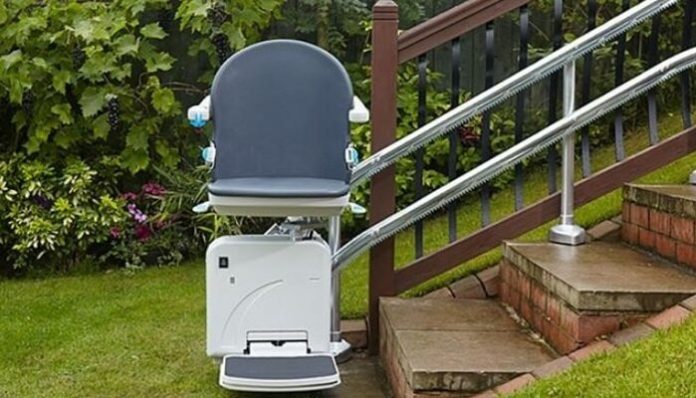
Installing a stairlift can help your loved one regain their independence. With the push of a button, theyโ€™ll be able to safely and efficiently navigate the stairs without waiting for help or worrying about safety.

5. Changes in Home Layout or Living Space

Consider a chairlift if your aging family member has started rearranging their home to avoid using the stairs. Many seniors move their bedroom to the first floor or limit their living space to one level because they can no longer safely use the stairs.

While this may seem like a reasonable solution, it can limit their enjoyment of their home. They may be confined to just a few rooms instead of having full access to the entire house.

A chairlift can restore their access to the upper floors, allowing them to live more comfortably and freely without feeling restricted. Whether they want to sleep in their original bedroom or enjoy using all levels of their home again, a chairlift can make that possible.

Finally

Recognizing when your aging loved one may need a chairlift is crucial for maintaining their independence, safety, and comfort. Whether theyโ€™re struggling with stairs, facing health issues, or want to avoid relying on others for help, a chairlift can be the perfect solution.

If you notice any of these five signsโ€”difficulty climbing stairs, increased risk of falls, limited mobility due to health conditions, dependence on caregivers, or changes in home layoutโ€”itโ€™s time to explore the option of installing a chairlift.

At Advantage Home Health Care, we provide comprehensive mobility solutions to help seniors live independently in their homes. Chairlifts are just one of the many ways we help families create safer, more accessible living environments. Contact us today to learn more about how we can assist your family in making the best decisions for your loved ones.

How Long Does Physiotherapy Take?

If youโ€™re thinking about starting physiotherapy, one of the first questions that might come to mind is, “How long will this take?” The answer isnโ€™t always straightforward. The length of time youโ€™ll need physiotherapy depends on several factors, including the type of injury, your overall health, and how committed you are to your recovery. Letโ€™s take a closer look at what affects the duration of physiotherapy and how long it typically takes for different conditions.

Factors That Affect the Length of Physiotherapy

Thereโ€™s no one-size-fits-all answer to how long physiotherapy will take. Each personโ€™s body and situation are different, so the time needed to heal can vary greatly. Here are some of the most important factors that will impact your treatment timeline:

1. The Severity of Your Condition

The more severe your injury or condition, the longer itโ€™s likely to take. For example, a minor ankle sprain might heal in a matter of weeks, while a more serious injury like a torn ligament or surgery recovery could take months. Chronic conditions, like arthritis or long-term back pain in the buttocks, might require ongoing treatment to manage symptoms.

2. The Type of Injury or Condition

The type of injury or condition you’re dealing with will also play a big role in determining how long youโ€™ll need physiotherapy. Some injuries heal quickly, while others take longer because they involve more complex body systems or require specialized treatment.

  • Musculoskeletal Injuries (like sprains and strains) generally heal faster, usually within 6-8 weeks.
  • Post-surgery Recovery, like after a joint replacement, can take several months as you rebuild strength and mobility.
  • Neurological Conditions (such as after a stroke or dealing with multiple sclerosis) often require long-term or even lifelong therapy to maintain function.

3. Your Age and General Health

Younger people and those in good overall health tend to heal faster. Thatโ€™s because their bodies can recover more quickly and respond better to treatment. Older adults or people with underlying health conditions, like diabetes or heart disease, might take a bit longer to recover. Itโ€™s important to be patient and understand that recovery can be a slower process for some individuals.

4. Your Commitment to the Treatment Plan

Physiotherapy isnโ€™t just about what happens during your sessions at the clinicโ€”itโ€™s also about what you do on your own time. Your physiotherapist will likely give you exercises to do at home between sessions, and following these instructions can significantly impact your recovery speed. The more committed you are to your treatment plan, the faster youโ€™re likely to see results.

Typical Timelines for Different Conditions

While every case is different, hereโ€™s a general idea of how long physiotherapy might take for various conditions:

1. Acute Injuries

For minor injuries like sprains, strains, or small fractures, physiotherapy can take as little as 2-8 weeks. During this time, your therapist will work with you on reducing pain, restoring mobility, and gradually strengthening the affected area.

2. Post-Surgery Rehabilitation

Recovery after surgery, like a knee or hip replacement, typically takes longer. You can expect to need physiotherapy for at least 3-6 months. Your physiotherapist will guide you through different stages of recovery, starting with gentle exercises and gradually moving towards more challenging activities that help you regain strength and function.

3. Chronic Conditions

If youโ€™re dealing with a chronic issue, such as lower back pain or arthritis, your physiotherapy may be more about managing symptoms than achieving a complete recovery. This means that your therapy might be ongoing or you might need โ€œmaintenanceโ€ sessions every few months to keep your pain under control and maintain mobility.

4. Neurological Conditions

Conditions like strokes or multiple sclerosis require long-term therapy. In some cases, the goal is to slow down the progression of the condition and help maintain the best possible quality of life. Therapy for these conditions may continue for years, with steady progress over time.

Can Physiotherapy Speed Up Recovery?

One of the big benefits of physiotherapy is that it can help speed up your recovery compared to healing on your own. Physiotherapists use specific exercises and techniques to target problem areas and strengthen muscles that support the injured part of your body. This can often help you heal faster and more effectively than if you simply rested the injury.

For example, if youโ€™ve had surgery, your physiotherapist will help you move and stretch in ways that avoid stiffness and reduce pain. By doing this, youโ€™ll likely regain mobility quicker than if you tried to recover without professional help.

How Many Sessions Will You Need?

The number of physiotherapy sessions youโ€™ll need depends on the injury, the treatment plan, and how well youโ€™re responding to therapy. Here are some typical session ranges for common conditions:

  • Acute injuries: 5-10 sessions over a few weeks.
  • Post-surgery rehabilitation: 12-20 sessions over a few months.
  • Chronic conditions: ongoing sessions, possibly once a month or more frequently for symptom management.
  • Neurological conditions: long-term, often requiring regular therapy for maintenance.

Your physiotherapist will adjust the plan based on your progress, and theyโ€™ll let you know if youโ€™re ready to finish therapy or if more sessions are needed.

Tips for Reducing Your Physiotherapy Time

Although the length of physiotherapy depends on many factors, there are a few ways you can help speed up your recovery:

1. Stick to Your Home Exercises

One of the best ways to shorten your time in physiotherapy is by diligently doing the exercises your therapist gives you. These are designed to improve your strength and flexibility in the targeted areas, helping you recover faster.

2. Make Healthy Lifestyle Changes

Improving your posture, staying active, and eating well can help you recover more quickly. These changes can also help you avoid future injuries or reduce pain from chronic conditions.

3. Communicate with Your Physiotherapist

If something isnโ€™t working or you feel stuck in your progress, speak up. Your physiotherapist can adjust your treatment plan to better suit your needs. Being open about your recovery can help ensure youโ€™re on the right path and avoid unnecessary delays.

When Can You Expect to See Results?

Results in physiotherapy arenโ€™t always immediate, but you can usually expect to start seeing some improvements within the first few weeks. It might be something small, like a little less pain when you move, or it could be bigger, like being able to do an activity you couldnโ€™t do before. Either way, these improvements are signs that the treatment is working, and with continued effort, youโ€™ll keep progressing.

Final Thoughts

So, how long does physiotherapy take? It depends on many thingsโ€”your injury, your health, and how well you follow the treatment plan. But whether youโ€™re looking at a few weeks of therapy or a longer-term plan, the goal remains the same: to help you recover and get back to doing the things you love.

If youโ€™re ready to start your journey to better health, consider visiting one of the trusted Physiotherapy Clinics in toronto. They can assess your needs and give you a personalized treatment plan to help you get back on your feet as soon as possible.

Translate ยป