










Close
Digital Health & Ai Innovation summit 2026
Medical Taiwan 2026

Streamlining Breast Cancer Radiotherapy With AI Technologies

Note* - All images used are for editorial and illustrative purposes only and may not originate from the original news provider or associated company.

Subscribe

- Never miss a story with notifications

- Gain full access to our premium content

- Browse free from any location or device.

Media Packs

Expand Your Reach With Our Customized Solutions Empowering Your Campaigns To Maximize Your Reach & Drive Real Results!

– Access the Media PackNow

– Book a Conference Call

Leave Message for Us to Get Back

Related stories

Biotech Innovation Strengthening Clinical Pipelines

The discovery and development of next-generation therapies are being propelled by a fundamental leap in our understanding of molecular biology and cellular mechanics. By bridging the gap between laboratory research and clinical application, the life sciences sector is creating a robust stream of precision treatments that offer new hope for previously intractable conditions.

Precision Diagnostics Accelerating Early Detection

The fundamental strategy of clinical medicine is shifting from managing symptoms to identifying the earliest molecular indicators of disease. By integrating sophisticated genomic analysis with high-fidelity imaging, practitioners are now able to intercept pathological processes long before they manifest as systemic illness, significantly improving the efficacy of therapeutic interventions.

UK Medical Device Testing Jumps 17%,...

Clinical investigations of medical devices in the UK reached...

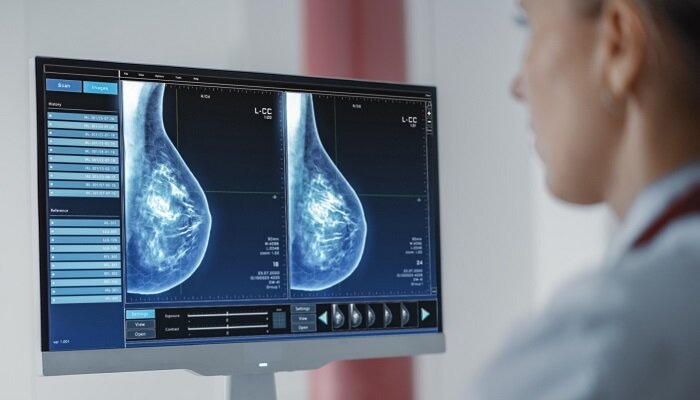
In June 2023, the NATIONAL INSTITUTE FOR HEALTH AND CARE EXCELLENCE guidance suggested that there was another option to the current standard care for breast cancer. Lower intensity and shorter duration radiotherapy did not impact breast cancer-related mortality or disease recurrence. Now, draft guidance proposes that artificial intelligence (AI) technologies can help healthcare professionals produce contours more quickly.

AI technologies have the potential to improve workflow efficiency. According to evidence presented to NICE’s independent medical technologies advisory committee, AI technologies generally produce similar quality contours of organs at risk as those carried out manually, with most only needing minor edits.

Radiographers have to manually contour an image following a CT or MRI scan. They highlight organs at risk of radiation damage, lymph nodes, and cancer sites. The dose of radiotherapy targets the tumor site while also preventing organs and healthy tissue from being damaged.

Clinical experts estimate that the use of AI technologies could save 10–30 minutes per plan, depending on the amount of editing needed. The clinical evidence presented to the committee suggests that it may range between 3 and 80 minutes of time saved per plan.

NHS colleagues working on the front line in radiotherapy departments are under severe pressure with thousands of people waiting for scans. Sarah Byron, program director for health technologies at NICE, said that recommending the use of AI technologies to help support treatment planning alongside clinical oversight by a trained healthcare professional could save both time and money.

As per insights, it has been said that the NHS must embrace innovation to keep fit for the future. The use of AI technologies has the potential to improve efficiency and save clinicians thousands of hours of time that can be spent on patient care. An expert group will work through what skills and training NHS staff may need to make the best use of AI.

Latest stories

Related stories

Biotech Innovation Strengthening Clinical Pipelines

The discovery and development of next-generation therapies are being propelled by a fundamental leap in our understanding of molecular biology and cellular mechanics. By bridging the gap between laboratory research and clinical application, the life sciences sector is creating a robust stream of precision treatments that offer new hope for previously intractable conditions.

Precision Diagnostics Accelerating Early Detection

The fundamental strategy of clinical medicine is shifting from managing symptoms to identifying the earliest molecular indicators of disease. By integrating sophisticated genomic analysis with high-fidelity imaging, practitioners are now able to intercept pathological processes long before they manifest as systemic illness, significantly improving the efficacy of therapeutic interventions.

UK Medical Device Testing Jumps 17%, AI and Neurotech Lead

Clinical investigations of medical devices in the UK reached...

Medtronic Secures FDA PMA for Infuse Bone Graft in TLIF

Medtronic announced that it has secured FDA premarket approval...

Subscribe

- Never miss a story with notifications

- Gain full access to our premium content

- Browse free from any location or device.

Media Packs

Expand Your Reach With Our Customized Solutions Empowering Your Campaigns To Maximize Your Reach & Drive Real Results!

– Access the Media Pack Now

– Book a Conference Call

Leave Message for Us to Get Back

Translate »