












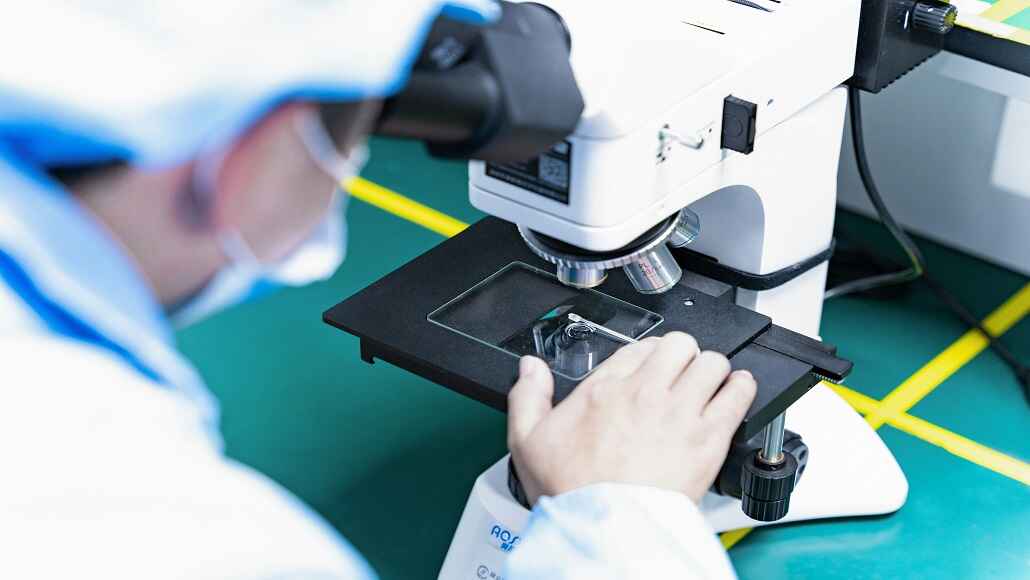

The Medical Laboratory Technology Market is projected up until 2034 where increasing advancements are expected between 2025 and 2034. Medical laboratory technology forms the backbone of diagnostic healthcare, which is fundamental to disease instigation, identification, prevention, and management. The growth of the market is attributed to the increasing prevalence of chronic diseases, the need for accuracy in diagnostics, and technological advancements. These drivers will reshape how healthcare is delivered across the globe, creating new avenues for stakeholders and better serve medical patients.
A Market Set for Transformation
The Medical Laboratory Technology Market can expand strongly, with a compound annual growth rate (CAGR) of over 7.5% during the forecast period. 2034 market valuation expected to mark an exceptional increase due to the trend of advanced technologies including Artificial Intelligence (AI), automation and molecular diagnostics becoming more integrated. Countries like North America, Europe, and Asia-Pacific are leading this industry revolution where investments in healthcare infrastructures is on their conflicting agenda.
Every one of these things is steadily growing which is impressive in a market of continuous chronic disease like diabetes, cancer, and cardiovascular disease, causing the important driving factor for this market. According to the World Health Organization (WHO), 74% of all deaths worldwide are linked to chronic disease. Medical laboratory technologies are the key through which early detection of conditions leads to timely treatment and management needed to squarely face these medical adversaries. As the need for increased diagnostic testing continues to grow, laboratories are implementing advanced technology platforms to enhance accuracy, efficiency, and turnaround time.
The Technological Revolution in Medical Labs
Technological advancements have brought the Medical Laboratory Technology Market to a new horizon of innovations. A growing part of our devices in the laboratory systems that detect the diseases in sequences of genetic molecules — Molecular Diagnostics Examples include real-time polymerase chain reaction (PCR) machines, next-generation sequencing (NGS) and cutting-edge diagnostic tools such as CRISPR.
Artificial Intelligence (AI) and machine learning, are transforming the landscape as well. AI is being used to interpret data, recognize patterns of images, fill in missing pieces and offer predictive diagnostics. Such technologies help improve the accuracy of diagnostics, as well as reducing the load on laboratory technicians, which allows for diagnostics to be performed faster and more accurately. In fact, the 2023 report from Precedence research projects that the integration of AI into laboratory technology is set to become one of the top contributors to the significant growth of the market, driven by increased operational efficiency and reduced operating costs that AI enables to laboratories.
Deepening automation has made laboratories into high-throughput centers. Complete lab automation now approaches sample processing, data entry, and report generation, minimizing human error and improving processing throughput. Such information is vital because during a public health crisis, such as the COVID-19 pandemic, the demand for testing increases exponentially, and the ability to process test results rapidly and accurately is more critical than ever.
Regional Analysis: Where Growth is Happening
The example of market leaders North America reinforces the importance of a robust healthcare infrastructure, high healthcare expenditure, and early adoption of advanced technologies in shaping the Medical Laboratory Technology Market. R&D spending in diagnostic labs, one of the largest sectors of healthcare overall in the US, remains stable and leads to innovation.
Europe is close behind, led by Germany, the United Kingdom and France adopting advanced molecular diagnostics and laboratory automation. As such, this focus on public health initiatives combined with increasing funding for healthcare innovation has set the region firmly on the map.
In contrast, the Asia-Pacific region is seeing rapid growth in the market. Countries including China, India, and Japan are pouring dollars into health care infrastructure to support changing needs as populations grow. The growing prevalence of chronic diseases and increased access to healthcare facilities have rendered this region to be the most lucrative market for diagnostic technologies. Moreover, government efforts to enhance healthcare accessibility and affordability.
Market Dynamics: Opportunities and Challenges
There are challenges to the industry, even as the Medical Laboratory Technology Market is primed for considerable success. The expensive price of these sophisticated devices and the requirement of specialized operators for these devices make it extremely difficult. As a result, smaller laboratories, especially in developing regions, often cannot afford the newest advances, restricting their ability to provide high-quality diagnostic services.
There are also regulatory hurdles, with strict guidelines for the approval and use of new diagnostic tests. While compliance with these standards is critical, it adds to the development costs and time-to-market for manufacturers.