











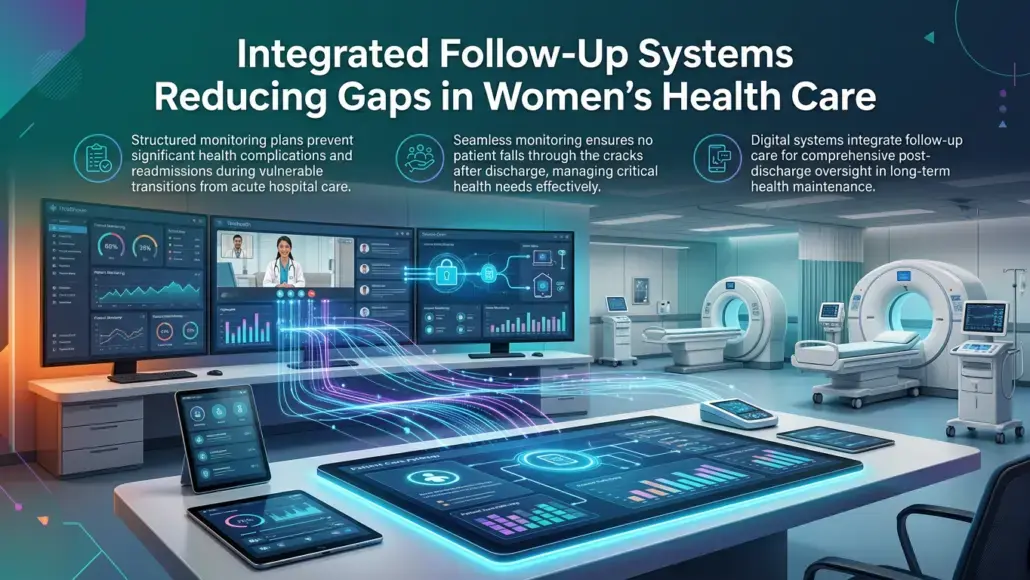

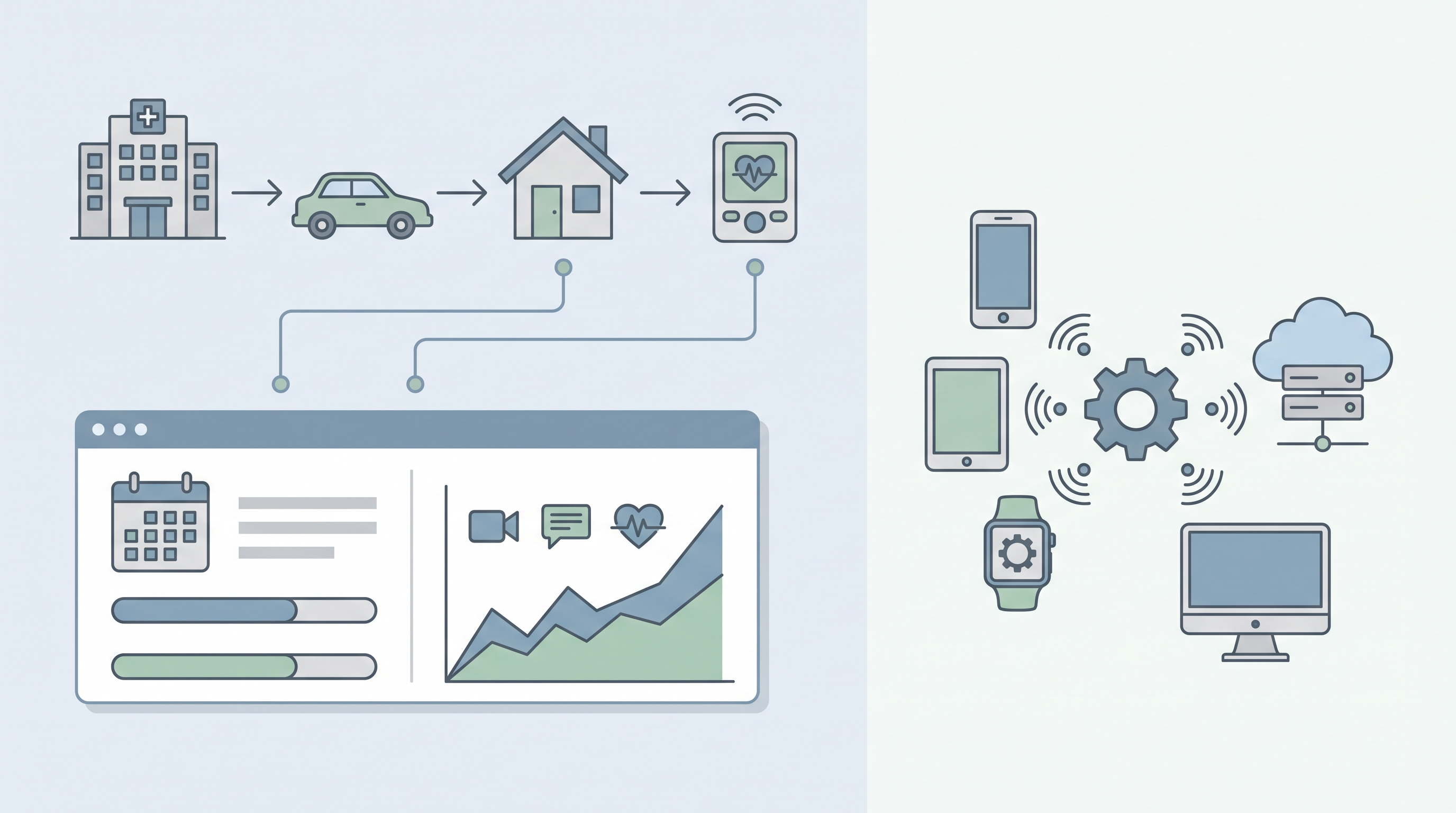
The transition from acute hospital care to long-term health maintenance is one of the most vulnerable periods in a patient’s journey. For women navigating complex health needs, such as postpartum recovery or oncology treatment, the absence of a structured monitoring plan can lead to significant health complications and readmissions. Hospital administrators are increasingly implementing integrated follow-up systems to ensure that no patient falls through the cracks after discharge. These digital platforms provide a bridge between the hospital and the home, allowing clinical teams to monitor recovery progress and intervene quickly if issues arise. This proactive approach to care coordination is essential for improving long-term health outcomes and reducing the overall burden on the healthcare system.
Managing patient continuity requires a sophisticated technological infrastructure that can track clinical data across multiple care settings. By centralizing follow-up information within a unified digital environment, hospitals can ensure that every provider involved in a patient’s care has a clear understanding of her recovery status. This level of coordination is particularly important for patients who require specialized women’s clinics for ongoing preventive screenings or chronic disease management. The primary goal is to create a seamless care pathway that supports the patient at every stage of her health journey. This commitment to continuity is a hallmark of a high-performing healthcare organization and a critical driver of patient satisfaction.
Mitigating Risks through Automated Monitoring Platforms
Automated monitoring tools play a vital role in reducing the risks associated with post-discharge care. These systems can be programmed to send regular health surveys to patients, allowing them to report symptoms and recovery milestones from their mobile devices. If a patient’s responses indicate a potential complication, the system can automatically alert the relevant clinical team for immediate follow-up. This real-time feedback loop ensures that medical interventions are administered before a minor issue becomes a major health crisis. By utilizing integrated follow-up systems, hospitals can provide a higher level of safety and security for their patients during the critical recovery phase.
Additionally, the data collected by these platforms provides valuable insights into the effectiveness of different treatment protocols. By analyzing patterns in patient recovery, clinical leads can identify areas where post-discharge support can be improved and where additional resources may be needed. For example, data might reveal that patients recovering from a specific surgical procedure consistently report high levels of pain at a certain stage, prompting the hospital to adjust its pain management strategies. This evidence-based approach to recovery management allows for continuous improvement in clinical practice and better patient results. The ability to monitor health trends across a large patient population is essential for identifying systemic gaps in care and implementing effective solutions.
Enhancing Patient Adherence to Preventive Care
A significant challenge in long-term health management is ensuring that patients adhere to their recommended screening and follow-up schedules. Integrated follow-up systems address this issue by providing automated reminders for upcoming appointments and screening tests. These reminders can be delivered via email, text message, or patient portal notifications, ensuring that they reach the patient through their preferred communication channel. By reducing the likelihood of missed screenings, healthcare providers can improve the detection of chronic conditions and facilitate earlier treatment. This focus on preventive care is critical for improving population health and reducing the long-term costs of healthcare.
Additionally, these systems can provide patients with educational resources tailored to their specific health needs. For instance, a patient who has recently given birth might receive information on postpartum mental health, breastfeeding support, and physical recovery exercises. By providing the right information at the right time, hospitals can empower patients to take a more active role in their health management. This increased engagement often leads to better adherence to treatment plans and improved overall well-being. The following factors are essential for ensuring high levels of patient engagement with digital follow-up tools:
- User-Friendly Interface: Designing platforms that are easy for patients of all ages and technical abilities to manage.
- Personalized Communication: Tailoring messages and educational content to the patient’s unique health profile and preferences.
- Timely Feedback: Ensuring that clinical teams respond quickly to patient-reported issues to build trust and maintain engagement.
- Privacy and Security: Implementing comprehensive data protection measures to ensure that patients feel comfortable sharing their health information.
- Accessibility: Providing support for multiple languages and ensuring that the platform is accessible to patients with disabilities.
These elements contribute to a more effective and patient-centered follow-up process that supports the long-term goals of the organization. By maintaining a focus on engagement, healthcare providers can ensure that their digital tools deliver real value to their patients.
Improving Coordination between Primary and Specialty Care
Effective health management often requires close coordination between primary care physicians and specialists. Integrated follow-up systems facilitate this collaboration by providing a shared platform for tracking patient progress and sharing clinical notes. When a specialist makes a change to a patient’s treatment plan, the primary care provider is instantly notified, ensuring that the entire care team is working from the same information. This level of transparency is essential for preventing medication errors and ensuring that the patient receives consistent care across all settings.
Additionally, the ability to coordinate care effectively reduces the administrative burden on both patients and providers. Patients no longer have to worry about transferring medical records or explaining their history to multiple different doctors. Instead, their complete health profile is available to every authorized provider in the network. This streamlined approach to care delivery improves the patient experience and allows clinicians to focus more of their time on direct patient care. Hospitals that excel in care coordination are better positioned to provide a seamless and high-quality service that meets the needs of modern patients.
Reducing Hospital Readmissions and Healthcare Costs
One of the primary financial benefits of implementing integrated follow-up systems is the reduction in hospital readmission rates. By identifying and addressing complications early, clinical teams can prevent the need for repeat hospital stays, which are both costly for the institution and stressful for the patient. Many insurance providers now use readmission rates as a key metric for evaluating hospital performance, making it essential for healthcare organizations to prioritize post-discharge support. The cost savings associated with reduced readmissions can be reinvested in other areas of the hospital, such as new medical technology or staff training.
In addition to reducing readmissions, digital follow-up tools can help hospitals manage chronic conditions more effectively. By providing ongoing monitoring and support, healthcare providers can help patients avoid the acute health crises that often lead to emergency room visits. This shift toward proactive, home-based care is a critical component of modern healthcare reform and is essential for reducing the overall cost of care. The ability to demonstrate financial value through improved clinical outcomes is vital for maintaining the hospital’s reputation and attracting both patients and payers.
Future Innovations in Patient Monitoring and Support
The future of patient follow-up will be shaped by the increasing use of wearable devices and remote diagnostic tools. These technologies allow for the continuous monitoring of vital signs, such as heart rate, blood pressure, and activity levels, providing a more comprehensive view of patient health than traditional clinic visits alone. By integrating this data into the hospital’s follow-up systems, clinicians can detect subtle changes in health status and intervene even earlier. This level of precision monitoring will be particularly important for managing complex conditions and providing personalized care.
As these technologies continue to mature, the role of artificial intelligence in analyzing monitoring data will also become more significant. AI algorithms can be used to identify patients at highest risk of complications and prioritize them for clinical intervention. This targeted approach to care management ensures that clinical resources are deployed where they are most needed. By embracing these innovations, healthcare organizations can create a more resilient and responsive health system that serves all members of the community. The ongoing commitment to integrated follow-up systems ensures that the hospital remains at the forefront of medical progress and continues to deliver superior care to its patients.
Ultimately, the successful adoption of digital monitoring solutions requires a strategic vision and a commitment to continuous improvement. Healthcare leaders must remain focused on the primary goal of improving patient outcomes and enhancing the quality of service delivery. By investing in the right technologies and fostering a culture of innovation, hospitals can overcome the challenges of the modern medical environment and build a better future for women’s health. The digital transformation of healthcare is not just a technological change (it is a fundamental shift in how we approach the health and well-being of the population).
The impact of digital infrastructure on clinical outcomes is measurable and significant. Hospitals that prioritize the development of a unified digital environment consistently report higher levels of patient satisfaction and better health results. This evidence-based approach to management is essential for ensuring that healthcare investments are directed toward the most effective interventions. As the industry continues to evolve, the ability to adapt to new technologies and integrate them into existing clinical workflows will be a key differentiator for leading healthcare institutions.
Ultimately, the integration of advanced digital systems is a critical component of modern healthcare strategy. By focusing on diagnostic precision, patient engagement, and data security, hospitals can create a more efficient and effective service delivery model. The ongoing commitment to innovation ensures that healthcare providers can meet the evolving needs of their patients and continue to deliver excellence in every aspect of their operations. This dedication to digital transformation is the foundation of a sustainable and high-quality health system that serves the needs of women today and in the future.