













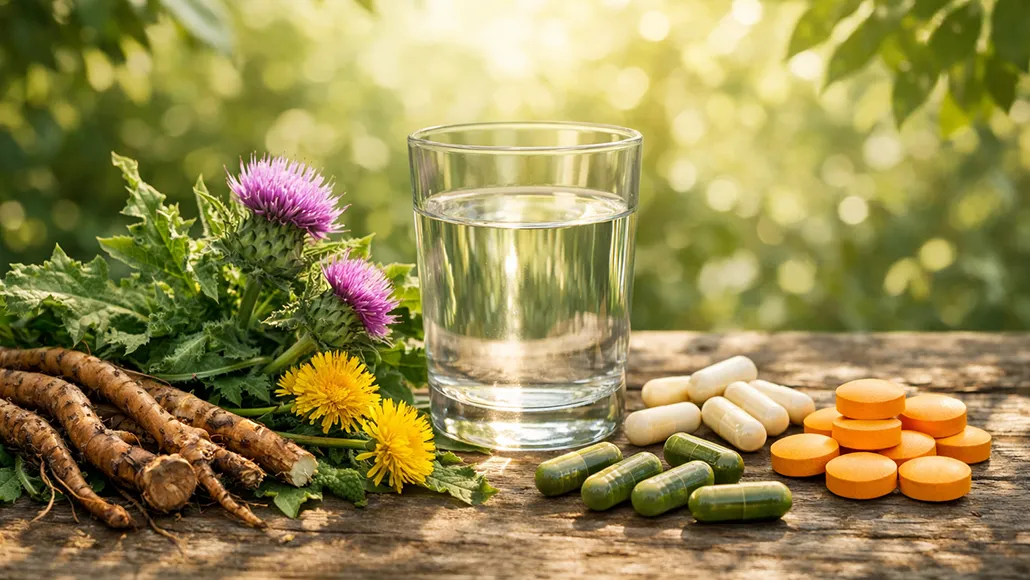
After substance use, your body works hard to repair itself. The liver and kidneys, your body’s main detox organs, take on the heavy lifting. They filter toxins, metabolize drugs, and flush out waste. However, after months or years of substance exposure, these organs often need extra support to recover.
One gentle yet powerful way to help them heal is through targeted nutritional supplements. These supplements don’t replace professional care or a healthy diet, but they can assist your body’s natural detox process—especially during addiction recovery.
In this guide, we explore natural supplements that may support liver and kidney health, reduce oxidative stress, and promote long-term healing.
Why Liver and Kidney Health Matters in Recovery
The liver is your body’s chemical factory. It:
- Breaks down alcohol and drugs
- Filters toxins from the blood
- Produces bile for digestion
- Stores essential nutrients
The kidneys:
- Filter about 50 gallons of blood daily
- Balance fluid and electrolytes
- Excrete waste through urine
- Regulate blood pressure and hormones
Substance abuse—especially alcohol, opioids, and stimulants—can impair these organs over time. Research shows chronic alcohol use is linked to fatty liver, hepatitis, and cirrhosis (NIAAA, 2021), while drugs like cocaine and heroin may lead to kidney inflammation or failure (National Kidney Foundation, 2023).
Top Supplements to Support Detox Organs Post-Addiction
1. Milk Thistle (Silybum marianum)
Why it helps:
Milk thistle is one of the most researched herbs for liver health. Its active compound, silymarin, has antioxidant and anti-inflammatory properties that help regenerate liver tissue.
Evidence:
A 2020 review in Journal of Clinical and Experimental Hepatology found silymarin improved liver enzyme levels and reduced oxidative stress in patients with liver damage.
Recommended dose:
250–500 mg per day (standardized to 70–80% silymarin)
2. N-Acetylcysteine (NAC)
Why it helps:
NAC is a precursor to glutathione, one of the body’s most important antioxidants. Glutathione protects liver cells and helps the body neutralize free radicals created during detox.
Bonus benefit: NAC has also been shown to reduce cravings and withdrawal symptoms in people recovering from substance use disorders.
Evidence:
A 2015 study in The American Journal of Drug and Alcohol Abuse highlighted NAC’s potential in reducing relapse in cocaine and marijuana users.
Recommended dose:
600–1,200 mg daily (consult a healthcare provider)
3. Alpha-Lipoic Acid (ALA)
Why it helps:
ALA supports both liver and kidney function by reducing oxidative stress and improving cellular energy production. It also helps regenerate glutathione.
Evidence:
Animal studies suggest ALA may protect against nephrotoxicity (kidney damage) from drugs and toxins (Lee et al., Toxicology, 2012).
Recommended dose:
300–600 mg daily
4. Dandelion Root
Why it helps:
Traditionally used in herbal medicine, dandelion root acts as a natural diuretic. It stimulates bile production and supports gentle detoxification through the kidneys.
Evidence:
According to Journal of Alternative and Complementary Medicine (2009), dandelion extract increased urine output and helped flush waste from the kidneys.
Recommended dose:
500–1,000 mg daily or as tea
5. L-Glutamine
Why it helps:
This amino acid supports gut health and immunity, which in turn benefits liver detoxification. It also helps repair the intestinal lining damaged by alcohol or opioids.
Bonus: It may reduce sugar and alcohol cravings during early sobriety.
Recommended dose:
5–10 grams daily (split between meals)
6. Vitamin C
Why it helps:
Vitamin C supports both immune function and kidney filtration. It helps reduce inflammation and enhances the detox of heavy metals and toxins.
Evidence:
Studies suggest vitamin C can protect against drug-induced nephrotoxicity, especially from substances like methamphetamine or chemotherapy drugs (Toxicology Reports, 2016).
Recommended dose:
500–1,000 mg per day
7. Magnesium
Why it helps:
Magnesium plays a role in over 300 biochemical processes, including liver enzyme regulation, stress reduction, and sleep support.
Note: Substance use, especially alcohol and stimulants, depletes magnesium levels, increasing the risk of muscle cramps, anxiety, and fatigue.
Recommended dose:
300–400 mg per day (magnesium glycinate or citrate forms are easier on the stomach)
8. D-Mannose
Why it helps:
This natural sugar is known for preventing urinary tract infections, but it also supports kidney and bladder health by preventing harmful bacteria from sticking to the urinary tract.
Recommended dose:
1,000–2,000 mg per day (especially if urinary health is compromised)
What to Avoid During Detox
While supplements can support detox, avoid self-prescribing or megadosing. Some herbs and compounds can interact with medications or stress the liver further.
Avoid:
- Unregulated “detox teas”
- Harsh laxatives
- Supplements without third-party testing
- High-dose niacin without supervision (can strain the liver)
Building a Full-Body Detox Routine
Supplements work best when paired with lifestyle practices that support liver and kidney recovery:
✅ Stay hydrated (aim for 2–3 liters of water daily)
✅ Eat whole, plant-rich meals
✅ Avoid added sugar, caffeine, and processed food
✅ Rest and sleep at least 7–9 hours a night
✅ Practice breathwork or gentle movement to activate the lymphatic system
Final Thoughts
Healing your body after addiction is a layered process. While time, therapy, and nutrition play major roles, supplements can gently support your organs as they rebuild balance.
Your liver and kidneys have been working hard for you—now it’s time to return the favor. With the right blend of natural support and professional care, you can create a strong foundation for long-term recovery.
Always talk with a healthcare provider before starting any supplement, especially during detox or if you’re on medication. Healing is possible—one small, supportive step at a time.
Sources
- National Institute on Alcohol Abuse and Alcoholism (NIAAA). (2021). Alcohol’s Effects on the Body.
- National Kidney Foundation. (2023). Drug Use and Kidney Health.
- Saller, R. et al. (2020). Clinical pharmacology of silymarin. Journal of Clinical and Experimental Hepatology.
- Grant, J.E. et al. (2015). NAC for substance use. American Journal of Drug and Alcohol Abuse.
- Lee, Y. et al. (2012). ALA and nephrotoxicity. Toxicology.
- Clare, B.A. et al. (2009). Diuretic activity of dandelion. Journal of Alternative and Complementary Medicine.