












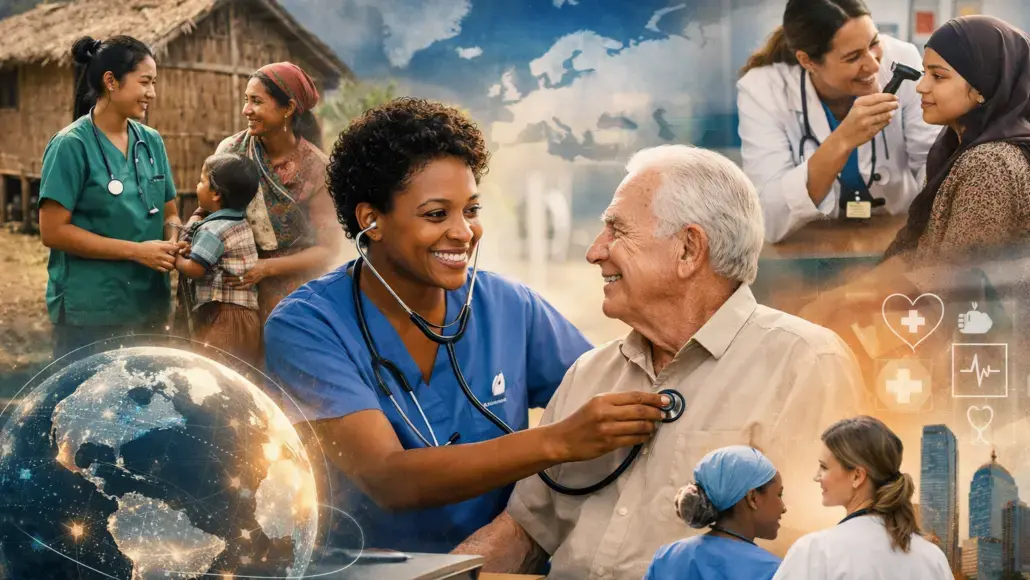

The global healthcare system is currently navigating a quiet but significant crisis: a massive shortage of primary care physicians that is leaving rural and underserved communities behind. While the traditional response has been to wait for more medical school graduates, the reality is that the evolution of advanced practice registered nurses (APRNs) is already filling the gap. These professionals have moved far beyond the bedside to become the primary providers managing patient health across entire lifespans.
The Shift from Support to Front-Line Provider
For decades, the nursing role was often viewed primarily as a support function to physician-led care. However, the last thirty years have seen a dramatic transformation as nursing education has evolved to include advanced pathophysiology, pharmacology, and diagnostic reasoning. Today, advanced practice nurses are not just following orders they are diagnosing acute conditions, managing chronic diseases, and prescribing medications independently in many regions.
This evolution is driven by the realization that a holistic, nursing-centered approach often yields superior outcomes in primary care. Nurses are trained to look beyond immediate symptoms to evaluate a patient’s lifestyle and environment, which is critical for long-term health promotion. Because of this, healthcare systems are increasingly relying on accelerated FNP programs online to prepare experienced nurses for these high-stakes clinical roles without forcing them to leave the workforce during their studies.
Why Specialized Nursing Works for Global Health
The versatility of the APRN role is what makes it a sustainable solution for global health challenges. By decentralizing care and moving it out of overcrowded hospitals, these providers bring essential services directly into community clinics. This model allows for specialized care that targets specific demographic needs, which is far more efficient than a one-size-fits-all medical approach.
Key areas where advanced nursing is making a global impact include:
- Family Health: Providing comprehensive care for patients of all ages, from infants to seniors.
- Gerontology: Managing the complex needs of aging populations who require frequent chronic disease management.
- Psychiatric Care: Addressing the worldwide deficit in mental health services through direct diagnosis and therapy.
- Women’s Health: Ensuring access to reproductive health and prenatal services in underserved areas.
Navigating the Academic Rigor of Advanced Roles
Transitioning from a registered nurse to a family nurse practitioner requires more than just years of experience it demands an academically rigorous curriculum. For instance, a high-quality Master of Science in Nursing program typically involves approximately 46 credit hours of coursework focused on advanced research and clinical management. This isn’t a passive learning process, as students often need to dedicate 15 hours of study time weekly for a standard three-credit course.
Beyond the classroom, the clinical component is where the theoretical meets the practical. Students must complete hundreds of hours of hands-on practice under licensed preceptors, conducting screenings and ordering lab tests. This ensures that when they enter the field, they have the specialized expertise required to manage patient care independently and safely.
Leading Systems from the Inside Out
The final stage of this professional evolution is leadership. Many nurses are now pursuing doctoral-level expertise to advocate for policy changes and redesign clinical workflows. These leaders don’t just follow existing protocols they develop evidence-based research that improves patient safety and reduces clinical errors across entire healthcare organizations.
By integrating these highly trained professionals into the highest levels of management, healthcare systems become more resilient. Advanced practice nurses bridge the gap between clinical science and daily practice, ensuring that healthcare delivery evolves as quickly as the needs of the population. Ultimately, the expansion of these roles is the most direct route to ensuring that every patient, regardless of location, has access to a qualified and compassionate provider.