













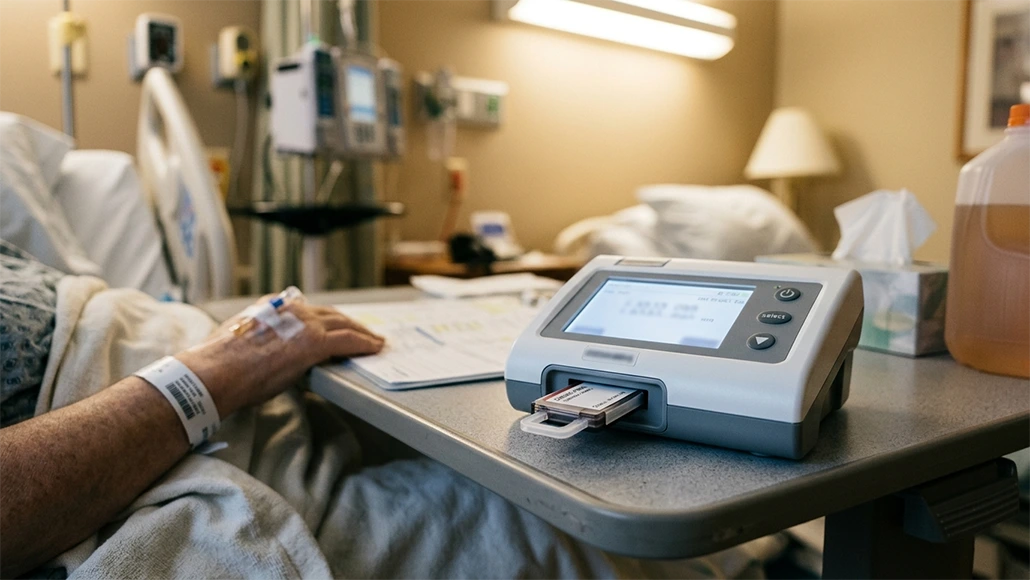

The landscape of modern medicine is currently defined by a relentless pursuit of efficiency and accuracy, particularly in the realm of diagnostic capabilities. For decades, the standard protocol for clinical testing involved the collection of samples followed by their transportation to a centralized laboratory facility. While these laboratories offer high throughput and comprehensive testing panels, the inherent delay between sample collection and the delivery of results often creates a bottleneck in patient management. In response to this challenge, the emergence of point of care devices accelerating clinical decisions has fundamentally altered the trajectory of patient care, allowing for immediate insights at the very moment they are needed most.
Decentralization of Diagnostics Through POCT
The philosophy behind point of care testing (POCT) is rooted in the decentralization of healthcare services. By miniaturizing complex laboratory processes into portable, hand-held, or bedside units, the medical community has successfully bridged the gap between diagnosis and treatment. These devices are no longer restricted to simple glucose monitoring or pregnancy tests they now encompass a vast array of sophisticated applications, including cardiac biomarker analysis, infectious disease screening, blood gas monitoring, and even genetic testing. This technological leap ensures that clinicians are equipped with real-time data, which is especially critical in high-stakes environments like the emergency department or the intensive care unit.
Rapid Response in Cardiovascular Emergencies
One of the most profound impacts of point of care devices accelerating clinical decisions is seen in the management of cardiovascular emergencies. In cases of suspected myocardial infarction, every minute that passes without intervention increases the risk of permanent heart tissue damage. Traditional lab-based troponin tests can take an hour or more to yield results. However, modern POCT systems can provide highly sensitive troponin readings within minutes of a patient’s arrival. This rapid turnaround allows emergency physicians to confirm a diagnosis and initiate life-saving protocols, such as catheterization or thrombolytic therapy, with unprecedented speed. The reduction in door-to-needle time is a direct consequence of integrating these portable tools into standard triage workflows.
Beyond the walls of the hospital, the decentralization offered by these technologies extends to primary care clinics, pharmacies, and even the patient’s home. In rural or underserved areas where access to a full-scale laboratory may be limited by geography or infrastructure, point of care devices accelerating clinical decisions serve as a lifeline. A clinician in a remote outpost can screen for malaria, HIV, or tuberculosis and receive an answer immediately, allowing for the initiation of treatment before the patient leaves the clinic. This capability not only improves individual patient outcomes but also plays a vital role in public health surveillance and the containment of infectious outbreaks.
Advanced Technologies Behind POCT Devices
The underlying technology that powers these devices is a testament to the synergy between biology, microfluidics, and digital engineering. Modern POCT systems often utilize advanced biosensors and microfluidic lab-on-a-chip designs that require only a tiny volume of blood, saliva, or urine. These systems are designed to be user-friendly, minimizing the need for specialized laboratory training and reducing the potential for human error. Furthermore, the integration of artificial intelligence and machine learning algorithms into these devices is beginning to offer predictive insights, helping clinicians identify subtle patterns in patient data that might indicate a worsening condition before clinical symptoms become obvious.
Connectivity is another cornerstone of the modern POCT revolution. No longer do these devices operate in isolation they are increasingly integrated into hospital information systems and electronic health records. This digital synergy ensures that point of care devices accelerating clinical decisions contribute to a holistic view of the patient’s history. When a test is performed at the bedside, the result is automatically uploaded to the patient’s file, where it can be reviewed by specialists in real-time. This seamless data flow enhances collaboration across multidisciplinary teams and ensures that the clinical decision-making process is informed by the most recent and relevant information available.
Despite the clear advantages, the adoption of these technologies requires a nuanced approach to quality control and regulatory compliance. Maintaining the same level of accuracy and precision found in a centralized laboratory is paramount. Hospitals must implement rigorous training programs for nursing staff and other non-laboratory personnel who operate these devices. Furthermore, the cost of consumables and the maintenance of a fleet of portable units can be significant. However, when measured against the broader benefits such as reduced length of stay, fewer unnecessary hospitalizations, and improved patient satisfaction the value proposition of point of care devices accelerating clinical decisions remains incredibly strong.
As we look toward the future, the scope of what can be achieved at the point of care continues to expand. We are seeing the development of devices capable of performing complex molecular diagnostics that were once the exclusive domain of high-complexity labs. The ability to perform rapid PCR testing at the bedside for respiratory viruses, for instance, has already proven indispensable during global health crises. This trend is likely to continue, with a focus on making diagnostics even more accessible, affordable, and integrated into the daily lives of patients.
The human element of healthcare is also significantly enhanced by these advancements. When a doctor can share a diagnostic result with a patient immediately, it fosters a more transparent and collaborative relationship. Instead of the anxiety-filled wait for a phone call or a follow-up appointment, patients receive answers in real-time. This immediacy allows for a more meaningful discussion about treatment options and lifestyle changes, empowering patients to take an active role in their own recovery. The psychological benefit of knowing cannot be overstated, particularly when dealing with chronic conditions that require frequent monitoring.
The integration of point of care devices accelerating clinical decisions is not merely a technical upgrade it is a paradigm shift in how we conceive of the clinical environment. It represents a move toward a more agile, responsive, and patient-centered model of medicine. By removing the barriers of time and distance that have traditionally separated the patient from the laboratory, we are creating a healthcare system that is better equipped to meet the challenges of the 21st century. The continued innovation in this field promises to further refine our diagnostic precision, ensuring that the right treatment reaches the right patient at the exactly right time.
A Shift Toward Patient-Centered Diagnostics
In conclusion, the evolution of diagnostic technology has reached a tipping point where the laboratory is no longer a destination but a capability that follows the patient. The strategic implementation of point of care devices accelerating clinical decisions is a cornerstone of this movement. Through the combination of miniaturization, connectivity, and rapid data analysis, these tools are providing the clarity needed to navigate complex clinical scenarios. As these devices become more ingrained in every level of the healthcare system, their role in enhancing patient safety, improving operational efficiency, and ultimately saving lives will only continue to grow.