
















The paradigm of medical device production is undergoing a profound transformation as the industry moves away from traditional, paper-based quality control towards a fully integrated digital ecosystem. Digital manufacturing validation improving device quality is the cornerstone of this evolution, providing a more robust, transparent, and efficient way to ensure that every product meets the highest standards of safety and performance. In an era where devices are becoming increasingly personalized and technologically complex, the ability to validate processes in a digital environment allows manufacturers to identify potential defects earlier, streamline regulatory submissions, and ultimately deliver superior therapeutic solutions to patients with unprecedented speed and reliability.
Transitioning to a Digital Quality Framework
For years, the validation of manufacturing processes was a labor-intensive exercise characterized by massive binders of documentation and manual inspections that were prone to human error. The shift toward digital manufacturing validation improving device quality replaces these outdated methods with automated systems that capture data at every stage of the production cycle. By creating a “digital thread” that links design specifications to manufacturing parameters and final inspection results, companies can maintain a real-time view of product quality. This proactive approach ensures that any deviation from the validated process is immediately detected and corrected, preventing the production of sub-standard batches and significantly reducing the risk of costly product recalls.
The Power of Automated Inspection and Real-Time Monitoring
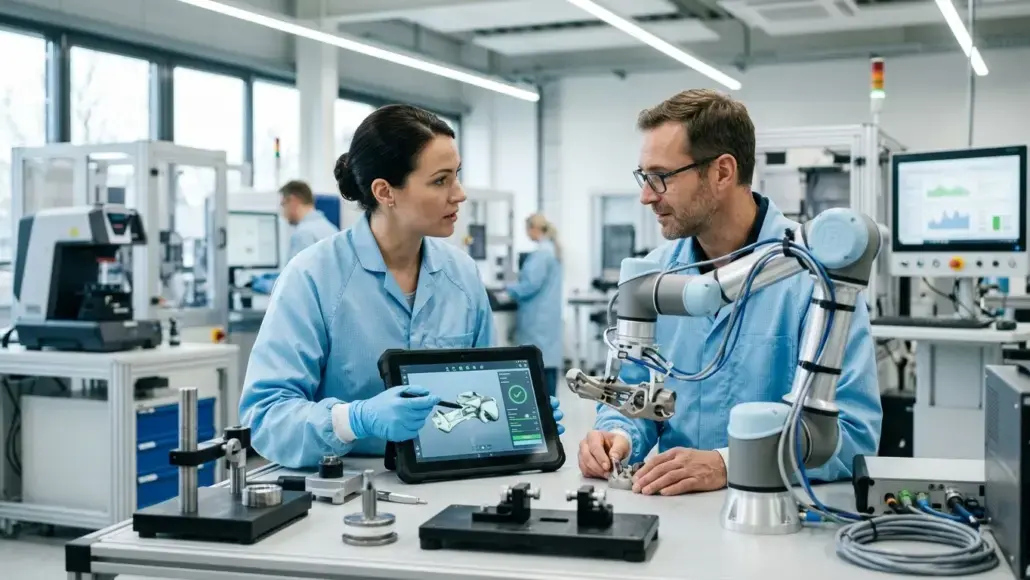
One of the most tangible benefits of this digital shift is the integration of advanced sensors and machine vision systems on the production line. Digital manufacturing validation improving device quality leverages these technologies to perform 100% inspection of components, a feat that is impossible with manual methods. High-resolution cameras and laser scanners can detect microscopic flaws in surface finish or dimensional inaccuracies that the human eye might miss. Furthermore, real-time monitoring of environmental conditions, such as cleanroom humidity and temperature, ensures that the manufacturing environment remains within the validated window, guaranteeing that the physical and chemical properties of the device are not compromised during assembly.
Enhancing Regulatory Readiness through Digital Documentation
Regulatory bodies like the FDA are increasingly encouraging the adoption of digital tools to improve the quality and integrity of manufacturing data. Digital manufacturing validation improving device quality simplifies the path to compliance by providing an immutable, time-stamped record of all validation activities. Electronic Batch Records (EBR) and automated audit trails eliminate the risks associated with missing signatures or illegible entries, making the audit process much smoother for both the manufacturer and the regulator. This digital transparency builds a higher level of trust, as it demonstrates a manufacturer’s commitment to data integrity and process control, which are the fundamental requirements of Good Manufacturing Practice (GMP).
Accelerating Time-to-Market with Virtual Validation
In a competitive global market, the speed at which a new device can move from concept to commercialization is a critical success factor. Digital manufacturing validation improving device quality allows for “virtual validation” or simulation-based testing before the first physical prototype is even built. By using advanced software to model the manufacturing process, engineers can predict how different variables will affect the final product. This allows them to optimize the process in a virtual environment, reducing the number of physical validation runs required. This not only saves time and resources but also ensures that the production process is inherently robust from the very beginning, leading to more consistent product quality over the long term.
Strengthening the Supply Chain through Digital Integration
Medical devices are rarely produced in isolation; they rely on a complex global network of component suppliers and service providers. Digital manufacturing validation improving device quality extends beyond the four walls of the factory to include the entire supply chain. By requiring suppliers to provide digital certificates of analysis and validation data, manufacturers can ensure that every raw material and component meets the required specifications before it enters the production stream. This integrated approach minimizes the “quality lag” that often occurs when issues are only discovered late in the assembly process, fostering a culture of quality that permeates the entire value chain and protects the final user.
Closing the Loop with Post-Market Feedback
The value of digital validation does not end once the product is shipped. By integrating post-market surveillance data back into the digital manufacturing framework, companies can continuously improve their processes. Digital manufacturing validation improving device quality creates a feedback loop where real-world performance data can be used to refine manufacturing tolerances or update validation protocols. For example, if a specific component shows a higher-than-expected wear rate in the field, engineers can trace the issue back to the specific manufacturing batch and adjust the digital process model to address the root cause. This commitment to continuous improvement is what truly defines a high-maturity quality management system.
Overcoming Challenges in Digital Implementation
While the benefits are clear, the transition to digital validation is not without its challenges. It requires a significant investment in both technology and talent, as well as a cultural shift within the organization. Workers must be trained to operate new digital systems, and traditional quality departments must adapt to a world where data analysis is just as important as physical inspection. However, the long-term gains in efficiency, compliance, and product safety far outweigh the initial hurdles. As digital manufacturing validation improving device quality becomes the industry standard, those who fail to adapt risk being left behind in an increasingly data-driven and safety-conscious marketplace.
Conclusion
The adoption of digital manufacturing validation is a transformative step toward a future where medical device quality is built-in rather than inspected-in. By harnessing the power of automation, real-time data, and virtual simulation, manufacturers can achieve levels of precision and consistency that were previously unattainable. This evolution not only satisfies the rigorous demands of regulators but, more importantly, ensures that patients receive safe, effective, and reliable medical devices every time. As the industry continues to innovate, the digital validation framework will remain the bedrock of quality, enabling the safe delivery of the next generation of life-changing healthcare technologies.