











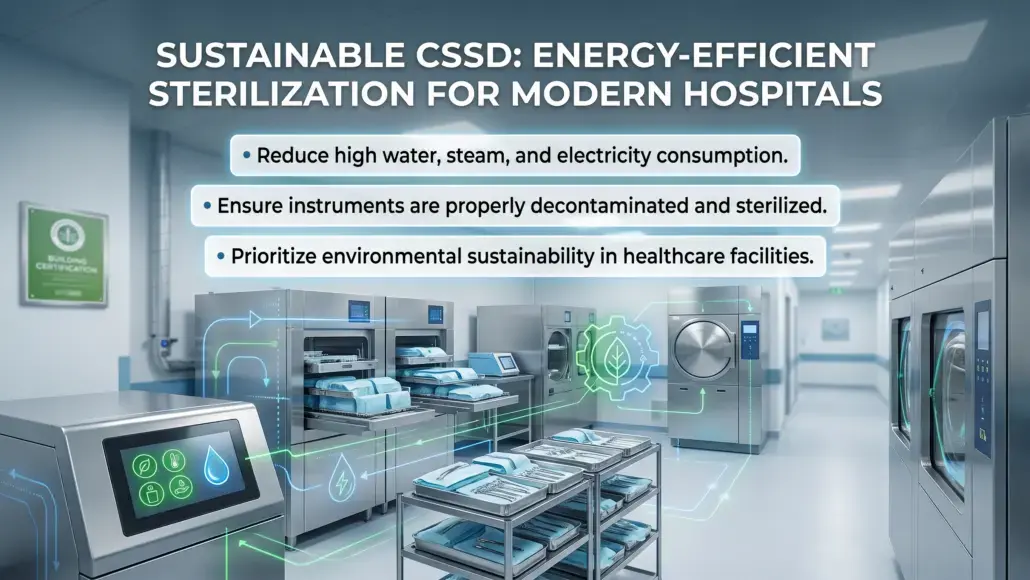
The central sterile services department (CSSD) is the heart of a hospital’s surgical capabilities, ensuring that every instrument and piece of equipment is properly decontaminated, sterilized, and ready for use in life saving procedures. This department is also one of the most resource intensive areas of any healthcare facility, consuming vast amounts of water, steam, and electricity to maintain the highest standards of clinical hygiene. As hospitals increasingly prioritize environmental sustainability and operational efficiency, the implementation of energy-efficient central sterile services has become a vital strategy for reducing the facility’s ecological footprint without compromising patient safety. By modernizing sterilization technology and optimizing the workflow within these critical reprocessing suites, healthcare organizations can achieve significant reductions in utility costs and resource waste, contributing to a more sustainable and resilient healthcare system.
The shift toward efficiency in sterile processing is driven by a combination of technological advancement and a deeper understanding of the environmental impact of healthcare operations. High temperature sterilization and automated washing cycles are necessary to eliminate pathogens, but they are also significant drivers of carbon emissions and water consumption. A comprehensive approach to energy-efficient central sterile services addresses these challenges through the integration of advanced mechanical systems, intelligent controls, and a commitment to process optimization. This evolution ensures that the hospital remains a leader in community health not only through its clinical excellence but also through its responsible management of resources. By treating sterile processing as a high performance utility rather than a simple support service, facility managers can drive meaningful improvements across the entire institution.
Resource Intensive Nature of Decontamination and Sterilization
The decontamination and sterilization of surgical instruments involve several energy intensive stages, each with its own unique resource requirements. The process typically begins with pre cleaning and automated washing in washer disinfectors, which use large volumes of hot water and specialized detergents to remove organic matter and achieve a high level of disinfection. This stage is followed by inspection and packaging, and finally, sterilization in steam autoclaves, which use high pressure saturated steam to kill any remaining microorganisms. The generation of this steam and the heating of the water for washing represent a massive thermal load for the hospital’s central plant. Historically, these systems were designed for maximum output with little regard for efficiency, leading to significant waste as heat and water were simply discarded after a single use.
The implementation of energy-efficient central sterile services starts with an audit of these existing processes to identify areas where waste can be minimized. For example, older autoclaves often use large amounts of water for cooling the steam condensate before it is discharged into the drain. By replacing these outdated cooling methods with closed loop systems or by recovering the thermal energy from the condensate, hospitals can save millions of gallons of water each year. Similarly, the electrical load of the department can be optimized by using high efficiency motors in the ventilation and pumping systems, and by ensuring that equipment is operated at its maximum capacity whenever possible. This focus on resource efficiency is a fundamental component of modern hospital management, ensuring that the critical work of the CSSD is performed in the most sustainable way possible.
Implementing Heat Recovery Systems in Reprocessing Suites
One of the most effective ways to improve the efficiency of the sterile processing department is through the implementation of heat recovery systems. The decontamination and sterilization processes generate a tremendous amount of waste heat, both in the form of hot water and steam exhaust. In traditional designs, this energy is lost to the atmosphere or the sewer, requiring the hospital to use additional energy to heat incoming water and supply air. Energy-efficient central sterile services utilize specialized heat exchangers to capture this thermal energy and repurpose it within the department or across the broader hospital campus. For example, the heat from the autoclave exhaust can be used to preheat the water for the next washing cycle, significantly reducing the amount of steam needed for heating.
The benefits of heat recovery extend beyond direct energy savings. By reducing the temperature of the exhaust streams, these systems also lower the thermal load on the building’s cooling system, leading to further electrical savings. Additionally, the integration of heat recovery helps to create a more comfortable working environment for the staff in the CSSD, as less waste heat is released into the workspace. This holistic approach to thermal management is a hallmark of a truly efficient facility, where every unit of energy is utilized to its fullest potential. As energy costs continue to rise, the return on investment for heat recovery technology becomes increasingly compelling, making it a cornerstone of sustainable hospital operations. The ability to do more with less energy is essential for the long term viability of the healthcare sector, and the CSSD provides a prime opportunity for these improvements.
Optimizing Water Usage in Automated Washer Disinfectors
Water is a precious resource, and its use in the sterile processing department is both essential and substantial. Automated washer disinfectors must use high quality water to ensure that instruments are thoroughly cleaned and free of any mineral deposits that could interfere with the sterilization process. However, the sheer volume of water used in these machines can be staggering. The implementation of energy-efficient central sterile services involves the adoption of modern washing technologies that are designed to achieve the same clinical results with a fraction of the water. Many of these newer machines utilize multi stage filtration and recycling systems that allow the water from the final rinse cycle to be used in the initial pre wash of the next load, significantly reducing total consumption.
Beyond the machines themselves, the management of the water supply also offers opportunities for efficiency. Hospitals that use reverse osmosis (RO) or other purification technologies can optimize the performance of these systems to reduce the amount of waste water generated during the treatment process. By monitoring the quality of the incoming water and adjusting the purification parameters in real time, facility managers can ensure that the CSSD has the high quality water it needs while minimizing environmental impact. This focus on water stewardship is a critical part of the hospital’s broader sustainability goals, reflecting a commitment to protecting local water resources while providing the highest standards of patient care. The optimization of water usage in the CSSD is a clear example of how technical excellence and environmental responsibility can work together to create a more efficient and sustainable healthcare facility.
Sustainable Materials Handling and Workflow Streamlining
The efficiency of the sterile processing department is not only a matter of mechanical systems but also of the way materials and workflows are managed. A poorly designed workflow can lead to unnecessary delays, increased energy consumption, and a higher risk of clinical errors. Energy-efficient central sterile services prioritize the streamlining of the reprocessing cycle, from the moment contaminated instruments leave the operating theater to the point where they are returned for the next surgery. By using lean management principles and advanced tracking software, hospitals can optimize the movement of instruments through the department, ensuring that each stage of the process is performed in a timely and efficient manner. This reduces the time that equipment sits idle and ensures that the mechanical systems are used as effectively as possible.
Sustainable materials handling also includes the selection of the packaging and cleaning agents used in the department. Moving away from single use plastics and toward reusable sterilization containers can significantly reduce the volume of waste generated by the CSSD. Similarly, the use of biodegradable and high efficiency detergents can improve the cleaning performance while reducing the chemical load on the hospital’s wastewater system. These changes, while sometimes small on an individual basis, contribute to a significant overall improvement in the department’s environmental profile. By fostering a culture of sustainability and efficiency among the CSSD staff, hospital administrators can ensure that their facility remains a leader in responsible healthcare operations. The ongoing refinement of these processes ensures that the hospital can continue to provide safe and effective care in a way that is respectful of the planet and the community it serves.
The transition toward a more efficient and sustainable sterile processing department is an essential part of the future of healthcare. By investing in energy-efficient central sterile services, hospitals can achieve a triple bottom line of reduced costs, enhanced patient safety, and a smaller environmental footprint. This is not just a technical challenge; it is a strategic imperative that requires the collaboration of clinicians, engineers, and facility managers. As the healthcare industry continues to evolve, the ability to manage resource intensive processes with precision and care will be a defining characteristic of the most successful and respected institutions. The hospitals that embrace these changes will be the best prepared to meet the challenges of the future, providing a safe and sustainable environment for patient care that reflects the highest standards of professional excellence. The ongoing development of new technologies and best practices in sterile processing will continue to provide opportunities for improvement, ensuring that the heart of the hospital remains strong, efficient, and resilient for many years to come.