













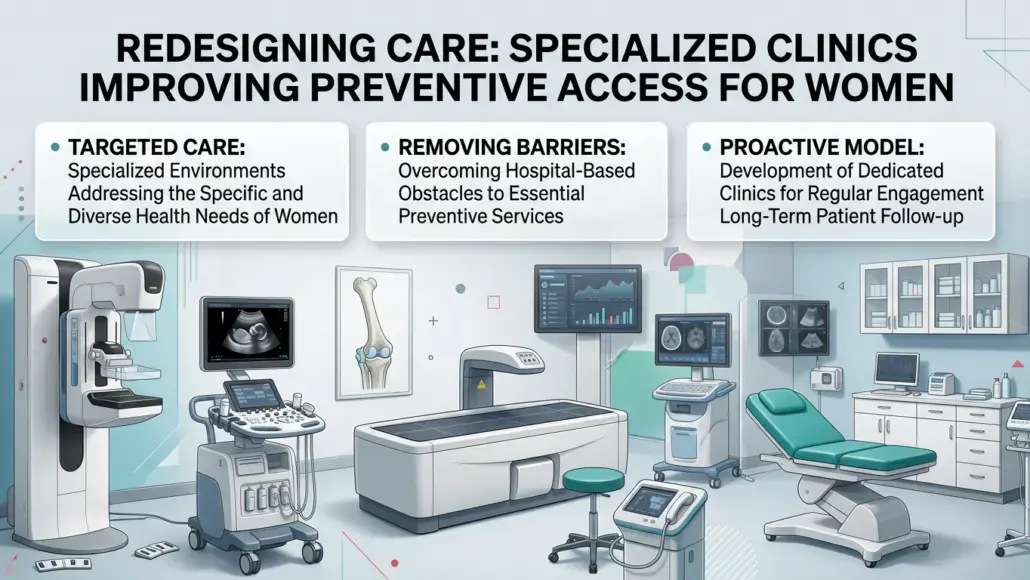

Healthcare providers are increasingly recognizing the limitations of generalist clinical environments in addressing the specific and diverse health needs of female patient populations. The traditional model of hospital-based care often creates barriers to access, particularly for preventive services that require regular engagement and long-term follow-up. In response, many healthcare organizations are shifting toward the development of specialized women’s clinics that offer a more targeted and patient-centered approach to care delivery. These community-based facilities are designed to provide a comprehensive range of services, from routine screenings and reproductive health to chronic disease management, in an environment that is both accessible and dignified. This strategic shift is essential for improving population health outcomes and reducing the long-term burden of preventable conditions on the healthcare system.
The primary objective of these specialized facilities is to lower the barriers to entry for essential health services. By locating clinics within the communities they serve and offering flexible scheduling options, healthcare providers can encourage more women to prioritize their health and engage in proactive care management. This approach is particularly effective for reaching underserved populations who may face geographic or financial obstacles to accessing traditional hospital services. Additionally, the specialized nature of these clinics allows for a deeper level of clinical expertise and more efficient care pathways, leading to better diagnostic accuracy and improved patient satisfaction. The resulting improvements in access and quality represent a significant advancement in the delivery of healthcare for women.
Enhancing Preventive Care Reach and Impact
Specialized facilities allow healthcare organizations to offer a broader and more integrated suite of preventive services than is often possible in a general hospital setting. By co-locating services such as cervical cancer screenings, breast health exams, bone density tests, and nutritional counseling, hospitals can provide a one-stop-shop for patient health needs. This integrated model not only improves convenience for the patient but also ensures that different aspects of her health are managed in a coordinated and holistic manner. The ability to offer these services in a dedicated environment also allows for the use of specialized equipment and clinical protocols that are optimized for the female patient population.
In addition, the focus on preventive care within these clinics is a critical driver of long-term health improvements. By identifying and addressing health issues at an earlier stage, healthcare providers can reduce the need for more complex and costly interventions in the future. This shift toward proactive health management is supported by rigorous maternal cost analytics, which demonstrate the financial and clinical benefits of investing in early detection and prevention. The data-driven insights from these analyses inform the strategic planning and resource allocation for new clinics, ensuring that they are positioned to deliver the greatest possible value to both the patients and the organization. The ongoing commitment to preventive excellence is the foundation of a successful community health strategy.
Fostering a Patient-Centered Healing Environment
The physical design and operational model of specialized women’s clinics are intentionally crafted to support a more personal and dignified patient experience. Unlike the often busy and impersonal environment of a large hospital, these clinics offer a more intimate setting where patients can feel comfortable discussing sensitive health issues with their clinical teams. The use of private consultation rooms, comfortable recovery areas, and supportive administrative processes contributes to a sense of safety and trust. This focus on the patient’s emotional well-being is a critical component of high-quality care and is essential for building long-term relationships between the patient and the healthcare provider.
Patient-centered care also involves the active engagement of the patient in her own health management. Specialized clinics often host community education programs, support groups, and wellness workshops that provide patients with the tools they need to manage their health effectively. For example, a clinic might offer classes on prenatal nutrition, menopause management, or cardiovascular health. These initiatives not only improve patient knowledge but also foster a sense of community and support that is vital for health resilience. The following elements are essential for creating a truly patient-centered clinical environment:
- Multidisciplinary Care Teams: Ensuring that patients have access to a wide range of specialists, including gynecologists, primary care physicians, and mental health professionals, in a single location.
- Empathetic Communication: Training staff to communicate with sensitivity and respect, particularly when discussing complex or sensitive health issues.
- Inclusive Design: Ensuring that the facility is accessible to patients of all physical abilities and backgrounds.
- Patient Feedback Integration: Regularly collecting and acting on patient suggestions to improve the quality and convenience of the services provided.
- Holistic Health Offerings: Incorporating services such as behavioral health screenings and nutritional counseling as standard components of the clinical encounter.
These measures ensure that the clinic remains a supportive and effective environment for all patients. By maintaining a focus on dignity and respect, healthcare providers can build a sustainable model for community health that serves the needs of women for decades to come.
Improving Health Equity and Community Reach
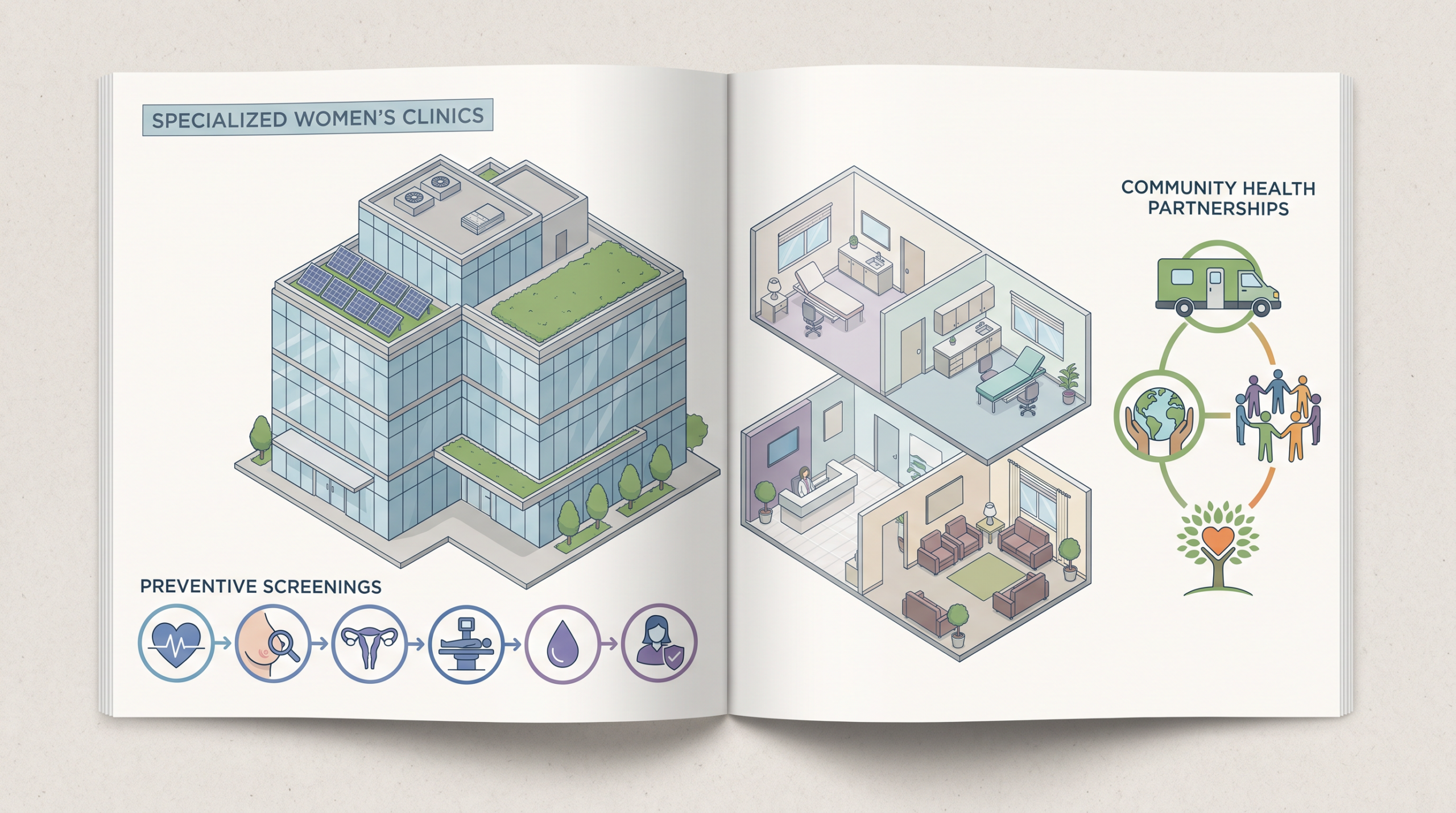
One of the most significant impacts of specialized women’s clinics is the improvement in health equity across diverse populations. By providing high-quality care in community-based settings, healthcare organizations can address the systemic disparities that often affect women’s health outcomes. These clinics serve as a critical entry point into the healthcare system for many patients who might otherwise remain disengaged. By offering services that are culturally sensitive and accessible, healthcare providers can build trust within the community and encourage more women to seek the care they need. This commitment to equity is essential for improving the overall health of the population and reducing the societal costs of untreated conditions.
Additionally, the presence of a specialized clinic in a community often serves as a catalyst for broader health improvements. These facilities can partner with local organizations, schools, and advocacy groups to promote health education and awareness. These collaborative initiatives help to address the social determinants of health and empower community members to take proactive steps toward better health. By serving as a hub for both medical treatment and community engagement, the clinic becomes an indispensable asset that strengthens the entire local health infrastructure. The resulting improvements in community health reach are a direct result of the strategic investment in specialized care delivery models.
Integrating Specialized Care into the Broader Health System
While specialized clinics operate as distinct community-based facilities, their integration into the broader hospital network is essential for ensuring clinical continuity and quality. Advanced digital tools and health technology integration allow for the seamless sharing of patient records and diagnostic results between the clinic and the main hospital. This ensures that every provider involved in a patient’s care has access to the same up-to-date information, regardless of where the clinical encounter takes place. This level of coordination is critical for managing complex cases that may require a combination of clinic-based preventive care and hospital-based surgical or specialized treatment.
Effective integration also involves the development of clear referral pathways and collaborative protocols between clinic teams and hospital specialists. When a patient at a community clinic requires more advanced diagnostic tests or interventions, the transition to the hospital should be as efficient and stress-free as possible. This streamlined approach to care delivery improves the patient experience and allows for the most effective use of clinical resources across the entire organization. By maintaining a strong connection between the clinic and the hospital, healthcare providers can offer a comprehensive and high-quality service that meets the needs of patients throughout their health journey.
Future Directions for Community-Based Women’s Health
The future of healthcare delivery will be characterized by the continued expansion of community-based models that prioritize accessibility and preventive care. As the healthcare industry shifts toward value-based care, the role of specialized women’s clinics will become increasingly important in managing population health and reducing costs. New technologies, such as remote monitoring and telehealth, will further enhance the reach and effectiveness of these clinics, allowing for the delivery of care to patients in even the most remote areas. These innovations will enable clinicians to monitor patient health in real-time and provide timely support between clinic visits.
In addition to technological advancements, the ongoing commitment to research and data analysis will continue to drive improvements in clinical practice and clinic design. By regularly evaluating the performance of their facilities and the health outcomes of their patients, healthcare organizations can identify new opportunities for innovation and excellence. This iterative approach to management ensures that the clinics remain at the cutting edge of medical service delivery and continue to meet the evolving expectations of the community. By embracing these changes and maintaining a focus on the needs of the patient, healthcare providers can build a better future for women’s health.
Ultimately, the development of specialized clinical facilities is about creating a health system that is both effective and inclusive. When hospitals invest in the right community-based infrastructure, they create a foundation for innovation and excellence that transforms the way care is delivered. This dedication to specialized care is the hallmark of a leading healthcare institution and a critical driver of success in the modern medical environment. By maintaining a focus on access, quality, and dignity, healthcare organizations can ensure that they are providing the best possible care to the women they serve. The ongoing transformation of the healthcare system toward more patient-centered models is a fundamental step toward a healthier and more equitable society.