





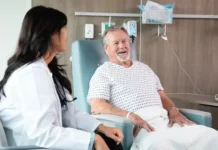







A patient visits a clinic because sleep has become difficult. The appointment appears routine until a nurse notices something beneath the complaint: persistent hopelessness that may signal depression. Recognizing that possibility takes more than a checklist. It takes the psychiatric knowledge to ask the right questions and determine what care should follow.
The demand for qualified mental health professionals makes this development particularly important. You see, the 2025 National Survey on Drug Use and Health by the Substance Abuse and Mental Health Services Administration stated that approximately 54.6 million American adults (20.6% of the adult population) experienced a mental illness. These statistics clearly show how important access to qualified professionals is increasingly becoming crucial.
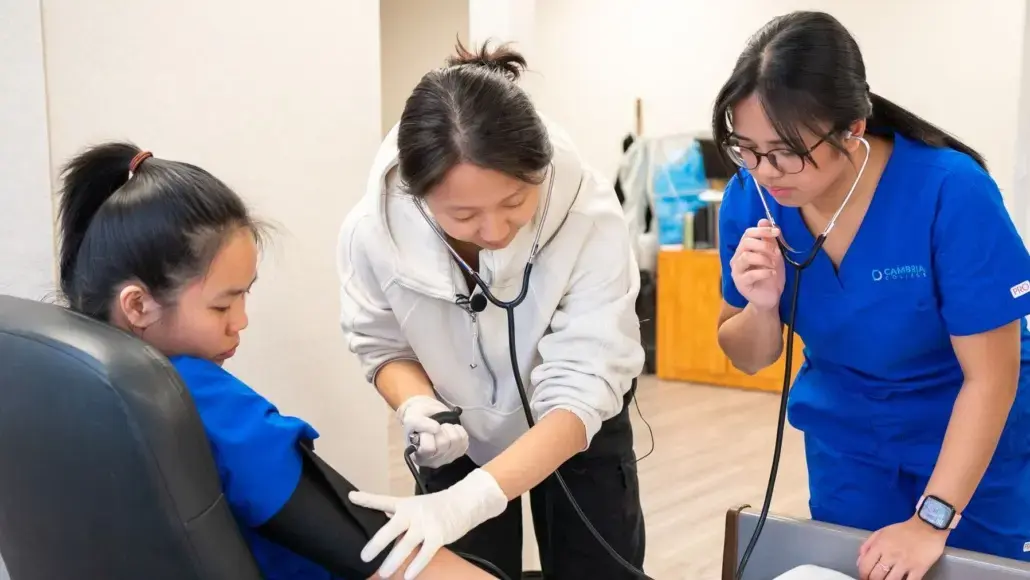
And better access doesn’t only mean additional appointments. It requires clinicians prepared for complex assessments and continuing care. And that’s where advanced nursing education comes into action. For instance, online PMHNP certificate programs offer eligible graduate-prepared nurses a route to psychiatric specialization through flexible coursework alongside supervised clinical training.
Specialist education is changing clinical decision-making
Advanced psychiatric education changes more than a nurse’s job title. It helps nurses reason more deeply and sharpen their assessment questions before offering treatment. Consider a patient who develops anxiety after a medical adjustment. With solid psychiatric specialty training, a clinician can examine whether the symptoms stem from the medication or from an evolving psychiatric condition. That patient may need a deeper conversation rather than an automatic change in prescription.
For psychiatric-mental health nurse practitioners, graduate preparation includes advanced assessment and pharmacology, alongside supervised experience with the population they will serve. The American Nurses Credentialing Center’s 2026 certification handbook makes these expectations explicit. The aim is to develop clinical judgment that supports appropriate treatment within the practitioner’s licensed scope, and timely referral when additional expertise is needed.
Joyce Shea, president of the American Psychiatric Nurses Association, captured the human significance in a May 2025 statement: “The APNA Annual Awards highlight the profound impact psychiatric-mental health nurses have on the lives of those they serve.” That impact begins with recognizing the person behind the symptoms.
Ultimately, advanced psychiatric education helps nurses make more informed decisions that reflect each patient’s individual needs rather than focusing on symptoms alone.
Flexible graduate education is opening new specialization pathways
Specialization once meant relocating or pausing a career. Online and hybrid formats have loosened that constraint, and nurses are responding positively. The American Association of Colleges of Nursing (AACN) reported in May 2026 that master’s nursing enrollment rose 6.8% during 2025, reaching 146,718 students. Doctor of Nursing Practice enrollment also climbed 5.9% to 44,976, marking the 22nd consecutive year of growth for the doctorate.
For nurses who already hold suitable graduate qualifications, online PMHNP certificate programs can provide an additional psychiatric specialty pathway without requiring every academic lesson to take place on campus.
The clinical component, though, remains hands-on. Under the American Nurses Credentialing Center’s 2026 guidance, nurse practitioner certification requires at least 500 faculty-supervised clinical hours in the relevant role and population. Since January 1, 2026, post-graduate certificate applicants have also needed accreditation specific to their certificate program, rather than relying on the accreditation of a parallel master’s program.
These requirements matter to healthcare employers as much as to students. As AACN chief executive Deborah Trautman said in May 2026, “Schools of nursing play an essential role in keeping individuals and communities healthy and thriving.” Flexibility has value when standards remain visible.
Telehealth training is reshaping psychiatric nursing practice
Virtual consultations have also changed what psychiatric nursing students need to practice. In May 2025, the National Organization of Nurse Practitioner Faculties updated its telehealth position, calling for relevant content to be included in nurse practitioner curricula. Learning to communicate through a screen is only the beginning. Students must also practice assessing safety remotely and recognizing when an in-person examination is necessary.
Recognizing this need, the National Organization of Nurse Practitioner Faculties updated its telehealth position in May 2025. According to the organization, telehealth training should become part of nurse practitioner education. This is because it helps nurses develop the judgment needed to conduct remote assessments and recognize situations requiring in-person attention.
Research also shows why this training is important. 2025 observational study by Mark Kenwright and colleagues examined 1,634 referrals managed by community mental health nurses in UK primary care. The researchers found that remote treatment produced outcomes broadly comparable to earlier face-to-face care. However, approaches incorporating video were associated with better patient engagement than telephone-only care for complex conditions.
These findings highlight an important lesson for psychiatric nursing education. Successful virtual care depends on how well nurses understand patients’ needs and respond appropriately, not simply on the technology connecting them.
Advanced nursing education is strengthening mental healthcare through specialized training and improved clinical judgment. As patient needs grow, continued professional development will help nurses deliver more effective and personalized care.