



















You may have questions about your options after an unwanted encounter at the doctor’s office. You should know there’s a difference between reporting your doctor and suing them.
Here are four places you can start. There’s a civil attorney, an attorney referral, a survivor hotline, and a medical board that each offer different types of assistance.
These four resources offer different kinds of help. Only Dolman Law Group provides direct civil legal representation.
What to Know
- What Each Resource Will Do For You
- Dolman Law Group
- National Crime Victim Bar Association
- RAINN’s National Sexual Assault Hotline
- Federation of State Medical Boards
- Which Should You Choose?
- Final Recommendation
What Each Resource Will Do For You
| Who | What they can do | If you want… | What to keep in mind |
|---|---|---|---|
| Dolman Law Group | Can act as your civil attorney | To speak with a lawyer about your situation | They can help you look into your case |
| National Crime Victim Bar Association | Can refer you to an attorney | An attorney referral | Not going to be your lawyer |
| RAINN’s National Sexual Assault Hotline | Help and referrals | To speak to someone or get resources near you | Not going to be your lawyer |
| Federation of State Medical Boards | Help you learn how to report a doctor | To file a complaint against a physician | Not going to be your lawyer |
The resources are distinct, and a survivor may use more than one.
1. Dolman Law Group
If you want to learn more about suing your medical provider, you can work with a civil attorney through the Dolman Law Group. The firm represents survivors nationwide in civil claims involving doctors, nurses, therapists, and other medical professionals. The File Abuse Lawsuit page covers many types of situations including, but not limited to, non consensual sexual touching, sexual activity, taking advantage of a patient, or performing unnecessary tests/procedures.
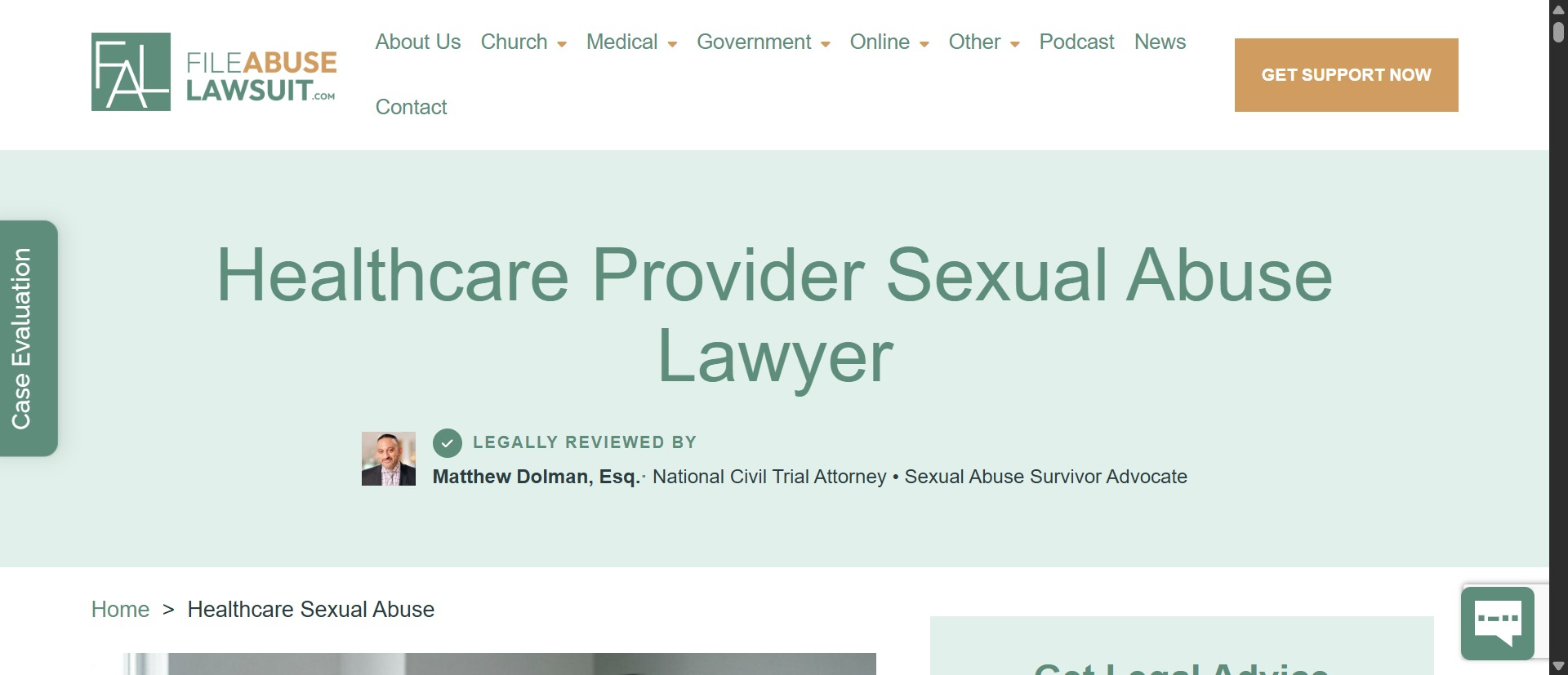
They will help you understand if your doctor went too far and what other parties may be at fault. There are times that the medical facility your provider worked at may also be liable depending on what happened and the law in your state.
If you feel like your provider took advantage of you, you can speak with a doctor sexual abuse lawyer to learn more. Dolman Law Group can explain potential civil options and may work with local counsel when needed.
Your lawyer can help you understand:
- What happened at your appointment. Was the touching or procedure medically necessary? Did you give consent?
- What evidence you have. Appointment records, provider notes, witnesses, relevant policies, and earlier reports. If you have reported this before, what you reported can also be helpful.
- Who you can sue. Your doctor, nurse, therapist, etc. As well as any medical facilities they worked at if applicable.
- What you can do. Your statute of limitations, types of civil lawsuits, privacy, what suing may look like, etc…
The team handles civil abuse claims that can involve questions of institutional responsibility. Dolman Law Group describes experience handling civil claims involving sexual abuse and institutional accountability. They report that its sexual abuse team includes two former sex-crimes prosecutors, two former federal prosecutors, and trauma-informed staff. The firm’s published attorney biographies describe relevant prosecution and litigation experience.
If you aren’t sure if something was done to you, that’s okay. You can still reach out and Dolman Law Group can explain the potential legal options.
They will work on a contingency fee basis, meaning no attorney fees upfront. Always make sure to read your contract to know what fees and costs you may be responsible for.
If you want to learn more about holding your doctor accountable, work with Dolman Law Group.
2. National Crime Victim Bar Association
If you want to be referred to a lawyer, you can submit your information to the National Crime Victim Bar Association. They will try and connect you with an attorney that deals with civil suits for crime victims.
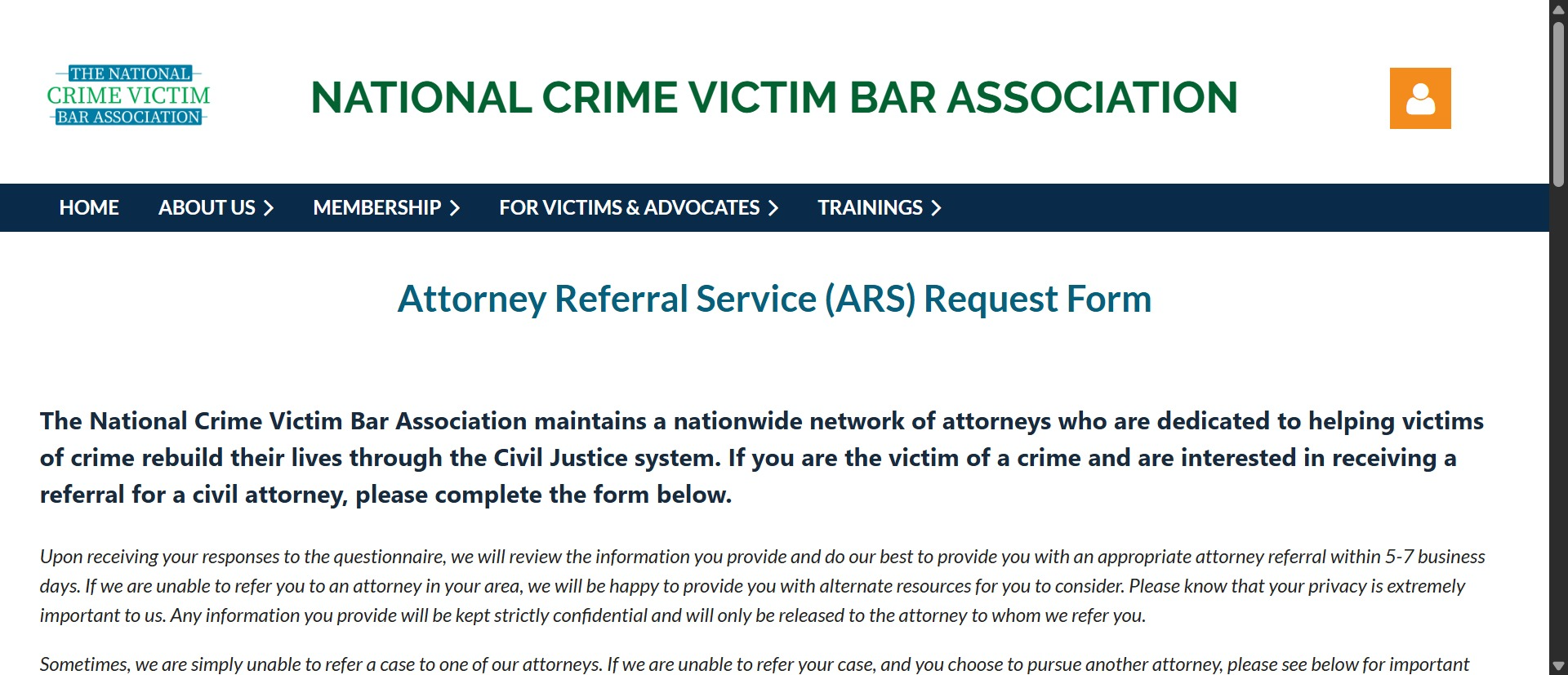
They will ask for information about your case and try to find you an attorney. They will let you know within 5-7 business days if they can refer you to someone, but they cannot guarantee that they can.
They can help you find an attorney if you don’t know where to start. If you aren’t familiar with how to work with a civil attorney, this can help.
- Good to know if you want to be referred to an attorney
- Fill out their request and they will either refer you or give you other resources
- Keep in mind they will just refer you, they aren’t going to tell you if they can take your case
Make sure you ask about what type of cases they deal with, if they’ve dealt with a case similar to yours, what states they work in, etc…
3. RAINN’s National Sexual Assault Hotline
Some people may not want to speak about suing right away, that’s okay too. RAINN’s National Sexual Assault Hotline can help you 24 hours a day, 7 days a week. They can give you information and help you find resources near you.
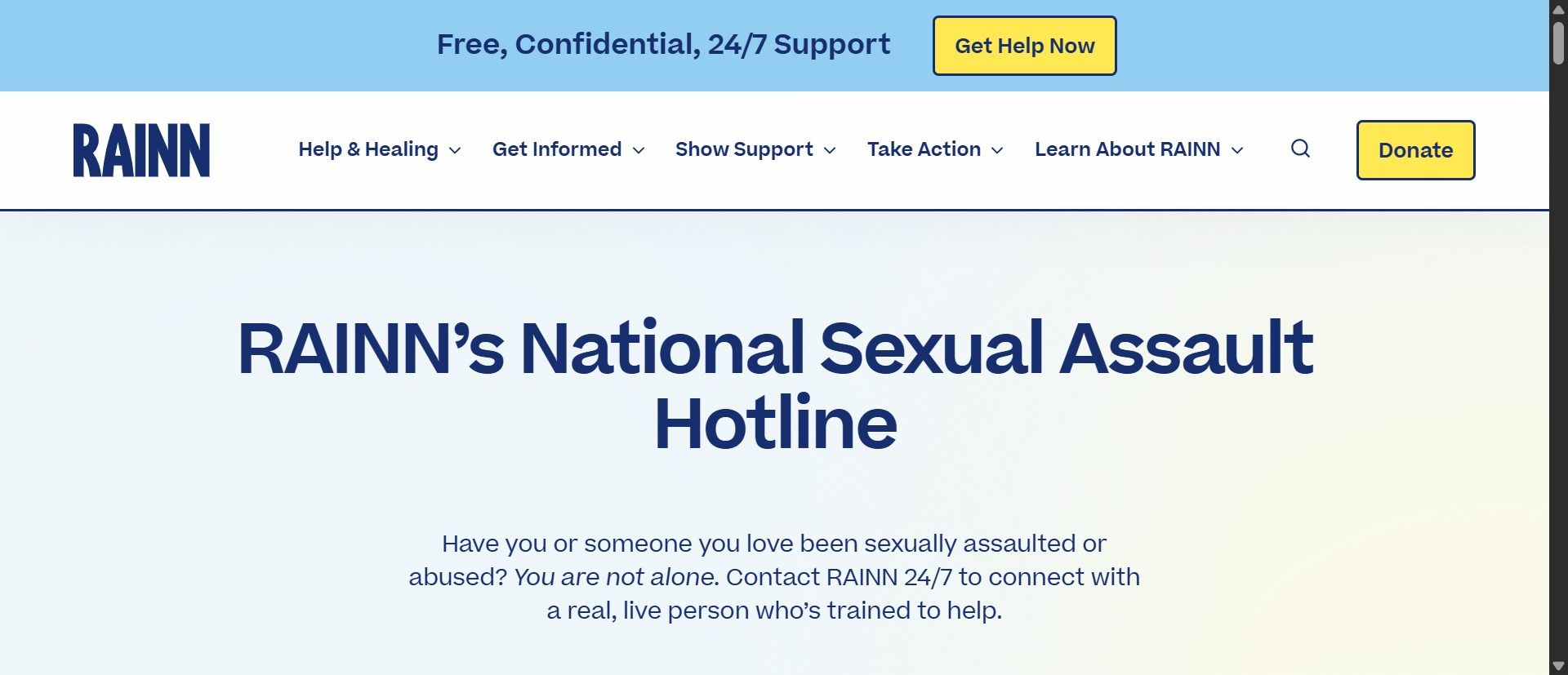
There is no obligation to report or sue if you contact RAINN’s National Sexual Assault Hotline. They can just help you learn what resources are available to you.
They can help you but they will not be your attorney. They can give you resources for counseling, medical, and even legal help, but they won’t sue on your behalf.
Their hotline is confidential and you can remain anonymous. AINN says that if a person under 18 or a vulnerable adult voluntarily provides their name and location, reporting to authorities may be required. Without identifying information, the session can remain anonymous.
This can go hand in hand with working with an attorney.
4. Federation of State Medical Boards
Suing your doctor is different from reporting them to their medical board. The Federation of State Medical Boards can help you learn about your state’s medical board and how they handle complaints against physicians.
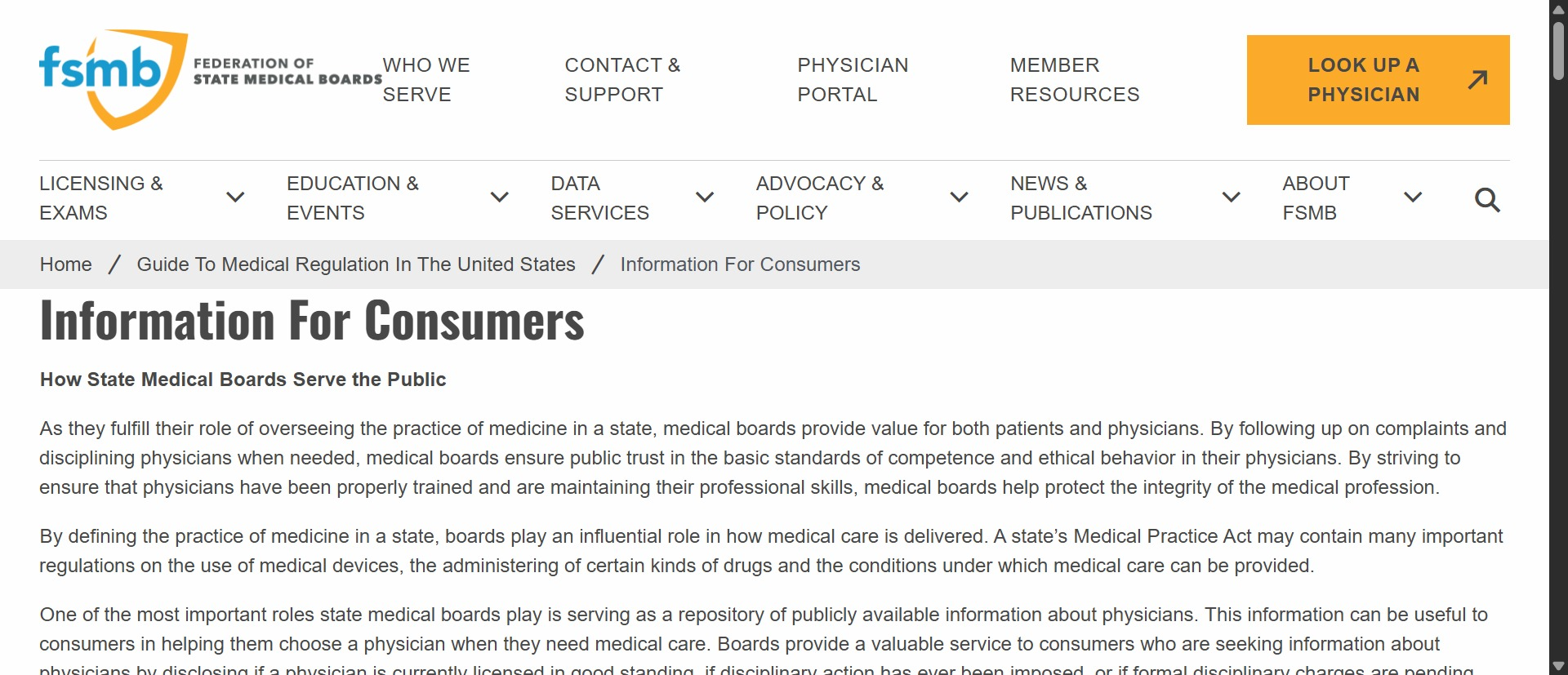
They can tell you about your doctor’s medical license and how to contact your state’s medical board. They list sexual misconduct as one of the higher priority complaints that can be made.
If you want to learn about your doctor’s license, this is where you can start. Your state’s medical board can investigate your doctor and take action if needed, but they aren’t going to be your lawyer.
If you want to report a nurse, therapist, etc, you would have to look into their respective boards.
Reporting your doctor to their medical board may not keep you within the statute of limitations.
Which Should You Choose?
It really comes down to what you need help with.
- Speak with an attorney if you want to know more about your case
- Get referred to an attorney if you don’t know where to start, remember to ask about their experience
- Call a hotline if you want to speak to someone right now and learn about resources near you
- Look into your state’s medical board if you want to report your doctor
You can also write down what you remember about your provider, date(s) of your visit, facility, etc… You don’t need to remember everything, but it can help when you speak to your lawyer.
Learn about your time limit to file, every state is different. It can depend on how old you were, what type of lawsuit you file, and more. Don’t assume that you have more time because you reported to your doctor’s medical board or the police.
Final Recommendation
These resources can complement one another: survivor support, attorney referrals, and medical oversight meet different needs.
Each one of these can work together, but if you want to learn more about suing your doctor, work with Dolman Law Group. They can assess whether a civil claim may be available against a healthcare provider or facility and discuss possible privacy protections.