















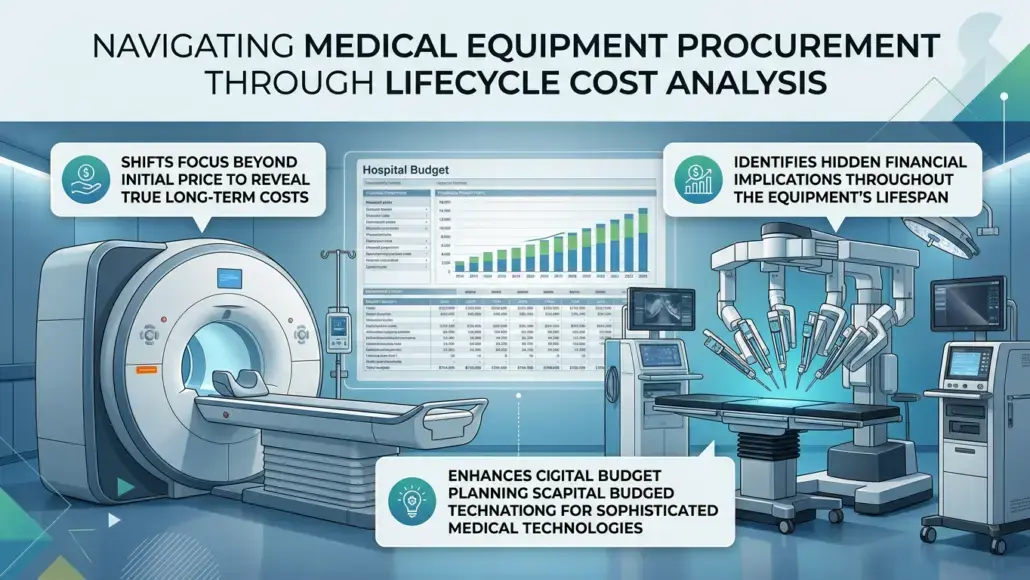

The procurement of high-value medical equipment constitutes a significant portion of a hospital capital budget, involving sophisticated technologies ranging from diagnostic imaging systems to automated surgical platforms. Traditionally, many institutions focused primarily on the initial purchase price as the principal metric for selection. However, this narrow perspective often obscures the long-term financial implications of equipment ownership. By adopting a comprehensive cost analysis framework, healthcare administrators can evaluate the total financial impact of an asset throughout its entire operational life. This methodology accounts for not only the acquisition price but also the expenses related to installation, staff training, clinical consumables, routine maintenance, and eventual decommissioning. This shift in perspective is essential for ensuring that capital investments lead to sustainable operational success.
Understanding the full spectrum of ownership costs is vital for maintaining financial health in a sector characterized by tightening margins and rising operational requirements. A lower initial price point may lead to higher expenditures over time if the equipment requires frequent repairs, specialized consumables, or extensive software upgrades. Conversely, investing in higher-quality equipment with better reliability and lower energy consumption can yield significant savings over several years. Specifically, the procurement team must collaborate closely with clinical engineering and finance departments to build accurate projections of these ongoing costs. This collaboration ensures that the hospital makes investment decisions that support both immediate clinical needs and long-term fiscal stability. The analytical rigour provided by this approach also helps in defending capital requests to the board, providing a clear and objective justification for the chosen technology.
In addition to direct financial costs, the evaluation must consider the impact of equipment downtime on clinical operations. When a critical imaging system or surgical robot is out of service, the hospital loses revenue and patient care is delayed. A thorough cost analysis incorporates these potential losses into the overall financial model, providing a more accurate picture of the equipment true value. High-reliability equipment may justify its higher initial cost by minimizing these disruptions and ensuring continuous throughput. Furthermore, the ability to negotiate comprehensive service level agreements that guarantee rapid response times and uptime is a critical part of the procurement process. By focusing on the total value created by the asset, rather than just its price tag, hospitals can ensure they are making the most effective use of their limited resources.
Analytical Frameworks for Equipment Evaluation
The implementation of a rigorous cost analysis involves several distinct stages, each requiring detailed data collection and expert interpretation. First, the procurement team must define the expected lifespan of the medical device, considering both its physical durability and the likelihood of technological obsolescence. High-tech equipment, such as robotic surgical systems or advanced linear accelerators, may have a shorter clinical lifespan due to rapid advancements in software and hardware capabilities. Once the timeline is established, administrators must quantify all anticipated operational costs. This includes the direct costs of electricity, medical gases, and specialized reagents, as well as the indirect costs associated with facility modifications and regulatory compliance. This comprehensive data gathering is the foundation of an effective investment strategy.

Furthermore, the evaluation process must incorporate the potential for revenue generation associated with the new equipment. Advanced diagnostic tools that offer faster processing times or higher patient throughput can significantly impact the hospital bottom line. By utilizing sophisticated financial modeling techniques, such as net present value and internal rate of return calculations, procurement officers can compare different equipment options on a standardised basis. This objective approach reduces the influence of subjective preferences and ensures that capital is allocated to the projects with the highest clinical and financial returns. To further optimize these investments, hospitals often engage with group purchasing organisations to secure more favourable terms on equipment and service contracts. The following factors are typically included in a comprehensive lifecycle evaluation:
- Initial purchase price, financing interest, and associated tax implications.
- Costs associated with site preparation, environmental controls, and physical installation.
- Comprehensive training programmes for clinical users and in-house technical staff.
- Annual service contract fees, software subscription costs, and non-covered repair expenses.
- Consumption rates of dedicated medical supplies, reagents, and clinical accessories.
- Projected energy consumption and associated utility costs over the asset life.
- Potential for clinical revenue growth through increased throughput or new service offerings.
- Projected salvage value or costs related to environmental disposal and data sanitisation.
The integration of these analytical frameworks allows for a much more sophisticated dialogue between the procurement department and clinical leadership. Instead of a conflict between “cheaper” and “better,” the conversation shifts toward identifying the solution that provides the highest total value. This transparency is critical for building a culture of evidence-based purchasing where everyone understands the financial constraints and clinical goals of the organisation. Moreover, the use of standardised evaluation tools ensures that every department is subject to the same level of rigour, promoting fairness and accountability across the health system. Ultimately, this systematic approach to evaluation leads to a more modern and effective clinical environment.
Operational Reliability and Maintenance Planning
Operational reliability is a critical component of medical equipment management, directly impacting patient safety and hospital efficiency. Unscheduled downtime for essential devices, such as ventilators, dialysis machines, or patient monitors, can lead to cancelled procedures and delayed treatments, potentially compromising patient outcomes. A detailed cost analysis must therefore account for the risk and impact of equipment failure. High-quality devices with proven track records of reliability often justify their higher acquisition costs by minimizing these disruptions. Procurement teams should evaluate the service capabilities of potential vendors, ensuring that they provide rapid response times and have local access to critical spare parts. This focus on reliability ensures that clinicians have the tools they need to deliver uninterrupted care in a high-stakes environment.
Maintenance strategies play a pivotal role in extending the functional life of medical equipment and controlling ownership costs. Hospitals can choose between several maintenance models, including original equipment manufacturer service agreements, third-party service providers, or in-house clinical engineering teams. Each model has different cost structures and performance implications that must be carefully analyzed. A thorough analysis of these options allows the hospital to select the most cost-effective strategy for each asset category. Specifically, implementing proactive maintenance protocols can prevent minor issues from escalating into major failures, thereby reducing overall repair expenses. Additionally, the tracking of maintenance data provides valuable insights into the performance of different brands, informing future procurement decisions and negotiation strategies.
The evolution toward predictive maintenance, enabled by the Internet of Things and real-time monitoring, is further transforming how hospitals manage their medical assets. By utilizing sensors to monitor the health of critical components, clinical engineers can identify potential failures before they occur. This proactive approach not only improves reliability but also allows for more efficient maintenance scheduling, minimizing the impact on clinical operations. The integration of these digital tools into the procurement process requires a new set of skills and a deeper partnership with technology vendors. As hospitals become more dependent on complex, software-driven equipment, the importance of robust maintenance planning will only continue to increase. Ultimately, a well-managed maintenance programme is a vital component of a successful equipment lifecycle strategy.
Financial Sustainability and Capital Allocation
In the current healthcare environment, administrators must balance the need for technological advancement with the imperative of financial sustainability. Lifecycle costing provides the evidence needed to justify significant capital investments to hospital boards and executive leadership. By demonstrating a clear understanding of the long-term financial commitments, procurement officers can build trust and ensure that the organisation resources are used effectively. This strategic approach to capital allocation is essential for maintaining a modern and competitive clinical environment while protecting the institution financial integrity. The use of standardised evaluation tools also facilitates comparisons between disparate requests, such as upgrading an imaging suite versus investing in a new electronic health record module or a specialized laboratory system.
Furthermore, the data generated through these analyses allows for more strategic long-term planning. Procurement leaders can develop multi-year replacement schedules that ensure the hospital technology remains current without creating unsustainable financial spikes. This predictability is essential for maintaining a stable credit rating and for securing favourable financing terms for future projects. Specifically, the ability to demonstrate a disciplined and data-driven approach to capital allocation is highly valued by external stakeholders, including investors and regulatory bodies. By focusing on sustainability, healthcare organisations can ensure they remain capable of meeting the needs of their community for years to come. The long-term success of the institution is directly linked to the wisdom of its procurement decisions today.
Effective capital allocation also involves identifying opportunities for resource sharing across the health system. A centralised view of medical equipment assets allows for the reallocation of underutilized devices to facilities where they are more needed, reducing the need for new purchases. This internal marketplace for equipment can be managed through the same centralised purchasing systems that handle new procurement, creating a highly efficient and integrated asset management operation. By maximizing the utility of existing assets, hospitals can significantly improve their return on investment and reduce their overall capital expenditure. This holistic approach to financial management is a hallmark of a high-performing healthcare organisation.
Regulatory Impact on Lifecycle Management
The regulatory environment for medical devices is becoming increasingly complex, with new requirements for tracking, safety monitoring, and data security. A comprehensive lifecycle cost analysis must account for the costs associated with maintaining compliance throughout the asset life. This includes the expenses related to regulatory audits, mandatory software updates, and the implementation of unique device identification systems. Failure to maintain compliance can lead to significant fines, legal liabilities, and damage to the hospital reputation. Procurement teams must therefore ensure that all equipment purchases include provisions for regulatory support and that vendors are committed to maintaining the necessary safety standards.
Moreover, the focus on cybersecurity in the healthcare sector is driving new requirements for the procurement of connected medical devices. Hospitals must evaluate the security features of any new technology and ensure that they have a robust plan for managing vulnerabilities throughout the equipment lifespan. This includes the costs of regular security patching and the potential impact of a data breach on clinical operations. By incorporating these cybersecurity considerations into their procurement frameworks, healthcare organisations can protect their patients and their data while also reducing their financial risk. The ability to demonstrate a secure and compliant technology infrastructure is essential for building trust with patients and regulators.
Ultimately, the goal of medical equipment procurement is to support the delivery of high-quality, patient-centered care. By focusing on the total cost of ownership rather than just the initial price, hospitals can ensure they are acquiring the most effective and reliable tools for their clinical teams. This analytical rigour leads to better clinical outcomes, improved staff satisfaction, and a more resilient healthcare infrastructure. As medical technology continues to evolve, the importance of sophisticated procurement strategies will only increase. By investing in the right frameworks and expertise, healthcare organisations can successfully manage the complexities of equipment lifecycle management and achieve long-term operational success. The commitment to excellence in procurement is a commitment to the future of healthcare.