









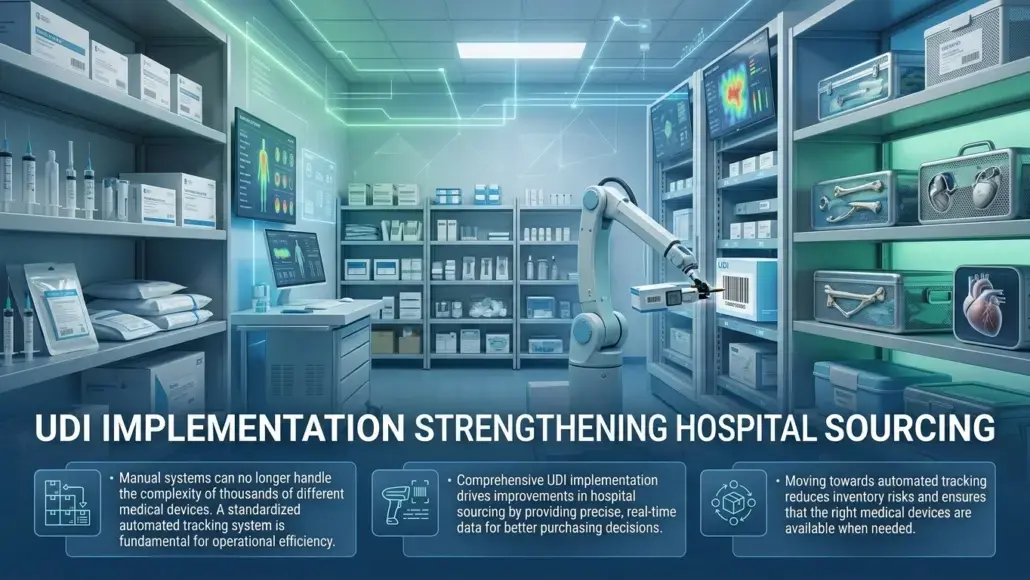
The logistical complexity of managing a modern hospital inventory requires a level of precision that traditional manual systems can no longer provide. With thousands of different medical devices in use, from simple syringes to complex orthopedic implants, the need for a standardized and automated tracking system has become a fundamental requirement for operational efficiency. The transition toward a comprehensive UDI implementation is a key driver for improving hospital sourcing, providing the data necessary to ensure that the right product is available at the right time. By providing a unique digital identifier for every device, this system enhances supply chain transparency and allows for a more responsive and data-driven approach to procurement.
Unique device identification is more than just a regulatory mandate; it is a vital tool for improving patient safety and operational resilience. In the event of a product recall or a quality issue, the ability to rapidly identify and locate the affected devices is essential for protecting the health of the patients. UDI implementation allows hospitals to move away from a reactive, crisis-managed approach to recalls in favor of a proactive and automated system. This shift reduces the administrative burden on clinical staff and ensures that the focus remains on the delivery of high-quality care. The focus is on creating a more professional and accountable sourcing environment that supports the long-term goals of the institution.
Supply Chain Transparency and Procurement Efficiency Standards
The primary benefit of utilizing a standardized identification system is the significant improvement in procurement efficiency. When every device is tagged with a unique identifier that is recognized across the entire supply chain, the risk of data entry errors and inventory discrepancies is significantly reduced. UDI implementation allows for the automation of the ordering and receiving process, ensuring that the hospital’s digital records always reflect the actual state of the inventory. This transparency is a critical factor in reducing waste and for optimizing the use of hospital resources. For procurement directors, this means being able to manage the supply chain with greater confidence and precision.
Furthermore, the data generated by the UDI system provides a wealth of information for strategic sourcing decisions. By analyzing the usage patterns and the performance of different devices, hospitals can identify opportunities for standardization and contract negotiation. This data-driven approach to sourcing allows for the consolidation of vendors and the achievement of better economies of scale. The move toward a more integrated and professionalized procurement strategy is a hallmark of the modern healthcare sector, and the role of standardized identification in supporting this transition is indisputable. The focus remains on achieving the best possible value for the organization and the patients it serves.
Regulatory Compliance and Quality Assurance in Sourcing
The transition toward full UDI implementation requires a rigorous adherence to international standards for device identification and data management. Regulatory compliance is a fundamental requirement for both manufacturers and healthcare providers, as the integrity of the tracking system depends on the consistency of the data. Hospitals must ensure that their internal systems are capable of capturing and stores the UDI information at every point in the device lifecycle, from procurement to patient use. This involves a comprehensive program of staff training and system upgrades to ensure that the data is handled in a compliant and secure manner.
Quality assurance also extends into the clinical environment, where the UDI system serves as a vital tool for ensuring the safety and the effectiveness of the devices in use. By linking the device identifier directly to the patient’s electronic health record, clinicians can track the long-term performance of implants and other high-risk devices. This level of transparency is essential for identifying potential safety signals and for improving the overall quality of surgical and medical interventions. The move toward a more data-driven and patient-centered approach to device management is a defining characteristic of the modern healthcare industry, and the role of standardized identification in supporting this transition is essential.
Enhancing Patient Safety and Clinical Accountability
The ultimate goal of improving hospital sourcing through better identification is the enhancement of patient safety. A poorly managed supply chain can lead to the use of expired or faulty products, which is a major risk to patient health. UDI implementation provides a robust safety net that ensures that every device in use is verified for its quality and its provenance. The ability to track the exact device used in a specific procedure provides a level of accountability that was previously unattainable. For patients and their families, this transparency provides greater confidence in the safety and the reliability of the care they receive.
The data captured by the UDI system also supports the development of more effective clinical protocols and best practices. By analyzing the outcomes associated with different devices and procedures, hospitals can identify the most effective treatments and ensure that they are adopted across the entire organization. This continuous improvement of clinical care is a key factor in the long-term success of any healthcare system. The role of standardized identification in driving this technical and professional excellence is an essential aspect of modern hospital management. The commitment to data-driven care and patient safety is what will define the leaders of the industry in the decades to come.
Future Directions in Supply Chain Automation
The continued evolution of the healthcare supply chain will likely lead to an even greater emphasis on the integration of digital tools with the physical movement of goods. We are already seeing the emergence of “smart cabinets” and automated inventory management systems that use UDI data to track usage in real-time. The role of UDI implementation in supporting this evolution is essential, as it provides the standardized data points necessary for effective system-wide monitoring. The move toward a more autonomous and data-driven supply chain represents the next frontier in hospital sourcing.
In the coming years, the integration of blockchain and other secure ledger technologies will further enhance the transparency and the security of the medical device supply chain. This would provide a permanent and tamper-proof record of every device’s journey from the manufacturer to the patient, significantly reducing the risk of counterfeit or substandard products entering the system. The ability to verify the authenticity and the quality of every device in seconds is a major goal for both regulators and healthcare providers. The ongoing commitment to technical innovation and operational excellence is what will define the success of these programs in the decades to come.
The transition toward a more connected and data-driven approach to hospital sourcing is a defining characteristic of the modern healthcare industry. By prioritizing the use of standardized identification, healthcare providers can achieve levels of insight and efficiency that were once considered unattainable. The benefits of this approach extend beyond the procurement office, contributing to a more responsive and resilient health system that is better equipped to handle the challenges of a global population. The commitment to technical excellence and patient safety is what will define the leaders of the industry in the decades to come.
As the industry moves forward, the focus will remain on the refinement of the UDI system and the continued improvement of supply chain transparency. The ability to handle the increasing complexity of new medical devices and regulatory requirements will remain a key challenge for hospital administrators and procurement professionals alike. The ongoing evolution of UDI implementation is a testament to the power of technical innovation in the service of human health, ensuring that the next generation of healthcare sourcing is both reliable and accountable to every patient who needs it.