












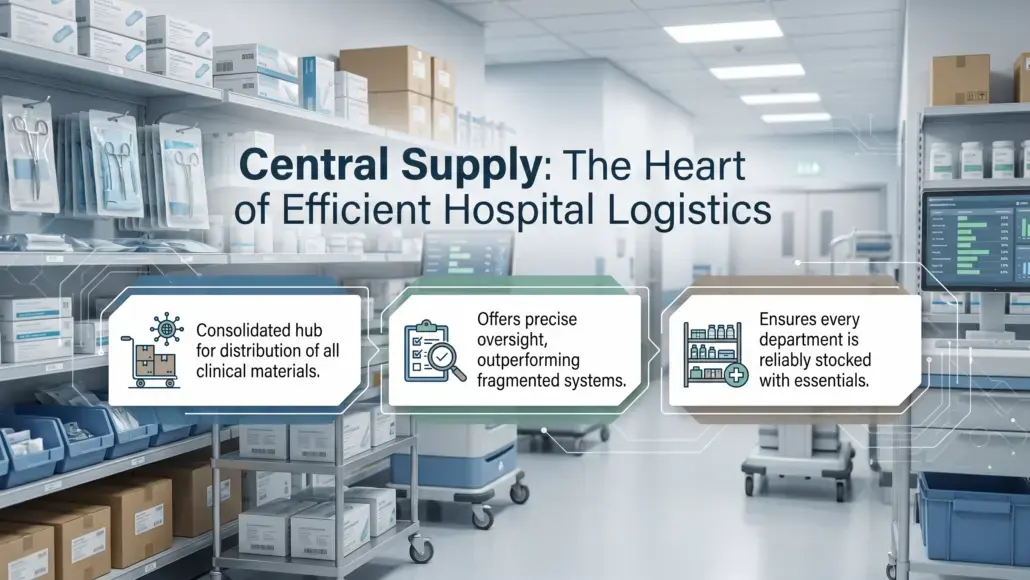

The operational efficiency of a healthcare facility is deeply contingent upon the reliability of its internal logistics and the precision of its asset management. Central supply stores act as the primary hub for the consolidation and distribution of clinical materials, ensuring that every department remains stocked with the necessary instruments and consumables. This centralized approach to resource management allows for a more granular level of oversight than fragmented storage systems, reducing the likelihood of stockouts in critical areas such as the operating room or emergency department. By consolidating medical assets into a single, managed environment, administrators can implement more rigorous quality control measures and streamline the replenishment cycles that sustain daily patient care. The strategic role of these units extends beyond simple storage; they are vital components in a broader effort to reduce operational costs and improve clinical outcomes through better resource availability.
In the complex environment of a modern hospital, the ability to track and manage thousands of unique Stock Keeping Units (SKUs) requires a sophisticated organizational framework. Fragmented inventory systems often lead to duplicate orders, excessive waste through expiration, and a lack of transparency that complicates financial auditing. The implementation of professional central supply stores addresses these challenges by providing a unified data stream for all material movements. This centralized visibility allows for the implementation of par-level management and just-in-time delivery models, ensuring that supplies are only moved when there is a documented clinical need. The focus is on creating a lean, responsive supply chain that prioritizes the needs of the patient while minimizing the financial burden of overstocking. As healthcare institutions face increasing pressure to optimize their resources, the maturity of their central supply operations becomes a defining factor in their long-term sustainability.
Centralized Asset Management and Quality Control Frameworks
The consolidation of medical supplies into central supply stores provides a comprehensive framework for implementing high-level quality control and sterilization protocols. In many facilities, the central supply department is closely integrated with sterile processing units, ensuring that surgical instruments are cleaned, sterilized, and stored in a controlled environment before being dispatched for use. This proximity reduces the risk of contamination during transport and allows for more consistent monitoring of sterilization cycles. By centralizing these critical functions, hospitals can ensure that every instrument used in a clinical procedure meets the highest standards of safety and efficacy. The ability to track a single instrument through its entire lifecycle, from use to sterilization and back into storage, is a fundamental requirement for modern patient safety and risk management.
Beyond sterilization, centralized management allows for more effective monitoring of expiration dates and lot numbers. In a decentralized system, supplies can easily be overlooked in remote storage closets, leading to the use of expired materials or the loss of high-value assets. Central supply stores utilize advanced inventory management software to provide real-time alerts when items are approaching their expiration date, allowing staff to prioritize their use or return them to the vendor before they become a financial loss. This proactive approach to inventory health is essential for maintaining a lean supply chain and ensuring that clinicians always have access to viable, high-quality materials. The centralization of these tasks also allows for the specialization of staff, who can become experts in the unique storage requirements of different medical categories, from sensitive biologics to heavy orthopedic equipment.
Optimizing Material Distribution and Internal Logistics Flows
The physical movement of supplies from the central hub to the clinical point of use is a critical phase in the hospital supply chain. Efficient central supply stores are designed to facilitate rapid picking and dispatch, utilizing logical zoning and high-density storage solutions to minimize the time required to fulfill department orders. The use of standardized transport carts and automated delivery systems ensures that supplies are moved safely and efficiently through the hospital corridors. By optimizing these internal logistics flows, facilities can reduce the time that clinical staff spend searching for supplies, allowing them to focus more of their attention on direct patient care. This improvement in workflow efficiency is a direct result of a well-organized central supply operation that prioritizes the needs of the end-user.
The implementation of a “push” or “pull” distribution strategy is also facilitated by centralized storage. In a pull system, departments request supplies based on actual consumption, which is then fulfilled by the central supply team. This reduces the amount of inventory held at the department level and minimizes the risk of overstocking. Conversely, a push system can be used for high-volume consumables where the central store automatically replenishes department stock based on predefined par levels. The ability to switch between these strategies based on the specific needs of each department is a key advantage of central supply stores. This flexibility ensures that the hospital can respond to sudden changes in patient volume or clinical requirements without disrupting the broader supply chain. The focus remains on maintaining a steady, reliable flow of materials that supports the continuous operation of the healthcare facility.
Technological Integration and Real-Time Inventory Visibility
The effectiveness of central supply stores is significantly enhanced by the integration of digital tracking technologies such as radio frequency identification (RFID) and advanced barcode scanning. these systems provide a real-time view of inventory levels, allowing for automated reordering and more accurate financial reporting. When every item in the central store is digitally logged, administrators can identify trends in consumption and adjust their procurement strategies accordingly. This data-driven approach to inventory management reduces the reliance on manual counting and minimizes the risk of human error in the ordering process. The integration of these technologies with the hospital’s broader Enterprise Resource Planning (ERP) system ensures that supply chain data is accessible to stakeholders across the organization, from clinical managers to financial auditors.
Real-time visibility also allows for more effective management of high-value assets and specialized equipment. Items such as cardiac stents, orthopedic implants, and expensive diagnostic kits can be tracked with precision, ensuring that they are always available when needed and that their use is accurately billed to the patient. This level of transparency is essential for maintaining the financial health of the institution and ensuring that resources are used responsibly. The use of automated dispensing cabinets in clinical areas, which are replenished by the central supply stores, further enhances this visibility by providing a detailed record of every item used at the bedside. This closed-loop system ensures that the inventory registry is always aligned with the physical reality of the hospital’s assets, providing a solid foundation for both clinical excellence and financial accountability.
Ergonomic Design and Workforce Safety in Supply Operations
The physical environment of central supply stores must be designed with the health and safety of the logistics workforce in mind. The repetitive nature of picking, packing, and transporting medical supplies can lead to workplace injuries if ergonomic principles are not prioritized. Professional central supply operations utilize height-adjustable workstations, anti-fatigue flooring, and mechanical assistance for heavy lifting to reduce the physical strain on staff. By creating a safer and more comfortable working environment, hospitals can reduce staff turnover and maintain a more consistent level of operational performance. The well-being of the logistics team is directly linked to the reliability of the supply chain, making ergonomics a critical consideration for hospital administrators.
Safety also encompasses the management of hazardous materials and the maintenance of a clean, organized workspace. Central supply stores must have dedicated areas for the storage of chemicals used in sterilization and cleaning, with appropriate ventilation and spill containment measures in place. The layout of the store should provide clear pathways for both pedestrian and vehicular traffic, with high-visibility signage and floor markings to prevent accidents. A well-organized environment not only improves safety but also enhances the speed and accuracy of supply operations by reducing the time spent searching for items or moving through cluttered aisles. When workforce safety is central to the design of the supply operation, the entire institution benefits from a more resilient and reliable logistics system. This commitment to the human factor ensures that the supply chain remains a strong support system for the clinical teams working on the front lines of patient care.
Scalability and Future-Proofing Centralized Supply Systems
As healthcare institutions grow and clinical technologies evolve, the demands placed on central supply stores will continue to change. A successful supply operation must be inherently flexible, with a layout and organizational structure that can adapt to new types of medical inventory and increased volume. This involves the use of modular storage solutions and a commitment to continuous process improvement. By regularly reviewing their logistics workflows and adopting new technologies, hospitals can ensure that their central supply operations remain at the forefront of efficiency. The ability to scale the operation without the need for major structural renovations is a key advantage of a well-planned centralized system.
Future-proofing also involves preparing for the integration of further automation, such as robotic picking systems and fully autonomous internal delivery fleets. The infrastructure of the central supply stores must account for the power requirements and data connectivity these technologies demand. By leaving room for technological expansion, administrators ensure that their supply operations remain a strategic asset for the entire institution. The ultimate goal is to create a central supply system that is not just a repository for goods but a dynamic, intelligent node in the broader healthcare network. This commitment to scalability and innovation ensures that the hospital can continue to provide high-quality patient care in an increasingly complex and resource-constrained environment. The proactive management of these centralized assets is a fundamental requirement for the success of any modern healthcare organization, ensuring that the right supplies are always available to support clinical excellence.